
MUSEUM
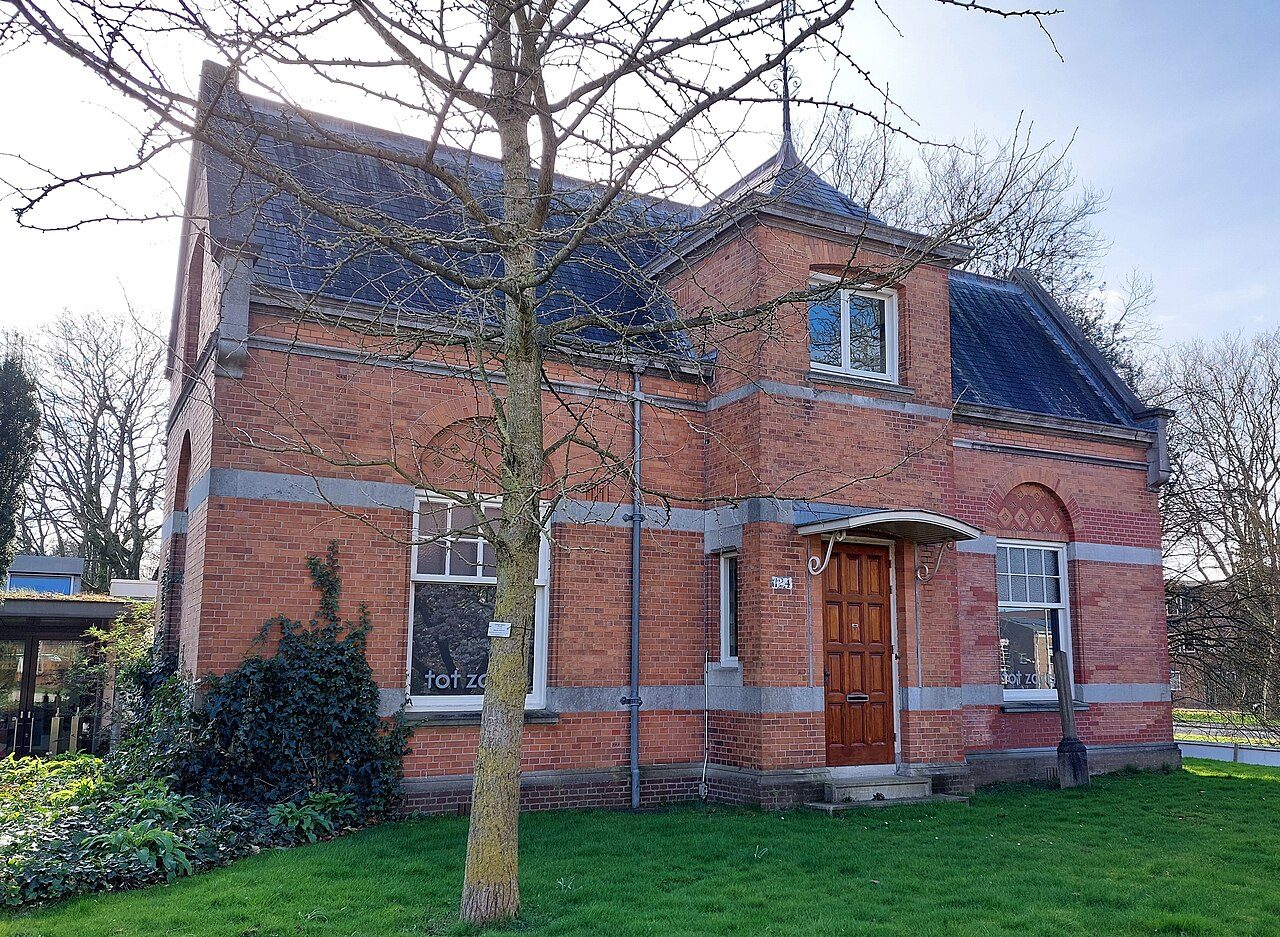
Tot Zover Funeral Museum
The Dutch funeral museum, at De Nieuwe Ooster cemetery.
A portrait with a second history
Tot Zover Funeral Museum, at Amsterdam’s De Nieuwe Ooster cemetery, looks at death through the objects people leave behind. One painting shows how easily their meaning can change. In 2021, conservator Jos Deuss discovered that the half-open eyes in Nicolaes Maes’s portrait of a girl were a nineteenth-century addition. Maes had painted her with closed eyes around 1671. This was a portrait made after her death, not the likeness of a living child it later appeared to be.
The museum rewards that kind of close attention. A painting, a bouquet or an urn can hold a story that is not immediately visible. If you are approaching from Park Frankendael, allow about eight minutes on foot.
Flowers made from family hair
Look for the bouquet displayed in a gilded walnut case. Its flowers are made from human hair. In 1871, Johannes Wilhelmus de Hoog received it as a birthday present, with hair from both living and dead family members worked into the arrangement. More hair flowers were added in 1914–15.
Those later additions matter. This was not simply a keepsake made once and put away. The family continued adding to it across decades. Take a moment to look beyond the unfamiliar material and consider the occasion: a birthday gift brought the living and the dead together in one family object. The case presents it as something to preserve and look at, rather than something to wear or carry.
A face without a name
Another deathbed portrait has a less settled history. Lent to the museum in 2006, it had long been thought to show Ignatius of Loyola, founder of the Jesuits. For roughly 150 years, it had hung as a prized picture in a Jesuit presbytery. A 2011 account explained the misunderstanding: neither the person depicted nor the painter has been identified.
Keep that uncertainty in mind when looking at it. The picture’s long life as an image of Ignatius is part of its history, even though the identification does not hold. Where the skull gate of the Zuiderkerkhof makes its subject plain, these portraits ask you to look more carefully at what an image actually tells you.
Underfoot and in the wall
Do not keep your eyes only on the displays. In 2018, director Guus Sluiter drew attention to an urn by artist Maria van Kesteren, set into the museum floor beneath glass. It contains notes from people involved in building the museum. They predicted what funerals would look like a century later. Here, an object associated with the dead holds thoughts addressed to the future.
Outside, examine the café wall for two name-stones from Roosenburgh, a country house demolished in the nineteenth century. The café opened alongside the museum in 2007. These reused stones give the building another layer of remembrance: fragments of a vanished house remain visible in a place devoted to what people keep.
Things to know
- Find the museum at De Nieuwe Ooster cemetery.
- From Park Frankendael, allow about eight minutes on foot.
- Allow time to read the stories behind the objects.
- Look down for the urn beneath glass in the floor.
- Check the café’s outside wall for the Roosenburgh name-stones.
- Opening hours and prices can change. Check the official website before you go. Official website
What people say
Related spots
More things to do in Amsterdam ›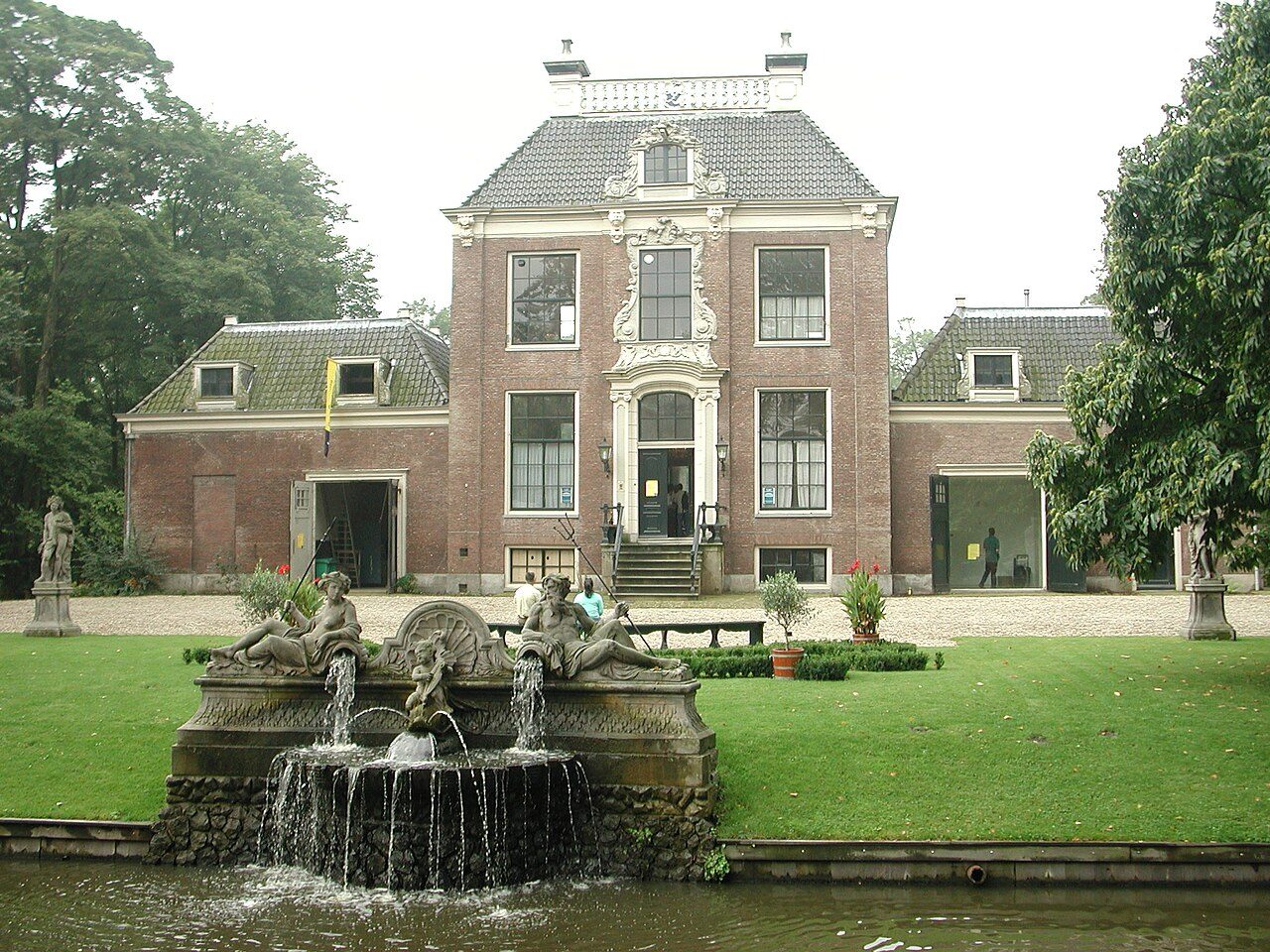
Park Frankendael
A country house, formal garden, old nursery grounds and a tiny island folly make this Watergraafsmeer park a walk through changing Amsterdam.
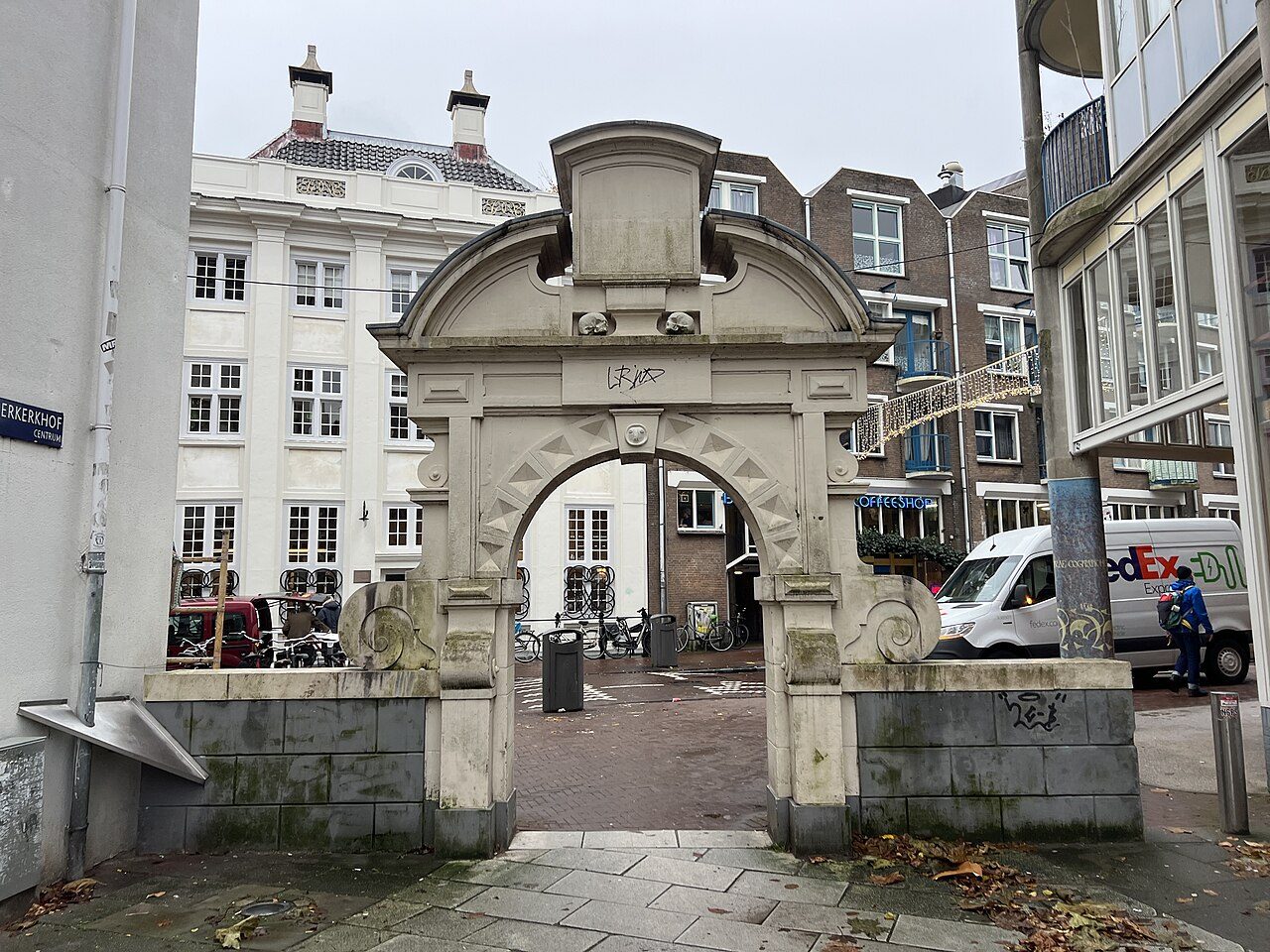
Skull gate of the Zuiderkerkhof
The old graveyard gate on the Sint Antoniesbreestraat, crowned with skulls.
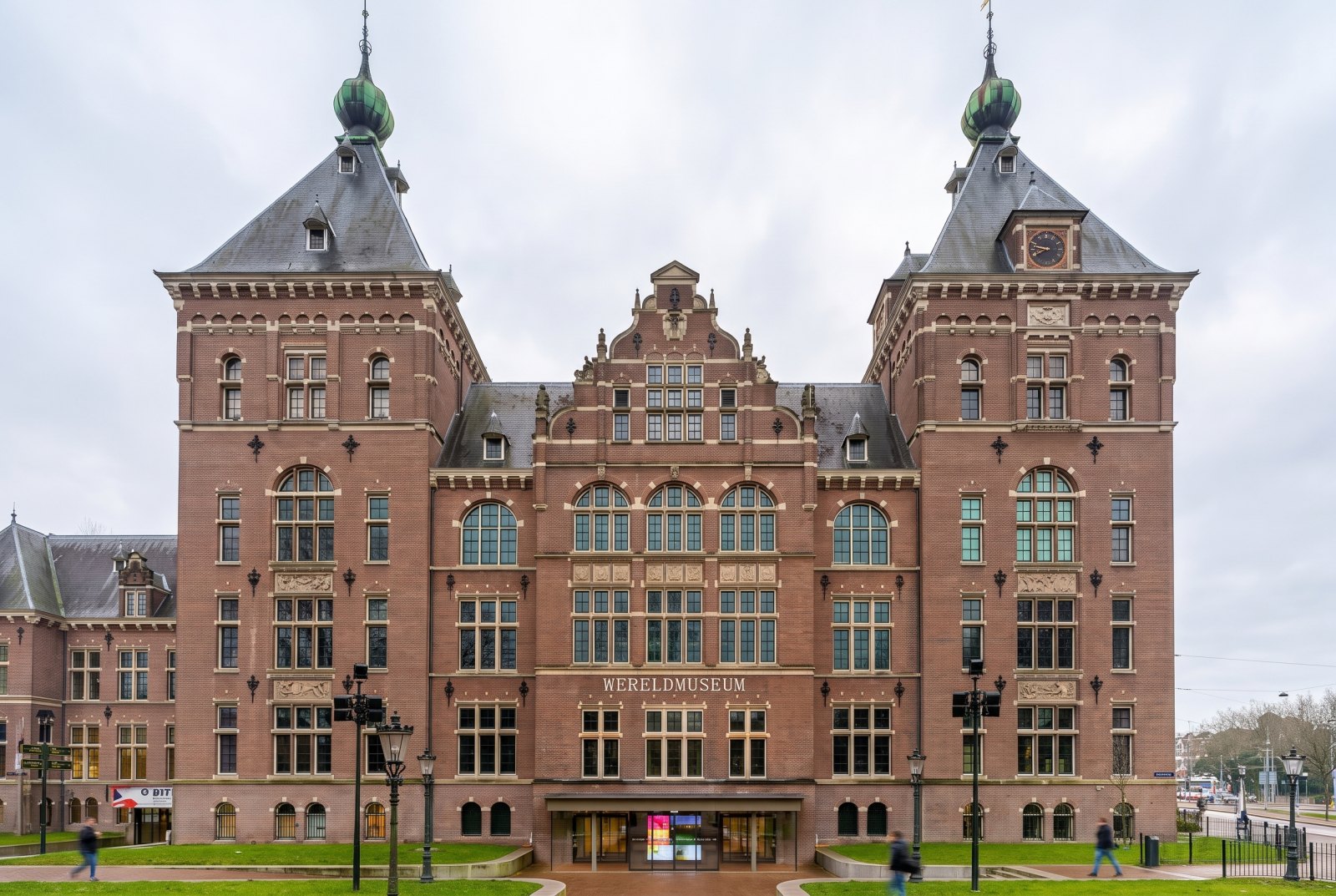
Wereldmuseum Amsterdam
A museum beside Oosterpark where objects and exhibitions connect lives across the world with the building’s colonial past.
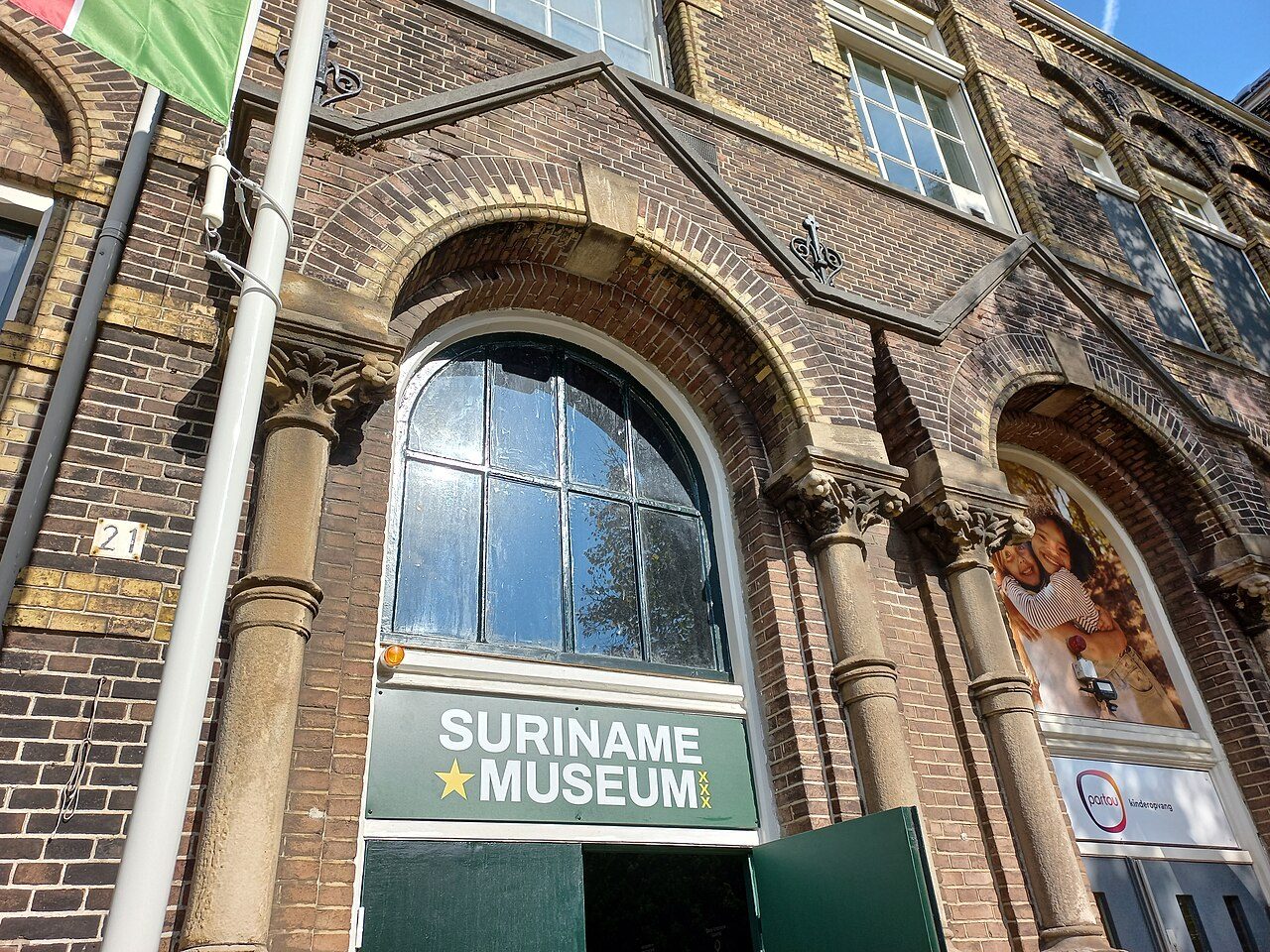
Suriname Museum
The history and culture of Suriname and its people in the Netherlands.
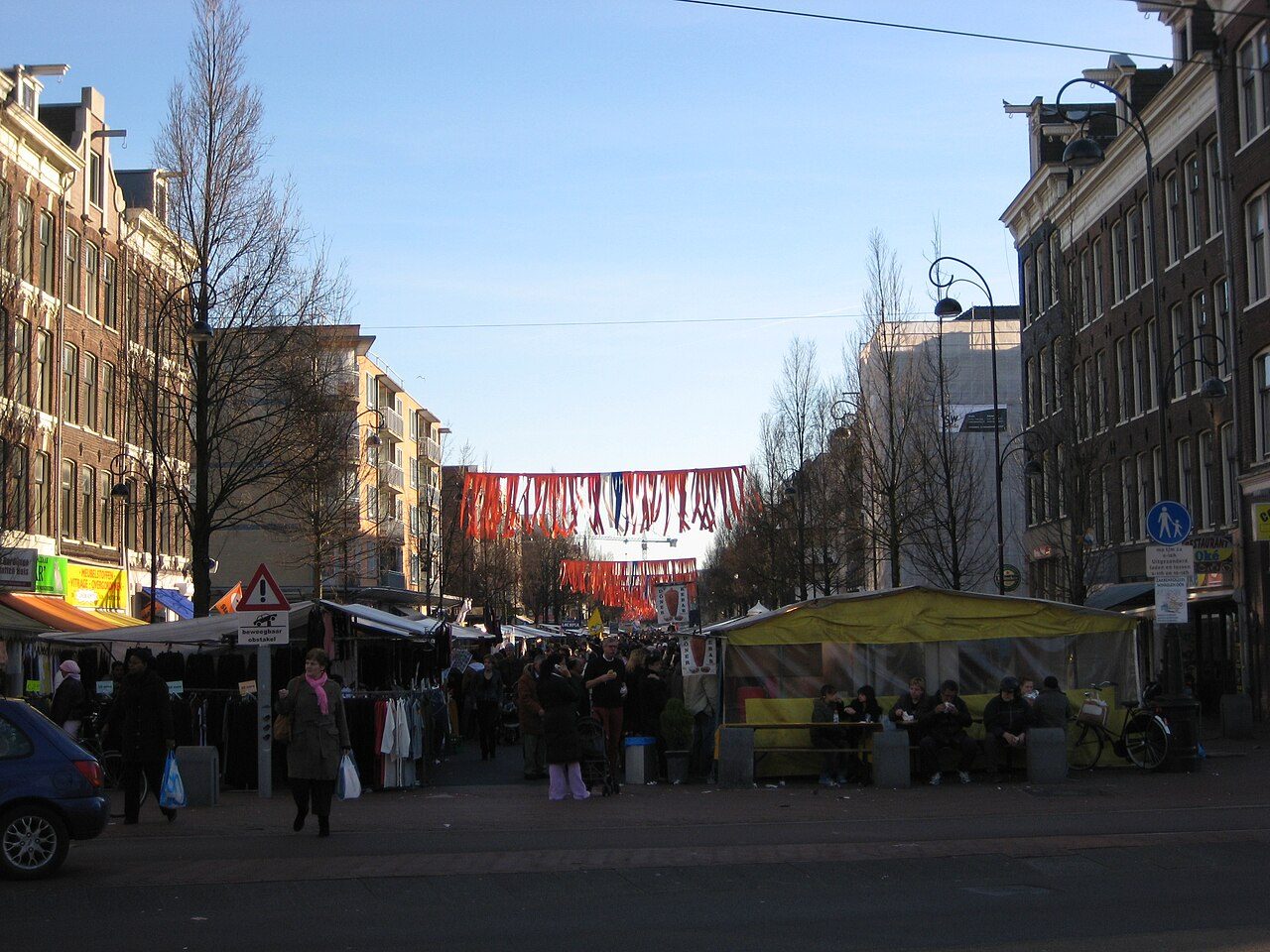
Dappermarkt
Browse a real neighbourhood market for fresh food, flowers and everyday finds; its traders have stories worth hearing.
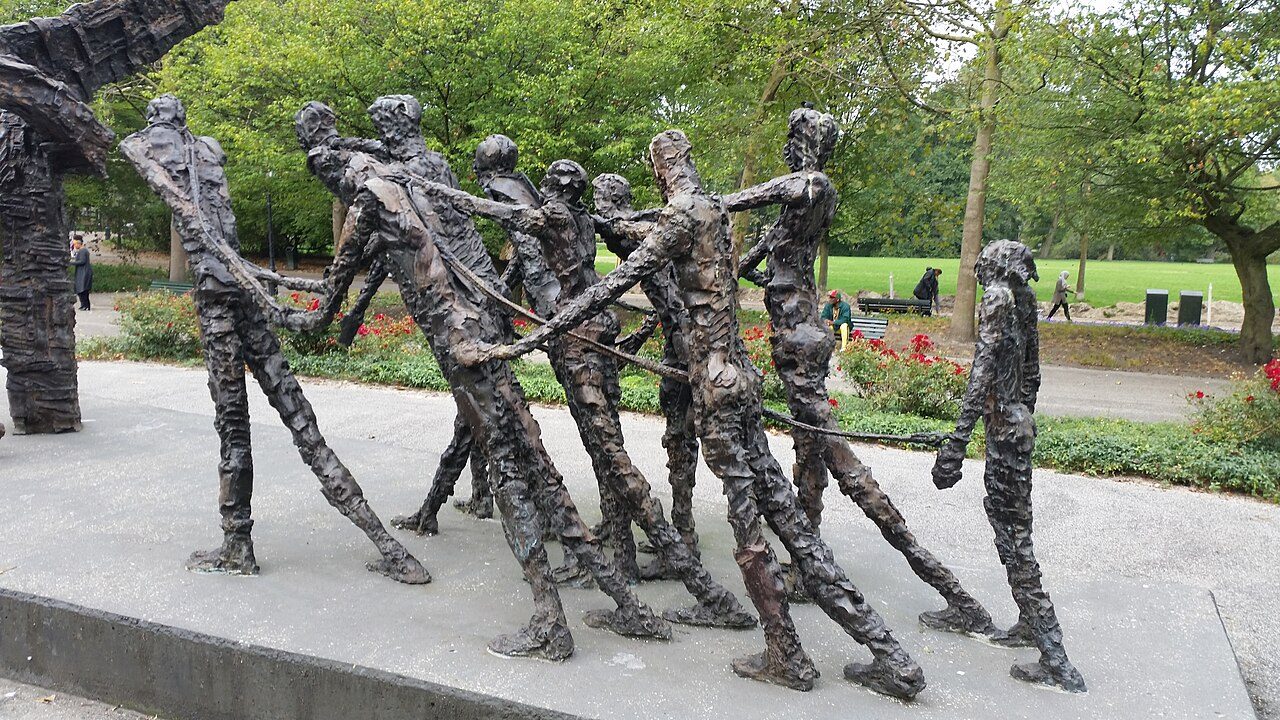
National Slavery Monument
The monument in the Oosterpark for the abolition of slavery, centre of Keti Koti on 1 July.
Walk it with a guide or a quest
If you want a story on the way, these walks also live in Amsterdam.
 FREE AUDIO TOUR
Amsterdam Ghost Tour
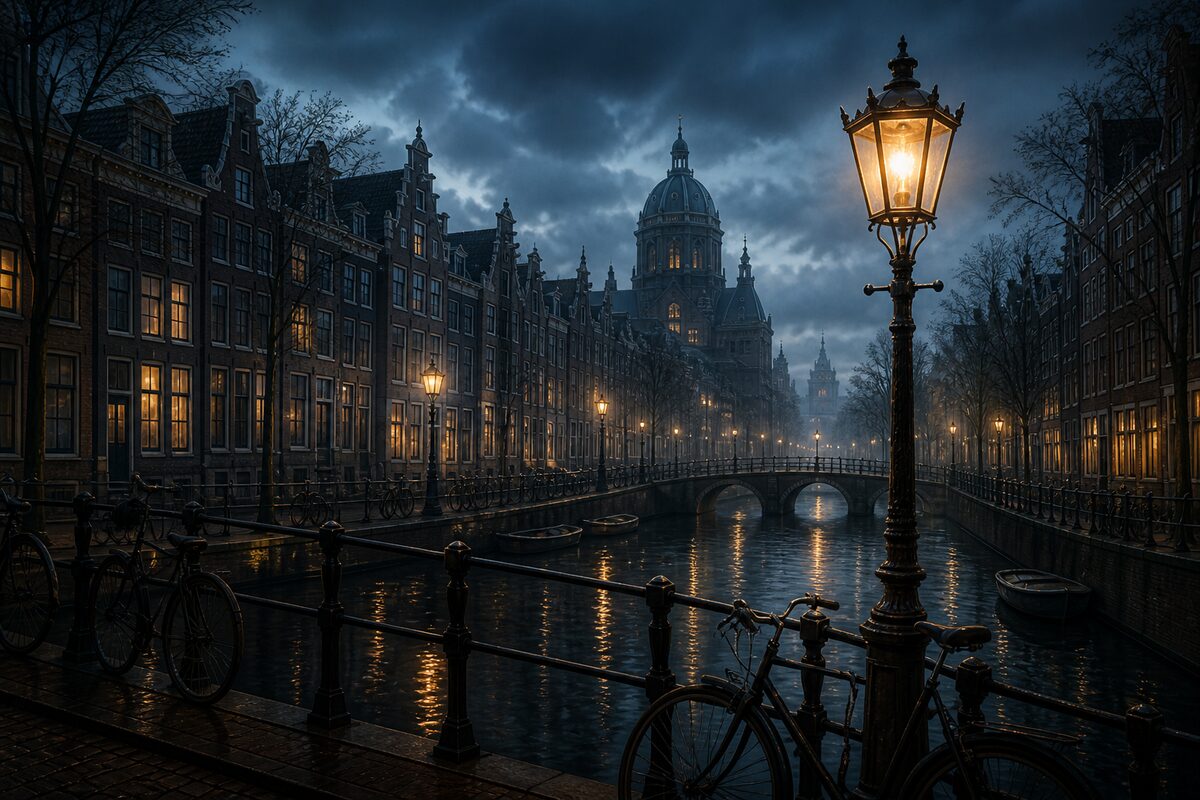
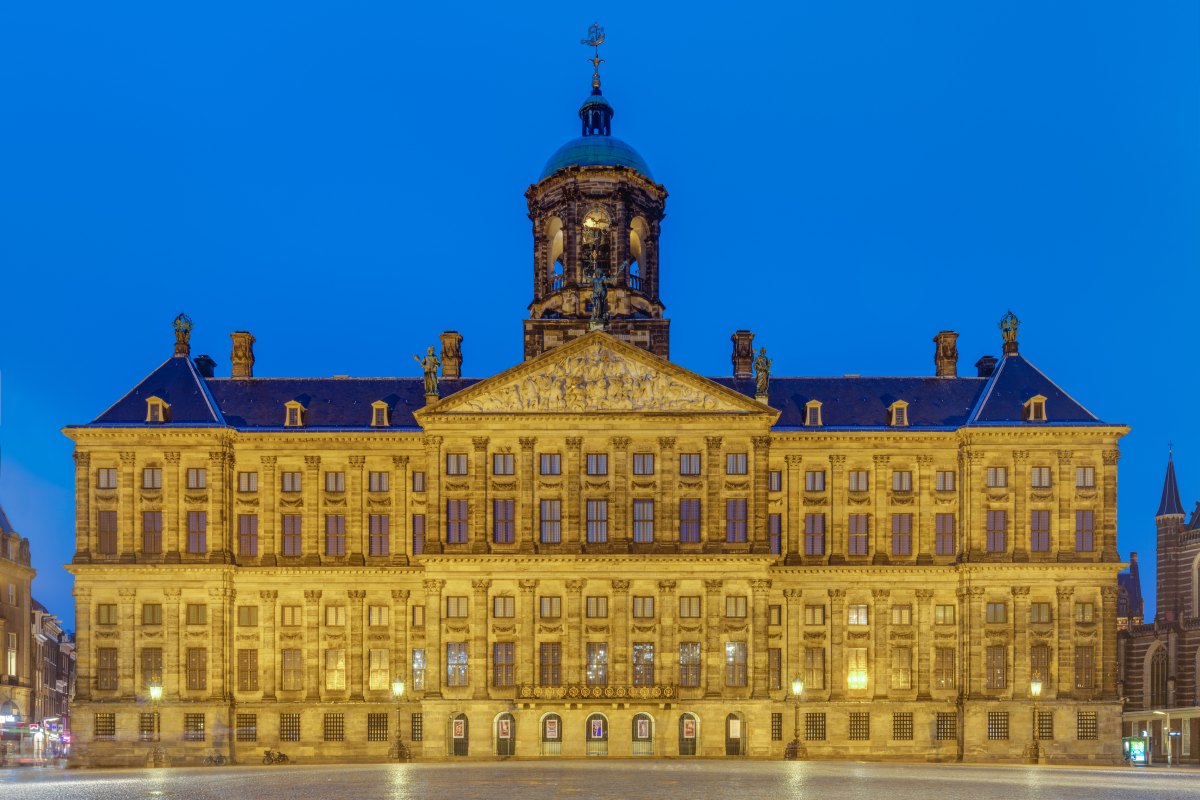
Amsterdam’s ghost stories belong to real streets, where crowds waited for spirits and families went out to look at hanging bodies. You can stand in those places today, with canal water beside you and old church towers overhead.
 FREE AUDIO TOUR
Amsterdam in a Day: Highlights Walk
Amsterdam’s canals and grand houses tell you how a trading city grew rich, but that is only half the story. If you have one day in Amsterdam, spend it on the streets where merchants, workers and people in hiding lived within walking distance of each other.
 FREE AUDIO TOUR
Red Light District
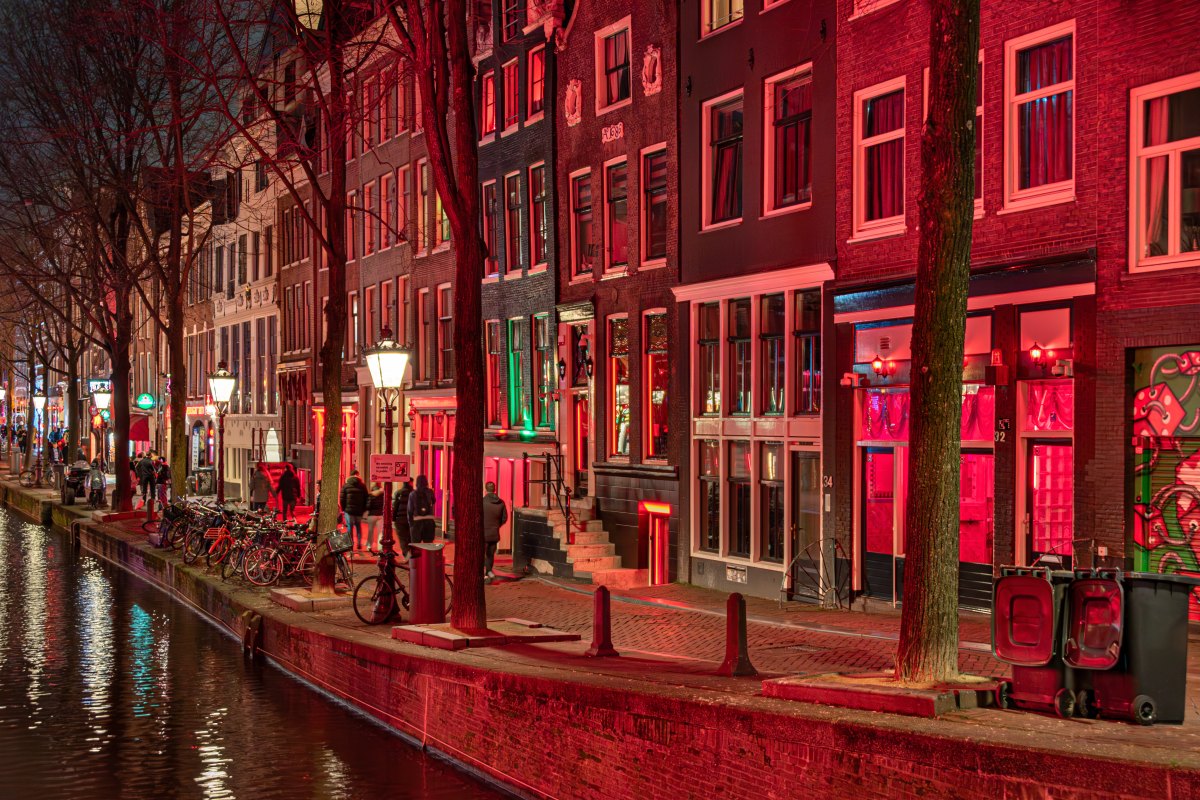
Amsterdam’s Red Light District is a neighbourhood where sex workers work behind street-level windows, right beside a church. Walk these lanes and you’ll stand where the city has made room for the sex trade while punishing people who worked in it.