
MUSEUM
Suriname Museum
The history and culture of Suriname and its people in the Netherlands.
A museum built by a community
On 25 November 2025, the fiftieth anniversary of Suriname’s independence, King Willem-Alexander unveiled a plaque at Amsterdam’s Suriname Museum. The ceremony began with an Indigenous initiation ritual. Jeangu Macrooy sang the Surinamese national anthem with singers from the ZO! Gospel Choir. It was the official opening of a museum that had welcomed its first visitors that September.
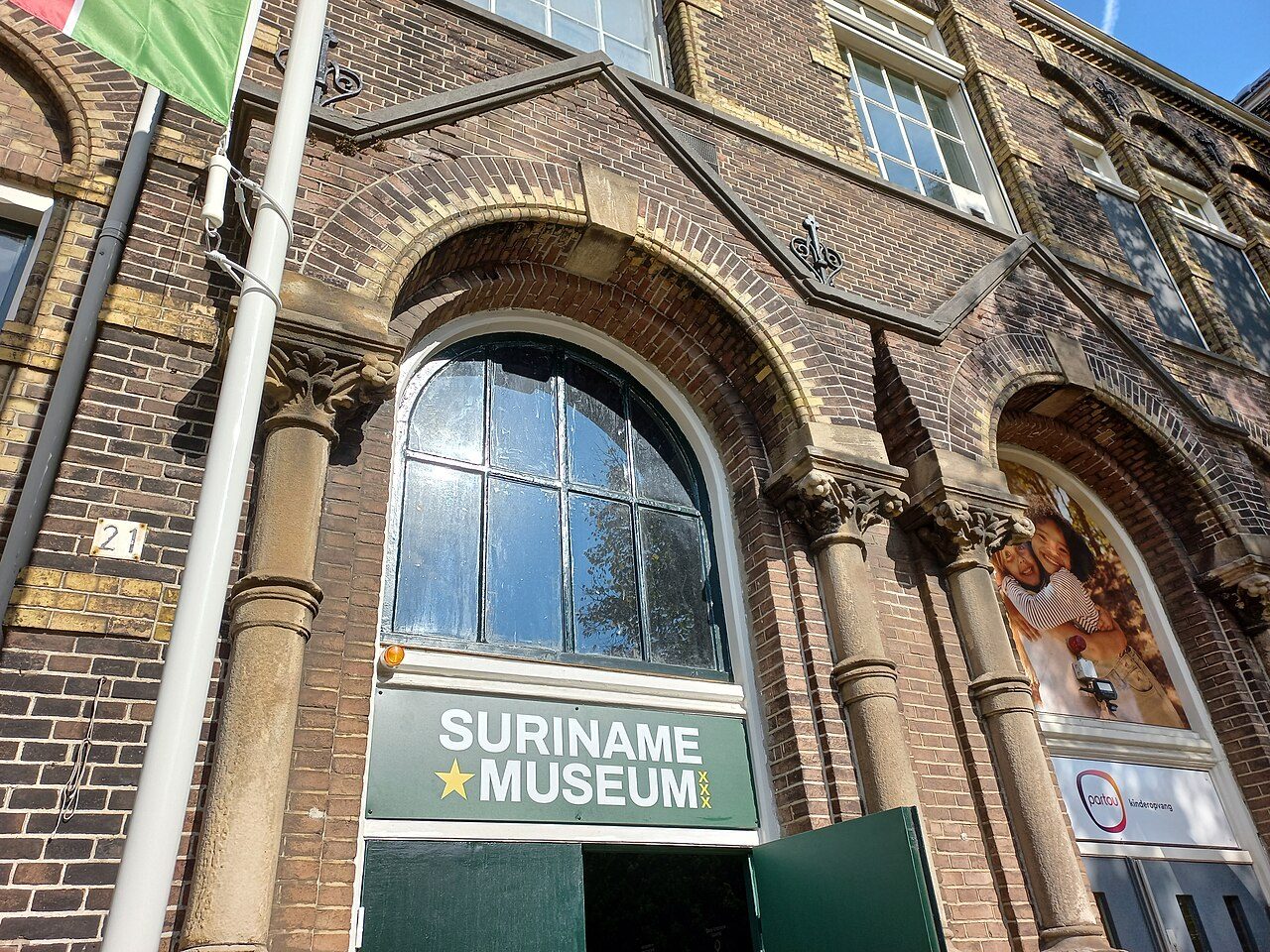
Come here for the history of Suriname and its people in the Netherlands, told through objects, images and personal stories. The address is Zeeburgerdijk 19–21, about two minutes on foot from De Gooyer windmill. Before going inside, look to the left of the front of the building for the Wall of Surinamese and Black Heroes, a mural by Hedy Tjin and Dewy Elsinga.
A former school, a long ambition
Vereniging Ons Suriname bought this former school in 1994. Attempts to establish a museum in 1999 and 2005 struggled with limited money, inadequate space and a lack of public interest. The ambition remained: to tell a history that received little attention in the Netherlands, including for people who had never visited Suriname themselves.
The conversion eventually created exhibition space across the basement, two floors and the attic. The exterior is protected as a municipal monument. The building’s name, Hugo Olijfveldhuis, remembers Reginald Hugo Olijfveld, a Surinamese metalworker at the Amsterdamsche Droogdok Maatschappij and a community organiser. He chaired the First Surinamese Congress for Unity in 1965 and died in a road accident in 1967, aged 32.
Look closely at the representations
The opening exhibition, “Meet su! meet us!”, brought together the histories of Suriname’s different population groups. Subjects include Indigenous life, Creole and Maroon history, and figures such as Boni, Janey Tetary and Anton de Kom. Unlike the worldwide scope of Wereldmuseum Amsterdam, the focus here stays with Suriname and its connections to the Netherlands.
Look for the engravings depicting an Indigenous mourning ritual. When the museum opened to visitors in 2025, actor Victor Bottenbley singled these out. An Indigenous descendant himself, he valued their portrayal of daily life because his people had so often been represented as caricatures. His response gives you a useful question to carry through the galleries: who made an image, and whose view does it preserve?
The reconstructed slave-ship hold asks for a different kind of attention. Before the opening in 2025, Moesha Codfried visited with her mother, Maureen Kensmil-Codfried. Moesha touched the metal shackles on the wall. Her mother recalled finding an enslaved ancestor named Zwaantje in archival records. Here, the history of enslavement is also family history, recovered one name at a time.
History that reaches into the present
The displays also address migration around 1975 and the degrading conditions Surinamese arrivals encountered in boarding houses and squatted flats in the Netherlands. This is not a story that stops at independence.
The Black Archives has a space inside the museum. In 2026, its director Mitchell Esajas pointed out protest signs from an anti-Zwarte Piet demonstration in Volendam. Egg yolk was still visible where the signs had been pelted. Look closely at those marks: they preserve something a clean transcript or photograph of a slogan cannot—the physical traces of what the protesters faced.
Things to know
- Find the museum at Zeeburgerdijk 19–21 in Amsterdam-Oost.
- It is about two minutes on foot from De Gooyer windmill.
- Pause outside for the mural, left of the museum frontage.
- Allow time for personal accounts as well as the objects.
- The reconstructed slave-ship hold includes shackles and difficult history.
- Opening hours and prices can change. Check the official website before you go. Official website
What people say
Related spots
More things to do in Amsterdam ›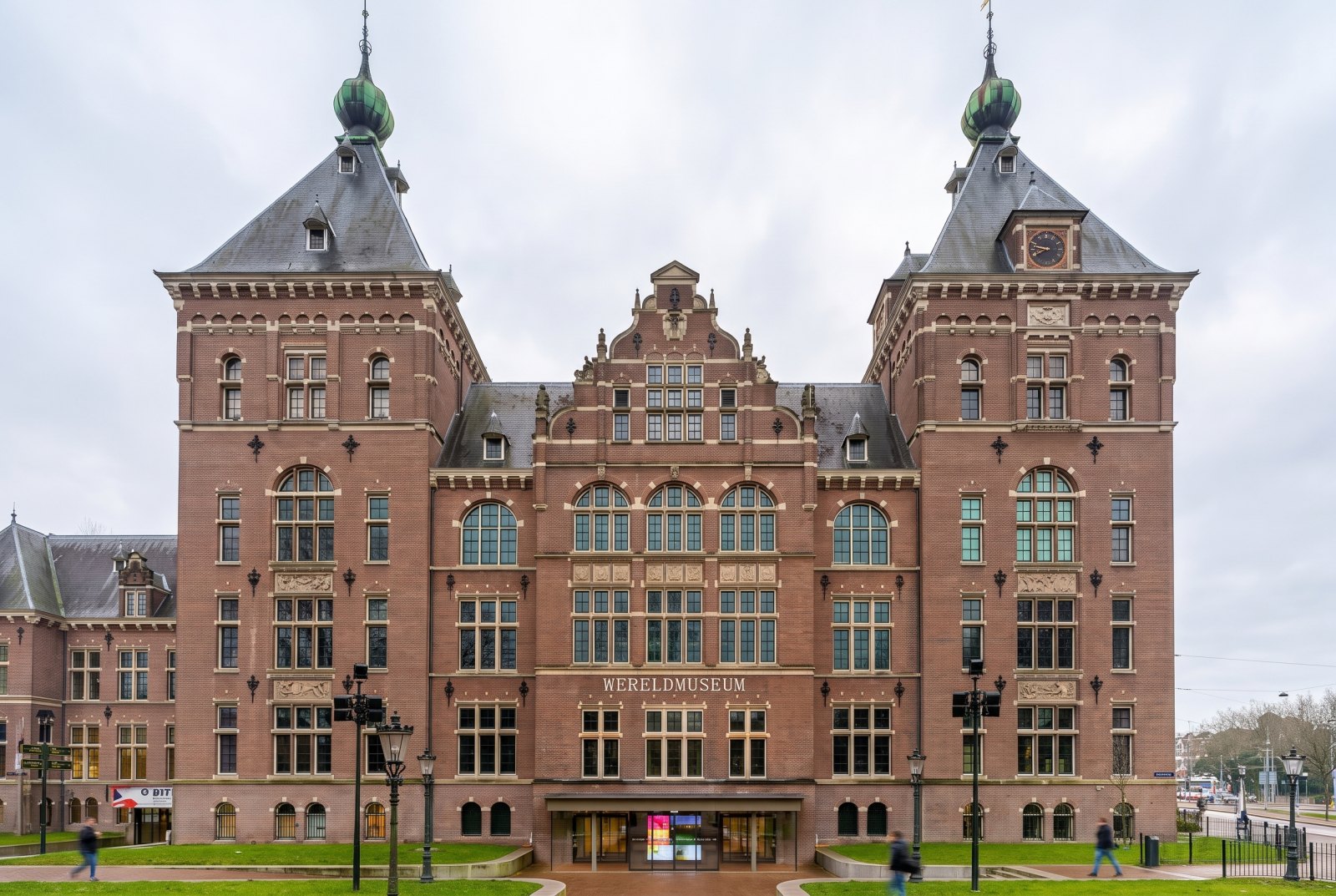
Wereldmuseum Amsterdam
A museum beside Oosterpark where objects and exhibitions connect lives across the world with the building’s colonial past.
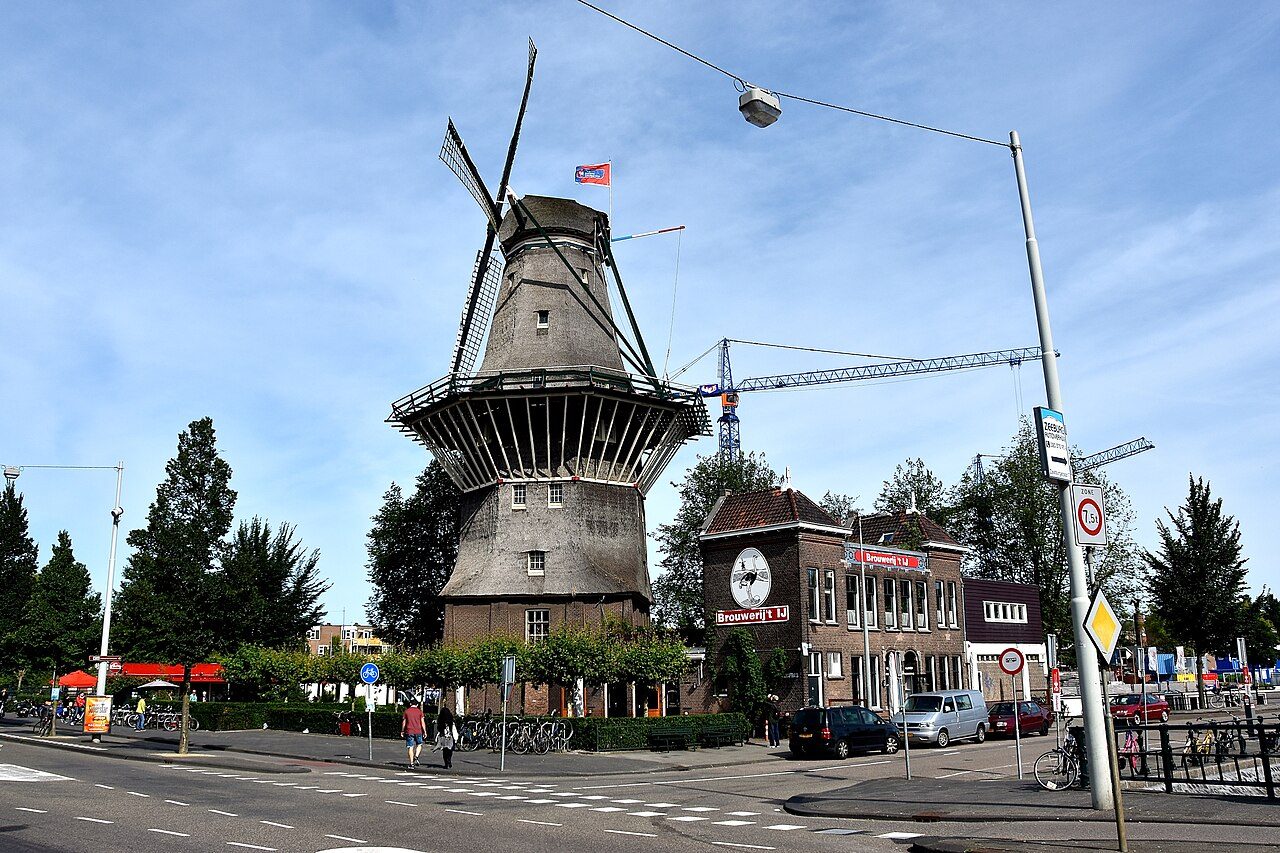
Molen De Gooyer
Amsterdam's tallest wooden windmill has a storm story, a miller family and a waterside view beside Brouwerij 't IJ.
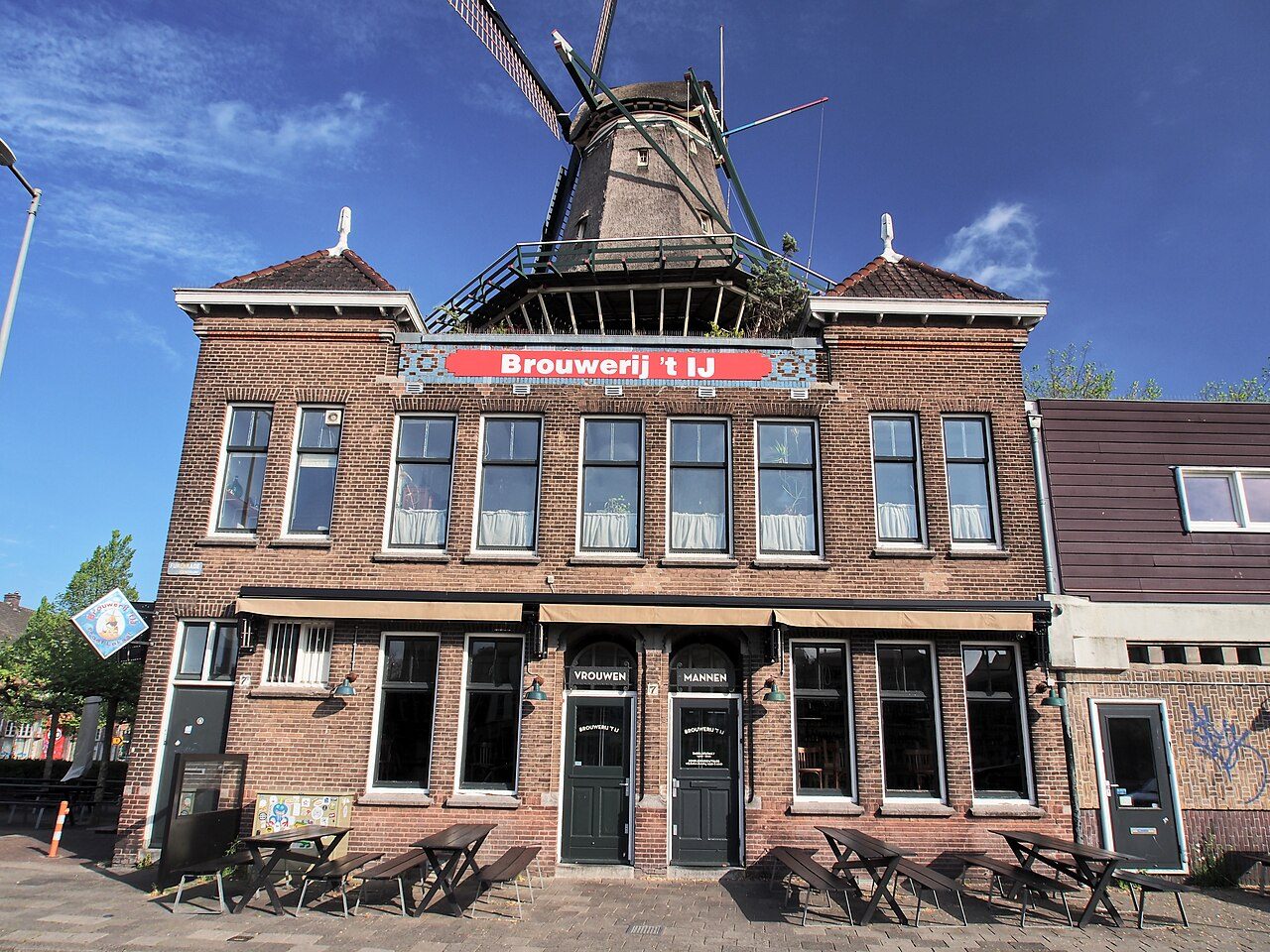
Brouwerij 't IJ
A brewery taproom in a former bathhouse beside De Gooyer windmill, with a terrace and beers brewed by Brouwerij 't IJ.
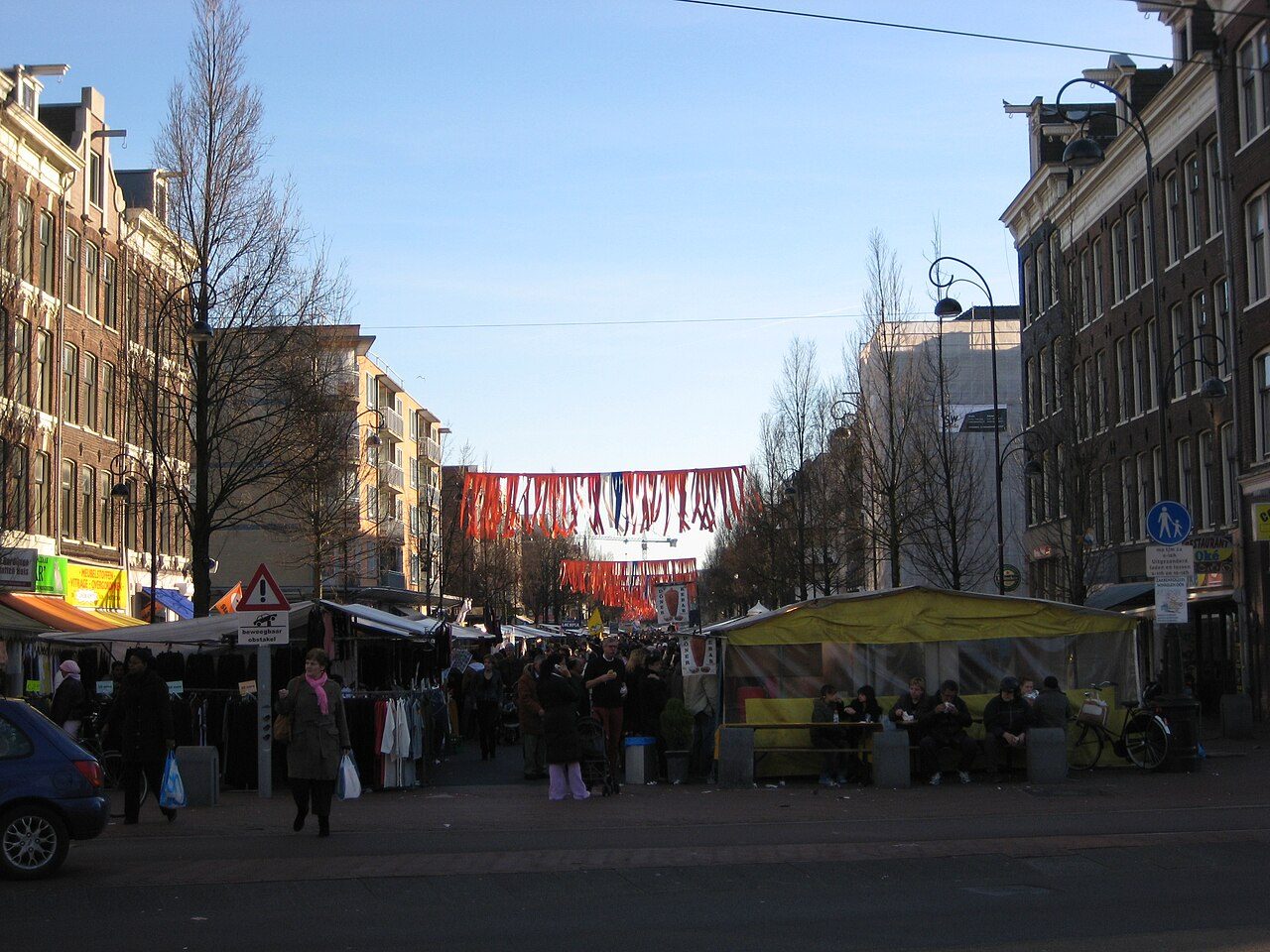
Dappermarkt
Browse a real neighbourhood market for fresh food, flowers and everyday finds; its traders have stories worth hearing.
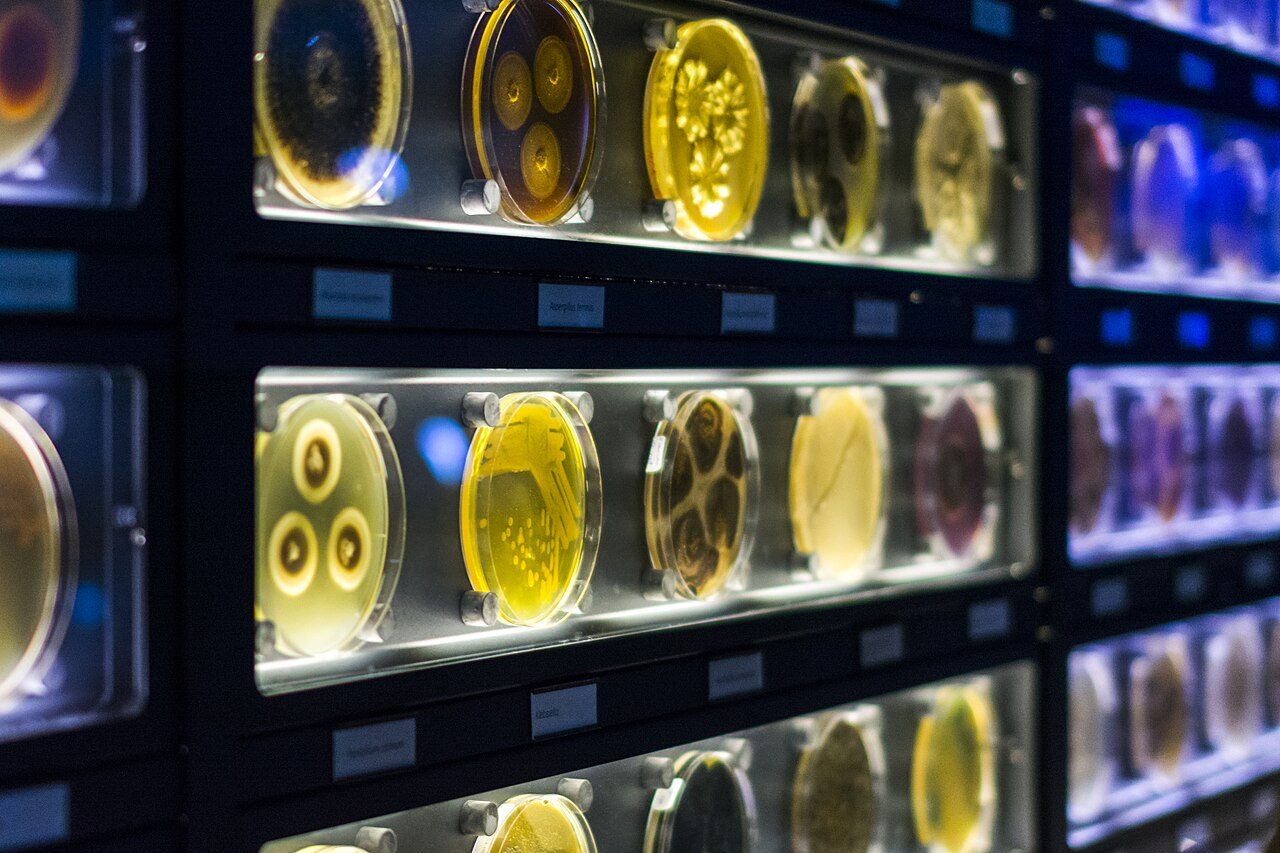
Micropia
See living microbes under a microscope, meet the lab team and find out what lives on Rembrandt’s Night Watch.
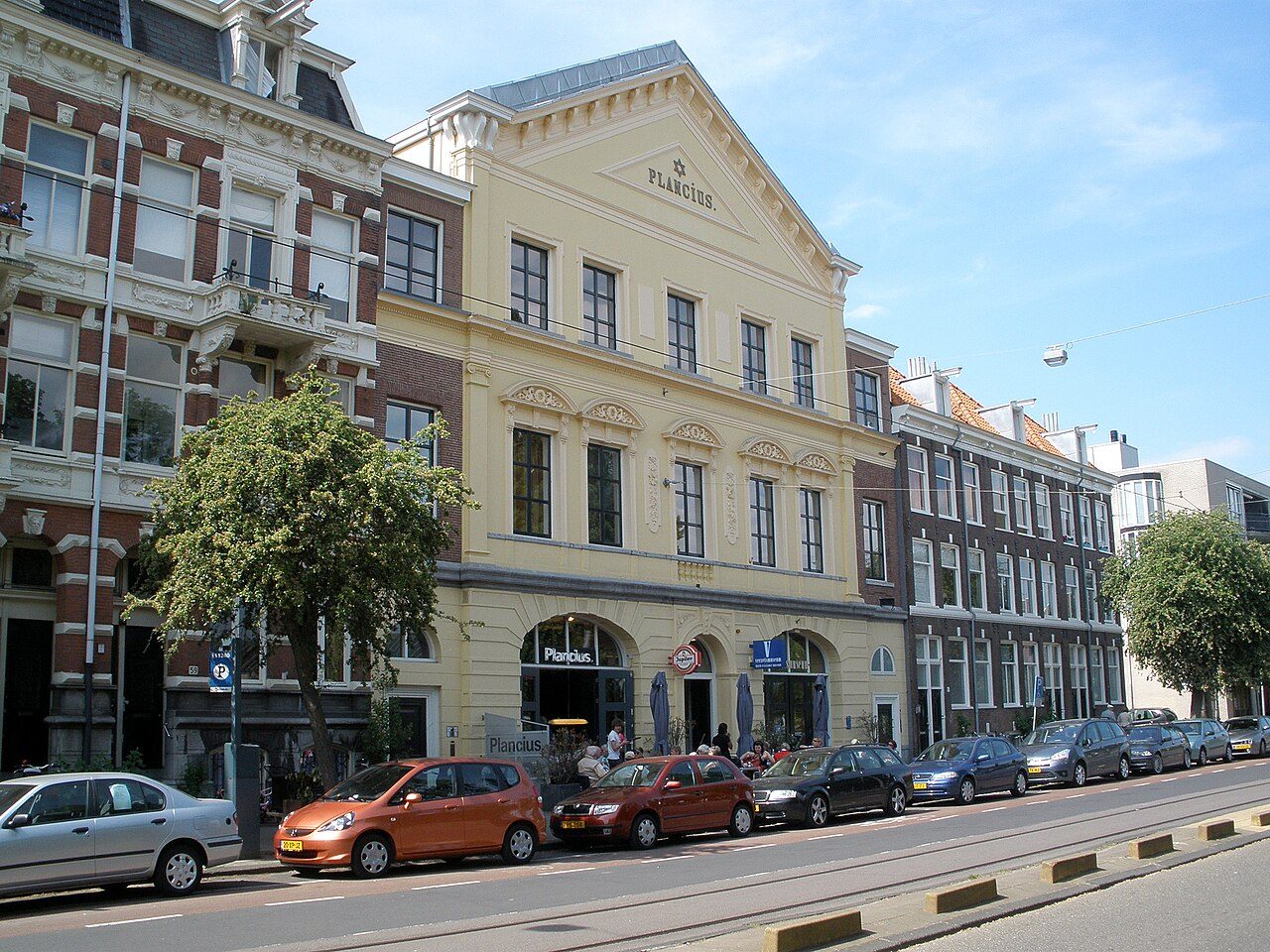
Dutch Resistance Museum
Daily life, collaboration and resistance in the occupied Netherlands.
Walk it with a guide or a quest
If you want a story on the way, these walks also live in Amsterdam.
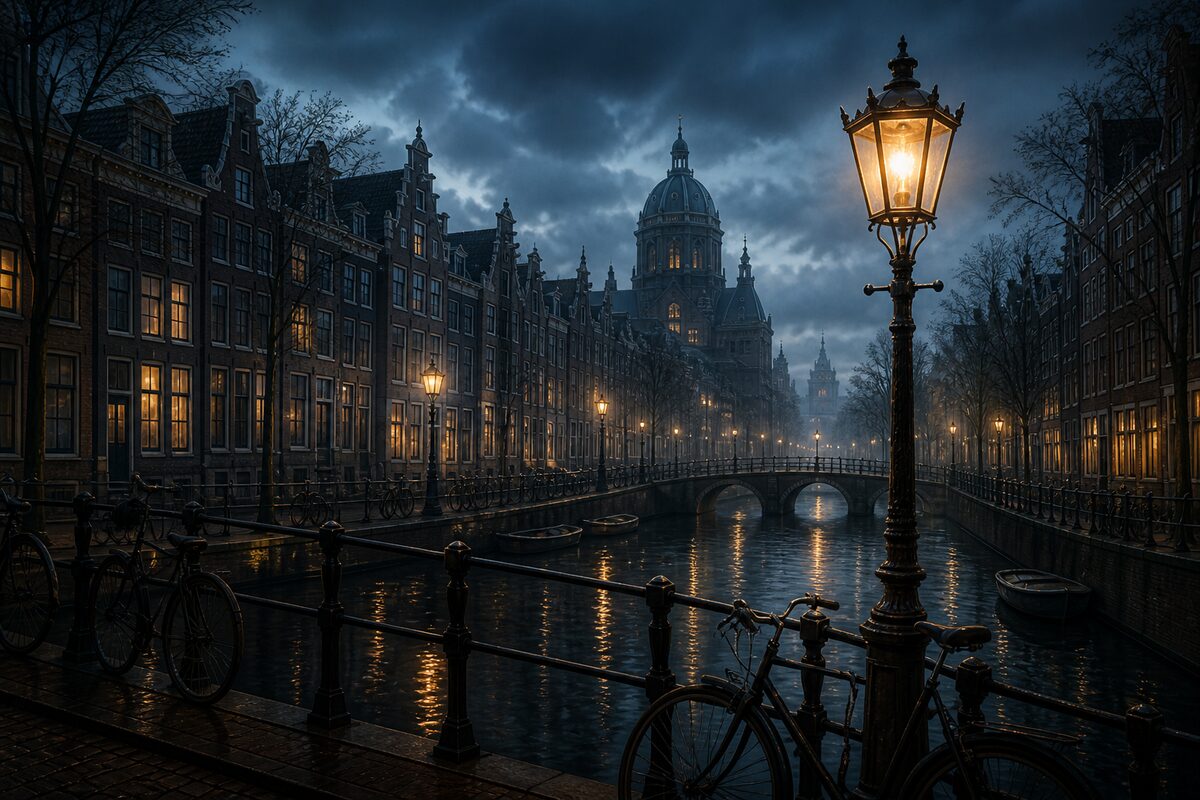 FREE AUDIO TOUR
Amsterdam Ghost Tour
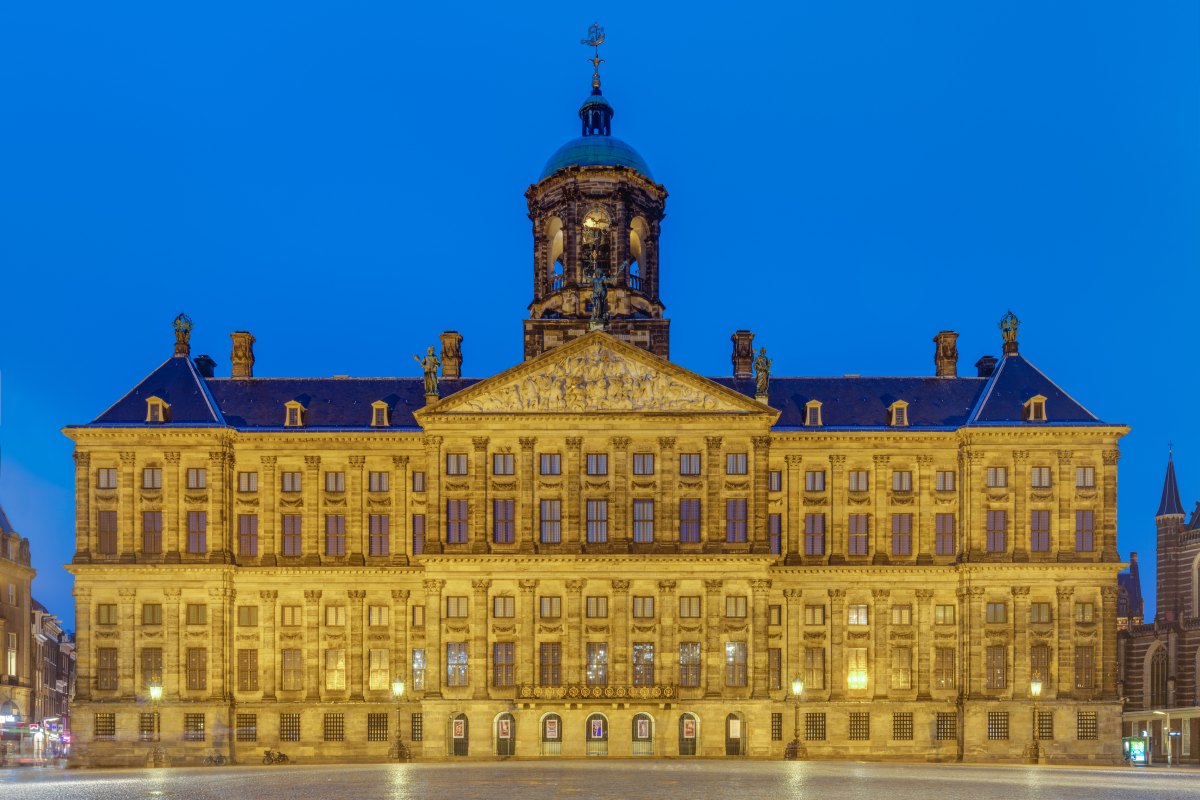
Amsterdam’s ghost stories belong to real streets, where crowds waited for spirits and families went out to look at hanging bodies. You can stand in those places today, with canal water beside you and old church towers overhead.
 FREE AUDIO TOUR
Amsterdam in a Day: Highlights Walk
Amsterdam’s canals and grand houses tell you how a trading city grew rich, but that is only half the story. If you have one day in Amsterdam, spend it on the streets where merchants, workers and people in hiding lived within walking distance of each other.
 FREE AUDIO TOUR
Red Light District
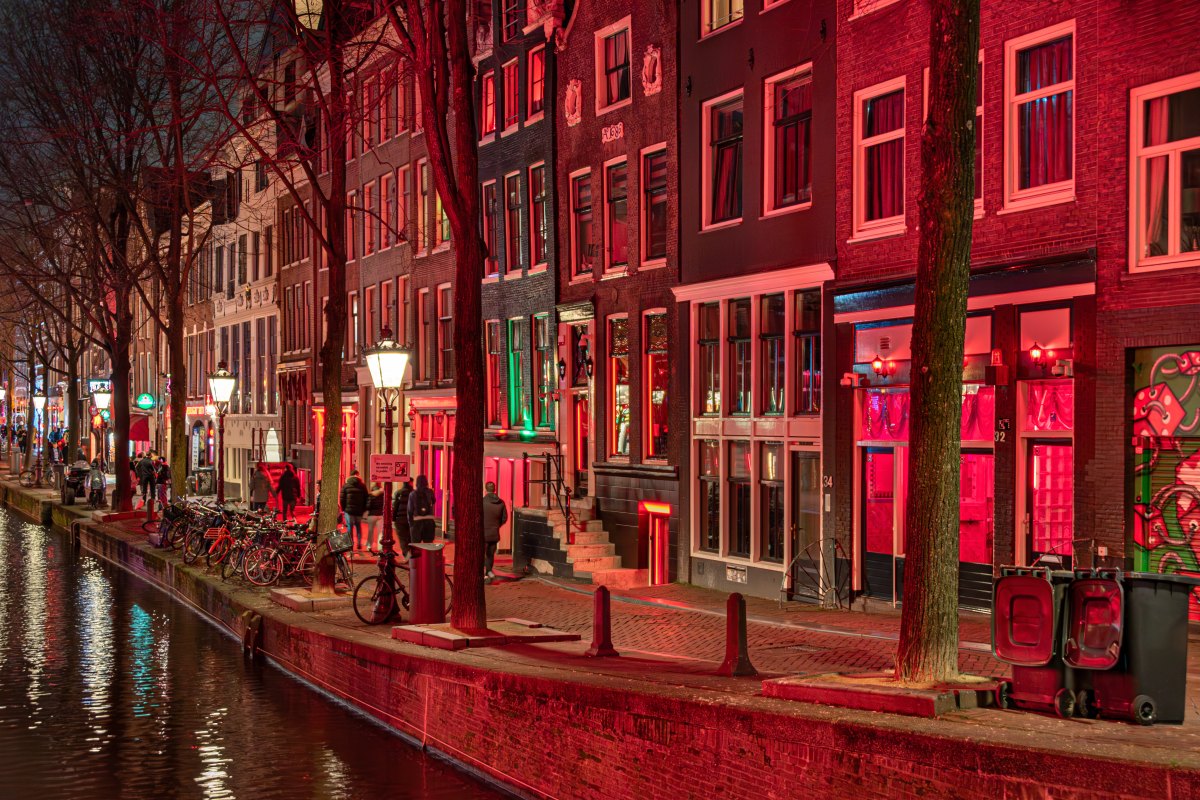
Amsterdam’s Red Light District is a neighbourhood where sex workers work behind street-level windows, right beside a church. Walk these lanes and you’ll stand where the city has made room for the sex trade while punishing people who worked in it.