
MUSEUM
Dutch Resistance Museum
Daily life, collaboration and resistance in the occupied Netherlands.
Resistance, one copy at a time
In 1943, Pieter and Lies van der Burg and the blind Lida Hoeijenbos began producing a resistance newspaper in braille. Every copy had to be punched by hand. The Dutch Resistance Museum has an original, alongside a replica you can touch. It is a small object that makes the work of resistance concrete: getting news to people meant finding a way to produce it, then doing that work again for every reader.
This museum looks at daily life, collaboration and resistance in the occupied Netherlands. Come for the individual stories rather than a simple division between heroes and villains. A short walk from ARTIS and almost next door to Micropia, it asks you to slow down and consider what people actually did.
The records across the street
One of its stories leads directly outside. On 27 March 1943, the resistance group of Willem Arondéus and Gerrit van der Veen attacked Amsterdam’s population register. Their aim was to destroy records used to track Jews and others. Here, paperwork was not merely administration. It could help the occupying authorities identify and find people.
The former register stands diagonally opposite the museum. Look for the memorial plaque beside its entrance. Knowing what happened there changes the view from the street: an ordinary-looking building becomes part of the history you have come to understand. The attack also gives a clear example of resistance directed at the machinery of persecution, rather than at an individual person.
Choices without tidy endings
The exhibition opened in 2022 makes room for uncomfortable accounts. Policeman Jo Karelse helped deport Jews and recorded seeing a woman collapse in distress. In 1943, when police officers were required to swear allegiance to Hitler, he joined the resistance. His later decision does not erase his earlier actions. Read his story with both parts in mind.
Look, too, for the disguise glasses of resistance fighter Hannie Schaft. They are presented alongside the perspective of Emil Rühl, the German security officer who interrogated her. The pairing brings an object used to conceal an identity into the same account as the man who questioned its owner. Give these displays time. Their force lies in the named people and their actions, not just in the objects themselves.
A building with its own past
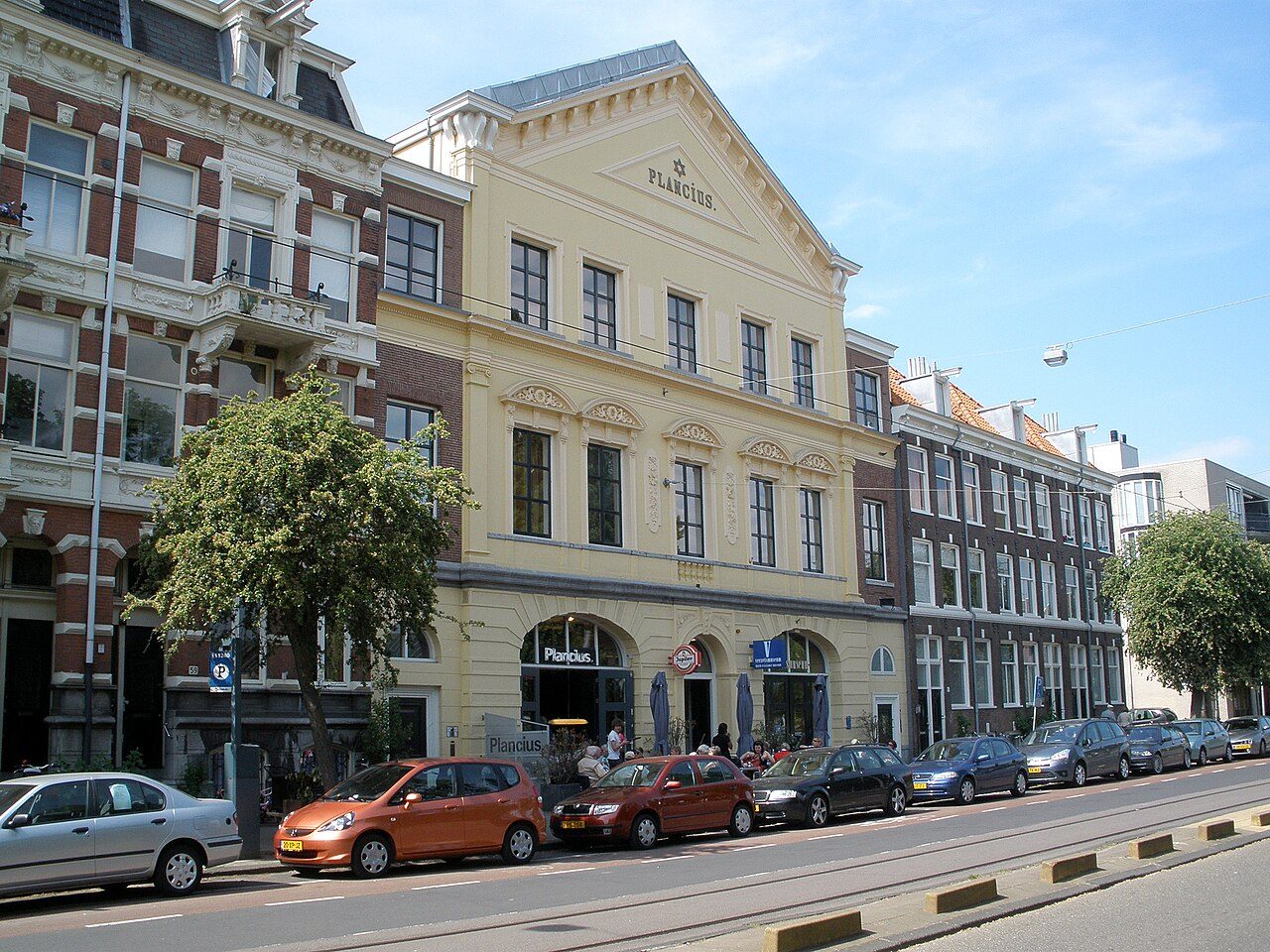
Before leaving, look up at the façade. The building began in 1876 as a home for the Jewish singing society Oefening Baart Kunst. A Star of David remains on the front. It is a surviving sign of a purpose quite different from the museum’s present one.
In 1914, Jacques Pimentel converted the building into a taxi business. Extensions from that business now house part of the permanent exhibition. The rooms you have been walking through therefore belong to several chapters of Amsterdam life: a singing society, a taxi operation and a museum of occupation and resistance. Finish by finding that star on the façade, a small detail that connects the building itself to the histories told inside.
Things to know
- The museum is a short walk from ARTIS, almost next door to Micropia.
- Allow time to read the personal accounts, not just look at objects.
- Look for the touchable replica of the braille resistance newspaper.
- Check the façade for its Star of David.
- The former population register is diagonally opposite; its plaque is beside the entrance.
- Opening hours and prices can change. Check the official website before you go. Official website
What people say
Related spots
More things to do in Amsterdam ›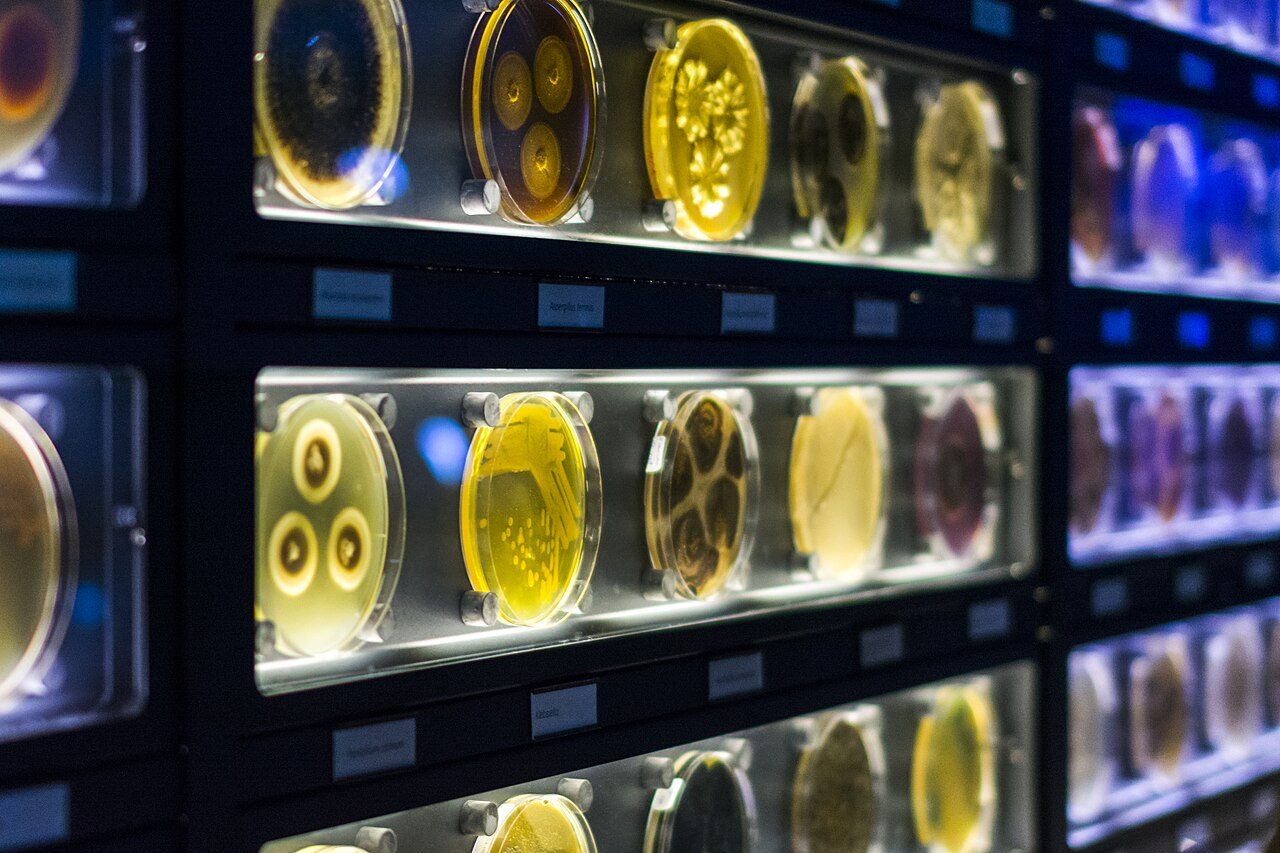
Micropia
See living microbes under a microscope, meet the lab team and find out what lives on Rembrandt’s Night Watch.
ARTIS
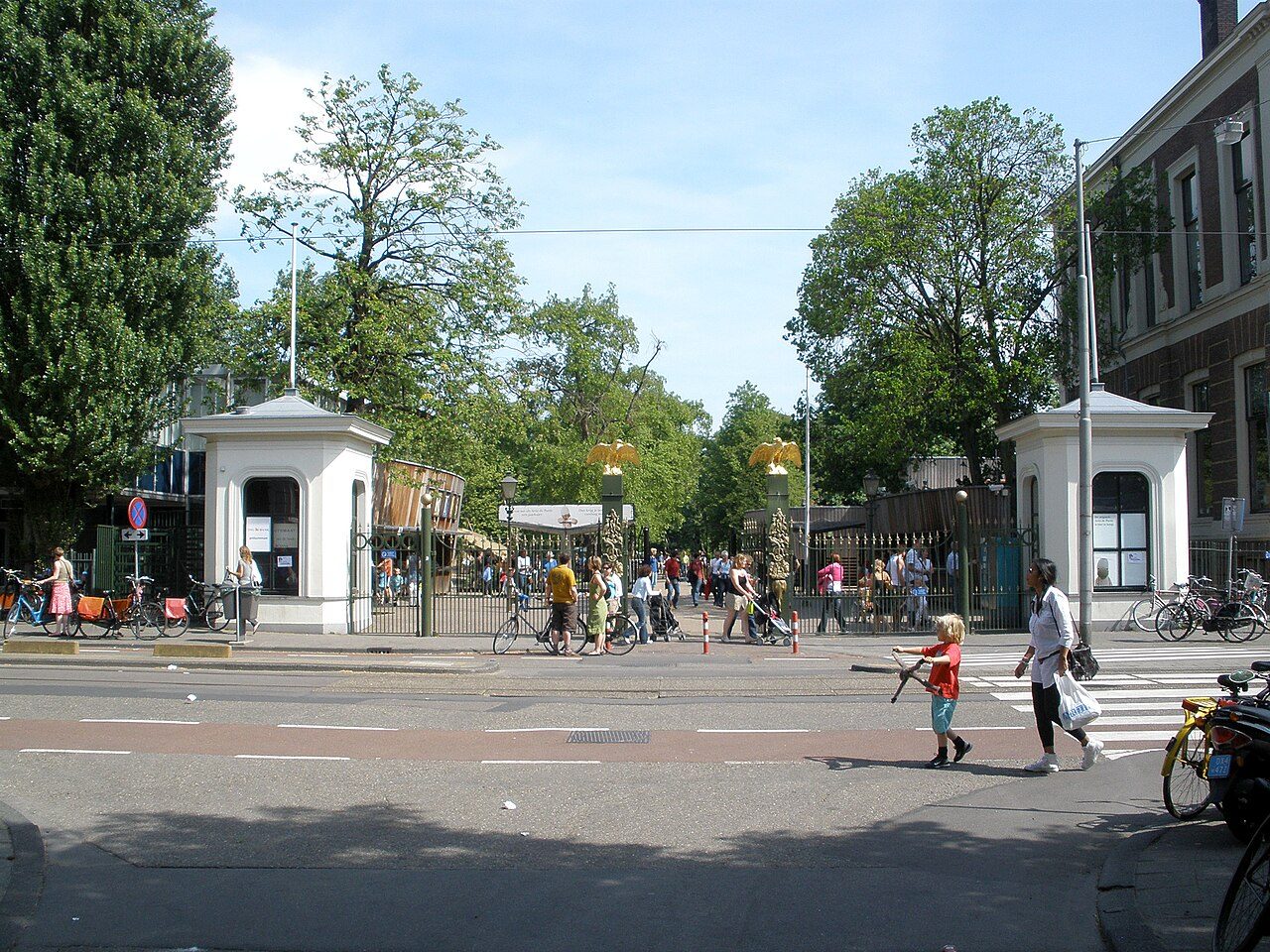
Amsterdam’s 1838 zoo combines animals, garden paths, historic buildings and a planetarium in the Plantage district.
National Holocaust Museum
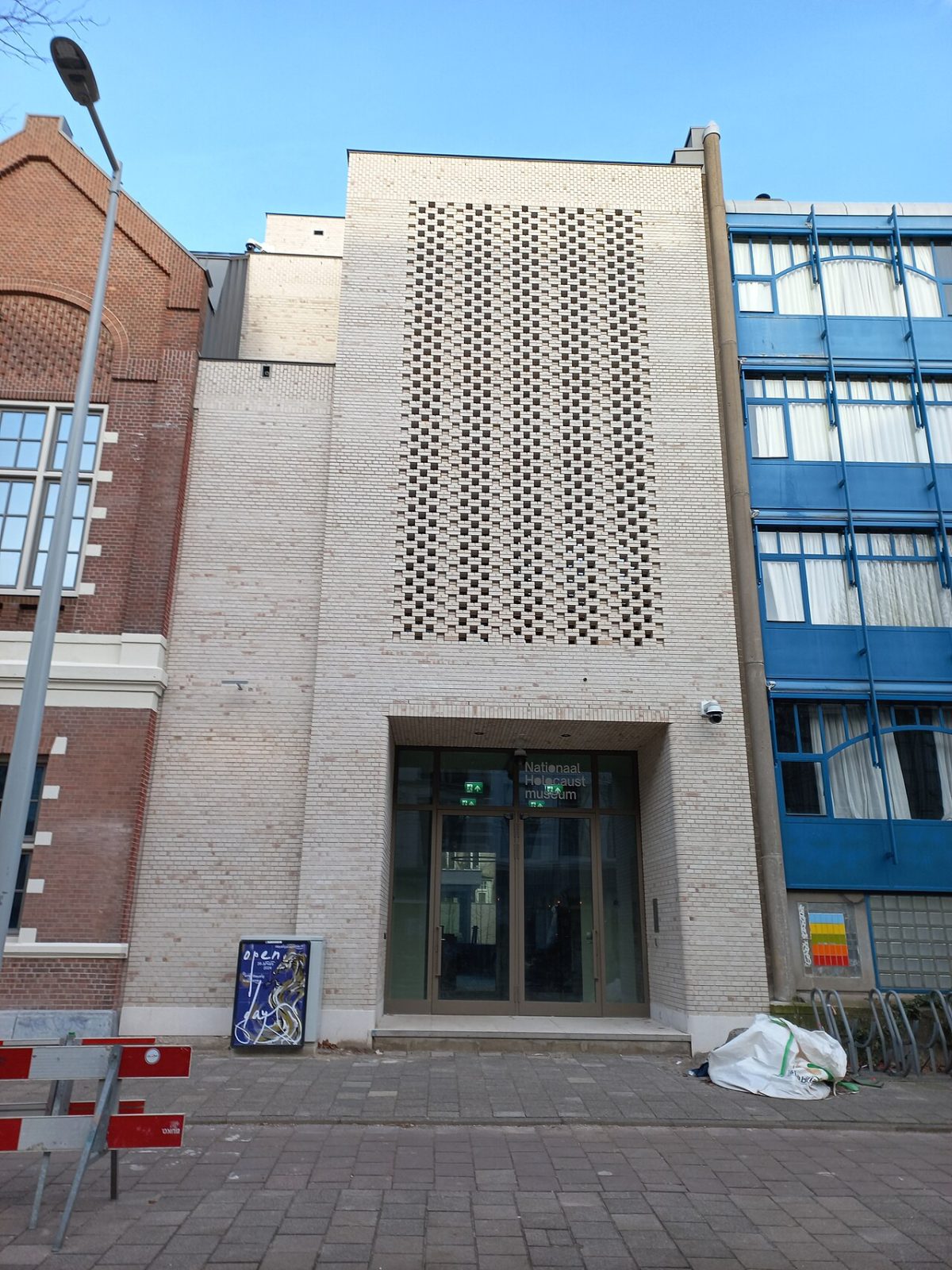
The national museum of the persecution of the Jews in the Netherlands, opened in 2024.
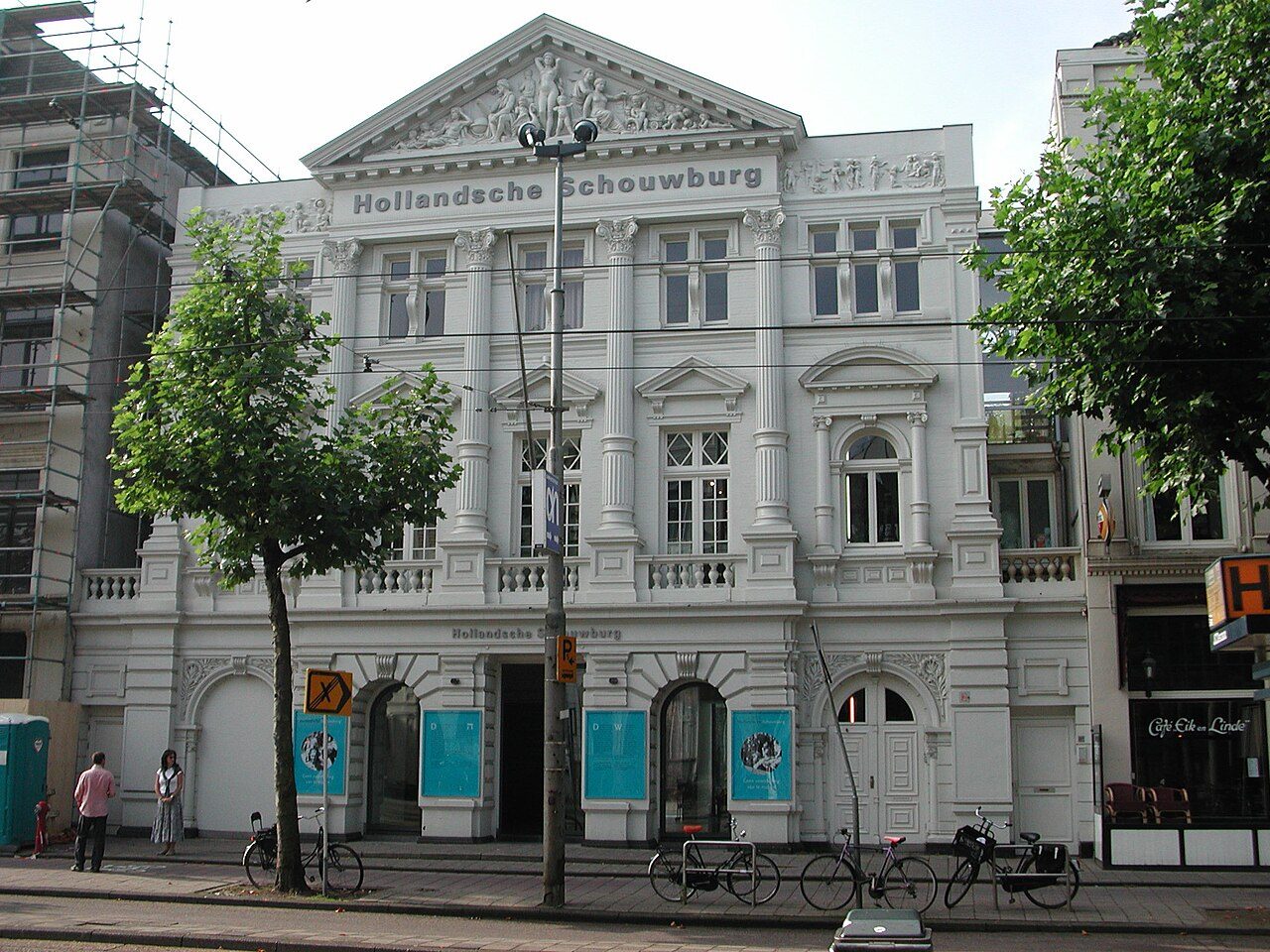
Hollandsche Schouwburg
The former theatre where Jews were gathered before deportation, now a memorial.
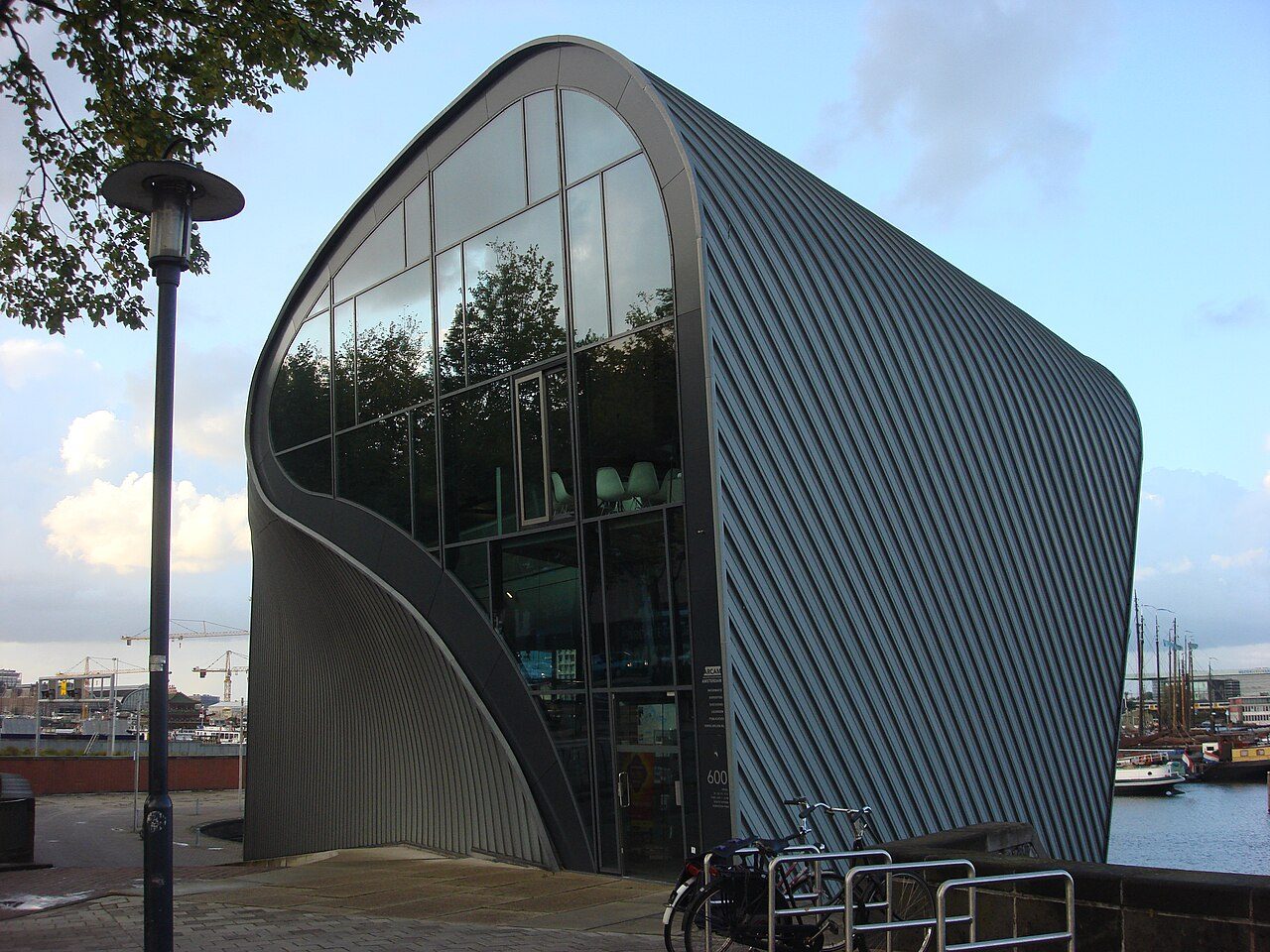
ARCAM
Amsterdam's centre for architecture, in a curved building on the water.
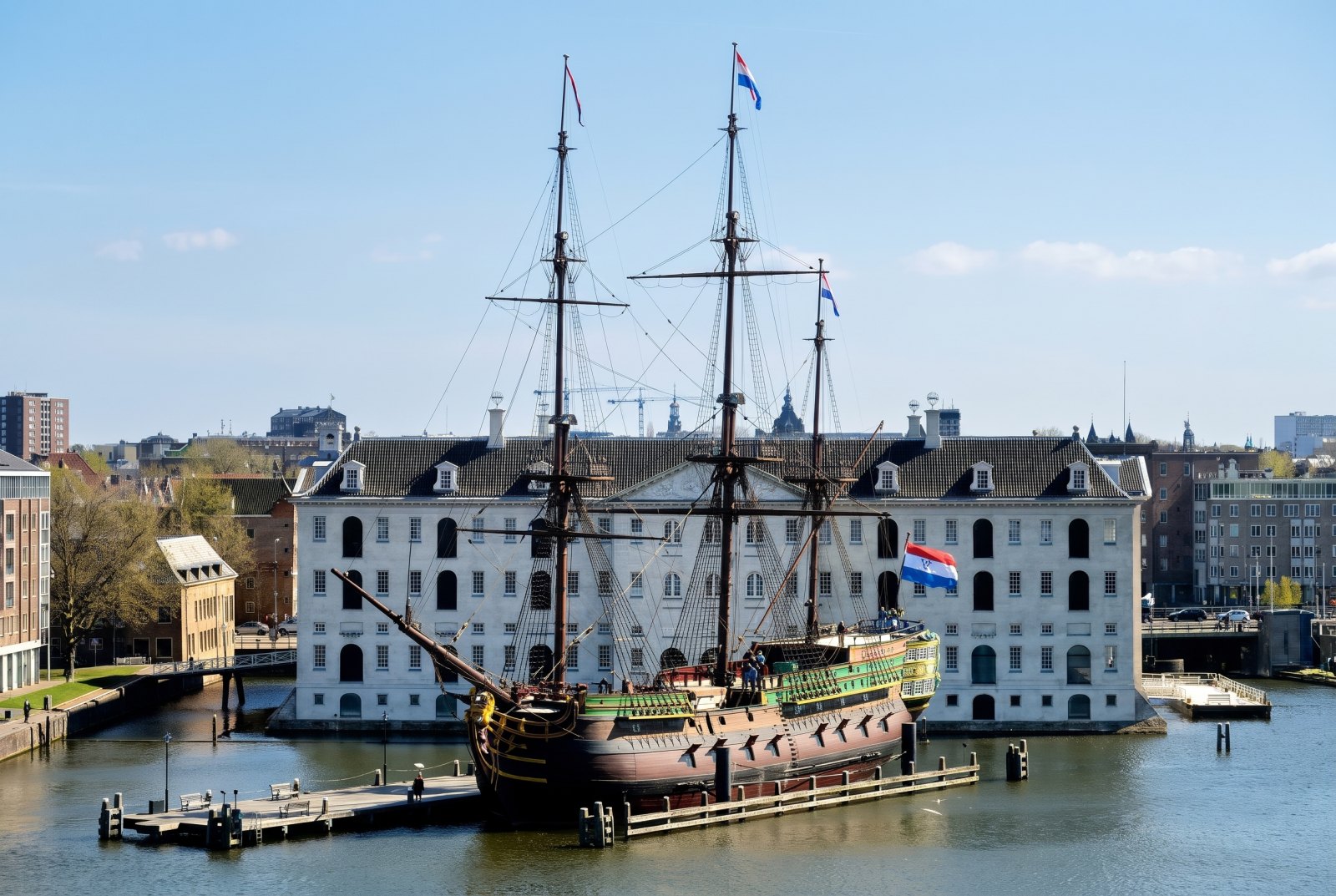
Het Scheepvaartmuseum
The maritime museum in the old naval storehouse, with a full-size replica East Indiaman moored outside.
Tours and quests that pass here
These walks have a stop a few minutes from Dutch Resistance Museum. Free, on your phone, start any time.
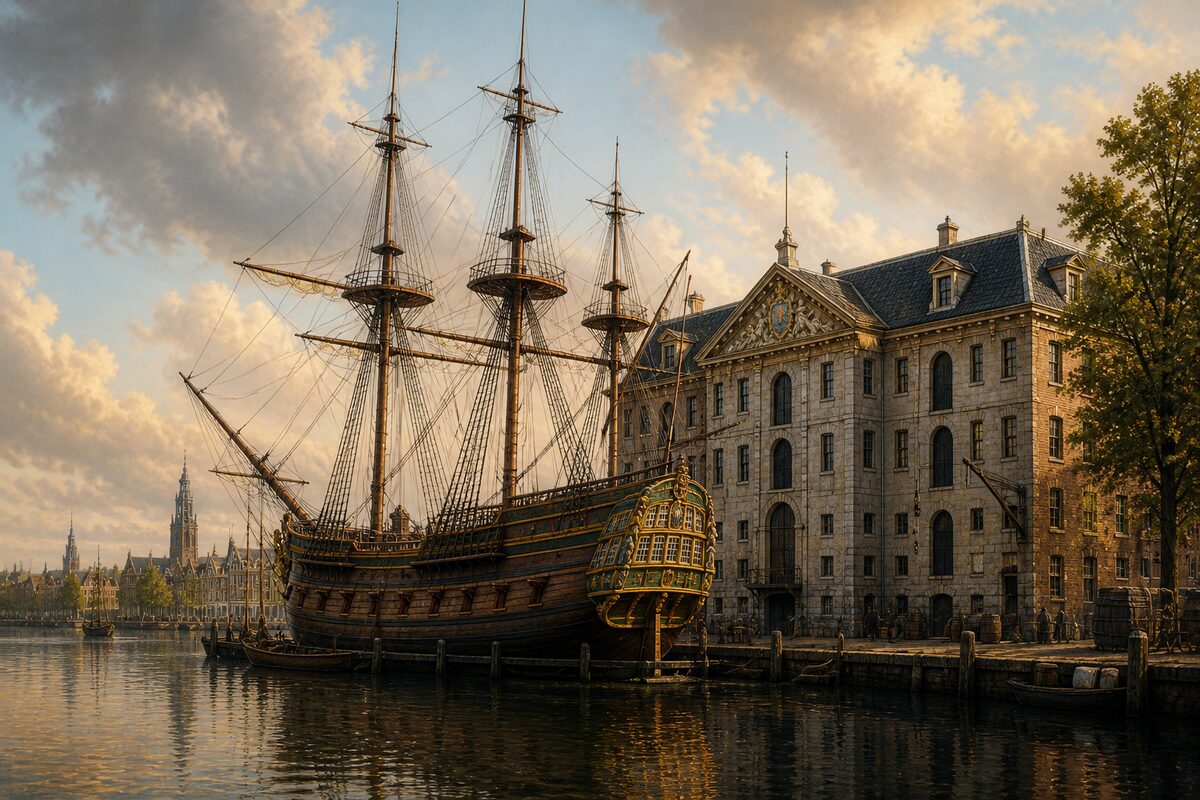 FREE AUDIO TOUR
Maritime Amsterdam
Amsterdam’s maritime quarter sent ships across the world and filled warehouses with everything from timber to whale oil. You can still stand on the quay where sailors left for Asia, beside buildings that helped run overseas trade and enslavement.
 CITYQUEST
Rembrandt's Missing Panel
Your Rembrandt puzzle is missing a panel, and the hunt for its missing letters takes you into Amsterdam. You’ll piece it together among the real buildings and river views connected to his pictures.
 FREE AUDIO TOUR
Van Gogh's Amsterdam
The man who painted Sunflowers lived in Amsterdam for just over a year, before he became an artist. You can still stand at the naval yard he called home and follow his Sunday walks across the city.