
MUSEUM
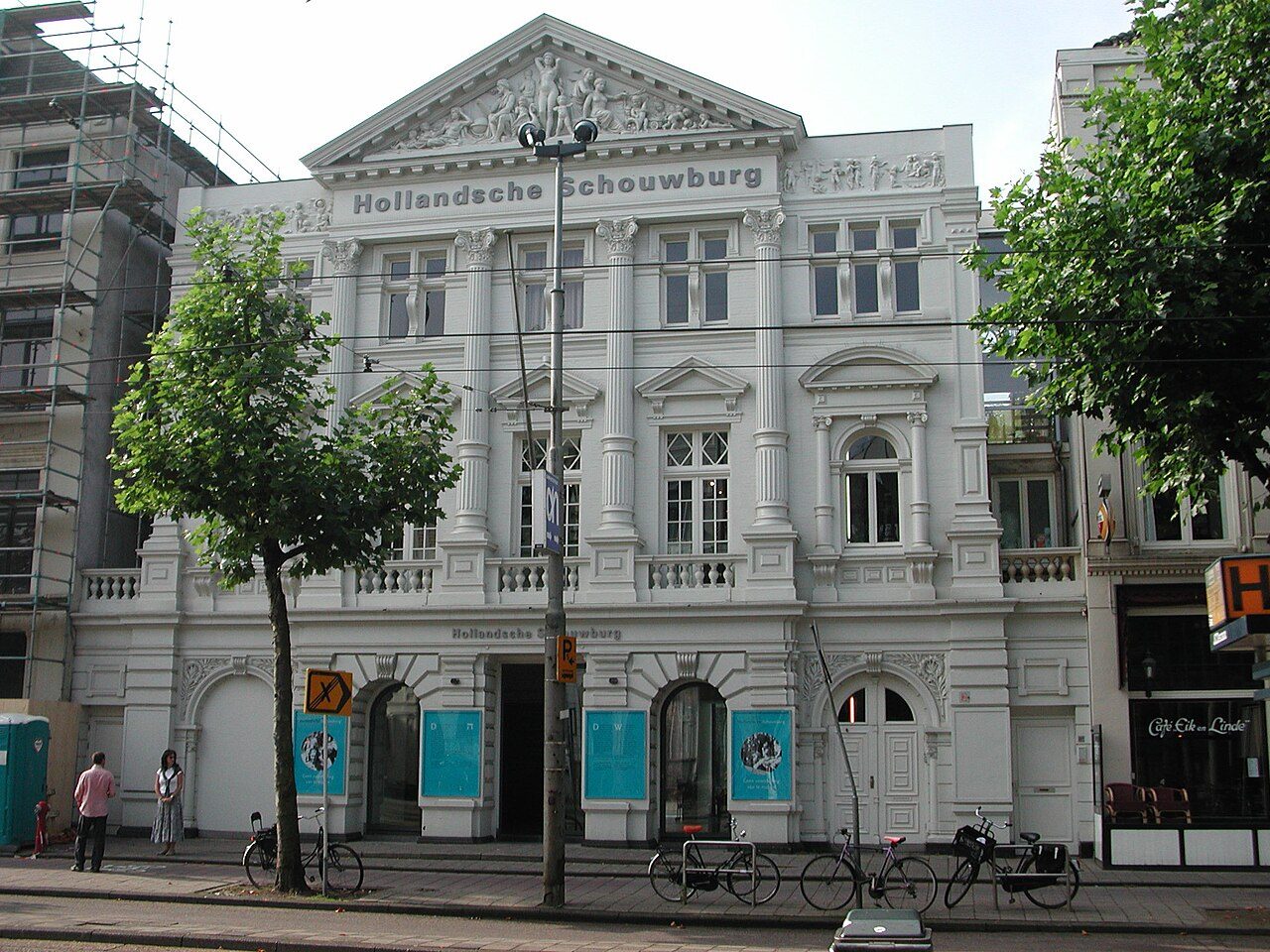
Hollandsche Schouwburg
The former theatre where Jews were gathered before deportation, now a memorial.
A theatre turned deportation centre
In July 1942, actor Philip Bekkers was performing in *Wiegelied* when German authorities arrived to requisition the Hollandsche Schouwburg. They allowed the performance to finish. The theatre then became a deportation centre, where Jews were gathered before being taken away. Today it is a memorial. That abrupt change in the building’s purpose is the essential thing to understand before you enter.
You are in Amsterdam’s Plantage district, a short walk from the Hortus Botanicus and about five minutes on foot from ARTIS. Here, take time to connect the former theatre space with the individual accounts presented inside. The stories give names and voices to what happened in this building.
Before the deportations
The Schouwburg had been a place where audiences came to see new plays. In 1900, Herman Heijermans premiered *Op Hoop van Zegen* here. It became a hit, and Heijermans developed a habit of bringing a new play to the theatre every Christmas Eve.
Keep that earlier life in mind as you look towards the former stage. This was a working theatre with actors, playwrights and returning audiences before it was used to detain people. Bekkers’s interrupted working life in July 1942 connects those two histories particularly closely: a performance was allowed to reach its ending, while the purpose of the building was being forcibly changed.
Children across the street
In 1942, six-year-old Salo Muller climbed onto the theatre stage to reach his detained parents. He was taken away from them to the crèche across the street. His testimony is now one of 40 stories visitors can hear through glass droplets on the walls of the former auditorium. Look for these listening points and give yourself time for the accounts, rather than treating the room only as a monument.
The crèche was also part of a rescue route that helped hundreds of Jewish children escape during the deportations of 1942–43. Crèche worker Betty Oudkerk recalled flirting with German guards while carrying a baby out in a large travel bag. Her account describes a rescue carried out in the guards’ presence, with the child concealed in something ordinary enough to carry past them. The street separating the theatre and crèche was part of both the separation of families and the effort to save children.
Where the stage once stood
The obelisk unveiled in 1962 stands on the site of the theatre stage. Its position brings together the building’s theatrical past, Salo Muller’s attempt to reach his parents, and its later role as a place of remembrance.
The memorial’s wording was not settled without objection. Journalist Henri Knap challenged an inscription describing the victims as ‘fallen Jewish compatriots’. It was replaced with wording remembering those taken away from this place. That distinction matters here: the inscription points directly to deportation and to the building’s role in it. Stand before the obelisk and read the words with that history in mind.
Things to know
- Allow about three minutes on foot from the Hortus Botanicus.
- Set aside enough time to listen to several personal accounts.
- Look for the glass droplets on the former auditorium walls.
- Read the memorial inscription as well as looking at the obelisk.
- Opening hours and prices can change. Check the official website before you go. Official website
What people say
Related spots
More things to do in Amsterdam ›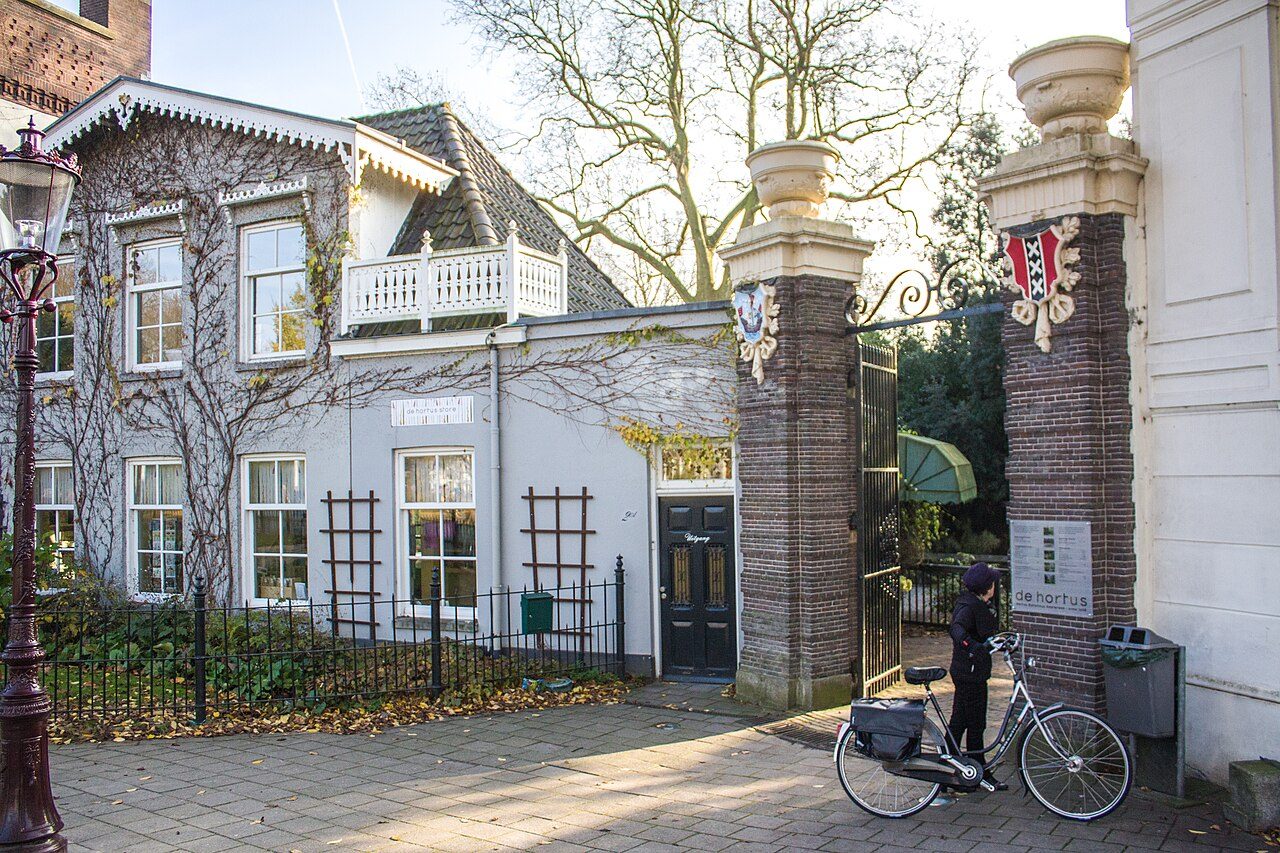
Hortus Botanicus
A living botanical garden where 17th-century medicinal plants meet a butterfly house and a greenhouse of jungle, desert and Cape flora.
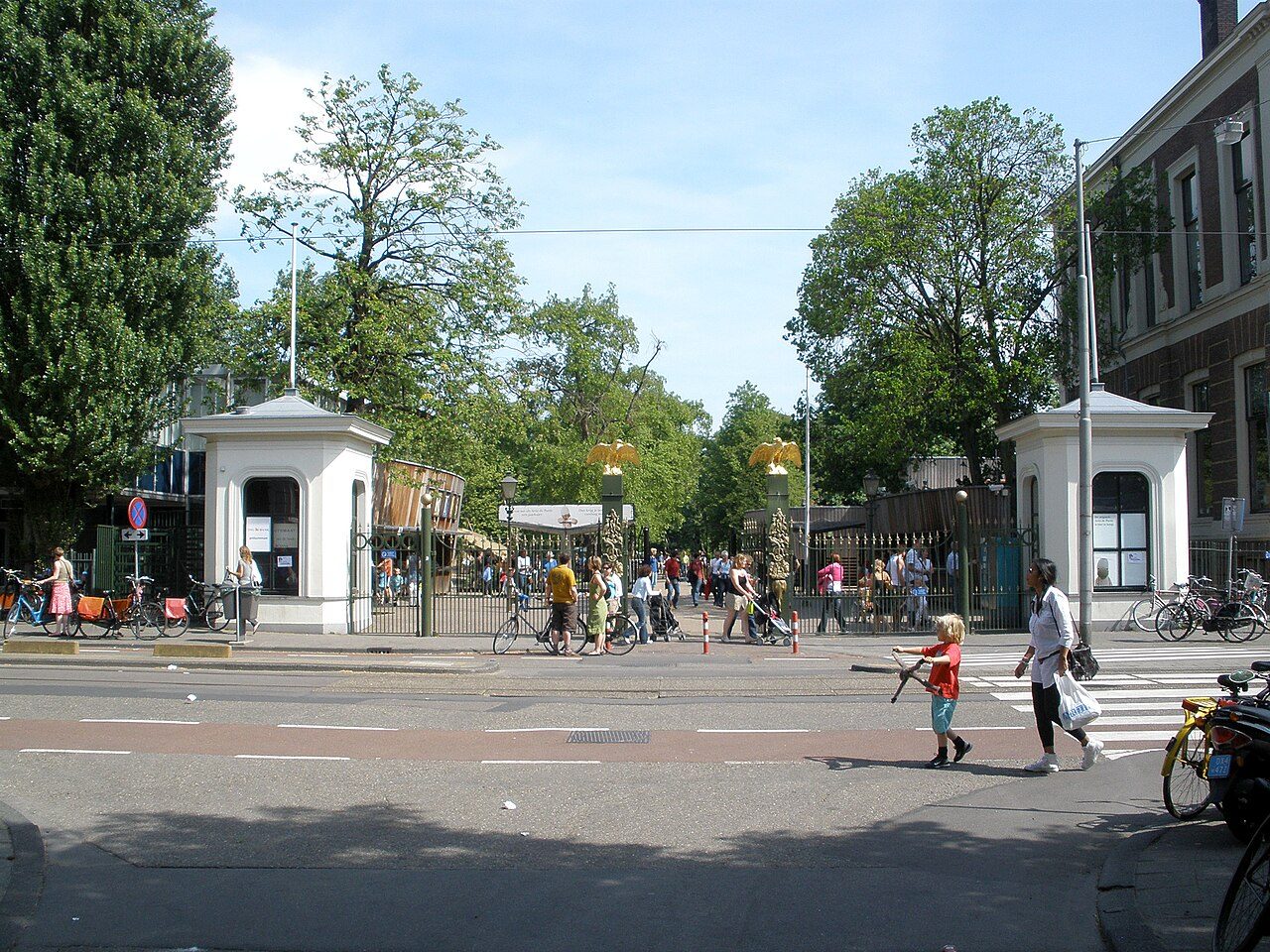
ARTIS
Amsterdam’s 1838 zoo combines animals, garden paths, historic buildings and a planetarium in the Plantage district.
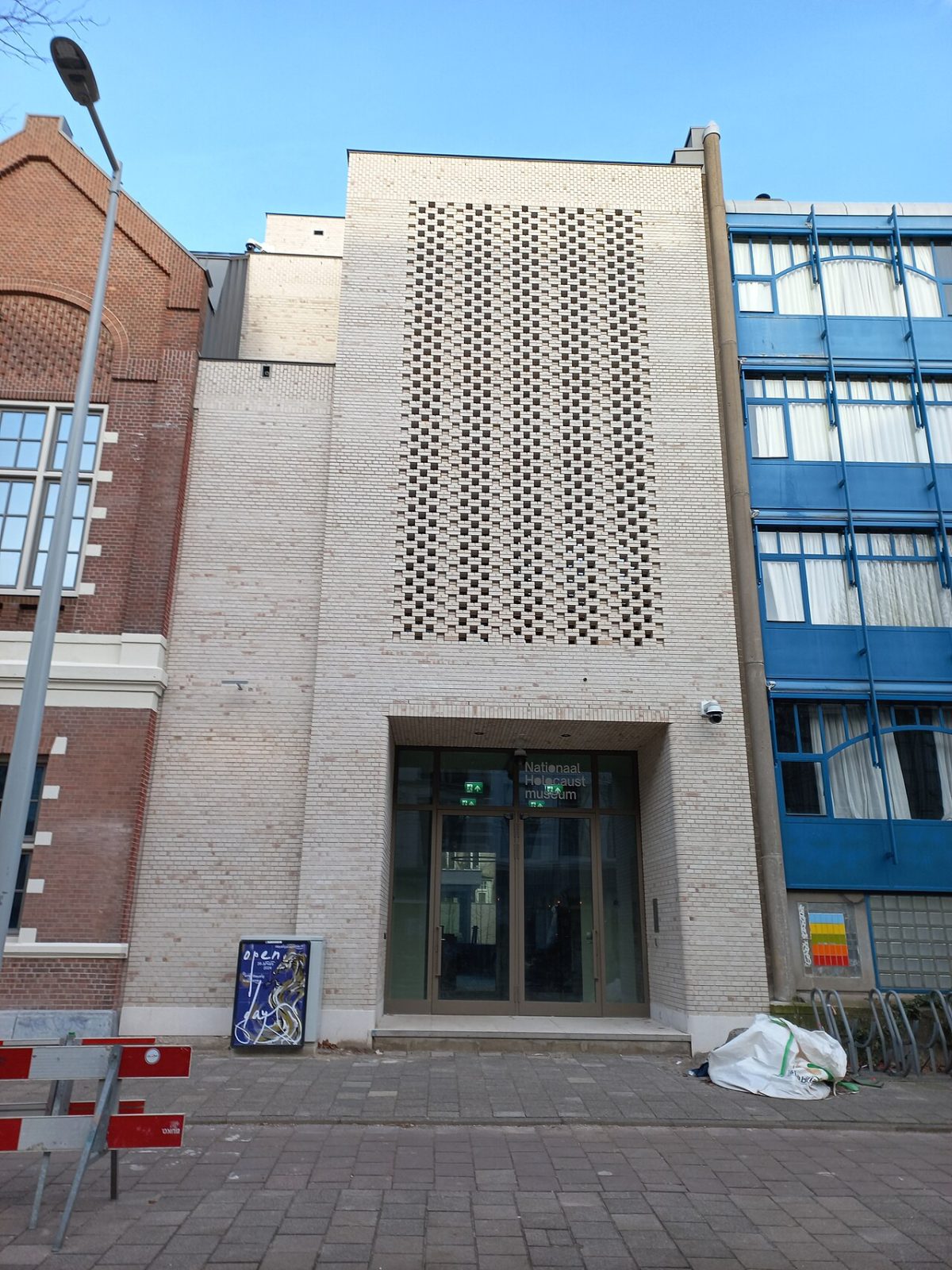
National Holocaust Museum
The national museum of the persecution of the Jews in the Netherlands, opened in 2024.
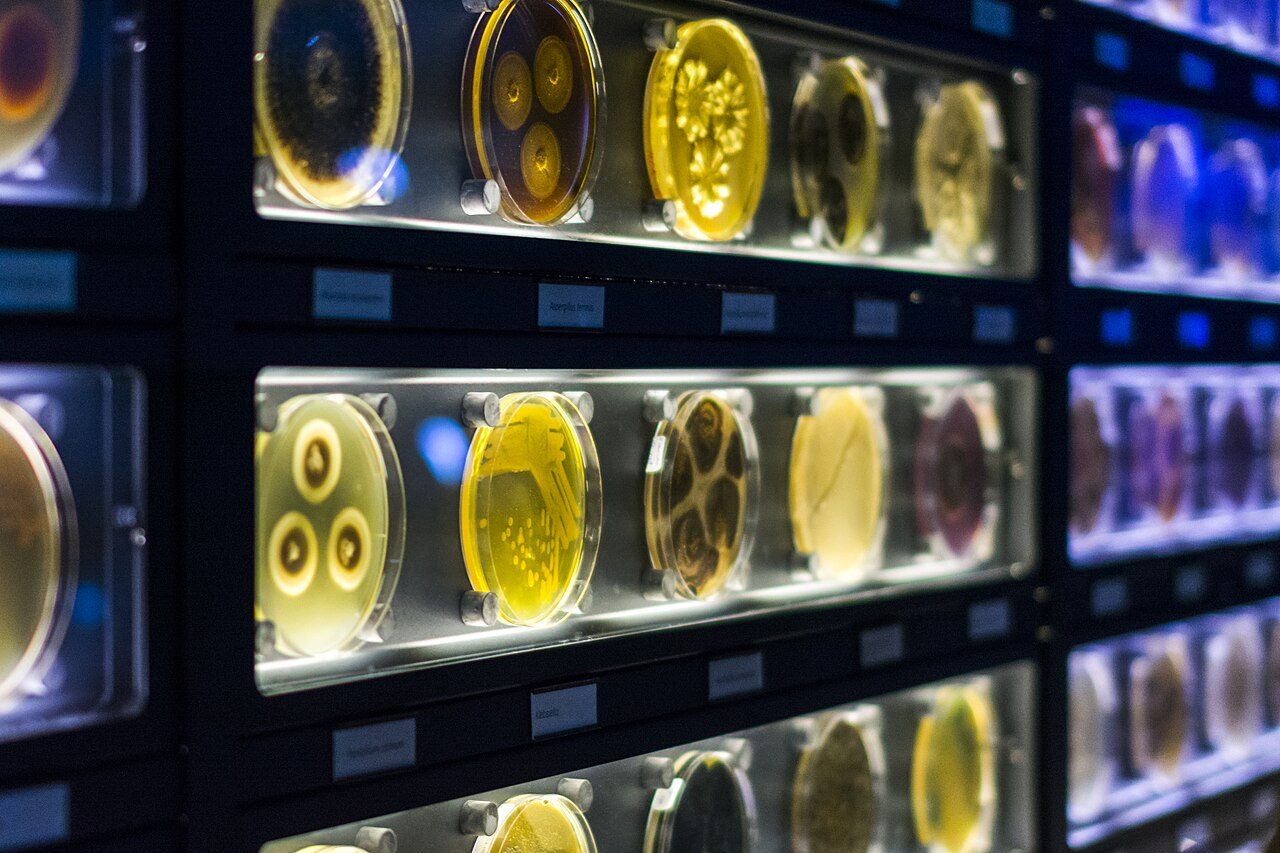
Micropia
See living microbes under a microscope, meet the lab team and find out what lives on Rembrandt’s Night Watch.
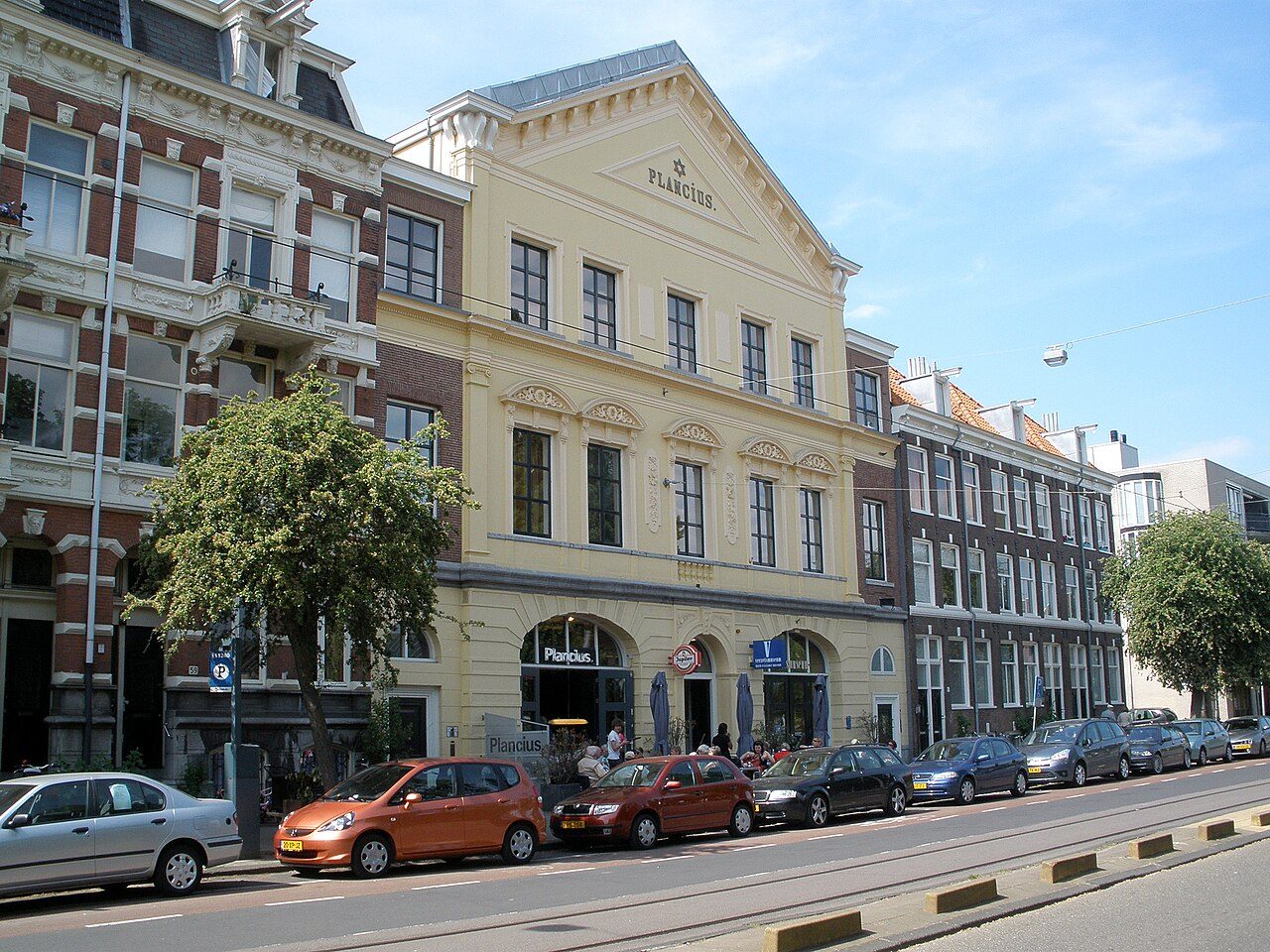
Dutch Resistance Museum
Daily life, collaboration and resistance in the occupied Netherlands.
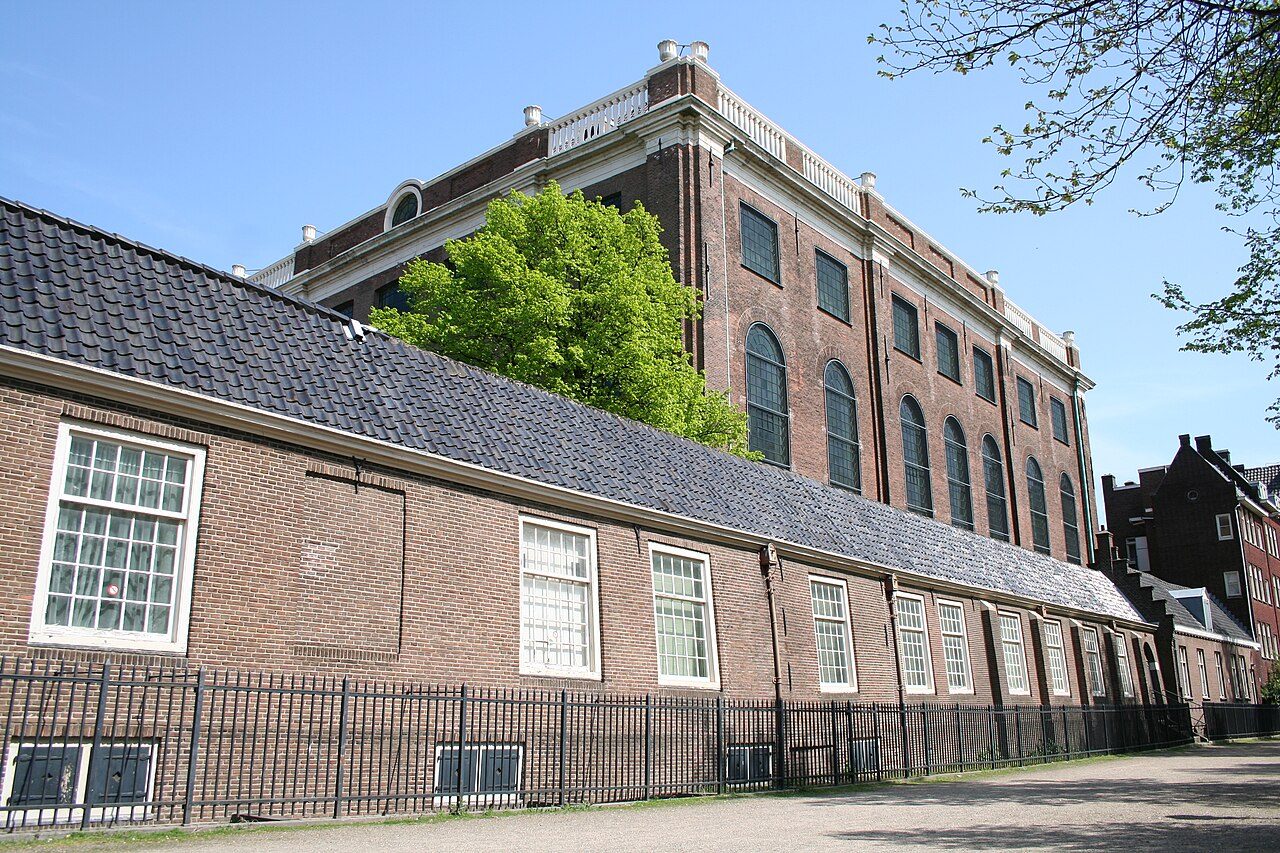
Portuguese Synagogue
The 1675 synagogue still lit by candles, with its treasure chambers and library.
Tours and quests that pass here
These walks have a stop a few minutes from Hollandsche Schouwburg. Free, on your phone, start any time.
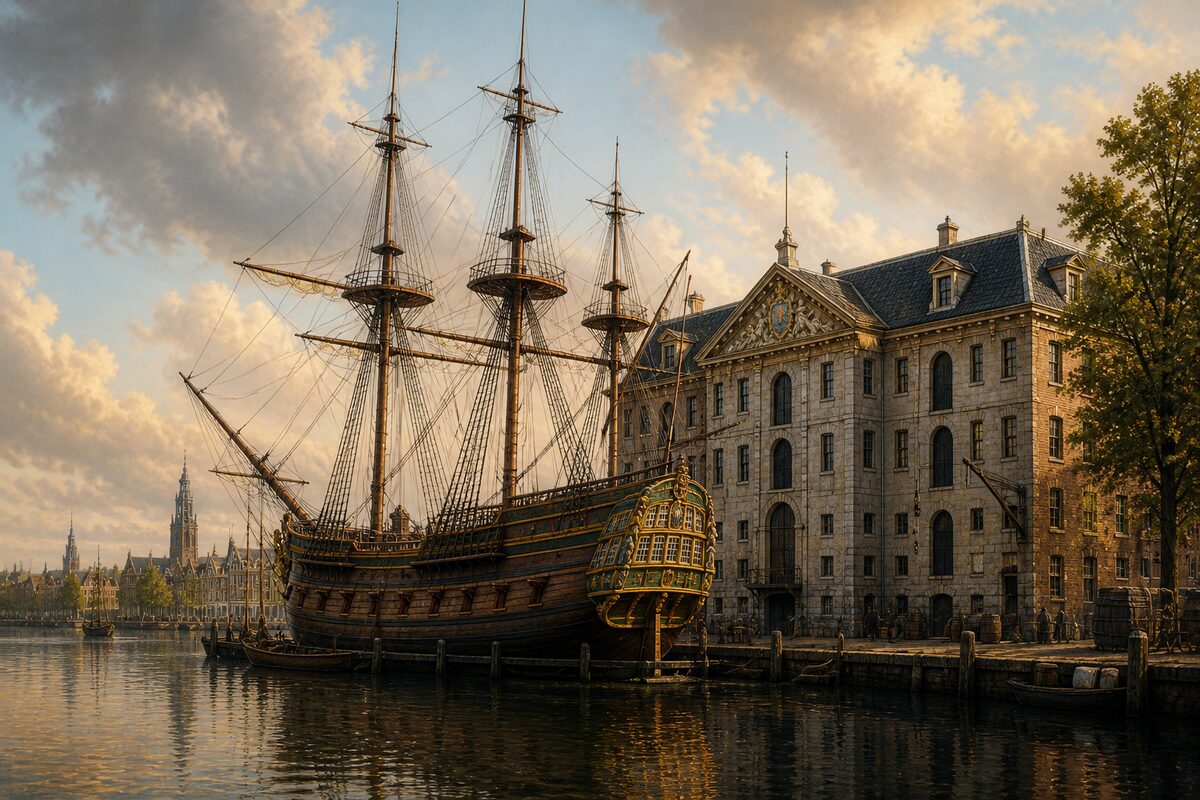 FREE AUDIO TOUR
Maritime Amsterdam
Amsterdam’s maritime quarter sent ships across the world and filled warehouses with everything from timber to whale oil. You can still stand on the quay where sailors left for Asia, beside buildings that helped run overseas trade and enslavement.
 FREE AUDIO TOUR
Van Gogh's Amsterdam
The man who painted Sunflowers lived in Amsterdam for just over a year, before he became an artist. You can still stand at the naval yard he called home and follow his Sunday walks across the city.
 CITYQUEST
Rembrandt's Missing Panel
Your Rembrandt puzzle is missing a panel, and the hunt for its missing letters takes you into Amsterdam. You’ll piece it together among the real buildings and river views connected to his pictures.