
MUSEUM
Portuguese Synagogue
The 1675 synagogue still lit by candles, with its treasure chambers and library.
Read the doorway first
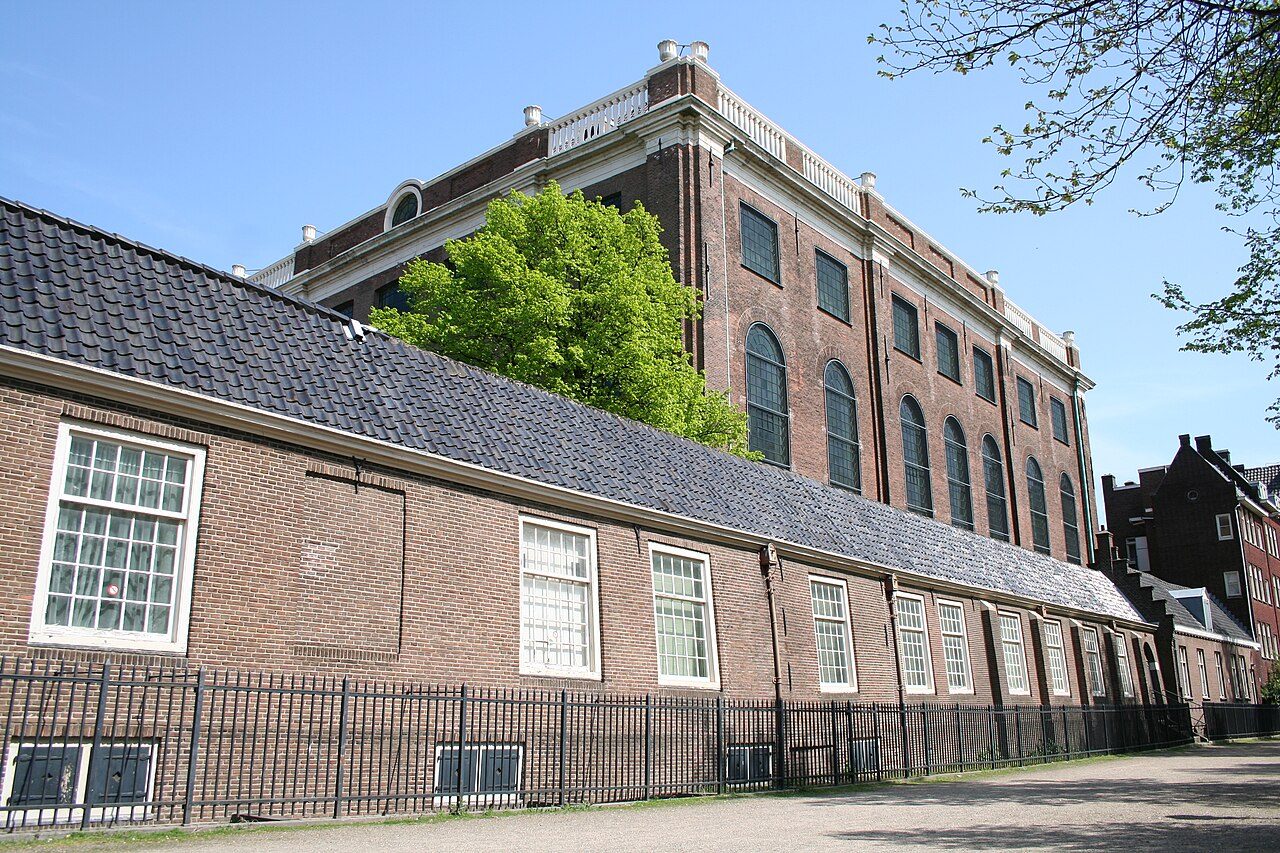
Amsterdam’s Portuguese Synagogue, also called the Esnoga, was completed in 1675. Before you enter, look up at the gilded Hebrew inscription. Its marked letters encode 1672, the year the synagogue was supposed to have been finished. Construction was interrupted, and the inauguration came three years later. That small discrepancy is written into the entrance itself.
A four-minute walk from Rembrandt’s house, this is still an active Orthodox synagogue, not simply a preserved interior. The main sanctuary has no electric lighting. Daylight enters through 72 windows, and brass chandeliers hold a thousand candles for worship. Do not expect them all to be burning during an ordinary visit.
A community building in public
The congregation grew from Jews who came from the Iberian Peninsula, where forced conversion and the Inquisition had driven Jewish practice behind closed doors. In Amsterdam, many returned openly to Judaism. They called themselves Portuguese Jews, including those who had come from Spain: Spain was then at war with the Dutch Republic.
Architect Elias Bouman began work on the synagogue in 1671. Its scale expressed both the community’s wealth and the importance it placed on worship. Christian visitors were welcomed from its earliest years. Compare that public presence with the church concealed inside canal-house attics elsewhere in Amsterdam.
Inside, pause before walking far. The room is one tall rectangular space, with original wooden benches and a women’s gallery supported by twelve stone columns, representing the Twelve Tribes of Israel. Look down as well as up. Fine sand on the wooden floor absorbs dirt and moisture and softens footsteps. Across the room, the Torah ark faces Jerusalem, opposite the tebah, the platform used for reading.
The windows that helped save it
In 1942, Nazi official Ferdinand aus der Funten inspected the synagogue as a possible holding place for Jews awaiting deportation. Leo Palache, a sixteen-year-old volunteer firefighter, argued that the lack of electricity and the difficulty of blacking out its windows made it unsuitable. The Nazis chose another site. Those windows were more than an architectural feature.
On 9 May 1945, around a thousand surviving Jews gathered here for the first postwar synagogue service. Some had walked many miles to attend. In a photograph of that service, two men wear handkerchiefs on their heads because they no longer owned yarmulkes. Remember that image while looking across the benches: the building survived, but the gathering reveals the losses around it.
Objects with unfinished stories
The complex also contains treasure chambers and the Ets Hayim library. One object’s story reaches back before this building: in 1629, congregant Abraham Pharar donated a brass Hanukkah lamp inscribed in Portuguese and Hebrew. The congregation uses it during the second half of Hanukkah, switching from a silver lamp used for the first half. It remains part of religious practice, not merely a historical possession.
The building itself still yields surprises. In 2022, restoration architect Frederik Franken and his team found a hidden space in the Torah ark. A hatch led to a dusty cache of patterned linen wall coverings, thought to date from 1740–1760. As you study the ark, remember that even this closely cared-for interior has held things out of sight for centuries.
Things to know
- Find the entrance at Mr. Visserplein 3.
- Allow about an hour for the sanctuary and displays.
- Bring a warm layer for a slow visit inside.
- Treat the sanctuary as an active place of worship.
- Look above the entrance before crossing the courtyard.
- Opening hours and prices can change. Check the official website before you go. Official website
What people say
Related spots
More things to do in Amsterdam ›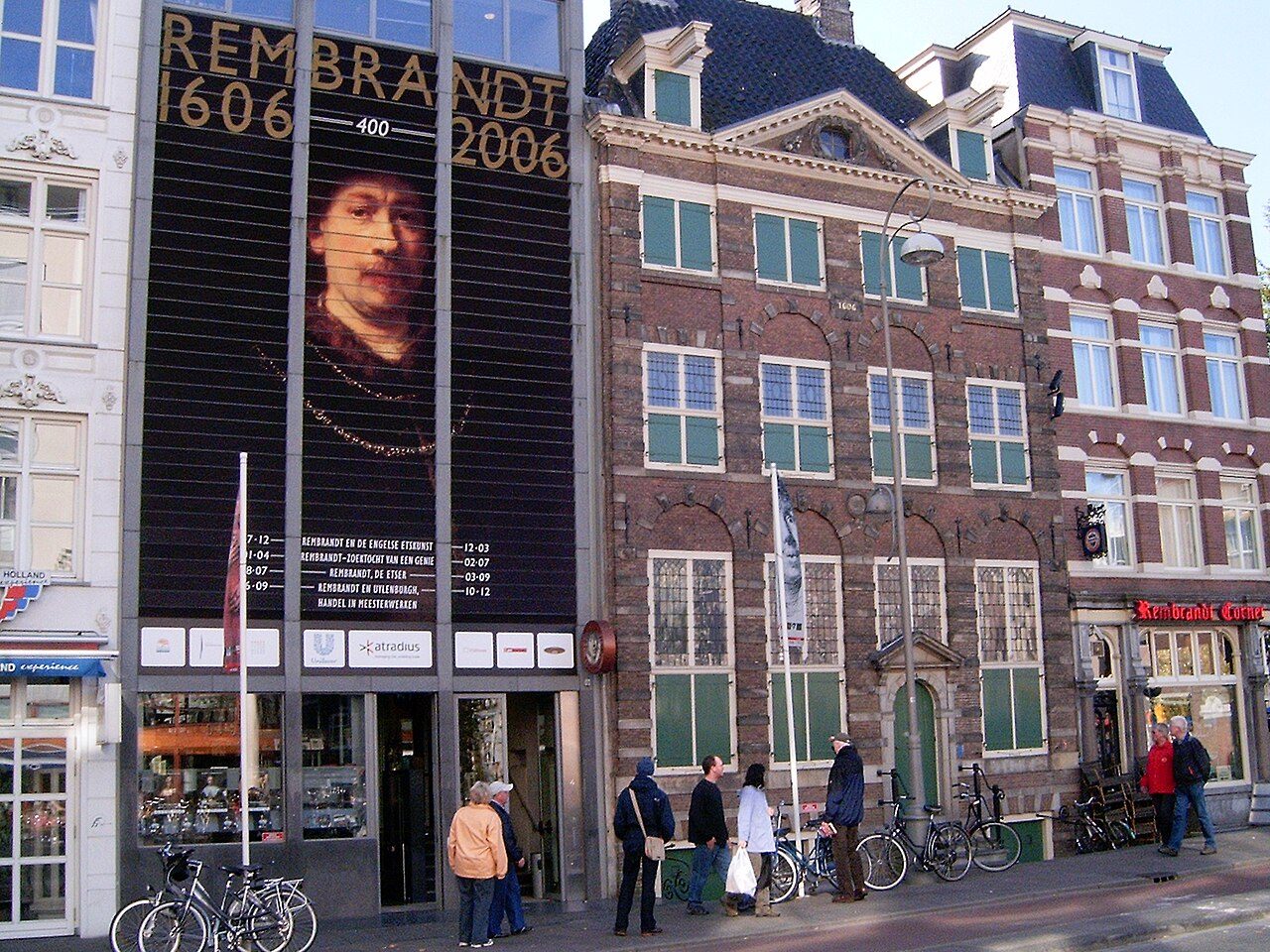
Rembrandt House Museum
Step into the house where Rembrandt lived and worked, with a studio shaped by the inventory left after his bankruptcy.
Our Lord in the Attic
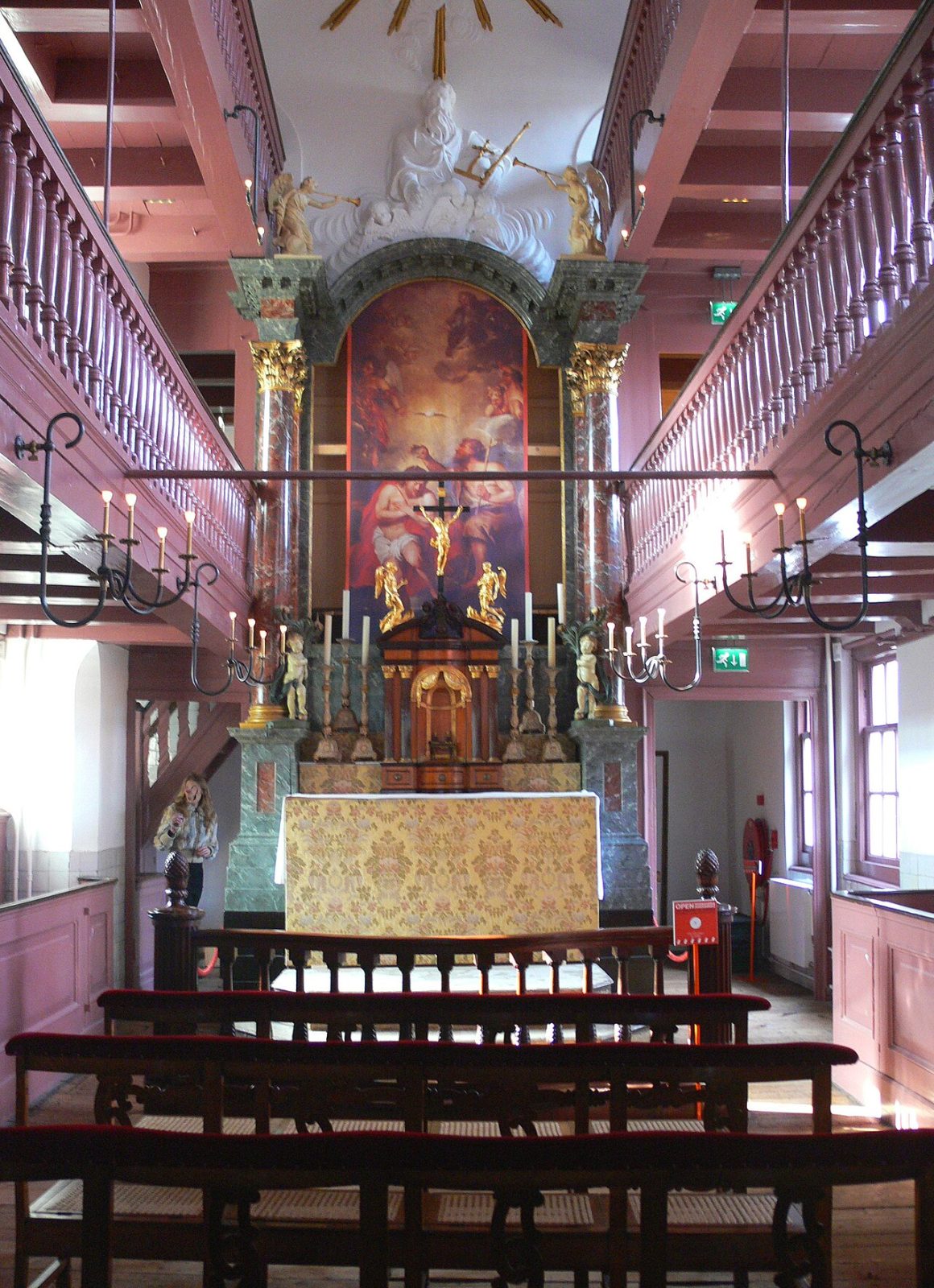
Climb through a 17th-century canal house into a complete church hidden across three attics, then see the clever details that made it work.
Jewish Museum
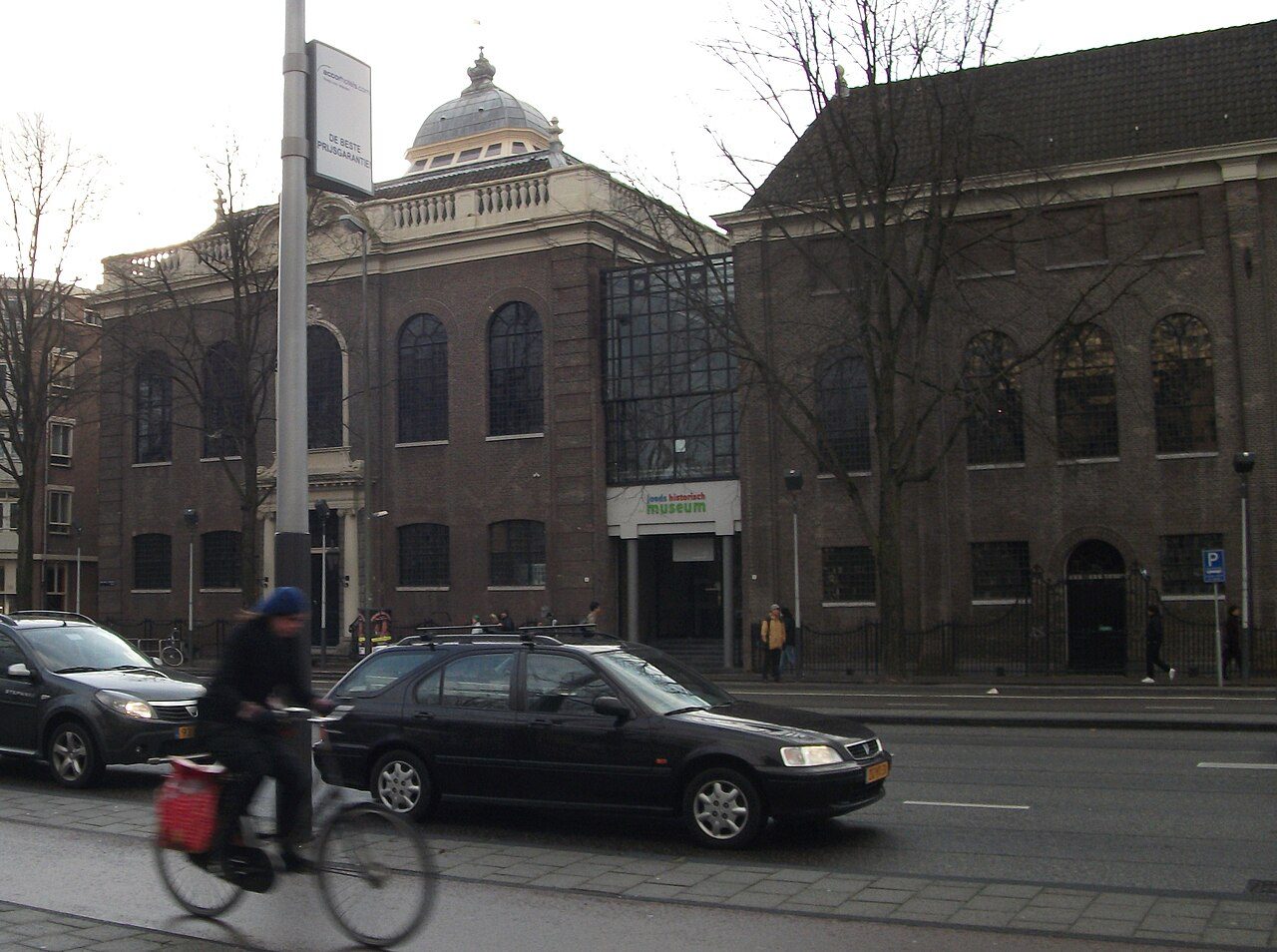
Four former synagogues telling Jewish life in the Netherlands, part of the Jewish Cultural Quarter.
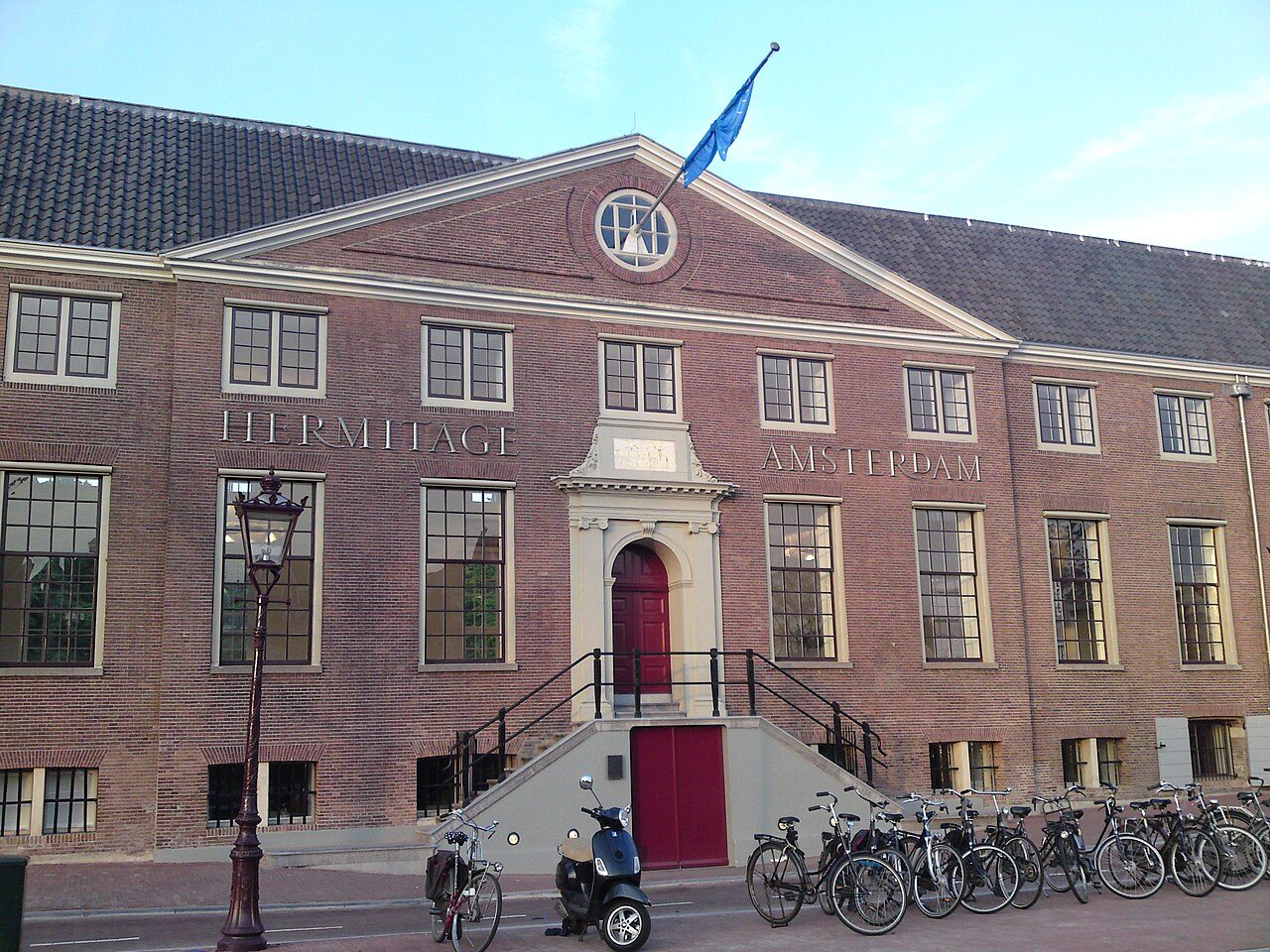
H'ART Museum
The former Hermitage Amsterdam on the Amstel, now showing exhibitions with the British Museum, Centre Pompidou and Smithsonian.
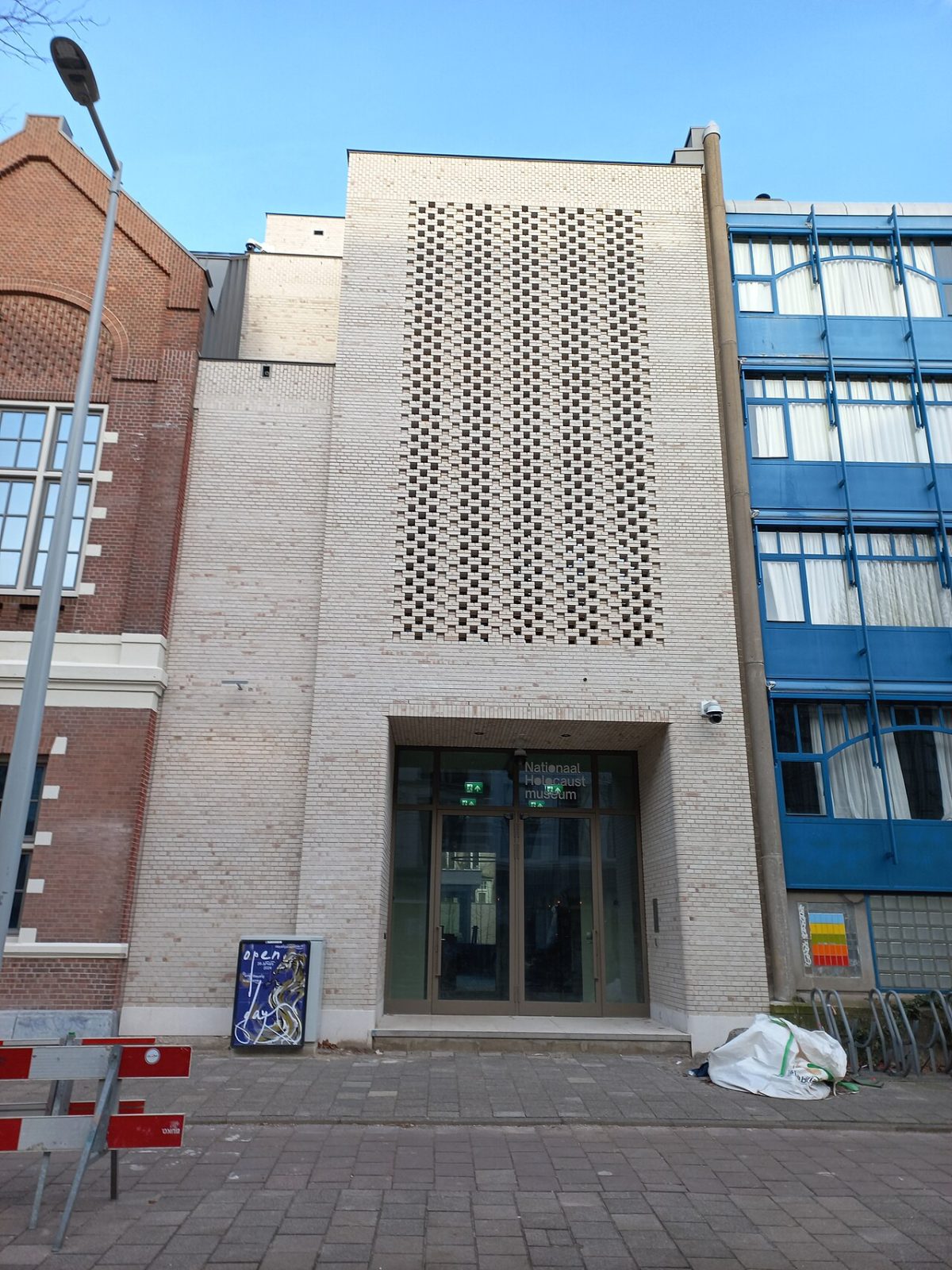
National Holocaust Museum
The national museum of the persecution of the Jews in the Netherlands, opened in 2024.
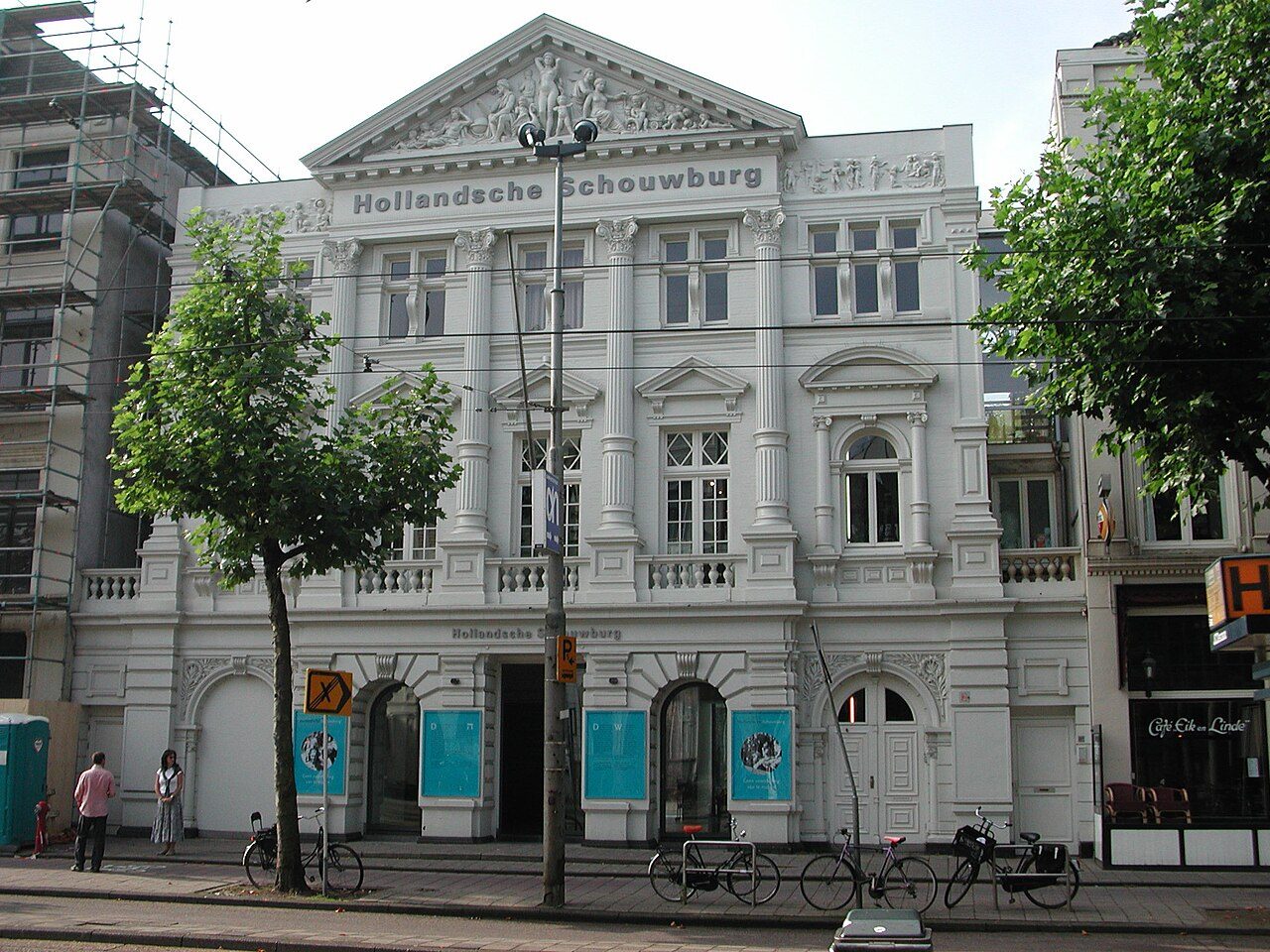
Hollandsche Schouwburg
The former theatre where Jews were gathered before deportation, now a memorial.
Tours and quests that pass here
These walks have a stop a few minutes from Portuguese Synagogue. Free, on your phone, start any time.
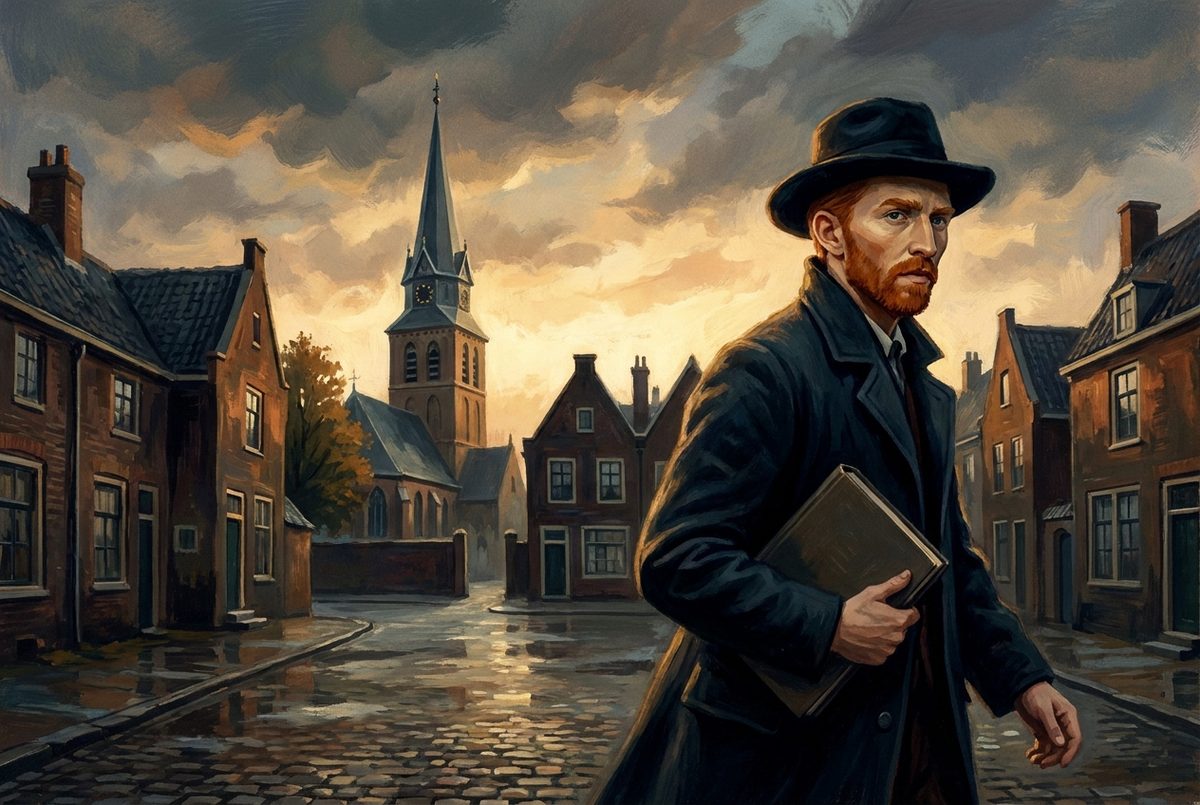 FREE AUDIO TOUR
Van Gogh's Amsterdam
The man who painted Sunflowers lived in Amsterdam for just over a year, before he became an artist. You can still stand at the naval yard he called home and follow his Sunday walks across the city.
 CITYQUEST
Rembrandt's Missing Panel
Your Rembrandt puzzle is missing a panel, and the hunt for its missing letters takes you into Amsterdam. You’ll piece it together among the real buildings and river views connected to his pictures.
 FREE AUDIO TOUR
In Rembrandt's Footsteps
The painter of The Night Watch lived and worked in Amsterdam, and his house is still standing. From the early 1630s until his death in 1669, Rembrandt made his life in streets you can walk today.