
MUSEUM
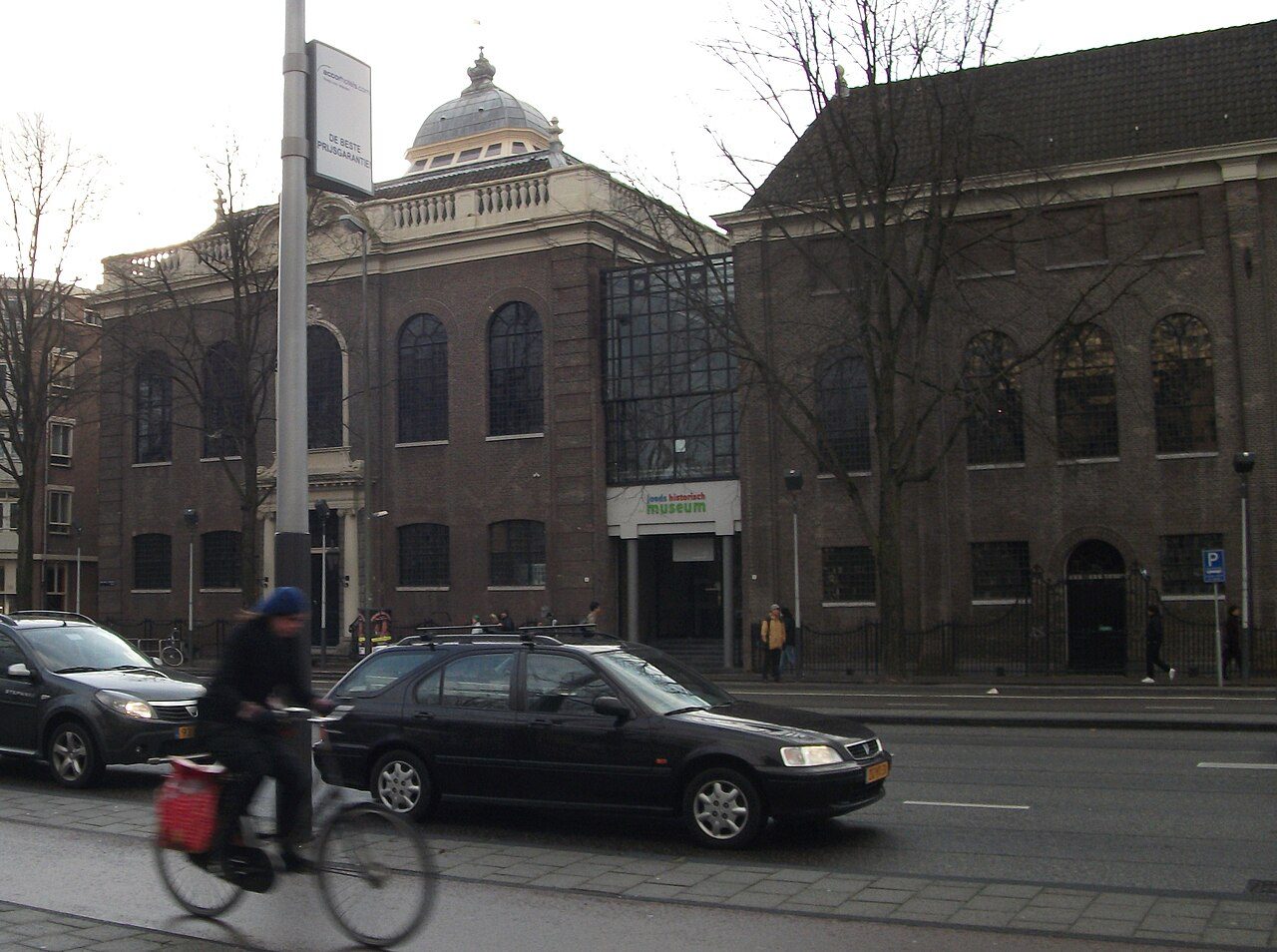
Jewish Museum
Four former synagogues telling Jewish life in the Netherlands, part of the Jewish Cultural Quarter.
Four synagogues, individual lives
Amsterdam’s Jewish Museum tells the story of Jewish life in the Netherlands inside four former synagogues. One of its most personal works is Charlotte Salomon’s painted autobiography, *Life? or Theatre?* In 1943, Salomon entrusted it to her friend Dr George Moridis, telling him it was her whole life. Shortly afterwards, she was murdered at Auschwitz. Her father and stepmother gave the work to the museum in 1971. The museum displays a changing selection of six paintings, so take time with the individual scenes rather than expecting to see the whole work.
The museum is part of the Jewish Cultural Quarter. If you are approaching from Waterlooplein flea market, it is about a two-minute walk; from Blauwbrug, allow about three minutes. Once inside, the former synagogue buildings are as important as the objects. You are looking at spaces made for a congregation, not rooms originally designed as galleries.
A gift with conditions
In 1753, Sara Rintel gave the Great Synagogue a monumental silver Hanukkah lamp. Her gift came with a condition: it had to be used there. She also promised to provide candles every year, but stipulated that the leftover candle ends should be returned to her.
It is a wonderfully precise detail. The silver tells you about the scale of the gift; the condition tells you that Rintel intended it to serve a living community. Remember those candle ends when looking at ceremonial objects here. These were things people supplied, maintained and used, with practical arrangements behind their beauty. Rintel’s name and instructions make that relationship unusually clear.
What the cellar witnessed
The New Synagogue holds a much darker story. In 1943, Nazi looters discovered Jewish books and ritual objects concealed behind false walls in its cellar. They photographed the discovery as they emptied the space. The hiding places had not protected their contents from seizure.
Keep that episode in mind as you move through the museum. These buildings are not simply a setting for a history told elsewhere. One of them was itself a site of Nazi looting. The photographs recorded the removal from the perpetrators’ side, making the act of emptying the cellar part of the surviving evidence. Books and ritual objects here belong to a history of use, but also of concealment, theft and loss.
Look below the galleries
Another part of the Great Synagogue’s history survived out of sight. Its ritual bath was built in 1671, then disappeared from view during a nineteenth-century alteration. Restoration work in the 1980s brought it back to light, and its white-tiled basin, divided into two pools, became part of the museum’s interior.
Look for that division and the plain tiled surfaces. Beside the silverwork and paintings, the bath offers a different kind of evidence: the building itself preserves a place made for religious practice. Give it the same attention as an object in a case. It brings the museum’s account of Jewish life back to the physical spaces where that life was lived.
Things to know
- Allow about two minutes on foot from Waterlooplein flea market.
- From Blauwbrug, the walk takes about three minutes.
- Set aside 1 to 2 hours for the buildings and displays.
- Look for the rediscovered ritual bath as well as the objects.
- The Charlotte Salomon display is a changing selection of six paintings.
- Opening hours and prices can change. Check the official website before you go. Official website
What people say
Related spots
More things to do in Amsterdam ›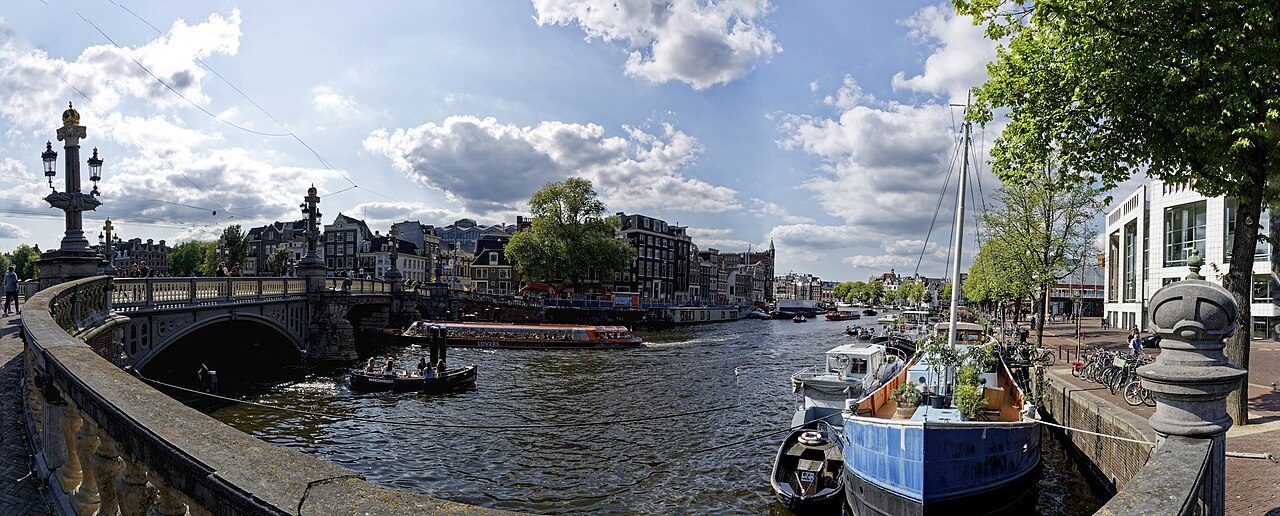
Waterlooplein flea market
The city's oldest flea market, next to the Stopera.
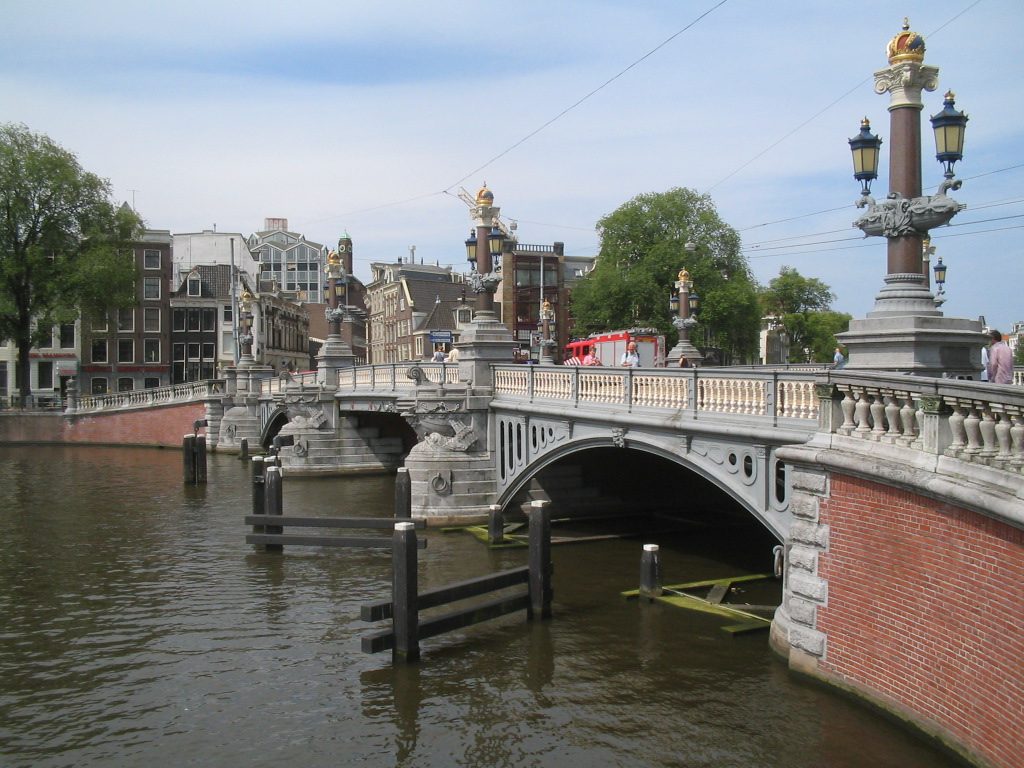
Blauwbrug
The ornate stone bridge over the Amstel, modelled on the Pont Alexandre III in Paris.
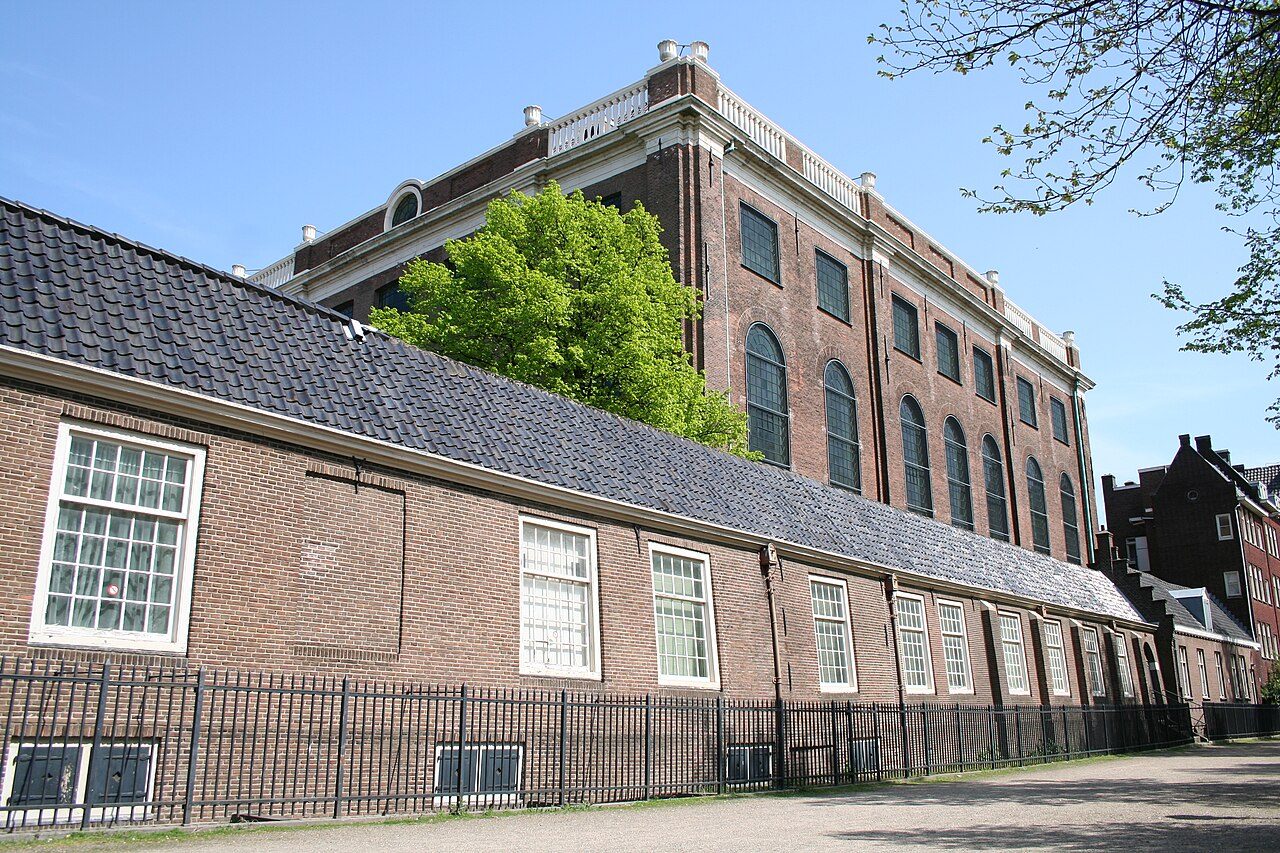
Portuguese Synagogue
The 1675 synagogue still lit by candles, with its treasure chambers and library.
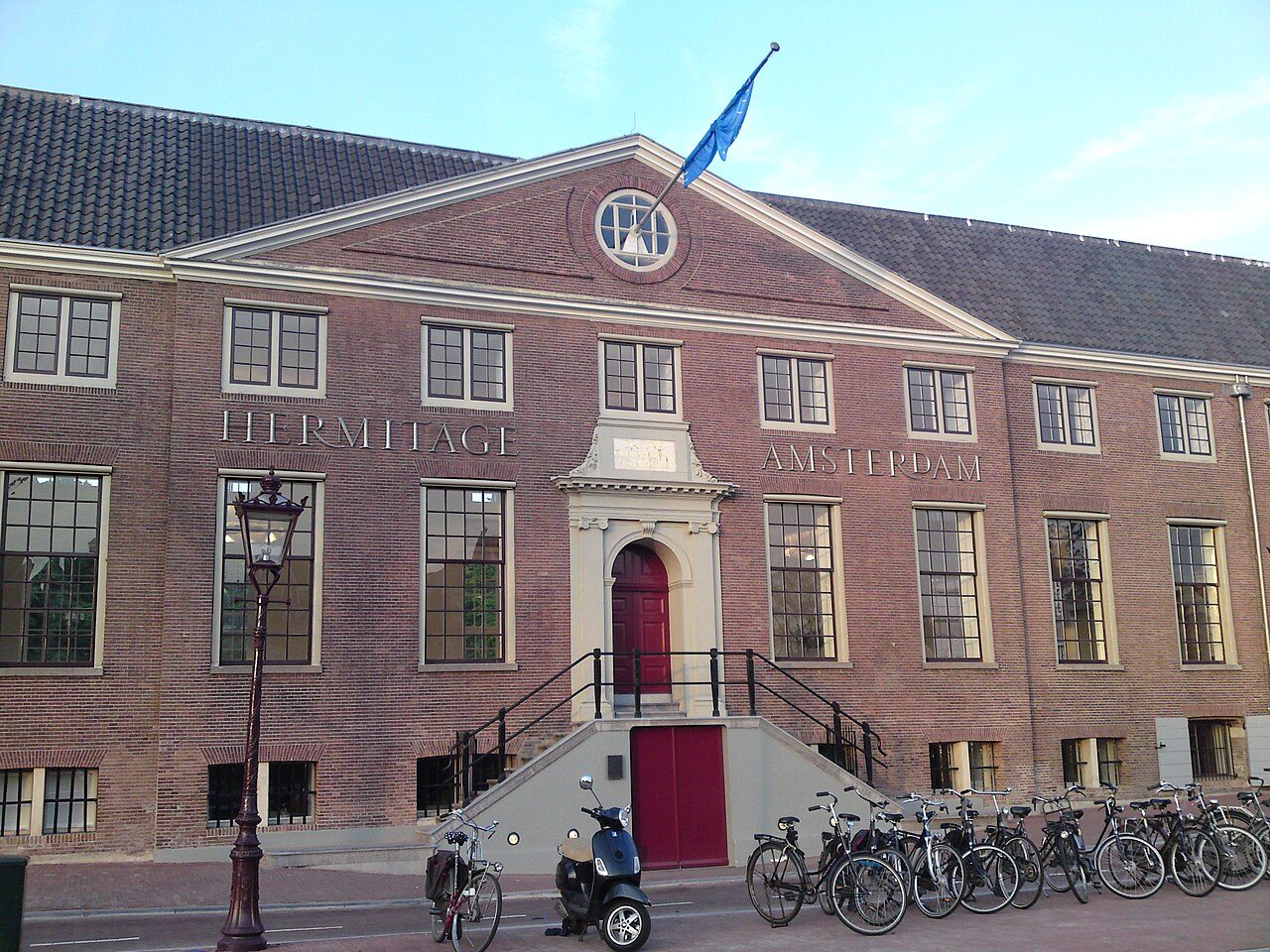
H'ART Museum
The former Hermitage Amsterdam on the Amstel, now showing exhibitions with the British Museum, Centre Pompidou and Smithsonian.
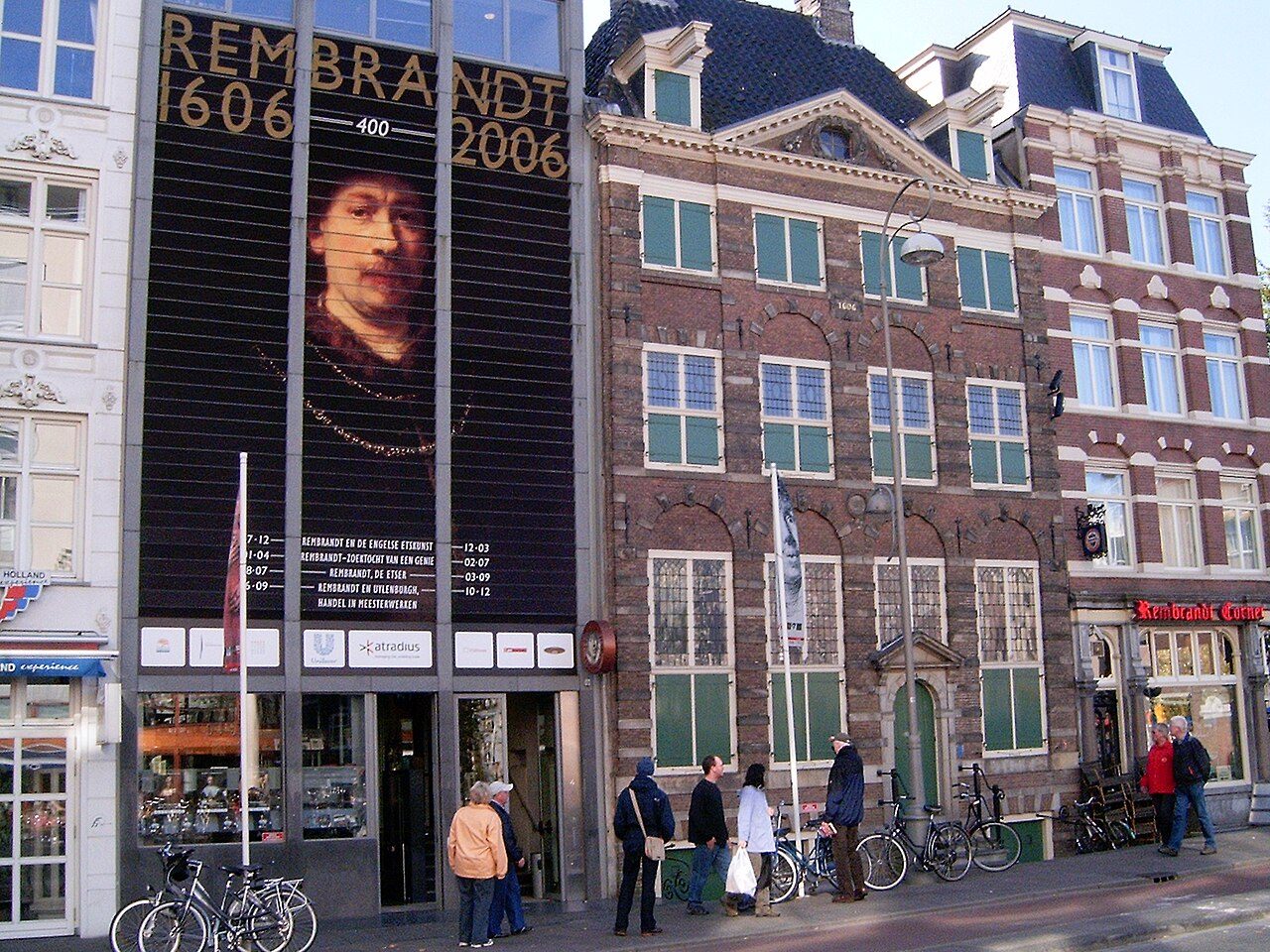
Rembrandt House Museum
Step into the house where Rembrandt lived and worked, with a studio shaped by the inventory left after his bankruptcy.
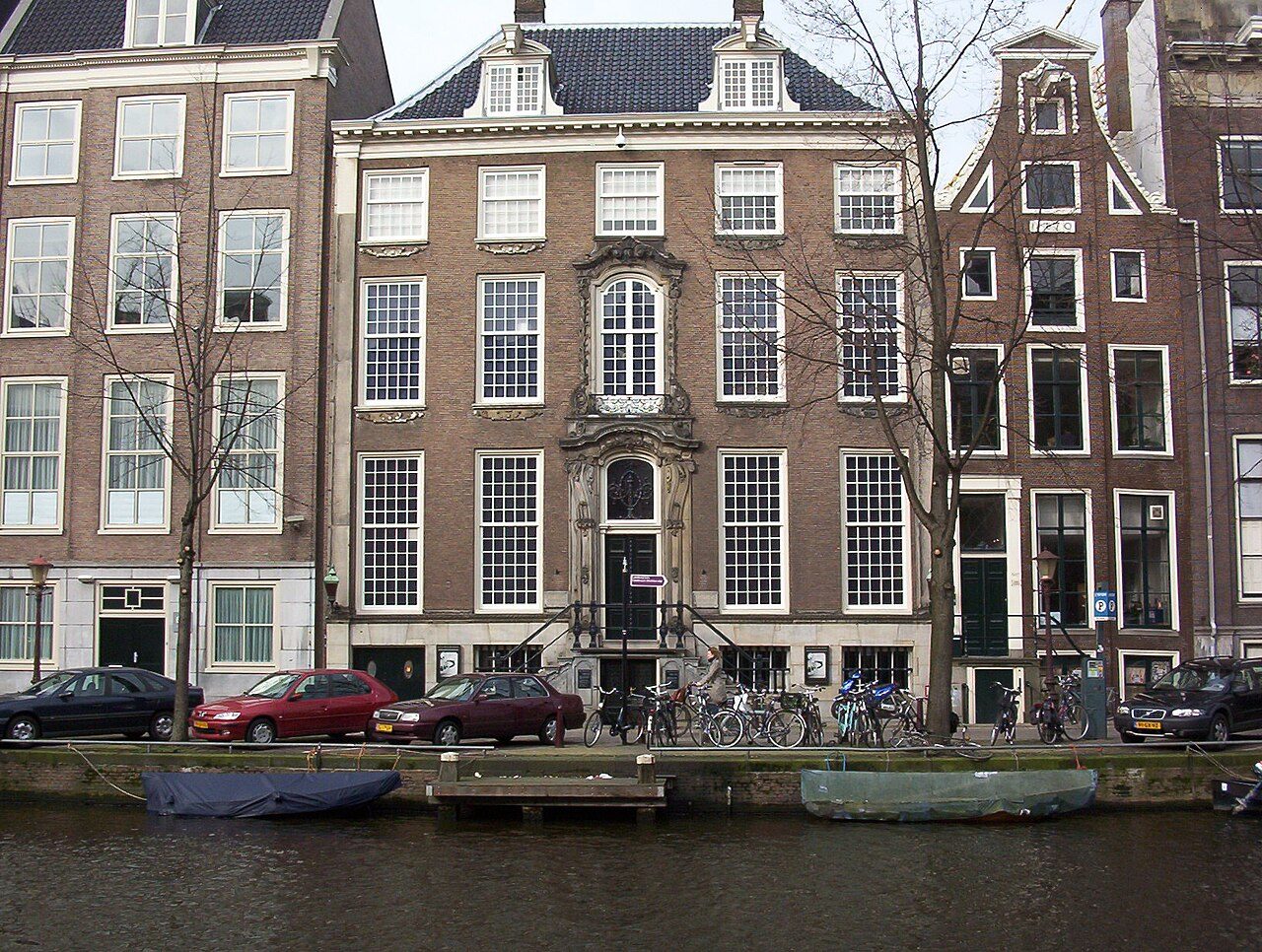
Museum Willet-Holthuysen
A canal-house museum showing how a rich 19th-century couple lived.
Tours and quests that pass here
These walks have a stop a few minutes from Jewish Museum. Free, on your phone, start any time.
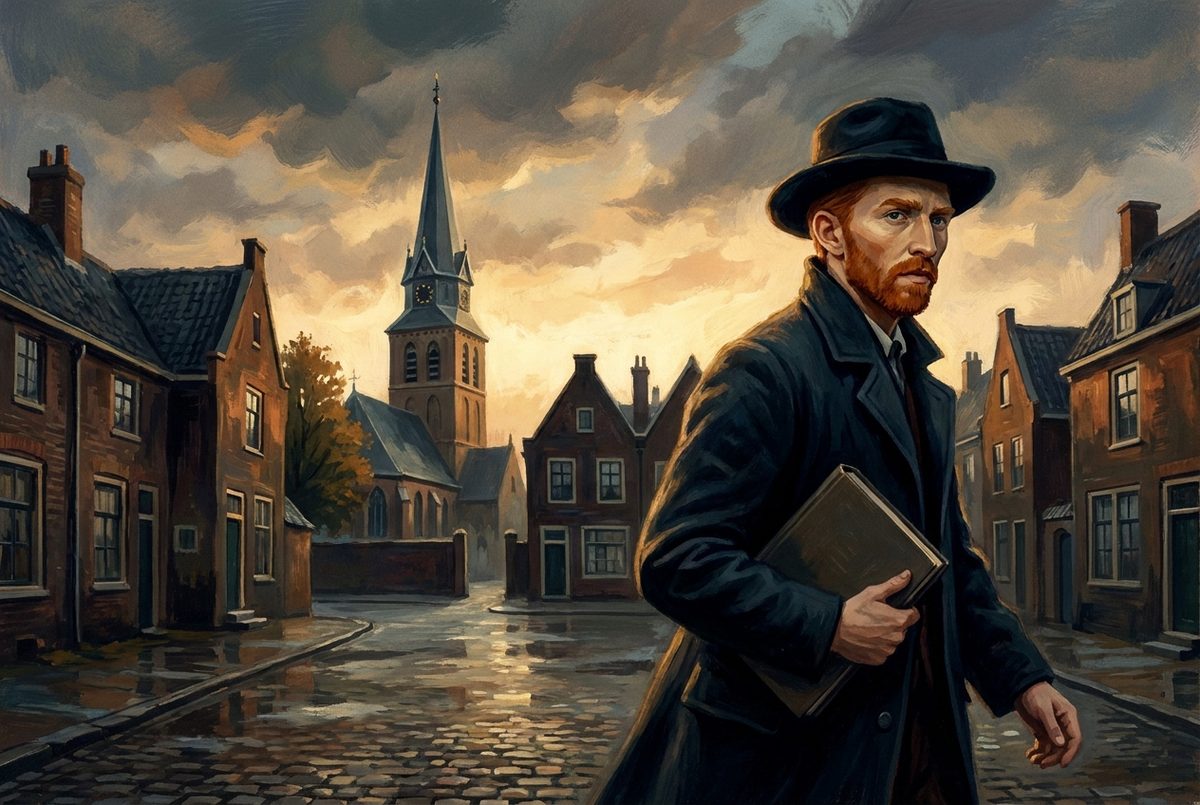 FREE AUDIO TOUR
Van Gogh's Amsterdam
The man who painted Sunflowers lived in Amsterdam for just over a year, before he became an artist. You can still stand at the naval yard he called home and follow his Sunday walks across the city.
 CITYQUEST
Rembrandt's Missing Panel
Your Rembrandt puzzle is missing a panel, and the hunt for its missing letters takes you into Amsterdam. You’ll piece it together among the real buildings and river views connected to his pictures.
 FREE AUDIO TOUR
In Rembrandt's Footsteps
The painter of The Night Watch lived and worked in Amsterdam, and his house is still standing. From the early 1630s until his death in 1669, Rembrandt made his life in streets you can walk today.