
MUSEUM
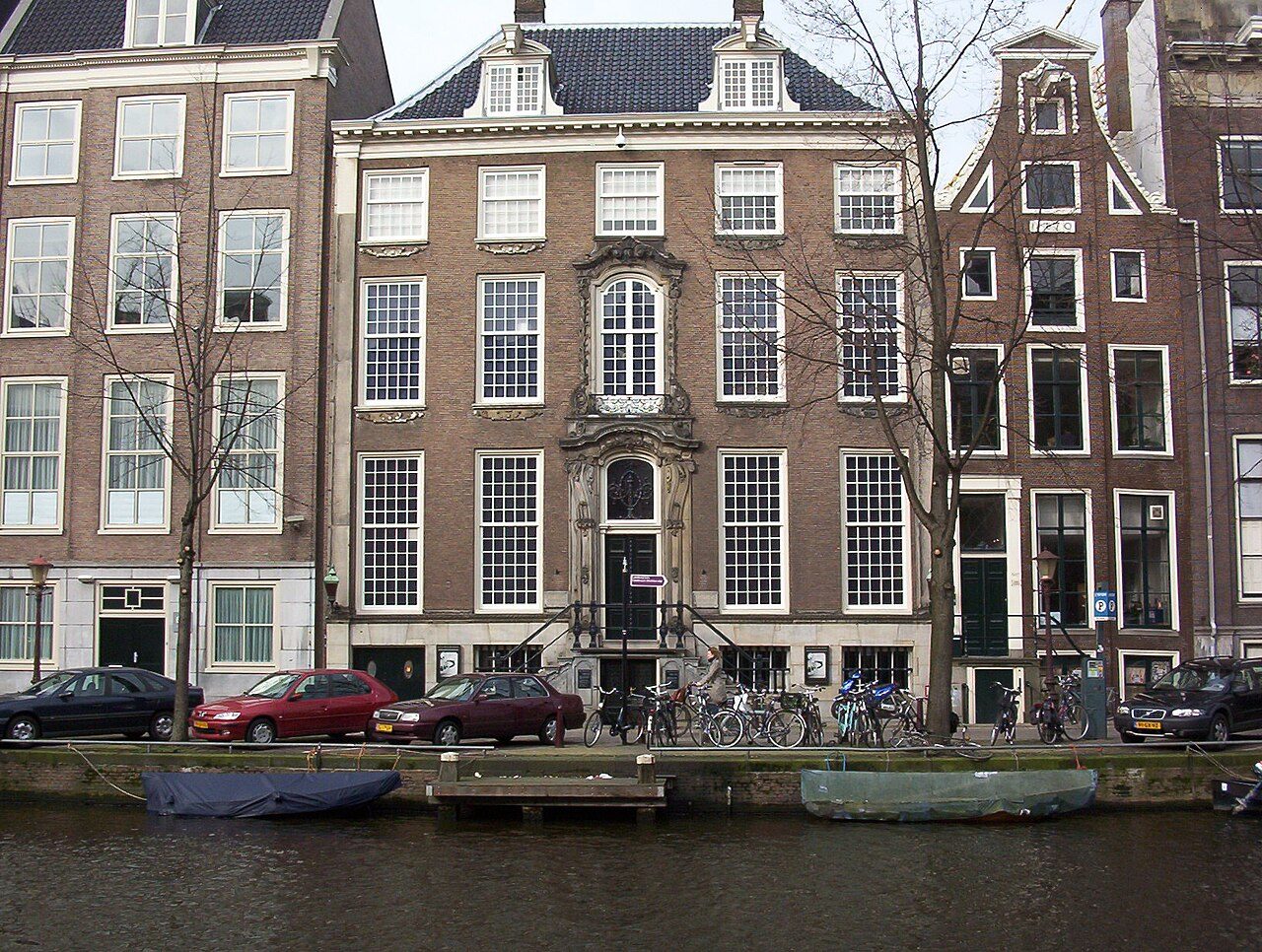
Museum Willet-Holthuysen
A canal-house museum showing how a rich 19th-century couple lived.
A house made for company
Around 1875, Abraham and Louisa Willet-Holthuysen held a costume ball in their grand salon. Willem Steelink Jr. painted the occasion. Keep that scene in mind as you visit Museum Willet-Holthuysen: these rooms were not just somewhere to live. They were places to receive guests, display possessions and put on a show.
The museum presents the canal-house life of a wealthy 19th-century couple. It gives you something the street façades cannot: a sense of the domestic world behind them. Look at the rooms as settings for people, rather than simply collections of beautiful things. Where would guests gather? What would they notice first?
The house is a two-minute walk from Blauwbrug, and similarly close to Rembrandtplein. It is a short detour from either, but worth allowing time to look slowly.
Louisa’s unusual instructions
Louisa’s concern for her household extended to its animals. In her 1889 will, she ordered that any dogs and cats still living with her when she died should remain in the house and be cared for throughout their lives.
It is a wonderfully concrete instruction. Alongside the formal image of a rich canal-house household, it leaves room for animals moving through the same domestic spaces. But the outcome was not what the will prescribed: the animals were no longer there immediately after Louisa’s death in 1895. The account does not establish what became of them, so there is no tidy ending to add.
Remember that distinction as you look around. A preserved interior can suggest permanence, while the people and daily arrangements behind it have changed.
Laughter after the owners
The house continued to have a social life as a museum. In 1918–1919, writer Carry van Bruggen attended a birthday lunch here hosted by curator Frans Coenen. Another guest, H.P.L. Wiessing, later recalled arriving to find Van Bruggen and the other women giggling. One told him that he was too prudish to hear their joke.
The joke itself is not the point of the surviving account. It is the sudden glimpse of people laughing in a place that can otherwise seem very formal. As you move through the house, imagine conversation as well as ceremony. The costume ball and the curator’s lunch belong to different chapters, but both remind you that these were rooms used by people, not scenery assembled for visitors.
A refuge during the occupation
During the German occupation, the house served purposes far removed from entertaining. Around 1943, Jewish doctor Jozef van der Hal took refuge with the family of museum caretaker Dirk Boer. When police raided the building, Van der Hal hid in its highest attic and escaped detection.
Photographer Cas Oorthuys also recorded resistance work inside the house during the occupation. One sequence shows the clandestine newspaper De Koerier being printed in the front room. The issue in the photographs bears the date 3 April 1945.
These stories change how you read the building. Think beyond the formal rooms to its height, its domestic spaces and the people who worked here. The same house held a costume ball, a laughing lunch party, a man hiding from police and an underground printing operation.
Things to know
- Allow about an hour to look around without rushing.
- Walk here from Blauwbrug or Rembrandtplein in about two minutes.
- Keep the grand salon and front-room stories in mind as you visit.
- Opening hours and prices can change. Check the official website before you go. Official website
What people say
Related spots
More things to do in Amsterdam ›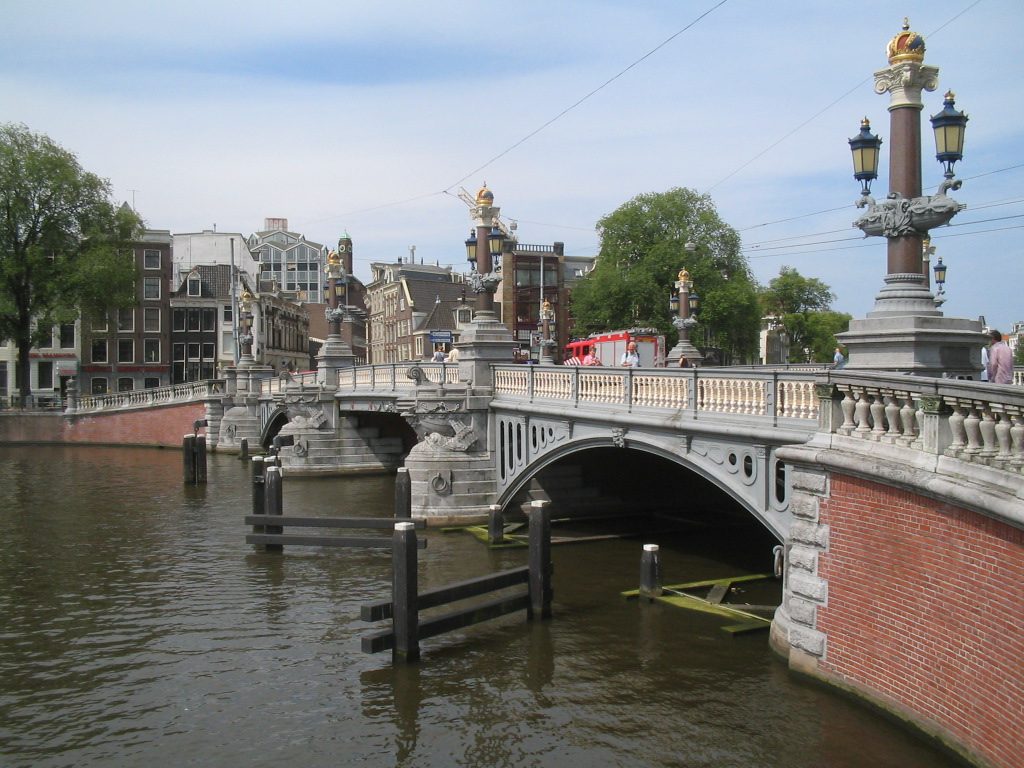
Blauwbrug
The ornate stone bridge over the Amstel, modelled on the Pont Alexandre III in Paris.
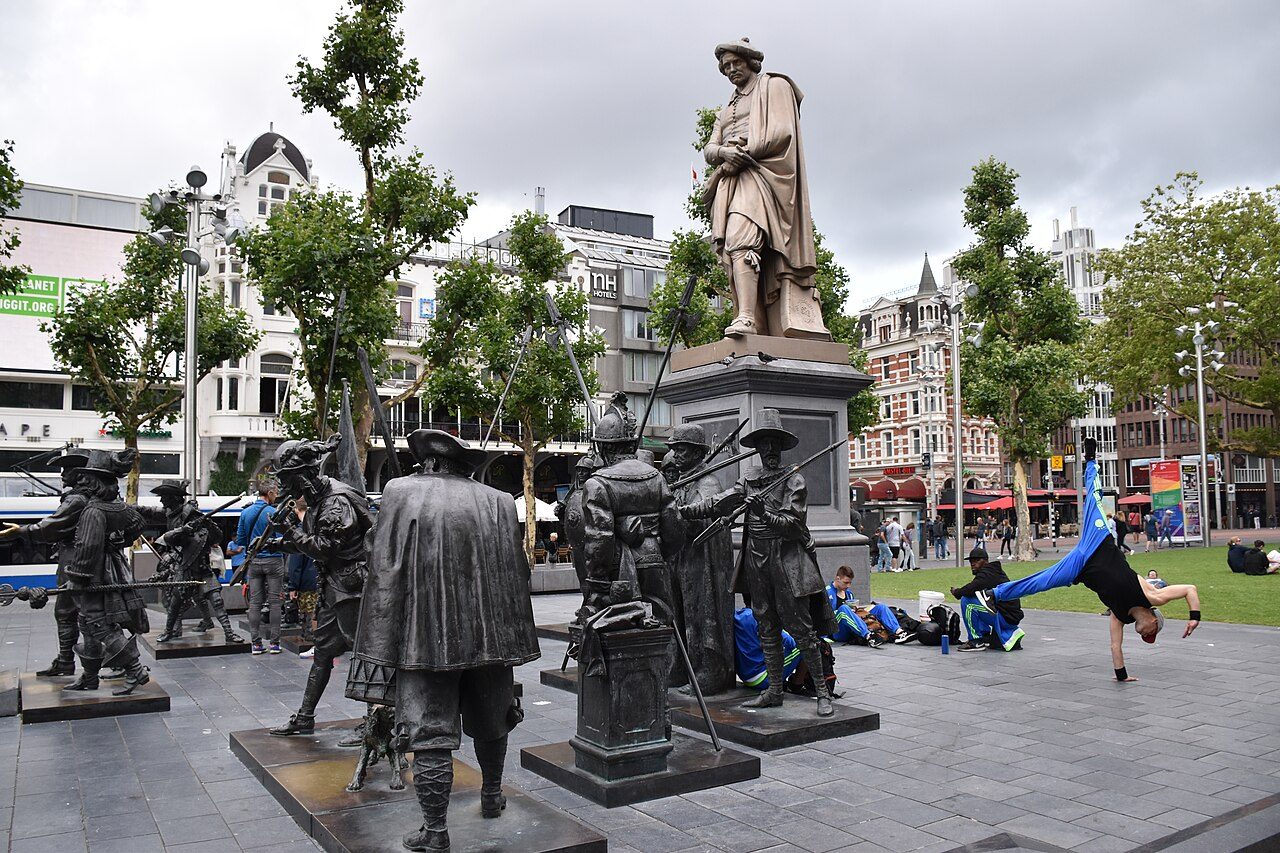
Rembrandtplein
A lively Amsterdam square centred on Louis Royer’s cast-iron Rembrandt statue. The Night Watch bronzes shown in older photos were removed in 2020.
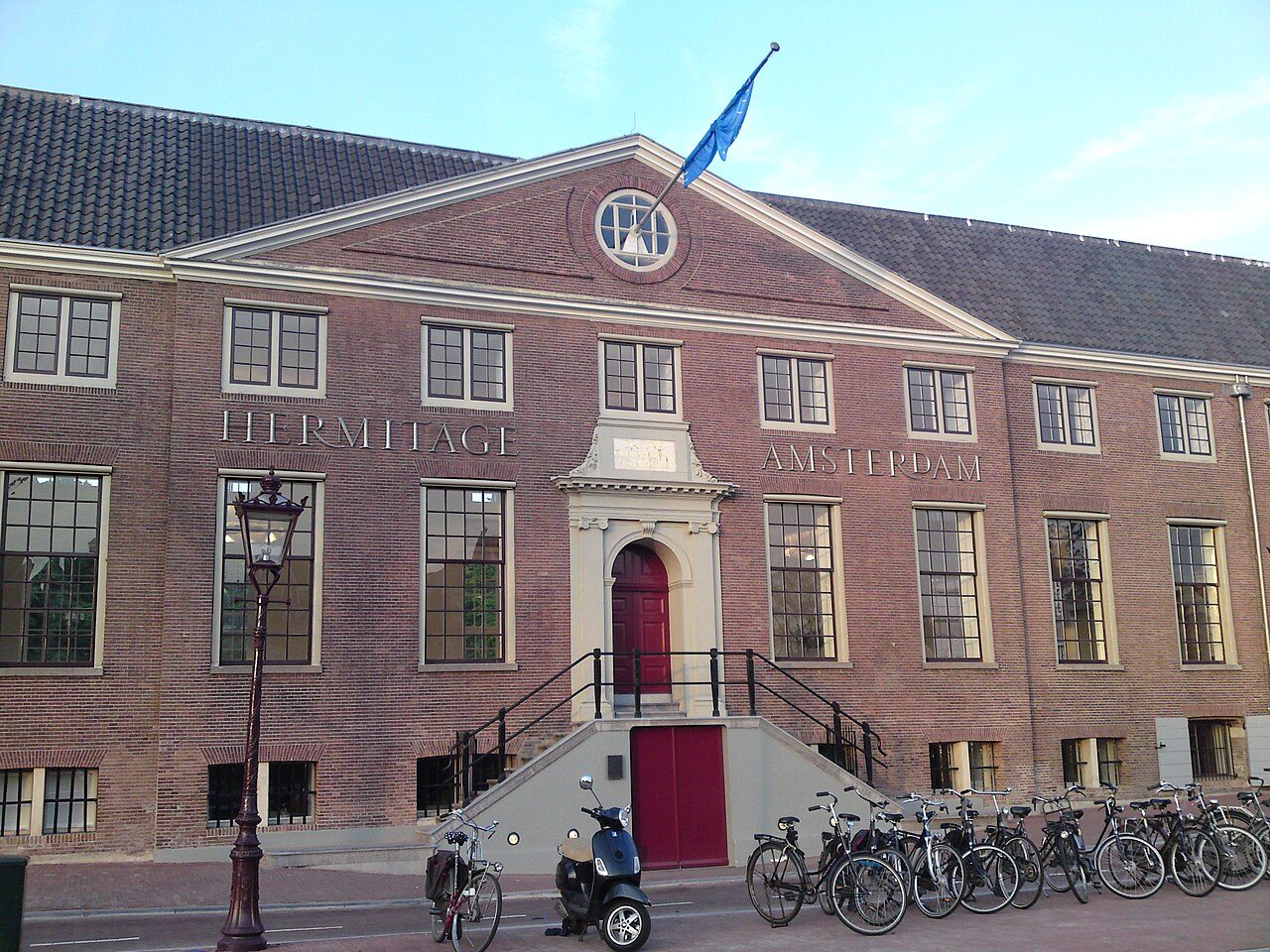
H'ART Museum
The former Hermitage Amsterdam on the Amstel, now showing exhibitions with the British Museum, Centre Pompidou and Smithsonian.
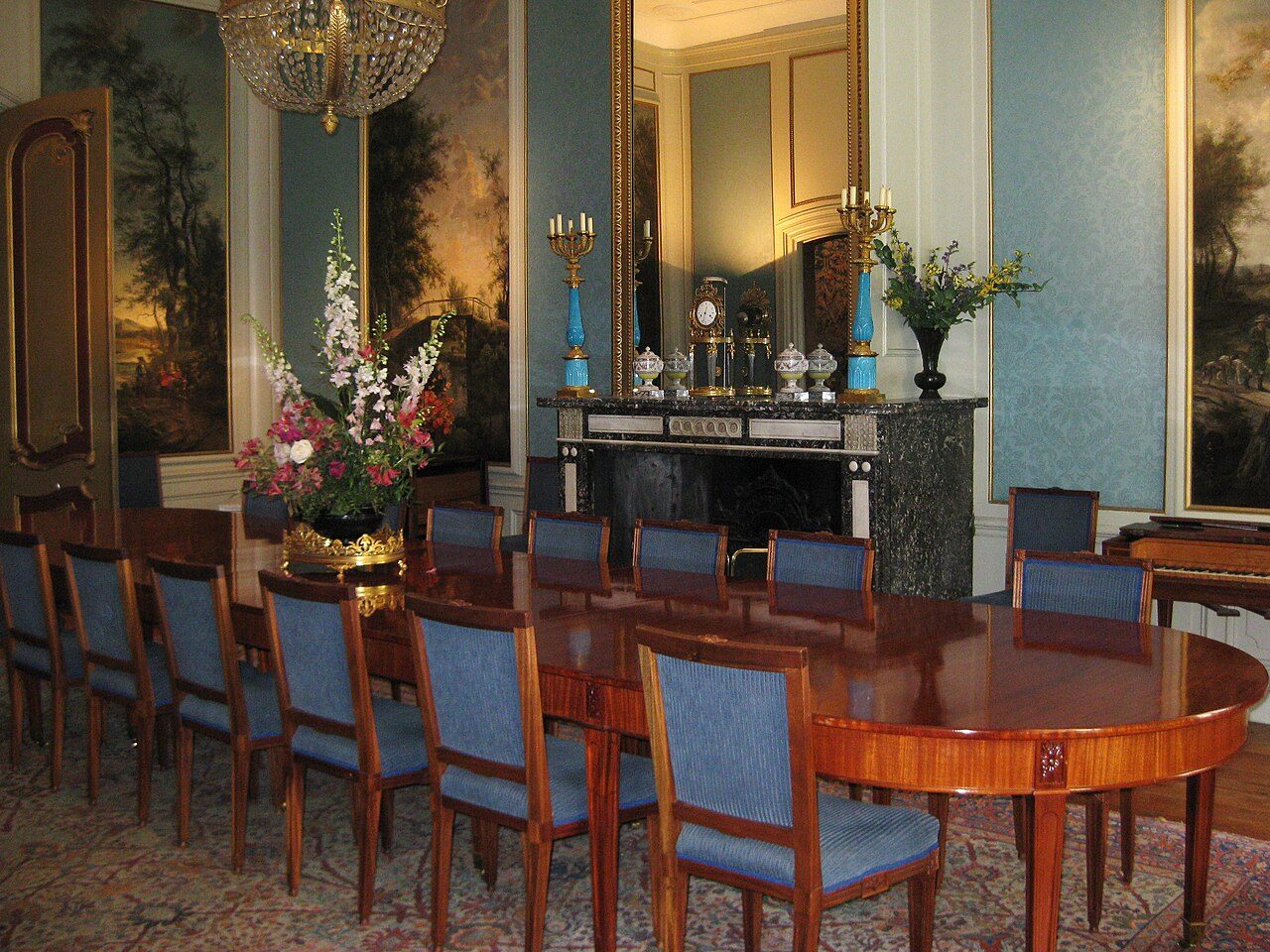
Museum Geelvinck
A canal house with a hidden garden, between the Herengracht and Keizersgracht.
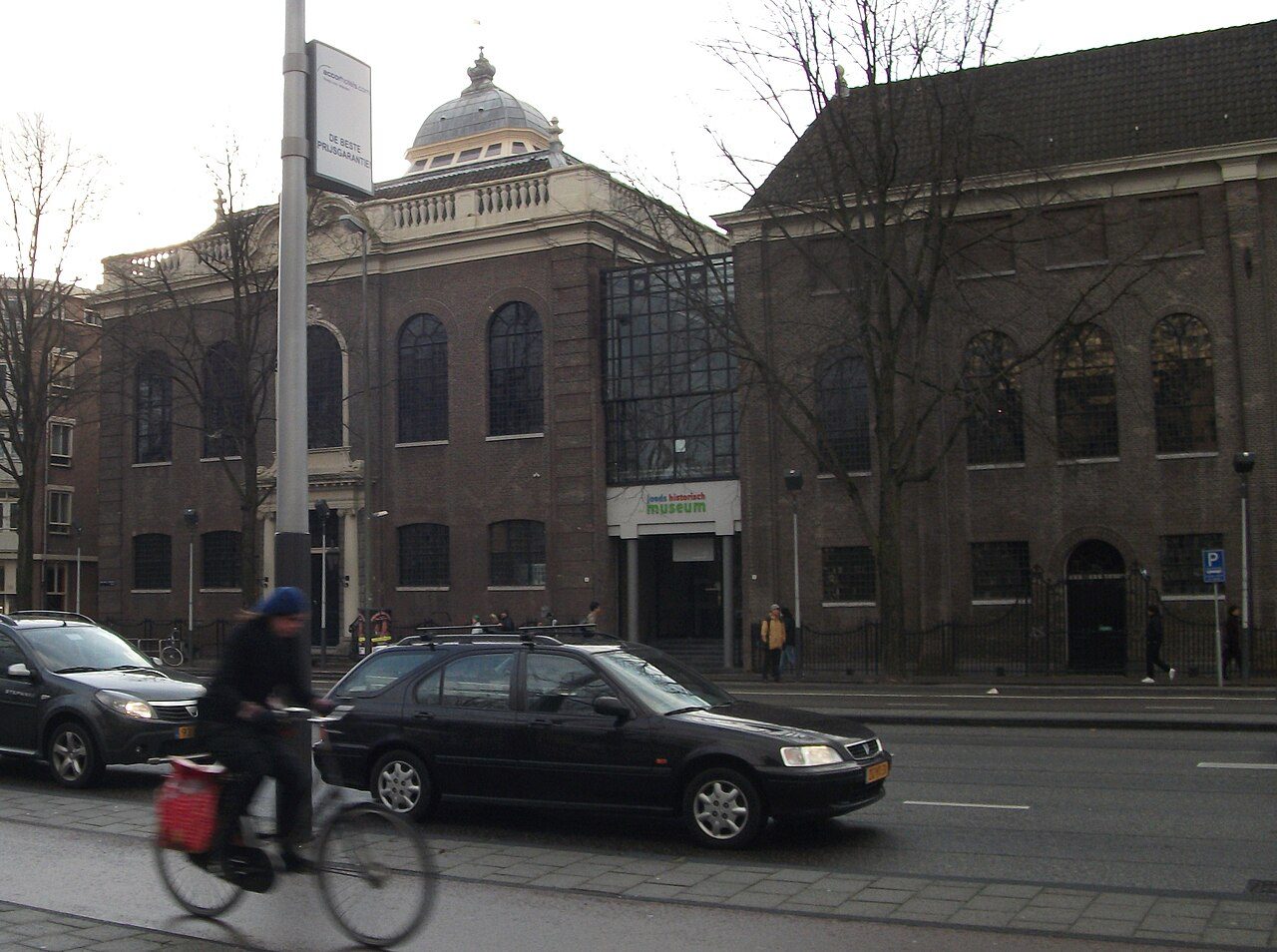
Jewish Museum
Four former synagogues telling Jewish life in the Netherlands, part of the Jewish Cultural Quarter.
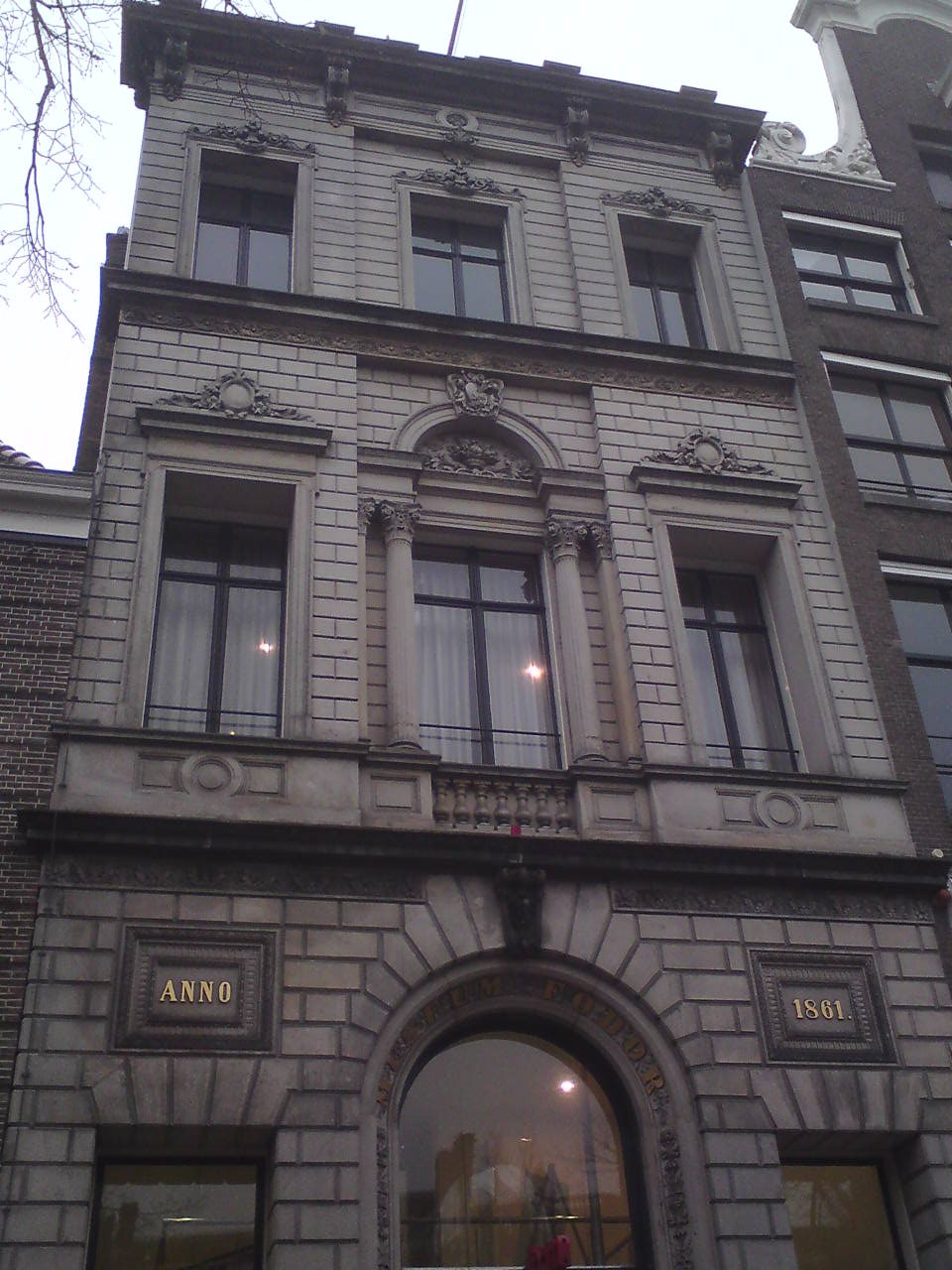
Foam
The photography museum on the Keizersgracht.
Tours and quests that pass here
These walks have a stop a few minutes from Museum Willet-Holthuysen. Free, on your phone, start any time.
 CITYQUEST
Rembrandt's Missing Panel
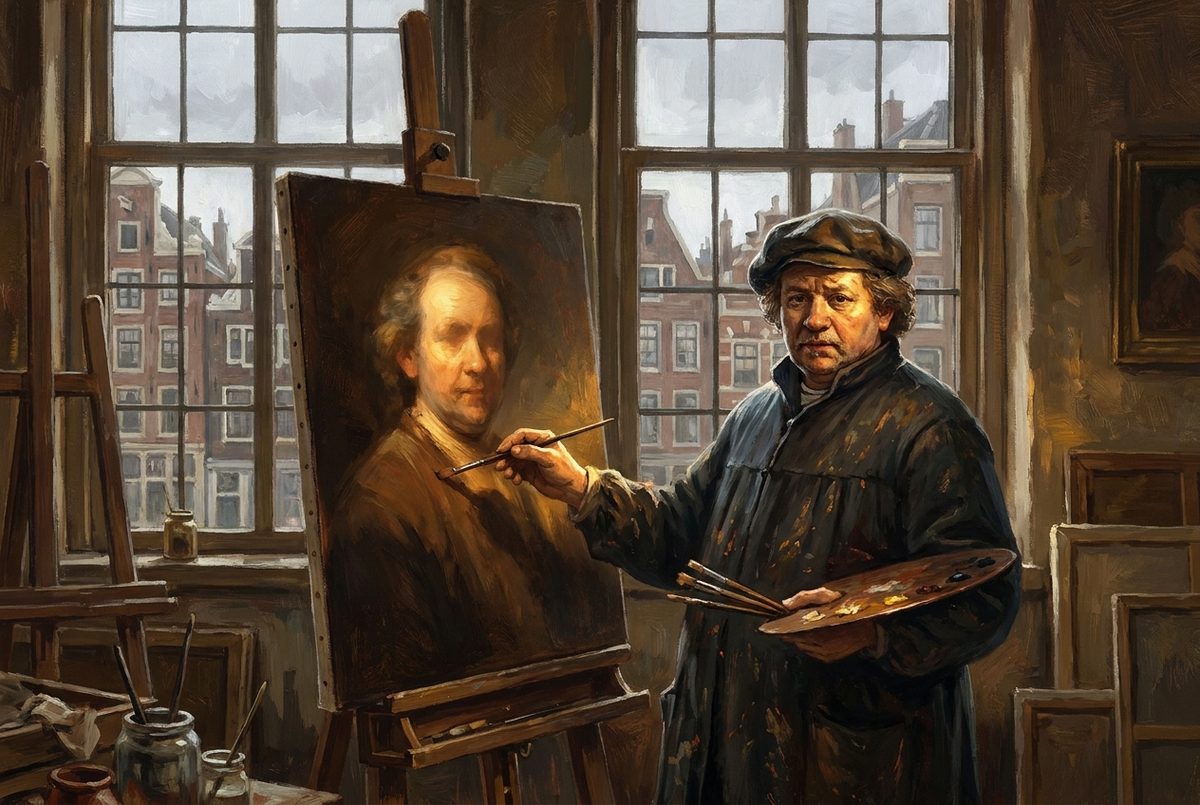
Your Rembrandt puzzle is missing a panel, and the hunt for its missing letters takes you into Amsterdam. You’ll piece it together among the real buildings and river views connected to his pictures.
 FREE AUDIO TOUR
In Rembrandt's Footsteps
The painter of The Night Watch lived and worked in Amsterdam, and his house is still standing. From the early 1630s until his death in 1669, Rembrandt made his life in streets you can walk today.
 CITYQUEST
The Canal Cipher
A merchant’s missing fortune is waiting to be traced through Amsterdam’s canals in The Canal Cipher. Follow his coded will, gather clues and work out a final answer to claim the treasure.