
MUSEUM
H'ART Museum
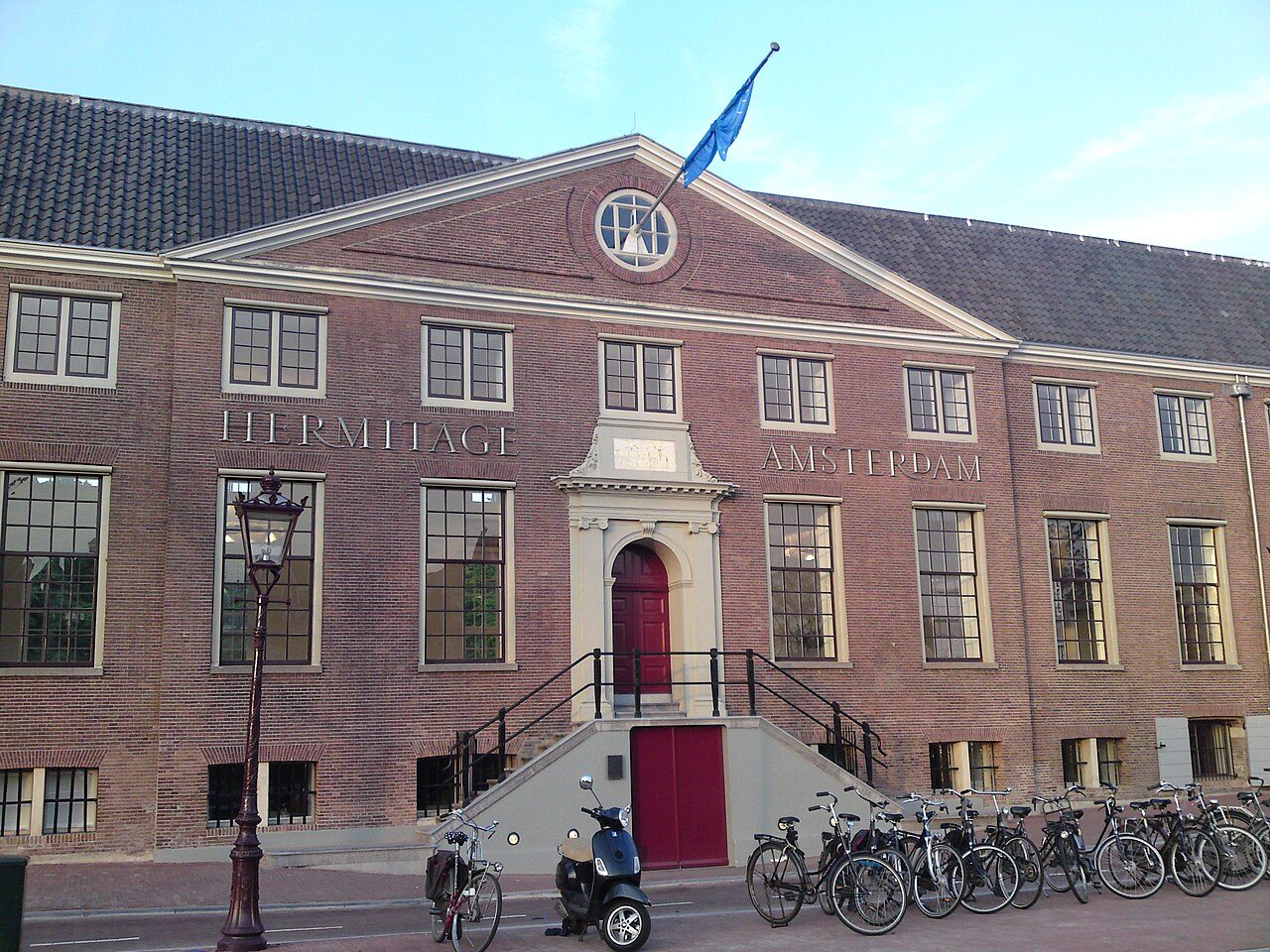
The former Hermitage Amsterdam on the Amstel, now showing exhibitions with the British Museum, Centre Pompidou and Smithsonian.
Art behind a ceremonial façade
H'ART Museum brings changing international art exhibitions to the Amstelhof, a former care home on the Amstel. Before you go inside, look at the grand central doorway facing the river. When the women's home opened in 1683, that doorway was only for show: it could not be opened. Residents came and went through a smaller side entrance. The building presented one face to the city and another to the people living here.
You will find it between the Nieuwe Herengracht and Nieuwe Keizersgracht, a two-minute walk from either the white Magere Brug or the ornate Blauwbrug. Its long, formal riverfront is worth pausing over before you turn your attention to the art.
From Hermitage to H'ART
The museum began in 2004 in a smaller building on the Nieuwe Herengracht, as an outpost of the Hermitage in St Petersburg. In 2009 it moved into the main Amstelhof building. Queen Beatrix and Russian president Dmitry Medvedev officially opened it on 19 June; the public followed the next day.
That relationship ended after Russia's invasion of Ukraine in February 2022. The museum severed its ties with the Hermitage and closed its Russian avant-garde exhibition early. On 1 September 2023, it became H'ART Museum, with new partnerships involving the British Museum, Centre Pompidou and Smithsonian American Art Museum.
The important thing for your visit is that this is a changing-exhibition museum, not a permanent selection of Hermitage treasures. Choose it for the exhibition being shown. The international loans give the galleries a different focus from one visit to the next.
A home with strict rules
City carpenter Hans Petersom designed the Amstelhof in 1681 in the Dutch classical style. Its orderly exterior belonged to a church-run care institution, where daily life could be much less grand than the façade suggests.
In 1760, city historian Jan Wagenaar described its “shame table”. Residents who broke the rules could be made to sit apart from everyone else and eat inferior food. It is a sharp reminder that care here also meant discipline.
Feeding the household was a considerable operation. Around 1725, the kitchen moved into the cellar. Its brick-encased cauldrons were so large that cooks needed wooden steps to stir them. By 1862, the kitchen was cooking for 700 people. The historic kitchen was among the spaces preserved during the museum conversion, alongside the church hall and regents' room.
Napoleon refused, Churchill welcomed
The church hall has two particularly telling stories. During his Amsterdam visit in 1811, Napoleon wanted to hold a ball there. The church authorities refused: they thought it would disrupt the residents too much. Even an emperor did not get his way in this home.
Winston Churchill received a warmer reception in 1946. Before a lunch in the church hall, he appeared at a window overlooking the courtyard. The residents cheered. Churchill bowed deeply and gave them his V-sign.
The last residents left in March 2007. Architect Hans van Heeswijk's conversion then made room for galleries while retaining the formal façades and several historic interiors. As you move through the building, keep that earlier household in mind: its communal meals, strict rules and residents watching a famous visitor from the courtyard.
Things to know
- Approach along the Amstel; either Magere Brug or Blauwbrug is about two minutes away on foot.
- Check which exhibition is showing before deciding on your visit.
- Pause outside to look at the grand central doorway facing the river.
- Ask which historic rooms are accessible during your visit.
- Opening hours and prices can change. Check the official website before you go. Official website
What people say
Related spots
More things to do in Amsterdam ›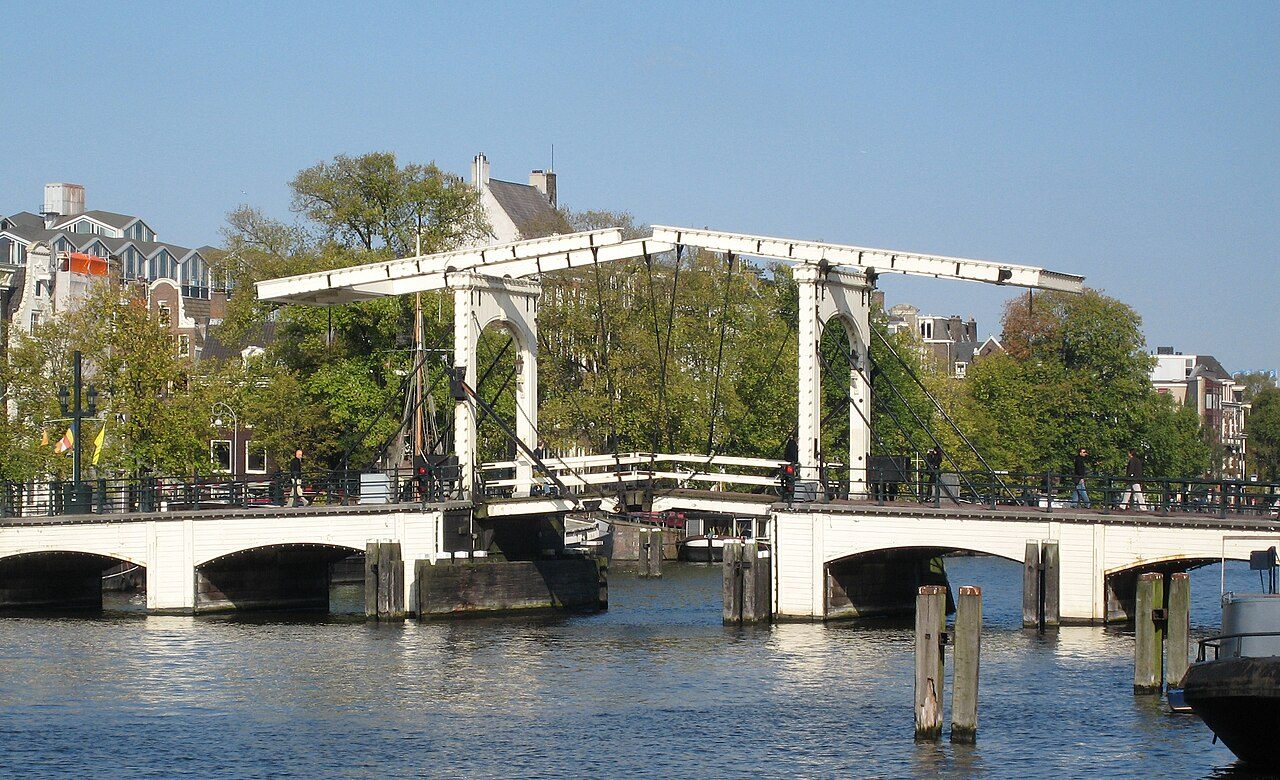
Magere Brug
A white double drawbridge over the Amstel, kept in its familiar style after a fierce city debate in the 1930s.
Blauwbrug
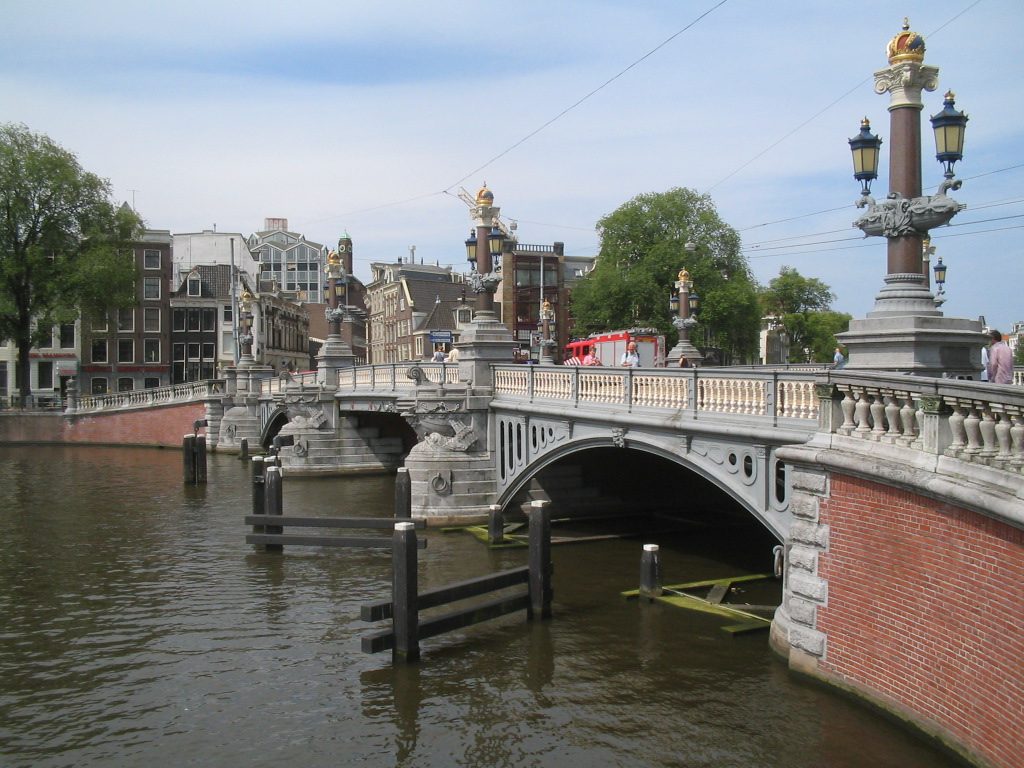
The ornate stone bridge over the Amstel, modelled on the Pont Alexandre III in Paris.
Museum Willet-Holthuysen
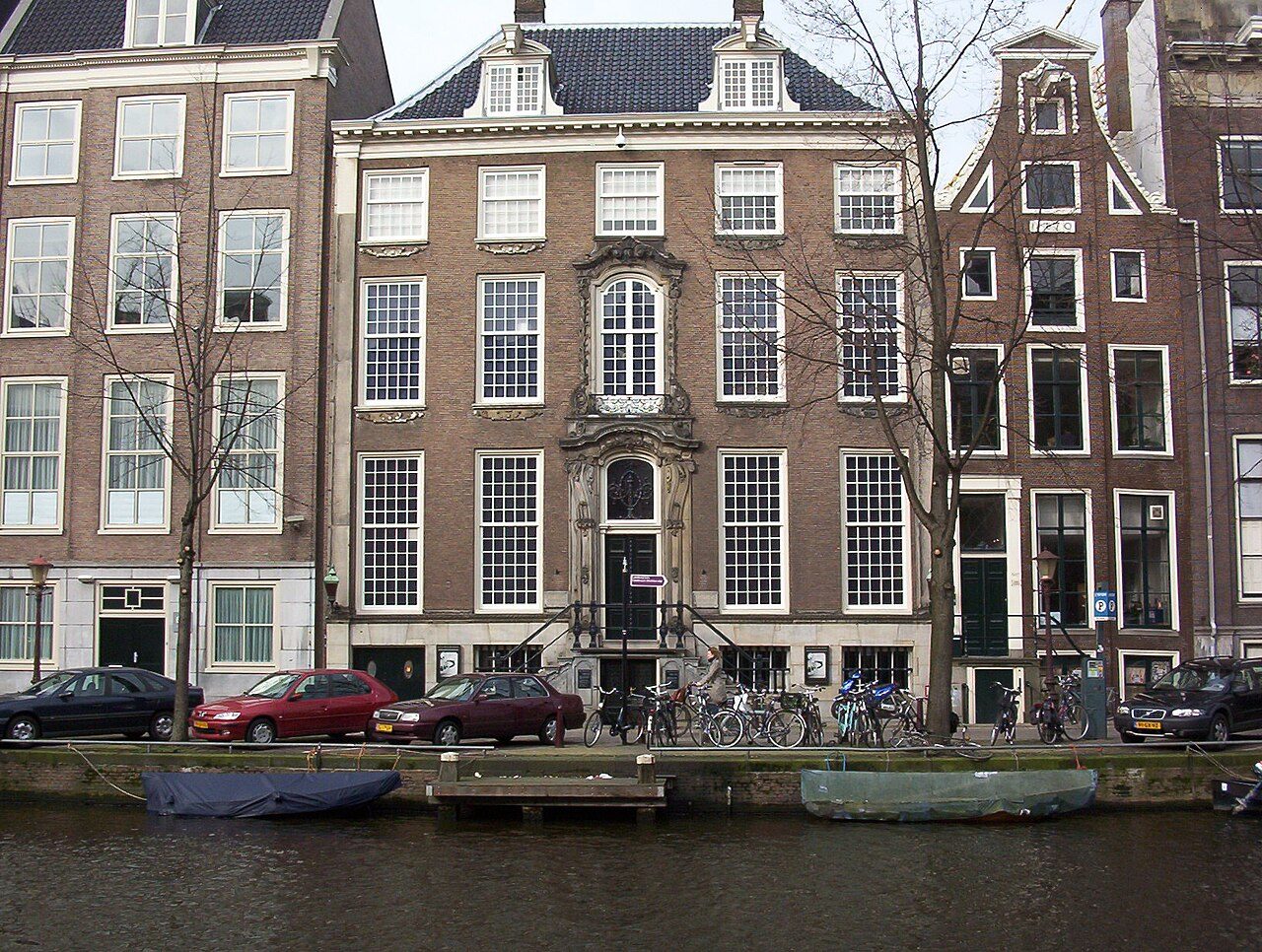
A canal-house museum showing how a rich 19th-century couple lived.
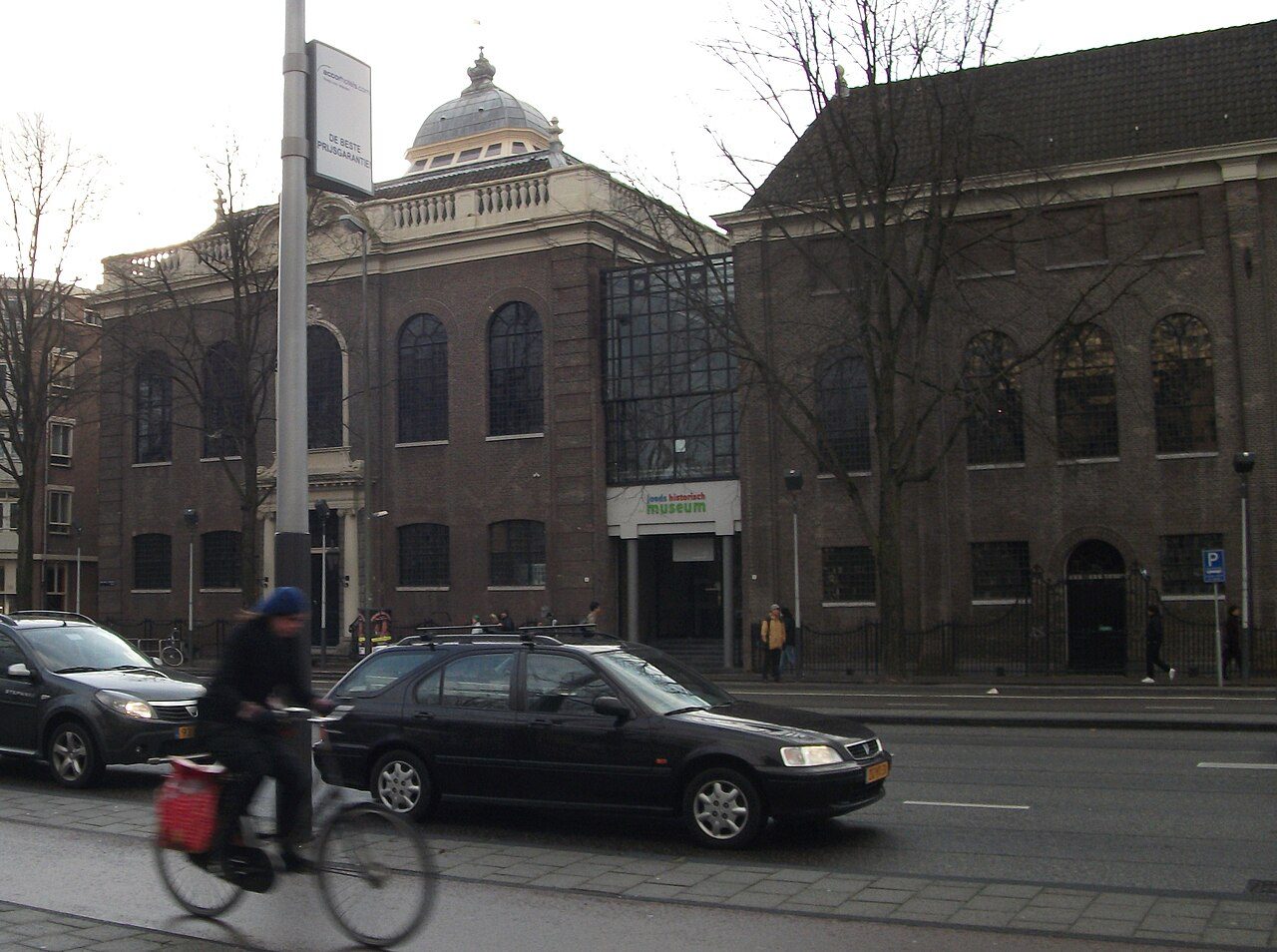
Jewish Museum
Four former synagogues telling Jewish life in the Netherlands, part of the Jewish Cultural Quarter.
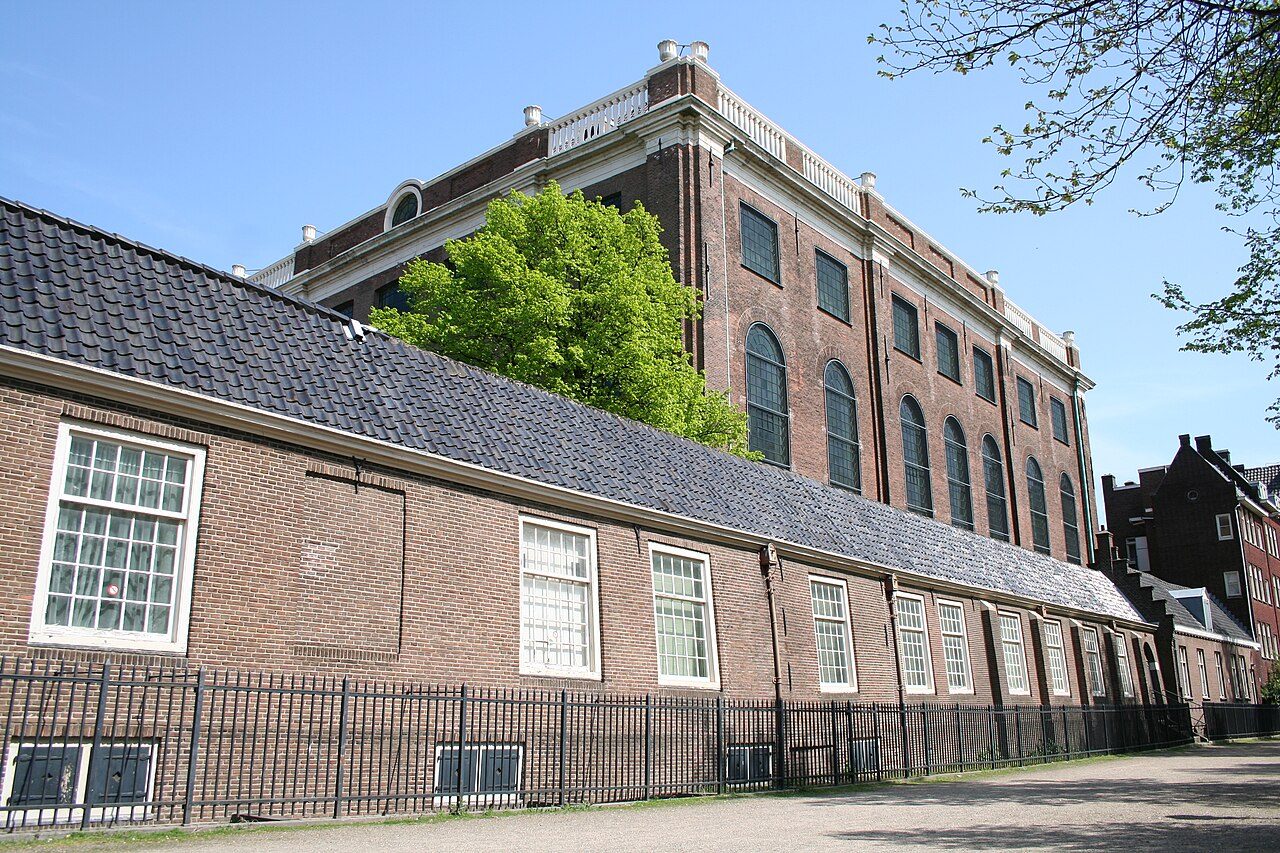
Portuguese Synagogue
The 1675 synagogue still lit by candles, with its treasure chambers and library.
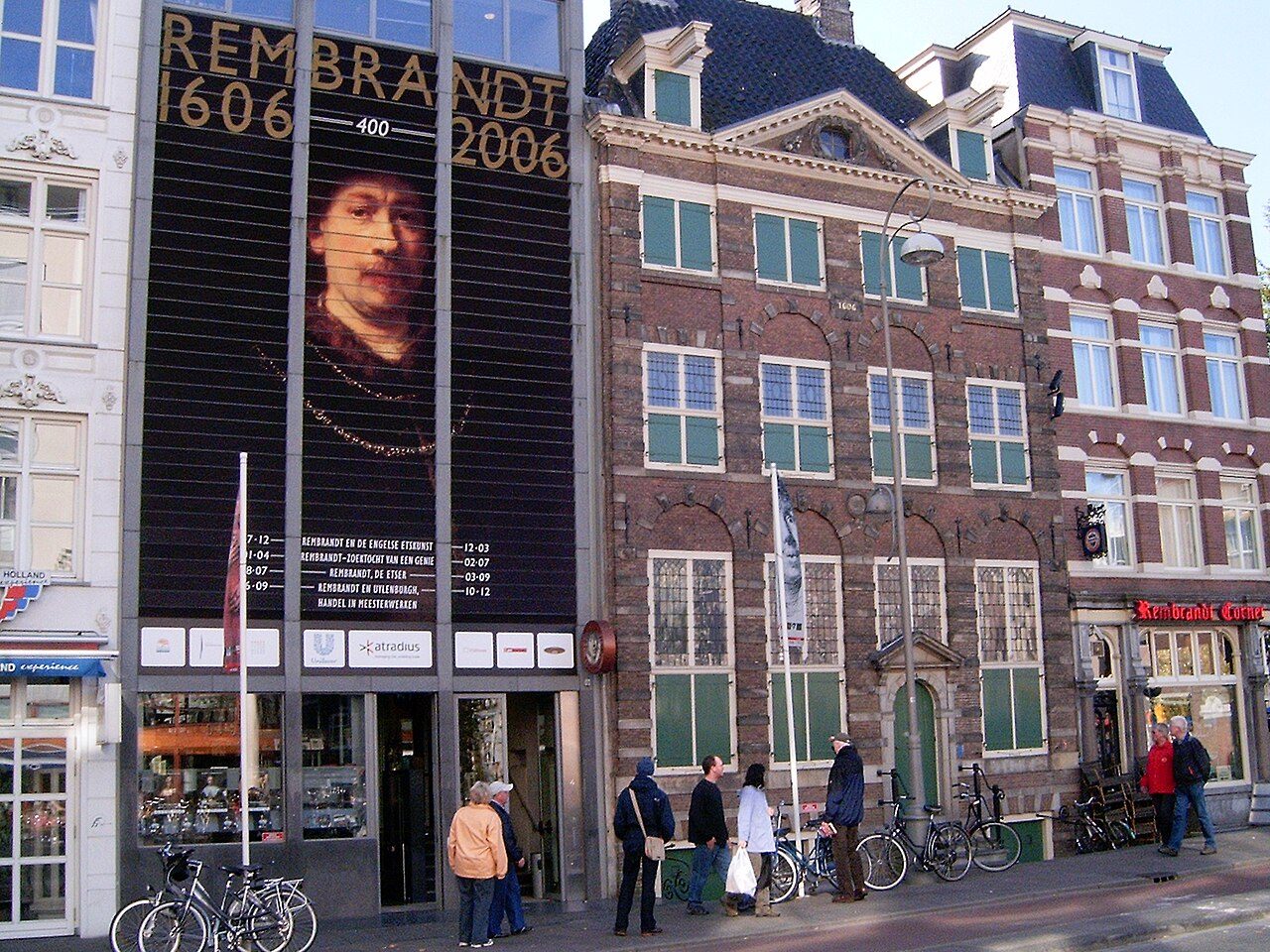
Rembrandt House Museum
Step into the house where Rembrandt lived and worked, with a studio shaped by the inventory left after his bankruptcy.
Tours and quests that pass here
These walks have a stop a few minutes from H'ART Museum. Free, on your phone, start any time.
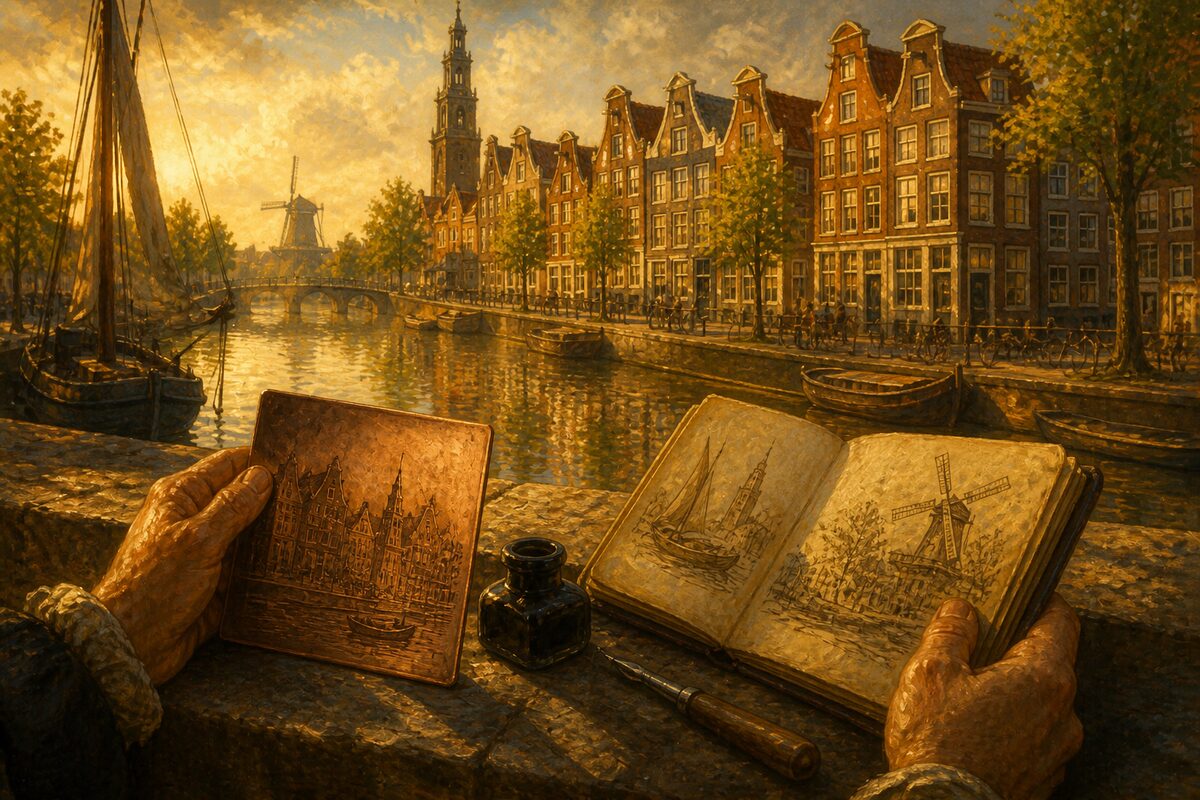 CITYQUEST
Rembrandt's Missing Panel
Your Rembrandt puzzle is missing a panel, and the hunt for its missing letters takes you into Amsterdam. You’ll piece it together among the real buildings and river views connected to his pictures.
 FREE AUDIO TOUR
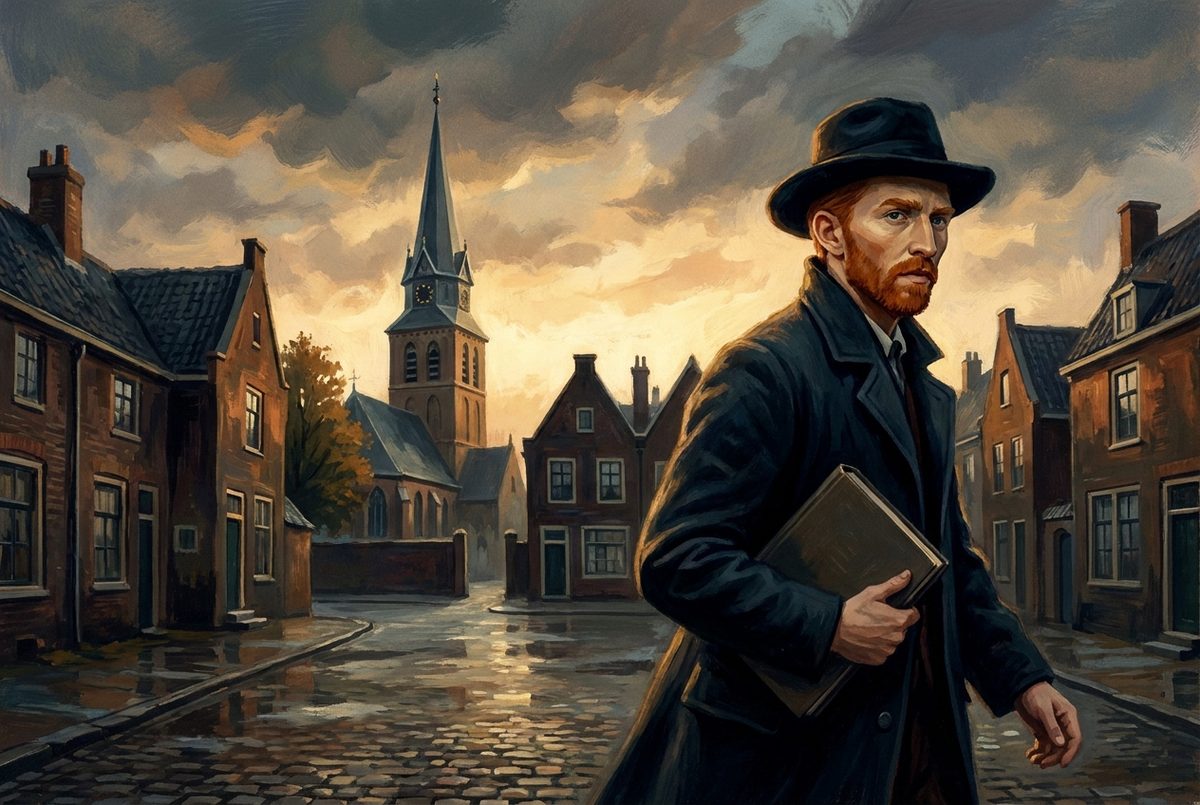
Van Gogh's Amsterdam
The man who painted Sunflowers lived in Amsterdam for just over a year, before he became an artist. You can still stand at the naval yard he called home and follow his Sunday walks across the city.
 FREE AUDIO TOUR
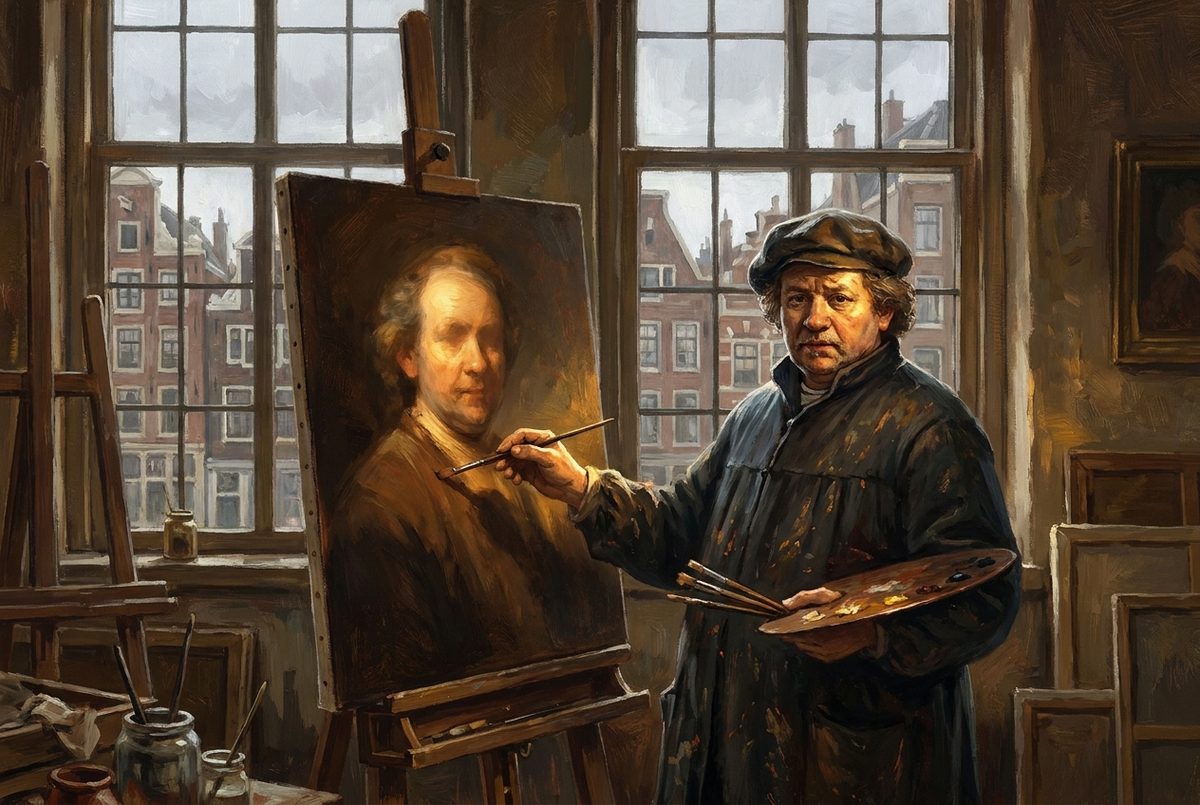
In Rembrandt's Footsteps
The painter of The Night Watch lived and worked in Amsterdam, and his house is still standing. From the early 1630s until his death in 1669, Rembrandt made his life in streets you can walk today.