
MUSEUM
Museum Geelvinck
A canal house with a hidden garden, between the Herengracht and Keizersgracht.
A house that settled unevenly
At Museum Geelvinck, start with the window frames on the right. They were adjusted as the house sank. Albert Geelvinck and Sara Hinlopen had the house built in 1687, but its wooden foundation piles did not reach the sand. One side settled, leaving later workmen to adapt the windows to a building that no longer sat as intended. The museum recounted that story in 2015. It gives you something specific to look for before you even approach the door.
This is a canal house with a garden between the Herengracht and Keizersgracht. Its appeal is partly that contrast: a public face towards the canal and garden space behind it. From the street, you see only part of the property. Keep that depth in mind rather than reading the façade as the whole house.
The nearby Golden Bend of the Herengracht offers a useful comparison, with its broad mansions built for wealthy merchants. Here, though, the most revealing detail is not grandeur. It is the adjustment made when an ambitious house met an unreliable foundation.
A plaque with a wedding behind it
The plaque on the façade carries a more recent, personal story. It was unveiled on 22 December 2014, when Jurn Buisman and Dunya Verwey married at Geelvinck. The museum recorded the occasion in its 2015 account. So this was not simply a historical marker installed on an arbitrary date. Its unveiling belonged to a wedding held at the house.
Pause long enough to connect those two sets of names. Albert Geelvinck and Sara Hinlopen commissioned the building in 1687. More than three centuries later, Jurn Buisman and Dunya Verwey marked their marriage here with the unveiling of its plaque. They are different kinds of milestones, but both make the building easier to understand as a place shaped by people, rather than just an example of canal-house architecture.
Read the façade slowly
Give the front of the house a second look after you know these stories. First take in the arrangement of the windows. Then return to the frames on the right. You do not need to diagnose the building yourself: the point is to notice where practical alterations became part of its appearance.
The garden also places Geelvinck within a broader canal-house pattern. At Museum Van Loon, the combination of house, garden and coach house makes that layout explicit. At Geelvinck, remember the space behind the frontage while studying what faces the street.
Finish with the plaque and the altered frames together. One records a deliberate act of remembrance. The other preserves the consequences of settling ground. Those two small details give this house its particular story.
Things to know
- Approach on foot along the Herengracht.
- Visit in daylight to study the window frames.
- Look at the frames on the right, then the façade plaque.
- Confirm the current visitor arrangements before planning an interior visit.
- Opening hours and prices can change. Check the official website before you go. Official website
What people say
Related spots
More things to do in Amsterdam ›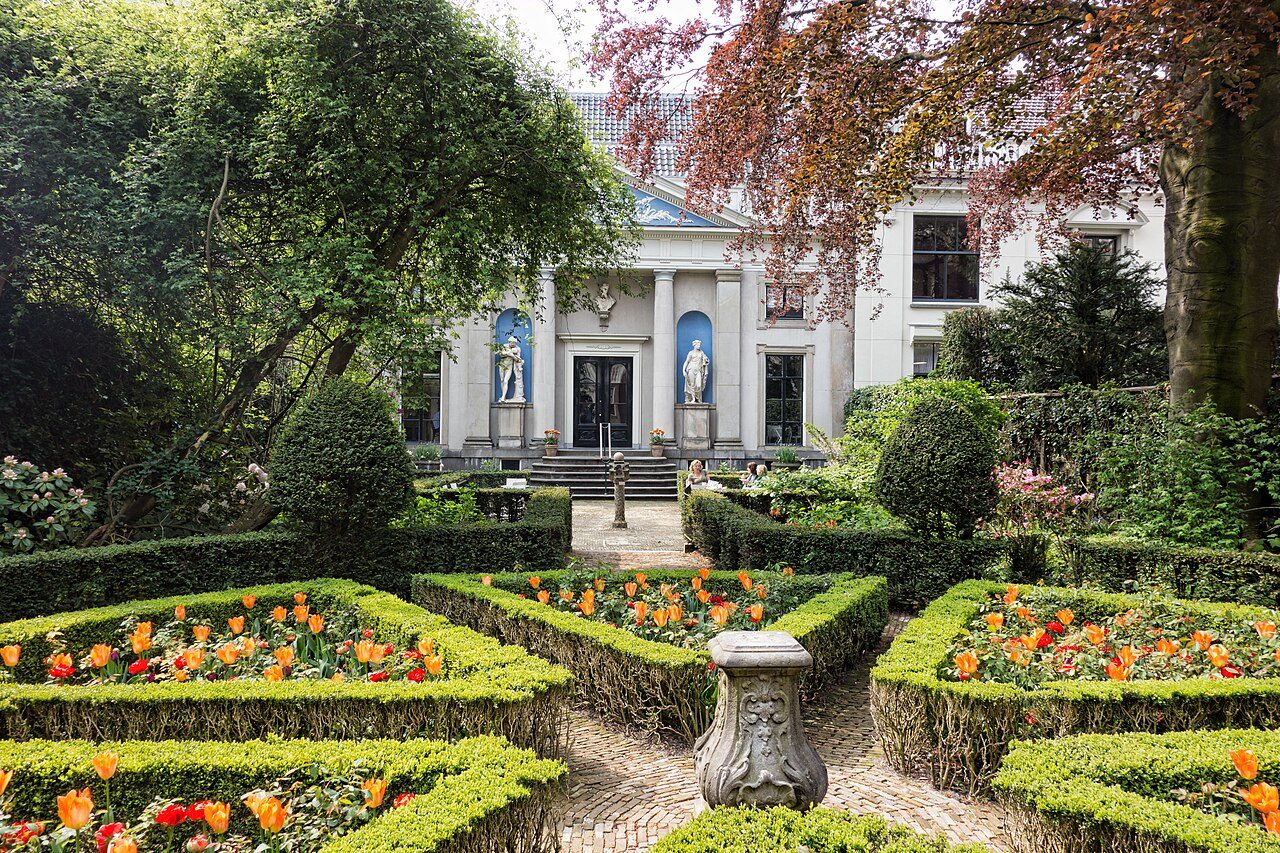
Museum Van Loon
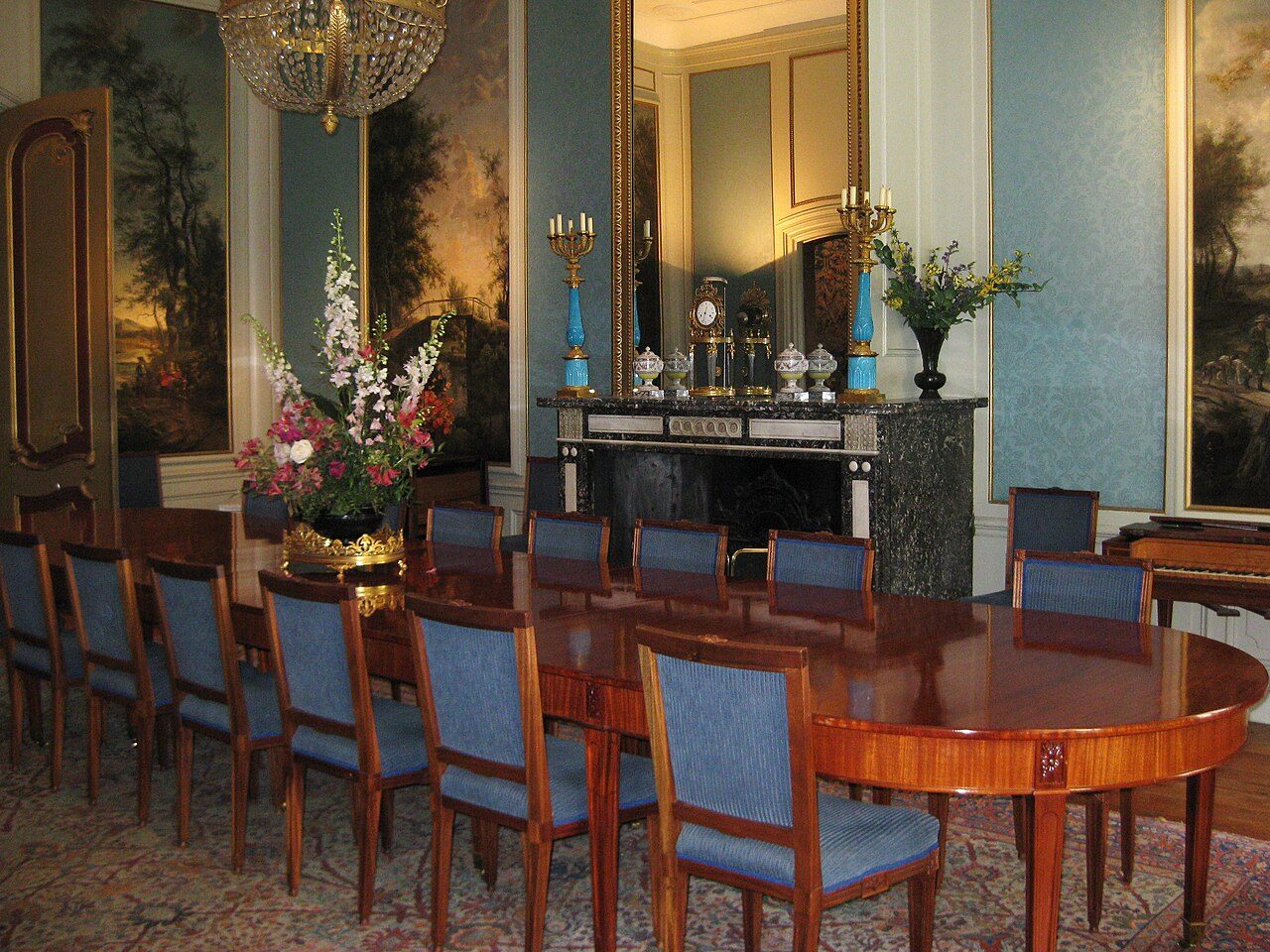
Step inside a seventeenth-century canal house with family rooms, a garden and a coach house hiding two painted false windows.
Gouden Bocht (Golden Bend)
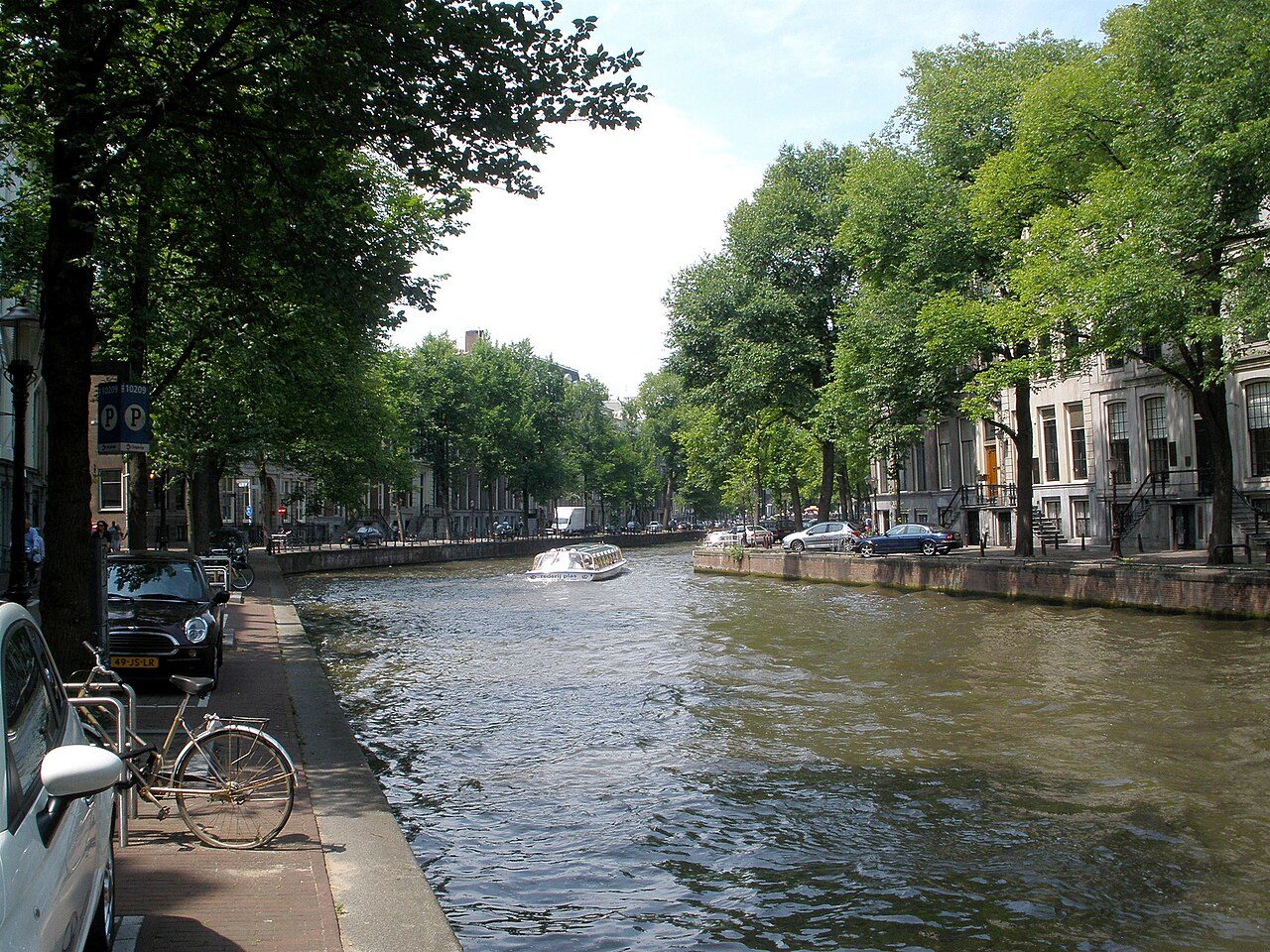
The widest, grandest stretch of the Herengracht, where the richest merchants built double-wide mansions.
Foam
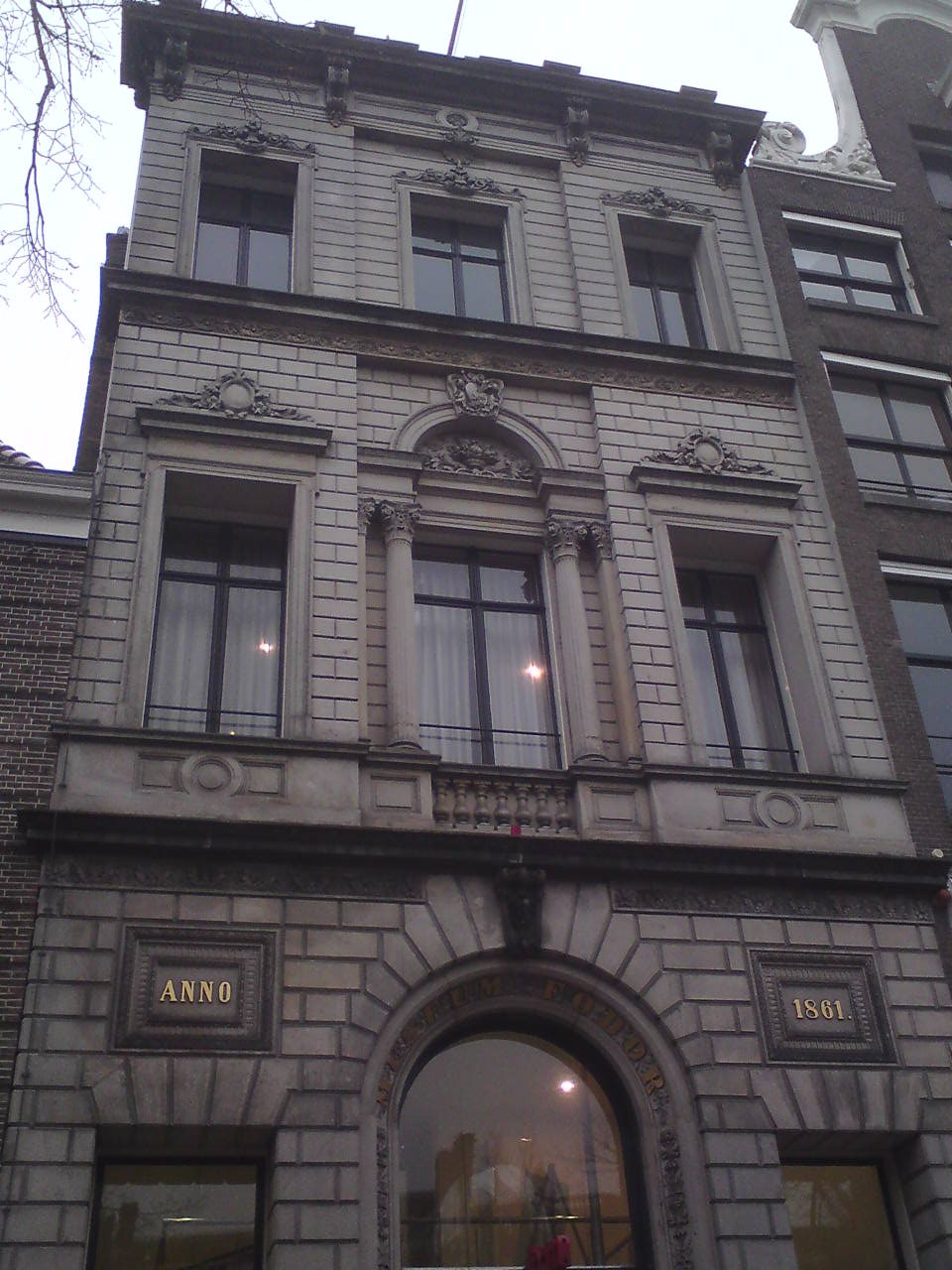
The photography museum on the Keizersgracht.
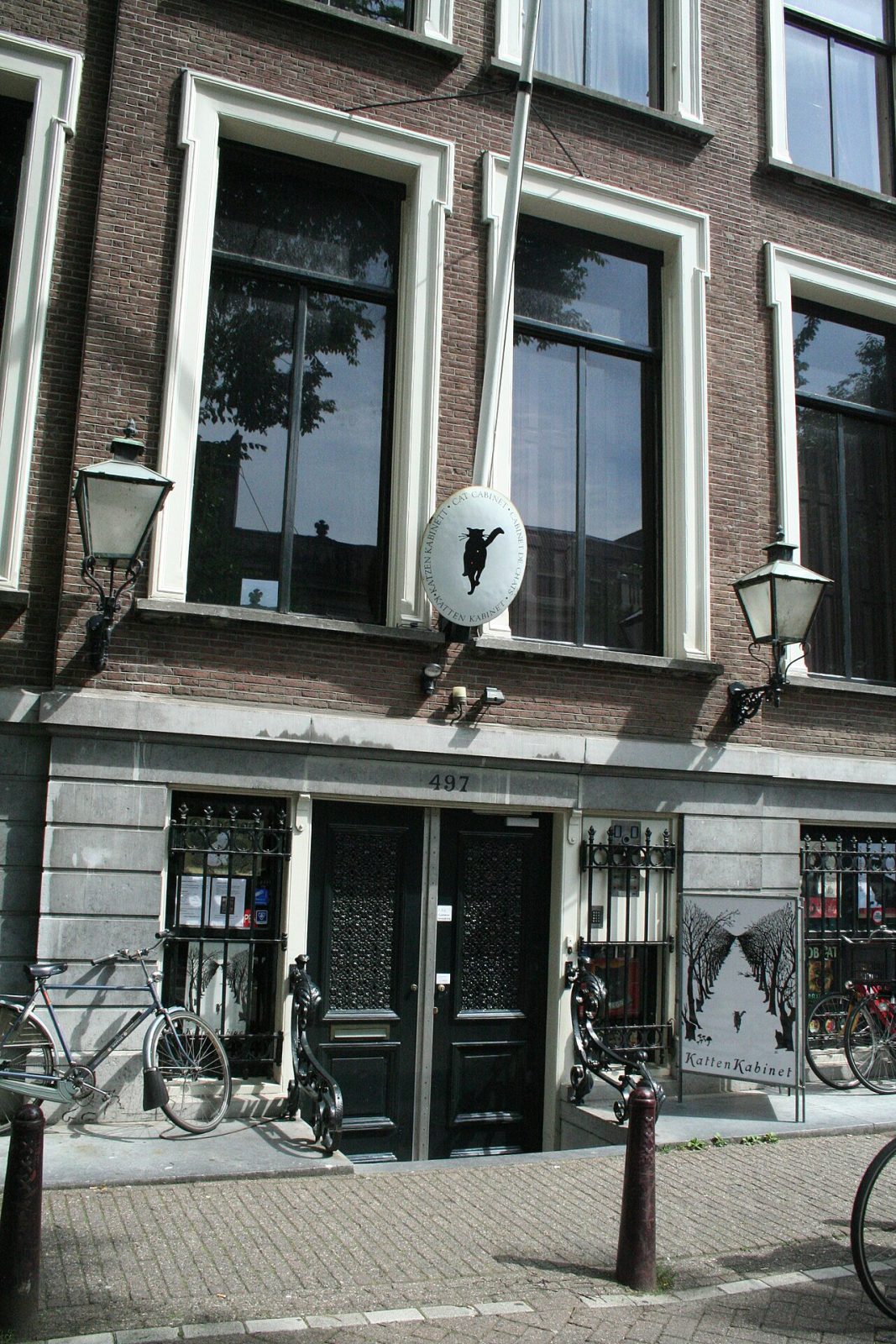
Cat Cabinet
Art about cats in a canal-side mansion, with resident cats walking the rooms.
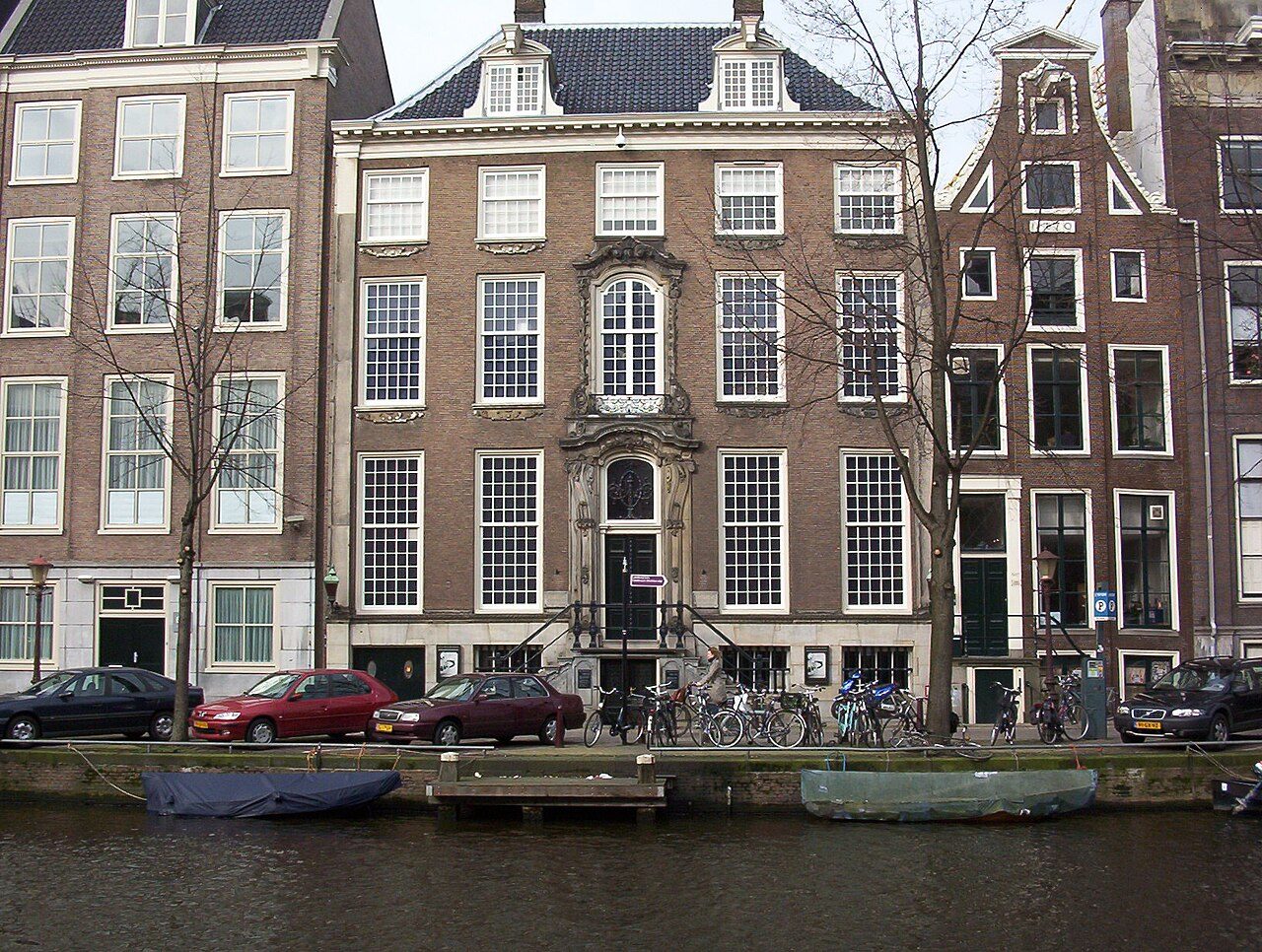
Museum Willet-Holthuysen
A canal-house museum showing how a rich 19th-century couple lived.
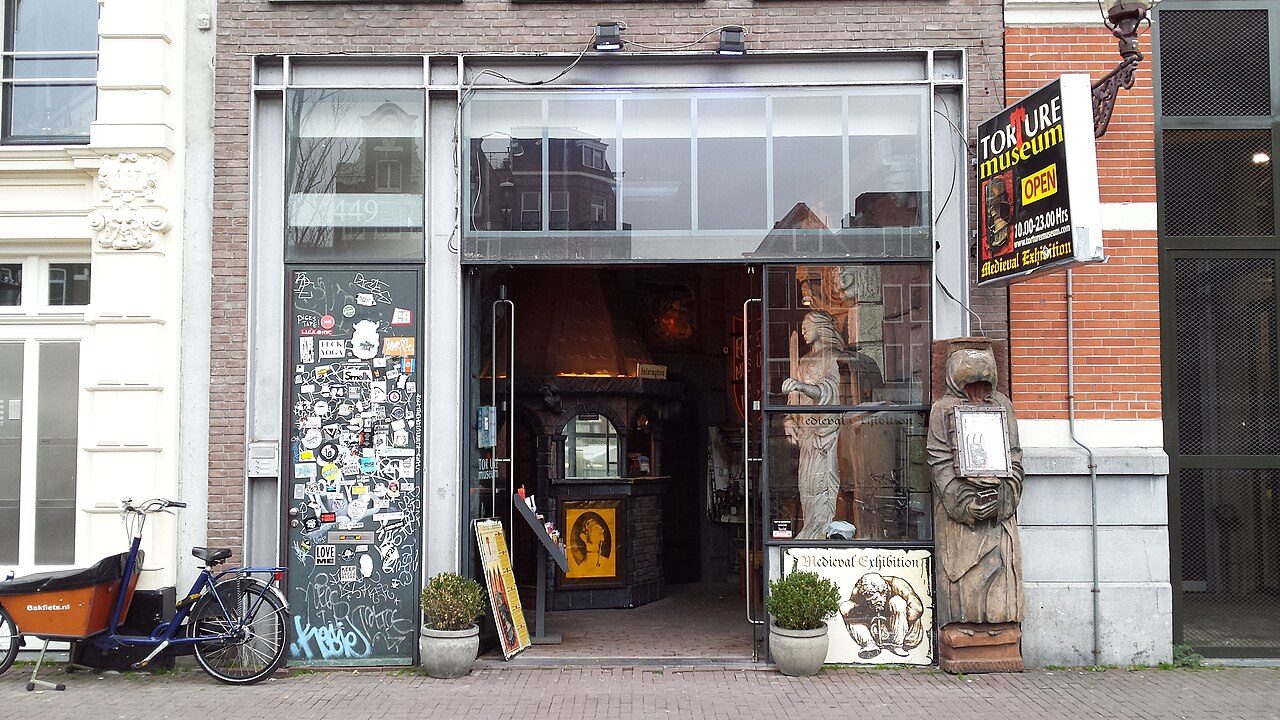
Torture Museum
More than 40 punishment devices, historical engravings and the uneasy stories behind them on Amsterdam’s Singel.
Tours and quests that pass here
These walks have a stop a few minutes from Museum Geelvinck. Free, on your phone, start any time.
 CITYQUEST
The Canal Cipher
A merchant’s missing fortune is waiting to be traced through Amsterdam’s canals in The Canal Cipher. Follow his coded will, gather clues and work out a final answer to claim the treasure.
 CITYQUEST
Rembrandt's Missing Panel
Your Rembrandt puzzle is missing a panel, and the hunt for its missing letters takes you into Amsterdam. You’ll piece it together among the real buildings and river views connected to his pictures.
 FREE AUDIO TOUR
In Rembrandt's Footsteps
The painter of The Night Watch lived and worked in Amsterdam, and his house is still standing. From the early 1630s until his death in 1669, Rembrandt made his life in streets you can walk today.