
MUSEUM
Foam
The photography museum on the Keizersgracht.
Photography beyond the frame
Foam is Amsterdam’s photography museum on the Keizersgracht. It can take a surprisingly physical approach to pictures. In 2011, Erik Kessels printed a day’s worth of photographs uploaded to Flickr and piled them inside the museum. Visitors walked among heaps of strangers’ baby pictures, pets and holiday beaches. The photographs that usually disappear into a screen became something you had to move around.
That installation is long gone, but it gives you a useful idea of Foam’s range. Changing exhibitions cover historical photography, news, fashion, documentary work and installations. Come for a particular photographer, or come ready to look closely at work you do not yet know. This is not a permanent collection arranged as a single history of photography.
Look up before going in
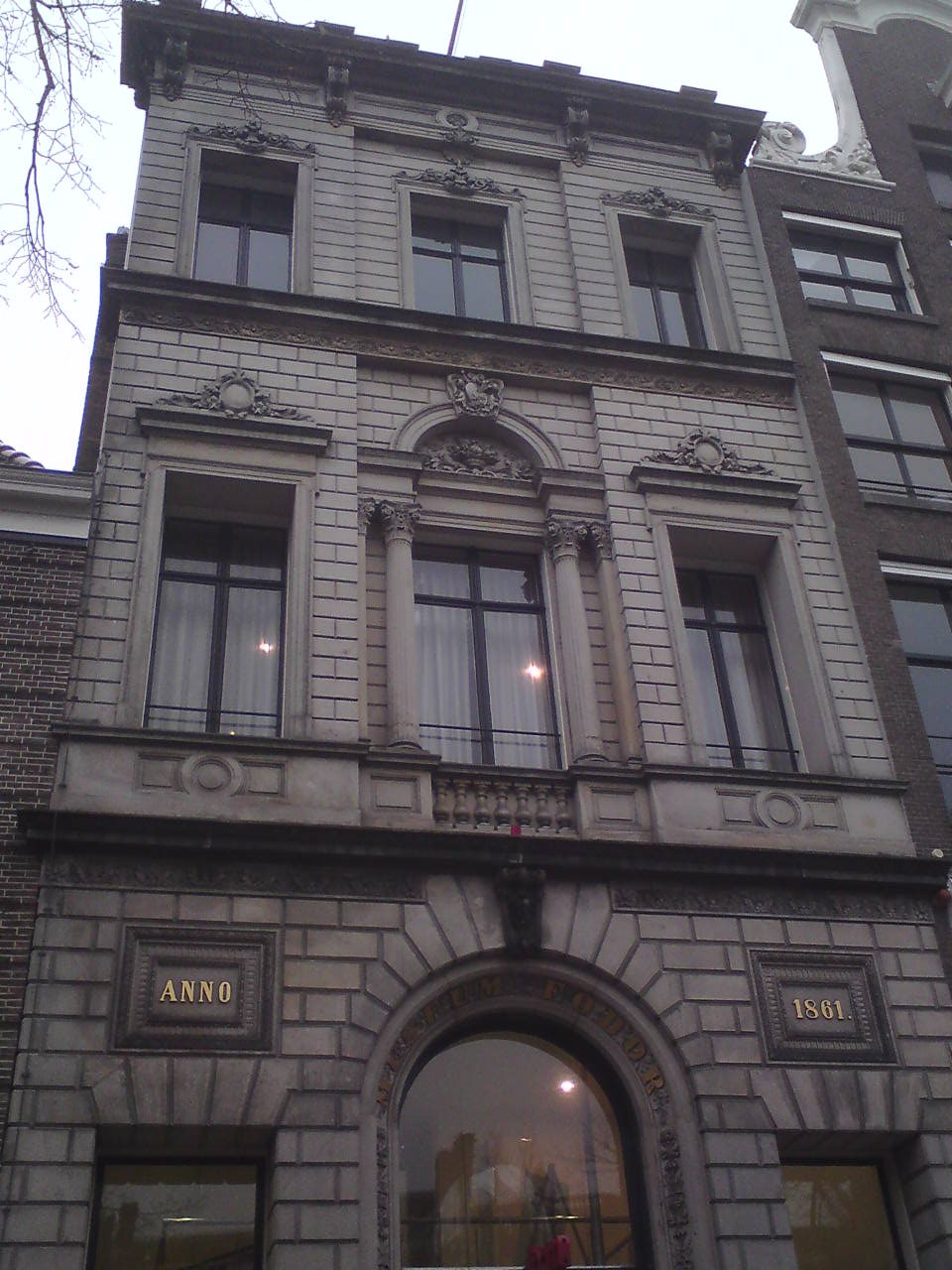
At Keizersgracht 609, pause outside and find the central first-floor window. In its arch, architect Cornelis Outshoorn placed a sculpted painter’s palette and brushes. He designed the façade for Museum Fodor, which King Willem III opened in 1863. That small carving explains why a photography museum has a painter’s tools above its windows.
The earlier museum held the collection of coal merchant Carel Joseph Fodor, who left it to the city when he died in 1860. Vincent van Gogh visited in 1885. Writing afterwards to his brother Theo, he said that seeing Narcisse Virgile Diaz de la Peña’s sketchy painting A Nymph with Cupidos had been a real pleasure. You are entering a building where people were discussing pictures long before Foam arrived.
Unlike the domestic rooms at Museum Van Loon, a minute’s walk away, these interiors have been adapted for changing exhibitions. Foam occupies three connected buildings, linked by stairs, covered courtyards and overhead walkways. Notice the transitions as you move between displays.
A room for arguments
Museum Fodor was not always a quiet setting for looking. In 1972, graphic designers Wim Crouwel and Jan van Toorn debated whether design could be objective in a packed, smoky hall here. Several hundred people attended. Some interrupted with shouts of “bullshit” and “lies.” Questions about how images communicate could fill a room and start an argument.
By then, much of Fodor’s collection had already been transferred elsewhere, including to the Rijksmuseum, in 1948. The building later served as exhibition space for the Stedelijk Museum, then housed the Netherlands Design Institute from 1993. After another renovation, Foam opened in December 2001.
Give unfamiliar names some time
Supporting young photographers has been central to Foam since its beginning. Alongside exhibitions by established names, it presents emerging artists and new approaches to the medium. Foam 3h, in the third-floor library, gives recent graduates a setting for their first museum solo exhibition.
Leave time for the smaller presentations rather than concentrating only on the headline show. Past exhibitions have ranged from Vivian Maier’s street photography to socially engaged work by Ai Weiwei and Henk Wildschut. Those are examples of its programme, not promises about what is currently hanging.
The bookshop and Foam’s English-language magazine offer another way to look at photographs: in sequences, on paper, at your own pace. Before leaving, give one unfamiliar image a second look. The changing programme rewards that kind of attention.
Things to know
- Find Foam at Keizersgracht 609, close to Vijzelstraat.
- Check the current exhibitions before choosing your visit.
- Look above the central first-floor window before entering.
- Expect stairs and links between three buildings; check access arrangements if needed.
- Allow time for smaller exhibitions as well as the headline show.
- Opening hours and prices can change. Check the official website before you go. Official website
What people say
Related spots
More things to do in Amsterdam ›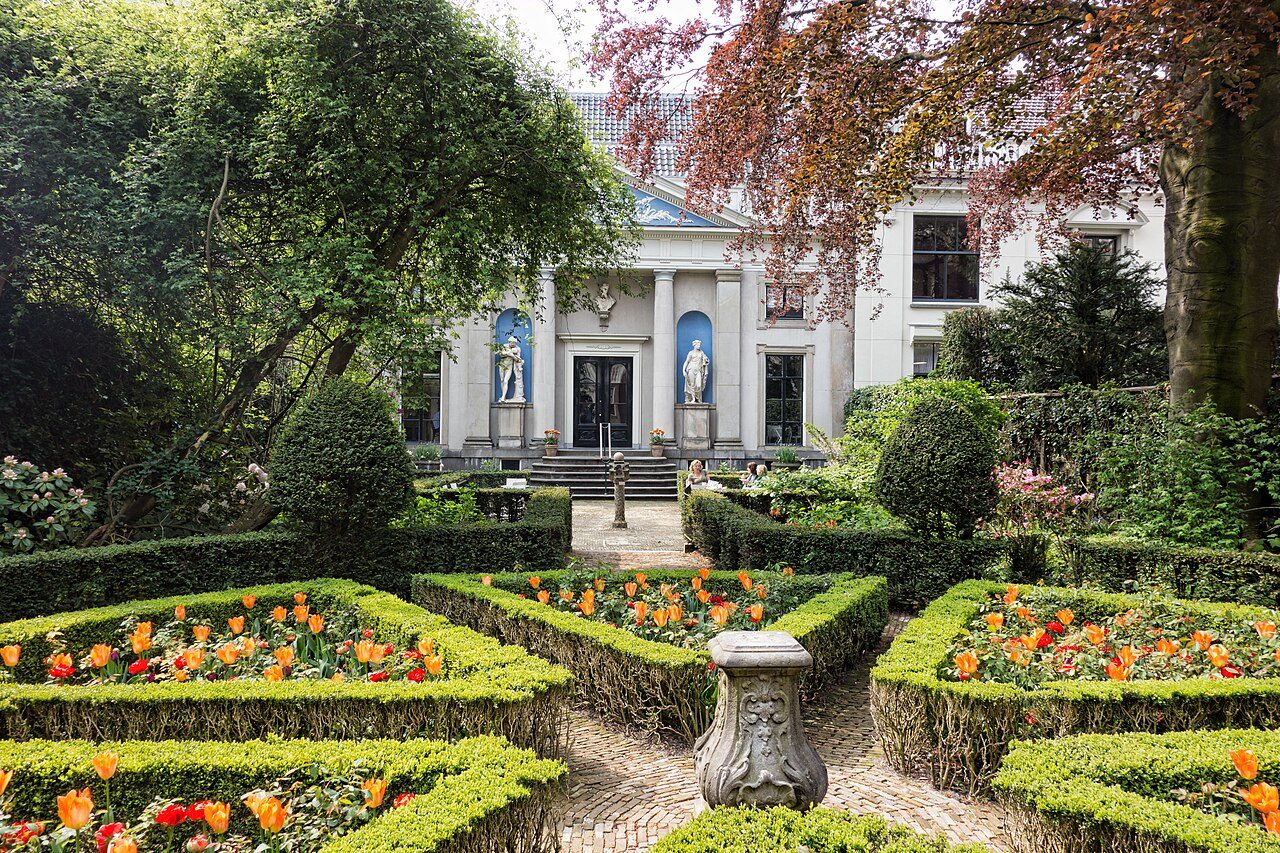
Museum Van Loon
Step inside a seventeenth-century canal house with family rooms, a garden and a coach house hiding two painted false windows.
Rijksmuseum
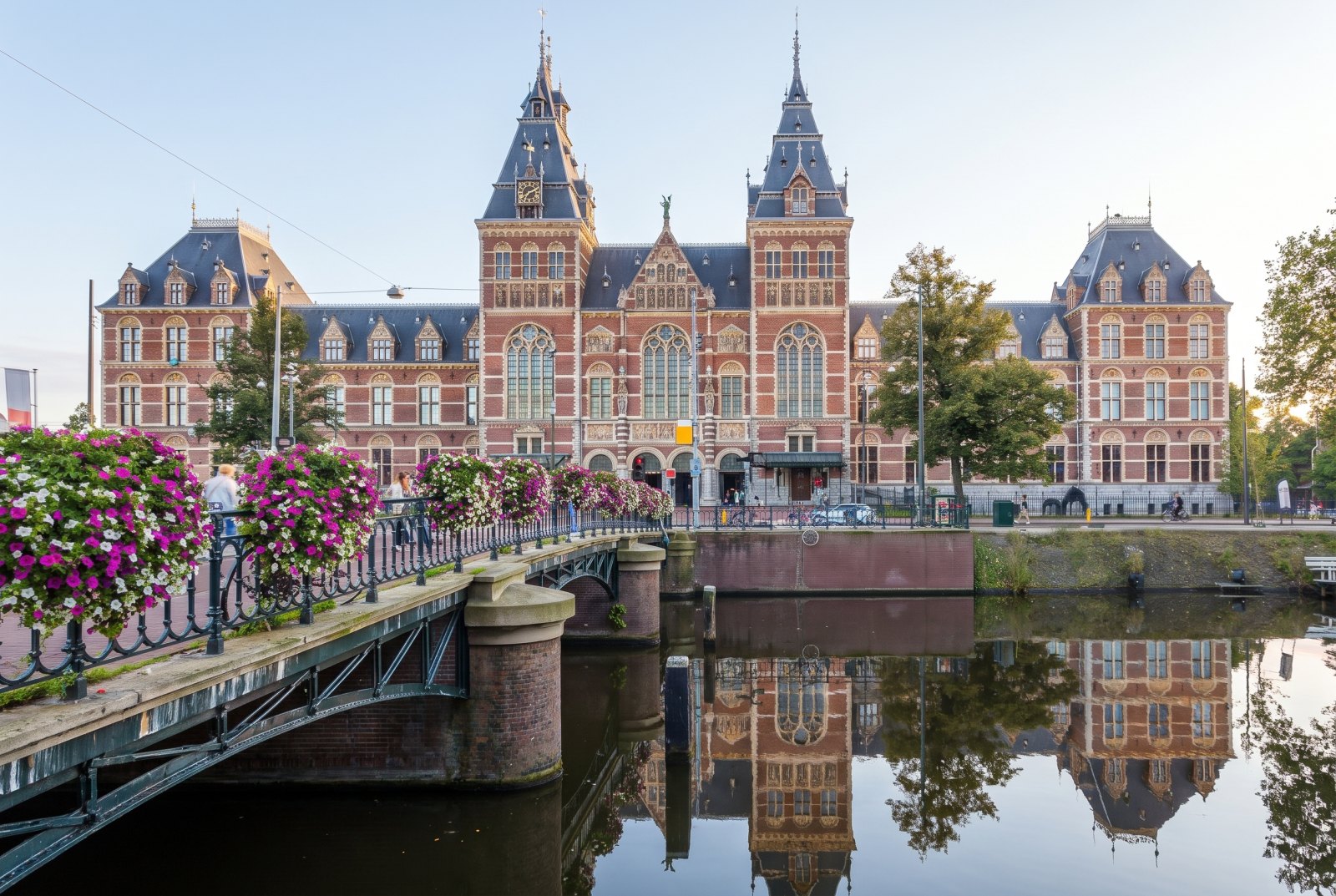
See Rembrandt's The Night Watch and Vermeer's The Milkmaid, then follow 800 years of Dutch art through the Rijksmuseum's galleries.
Museum Geelvinck
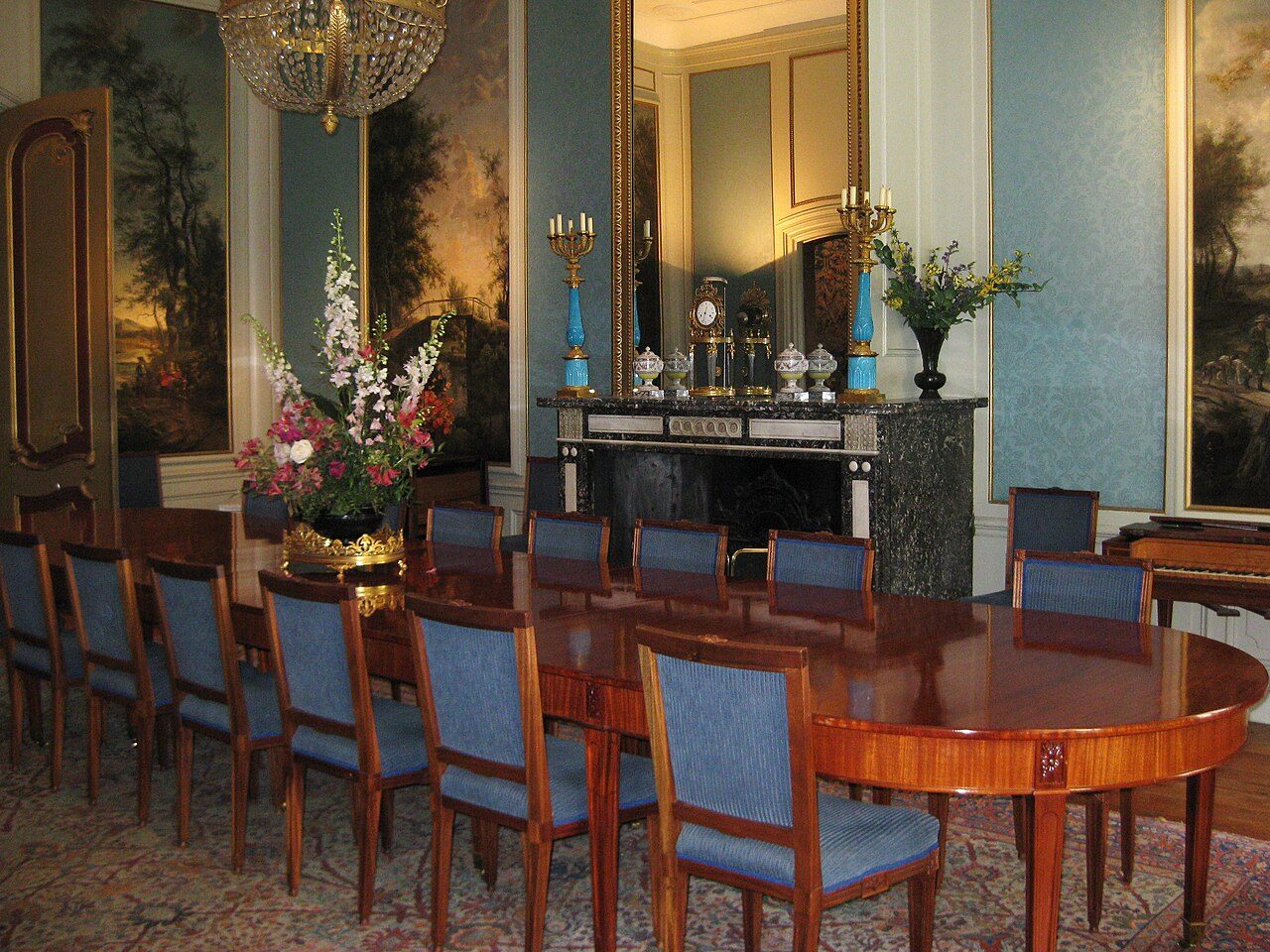
A canal house with a hidden garden, between the Herengracht and Keizersgracht.
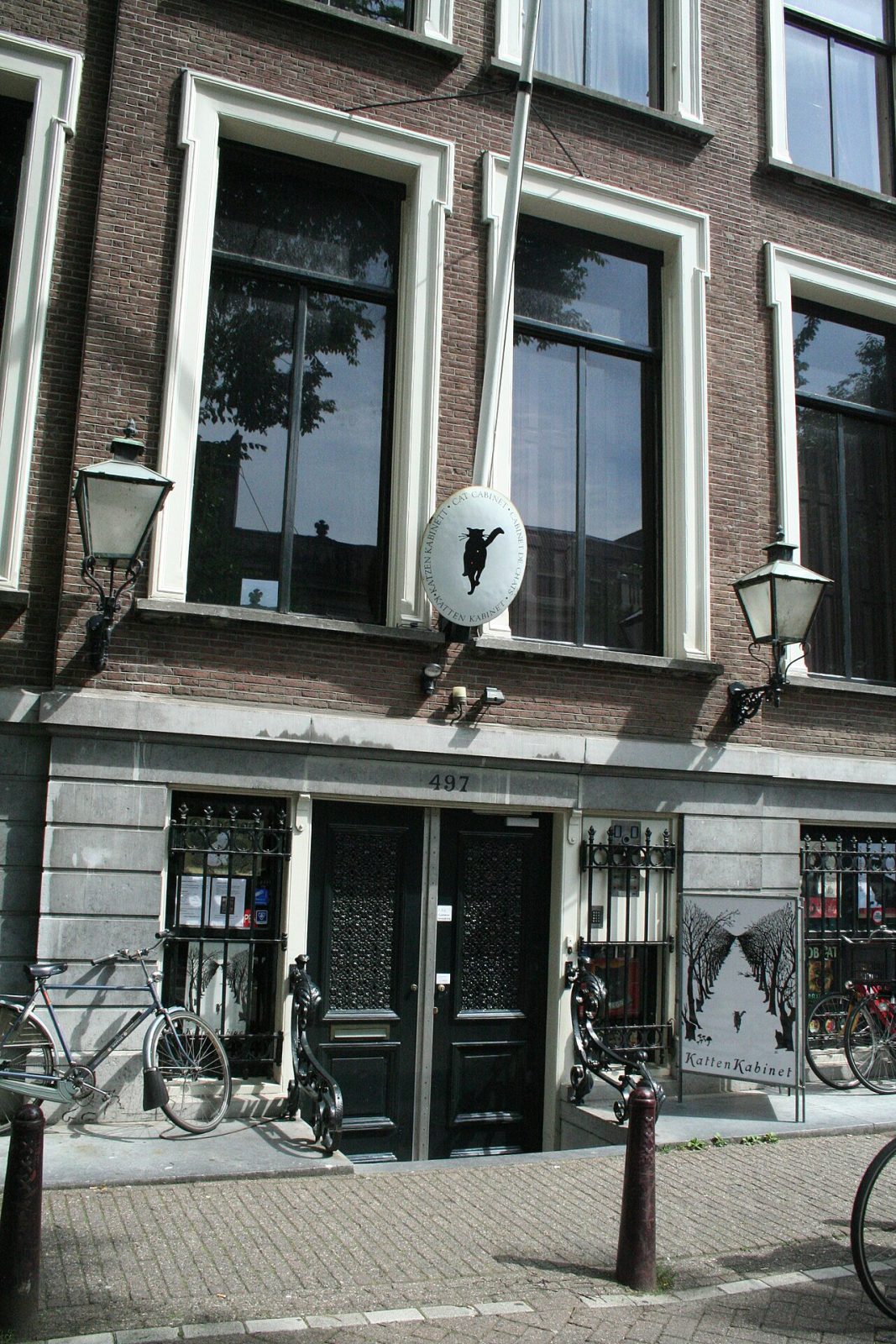
Cat Cabinet
Art about cats in a canal-side mansion, with resident cats walking the rooms.
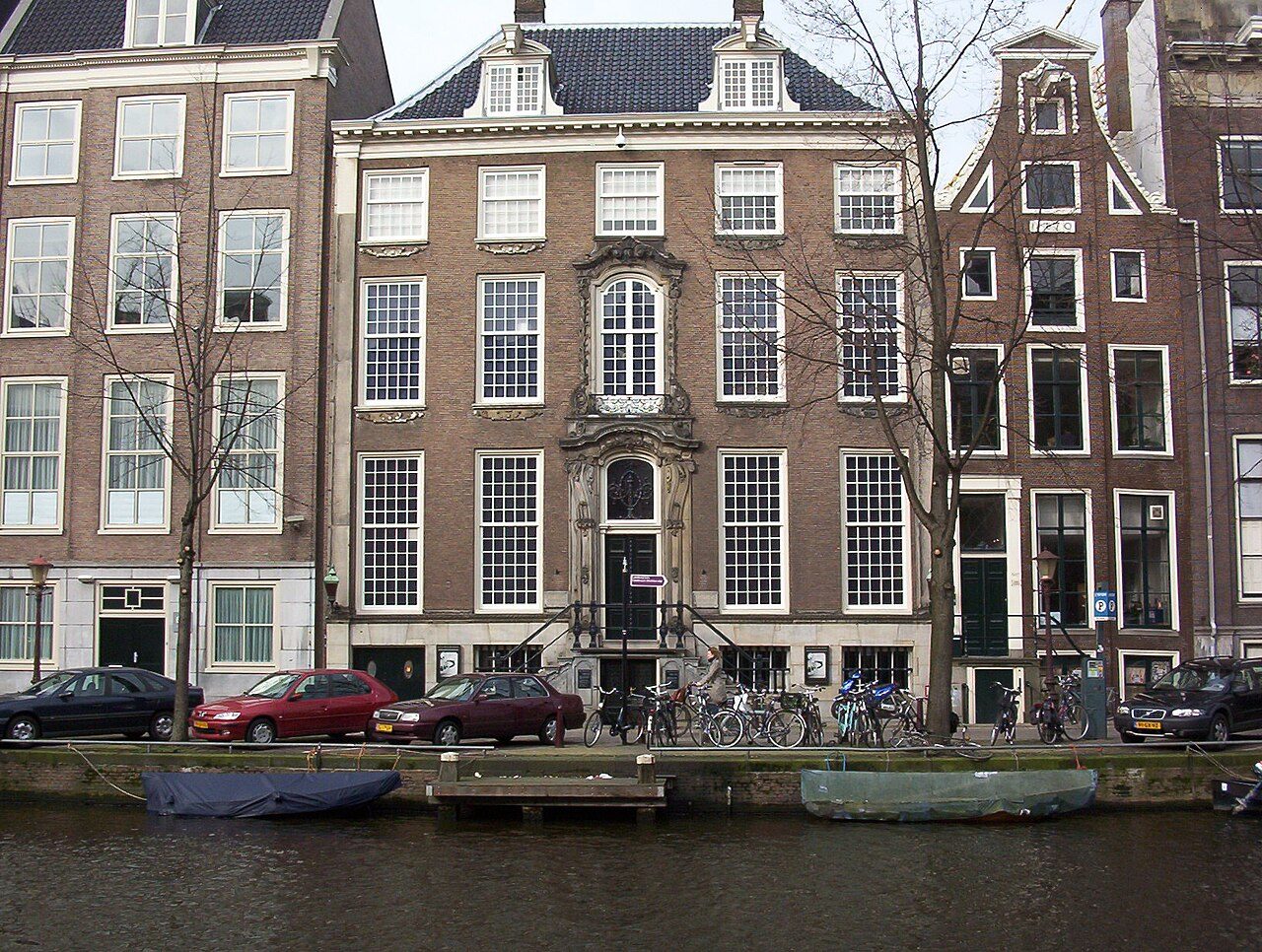
Museum Willet-Holthuysen
A canal-house museum showing how a rich 19th-century couple lived.
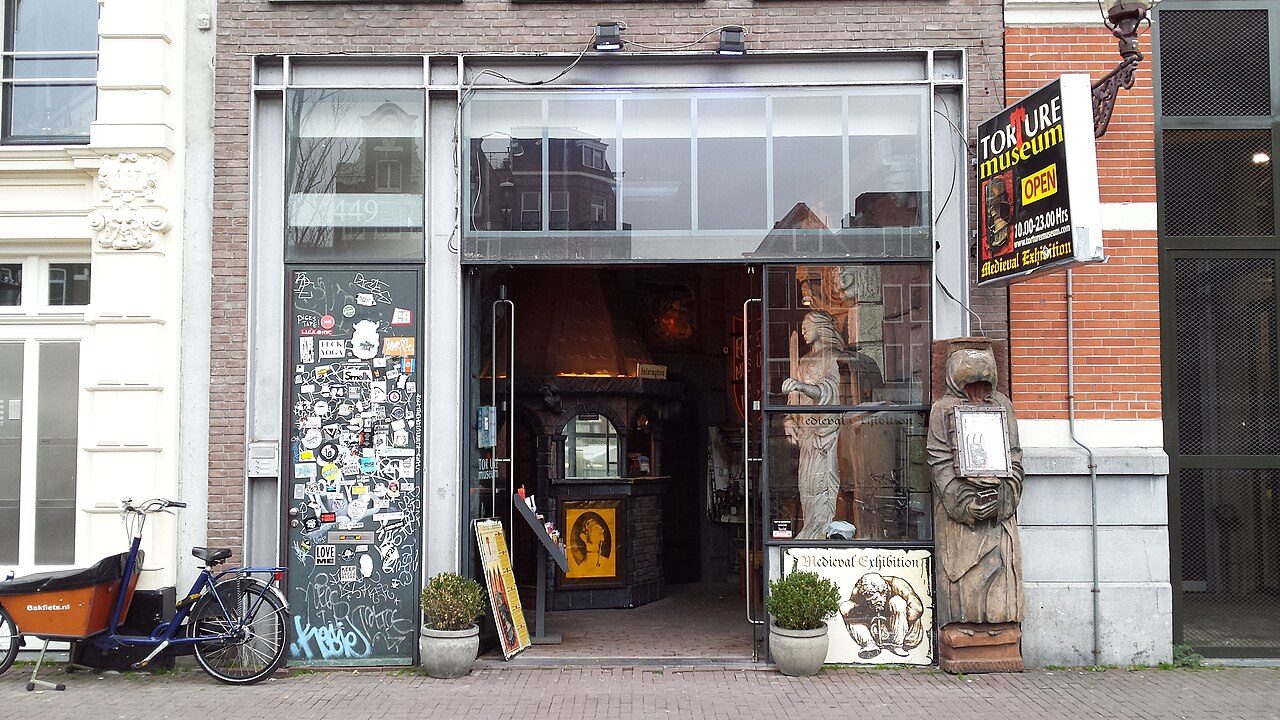
Torture Museum
More than 40 punishment devices, historical engravings and the uneasy stories behind them on Amsterdam’s Singel.
Tours and quests that pass here
These walks have a stop a few minutes from Foam. Free, on your phone, start any time.
 CITYQUEST
The Canal Cipher
A merchant’s missing fortune is waiting to be traced through Amsterdam’s canals in The Canal Cipher. Follow his coded will, gather clues and work out a final answer to claim the treasure.
 CITYQUEST
Rembrandt's Missing Panel
Your Rembrandt puzzle is missing a panel, and the hunt for its missing letters takes you into Amsterdam. You’ll piece it together among the real buildings and river views connected to his pictures.
 FREE AUDIO TOUR
In Rembrandt's Footsteps
The painter of The Night Watch lived and worked in Amsterdam, and his house is still standing. From the early 1630s until his death in 1669, Rembrandt made his life in streets you can walk today.