
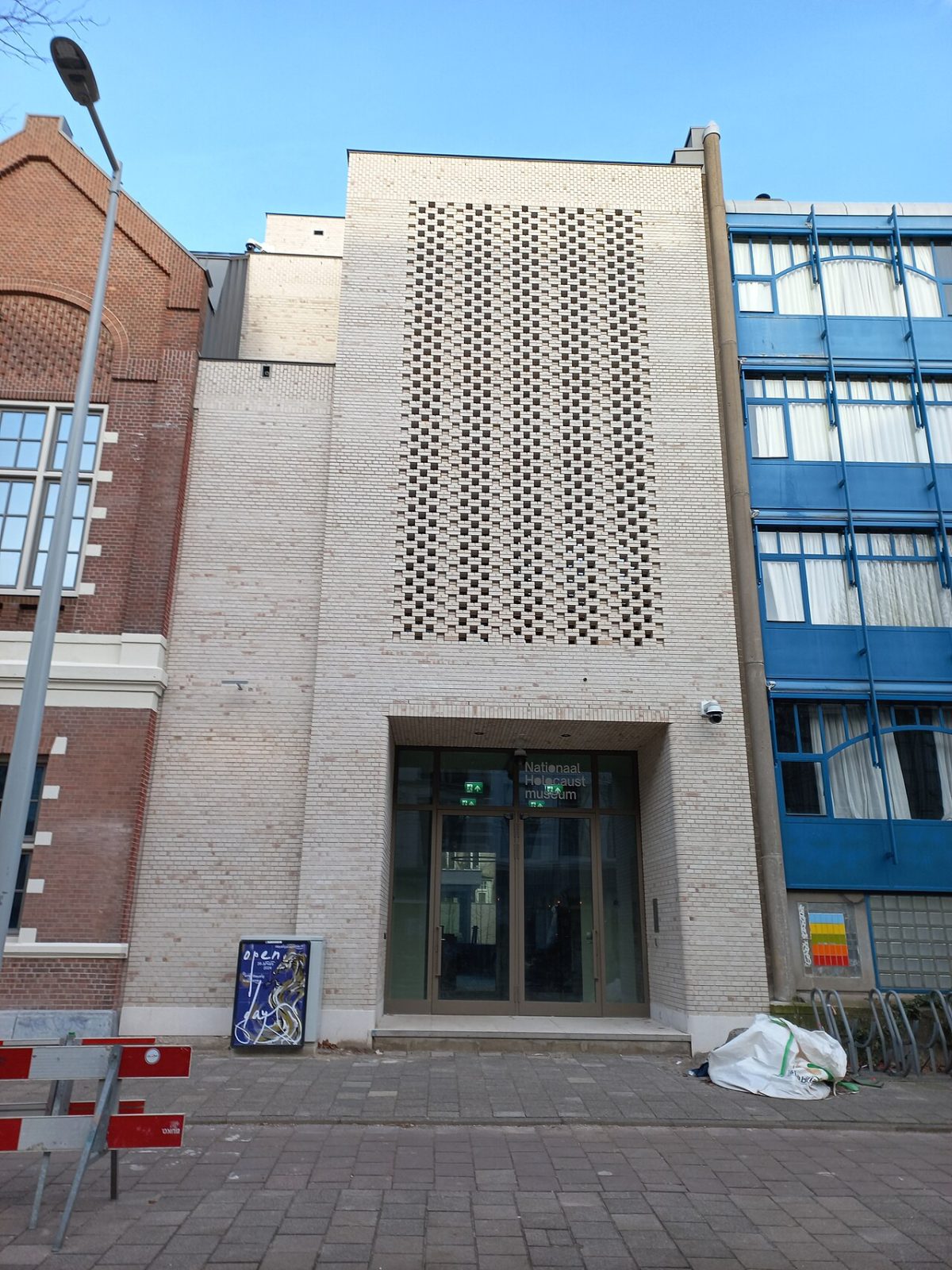
MUSEUM
National Holocaust Museum
The national museum of the persecution of the Jews in the Netherlands, opened in 2024.
A school that became a rescue route
In 1942–43, nursery director Henriëtte Pimentel and school director Johan van Hulst helped pass Jewish children over the hedge and fence between their gardens. Resistance members then took the children through the school and on to hiding places. That school is now Amsterdam’s National Holocaust Museum. You are entering a building that was itself part of the history it tells.
Opened in 2024, the museum examines the persecution of Jews in the Netherlands. Its personal objects and photographs give you individual lives to hold in mind alongside that history. For your approach on foot, it is about two minutes from Hortus Botanicus and a short walk from Micropia. Once here, give yourself time rather than treating it as a quick stop.
The babies an inspector heard
The rescue work depended on people deciding to act. During a school examination in 1943, government inspector Gezina van der Molen heard babies crying inside the building. Van Hulst explained who they were. When she realised they were Jewish children, she joined the effort to rescue them.
Keep that encounter in mind as you move through the former school. The building was not simply a backdrop. Children passed through it on their way into hiding, and an examination brought another person into the rescue effort. Pimentel, van Hulst and van der Molen are names worth remembering here: their decisions form part of the history of the place you are standing in.
A compact and a heart-shaped locket
Look for the powder compact belonging to Chaja Borzykowski. Her colleagues had it made for her when anti-Jewish measures forced her dismissal in May 1941. She was later murdered. The compact records both the loss of her working life and a gesture from the people who worked alongside her. Take time to read her name, not only to look at the object.
Another small possession carries the story of Rosa Schlamowitz. She fled Germany on a children’s transport in 1939. Before her deportation, she entrusted her heart-shaped locket to her foster sister Lydia for safekeeping. That locket is now in the museum. Knowing why Lydia received it changes how you look at it: this was something Rosa left with someone she trusted, rather than an object collected to illustrate an anonymous life.
A survivor beside his photograph
At the museum’s preview in 2024, survivor Flip Delmonte pointed out a postwar photograph of himself that he had donated. The Dutch resistance had spirited him away as a newborn after his parents were detained. Both his parents were murdered.
His photograph brings a different kind of encounter: a survivor identifying his own younger self within the museum’s account. Alongside the compact and locket, it is a reason to slow down at the individual displays. Look closely, read the names and follow what happened to each person. Here, a small object or a single photograph can hold a family history.
Things to know
- On foot, the museum is about two minutes from Hortus Botanicus.
- Allow around two hours so you can read the individual stories.
- Choose a moment when you do not need to rush afterwards.
- Look for the compact, heart-shaped locket and Flip Delmonte’s photograph.
- Opening hours and prices can change. Check the official website before you go. Official website
What people say
Related spots
More things to do in Amsterdam ›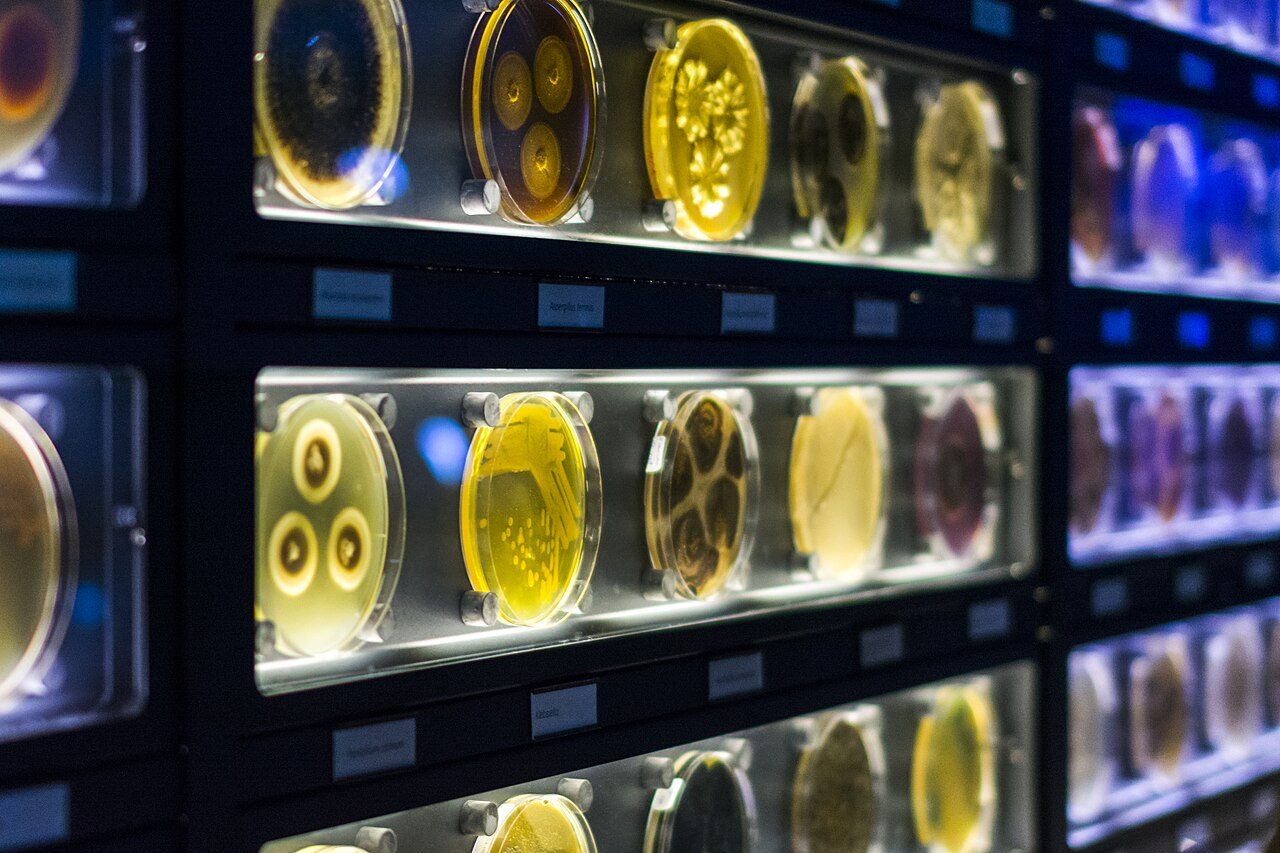
Micropia
See living microbes under a microscope, meet the lab team and find out what lives on Rembrandt’s Night Watch.
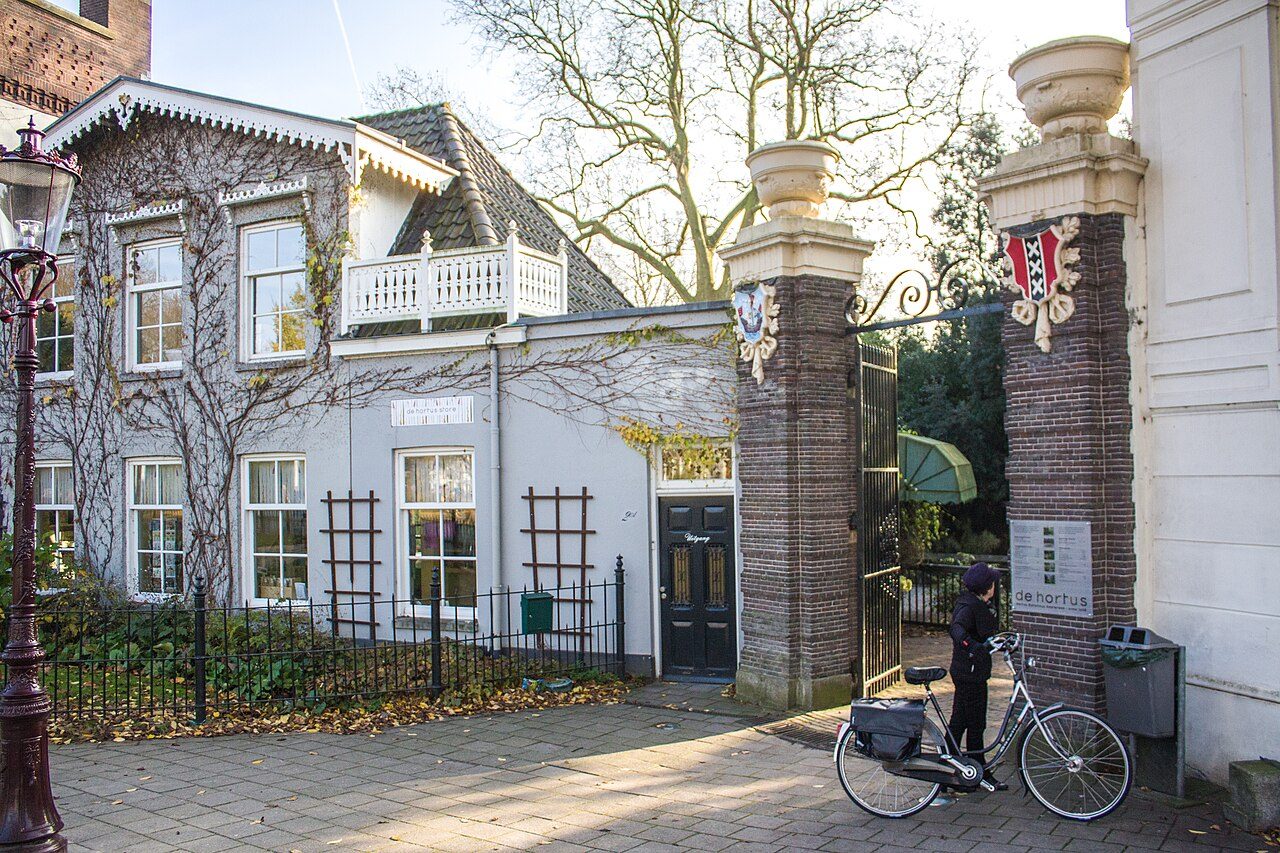
Hortus Botanicus
A living botanical garden where 17th-century medicinal plants meet a butterfly house and a greenhouse of jungle, desert and Cape flora.
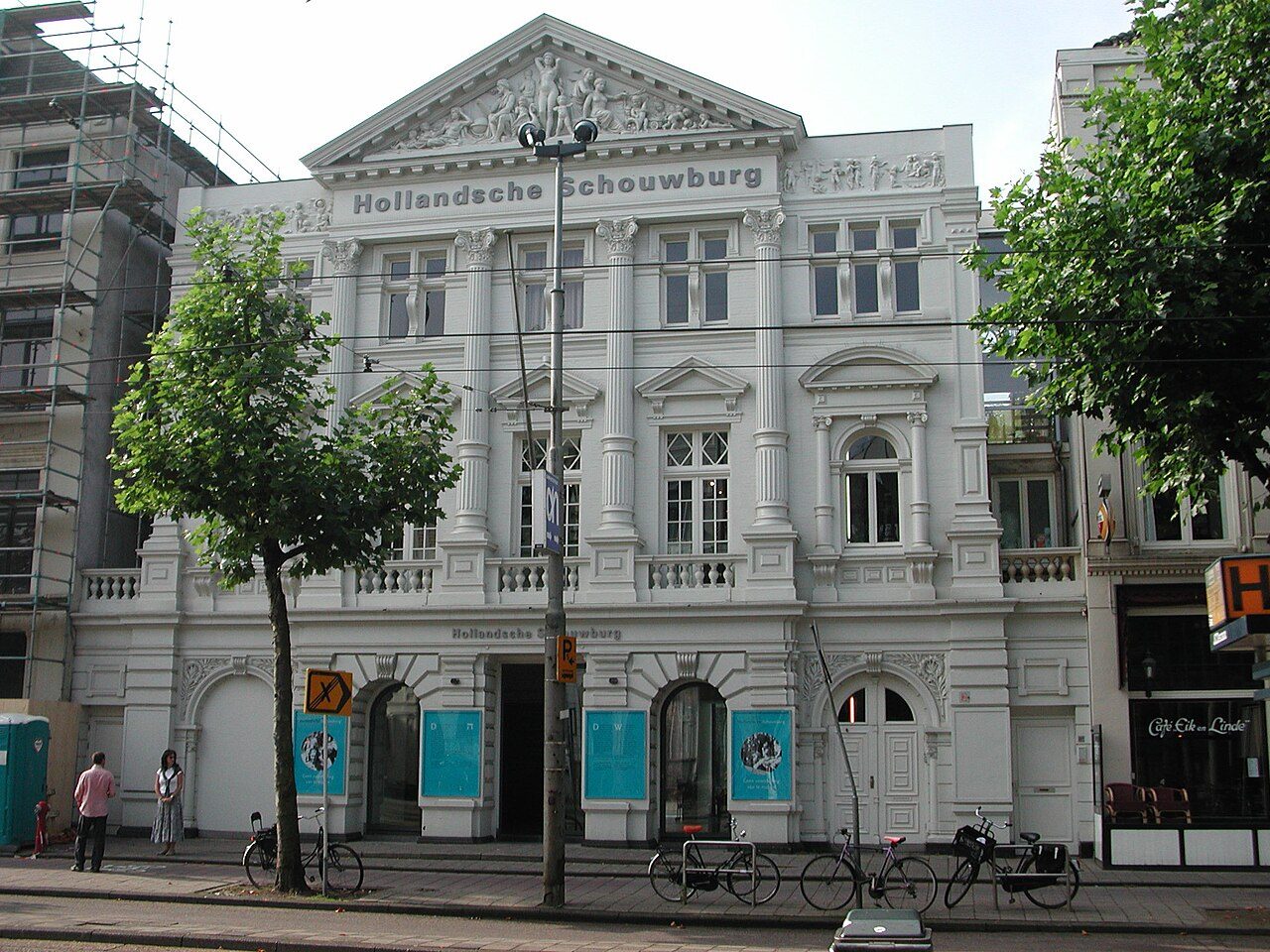
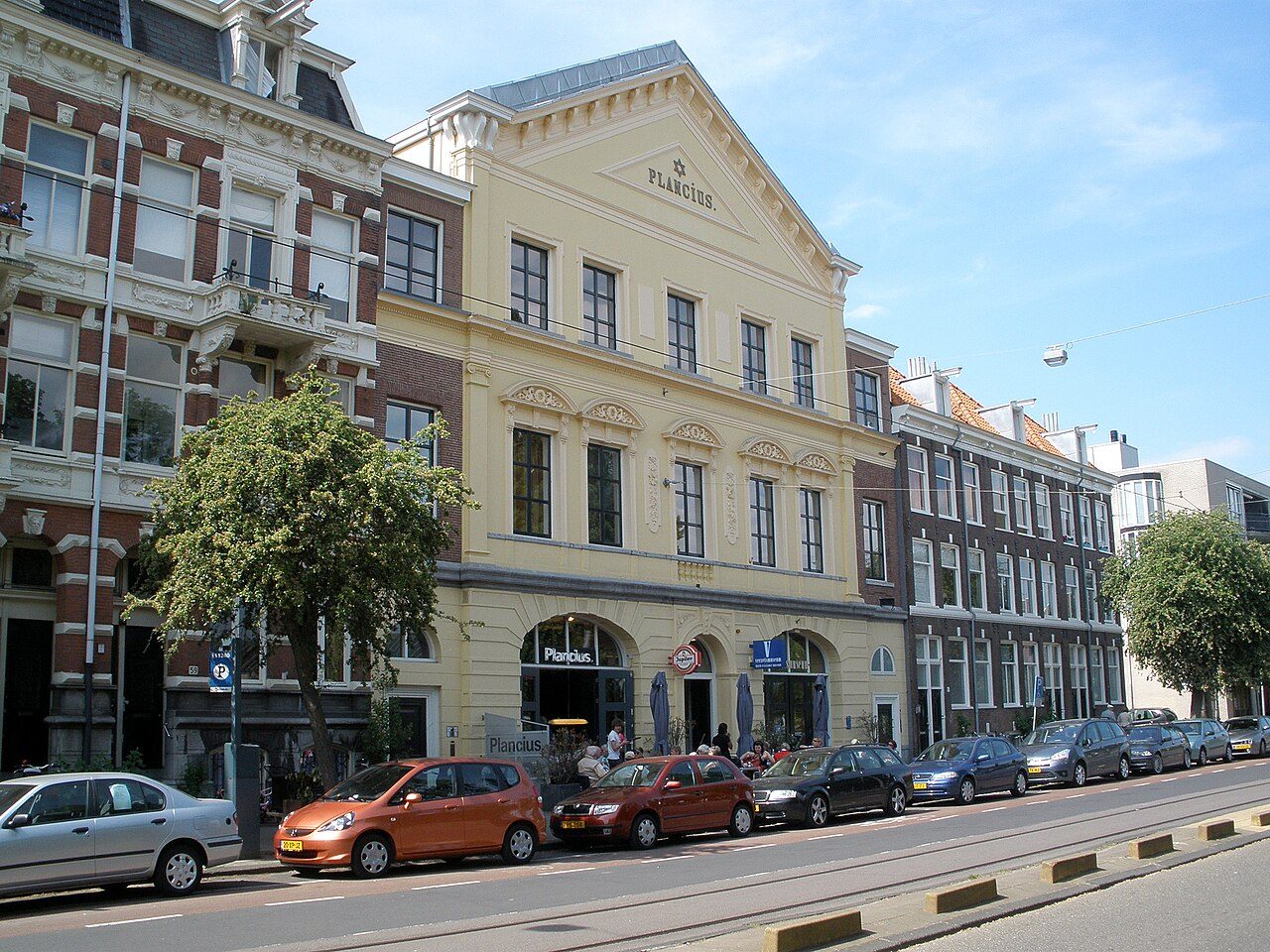
Hollandsche Schouwburg
The former theatre where Jews were gathered before deportation, now a memorial.
Dutch Resistance Museum
Daily life, collaboration and resistance in the occupied Netherlands.
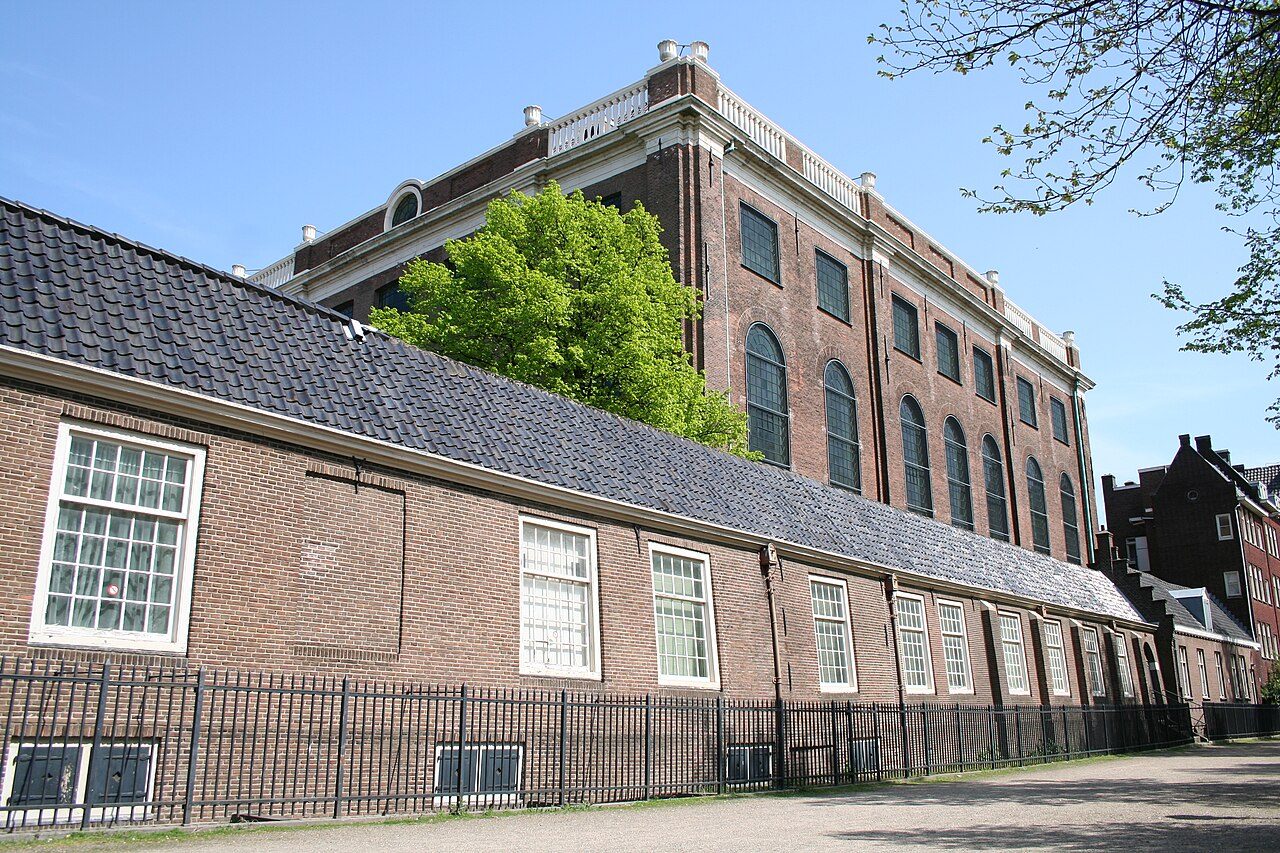
Portuguese Synagogue
The 1675 synagogue still lit by candles, with its treasure chambers and library.
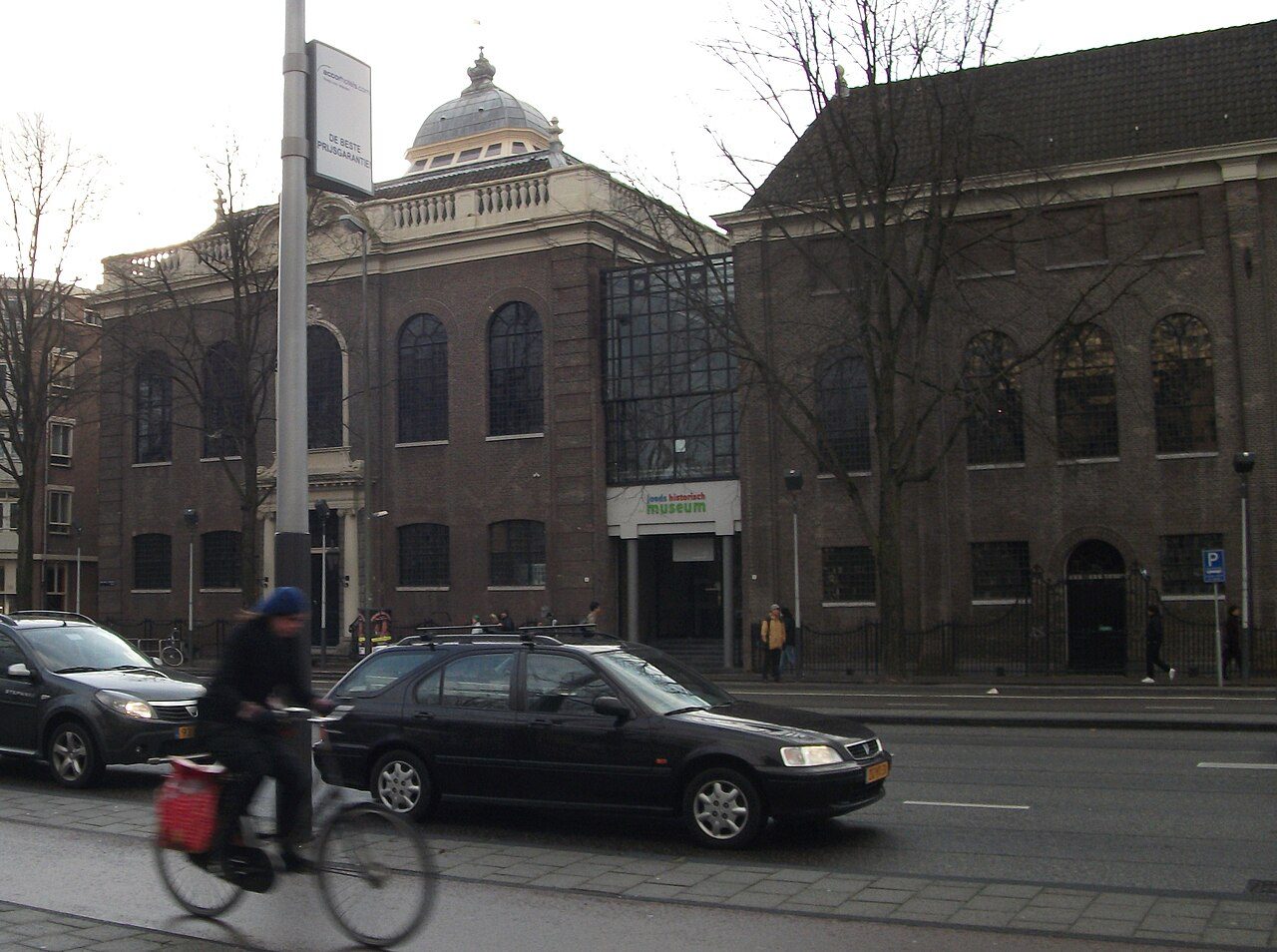
Jewish Museum
Four former synagogues telling Jewish life in the Netherlands, part of the Jewish Cultural Quarter.
Tours and quests that pass here
These walks have a stop a few minutes from National Holocaust Museum. Free, on your phone, start any time.
 FREE AUDIO TOUR
Maritime Amsterdam
Amsterdam’s maritime quarter sent ships across the world and filled warehouses with everything from timber to whale oil. You can still stand on the quay where sailors left for Asia, beside buildings that helped run overseas trade and enslavement.
 FREE AUDIO TOUR
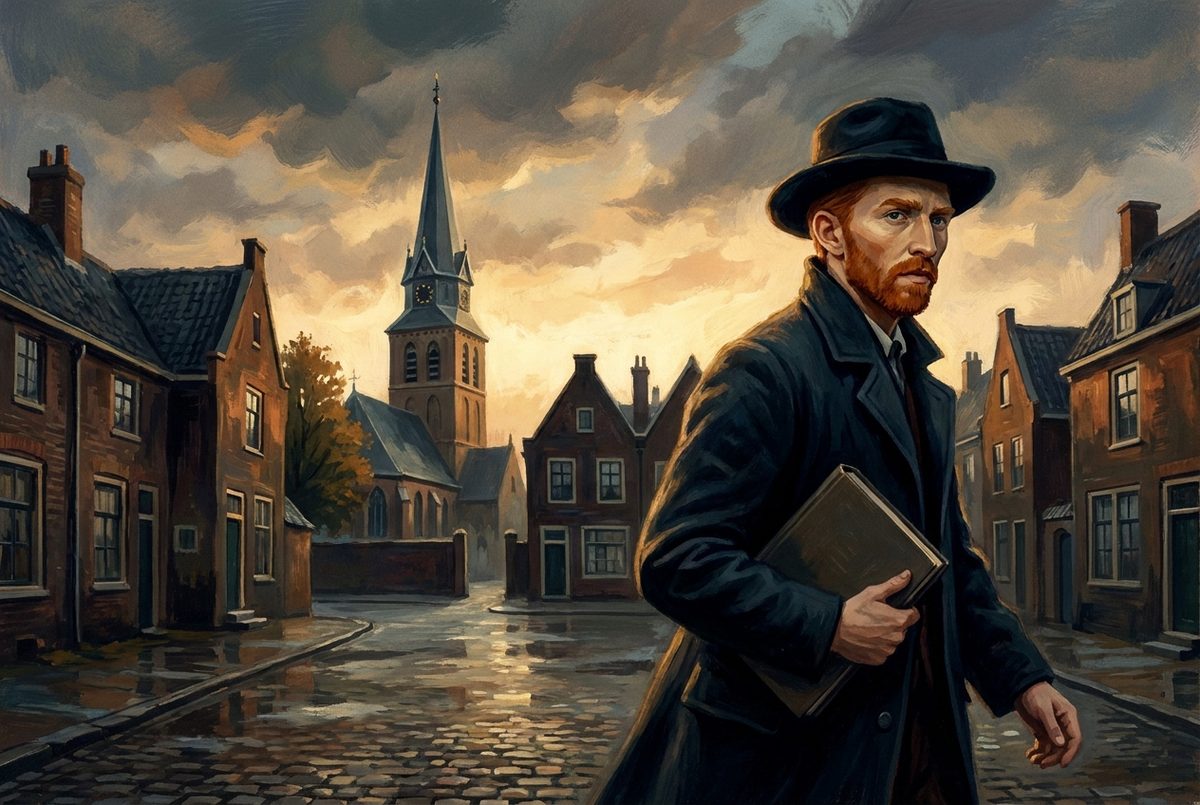
Van Gogh's Amsterdam
The man who painted Sunflowers lived in Amsterdam for just over a year, before he became an artist. You can still stand at the naval yard he called home and follow his Sunday walks across the city.
 CITYQUEST
Rembrandt's Missing Panel
Your Rembrandt puzzle is missing a panel, and the hunt for its missing letters takes you into Amsterdam. You’ll piece it together among the real buildings and river views connected to his pictures.