
CASTLE
Drakensteyn
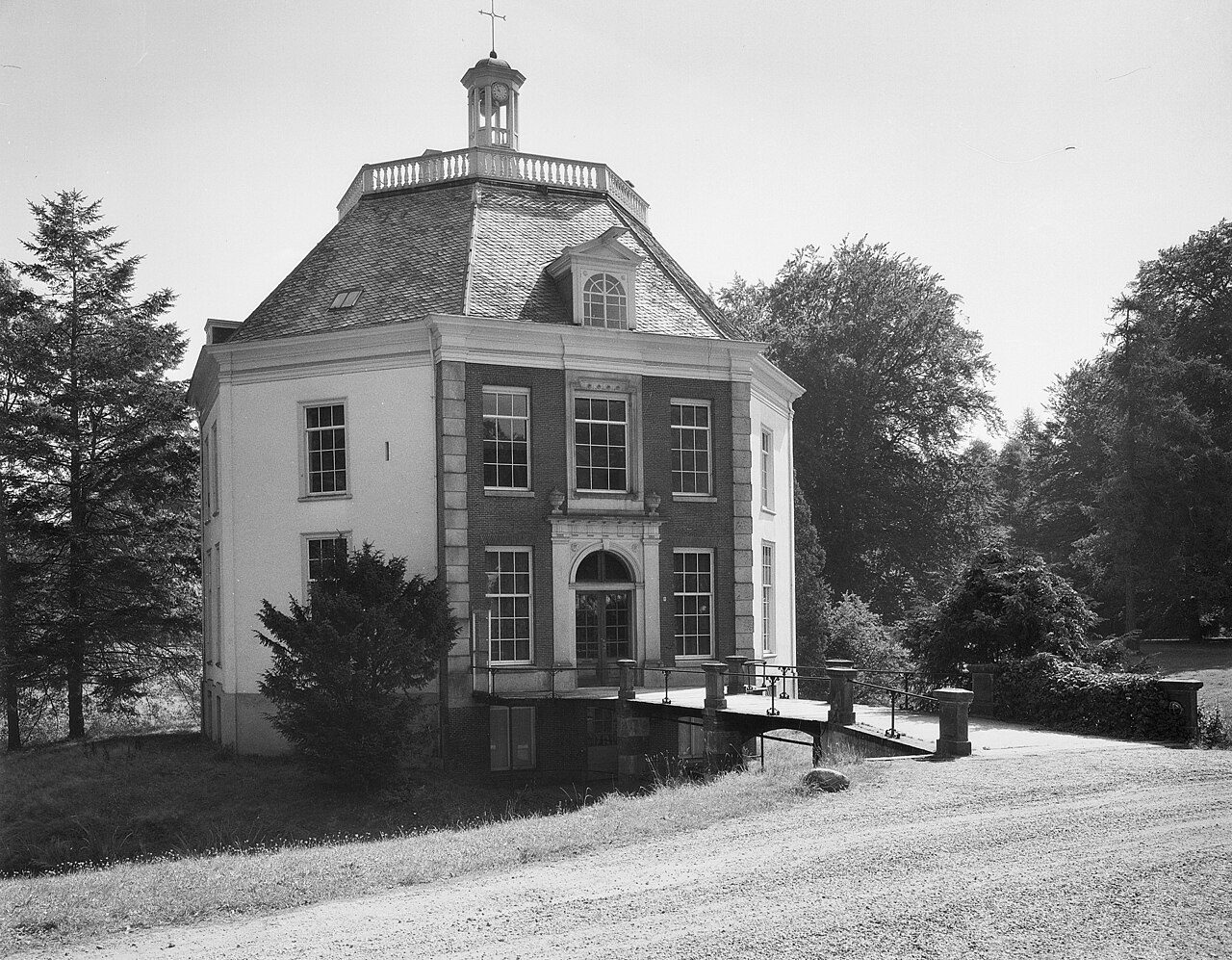
Princess Beatrix’s private, octagonal castle in Lage Vuursche, surrounded by a moat. Come for the setting and its connection with the village.
A royal home, not a showpiece
On 1 May 1965, photographer John de Rooy caught Princess Beatrix walking arm in arm through Drakensteyn’s garden with a man the public did not yet know. He was Claus von Amsberg. The photographs revealed their relationship, bringing this small castle in Lage Vuursche into a very public story.
Drakensteyn is Princess Beatrix’s private, octagonal castle, surrounded by a moat and reached by a bridge. The castle and estate are not accessible to the public. Come for the setting and its connection with the village, not expecting a courtyard visit or a clear view of the house. It belongs on Utrecht Province’s castle map alongside Slot Zuylen and Huis Doorn, but here the distinction between a historic building and somebody’s home matters.
Eight sides and a village
A house called Drakesteijn was recorded here in 1360. The present building dates from 1640–1643, when Gerard van Reede had a symmetrical, eight-sided house built. Its Classicist form is the important architectural detail: think balanced proportions rather than battlements. The design has been attributed to Jacob van Campen, though that attribution is uncertain.
Gerard’s building programme extended beyond the moat. He also provided the growing village with a church, a parsonage, a school, a mill and an inn. At the nearby Stulpkerk, a royal pew has its own outside door, allowing royal visitors to reach their seats without walking through the church. That separate entrance is a concrete reminder of how closely village life and the estate became connected.
Life behind the boundary
Beatrix bought Drakensteyn in 1959 and moved in after restoration in 1963. She remained here after marrying Claus in 1966, and they raised their three sons at the castle. After she became queen in 1980, the family moved to The Hague in 1981. She returned to Drakensteyn in 2014, following her abdication the previous year.
There was room for humour in the garden. At an art gathering in 1971, Prince Claus served cake and contributed an artwork of his own: a circle mown into the lawn, enclosed with barbed wire and labelled “Claus binnen de perken”. An invited guest remembered it as a joke about the contemporary exhibition “Sonsbeek buiten de perken”. The Dutch title played on staying within bounds, rather than going beyond them.
Roads, boundaries and remembrance
The estate’s boundaries have not always been quiet. In 1948, during a dispute over road tolls, resident Maria Bosch van Drakestein ordered workers to dig a trench across nearby Zevenlindenweg to stop traffic. A forester then had the state-owned half of the road restored. It is a striking glimpse of the friction between a private estate and people using the roads around it.
The adjoining churchyard tells a gentler, more recent story. In 2012, Beatrix donated estate land to enlarge it when burial space was running short. Her son Prince Friso was buried there in 2013. As you approach along Slotlaan, keep the private boundary in mind. The house, church and churchyard belong to one connected landscape, but they are also places of ordinary privacy and family remembrance.
Things to know
- Head for Slotlaan in Lage Vuursche, in the municipality of Baarn.
- The castle and estate are private and not accessible to the public.
- Do not count on a clear view of the house from outside.
- Keep to public routes and respect privacy around the estate and churchyard.
- Opening hours and prices can change. Check the official website before you go. Official website
What people say
Related spots
More things to do in Utrecht Province ›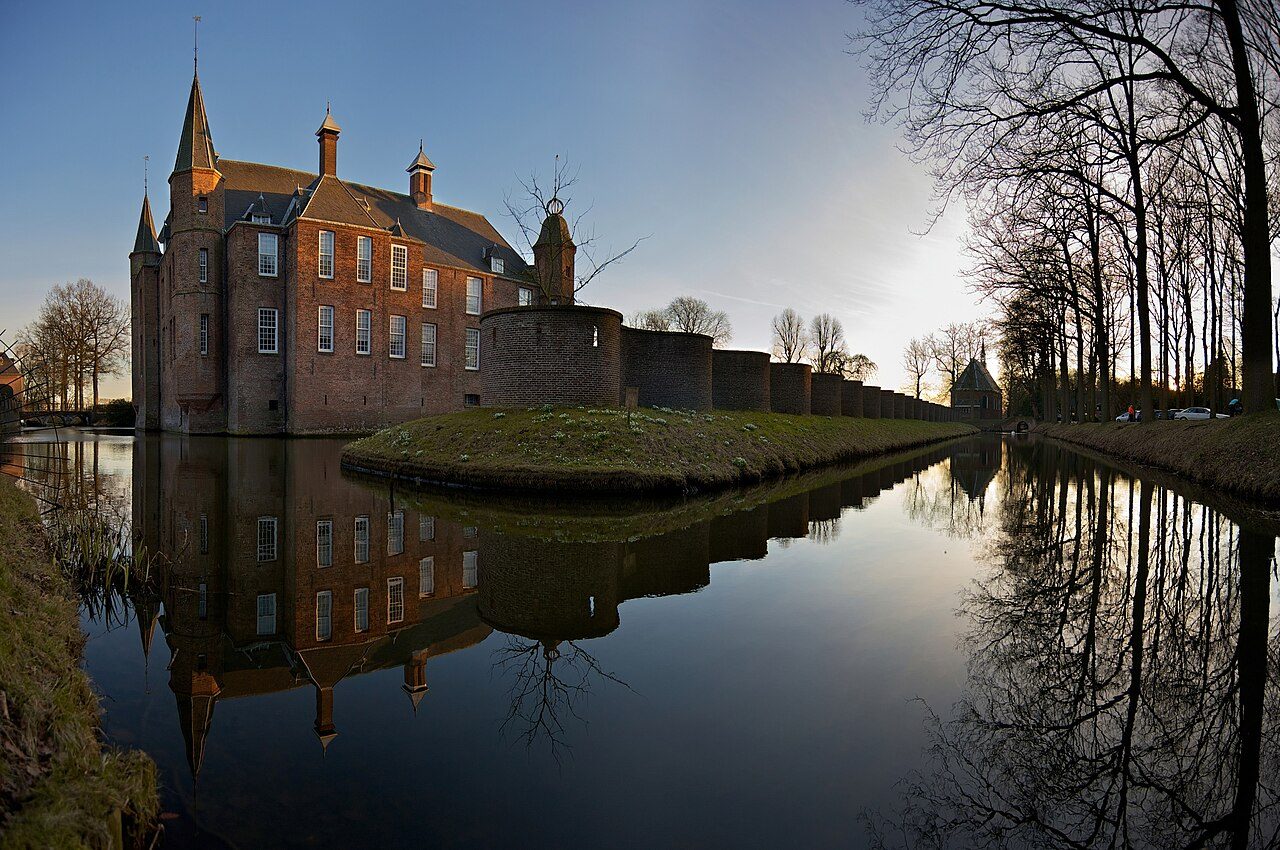
Slot Zuylen
A castle museum near Utrecht with furnished rooms, family possessions and a garden enclosed by a curving brick wall. Once home to the writer Belle van Zuylen.
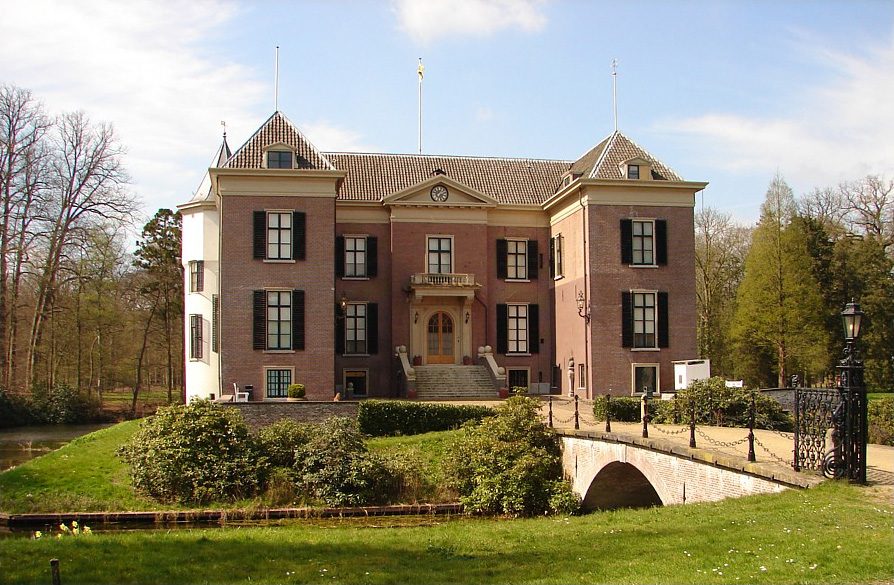
Huis Doorn
A manor house and national museum with rooms still largely furnished as they were when Germany’s last emperor lived here, and a wooded park with his mausoleum.
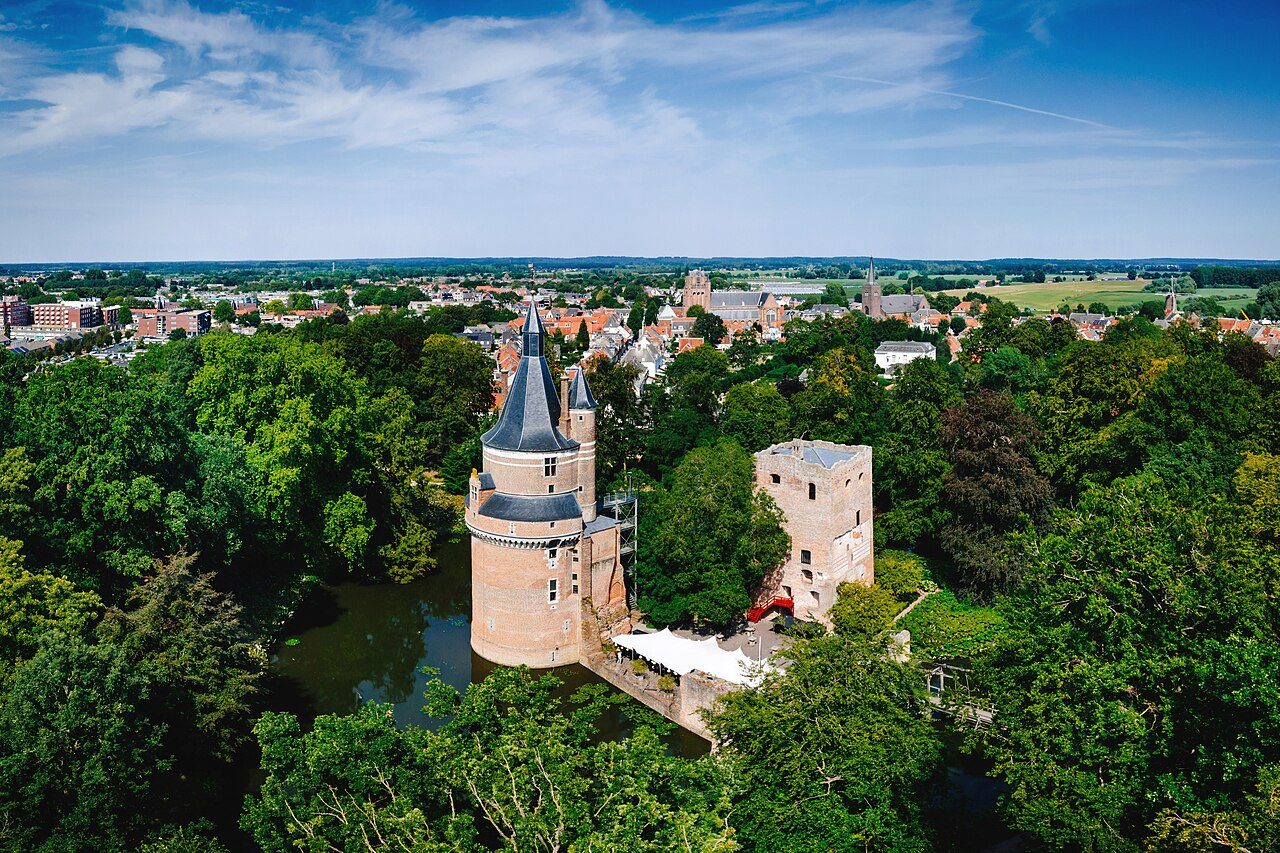
Kasteel Duurstede
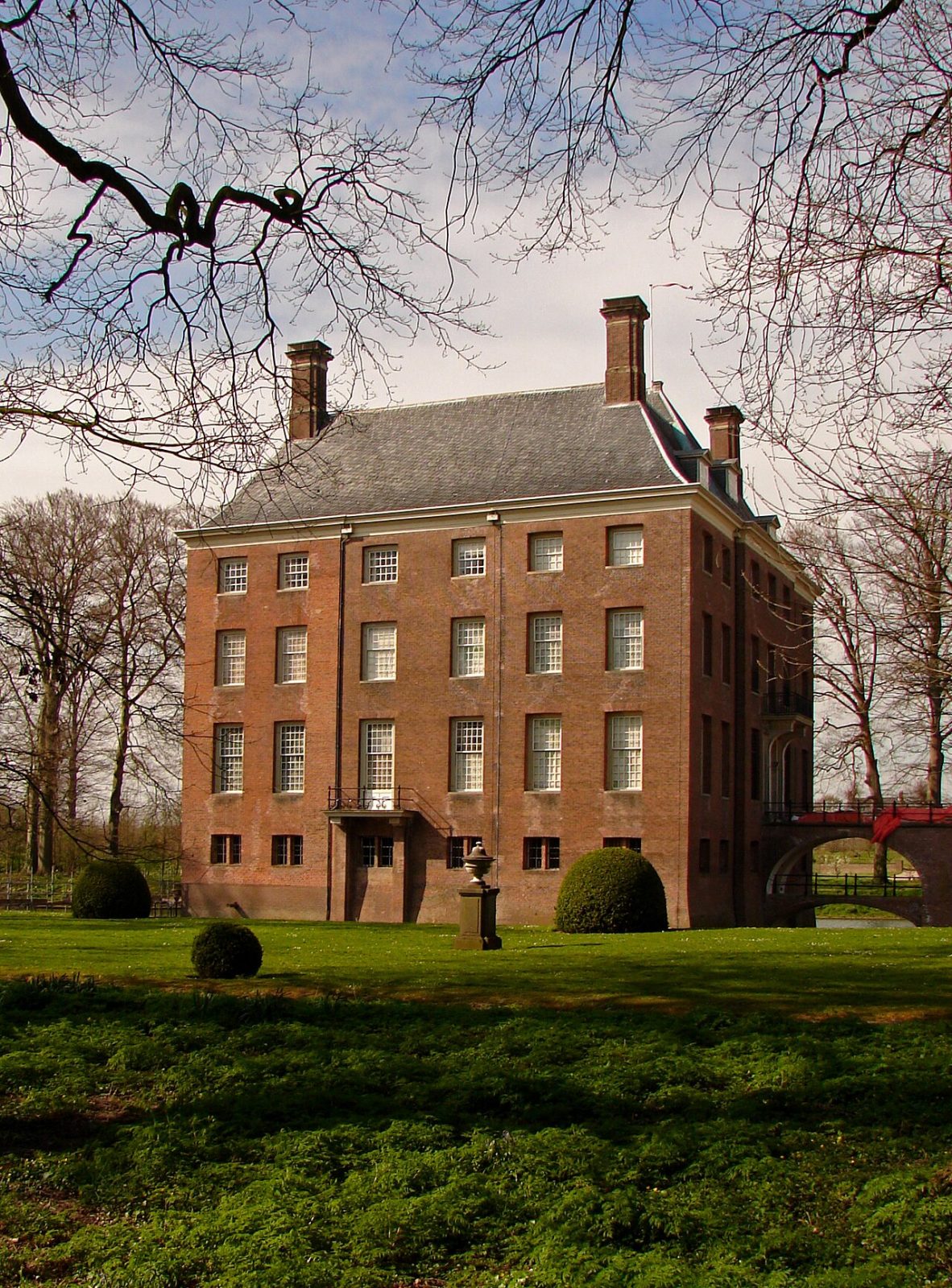
A medieval castle in Wijk bij Duurstede, with two surviving towers, low walls and a moat. Its surviving outlines show how much larger the castle once was.
Kasteel Amerongen
A country house beside Amerongen village, with family portraits, gardens and the desk where Wilhelm II signed his abdication.