
CASTLE
Huis Doorn
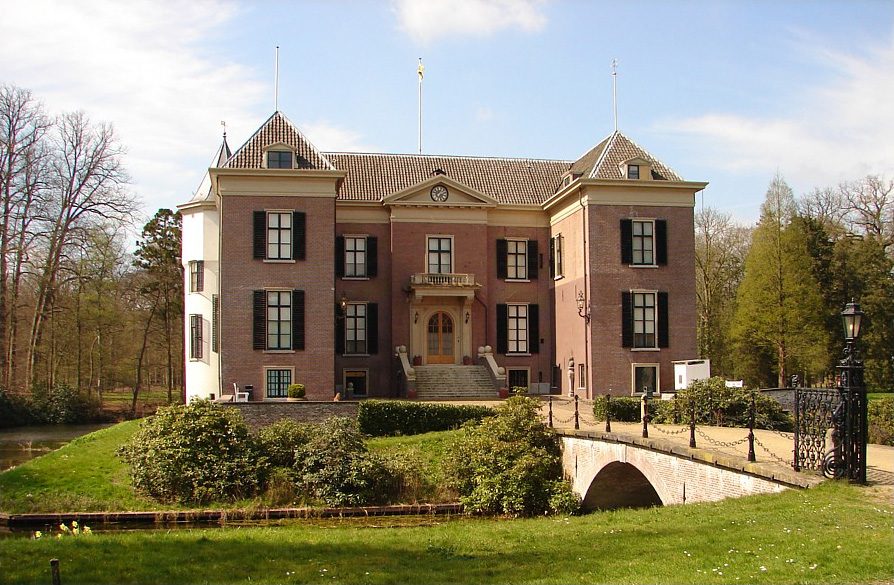
A manor house and national museum with rooms still largely furnished as they were when Germany’s last emperor lived here, and a wooded park with his mausoleum.
An emperor’s household in exile
Huis Doorn is a manor house and national museum in Doorn, with rooms still largely furnished as they were when Germany’s last emperor lived here. In 1919, Wilhelm II’s aide recorded the arrival of 59 railway wagons of possessions for the house. The packing list ran from a concert grand piano to 288 forks and 25 packets of matches. Many of those objects remain. You come here to see how an imperial household fitted itself into a Dutch country house after the First World War.
Wilhelm bought the property in 1919 and moved in on 15 May 1920. Electricity, heating and modern bathrooms were installed. Furniture and art from his palaces in Berlin and Potsdam filled the rooms. Look for inlaid chests, tapestries, porcelain, silver and portraits: the furnishings helped preserve the world he had lost.
A castle beneath the country house
The house began as a moated castle in the late 13th century. Destroyed in 1322, it was rebuilt and repeatedly altered. A major remodelling in 1796 and further work in the 19th century helped give it its present form. The surrounding park was laid out in English landscape style.
If Kasteel Duurstede and Kasteel Amerongen have put Utrecht Province’s castles on your itinerary, Huis Doorn offers a particularly close look at life inside one. Its rooms tell you as much about personal habits as royal status.
At dinner during Wilhelm’s exile, from 1920 to 1941, guests had to put down their cutlery as soon as he finished eating. He ate quickly. His own fork had three prongs and a sharpened edge, allowing him to cut and eat with his right hand because his left arm was shorter. Keep that hurried meal in mind when you look at the household silver.
Woodcutting and souvenirs
The wooded grounds were not simply scenery for Wilhelm. In the 1920s and 1930s, people came to watch him chopping wood around Doorn. His second wife, Princess Hermine, organised bazaars for coachloads of German visitors. They could buy slices of tree trunk and other Wilhelm souvenirs. The former emperor’s outdoor exercise had become a spectacle, and even the timber became a keepsake.
His cutting changed the landscape substantially. Trees planted after the Dutch state seized the estate in 1945 helped restore the wooded park you see today.
Beside the house, look for the dog gravestones. When Wilhelm’s dachshund Senta died in 1927, he buried her where he could see the grave from his window. Her marker records that she accompanied him through the First World War. It is a small, personal object among the imperial possessions.
The last resting place
Wilhelm died at Huis Doorn on 4 June 1941, during the German occupation of the Netherlands. He had asked for a funeral without German representatives, swastikas or wreaths. Those wishes were ignored. Arthur Seyss-Inquart attended as Hitler’s representative, and a wreath from Hitler carried a swastika.
His coffin was first placed in the estate chapel, then moved to the park mausoleum in 1942. Wilhelm wanted to return to Germany only after the restoration of the monarchy. He remains here. The mausoleum gives the visit its final perspective: this carefully maintained imperial household was also a place of permanent exile.
Things to know
- Approach via the gatehouse on Langbroekerweg.
- Allow time for both the furnished rooms and the park.
- Wear comfortable shoes for walking around the grounds.
- Bring a waterproof layer if you plan a longer park walk.
- Look beside the house for the dog gravestones.
- Opening hours and prices can change. Check the official website before you go. Official website
What people say
Related spots
More things to do in Utrecht Province ›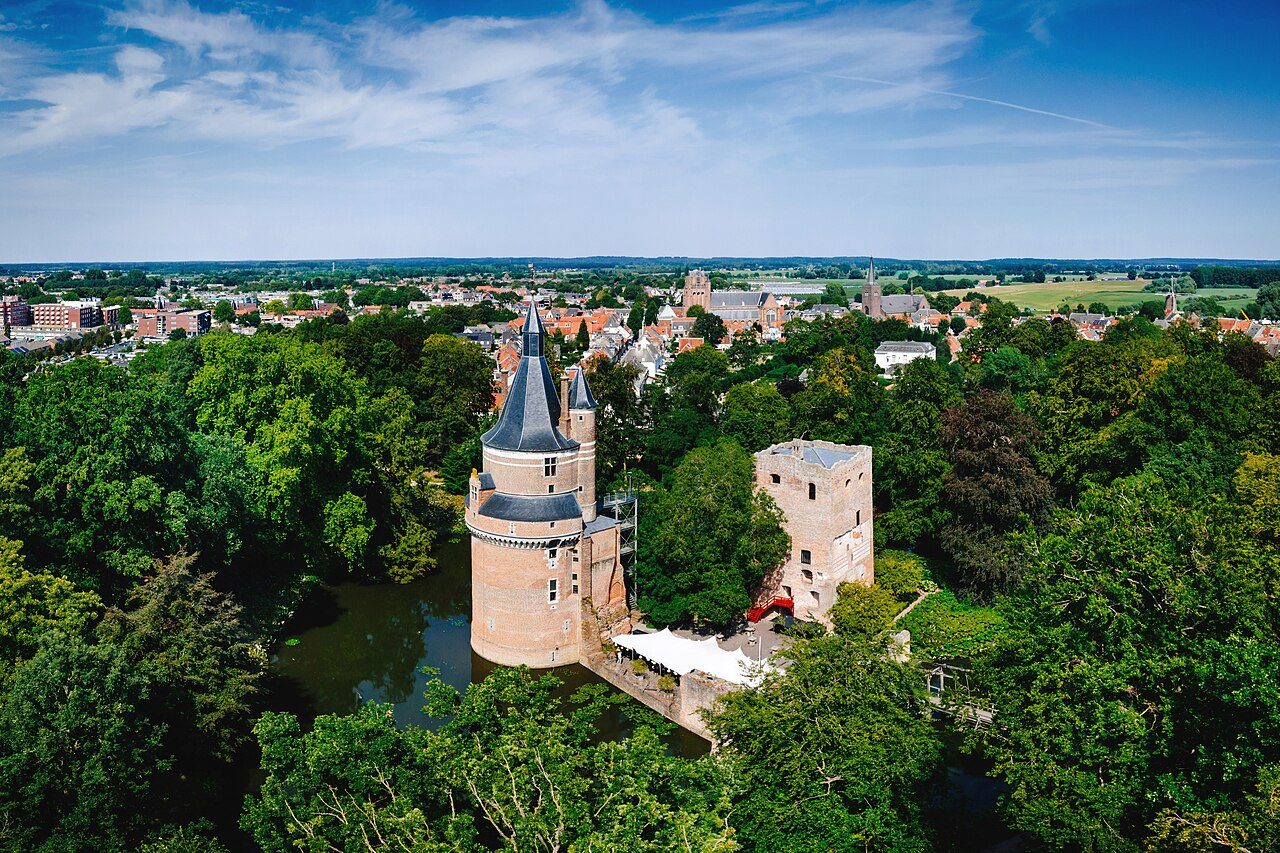
Kasteel Duurstede
A medieval castle in Wijk bij Duurstede, with two surviving towers, low walls and a moat. Its surviving outlines show how much larger the castle once was.
Kasteel Amerongen
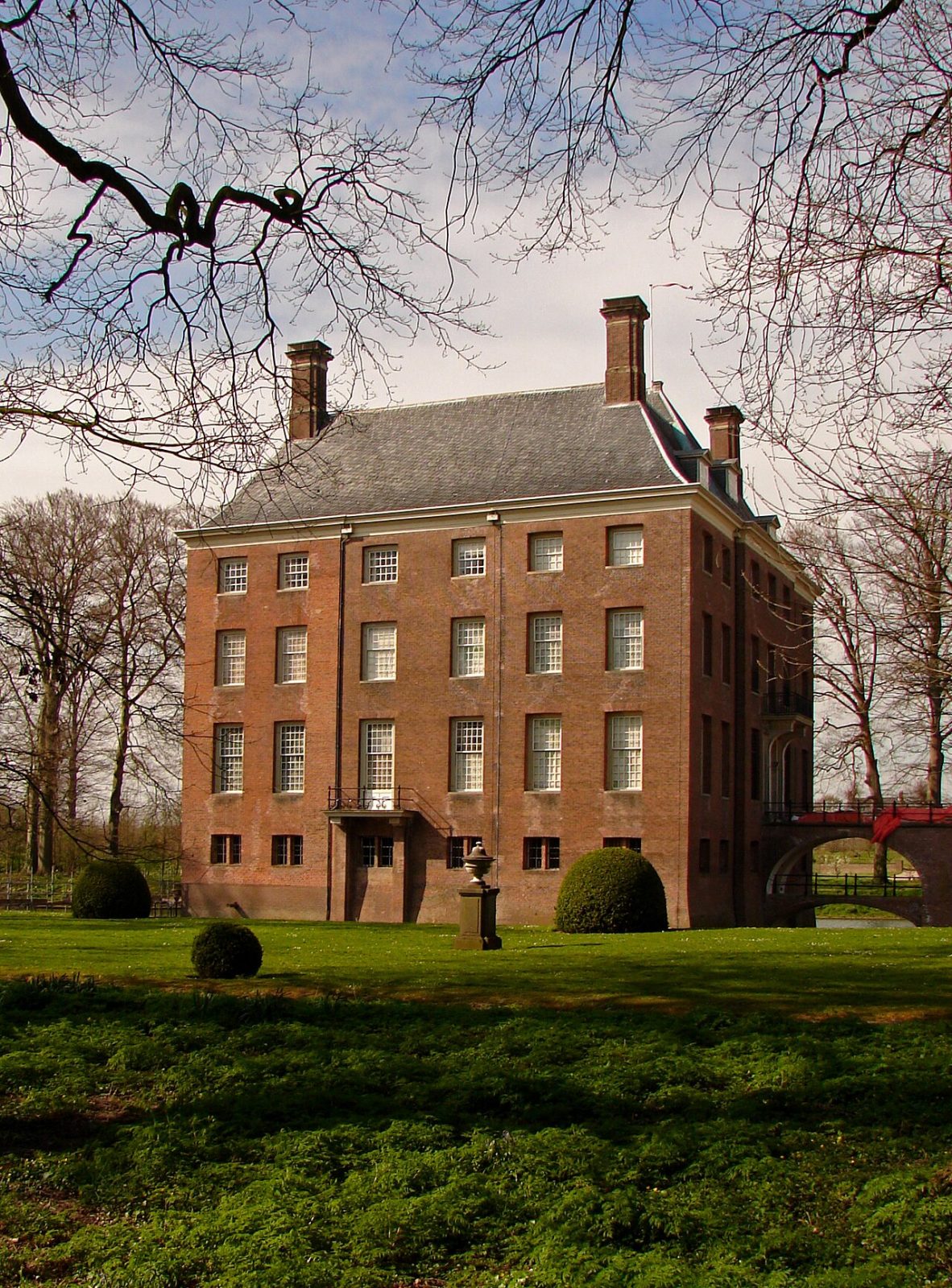
A country house beside Amerongen village, with family portraits, gardens and the desk where Wilhelm II signed his abdication.
Drakensteyn
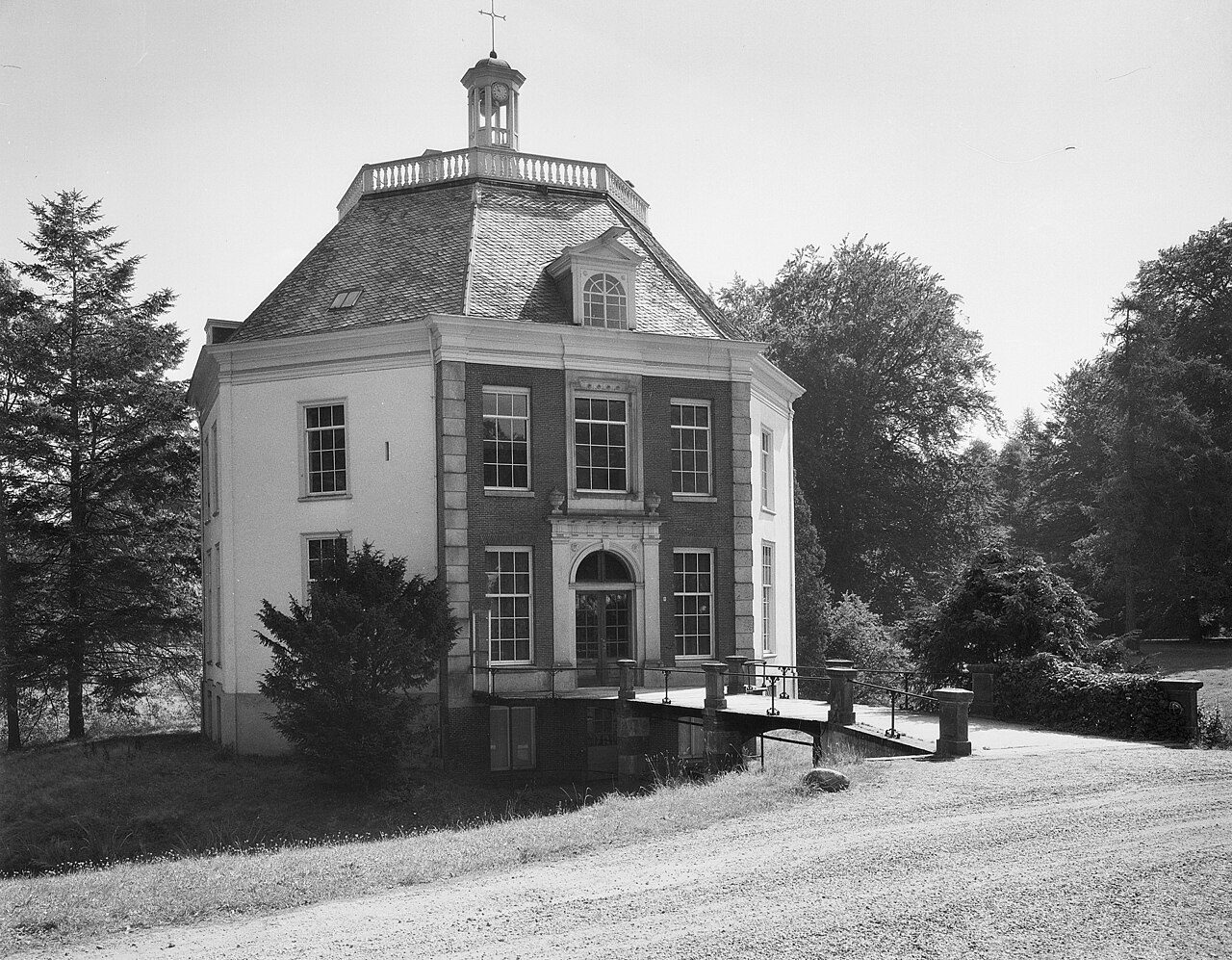
Princess Beatrix’s private, octagonal castle in Lage Vuursche, surrounded by a moat. Come for the setting and its connection with the village.
Slot Zuylen
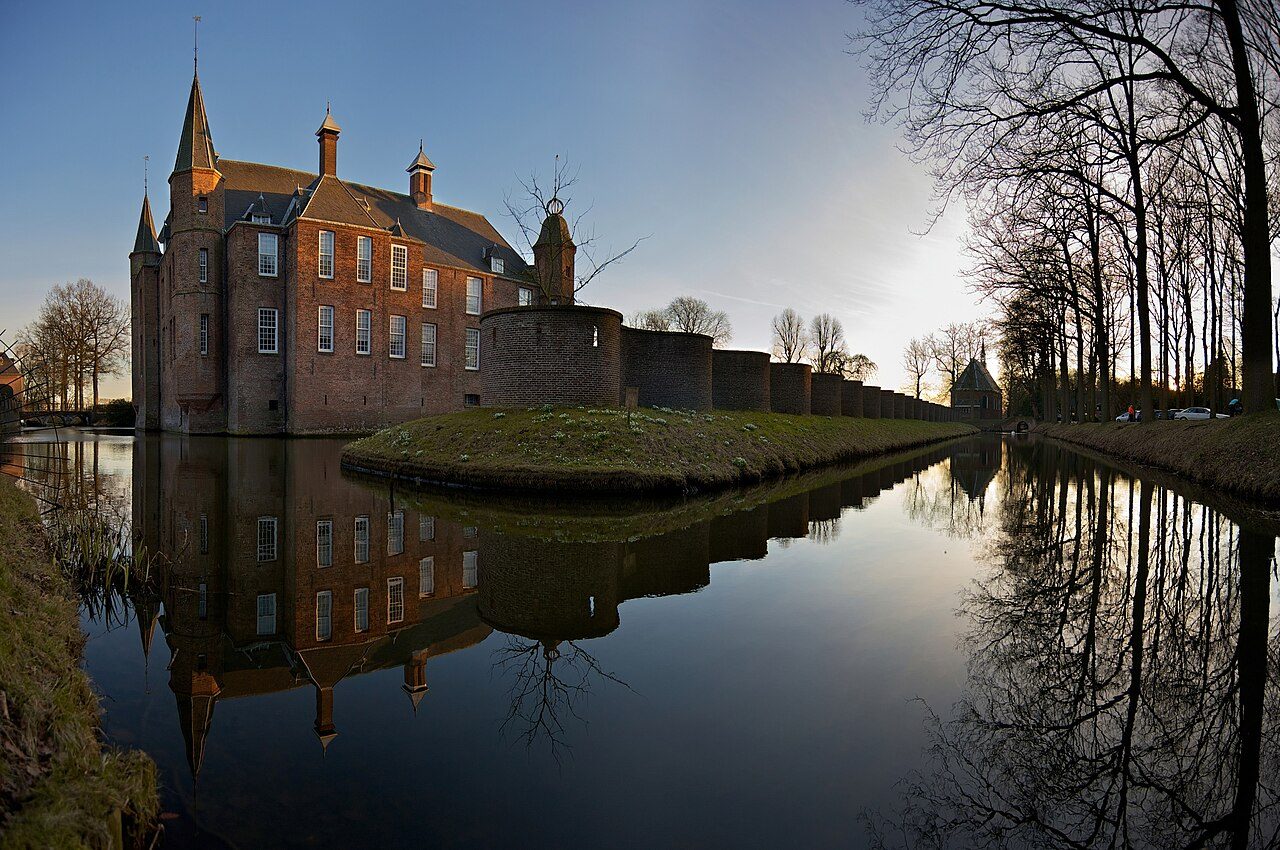
A castle museum near Utrecht with furnished rooms, family possessions and a garden enclosed by a curving brick wall. Once home to the writer Belle van Zuylen.