
CASTLE
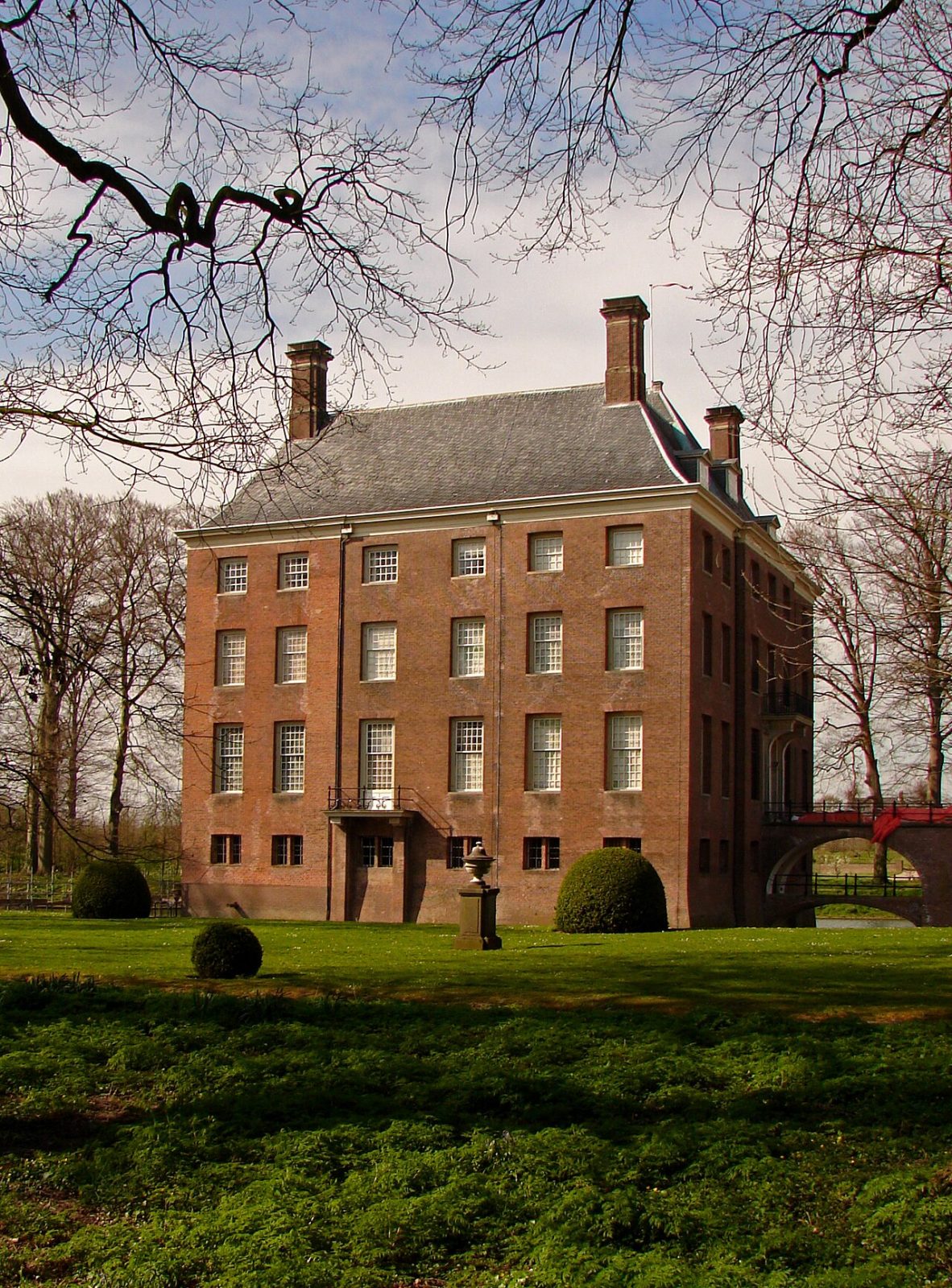
Kasteel Amerongen
A country house beside Amerongen village, with family portraits, gardens and the desk where Wilhelm II signed his abdication.
A castle where an emperor signed
At Kasteel Amerongen, a writing desk connects a country house to the end of an empire. On 28 November 1918, Kaiser Wilhelm II signed his abdication here, after a German envoy spent an hour and a half persuading him. The desk is still in the castle. It gives that enormous political change a surprisingly domestic setting.
The castle stands in the water meadows of the Nederrijn, beside Amerongen village. Among Utrecht province’s castles, from Slot Zuylen to Amerongen, this is a place to look closely at what a family left behind. Almost everything in the collection can be traced to former residents. Furniture, portraits, instruments and small household objects tell the story alongside the grand rooms.
The woman who rebuilt it
Amerongen’s castle history begins in 1286, but the house before you is largely the result of a later disaster. In February 1673, French troops set fire to the old castle. Just one tower remained standing.
Margaretha Turnor supervised the rebuilding while her husband, the diplomat Godard Adriaan van Reede, was occupied abroad. This was hands-on work. In 1676 she wrote that she climbed up to inspect the building work two or three times a day. The new house was finished in 1680, in the Dutch Classicist style.
Look at the building with that reconstruction in mind. This is not simply a medieval stronghold that survived intact. It is a deliberate new beginning after destruction. Later generations altered it again, including Count Godard van Aldenburg Bentinck, who commissioned changes from architect Pierre Cuypers.
A rude glass and a homesick boy
In the dining-room cabinet, look for an English drinking glass dating from around the 1780s. Its engraving shows a dog urinating against an orange tree. The dog represents the anti-Orange Patriots; the tree stands for the House of Orange. What looks like a small joke is a pointed piece of political hostility, preserved among the household possessions.
A portrait of Godard van Reede offers another reason to slow down. He appears as a confident 16-year-old. Yet a fellow traveller recorded a less composed departure in 1660, when Godard left for Spain with his father. He repeatedly turned towards his mother in tears, then turned back to laugh with his companions. Keep that account in mind when you look at the painted teenager.
The collection also includes full-length family portraits, marquetry furniture by Jan van Mekeren, a Bätz cabinet organ and a Kirckman harpsichord. These were the belongings of a household, not objects gathered to fill an empty castle.
An imperial household, down to the horse
Count Bentinck sheltered Wilhelm II from November 1918 until May 1920, when the former emperor moved to Huis Doorn. The imperial visit left a quieter trace outdoors too. During the couple’s stay, which began in 1918, Empress Auguste Victoria gave her horse Uranus to the count’s daughter, Elisabeth Bentinck. Uranus is buried in the castle gardens, near the family’s animal graves.
Allow time for those gardens as well as the rooms. They cover ten hectares and contain layers of four centuries of garden history. The horse’s grave brings the imperial story back to the scale of this place: a family home, its animals and the possessions its residents kept.
Things to know
- Take a bus to Amerongen, then walk to the castle.
- Allow time for both the house and gardens.
- Wear comfortable shoes for walking around the grounds.
- Look closely at the dining-room cabinet and family portraits.
- Opening hours and prices can change. Check the official website before you go. Official website
What people say
Related spots
More things to do in Utrecht Province ›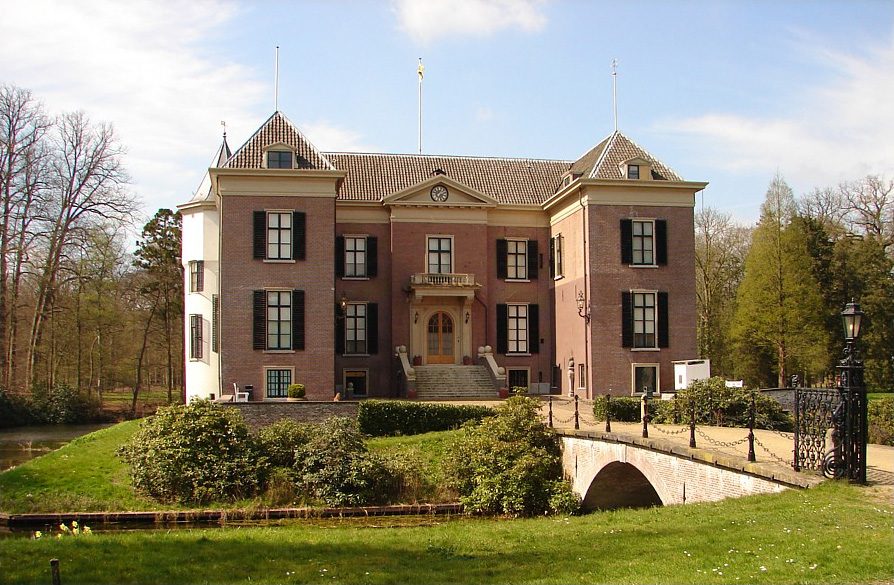
Huis Doorn
A manor house and national museum with rooms still largely furnished as they were when Germany’s last emperor lived here, and a wooded park with his mausoleum.
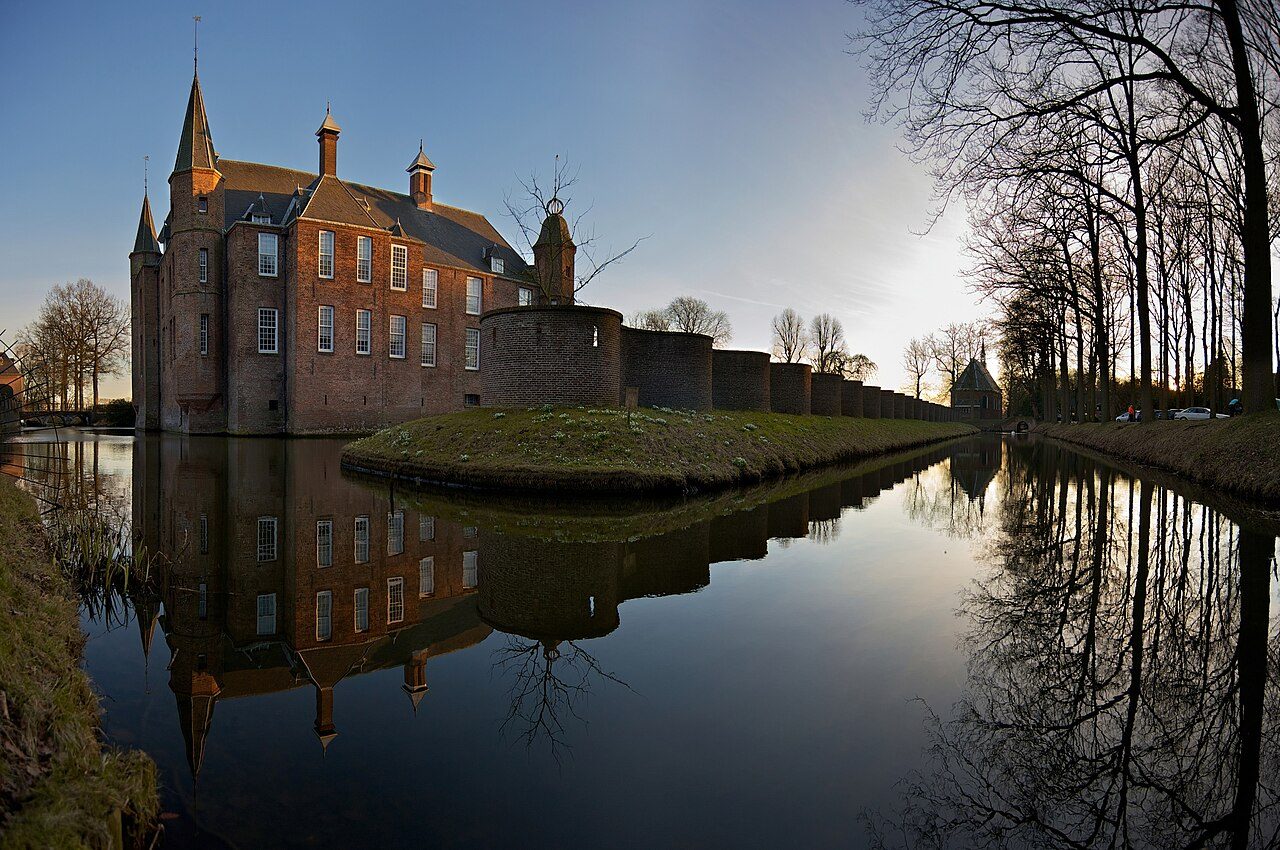
Slot Zuylen
A castle museum near Utrecht with furnished rooms, family possessions and a garden enclosed by a curving brick wall. Once home to the writer Belle van Zuylen.
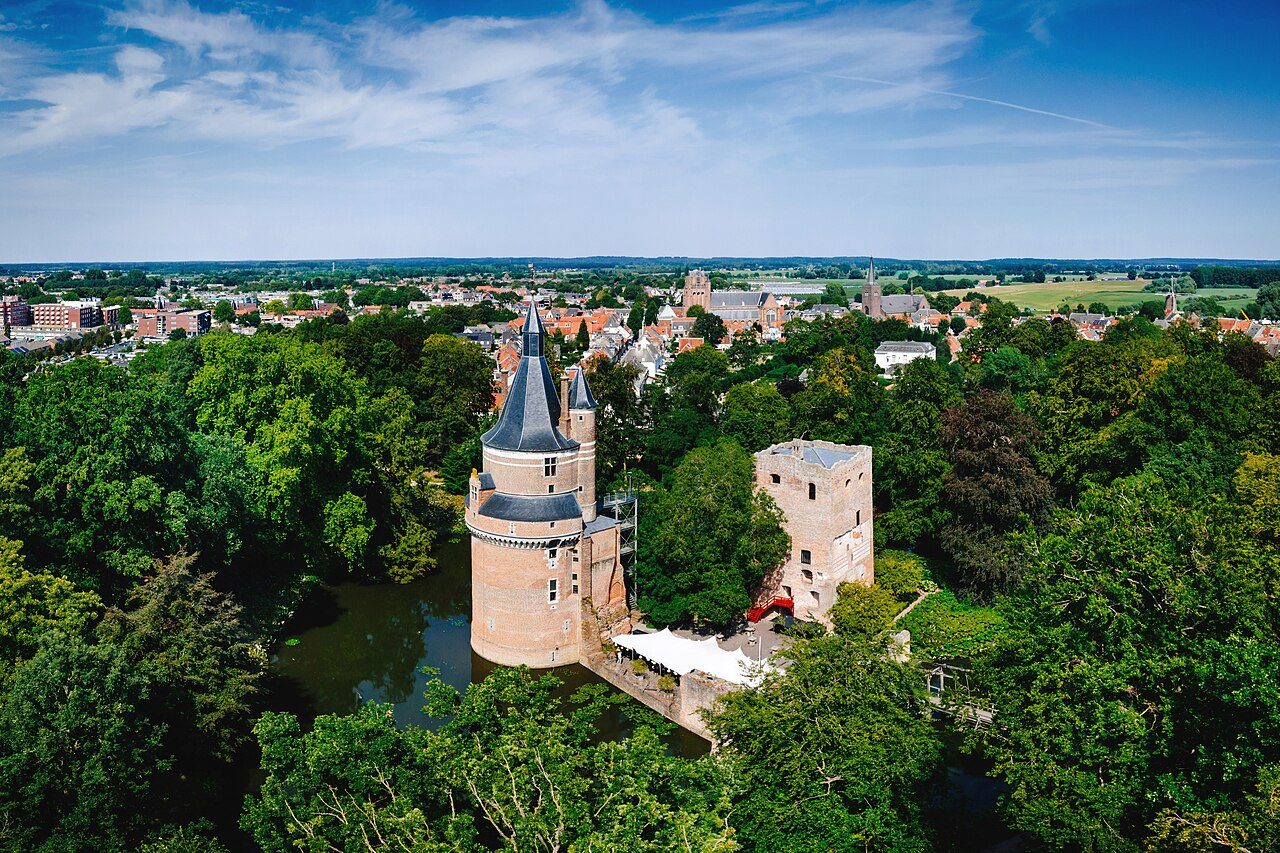
Kasteel Duurstede
A medieval castle in Wijk bij Duurstede, with two surviving towers, low walls and a moat. Its surviving outlines show how much larger the castle once was.
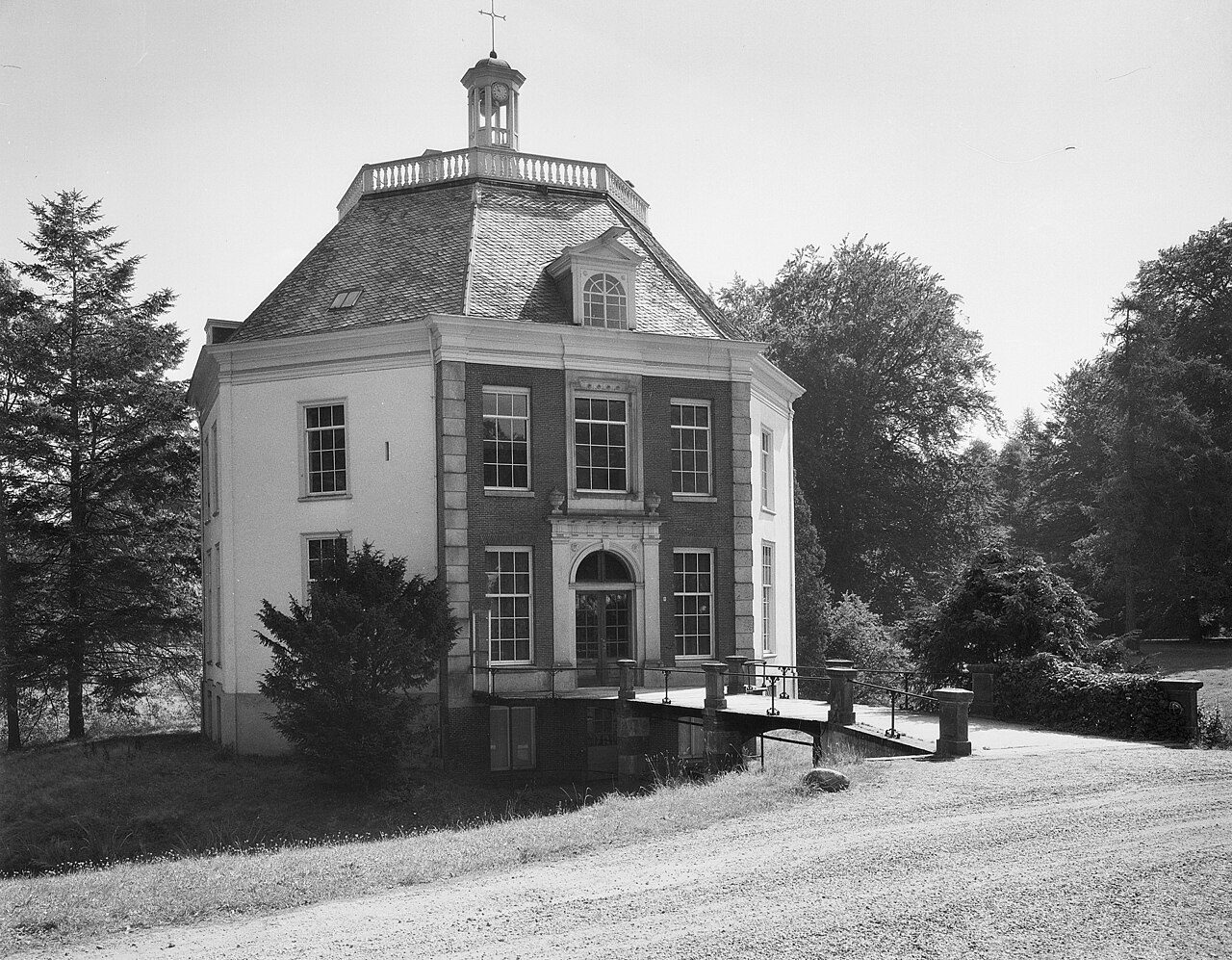
Drakensteyn
Princess Beatrix’s private, octagonal castle in Lage Vuursche, surrounded by a moat. Come for the setting and its connection with the village.