
CASTLE
Slot Zuylen
A castle museum near Utrecht with furnished rooms, family possessions and a garden enclosed by a curving brick wall. Once home to the writer Belle van Zuylen.
A castle with an outspoken resident
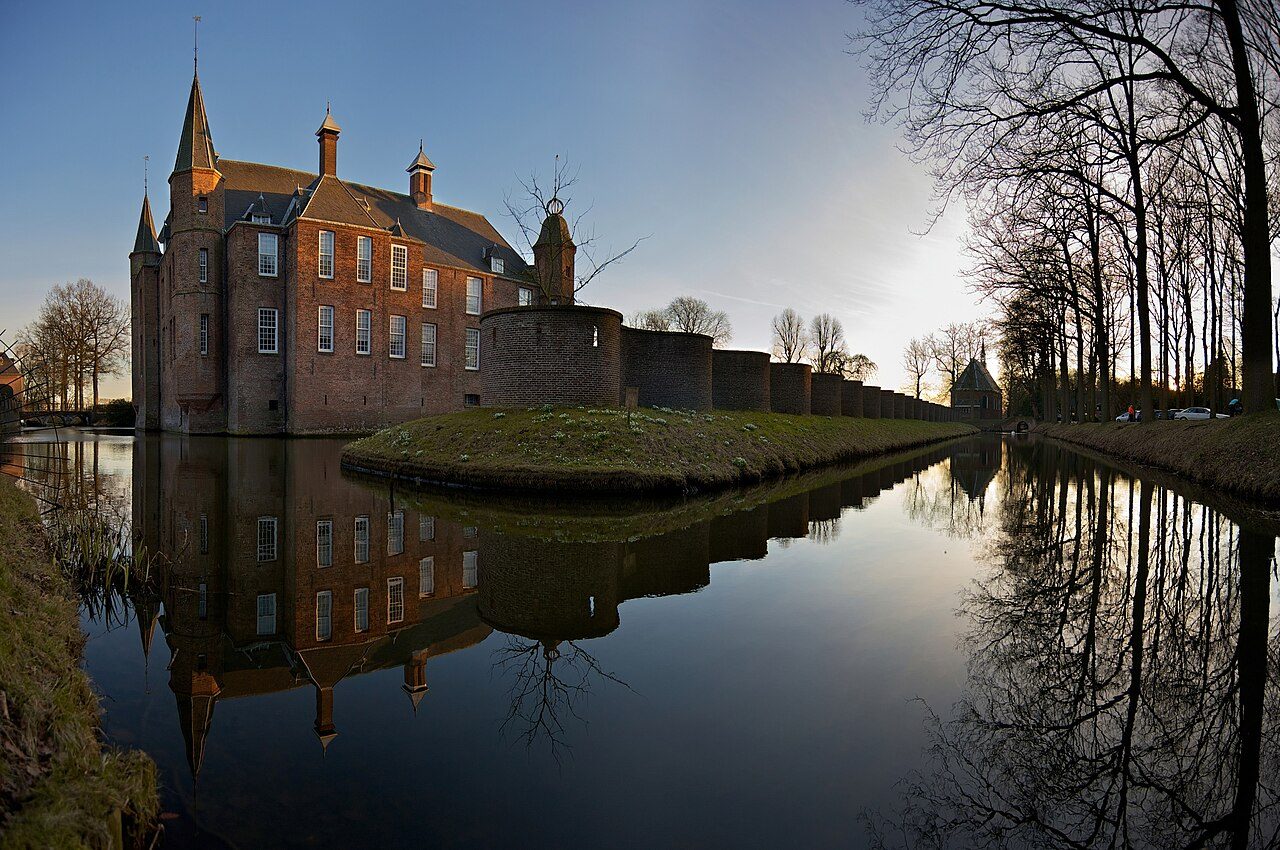
Slot Zuylen is a castle museum in Oud-Zuilen, near Utrecht, with furnished rooms, family possessions and a garden enclosed by a curving brick wall. Its best-known resident was the writer Belle van Zuylen. In June 1764, the Scottish writer James Boswell visited her here. She gave him a letter suggesting that he seemed to be in love with her. He denied it. Belle replied that they agreed she was unsuitable as his wife: she had no talent for subordination.
If you are choosing between Utrecht Province’s castles, including Huis Doorn and Kasteel Amerongen, the appeal here is that close connection between the house and its residents. Much of the furniture, porcelain, glassware and art has been here for decades or centuries.
From stronghold to family house
The castle began with a residential tower in the 13th century. In 1422, the Utrecht faction known as the Hoeken destroyed it during the Hook and Cod Wars. Rebuilding began in 1510 under Willem van Rennenberg.
The Van Tuyll van Serooskerken family inherited Slot Zuylen in 1656. The building you see owes much to their alterations of 1751–1752. They removed a defensive wall, filled the adjoining moat and added a left wing to create a symmetrical, U-shaped house around a forecourt. Look at that arrangement as you approach: it belongs to a comfortable country residence rather than a fortress prepared for attack.
The family continued living here into the 20th century. In the early 1950s, Frederik Christiaan Constantijn van Tuyll van Serooskerken placed the castle, gardens and part of the contents in a foundation.
A dog in the tapestry, a cupboard for shelter
In the Gobelinzaal, look closely at the room-filling tapestry commissioned around 1670 by Hendrik Jacob van Tuyll van Serooskerken. Near a stork is a brown-and-white hunting dog. The maker, Maximiliaan van der Gucht, included this dog in other tapestries too, using it as a signature. It is a small, recognisable detail within a much larger work.
The Stenenkamer holds a very different story. During the Second World War, people hiding at Slot Zuylen could take shelter during raids in a wooden corner cupboard. It occupies the position of an old spiral staircase.
The castle had already offered refuge in 1939, when Baron Frederik van Tuyll sheltered the Jewish Jacobsen family after they fled Germany. Their daughter Ruth had been allowed to bring one doll. She dressed it in extra clothes intended for herself, carrying something useful within the small comfort she could take along.
The garden’s curved wall
Outside, follow the curves of the serpentine wall, built around 1740. Its shape creates a sheltered microclimate for fruit. Figs, peaches, apricots and sour cherries grow along it. Look at the relationship between the brickwork and the planting: this is a working garden structure, not simply an ornamental boundary.
Near the gatehouse, the wall ends in a bastion with firing slits. Despite its defensive appearance, this feature is considered a folly. It makes a fitting last detail at a castle where the appearance of a stronghold gradually gave way to the pleasures and practicalities of a family home.
Things to know
- Head for Oud-Zuilen, near Utrecht, at the start of the Vecht region.
- Allow time for both the furnished rooms and the garden.
- In the Gobelinzaal, look for the dog beside a stork.
- Keep daylight for a closer look at the serpentine wall.
- Opening hours and prices can change. Check the official website before you go. Official website
What people say
Related spots
More things to do in Utrecht Province ›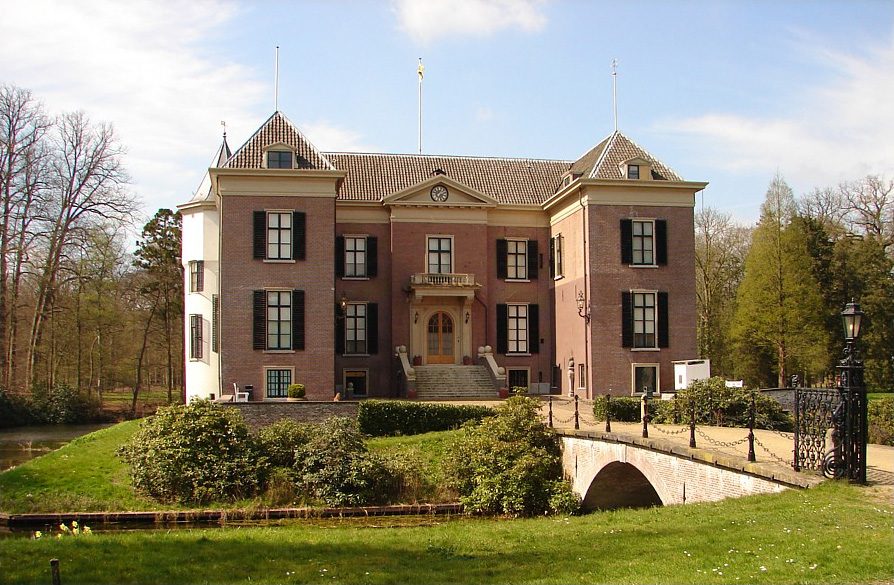
Huis Doorn
A manor house and national museum with rooms still largely furnished as they were when Germany’s last emperor lived here, and a wooded park with his mausoleum.
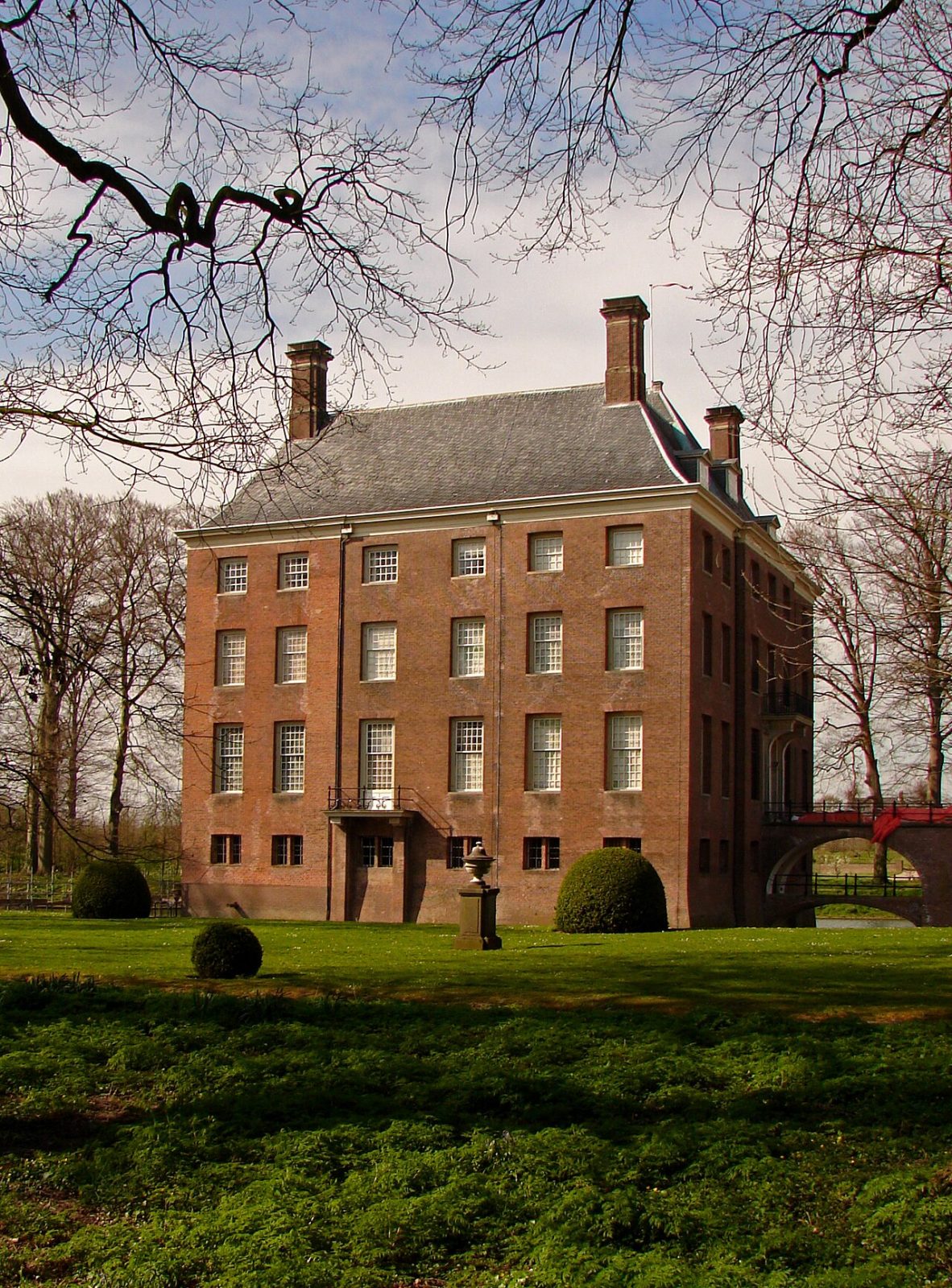
Kasteel Amerongen
A country house beside Amerongen village, with family portraits, gardens and the desk where Wilhelm II signed his abdication.
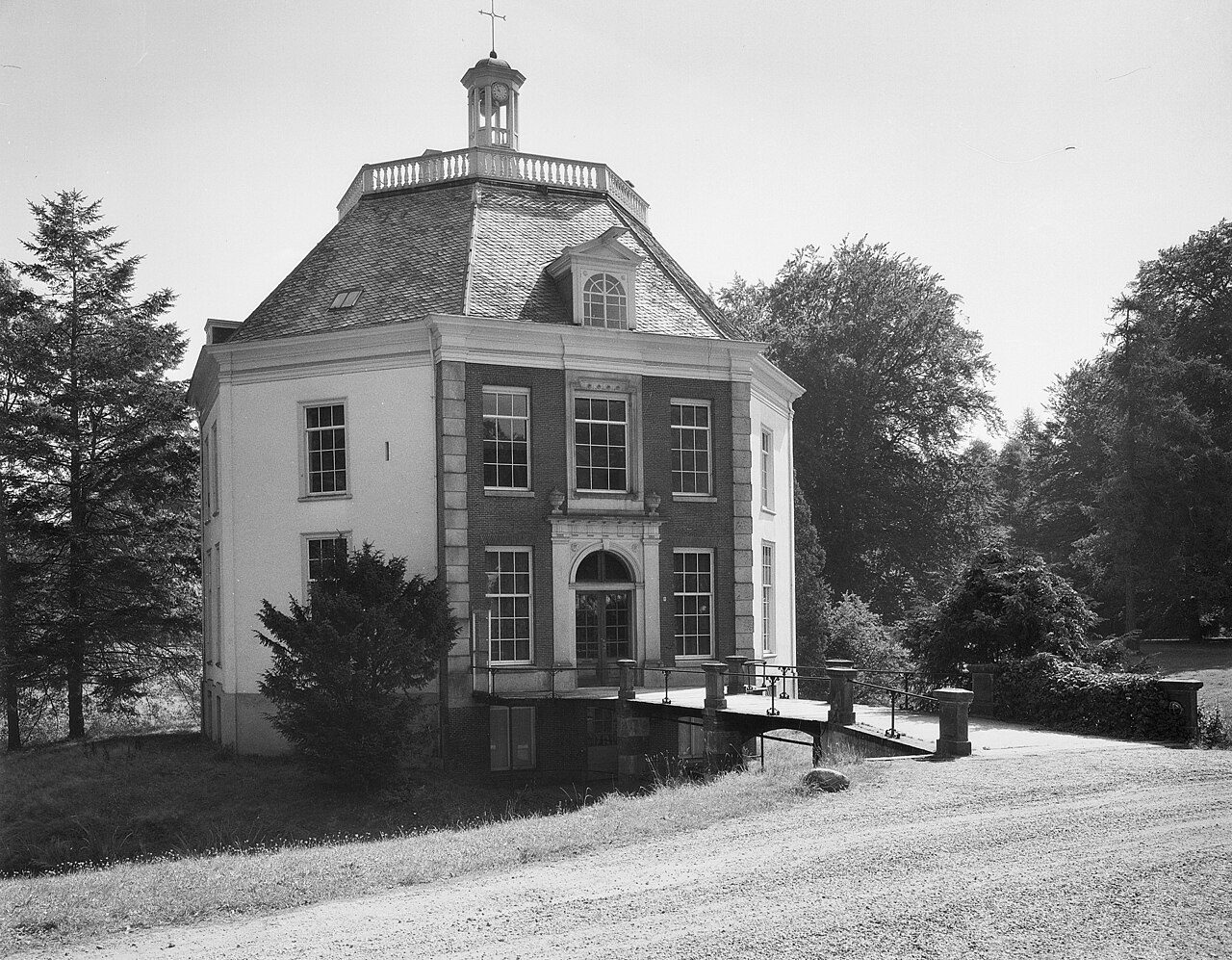
Drakensteyn
Princess Beatrix’s private, octagonal castle in Lage Vuursche, surrounded by a moat. Come for the setting and its connection with the village.
Kasteel Duurstede
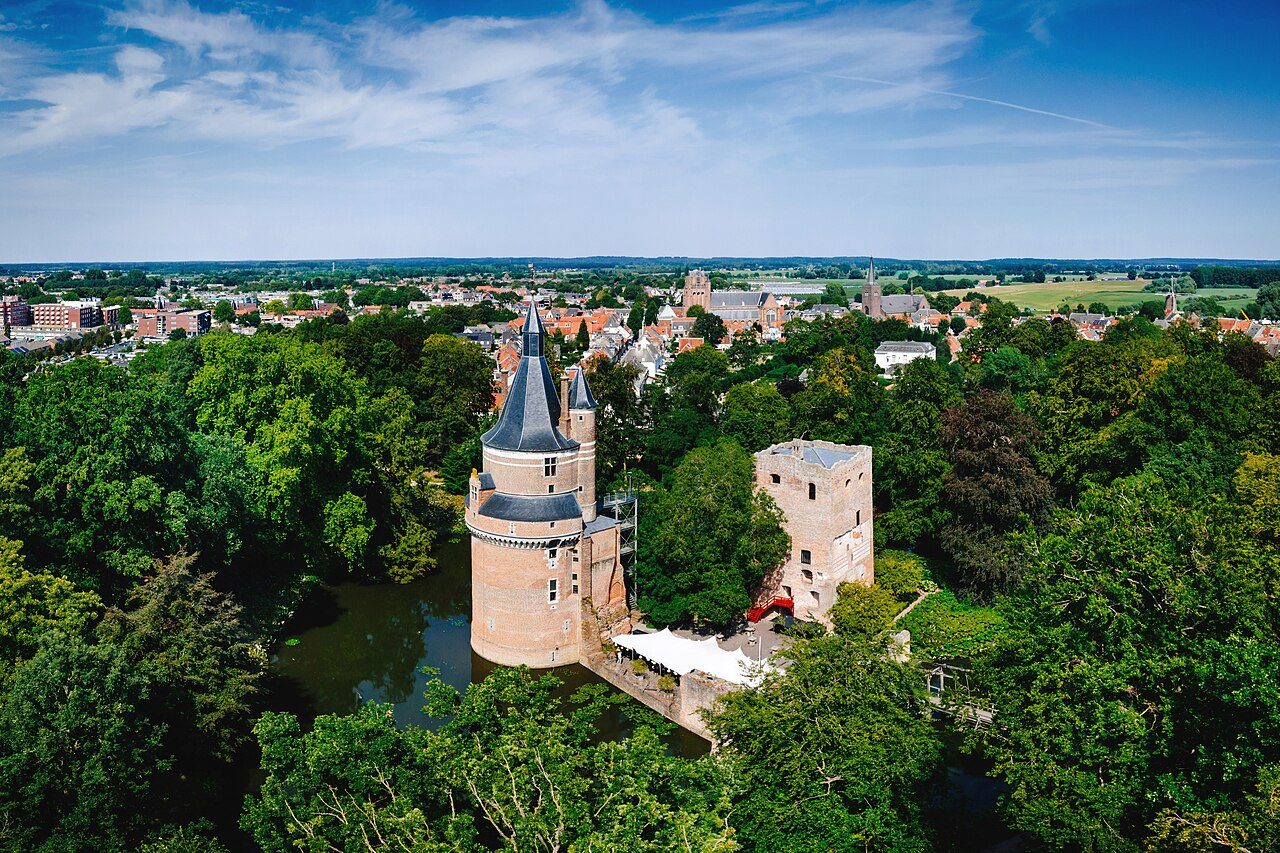
A medieval castle in Wijk bij Duurstede, with two surviving towers, low walls and a moat. Its surviving outlines show how much larger the castle once was.