
LANDMARK
NEMO rooftop
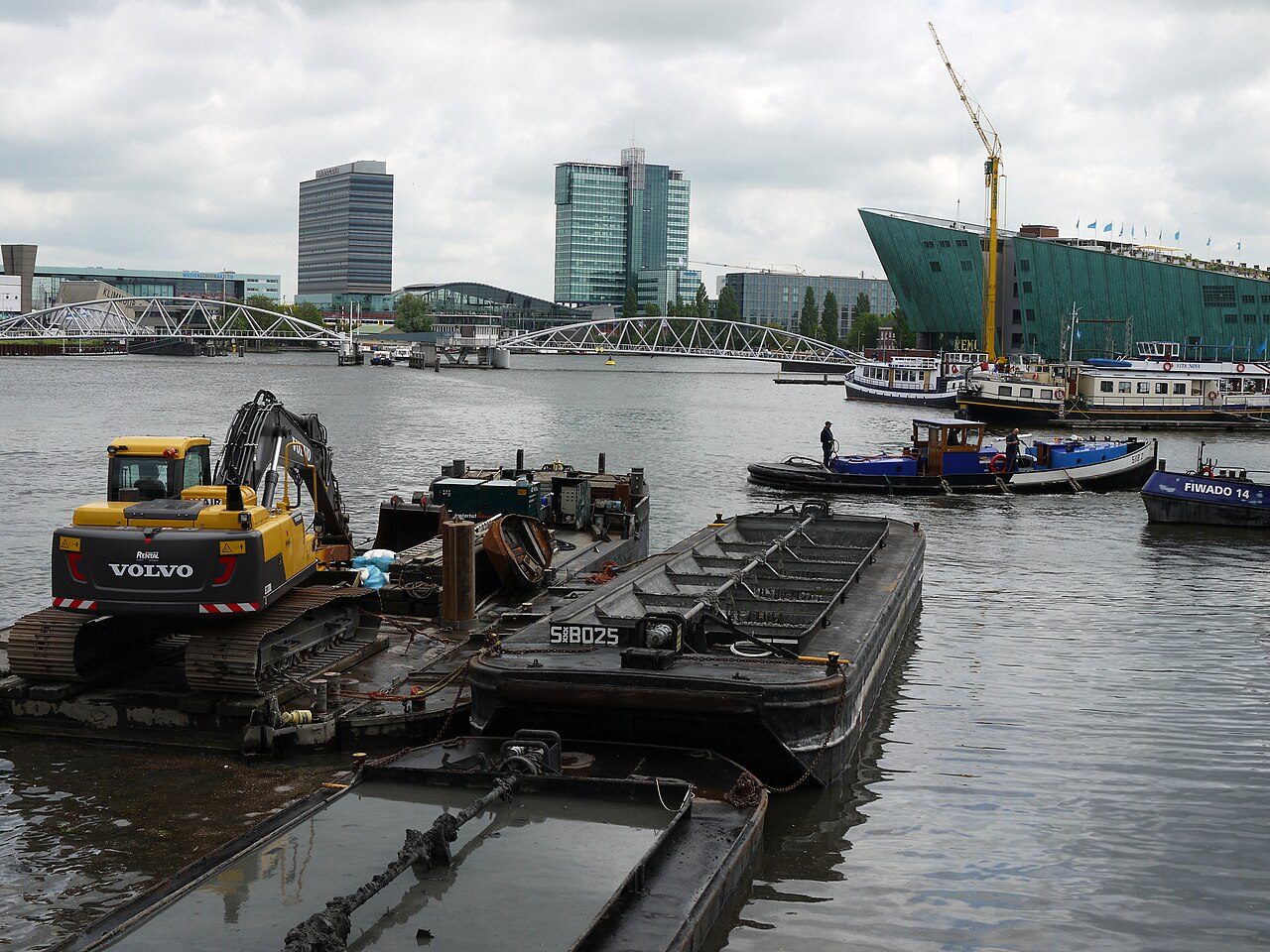
The sloping roof of the NEMO science museum is a free public square with a view over the old harbour.
A square that climbs
NEMO rooftop is a free public square above Amsterdam’s old harbour, built into the slope of a science museum. The shape has a very specific origin. For the building completed in 1997, architect Renzo Piano made the rising roof a mirror image of the IJ tunnel entrance. As traffic dives down, the public square climbs up. Keep that reversal in mind as you approach: the slope is the architectural idea, not just a way to reach the view.
The copper-green building houses NEMO Science Museum, but the rooftop has its own purpose as public space. Come for the harbour outlook, then give the roof itself some attention. Its architecture, water exhibition and planting all reward a slower look.
Water starts the story
In 2016, Princess Laurentien opened the rooftop exhibition Energetica by pouring water into its cascade. That gesture symbolically started the fountains. It was a fitting opening for a science exhibition outdoors: water was not simply something to look at, but something that set the place in motion.
Look for the cascade and follow its route down the slope. The roof makes the pull of gravity easy to understand without a diagram. Water is also part of the wider setting here. This is Amsterdam’s old harbour, the maritime world represented by Het Scheepvaartmuseum in the former naval storehouse. From the rooftop, the harbour is part of the subject, rather than just a backdrop.
A garden arranged by rain
The rooftop garden added in 2025 works with the same slope. John Koomen’s team arranged the plants according to where rainwater would go. Drought-loving species went towards the top. Thirstier plants were placed lower down, where runoff reaches them. The planting plan follows the movement of water across the roof.
As you walk, compare the upper and lower planting rather than treating the garden as one continuous border. You are looking at different growing conditions within the same public square. That is the useful detail to carry away: the slope that gives visitors a view also helps determine which plants belong where. Architecture and gardening are solving the same problem from different angles.
Listen to the plants
In 2026, Bioto introduced a rooftop “plant listener”. It measures light, temperature and moisture, then uses an interactive display to turn those readings into stories about what is happening in the garden at that moment. The name sounds fanciful, but the information comes from measurable conditions around the plants.
Look for that display and compare its account with what you can feel yourself: the light on the roof, the temperature and the conditions around the planting. It gives you another way to read the garden. Beneath the wide harbour view is a much smaller, changing landscape, shaped by rain, warmth and the particular position of each plant on the slope.
Things to know
- Walk towards NEMO’s copper-green building by the old harbour.
- Choose daylight to compare the planting and see the harbour.
- Bring a windproof layer for time on the exposed roof.
- Allow time for the cascade and plant-listener display, not just the view.
What people say
Related spots
More things to do in Amsterdam ›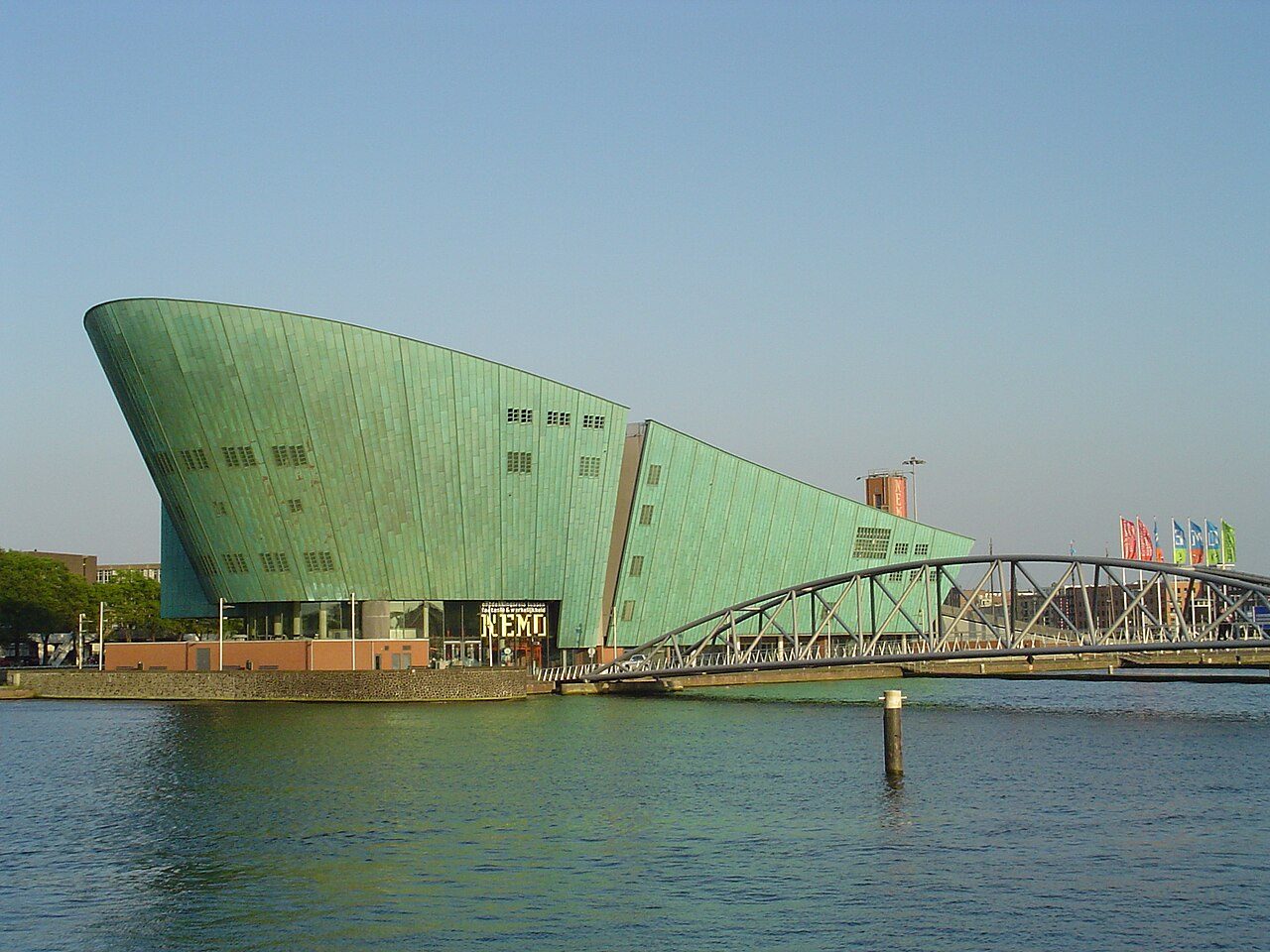
NEMO Science Museum
Try science for yourself inside Renzo Piano’s copper-green building, then look out over Amsterdam from its free rooftop square.
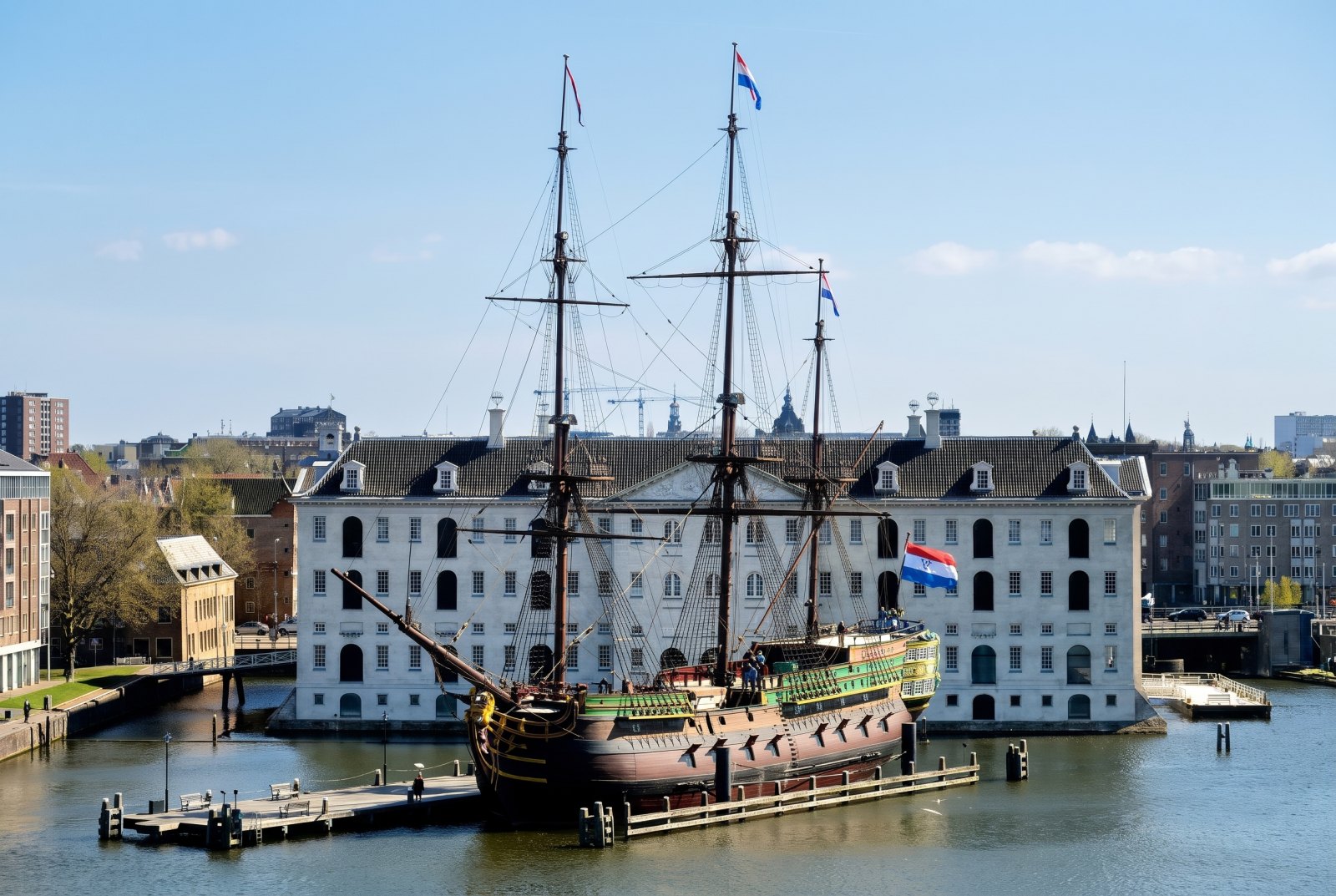
Het Scheepvaartmuseum
The maritime museum in the old naval storehouse, with a full-size replica East Indiaman moored outside.
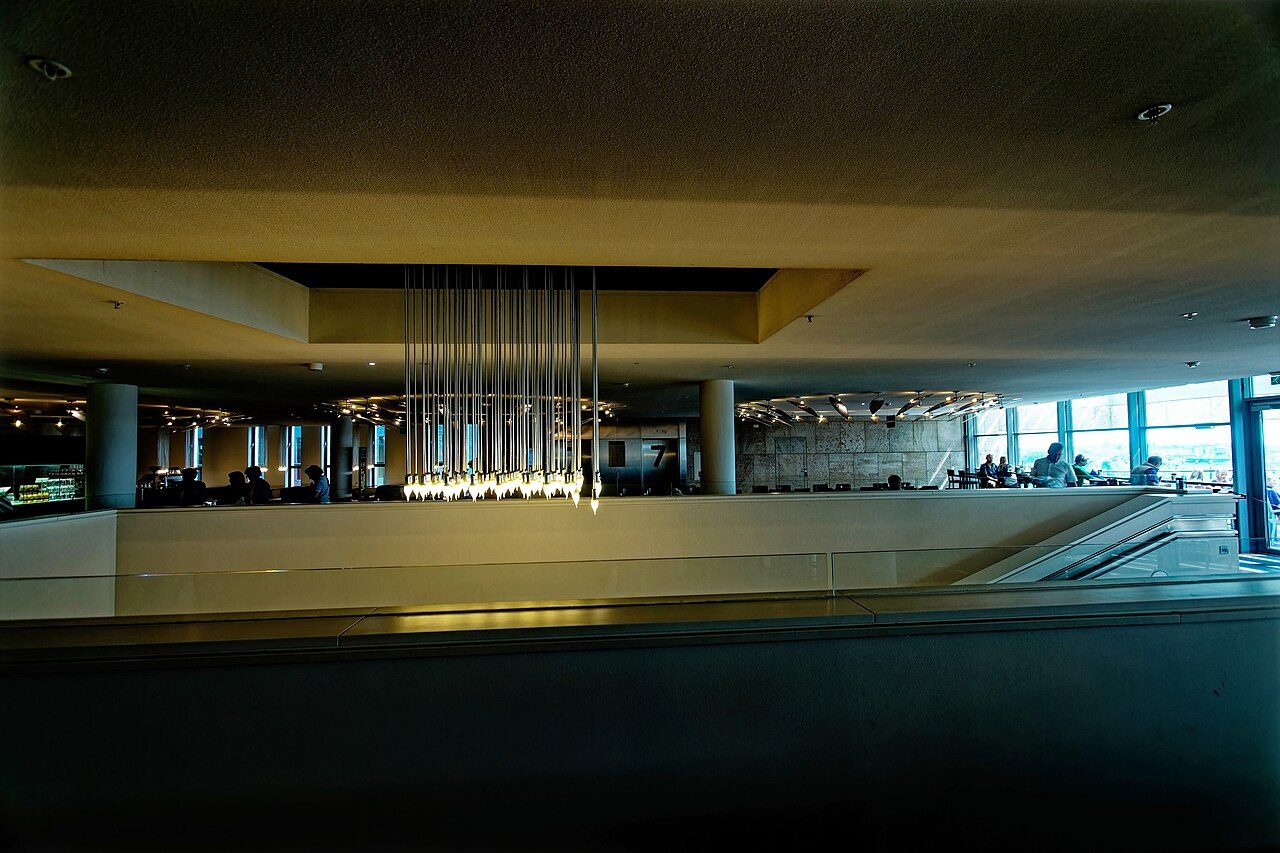
OBA Centrale Bibliotheek (rooftop view)
The central library: free to walk in, with one of the best free views from the top floor.
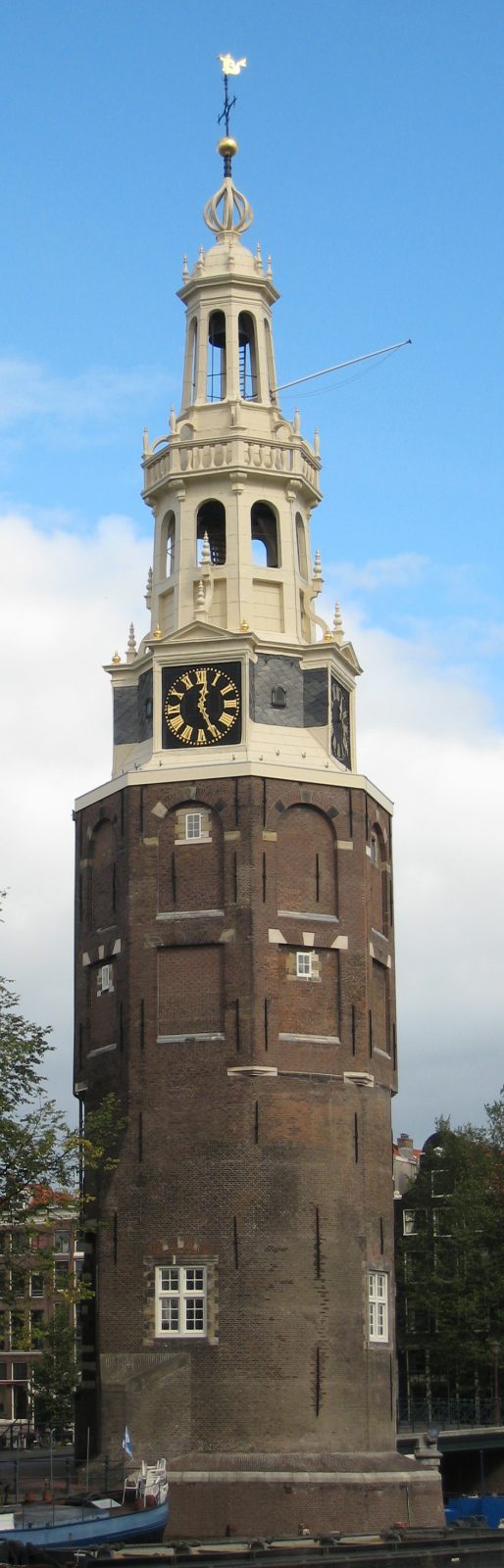
Montelbaanstoren
The leaning tower on the Oudeschans that Rembrandt drew.
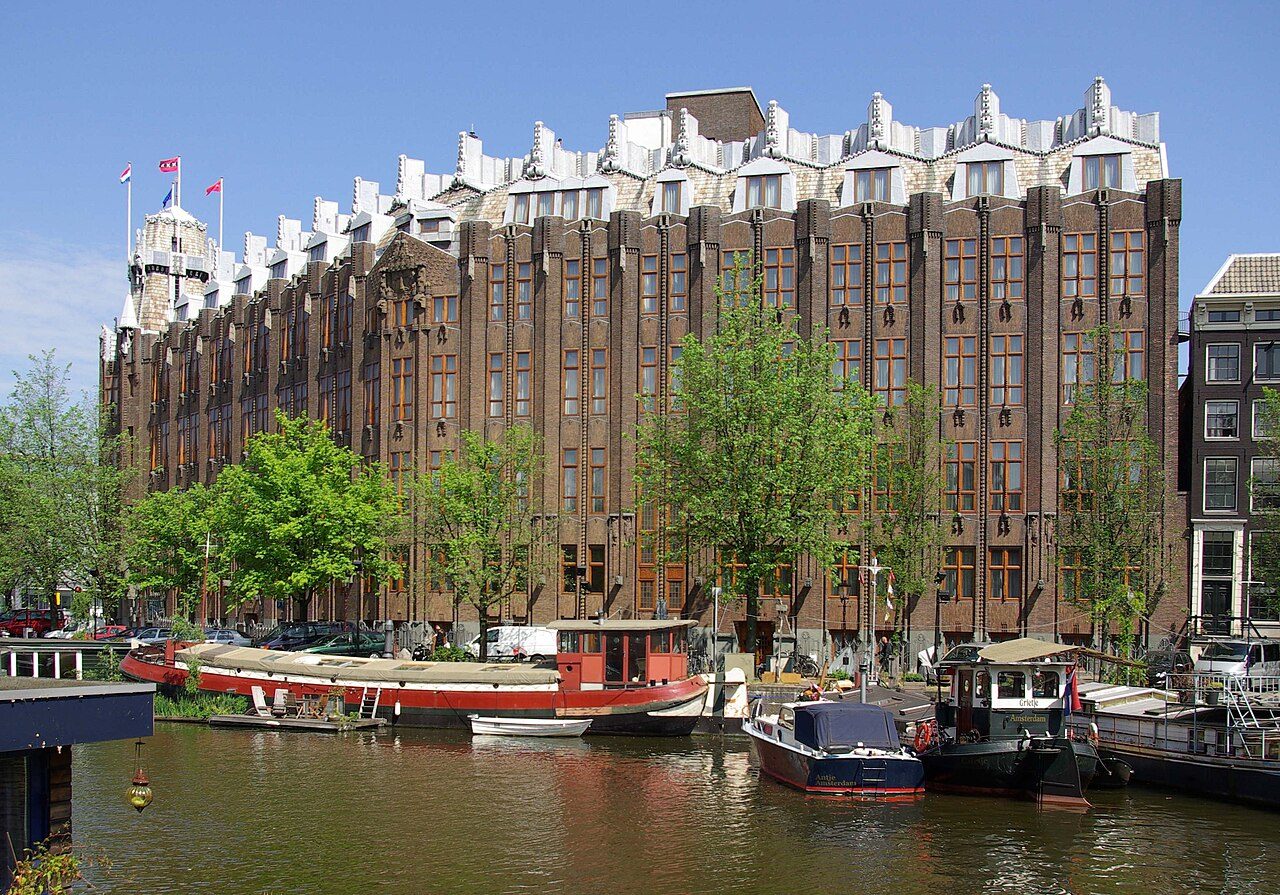
Scheepvaarthuis
The 1916 shipping house, a sea-themed Amsterdam School masterpiece, now a hotel; the lobby can be visited.
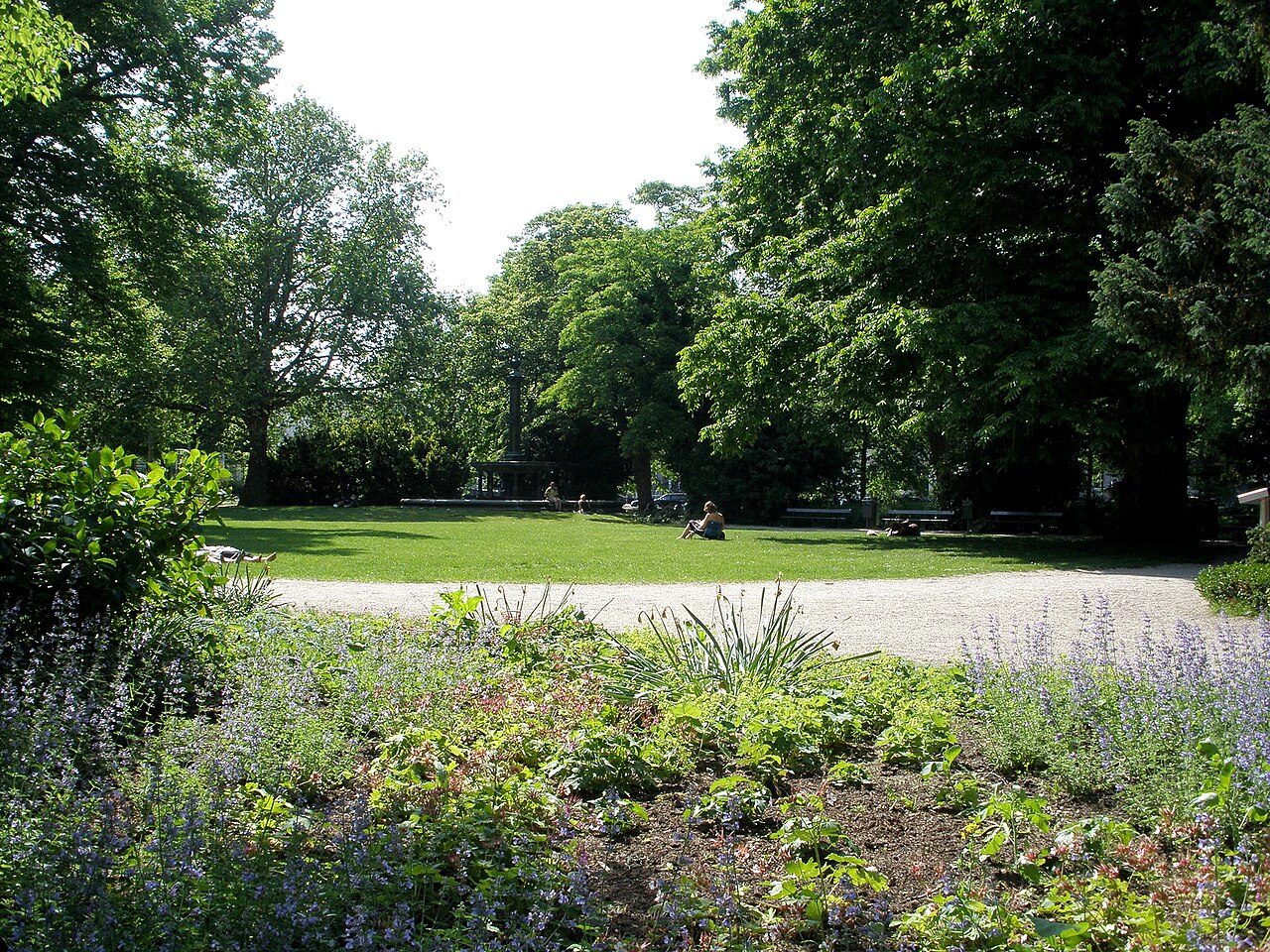
Auschwitz monument (Wertheimpark)
Jan Wolkers' broken mirrors that reflect a sky that will never be whole again.
Tours and quests that pass here
These walks have a stop a few minutes from NEMO rooftop. Free, on your phone, start any time.
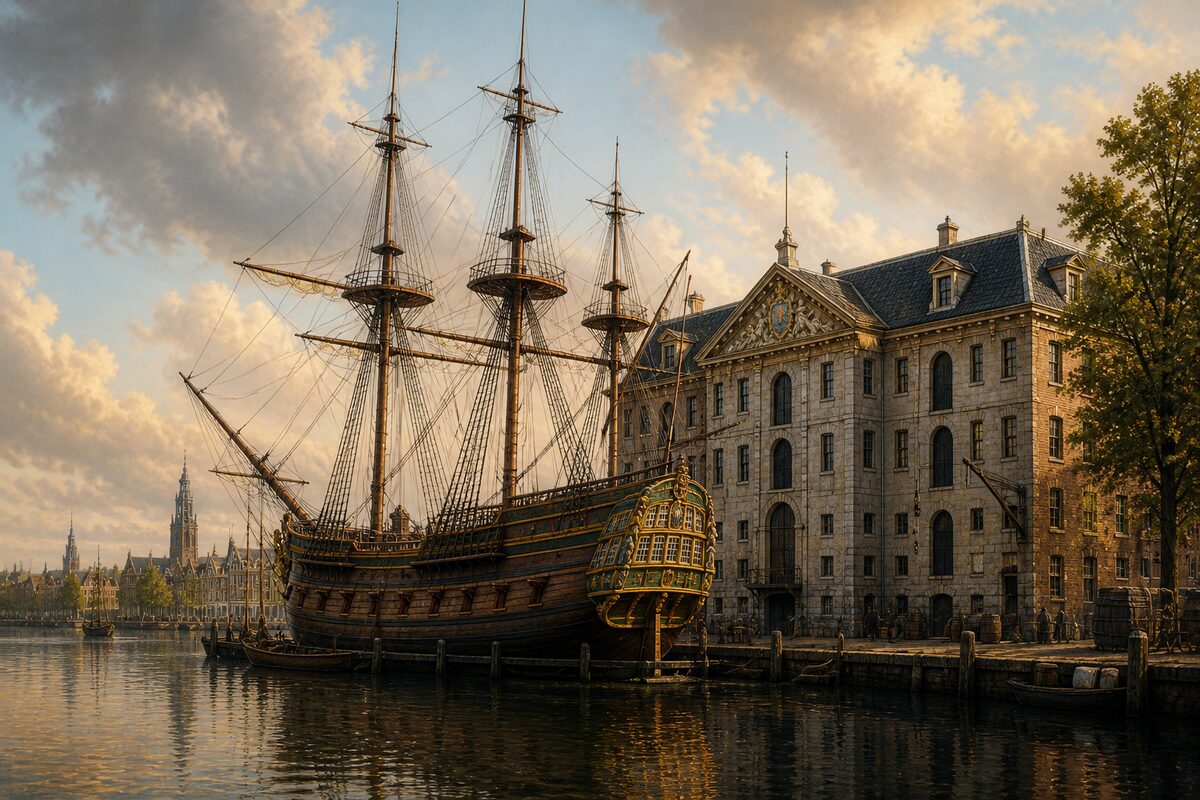 FREE AUDIO TOUR
Maritime Amsterdam
Amsterdam’s maritime quarter sent ships across the world and filled warehouses with everything from timber to whale oil. You can still stand on the quay where sailors left for Asia, beside buildings that helped run overseas trade and enslavement.
 FREE AUDIO TOUR
Van Gogh's Amsterdam
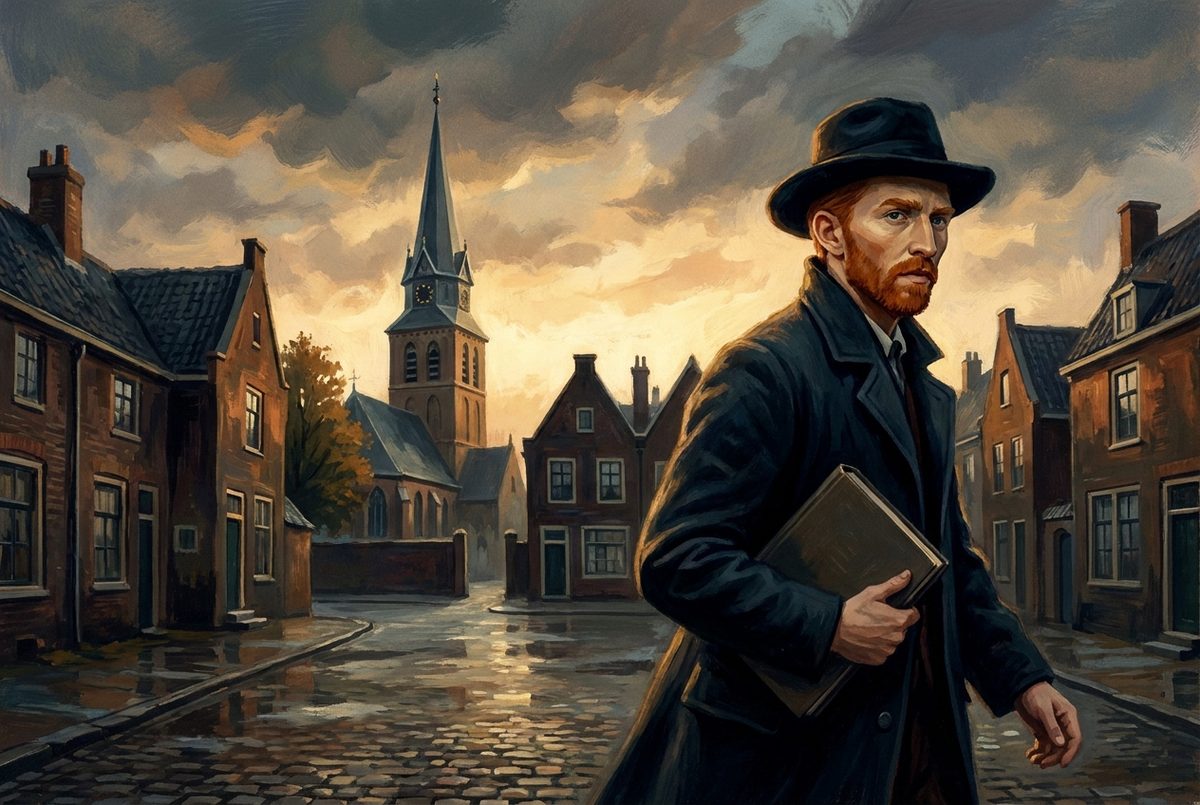
The man who painted Sunflowers lived in Amsterdam for just over a year, before he became an artist. You can still stand at the naval yard he called home and follow his Sunday walks across the city.
 CITYQUEST
Rembrandt's Missing Panel
Your Rembrandt puzzle is missing a panel, and the hunt for its missing letters takes you into Amsterdam. You’ll piece it together among the real buildings and river views connected to his pictures.