
LANDMARK
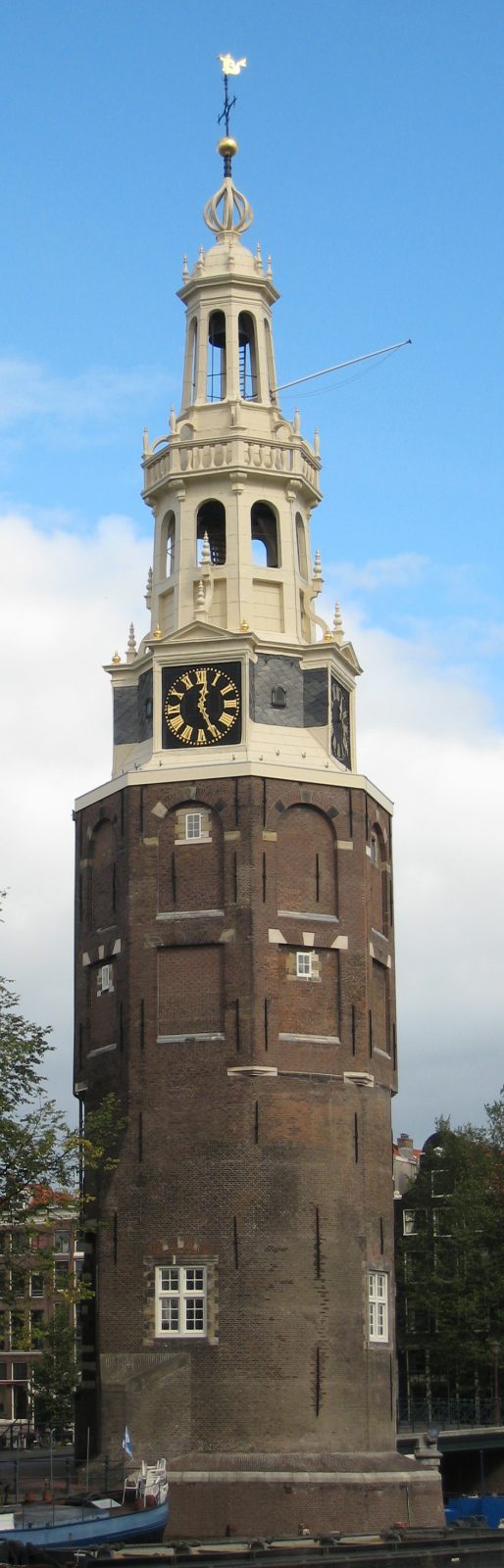
Montelbaanstoren
The leaning tower on the Oudeschans that Rembrandt drew.
A tower pulled upright
Look up at the Montelbaanstoren from the Oudeschans and imagine a cable pulling on its spire. In 1610, four years after Hendrick de Keyser added that upper section, the tower began to lean. It was propped up with poles and ropes, then hauled upright using a cable attached to the spire. This was not a small adjustment to a roof. The tower itself needed rescuing.
Today, the pleasure is in seeing the whole structure against the water: the solid brick tower below and the much lighter-looking spire above. Give yourself enough distance to take in both. This is an outdoor stop, best appreciated from the quays rather than by looking for a way inside.
The bells of Mad Jack
In the seventeenth century, the tower acquired the nickname Malle Jaap, or “Mad Jack”. According to the Amsterdam City Archives, its bells rang at strange hours and then sometimes fell silent for days. Imagine living nearby and trying to make sense of the time from that performance.
The nickname gives the tower a character that its formal name does not. Look up towards the bells with that unreliable timekeeper in mind. There is no need to expect a demonstration today: the story describes their seventeenth-century behaviour, not a present-day ringing schedule.
Trouble beside the water
The Oudeschans beside the tower was also the scene of religious violence. On 13 April 1626, a crowd broke up a Remonstrant religious meeting here. Windows were smashed and furniture was thrown out. Major Nicolaes Hasselaer arrived with soldiers. When the crowd threatened them with stones, he ordered his men to fire.
It is a sharp contrast with the view in front of you. This stretch of water was not simply a picturesque setting for towers and boats. It was also a place where religious conflict spilled into the street. Elsewhere in the neighbourhood, Our Lord in the Attic offers a different setting for Amsterdam’s religious history: a church fitted into the attics of a canal house.
Two artists, two altered views
Around 1646, Rembrandt drew the Montelbaanstoren but left out its spire, even though it had stood there since 1606. He had added extra paper to other sides of the drawing, but not to the top. Keep that omission in mind as you look up. His drawing is not a straightforward record of everything before him. The nearby Rembrandt House Museum gives that familiar name a domestic and working setting.
Around 1680, Abraham Storck painted troops embarking beside the tower. His viewpoint was near ’s-Gravenhekje, across the water. He widened the Oudeschans in the painting, making the viewer seem to stand on the water itself.
For your own view, look across from that side and compare the width of the canal with the height of the tower. Rembrandt removed something; Storck stretched something. Standing here, you can put the spire and the water back into proportion.
Things to know
- About five minutes on foot from Rembrandt House Museum.
- View the exterior from the Oudeschans quays.
- Go in daylight to compare the brick tower and spire.
- Look across from near ’s-Gravenhekje for Storck’s viewpoint.
- Bring a camera with room in the frame for the spire.
What people say
Related spots
More things to do in Amsterdam ›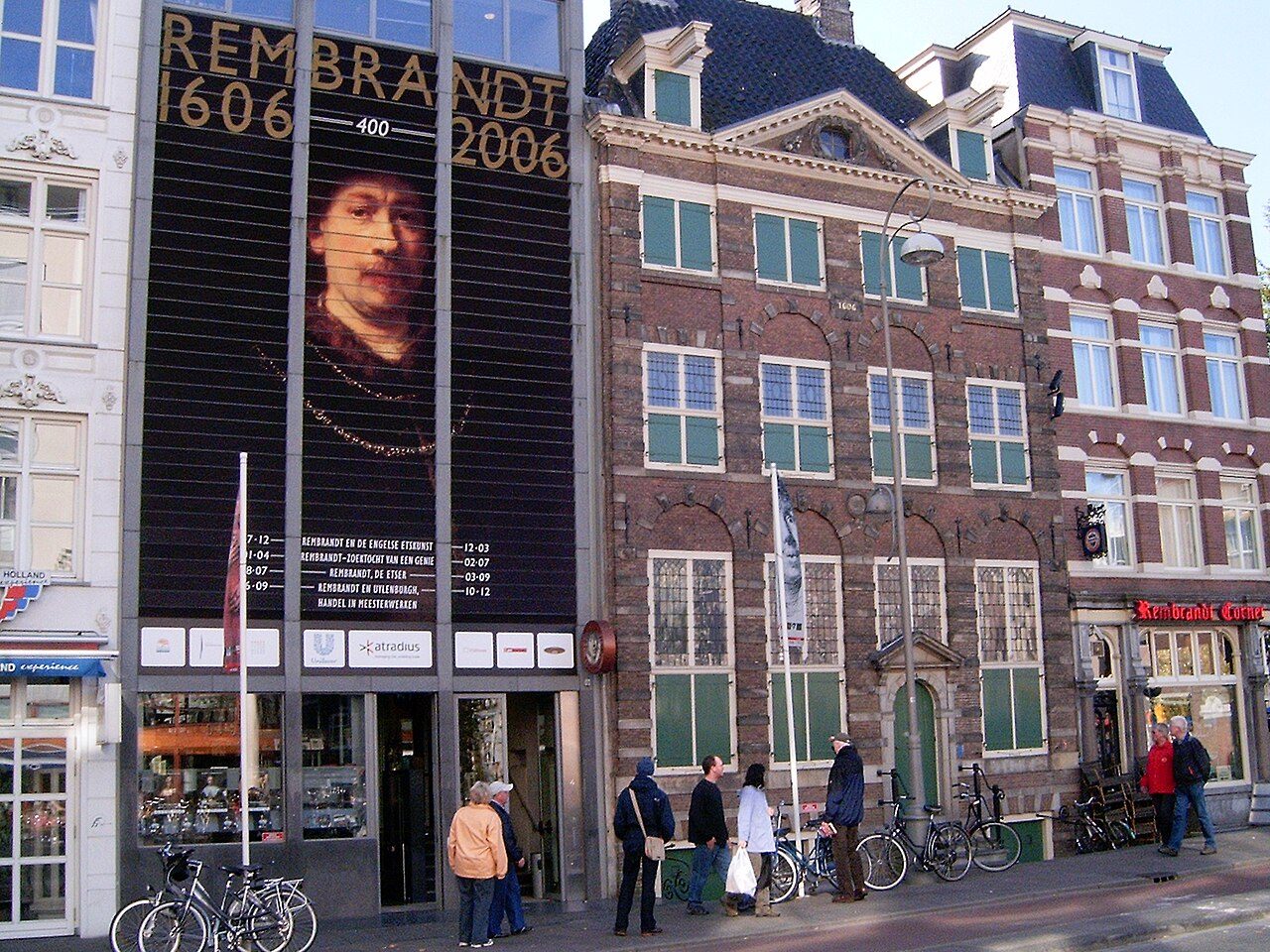
Rembrandt House Museum
Step into the house where Rembrandt lived and worked, with a studio shaped by the inventory left after his bankruptcy.
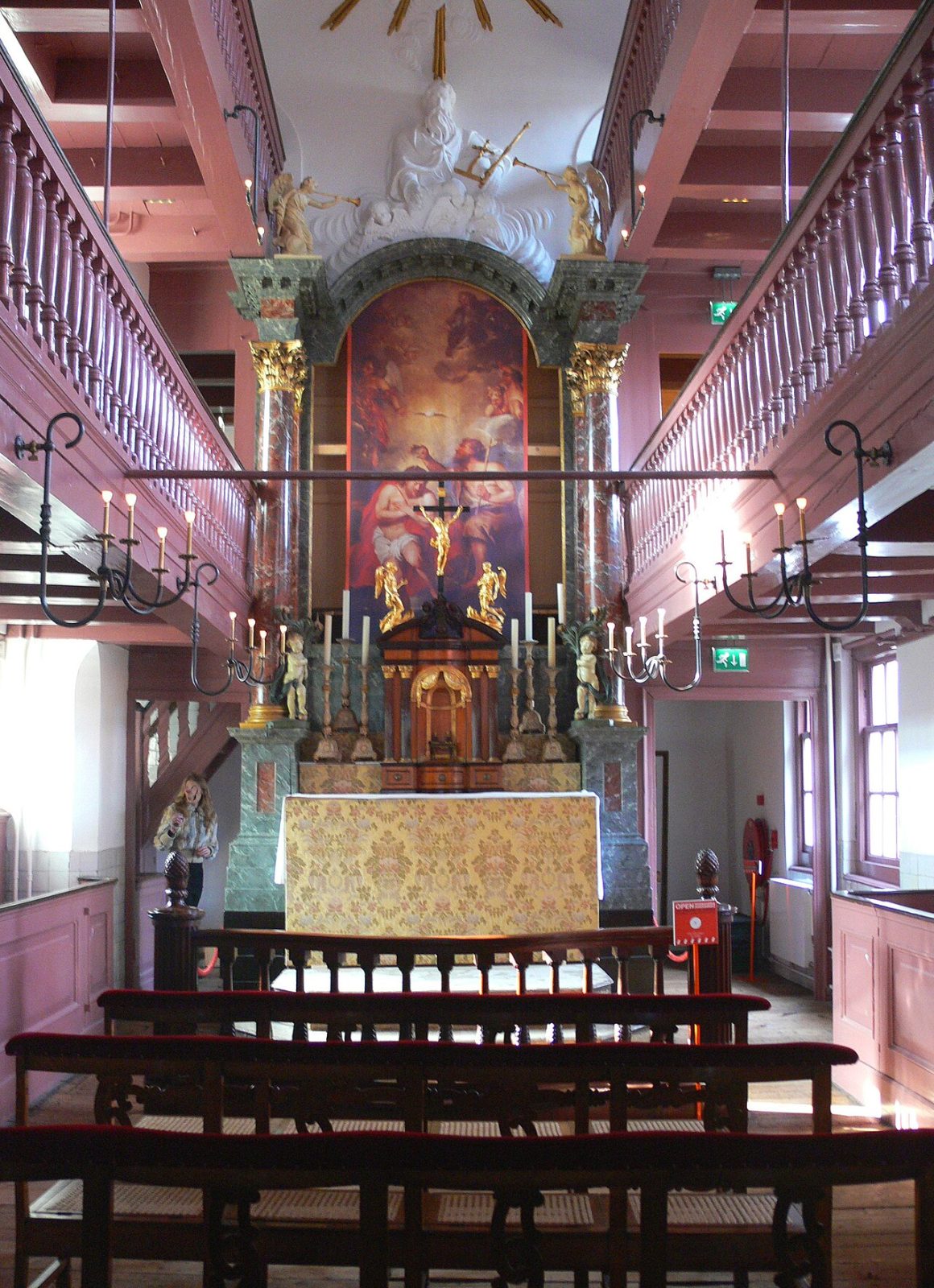
Our Lord in the Attic
Climb through a 17th-century canal house into a complete church hidden across three attics, then see the clever details that made it work.
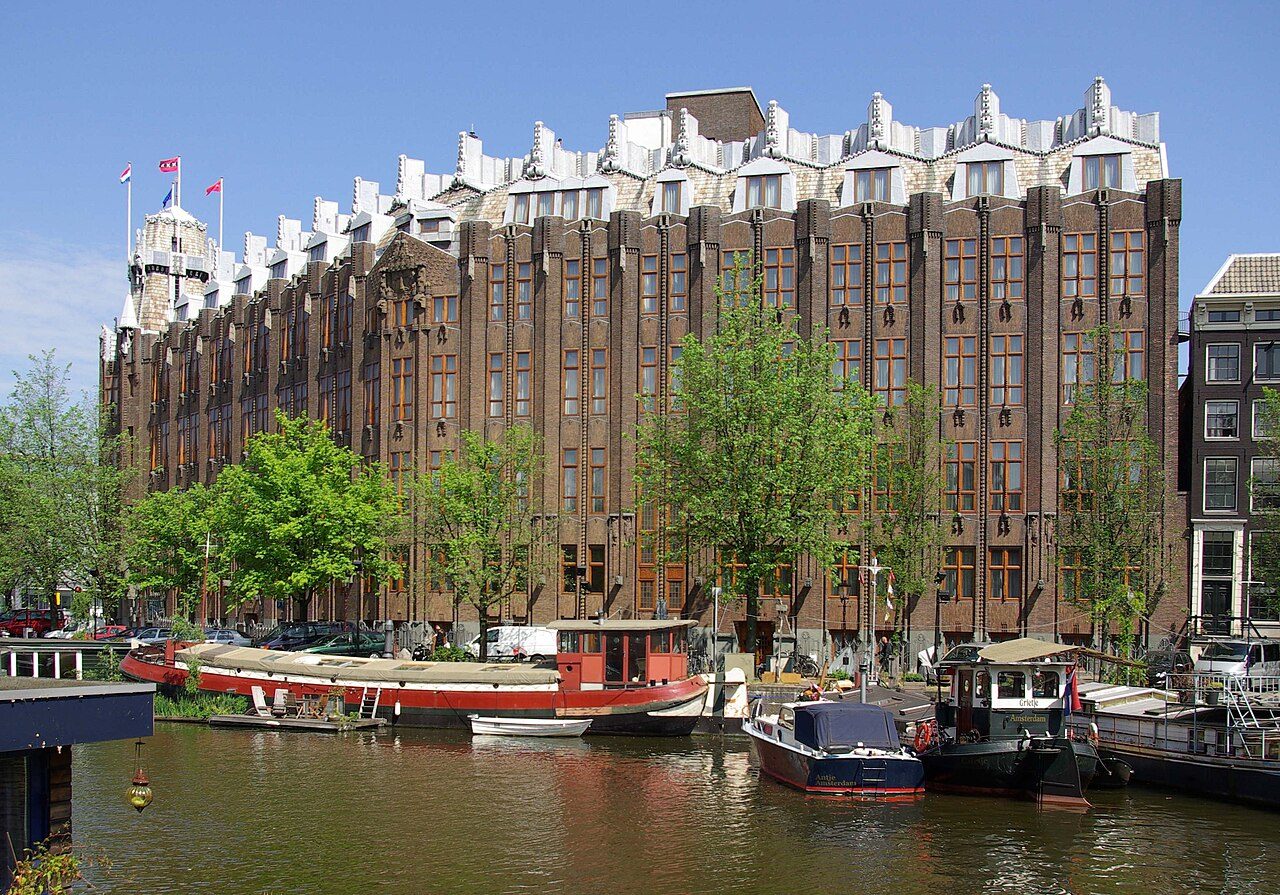
Scheepvaarthuis
The 1916 shipping house, a sea-themed Amsterdam School masterpiece, now a hotel; the lobby can be visited.
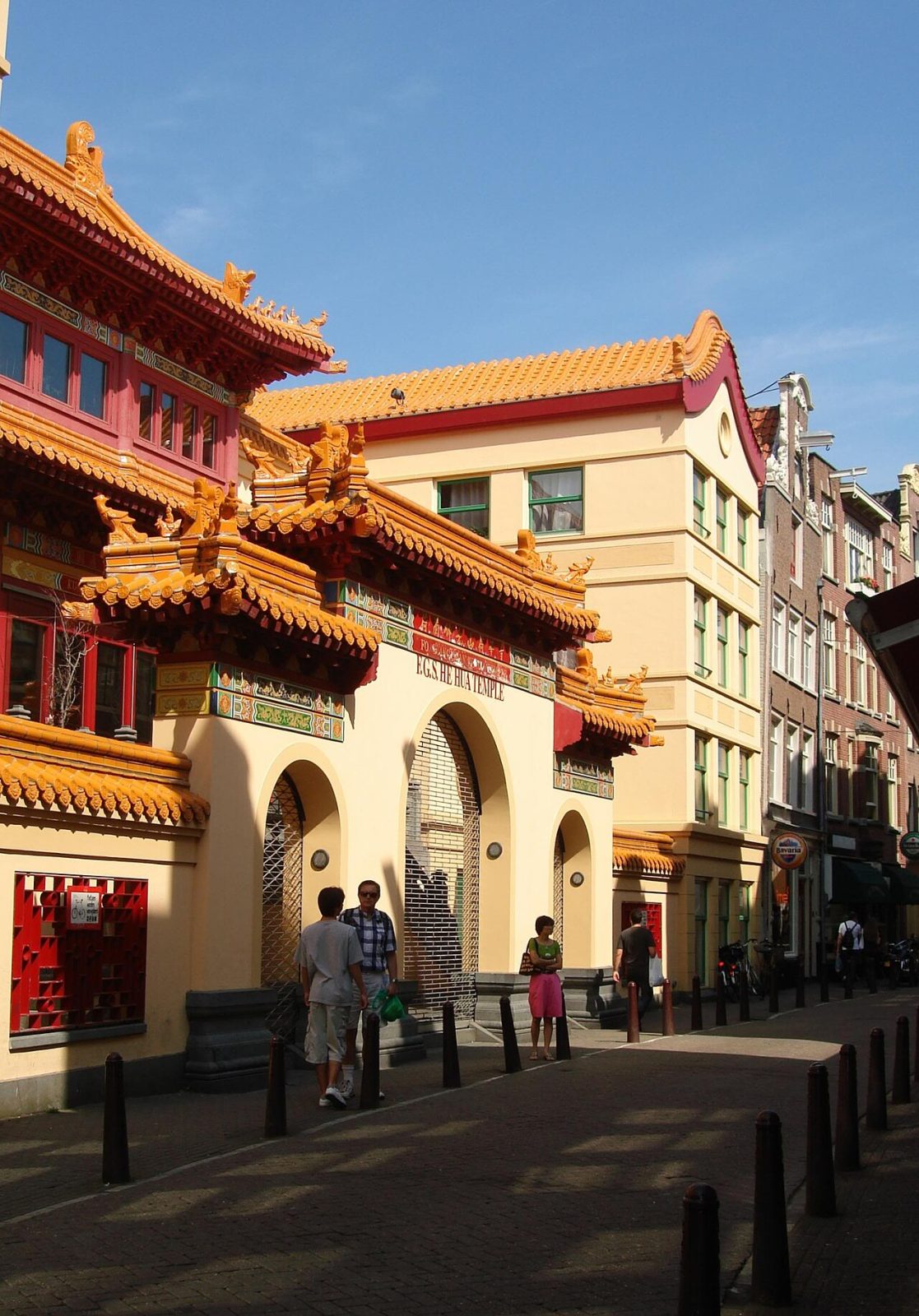
Chinatown (Zeedijk)
Follow the Zeedijk from old sailors' lodgings to Chinese shops and the He Hua Buddhist temple near Nieuwmarkt.
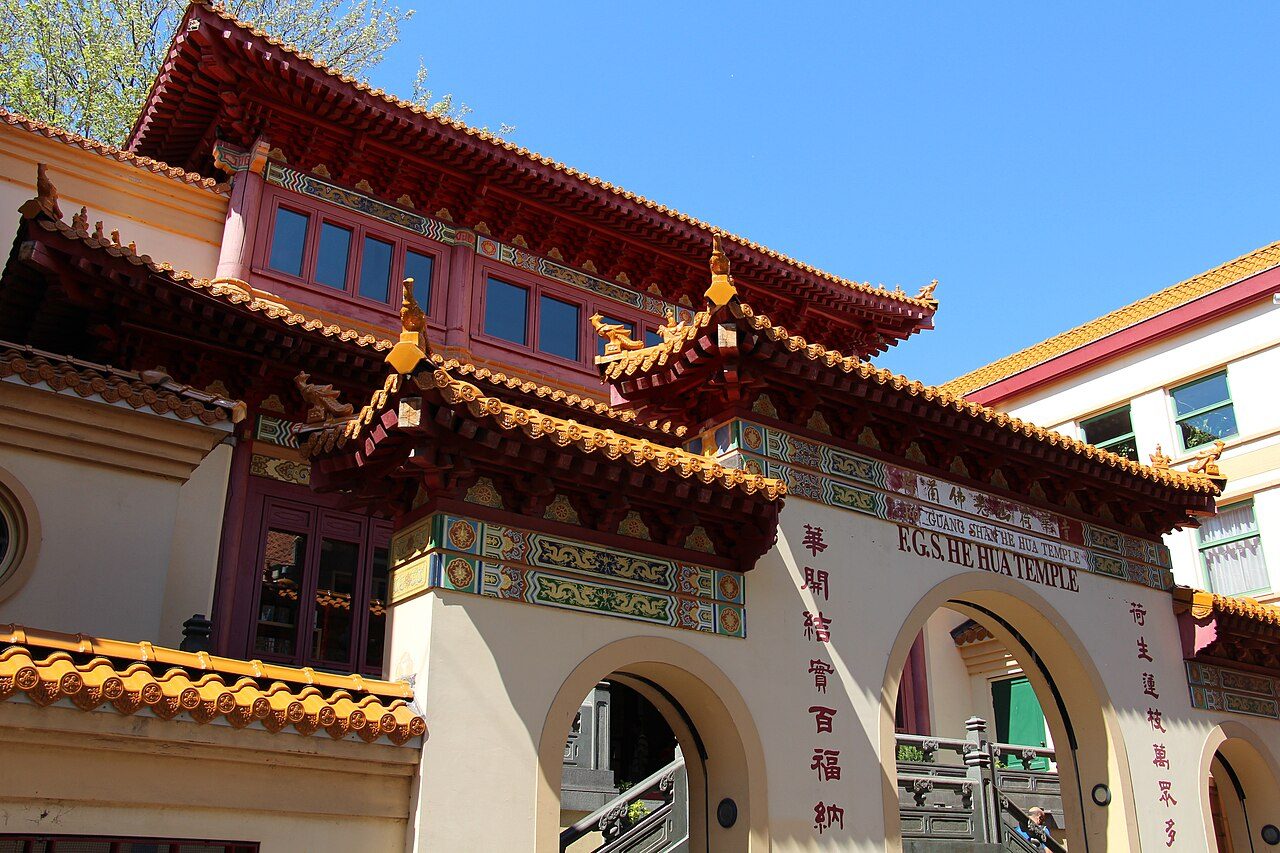
Fo Guang Shan He Hua Temple
Europe's largest palace-style Buddhist temple, squeezed between canal houses; free to enter.
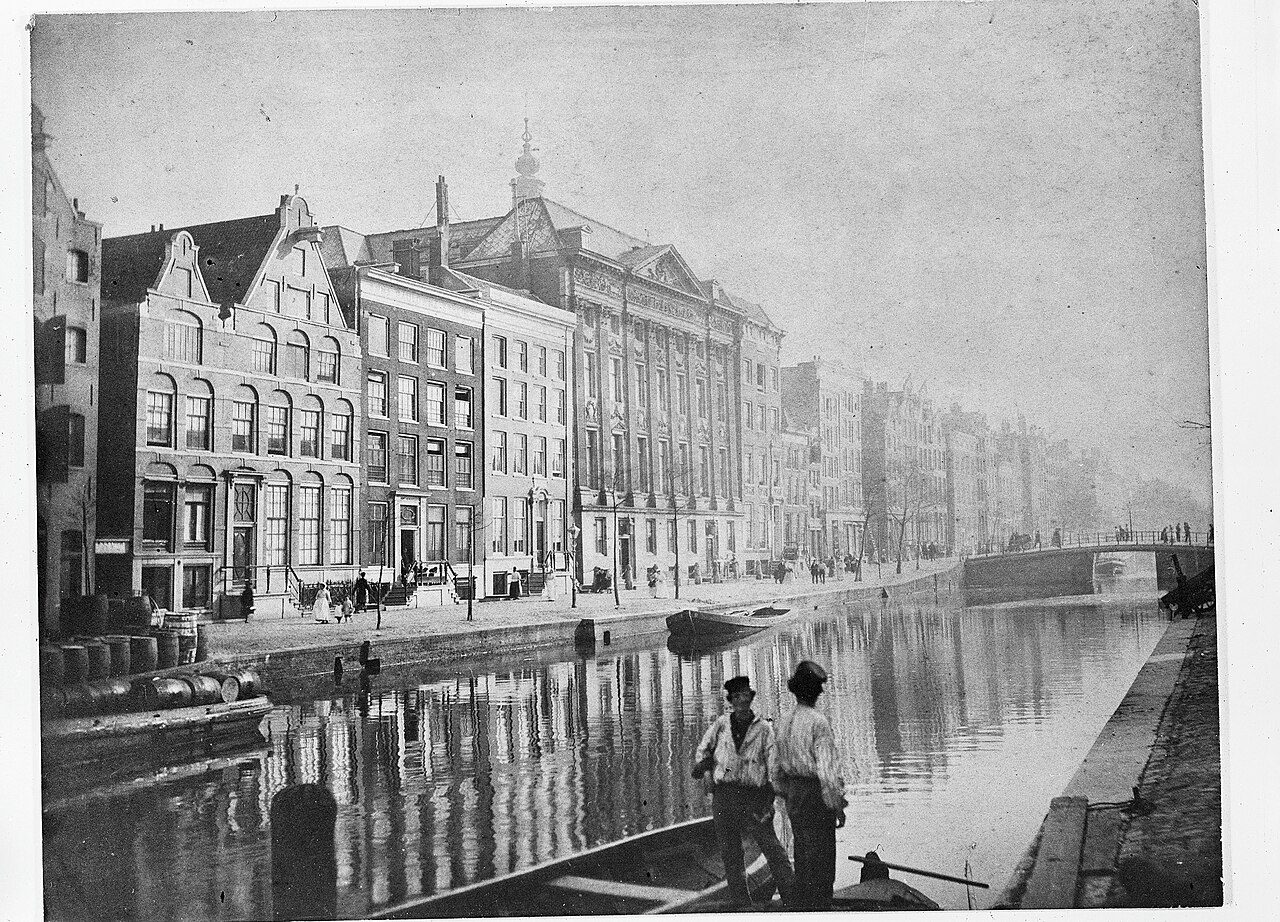
Trippenhuis
The widest canal house of the Golden Age, built for two brothers who traded in guns and cannon.
Tours and quests that pass here
These walks have a stop a few minutes from Montelbaanstoren. Free, on your phone, start any time.
 FREE AUDIO TOUR
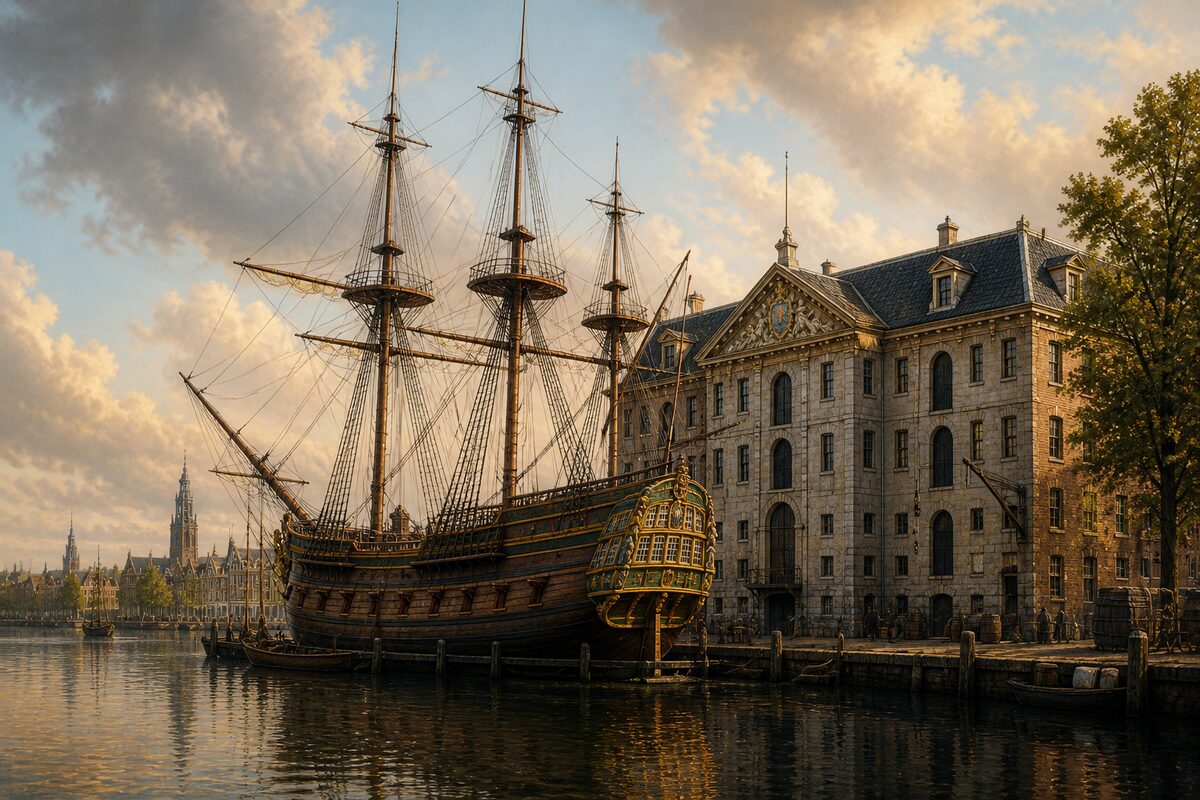
Maritime Amsterdam
Amsterdam’s maritime quarter sent ships across the world and filled warehouses with everything from timber to whale oil. You can still stand on the quay where sailors left for Asia, beside buildings that helped run overseas trade and enslavement.
 CITYQUEST
Rembrandt's Missing Panel
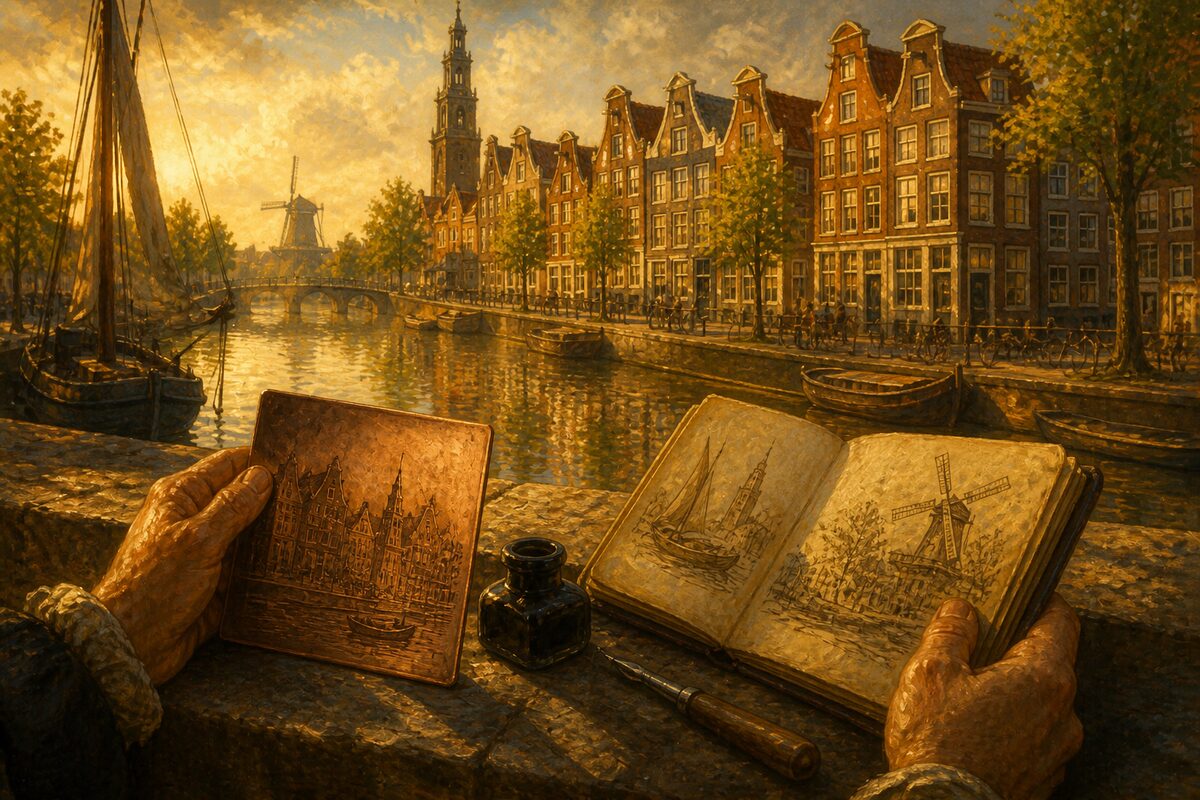
Your Rembrandt puzzle is missing a panel, and the hunt for its missing letters takes you into Amsterdam. You’ll piece it together among the real buildings and river views connected to his pictures.
 FREE AUDIO TOUR
Amsterdam Ghost Tour
Amsterdam’s ghost stories belong to real streets, where crowds waited for spirits and families went out to look at hanging bodies. You can stand in those places today, with canal water beside you and old church towers overhead.