LANDMARK
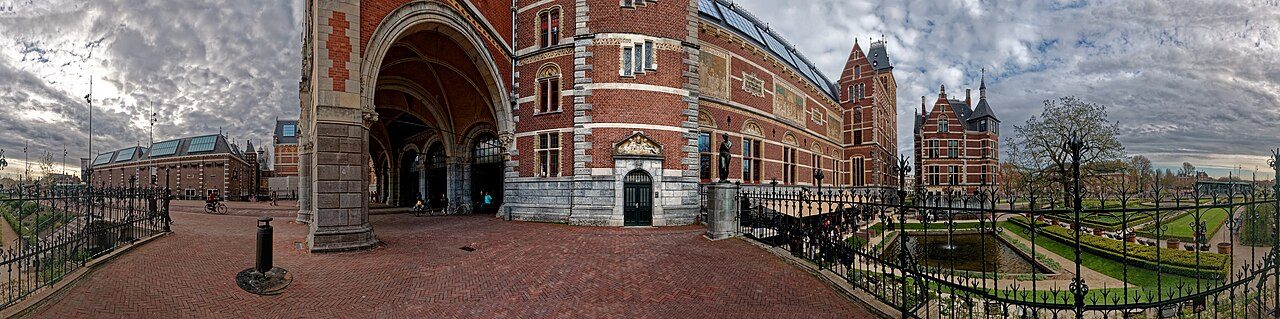
Rijksmuseum gardens & passage
The museum gardens and the cycle tunnel under the Rijksmuseum, where street musicians play: both free.
A passage built for more than bicycles
At the south end of the Rijksmuseum passage, look up for a slot with an unusual purpose: getting Rembrandt’s *The Night Watch* out of the building. The painting was taken to safety through it in 1939. In 2013, it was hoisted back through the same opening. It is an easy detail to miss when you are watching the bicycles below.
The passage runs beneath the Rijksmuseum, with the gardens outside offering a slower-paced way to look at art. Both are free to visit. Come for the sculptures and the transplanted city gate, but leave a little time to stand aside and listen. Street musicians are part of the attraction, rather than just background to a museum visit.
A cycle route worth fighting for
The bicycles have their own story. In 2013, while the passage was still closed to cycling, about ten Amsterdam cyclists staged what they called a ‘liberation’ ride through it. RED Amsterdam organised the flashmob. Fences were knocked over, and police arrived to calm a scuffle. That small confrontation gives you some idea of how strongly people felt about using this route beneath the museum.
Keep clear of the cycle route when you stop. The temptation is to pause in the middle, especially when somebody is playing. In 2024, AT5 found guitarist Shandon Sahm performing songs by Harry Styles and Pharrell Williams just outside the tunnel. His father was the Texas country-blues musician Doug Sahm, whose admirers included Bob Dylan and Jerry Garcia. You cannot count on finding Shandon here, but his story gives the street-music scene a very particular family connection.
A city gate far from home
In the garden, seek out the Bergpoort. This was once an outer gate of Deventer, not a piece made to decorate the museum grounds. It was dismantled in 1879 and moved here. Look closely at its reliefs: they came from the workshop of Hendrik de Keyser.
Knowing that changes the way you look at it. You are standing before a surviving piece of another city’s boundary, now separated from the streets it once served. Give the carved details a moment rather than treating the gate simply as a backdrop for a photograph.
Sculptures recovered after disappearing
Modern sculpture also belongs to this garden, not only to nearby galleries such as the Stedelijk Museum. Look for Carel Visser’s angular *Signal 1* and *Signal 2*, both made in 1964. They once guarded a postal-service headquarters in The Hague.
When that building was demolished in 2000, the sculptures disappeared from public view. Museum curators eventually traced them to the company that had removed them. In 2024, they returned to public display here. Take a few steps around each one to follow its changing outline. Like the Bergpoort, these are objects with a previous address, given a new place in the garden.
Things to know
- Approach from Museumplein and look for the passage beneath the Rijksmuseum.
- Allow about half an hour for the passage and garden sculptures.
- Visit in daylight to examine the gate’s reliefs and sculpture shapes.
- Stay clear of bicycles when stopping to listen or take photographs.
- At the south end, look up for The Night Watch’s emergency exit slot.
- Opening hours and prices can change. Check the official website before you go. Official website
What people say
Related spots
More things to do in Amsterdam ›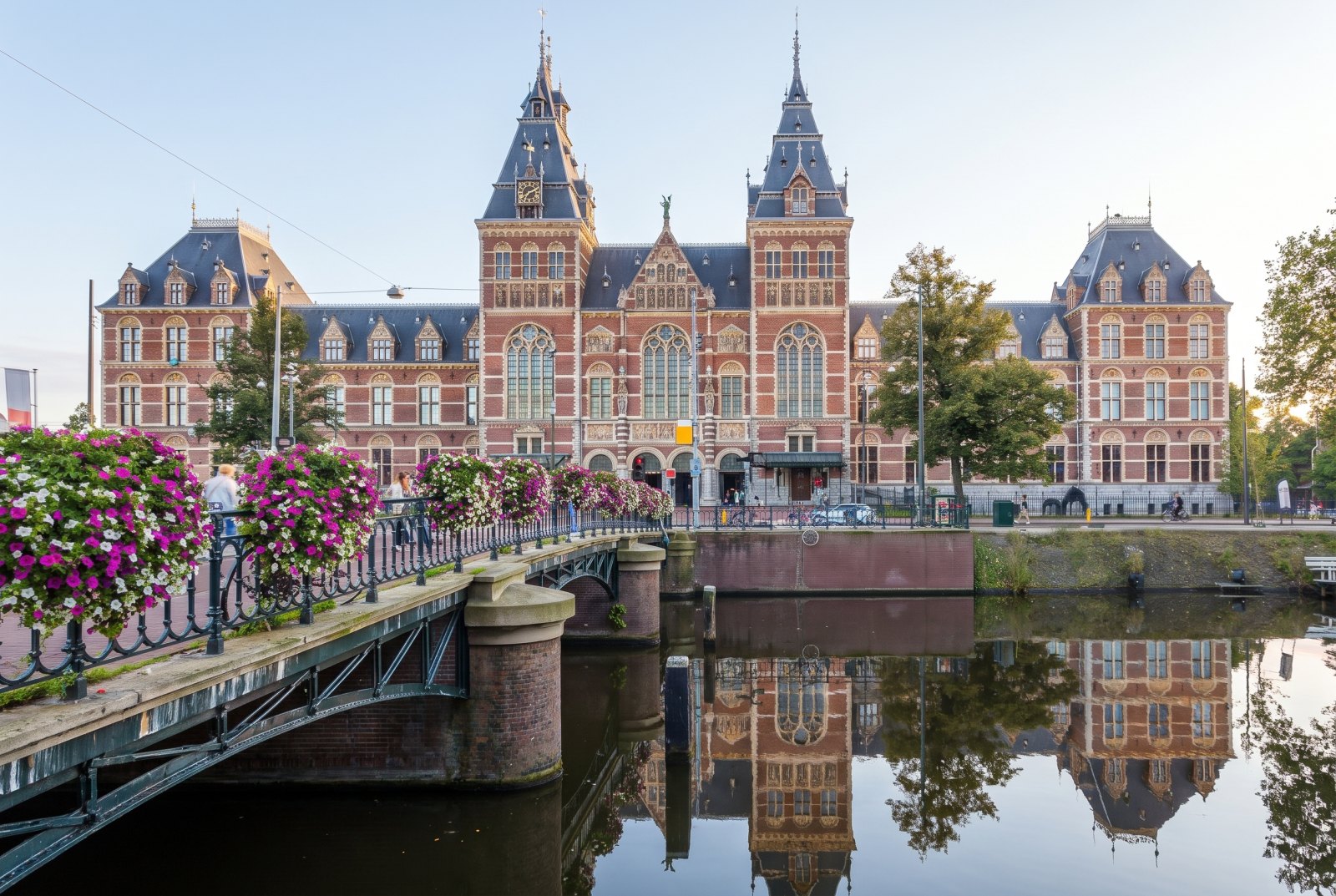
Rijksmuseum
See Rembrandt's The Night Watch and Vermeer's The Milkmaid, then follow 800 years of Dutch art through the Rijksmuseum's galleries.
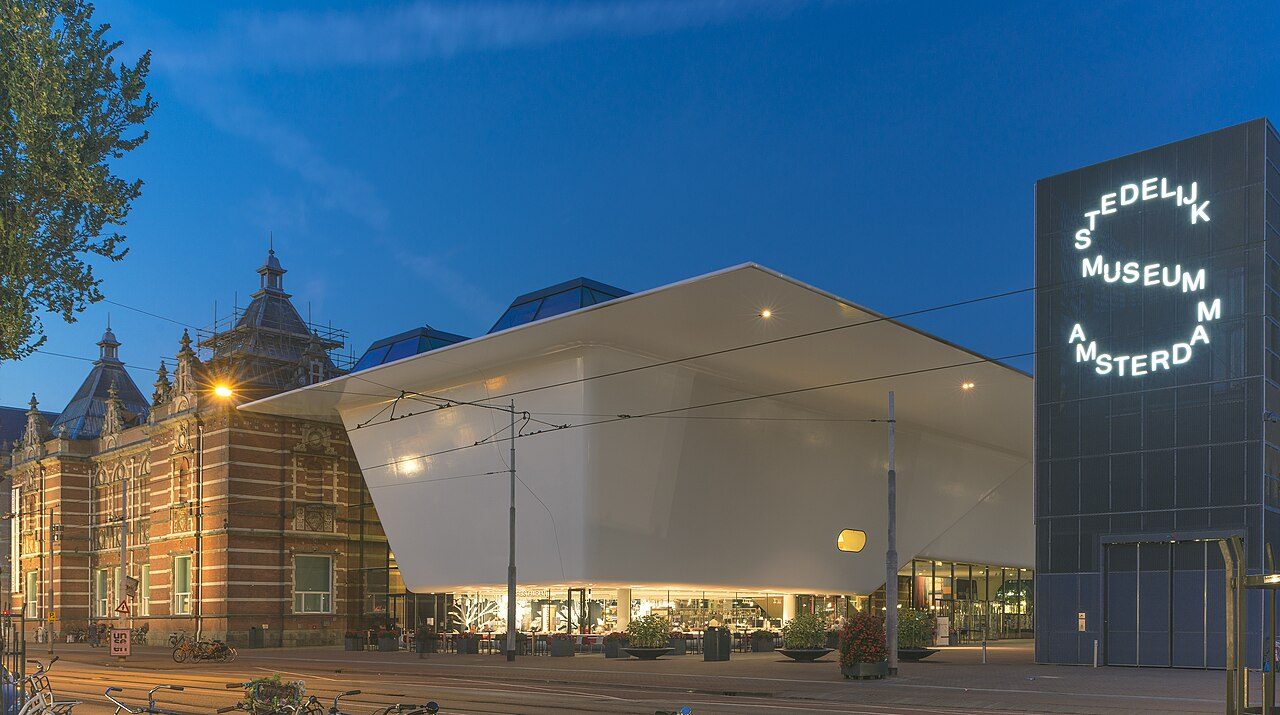
Stedelijk Museum
Modern and contemporary art and design fill a red-brick museum and its white extension on Museumplein.
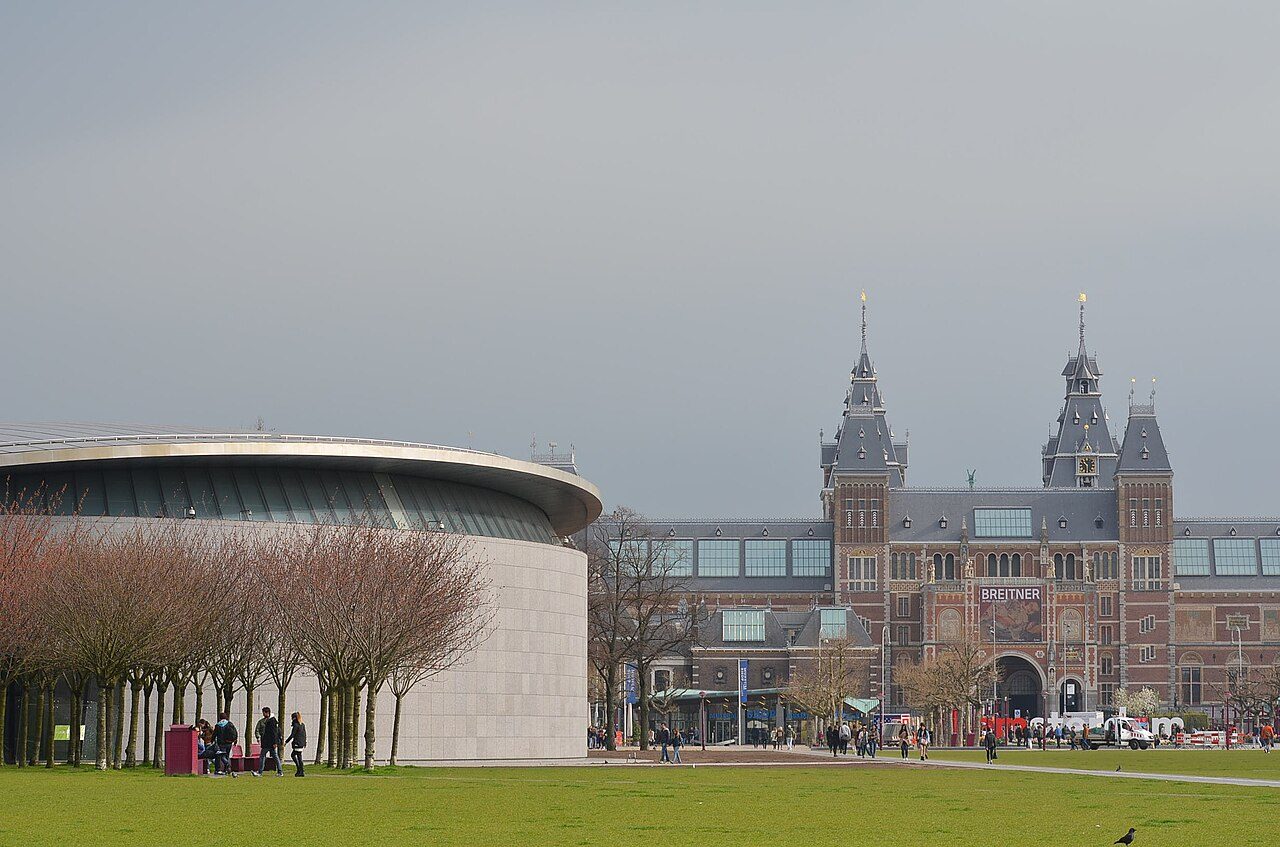
Museumplein
The big lawn between the Rijksmuseum, Van Gogh Museum and Concertgebouw.
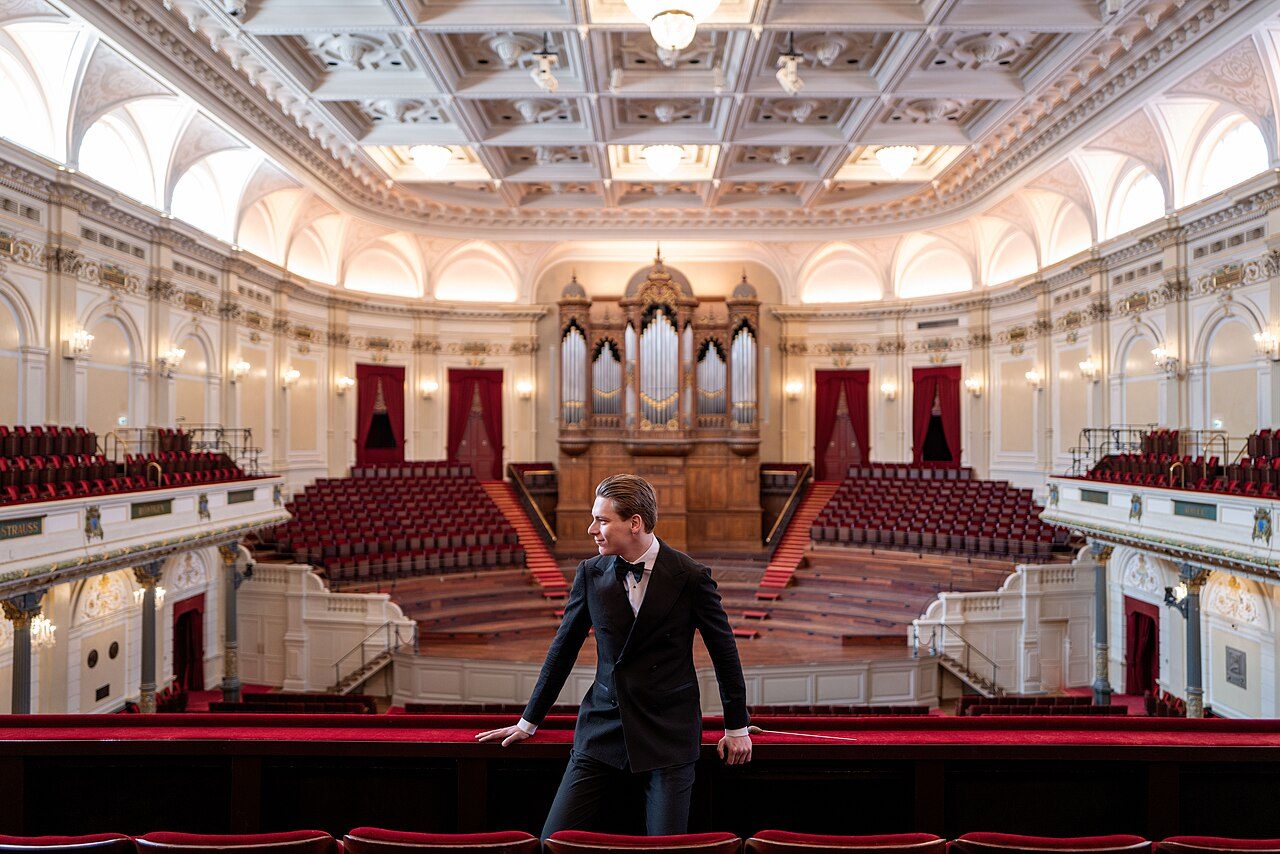
Concertgebouw free lunchtime concerts
Free 30-minute lunchtime concerts on Wednesdays from September to June, in one of the world's best halls.
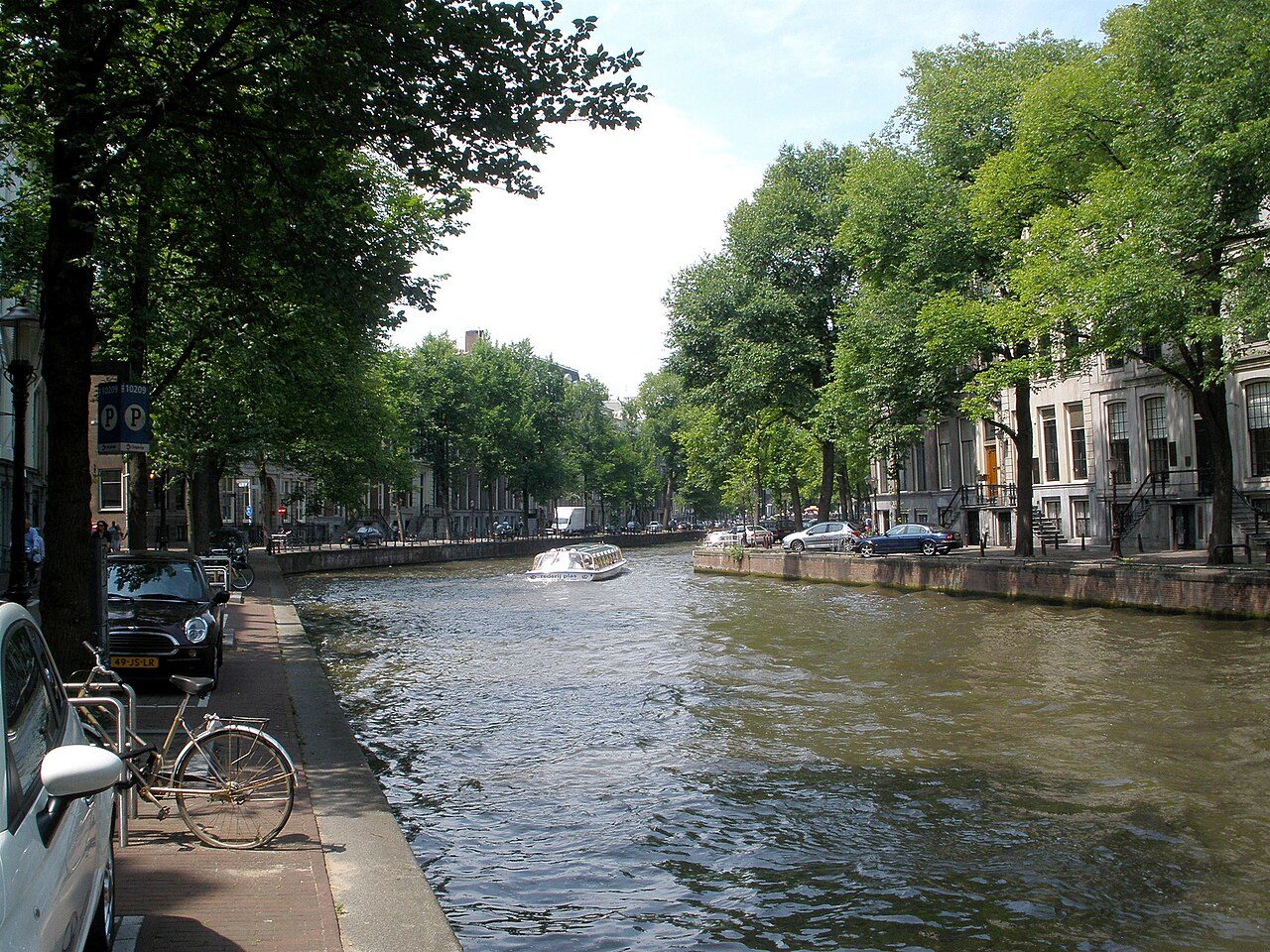
Gouden Bocht (Golden Bend)
The widest, grandest stretch of the Herengracht, where the richest merchants built double-wide mansions.
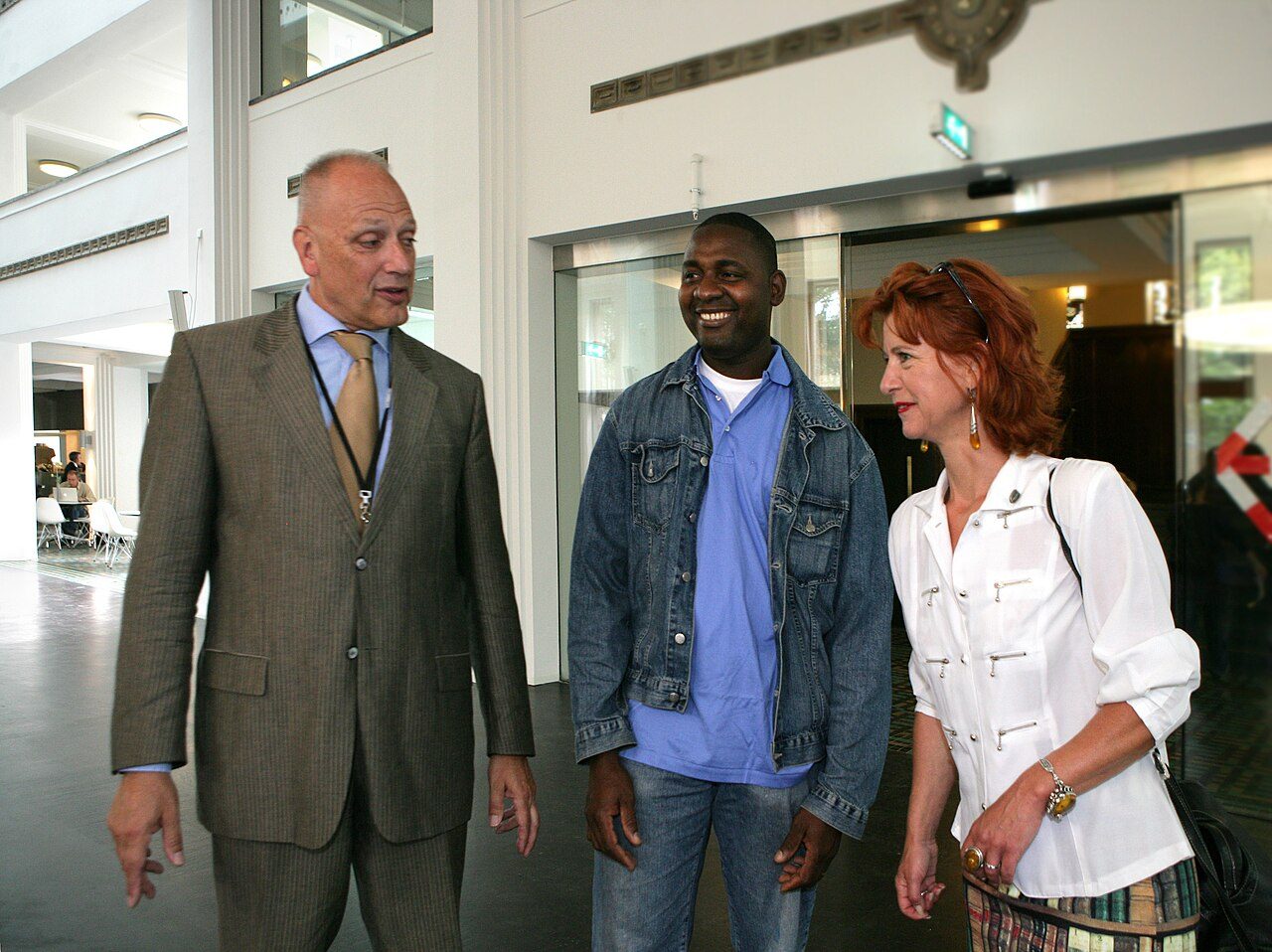
Stadsarchief (De Bazel)
The city archive in a striking 1920s bank building, with a free treasure-room exhibition.
Tours and quests that pass here
These walks have a stop a few minutes from Rijksmuseum gardens & passage. Free, on your phone, start any time.