LANDMARK
Museumplein
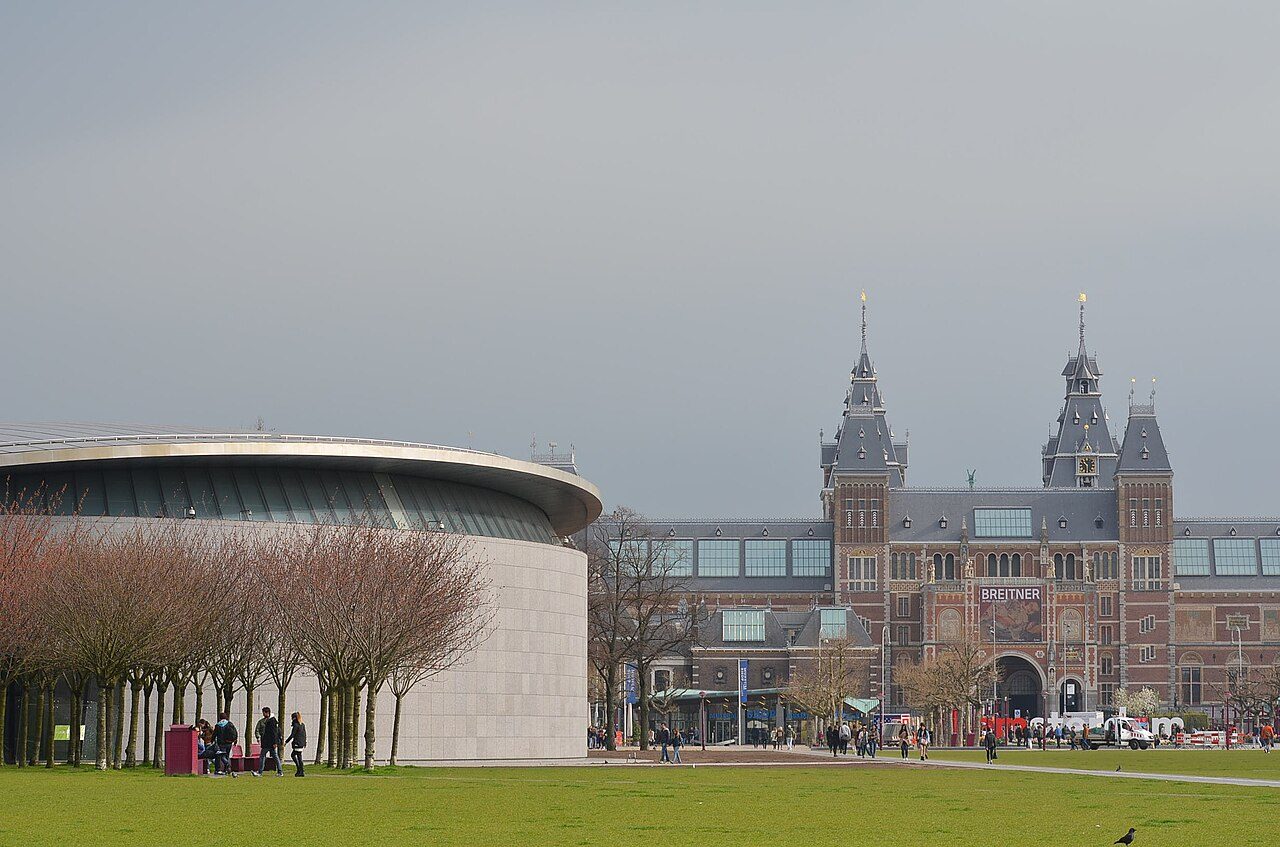
The big lawn between the Rijksmuseum, Van Gogh Museum and Concertgebouw.
A lawn with room for a crowd
Museumplein is Amsterdam’s broad museum lawn, but it has also been a stage for moments when the whole city seemed to turn up. During the Dutch football team’s European Championship celebrations here in 1988, fans at the front were being crushed and some fainted. Ruud Gullit took the microphone and told the crowd to move back or the team would leave. They retreated, and the celebration continued.
Today, you can walk across the grass between the Rijksmuseum, the Van Gogh Museum, the Stedelijk Museum and the Concertgebouw. The open space lets you stand back and take in buildings that are usually approached with a ticket or a performance in mind. The square itself is free and always open.
Before the museum lawn
This was once marshy meadowland, with mills and a wax candle factory. In 1883, the International Colonial and Export Exhibition occupied the site. Its attractions included a circus tent where 28 Surinamese people were put on display. According to the account, Amalia Frijmersum met Richard Mazer there; their son Samuel Frans was born in 1884. That personal story sits within the exhibition’s dehumanising treatment of people as exhibits.
The ground later became Amsterdam’s winter skating rink. In 1893, Jaap Eden became the first official world speed-skating champion here. During his decisive race against the Norwegian Halvorsen, boys watched from the fence while workers cheered from outside the enclosure. Try picturing that enclosed ice track across today’s open lawn.
The name Museumplein became official in 1903. Plans for more villas had given way to keeping much of the area open.
A place to make yourself heard
On 21 November 1981, more than 400,000 people gathered here against the planned deployment of American nuclear missiles. The crowd included schoolchildren, uniformed soldiers, punks and several anti-nuclear versions of Sinterklaas. It was one of the largest demonstrations in Dutch history. The mix of people matters as much as the number: this was not a protest belonging to just one group.
The square’s basketball court now carries another response to its history. In 2026, artist Munir de Vries painted figures trapped inside frames alongside others breaking out of them, referring to the site’s colonial past. Basketball players helped paint the work. The court remains playable, so the painting belongs to a working sports space rather than a roped-off exhibition.
Look at the ground, too
The lawn you see today largely follows landscape architect Sven-Ingvar Andersson’s 1999 redesign. Before that, a road nicknamed the “shortest motorway in the Netherlands” ran across the square. It closed in 1997, after years in which touring coaches had used the area for parking.
Look for the rising fold of grass known as the “donkey’s ear”. It creates the illusion of an uninterrupted horizon while concealing entrances to an underground supermarket and parking garage. Near the Stedelijk Museum, look for Richard Serra’s sculpture, *Sight point (for Leo Castelli)*. Beneath the plane trees and around the basketball court, pétanque has been played for at least four decades. Museumplein is not only a foreground for museum photographs. Its games, grass and gathering space are part of the place itself.
Things to know
- Trams and buses stop at Museumplein; check your route before setting out.
- Allow time to cross the lawn and walk its edges.
- Watch for bicycles where paths cross the square.
- Look at the painted basketball court without interrupting play.
- Bring a layer if you plan to sit on the open lawn.
- Opening hours and prices can change. Check the official website before you go. Official website
What people say
Related spots
More things to do in Amsterdam ›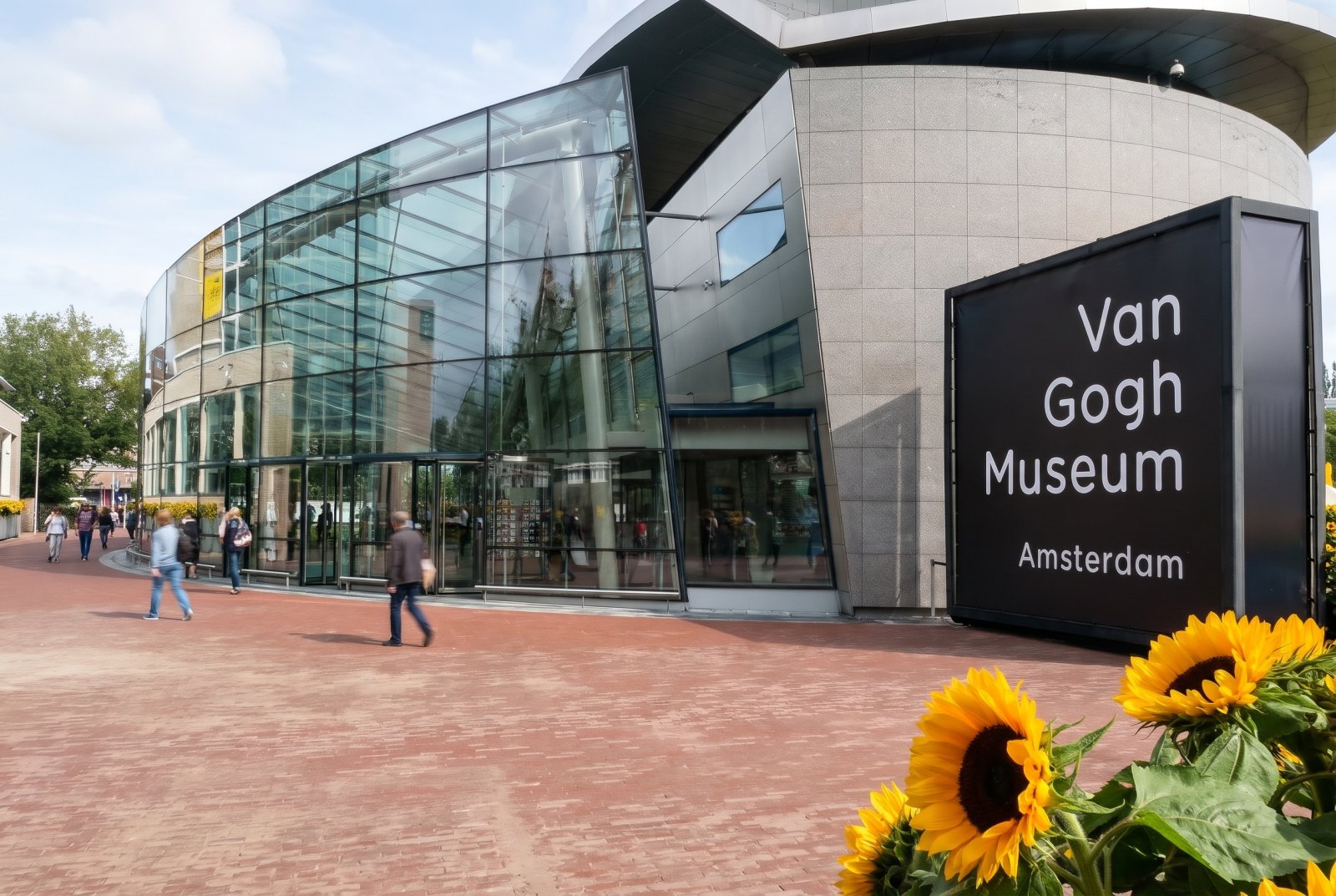
Van Gogh Museum
See Sunflowers, The Bedroom and The Potato Eaters, then follow Van Gogh's search for colour through his paintings and letters.
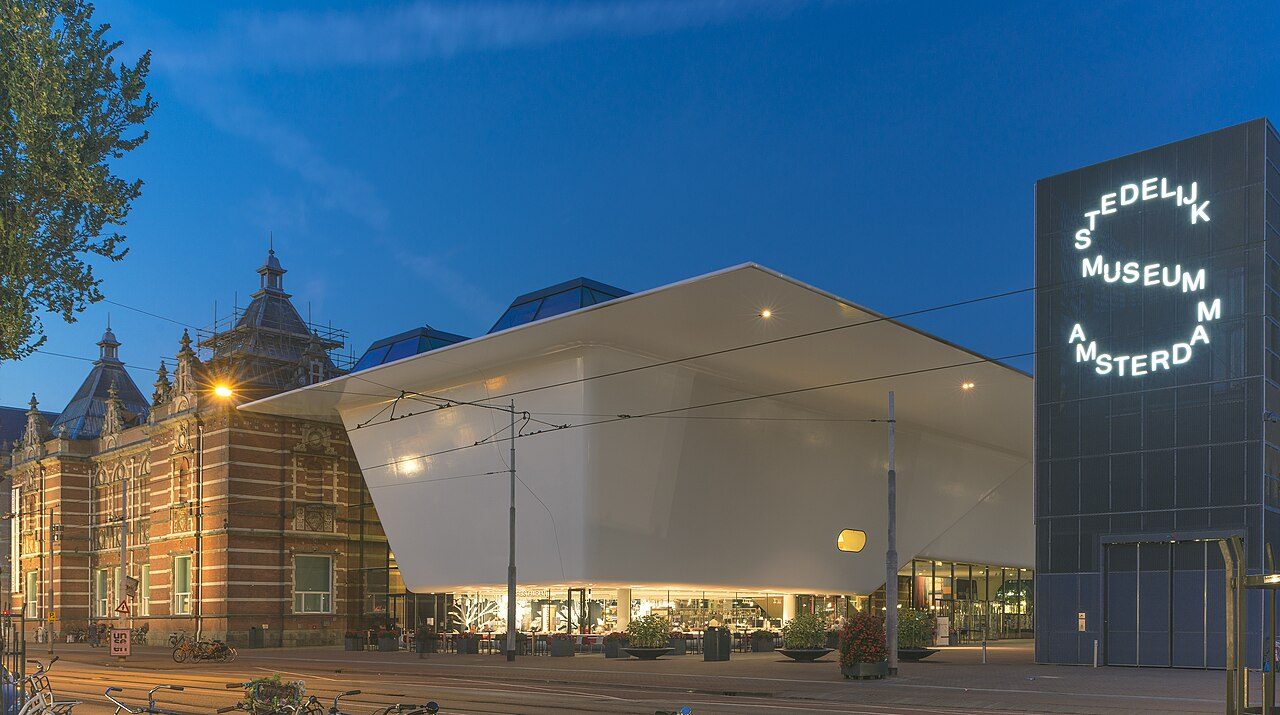
Stedelijk Museum
Modern and contemporary art and design fill a red-brick museum and its white extension on Museumplein.
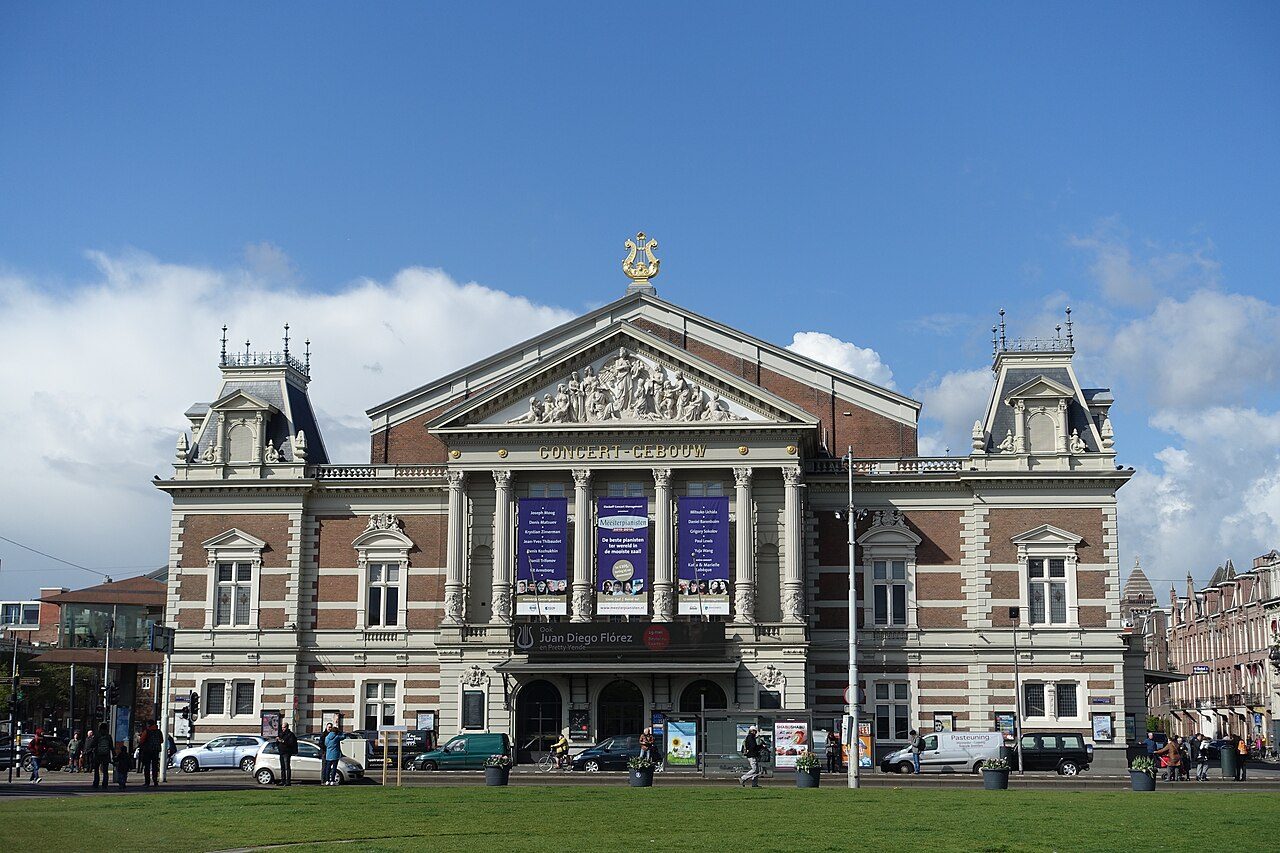
Concertgebouw
Hear Amsterdam’s historic concert hall in action, or pause for its elegant facade and gilded lyre beside Museumplein.
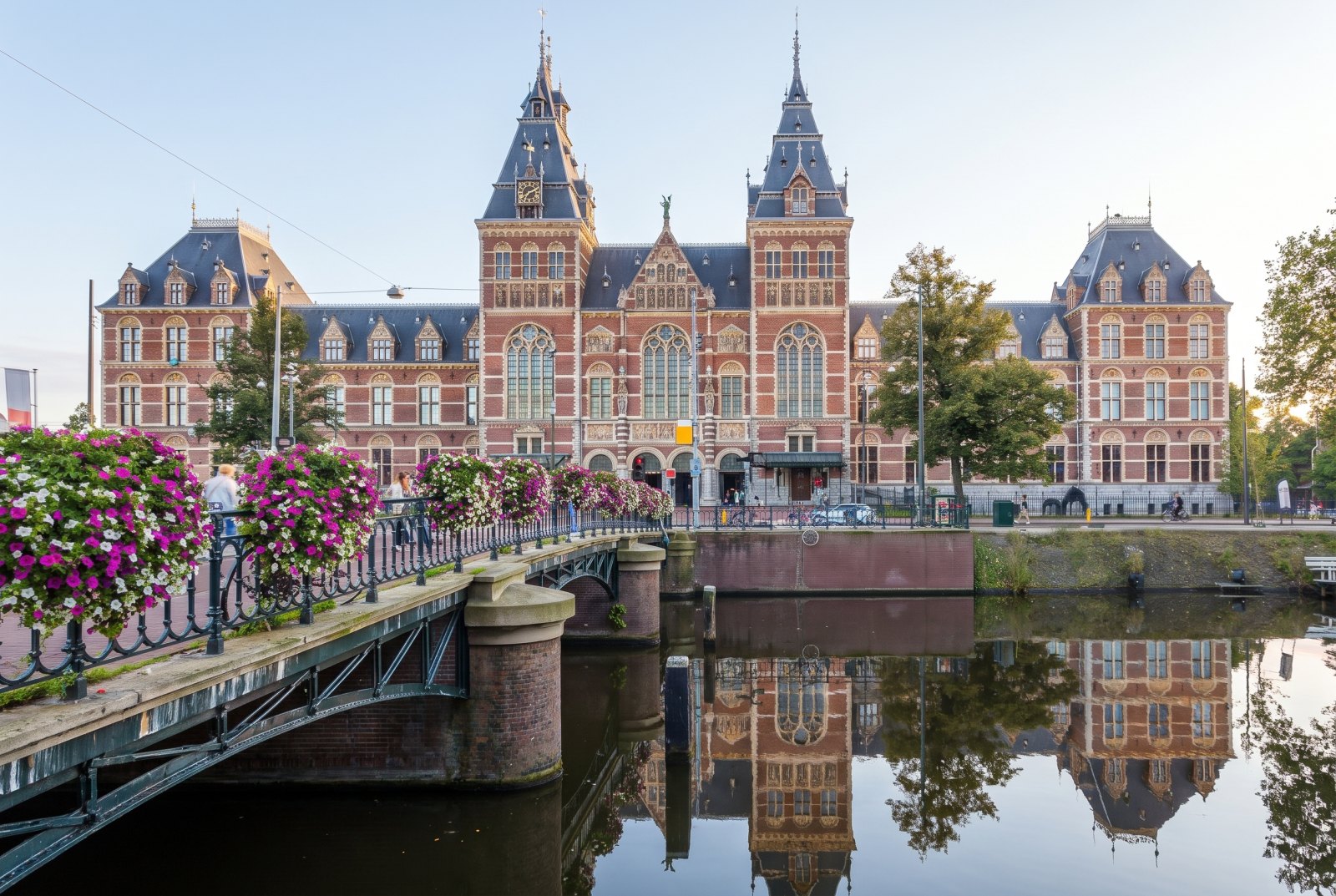
Rijksmuseum
See Rembrandt's The Night Watch and Vermeer's The Milkmaid, then follow 800 years of Dutch art through the Rijksmuseum's galleries.
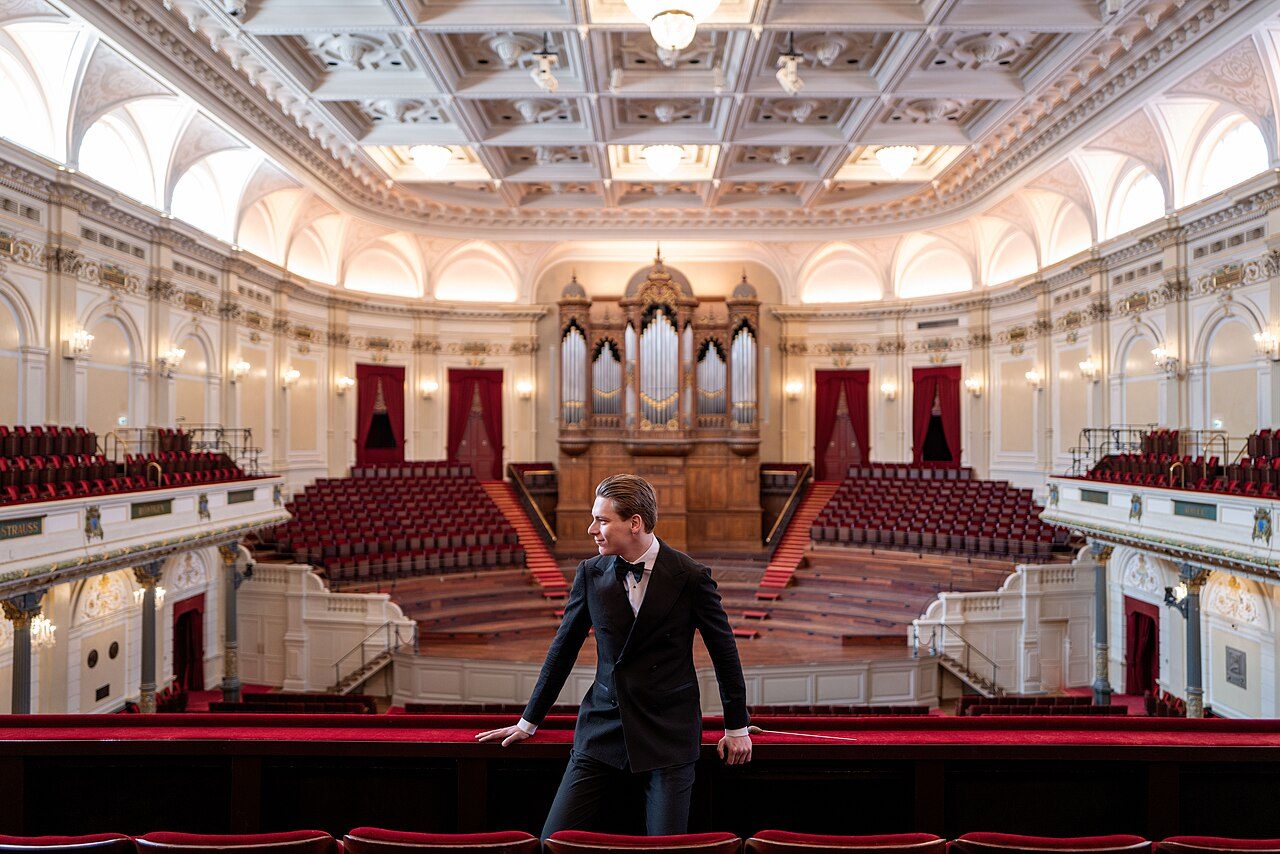
Concertgebouw free lunchtime concerts
Free 30-minute lunchtime concerts on Wednesdays from September to June, in one of the world's best halls.
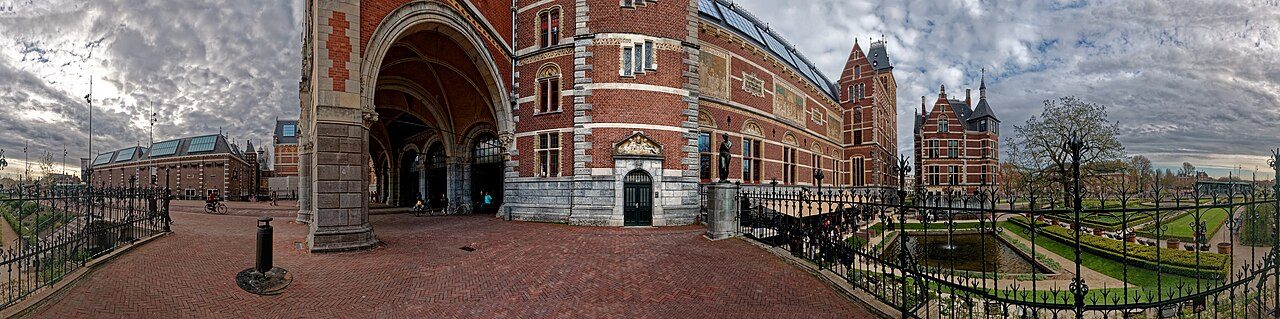
Rijksmuseum gardens & passage
The museum gardens and the cycle tunnel under the Rijksmuseum, where street musicians play: both free.
Tours and quests that pass here
These walks have a stop a few minutes from Museumplein. Free, on your phone, start any time.