
LANDMARK
Stadsarchief (De Bazel)
The city archive in a striking 1920s bank building, with a free treasure-room exhibition.
A bank full of city stories
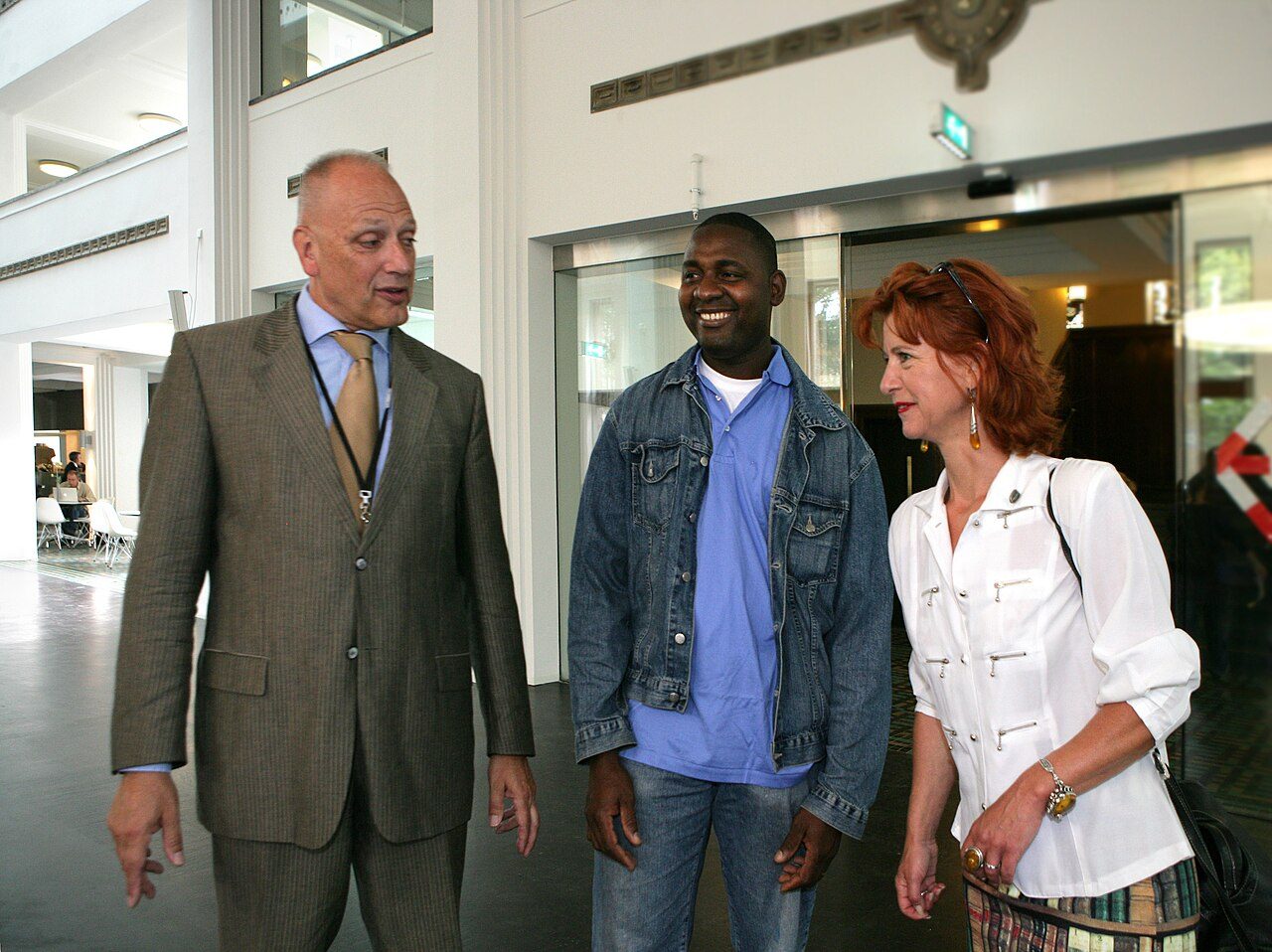
The Stadsarchief, Amsterdam’s city archive, occupies De Bazel, a substantial 1920s bank building on Vijzelstraat. Its Treasure Room brings the city’s records down to a human scale. An orphanage register from 1806 records eight-month-old Cecelia Kroon, found behind the orphanage with a note saying that a fig in her mouth would quiet her crying. It is a small, painful detail to encounter in a building once devoted to finance.
Come here for that contrast. The building tells you about institutional wealth and power. The documents preserve individual lives, including people who left little else behind. You do not need to be researching your family or studying Amsterdam to find something that holds your attention.
A room that moved house
One of De Bazel’s most unusual interiors began somewhere else. In 1926, the bank brought its old meeting room here from Herengracht 466. The Italian Room arrived with its fireplace and painted wall hangings made by Jan Augustini in 1772. Rather than leaving an earlier interior behind, the bank carried it into its new headquarters.
There is an alteration to look for in those paintings: one conceals a door cut into it during an earlier change to the room. Knowing that makes you look at the painted surface differently. It was decoration, but it also had to accommodate the practical demands of a working building. The grand canal-house setting of the Golden Bend helps put that earlier address in context.
De Bazel also holds a much harsher trace of its banking years. Historian Milja van Tielhof recounts that German occupiers ordered the bank out in April 1943. When its directors moved too slowly, a pistol was fired. The bullet hole remains visible in a clock in the director’s office. The office is not the Treasure Room, so do not assume that clock forms part of the exhibition you can walk through.
A journey played on a board
Look for the archive’s steamboat board game, dated 1826–1830. It offered people who could not afford a real excursion a way to play their journey from Amsterdam to Zaandam. The hazards were suitably specific: players who burned their hands on the funnel had to miss a turn.
Give an object like this more than a glance. It records leisure, money and the appeal of steam travel through the rules of a game. Like the everyday objects displayed at Below the Surface in Rokin station, it makes the past tangible through something ordinary rather than a grand historical event.
Look closely at the photographs
A Treasure Room photograph by Frits Weeda probably shows Faroe, the rhinoceros who escaped from Artis Zoo in 1967. She sent keepers and visitors running, then died after being tranquilized. Keep that “probably” in mind: the archive’s identification is qualified, and the uncertainty is part of the record.
That is a good way to approach the whole collection. Read the explanation beside an object, then return to the object itself. A game, a photograph or a brief entry in a register can carry a much larger story. Here, Amsterdam’s history is often most affecting at that small scale.
Things to know
- Find De Bazel on Vijzelstraat.
- Allow about an hour for the building and Treasure Room.
- Read the captions closely; several stories depend on small details.
- Ask staff about the Italian Room and director’s office rather than assuming they are accessible.
- Opening hours and prices can change. Check the official website before you go. Official website
What people say
Related spots
More things to do in Amsterdam ›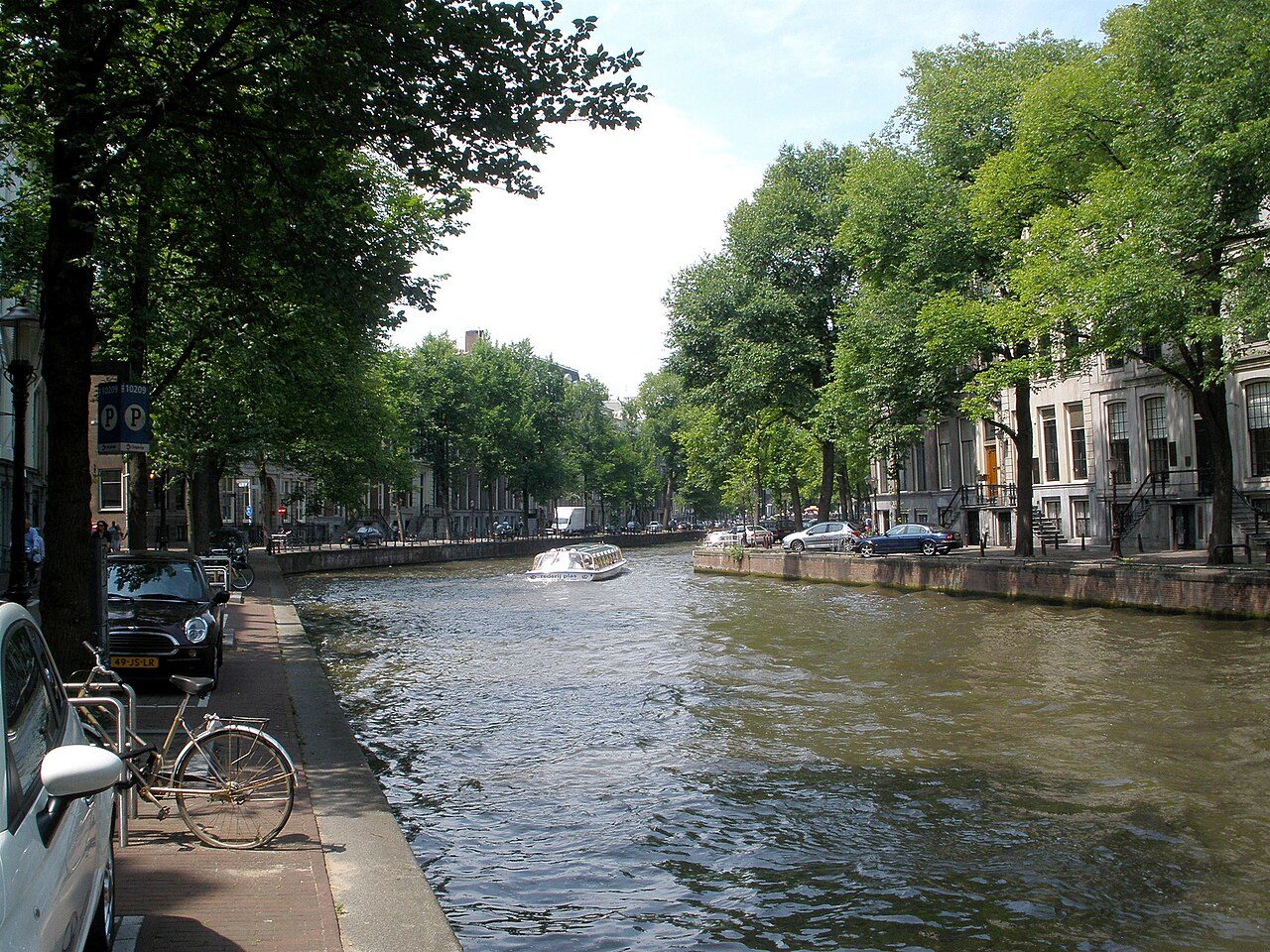
Gouden Bocht (Golden Bend)
The widest, grandest stretch of the Herengracht, where the richest merchants built double-wide mansions.
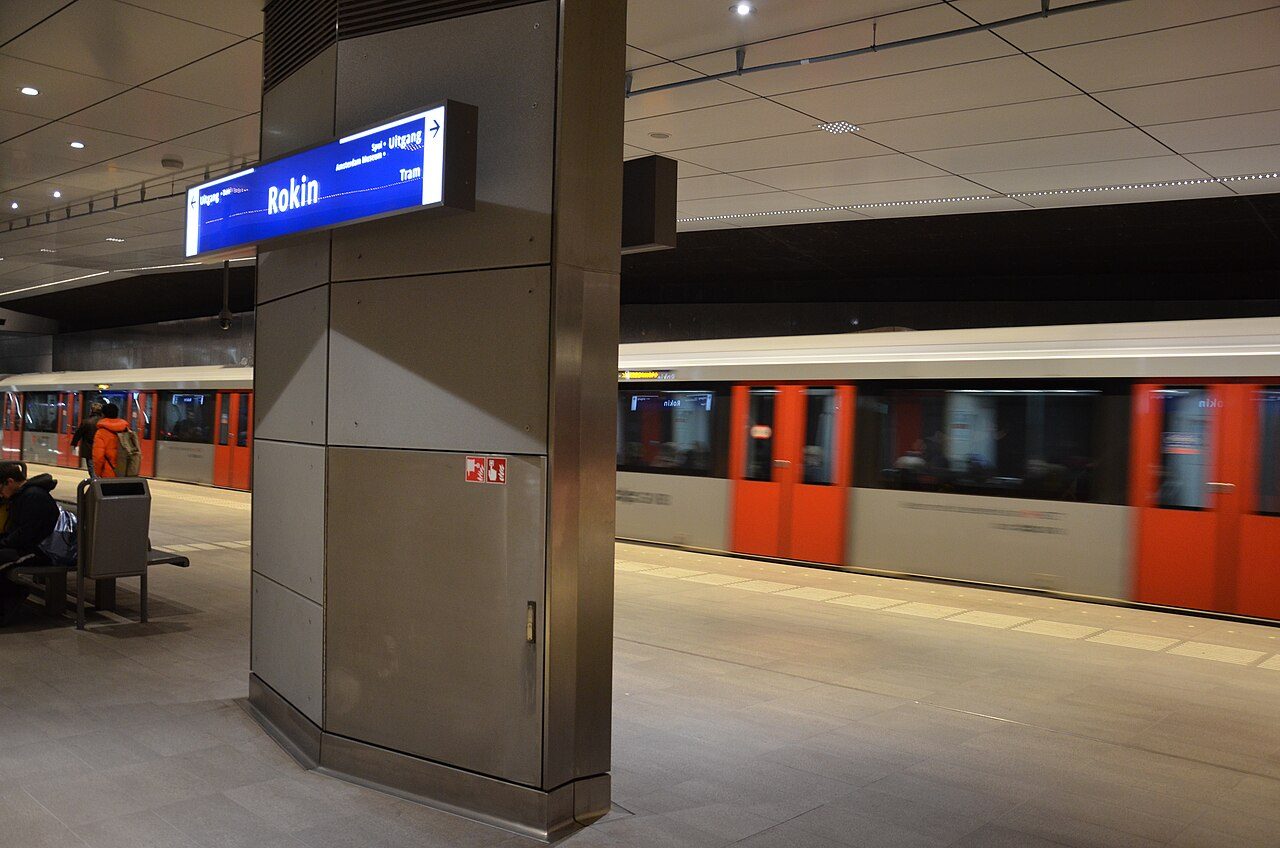
Below the Surface (Rokin metro)
Display cases in Rokin metro station with finds dug up for the line: keys, coins, toys and a 17th-century trumpet.
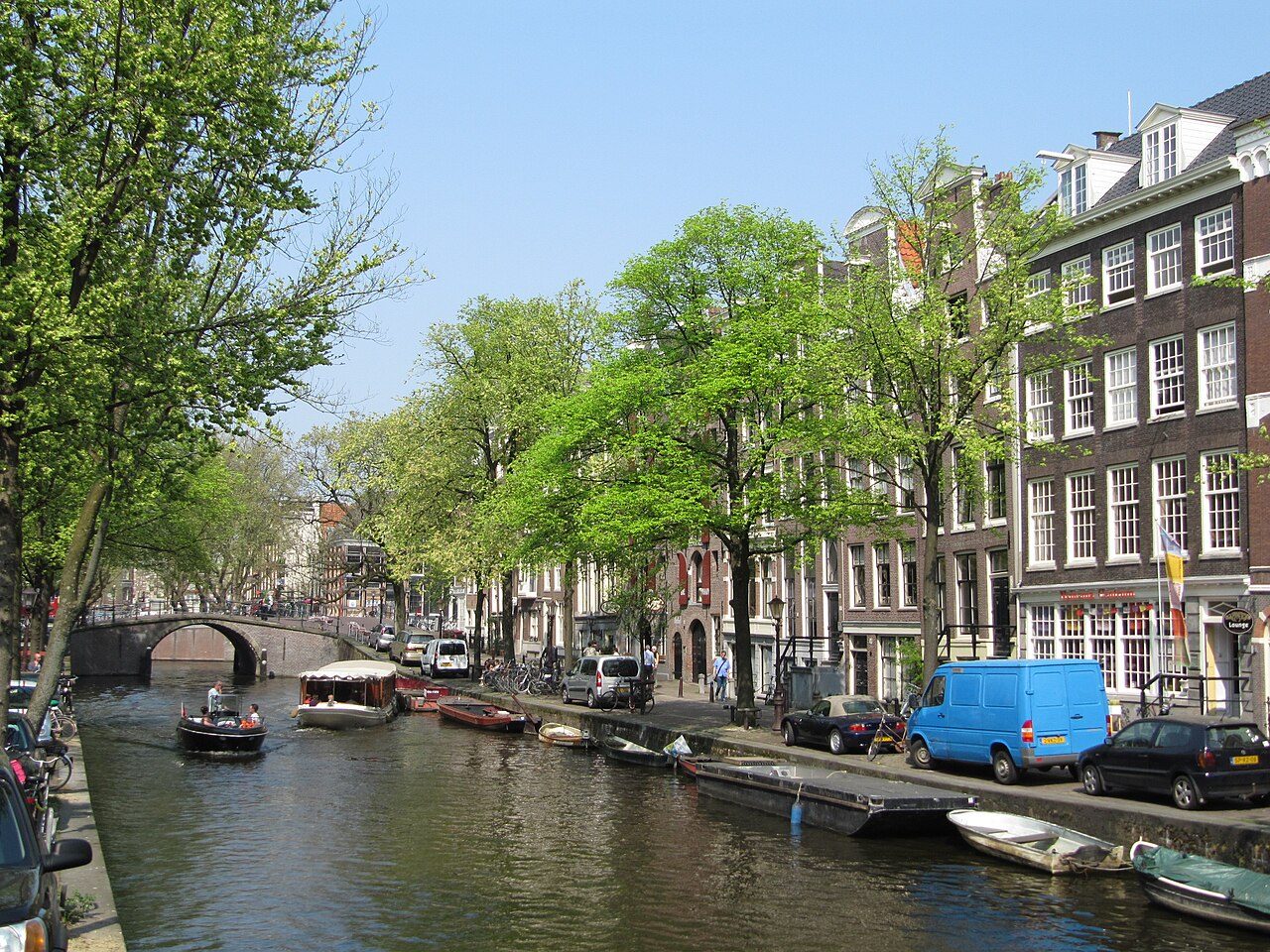
Seven bridges view (Reguliersgracht)
Stand on the right bridge and you see seven arched bridges in a row.
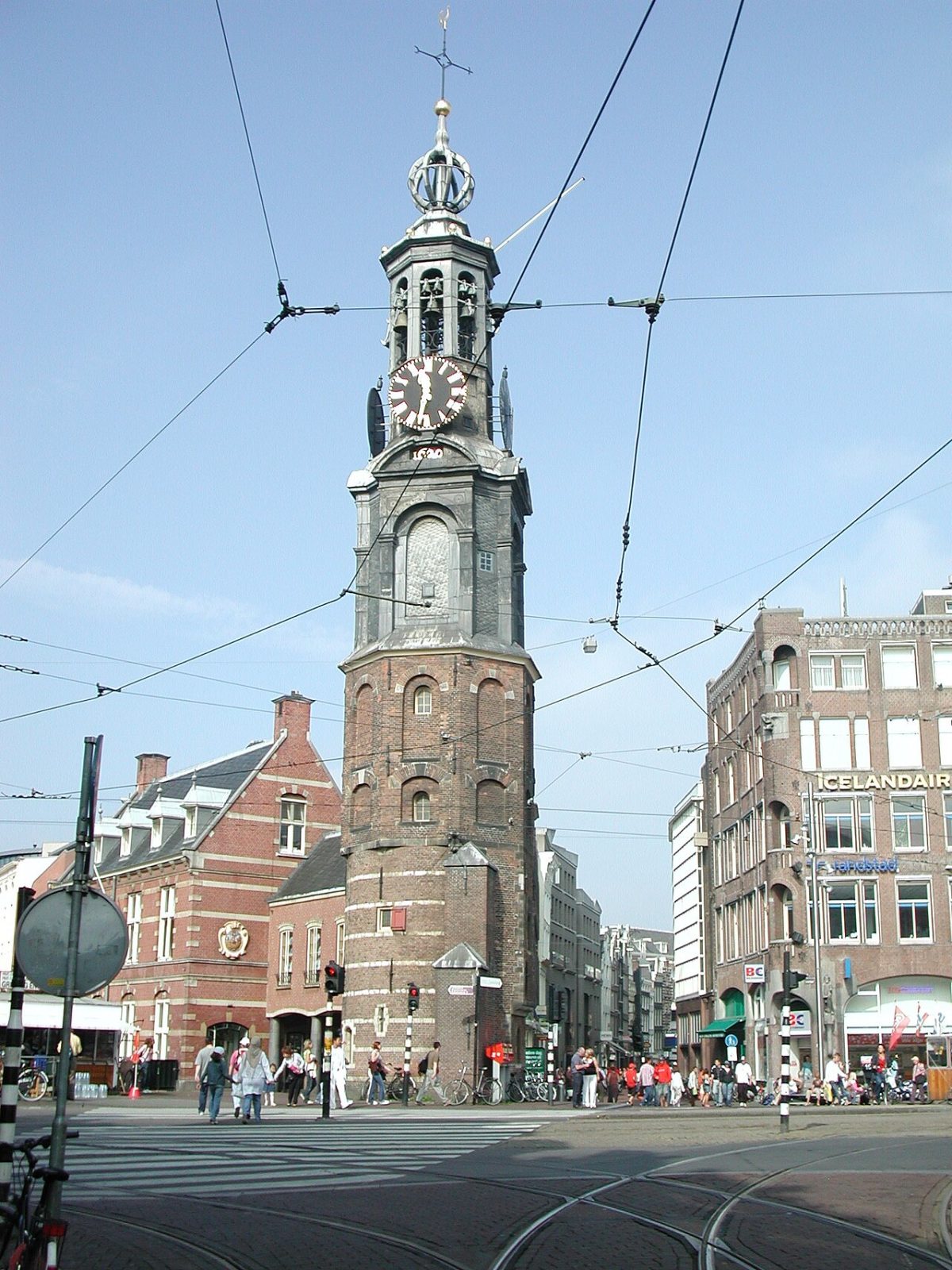
Munttoren
The tower where Amsterdam minted its own coins in 1672, by the flower market.
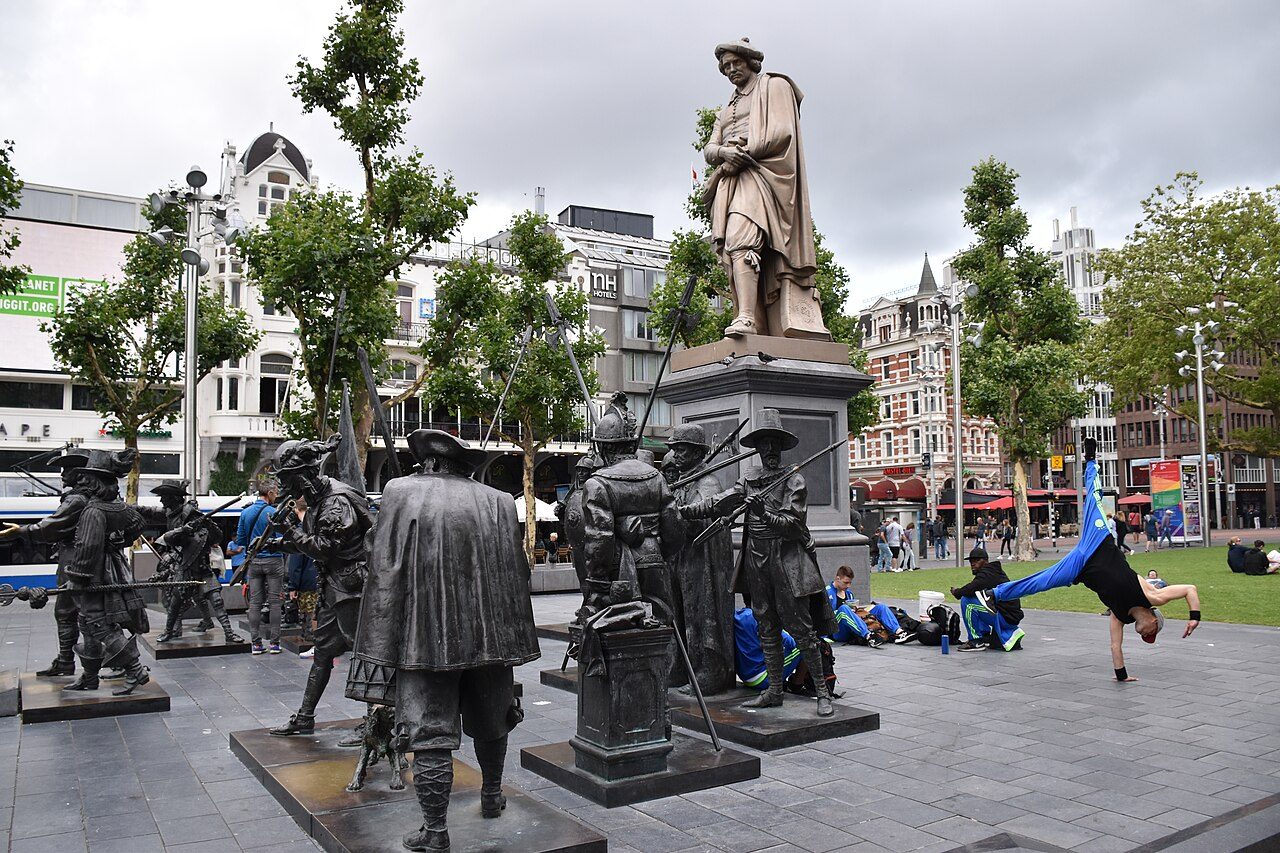
Rembrandtplein
A lively Amsterdam square centred on Louis Royer’s cast-iron Rembrandt statue. The Night Watch bronzes shown in older photos were removed in 2020.
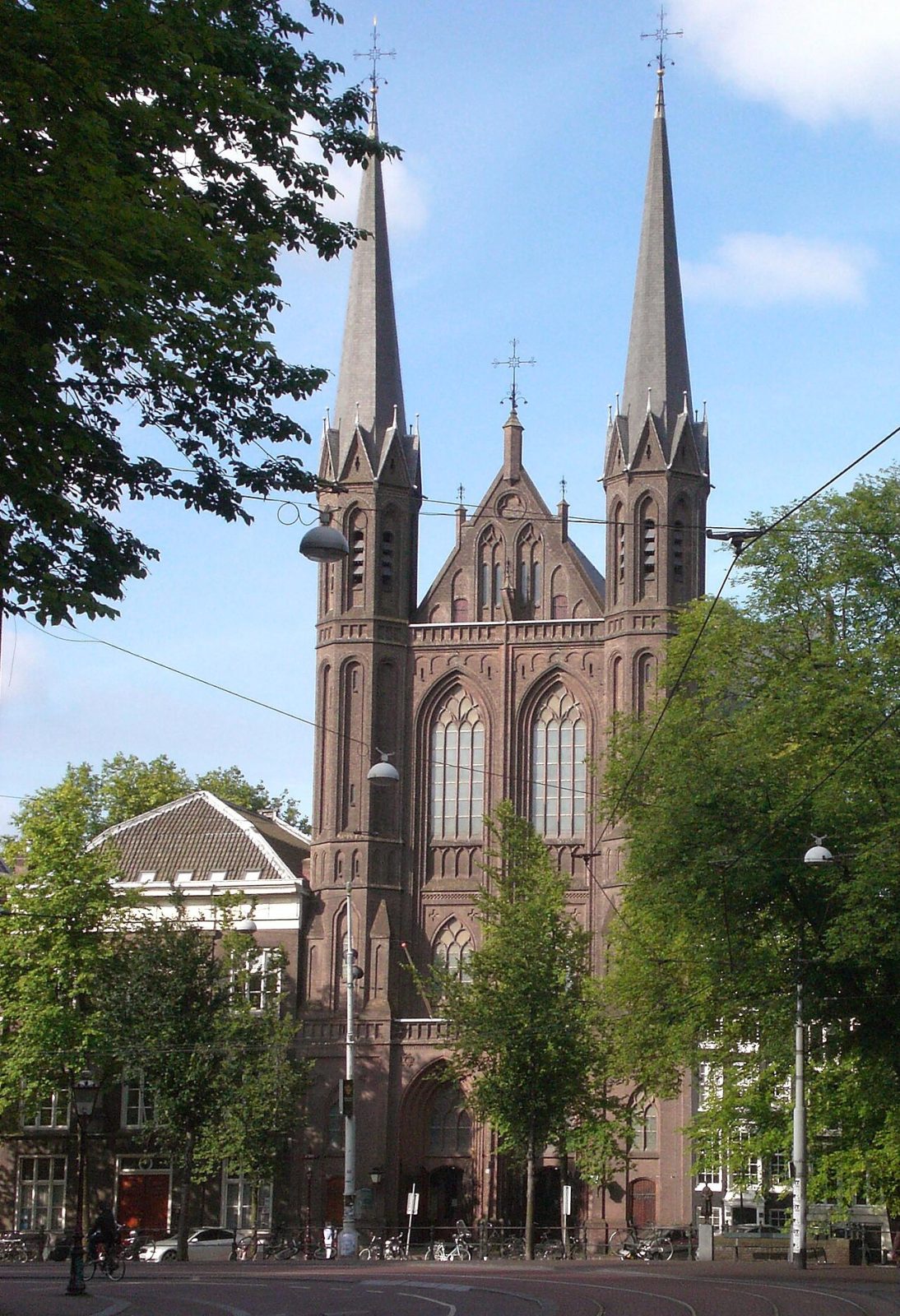
De Krijtberg
Step from the Singel into a soaring neo-Gothic church where art from an older hidden chapel still survives.
Tours and quests that pass here
These walks have a stop a few minutes from Stadsarchief (De Bazel). Free, on your phone, start any time.
 CITYQUEST
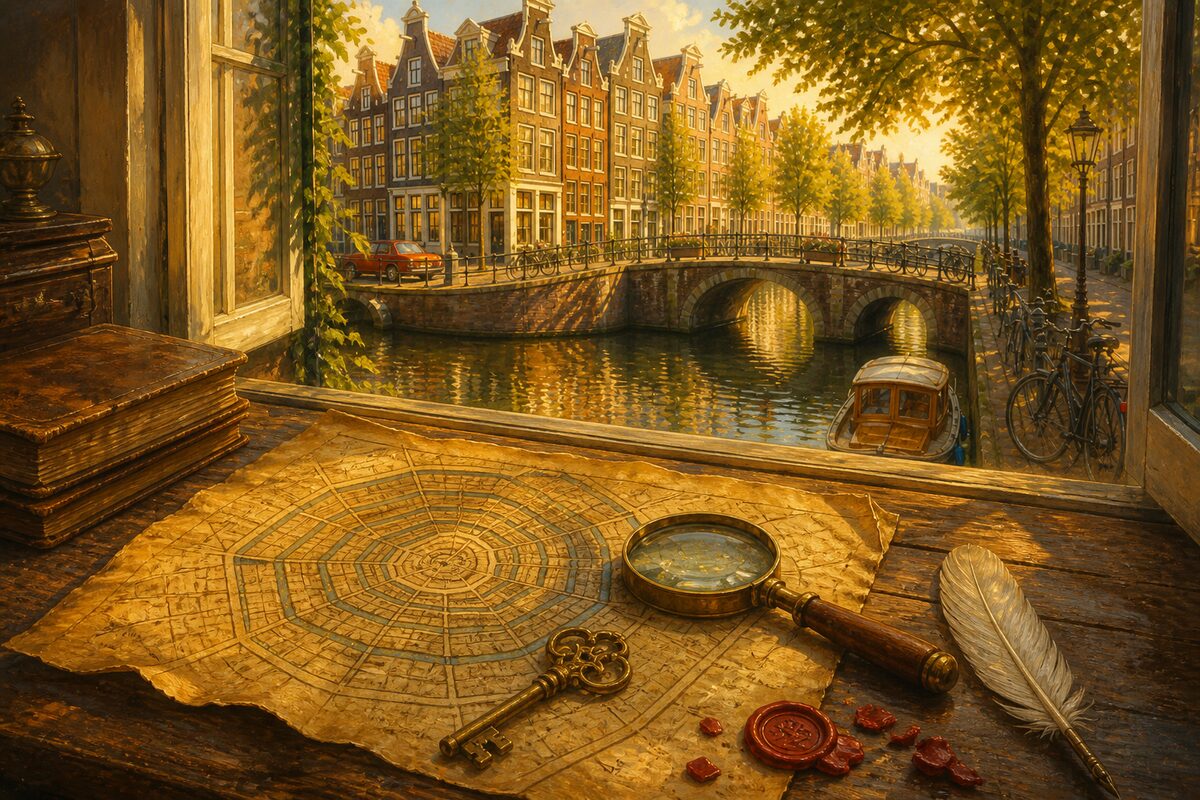
The Canal Cipher
A merchant’s missing fortune is waiting to be traced through Amsterdam’s canals in The Canal Cipher. Follow his coded will, gather clues and work out a final answer to claim the treasure.
 FREE AUDIO TOUR
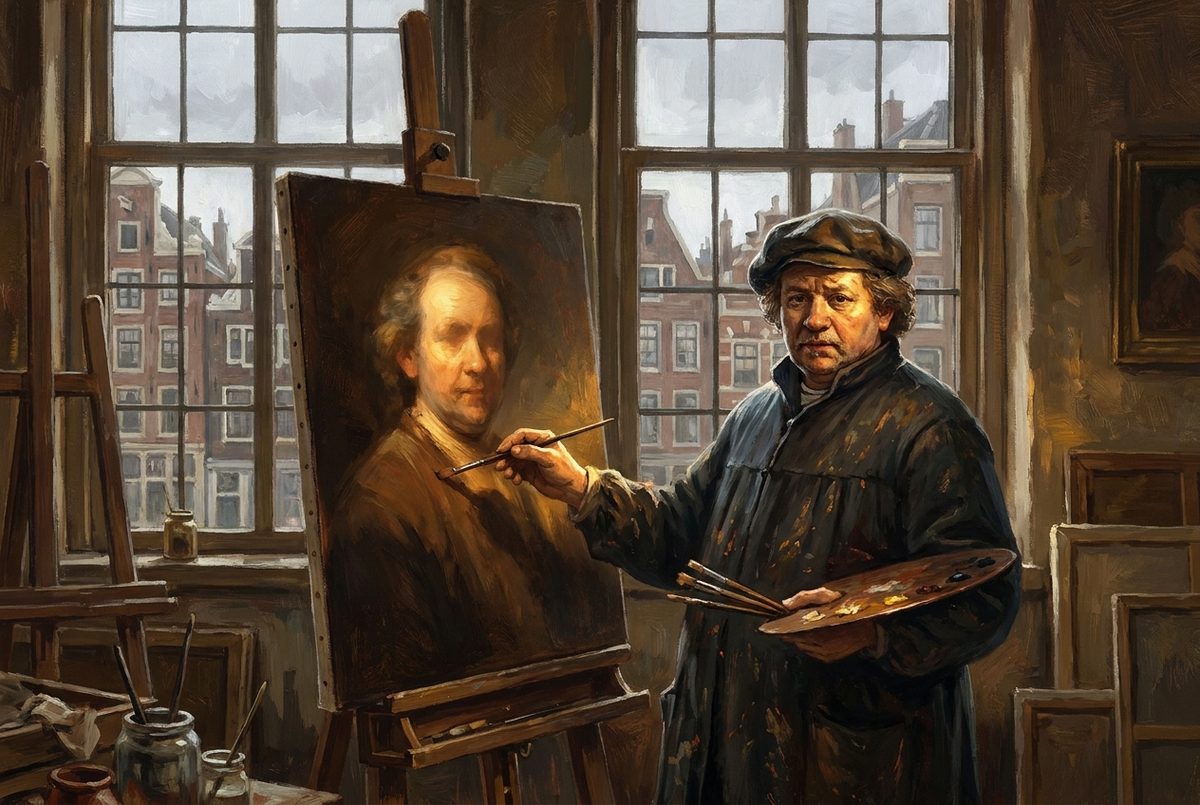
In Rembrandt's Footsteps
The painter of The Night Watch lived and worked in Amsterdam, and his house is still standing. From the early 1630s until his death in 1669, Rembrandt made his life in streets you can walk today.
 CITYQUEST
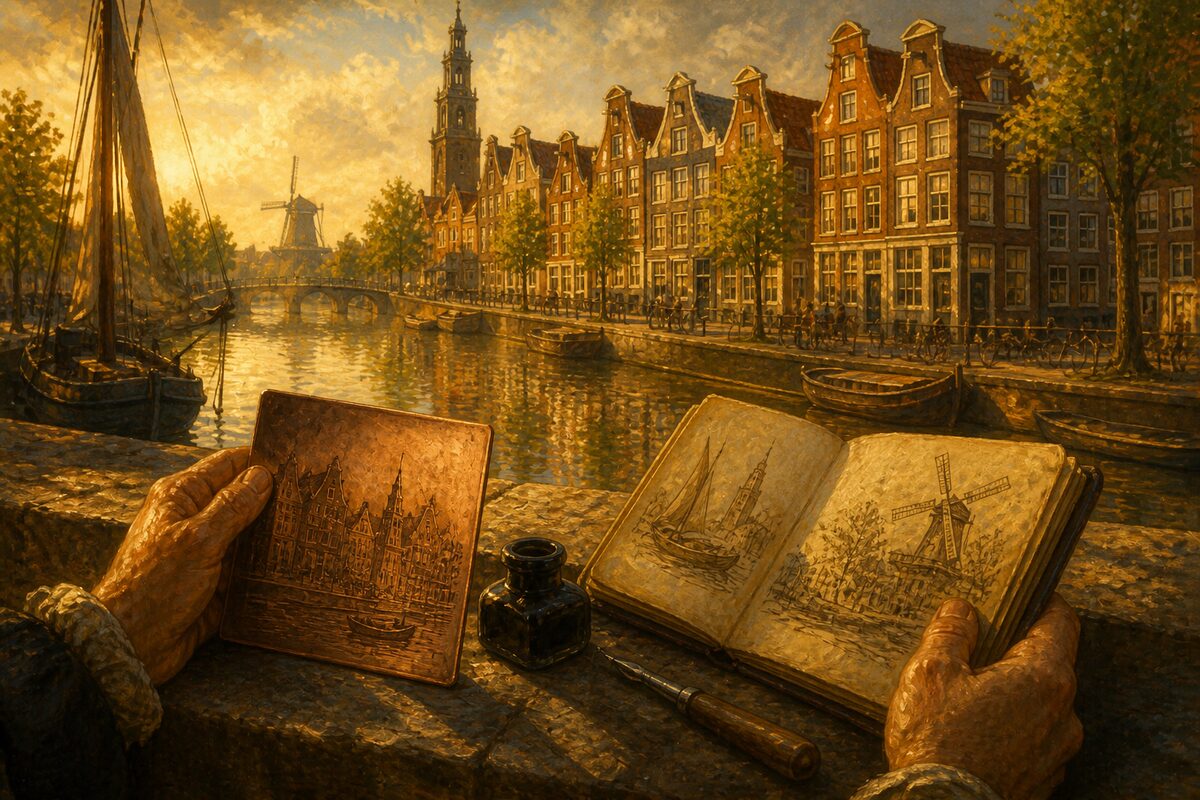
Rembrandt's Missing Panel
Your Rembrandt puzzle is missing a panel, and the hunt for its missing letters takes you into Amsterdam. You’ll piece it together among the real buildings and river views connected to his pictures.