
LANDMARK
Hoge Veluwe National Park
A national park north of Arnhem where shared white bicycles and walking routes lead through heathland, sand dunes and woodland, home to red deer, roe deer and wild boar.
A landscape made for roaming
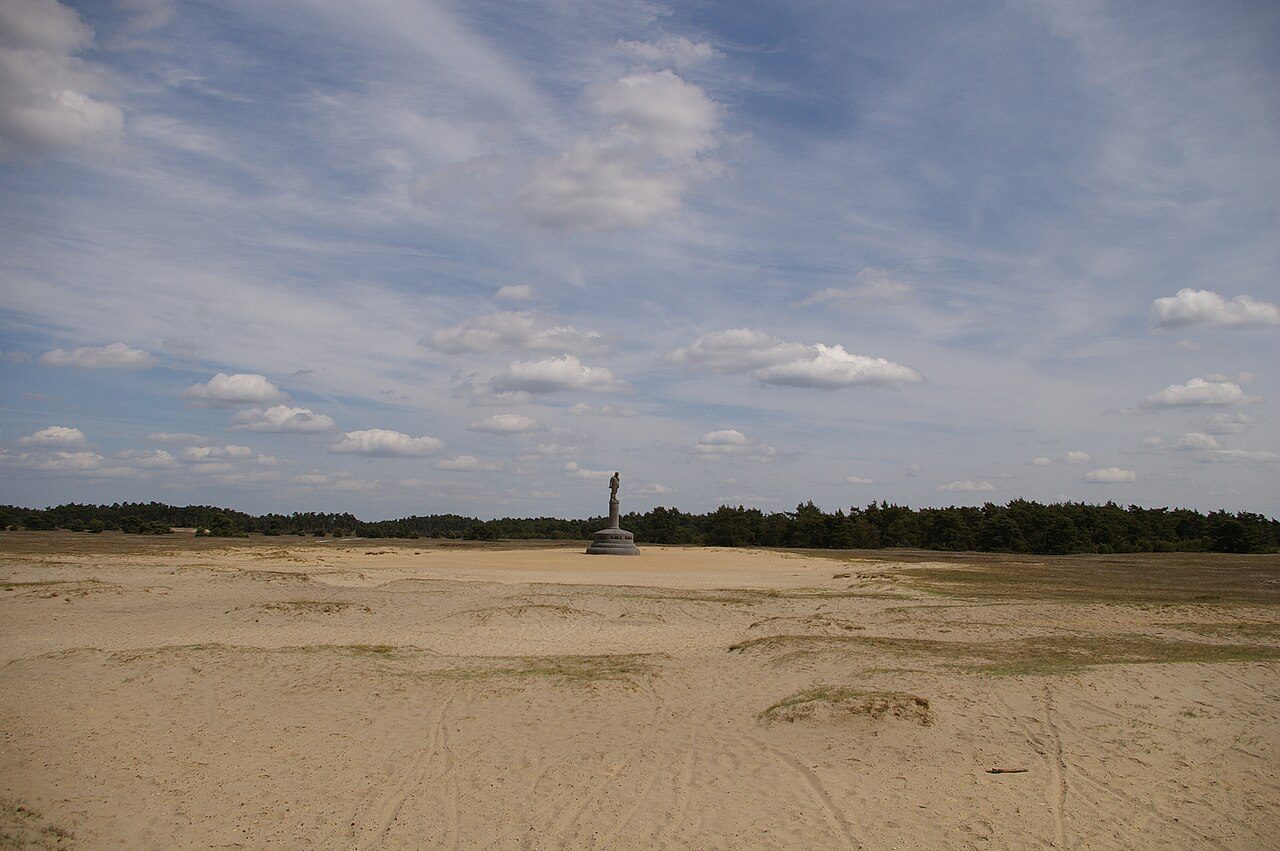
Hoge Veluwe National Park spreads across roughly 55 square kilometres of heathland, sand dunes and woodland north of Arnhem. Its white bicycles have a story of their own. In 1974, the park revived the Amsterdam Provo movement’s white-bicycle idea with 50 bikes. Visitors could collect one at an entrance and leave it at a park bicycle stand for someone else. That shared-bike system remains part of a visit today.
Come for the changing ground beneath your feet: open sand, low heath and stretches of trees. Much of the landscape took shape during the last ice age, though human use also helped create the alternating heath and sand. This is a large, fenced reserve, not a city park you can cross in a short stroll. Choose a manageable walking route, or use a bicycle to cover more ground; much of the park is inaccessible by car.
A collector’s estate
Businessman Anton Kröller and art collector Helene Kröller-Müller established their private estate here in 1909. Wildlife was brought in, fences went up and a hunting residence took shape. The house, Jachthuis Sint Hubertus, was designed by Hendrik Petrus Berlage and named after Saint Hubertus.
Look at it with its architectural quarrel in mind. In 1919, Berlage quit after Helene insisted on extending her sitting room to improve the view. The change spoiled the symmetry he wanted. Henry van de Velde finished the house instead. It is a useful reminder that this apparently natural retreat was also a carefully designed private world, shaped by strong opinions.
Financial difficulties eventually made the estate impossible for the couple to keep. In 1935, their art collection went to the Dutch state and the park passed to a foundation, becoming the Netherlands’ second national park.
The museum that never rose
On the Franse Berg, look for concrete retaining walls rather than a finished building. In 1921, Helene began constructing a grand museum here. A special railway brought in sandstone for the project, but work stopped the following year. The walls remain: substantial traces of an ambition that outgrew the money available.
The collection eventually found its home in the Kröller-Müller Museum inside the park. Its history includes a violent theft. In 1988, thieves smashed the museum’s glass frontage and stole three Vincent van Gogh paintings, including a version of The Potato Eaters. All three were recovered in 1989, badly damaged. The park’s art story involves both the determination to assemble a collection and the difficulty of protecting it.
War beneath the woodland
Other marks in the landscape belong to the occupation. In 1940, German occupiers took part of the park to build Fliegerhorst Deelen airfield. Allied bombs struck it in 1944. Craters and the embankment of its former railway survive, while bats now shelter in some nearby bunkers. The Arnhems Oorlogsmuseum 40-45 provides wider context on the occupation and the battle around Arnhem.
Here, the remains are part of the ground itself. Alongside the heath and woods, they reveal how often this landscape has been altered: first as an estate, then for art and war. Leave time simply to look. Red deer, roe deer and wild boar live in the park, though a sighting is never guaranteed.
Things to know
- Choose an entrance at Schaarsbergen, Otterlo or Hoenderloo.
- Allow several hours and choose your walking route before setting off.
- Wear comfortable walking shoes and bring water and weather protection.
- Shared white bicycles are available free to park visitors.
- The park charges admission; do not rely on the Free label.
- Opening hours and prices can change. Check the official website before you go. Official website
What people say
Related spots
More things to do in Arnhem ›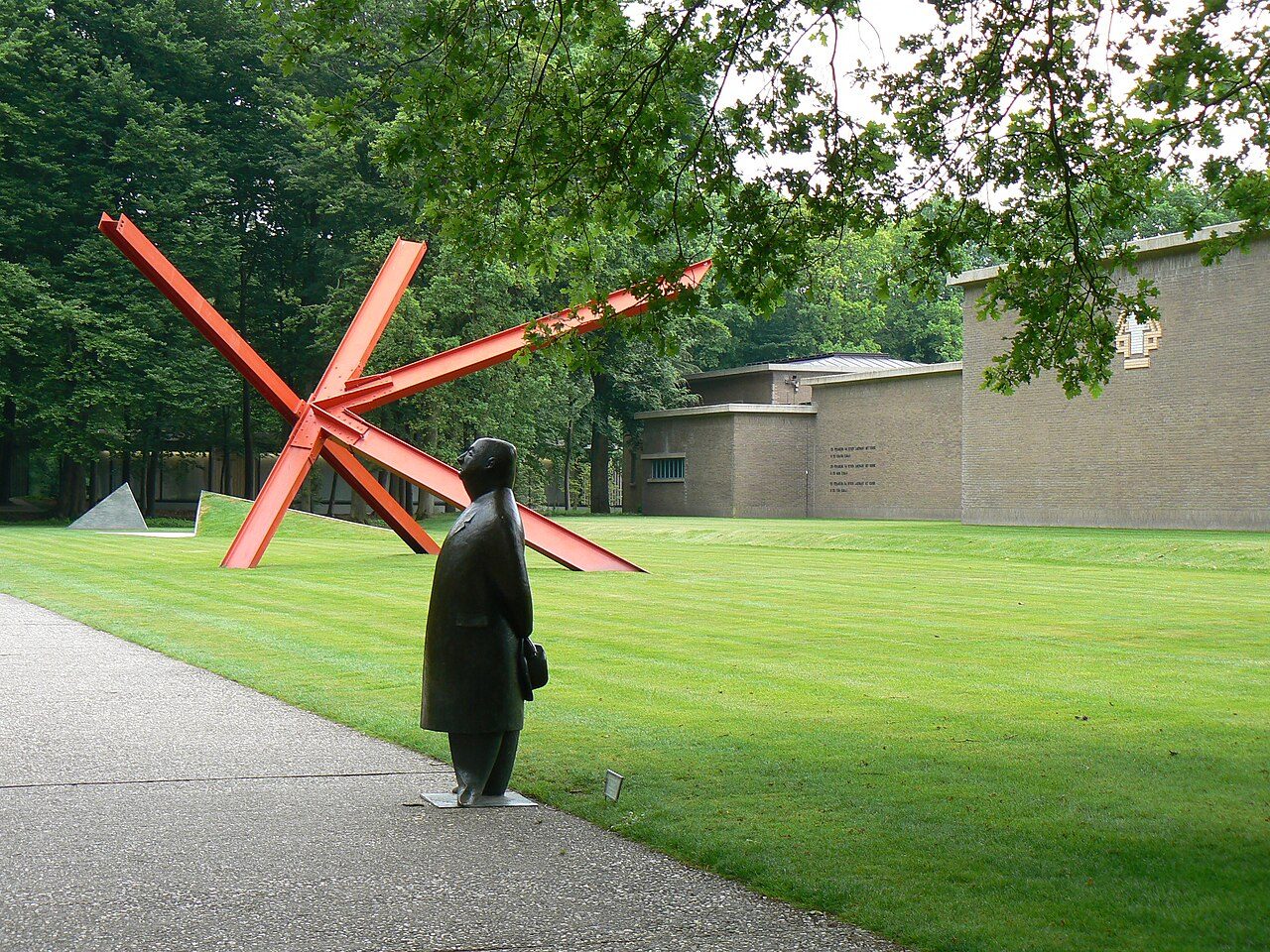
Kröller-Müller Museum
An art museum in Hoge Veluwe National Park, with the world’s second-largest collection of Van Gogh paintings and a sculpture garden where works by Rodin and Henry Moore stand among the trees.
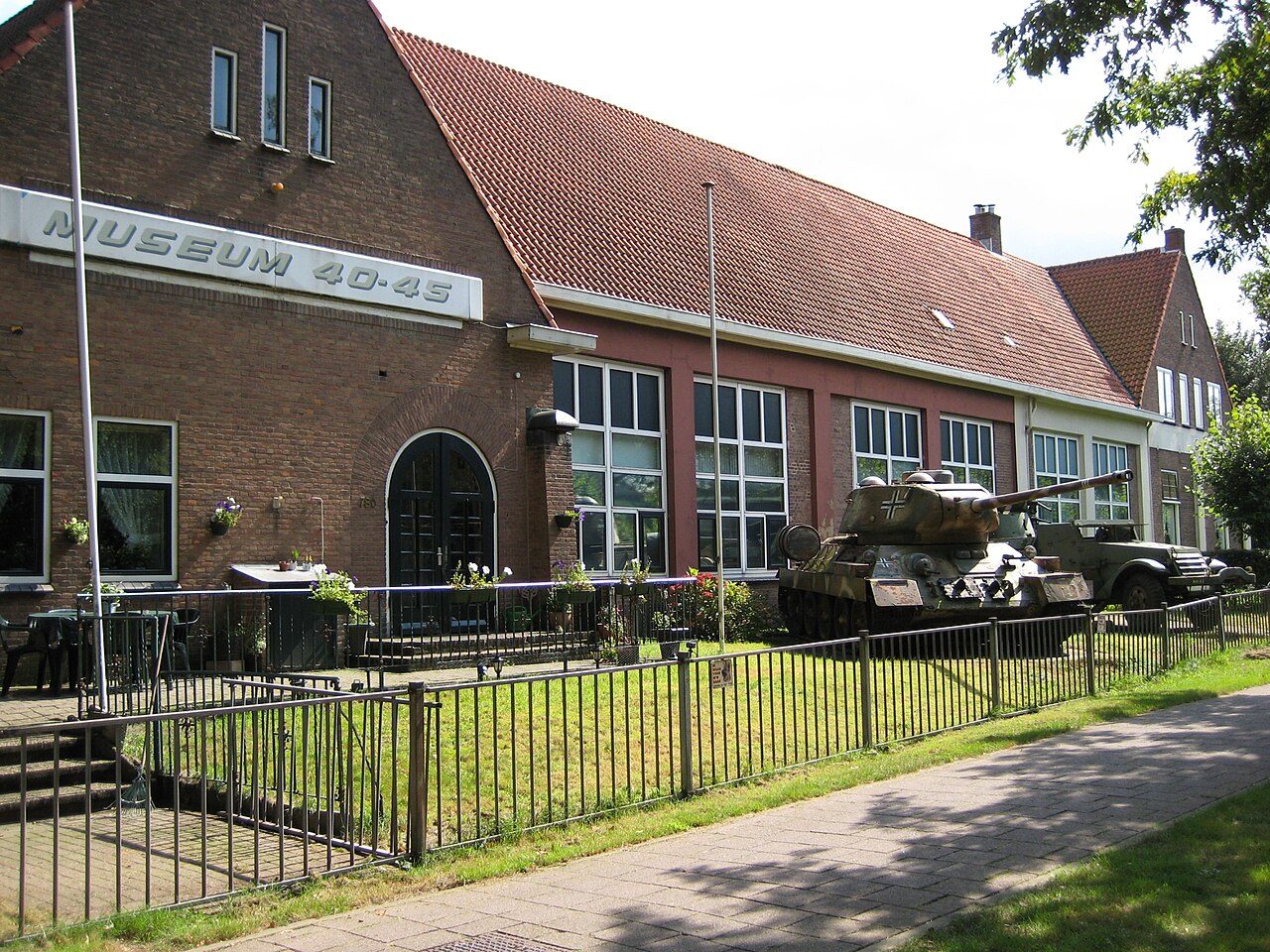
Arnhems Oorlogsmuseum 40-45
A Second World War museum in a former school occupied by German soldiers, with weapons, uniforms and dioramas showing the fighting and everyday civilian life under occupation in and around Arnhem.
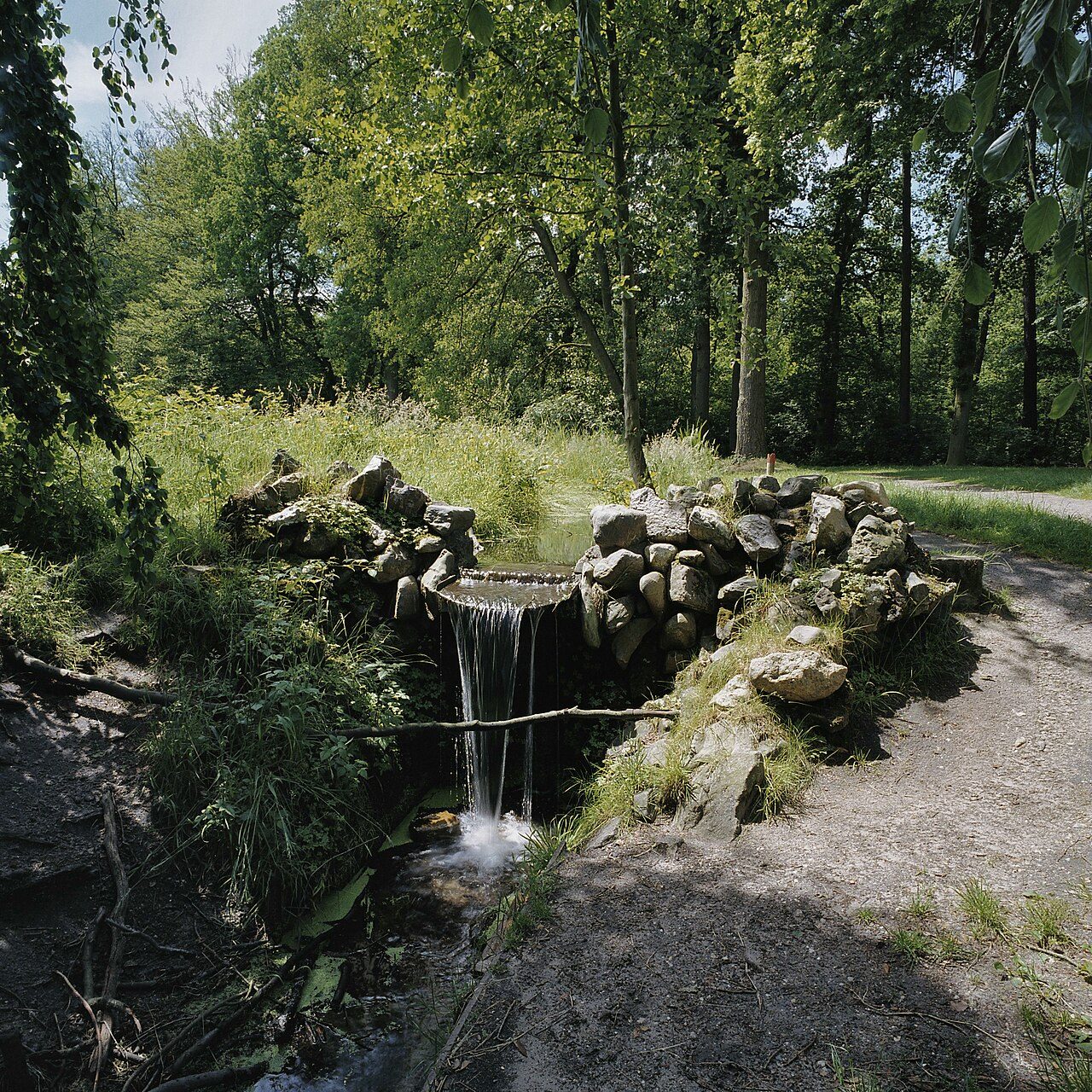
Warnsborn
An estate on Arnhem’s northwestern edge, with walks from formal garden terraces into woods, past ponds, heath and eleven prehistoric burial mounds.
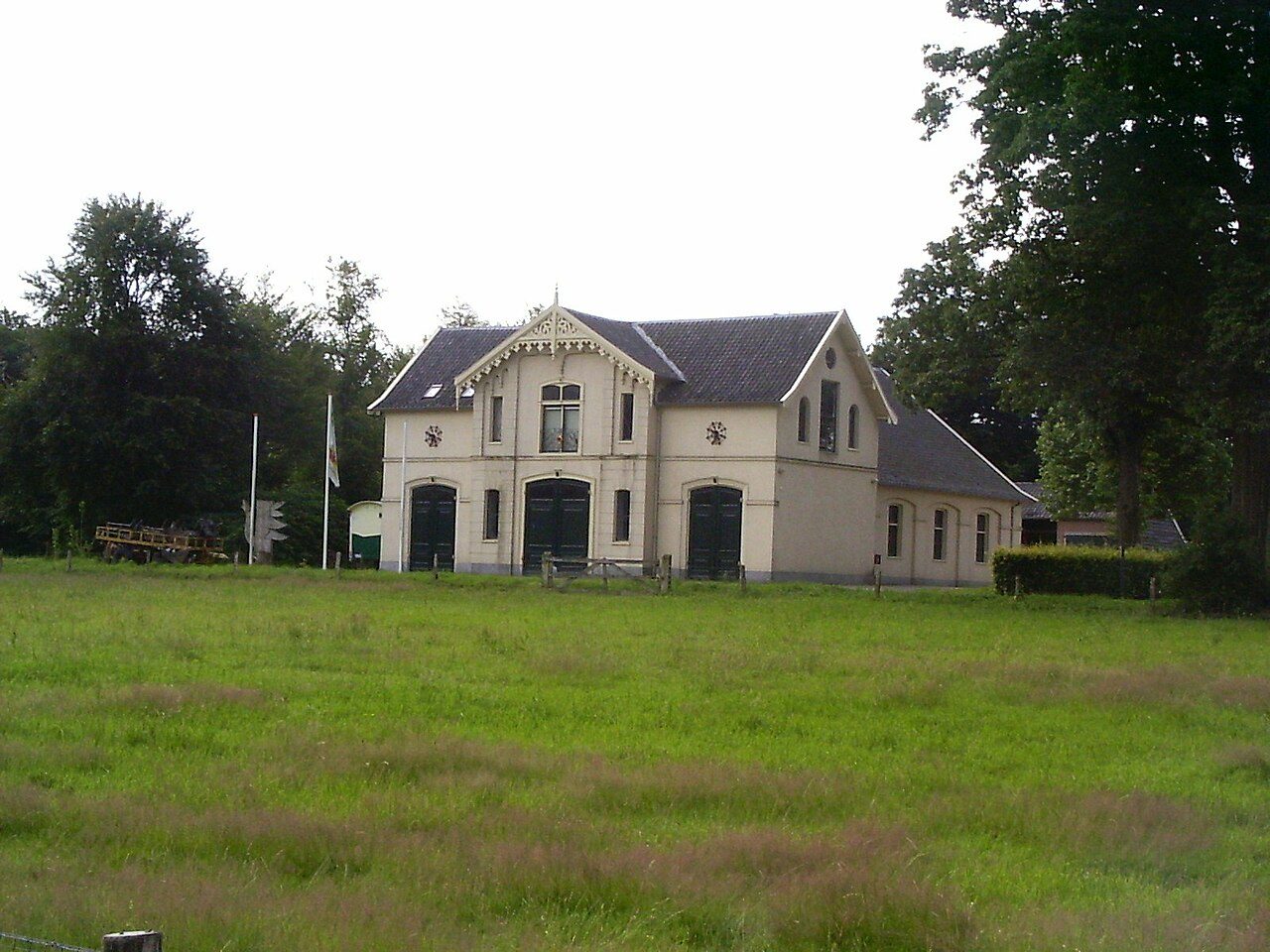
Lichtenbeek
An estate of woods, meadows and farmland between Arnhem and Oosterbeek, with surviving entrance columns, a coach house and an artificial hill enclosed by a beech hedge.
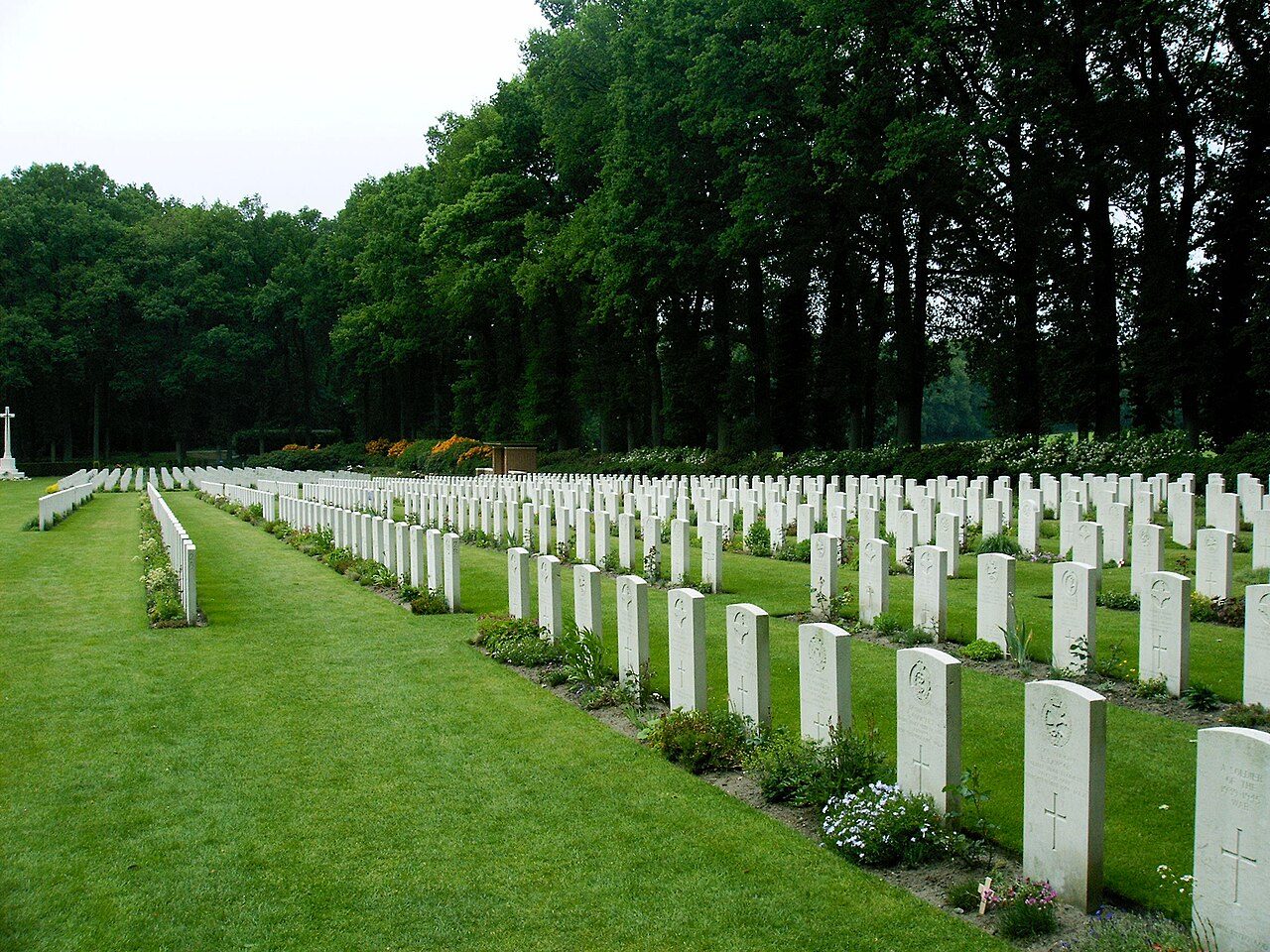
Arnhem Oosterbeek War Cemetery
A war cemetery with graves of Allied servicemen killed in the Battle of Arnhem and during the liberation, where generations of local children have laid flowers to keep their names remembered.
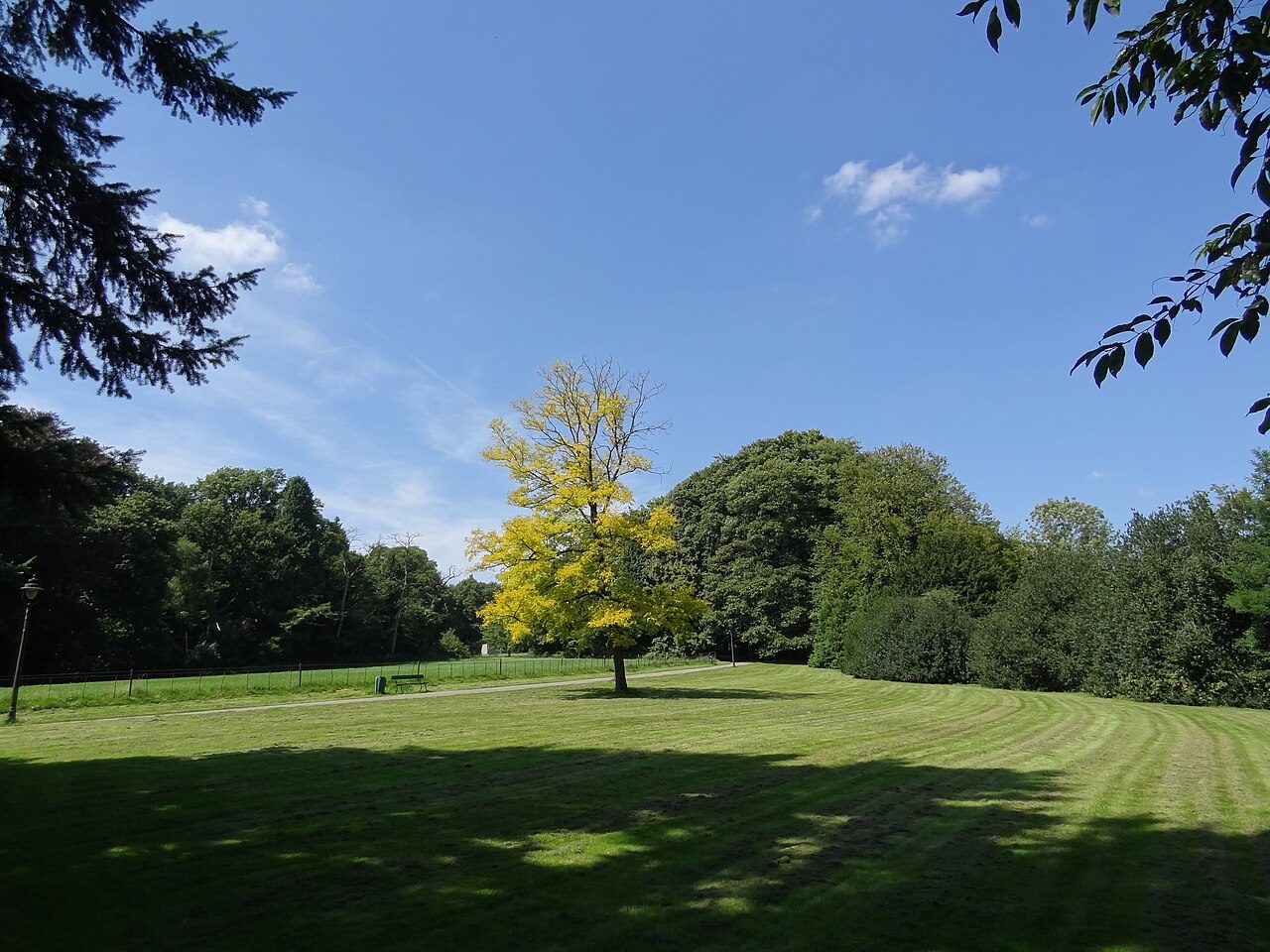
Gulden Bodem
A wooded former country estate in northern Arnhem, with centuries-old sweet chestnuts, a Swiss chalet and a small statue of Paulus the Woodgnome among the trees.
Walk it with a guide or a quest
If you want a story on the way, these walks also live in Arnhem.
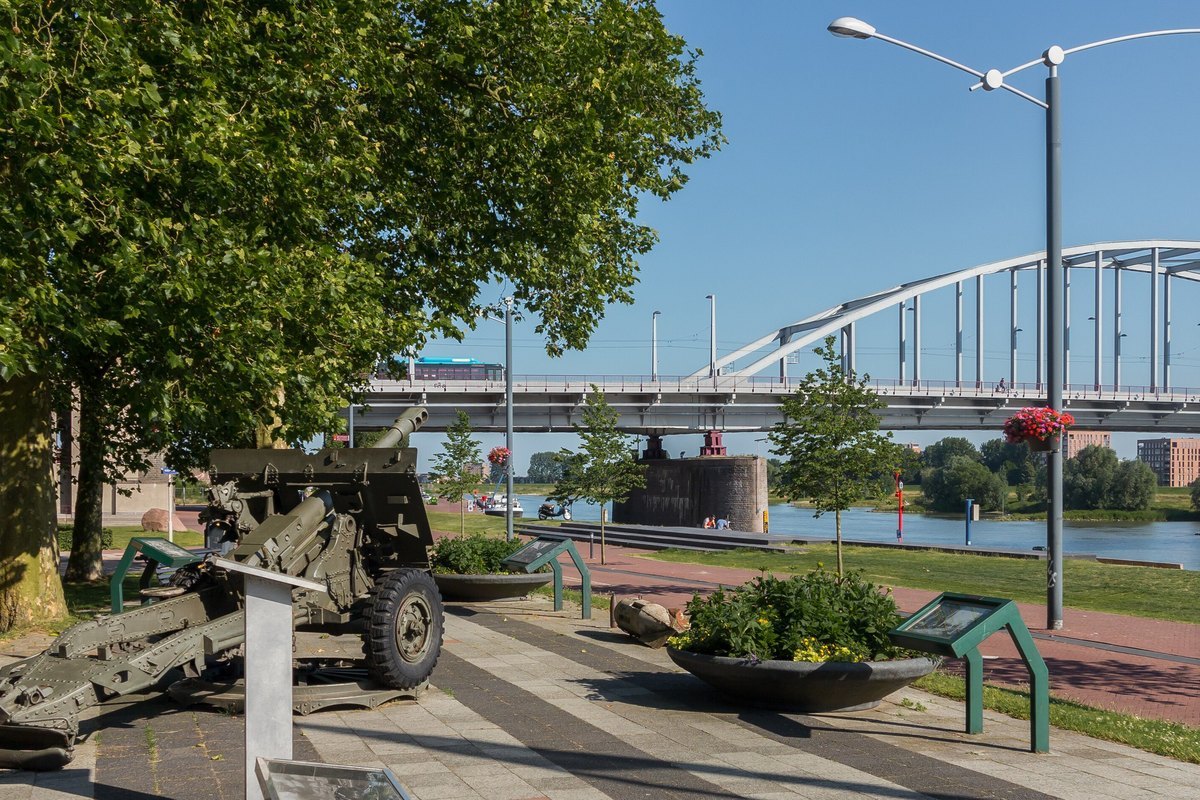 FREE AUDIO TOUR
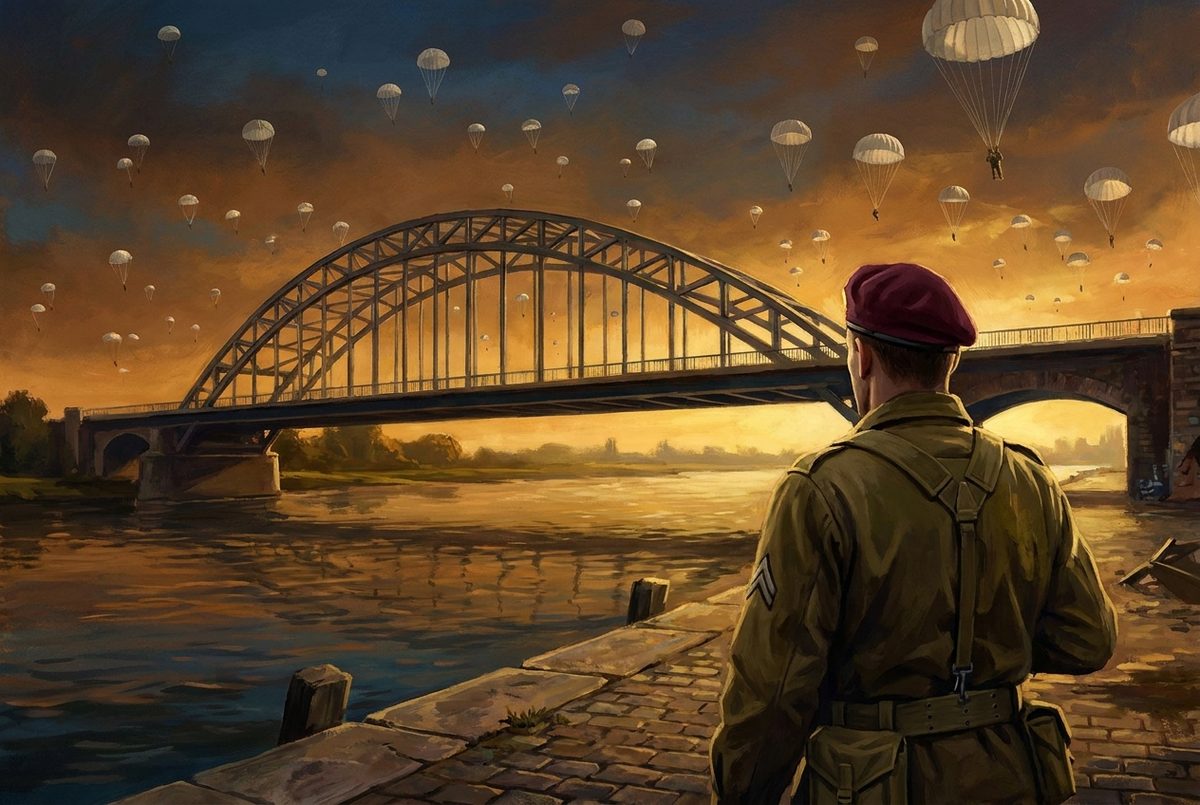
Four Days at the Bridge
At Arnhem’s John Frost Bridge, British soldiers fought to hold a river crossing while families tried to escape through the same streets. You can stand beneath the approach where people sheltered from gunfire, then look towards the far bank the defenders could not capture.
 CITYQUEST
Arnhem After the Battle
Hunt for traces of Arnhem’s wartime destruction in streets rebuilt after the battle. Real stone memorials and bronze figures hold the clues as you gather letters for a final answer.
 CITYQUEST
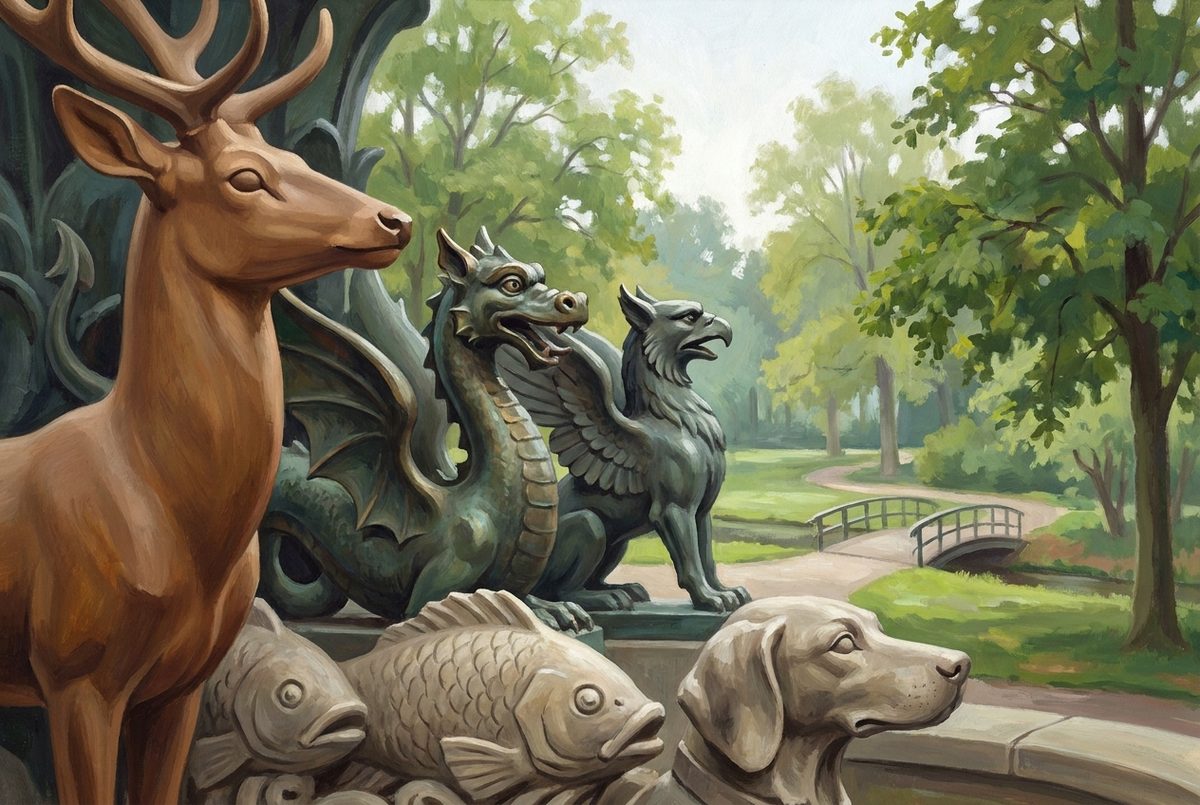
The Stone Creature Keeper
Your creature collection is scattered across Arnhem, waiting for you to spot real animals and monsters among the city’s statues and fountains. Hunt for them in the street, fill the keeper’s catalogue and work towards a final answer.