
LANDMARK
Kröller-Müller Museum
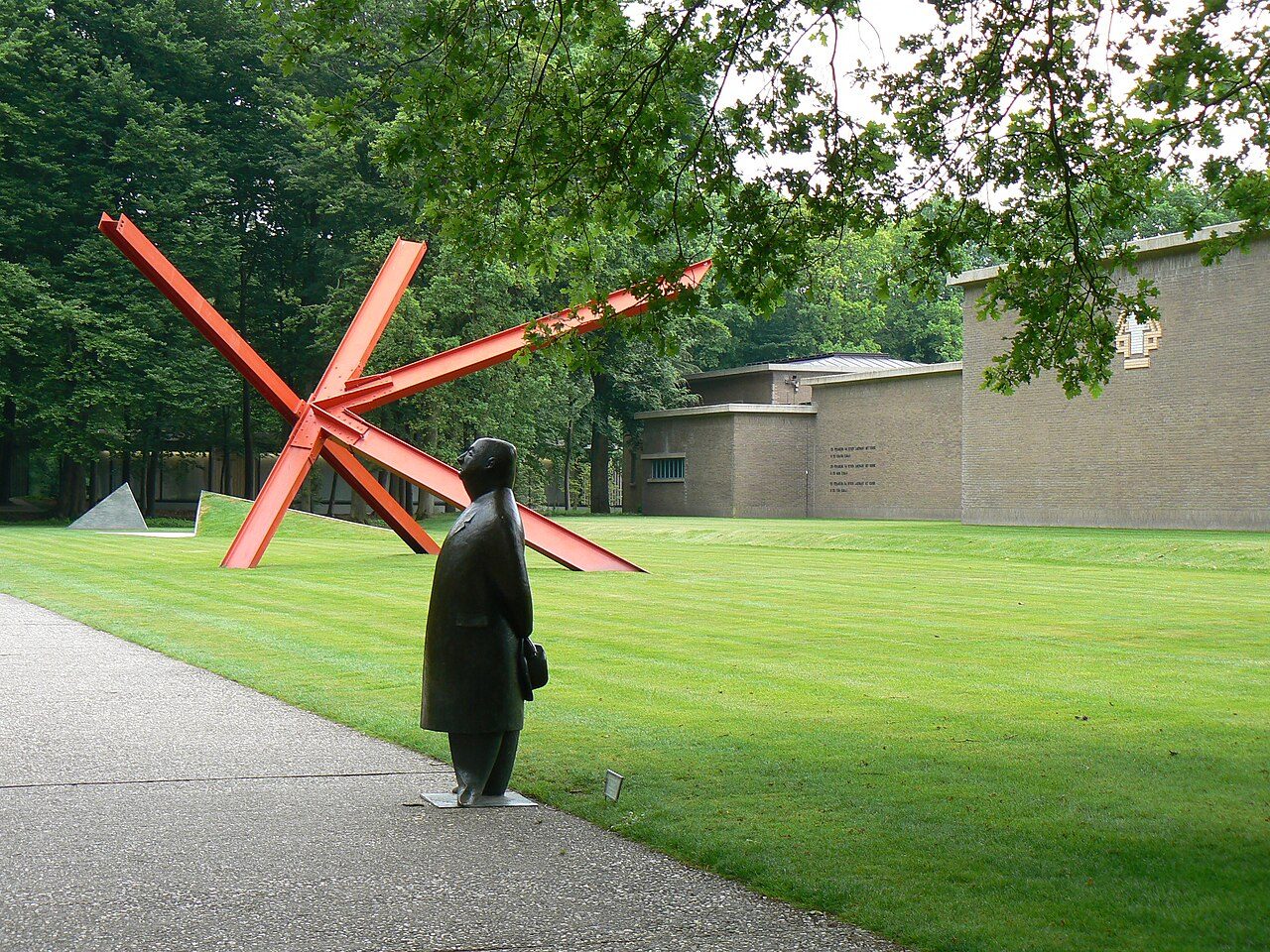
An art museum in Hoge Veluwe National Park, with the world’s second-largest collection of Van Gogh paintings and a sculpture garden where works by Rodin and Henry Moore stand among the trees.
Van Gogh in the woods
The Kröller-Müller Museum holds the world’s second-largest collection of Van Gogh paintings, inside Hoge Veluwe National Park at Otterlo. One painting carries a picture beneath its surface. In 2012, researchers used X-rays to reveal two wrestlers under Still Life with Meadow Flowers and Roses. That discovery helped restore its attribution to Van Gogh after it had been labelled anonymous. You cannot see the wrestlers with the naked eye, but knowing they are there changes how you look at the canvas.
This is not Museum Arnhem, the art museum above the Rhine. Allow time for a separate outing into the park. Inside, collection highlights include Café Terrace at Night and Sorrowing Old Man (At Eternity’s Gate). There are also works by Seurat, Mondrian, Redon and Picasso. Outside, sculpture becomes part of the walk through the trees.
A collector’s conviction, and a mistake
Helene Kröller-Müller began collecting paintings in 1908. Advised by H.P. Bremmer, she became an early supporter of Van Gogh’s work. After surviving a serious operation in 1911, she pursued plans for a museum that would eventually pass her collection to the Dutch public.
Her judgement was not infallible. In 2025, the museum displayed a fake Van Gogh seascape that had fooled her. It was among 33 supposed Van Goghs traded by Berlin dealer Otto Wacker, whose deception was exposed at his 1932 trial. The museum presented the forgery as part of its own history, rather than quietly setting the mistake aside.
Helene donated her collection to the Dutch state in 1935. Henry van de Velde’s museum opened in 1938. Intended as a temporary building while a grander museum awaited completion, it became the permanent home instead.
Hidden from war, taken by thieves
In 1939, Helene arranged for a shelter to be built near the museum. The collection was hidden there during the Second World War. Camouflaged as a dune, the shelter blended into the landscape so successfully that Canadian liberators parked tanks on top of it. The apparently ordinary ground was protecting the paintings beneath them.
The collection faced a different threat in 1988. Thieves smashed the museum’s glass facade and stole three Van Goghs, including a version of The Potato Eaters. All three were recovered in 1989, badly damaged. These are not just stories of valuable pictures changing hands. They explain how much of a museum’s work concerns keeping fragile objects intact.
Watch the sculpture move
The sculpture garden opened in 1961. Marta Pan made Floating Sculpture, Otterlo for that opening. Look at the relationship between its two parts: the upper half is connected to the floating base so that the wind can turn it independently through a full circle. Give it a little time rather than treating it as a stationary object to photograph.
Elsewhere, the garden includes work by Rodin, Henry Moore, Jean Dubuffet and others. Walk around the sculptures and let the trees change their backgrounds. Back in the building, notice the long, glass-lined passages of Wim Quist’s extension, opened in 1977. They continue Helene’s idea that art, architecture and nature should be seen together.
Things to know
- Plan your journey to Otterlo, not Arnhem city centre.
- Allow time for both the galleries and sculpture garden.
- Wear comfortable walking shoes and bring a waterproof layer.
- Check the current display if one painting is your main reason for visiting.
- Opening hours and prices can change. Check the official website before you go. Official website
What people say
Related spots
More things to do in Arnhem ›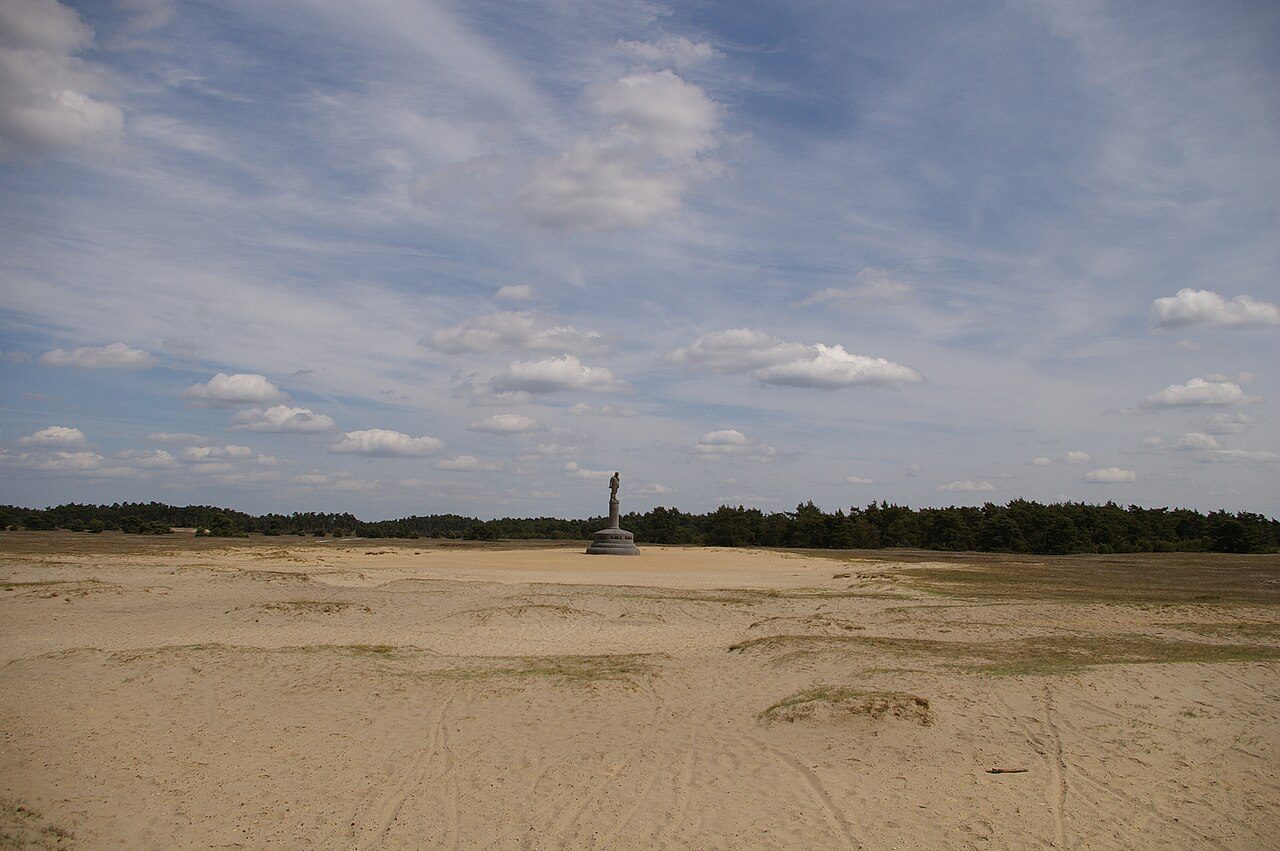
Hoge Veluwe National Park
A national park north of Arnhem where shared white bicycles and walking routes lead through heathland, sand dunes and woodland, home to red deer, roe deer and wild boar.
Museum Arnhem
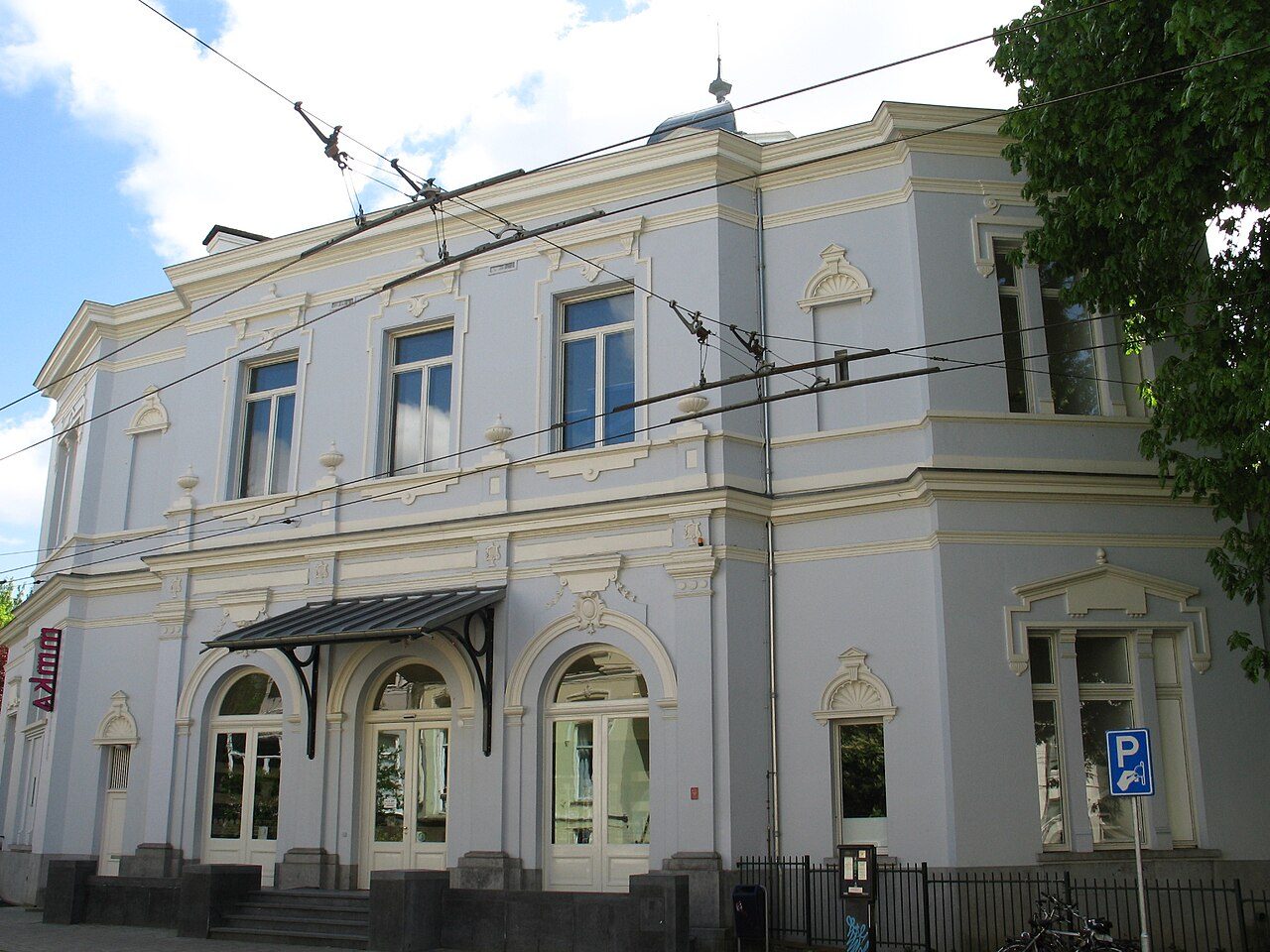
A museum above the Rhine with Dutch realism, modern art and jewellery, plus a freely accessible sculpture garden with more than twenty works and river views.
Arnhems Oorlogsmuseum 40-45
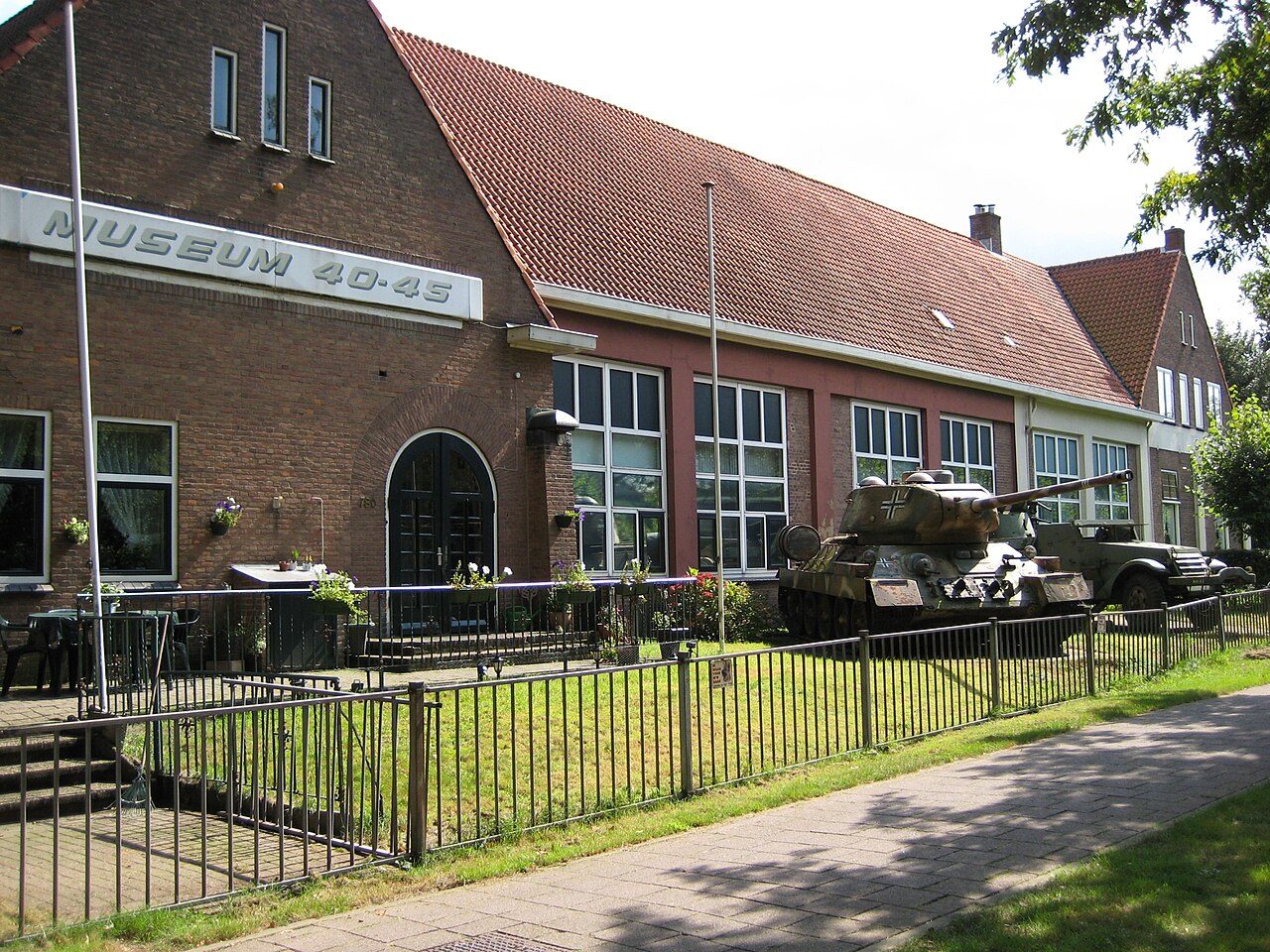
A Second World War museum in a former school occupied by German soldiers, with weapons, uniforms and dioramas showing the fighting and everyday civilian life under occupation in and around Arnhem.
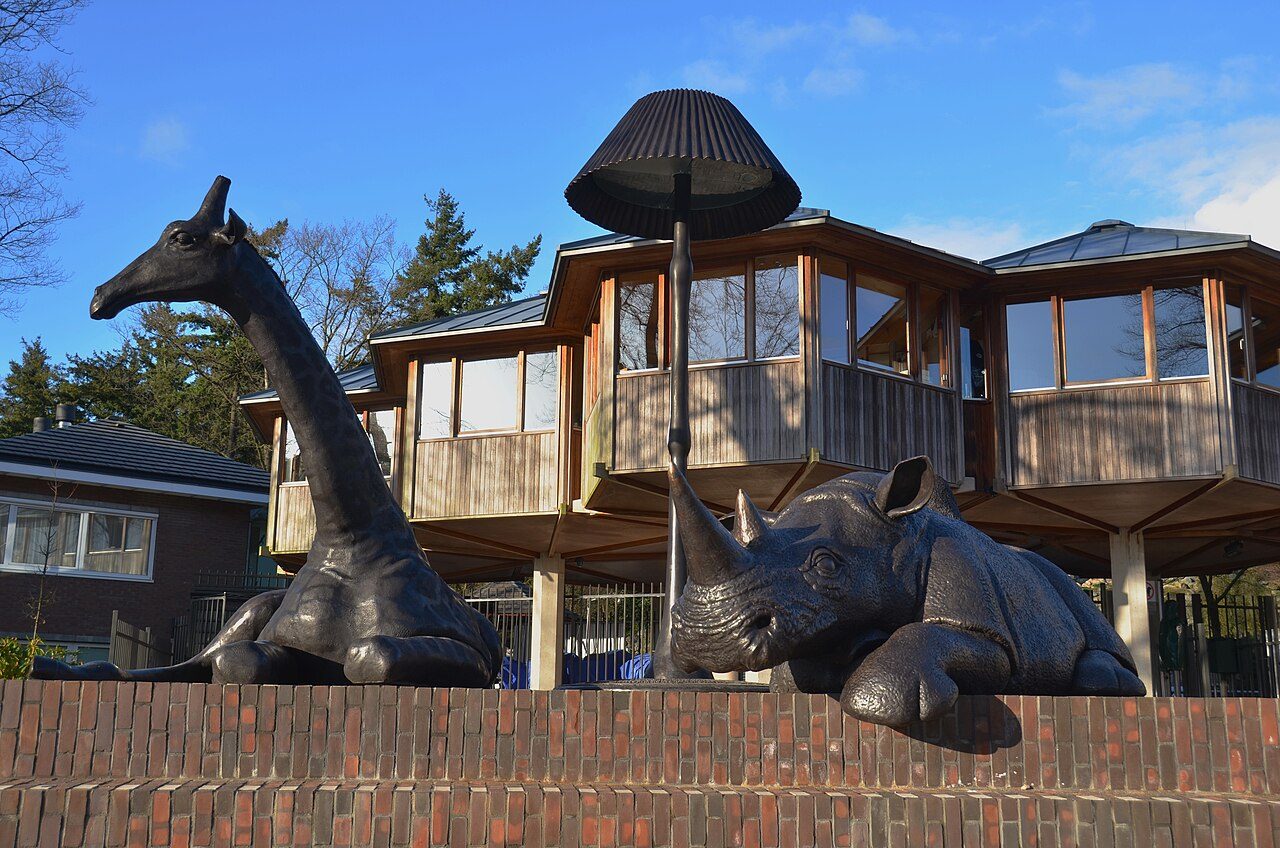
Royal Burgers' Zoo
A zoo on Arnhem’s northern edge, with recreated rainforest, desert and mangrove habitats to walk through, plus sharks and a living coral reef in Burgers’ Ocean.
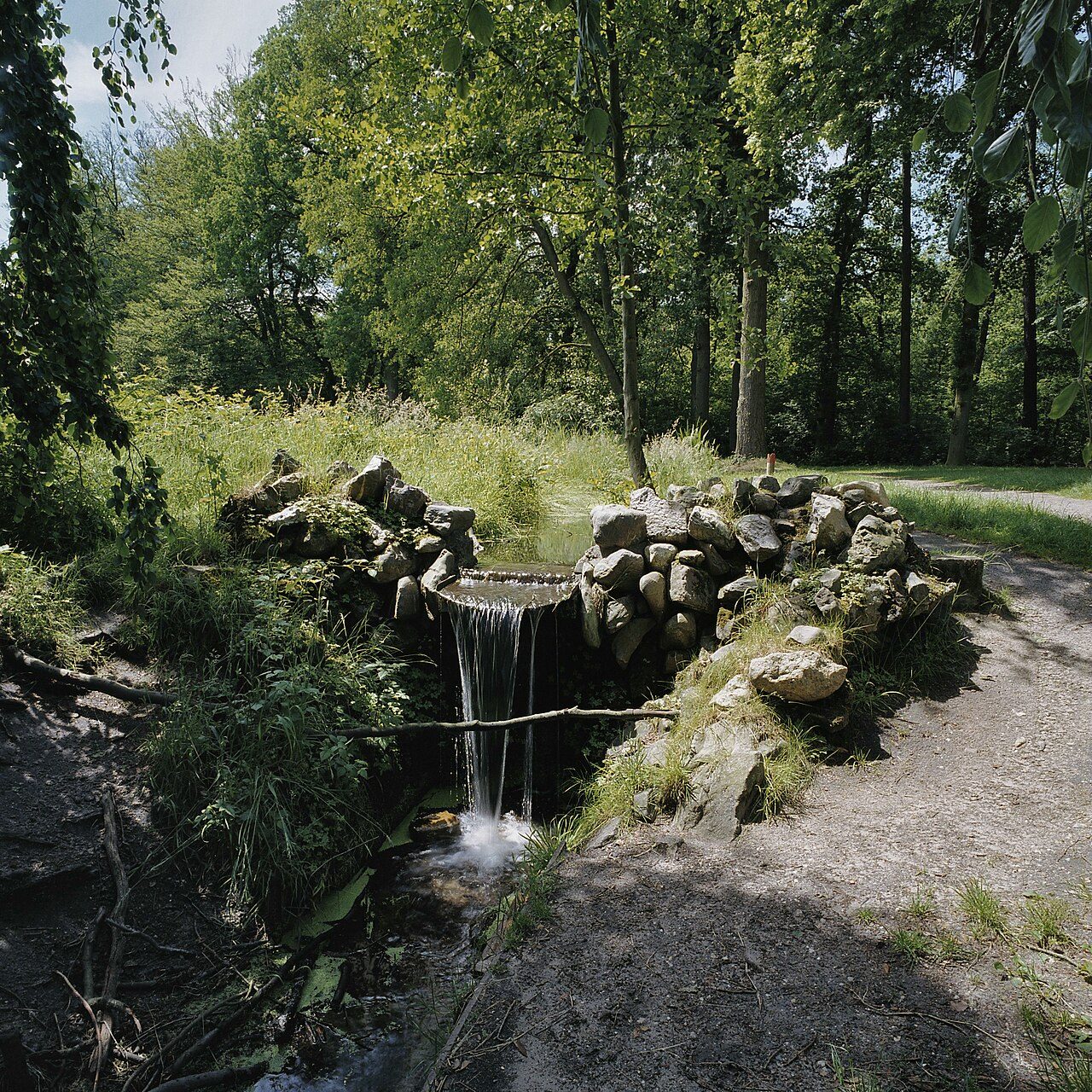
Warnsborn
An estate on Arnhem’s northwestern edge, with walks from formal garden terraces into woods, past ponds, heath and eleven prehistoric burial mounds.
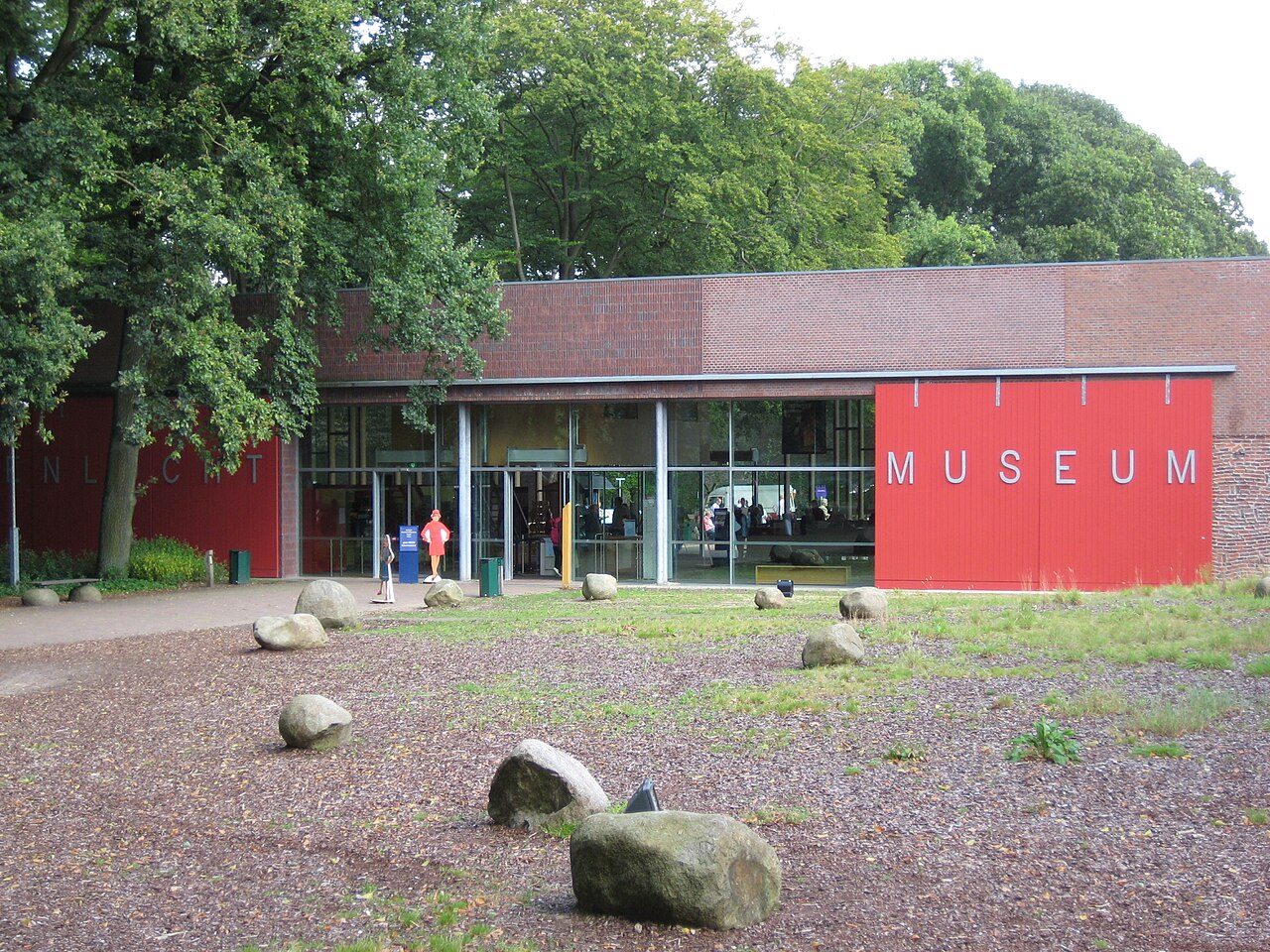
Netherlands Open Air Museum
An open-air museum of historic Dutch houses, farms and mills, where furnished rooms, craft demonstrations, a working brewery and heritage trams bring everyday lives and working traditions into view.
Walk it with a guide or a quest
If you want a story on the way, these walks also live in Arnhem.
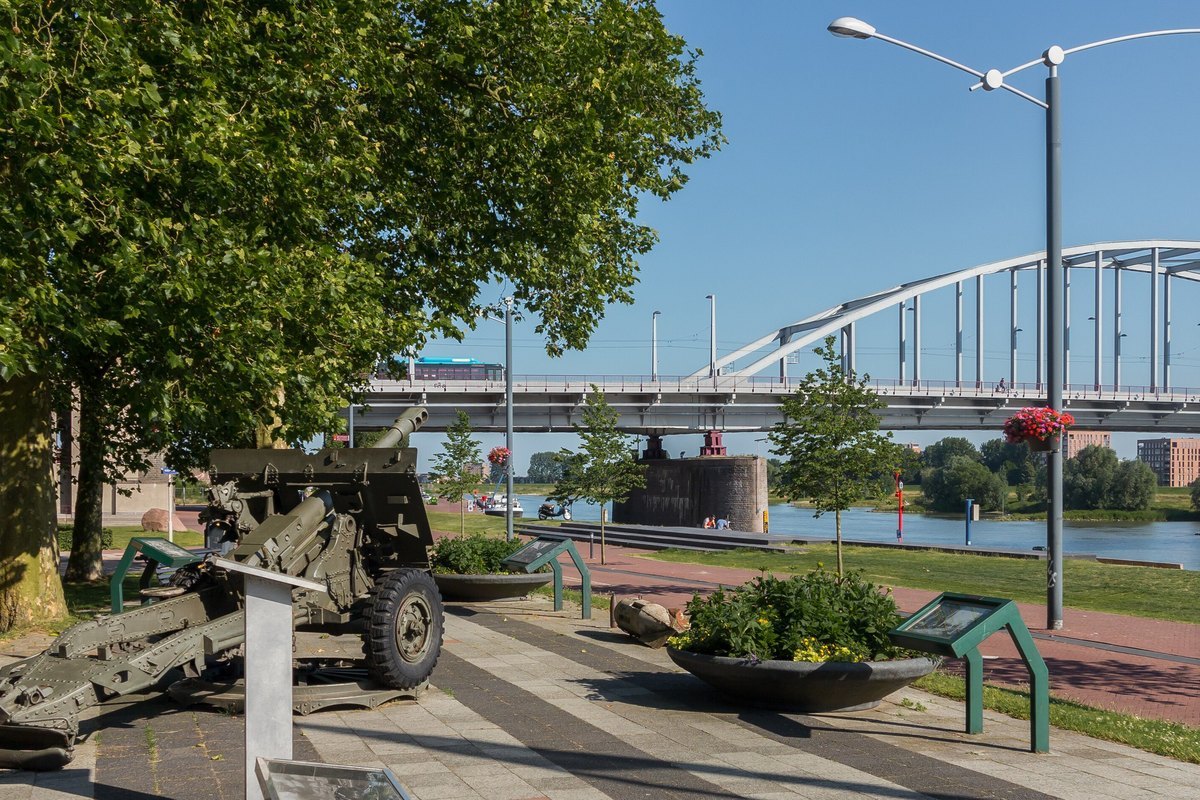 FREE AUDIO TOUR
Four Days at the Bridge
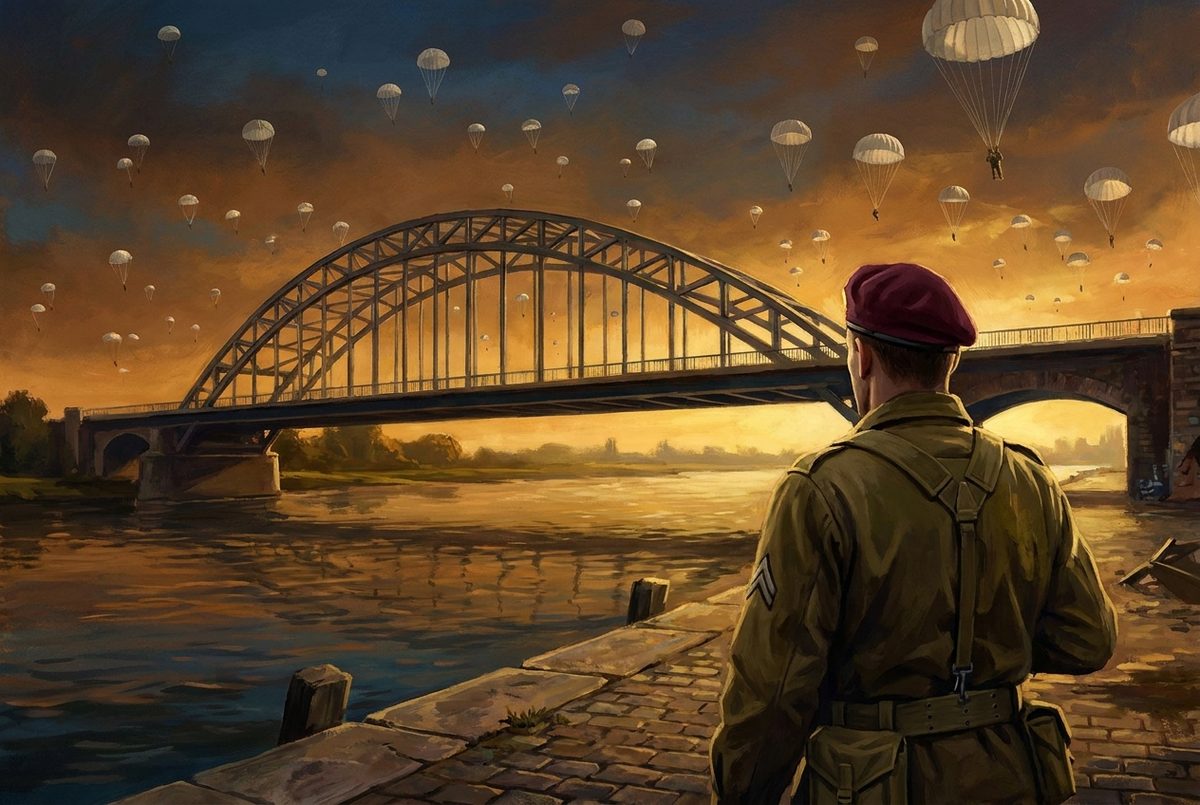
At Arnhem’s John Frost Bridge, British soldiers fought to hold a river crossing while families tried to escape through the same streets. You can stand beneath the approach where people sheltered from gunfire, then look towards the far bank the defenders could not capture.
 CITYQUEST
Arnhem After the Battle
Hunt for traces of Arnhem’s wartime destruction in streets rebuilt after the battle. Real stone memorials and bronze figures hold the clues as you gather letters for a final answer.
 CITYQUEST
The Stone Creature Keeper
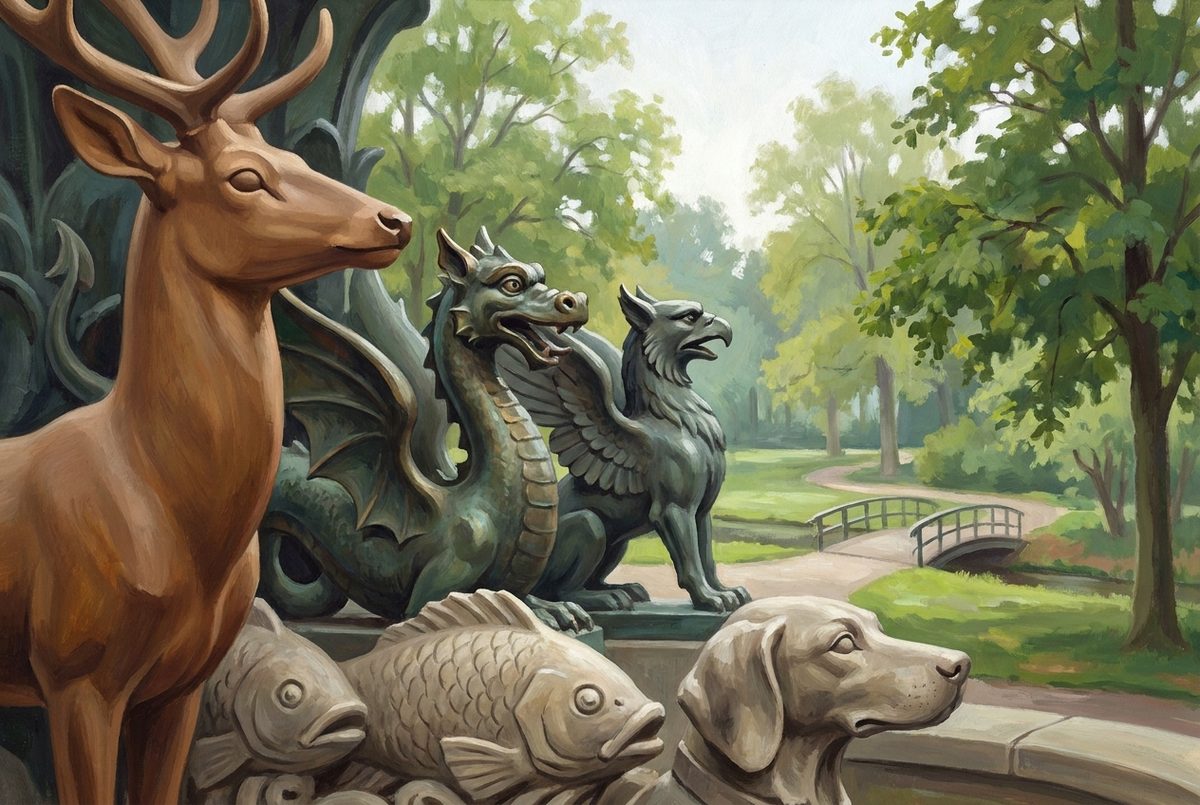
Your creature collection is scattered across Arnhem, waiting for you to spot real animals and monsters among the city’s statues and fountains. Hunt for them in the street, fill the keeper’s catalogue and work towards a final answer.