
LANDMARK
Spui & Het Lieverdje
The little street-urchin statue where the 1960s Provo happenings started; book market on Fridays.
A small boy, a public stage
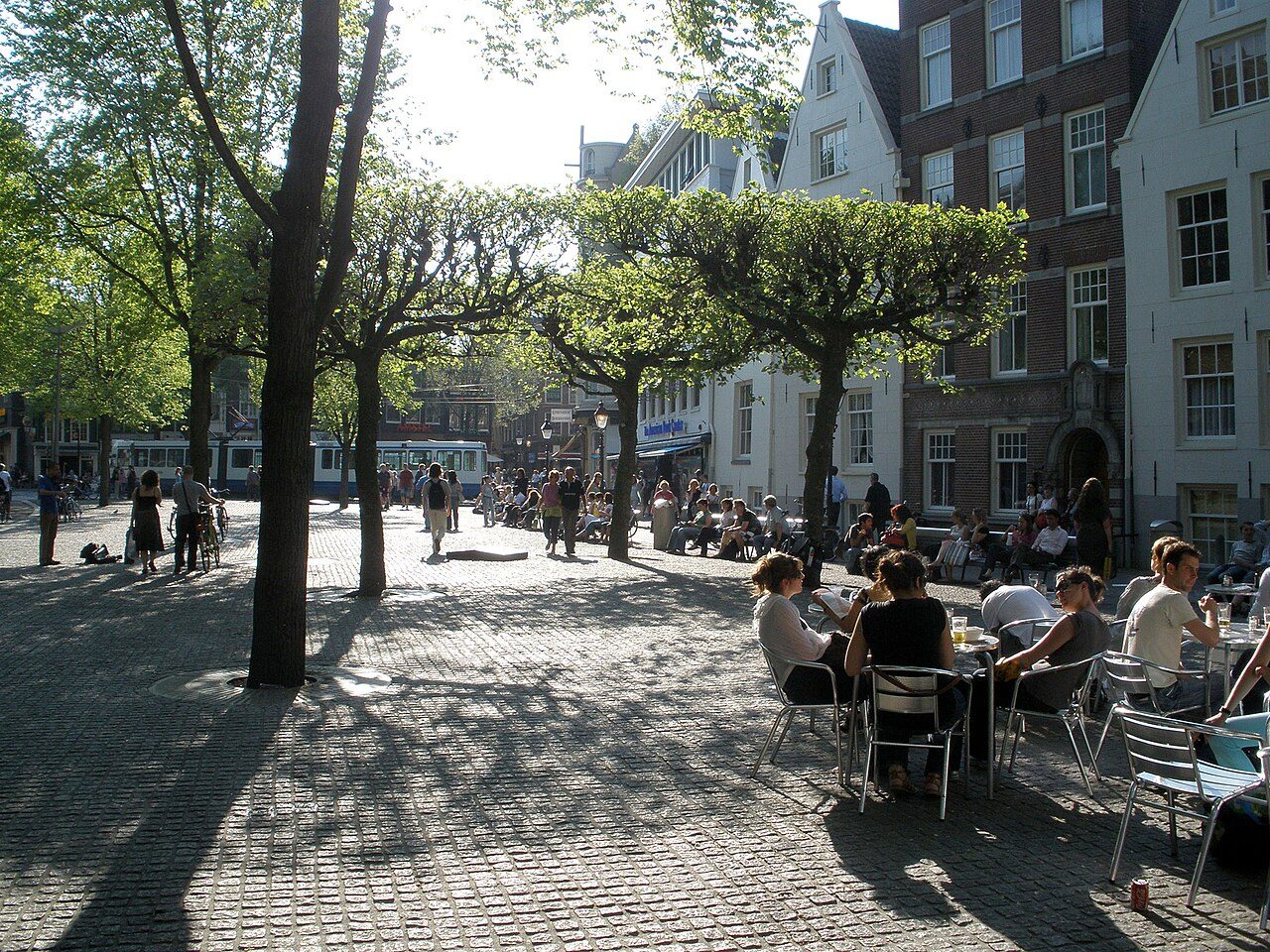
Het Lieverdje is the little bronze street boy on Spui, a square where books, cafés and protest share the same patch of Amsterdam. On 13 June 1964, anti-smoking campaigner Robert Jasper Grootveld placed a burning paper wreath around the statue while onlookers chanted. The irony was deliberate: the Hunter cigarette company had financed the boy.
That first happening made this small statue a gathering point for the street theatre associated with the 1960s Provo movement. Come for the figure, but give the square a little time too. Unlike the enclosed calm of the nearby Begijnhof courtyard, Spui’s stories played out in public, with an audience and sometimes the police.
Two children and a moped
The statue’s first unveiling in 1959 was a much gentler affair. Organiser Sanny Hemerik collected siblings Jan and Nellie Voortman from the street on his moped. He brought them to Spui to pull away the cloth covering the statue. Afterwards, the children were treated to lemonade at Café Hoppe.
It is a good story to hold in mind while looking at the boy. Before the burning wreath and the protest gatherings, two actual Amsterdam children had the job of introducing him to the city. Look at the figure first, then turn towards Café Hoppe: the statue and the café belong to the same small scene, rather than separate chapters of local history.
Currants, poems and police
Spui’s confrontations could begin with very modest gestures. On 23 April 1966, Provo member Koosje Koster handed currants to passers-by here as a message of love. Police treated the gesture as a provocation, arrested her and took her to the station. Knowing that makes it easier to picture how an ordinary gathering on the square could become a confrontation.
The following year, words in a shop window caused trouble. In 1967, police asked Athenaeum bookshop to remove a poster of Gerard Reve’s poem about a sailor. The shop covered the poem with a notice explaining that the morality police had requested it be hidden. It also told customers they could buy the poem inside. Take a look at the bookshop frontage: here, even a window display became a place to answer authority back.
Books above and below
Friday brings the book market to Spui. If browsing is part of your visit, allow longer than a quick statue stop. Like the Oudemanhuispoort book market, it gives books a place in the city’s outdoor walking life.
Then look down for Lawrence Weiner’s 1996 artwork: three iron objects shaped like books. One bears a text in Sranan Tongo, a language that developed among enslaved people on Suriname’s plantations. Do not mistake these for street fittings and walk straight past. They bring a different history into the square, beyond its better-known protest years. Between the bronze boy, the bookshop window and these iron books, Spui rewards looking at more than eye level.
Things to know
- Spui is about seven minutes on foot from Dam Square.
- Go on Friday if you want to browse the book market.
- Allow extra time for the bookshop frontage and Weiner’s artwork.
- Look down for the three iron book-shaped objects.
What people say
Related spots
More things to do in Amsterdam ›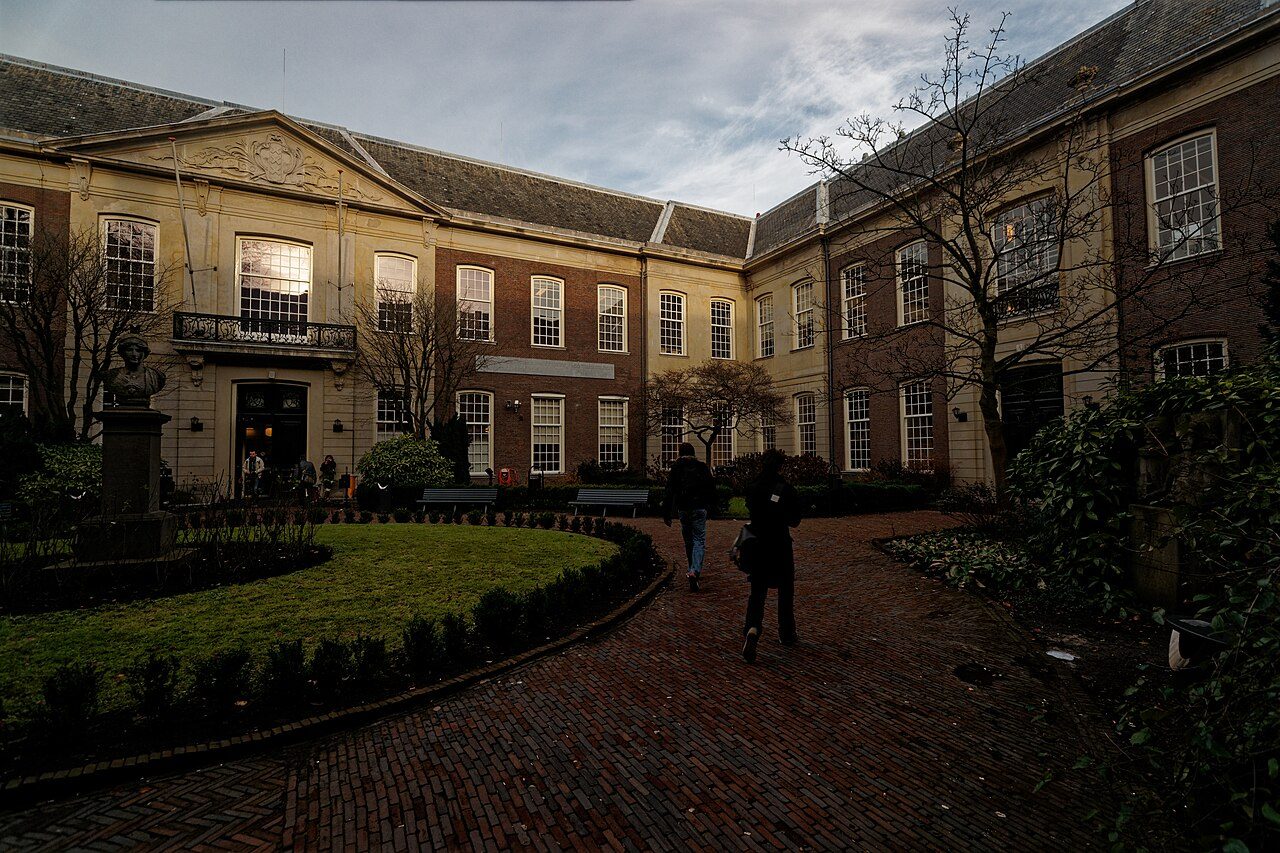
Oudemanhuispoort book market
Browse second-hand books in a covered university passage whose stalls became a book market in the 1870s.
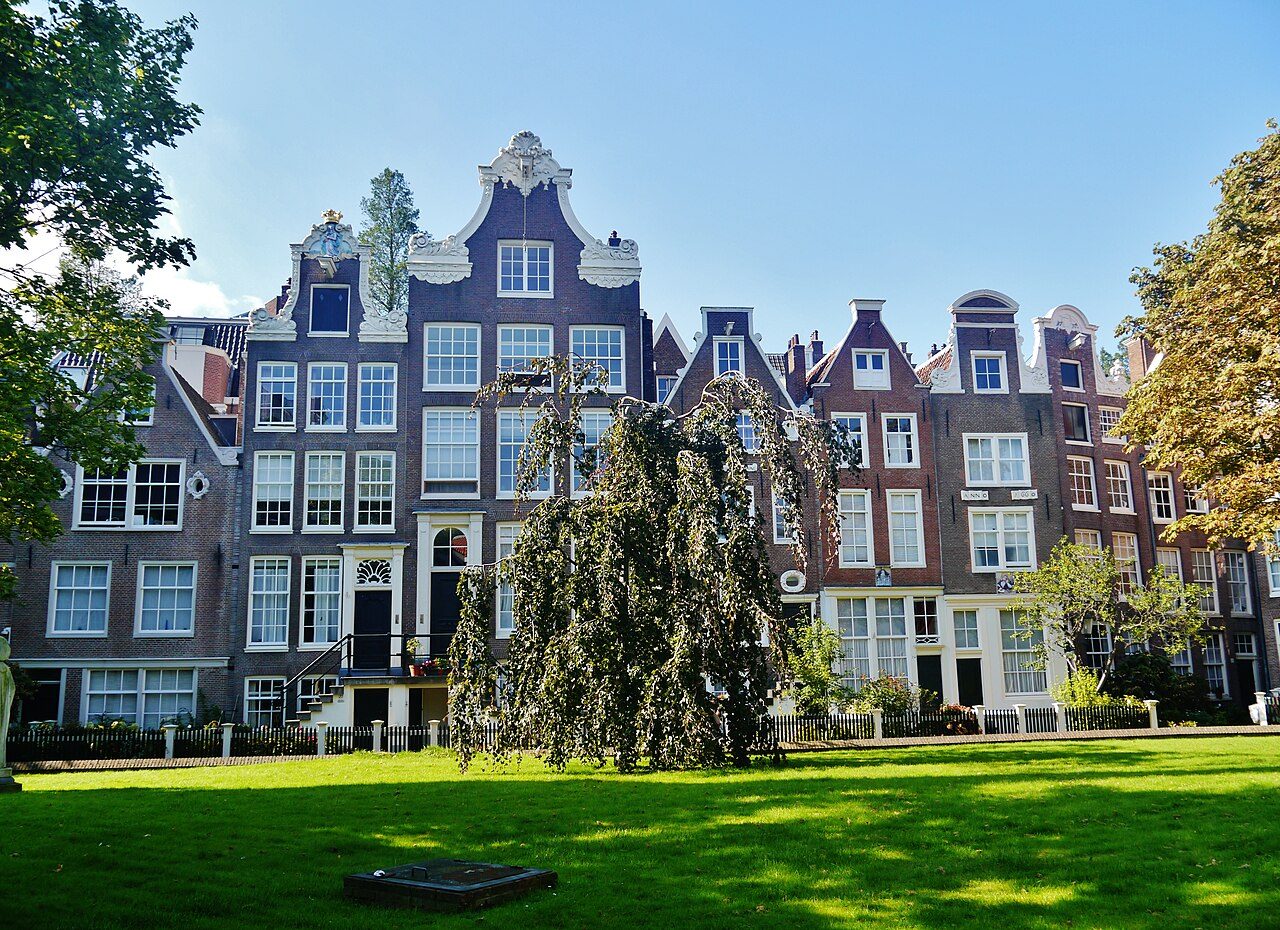
Begijnhof
A walled medieval courtyard in the middle of the old centre, home to single women for more than 600 years. Step through the gate on the Begijnensteeg and the city noise drops away.
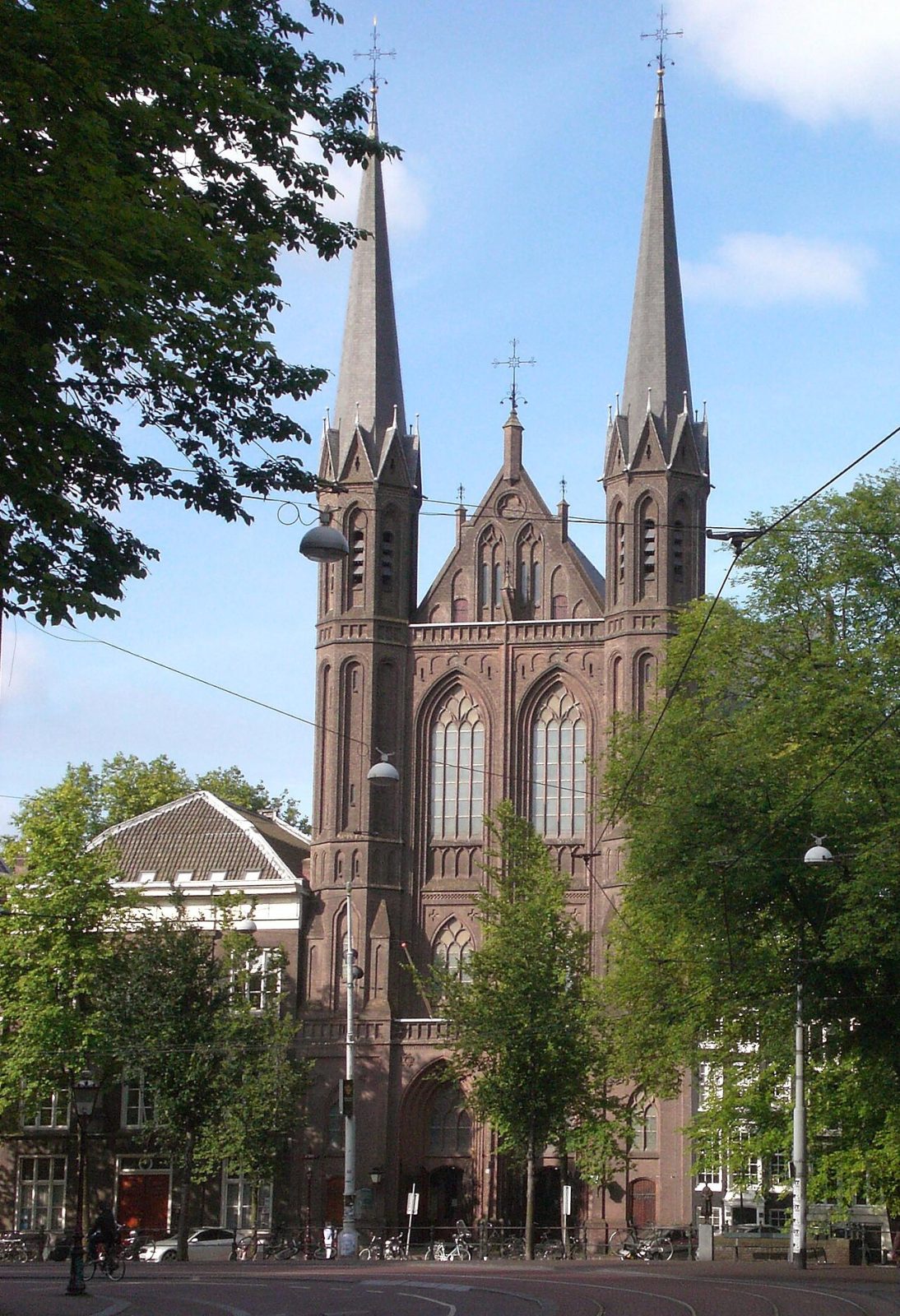
De Krijtberg
Step from the Singel into a soaring neo-Gothic church where art from an older hidden chapel still survives.
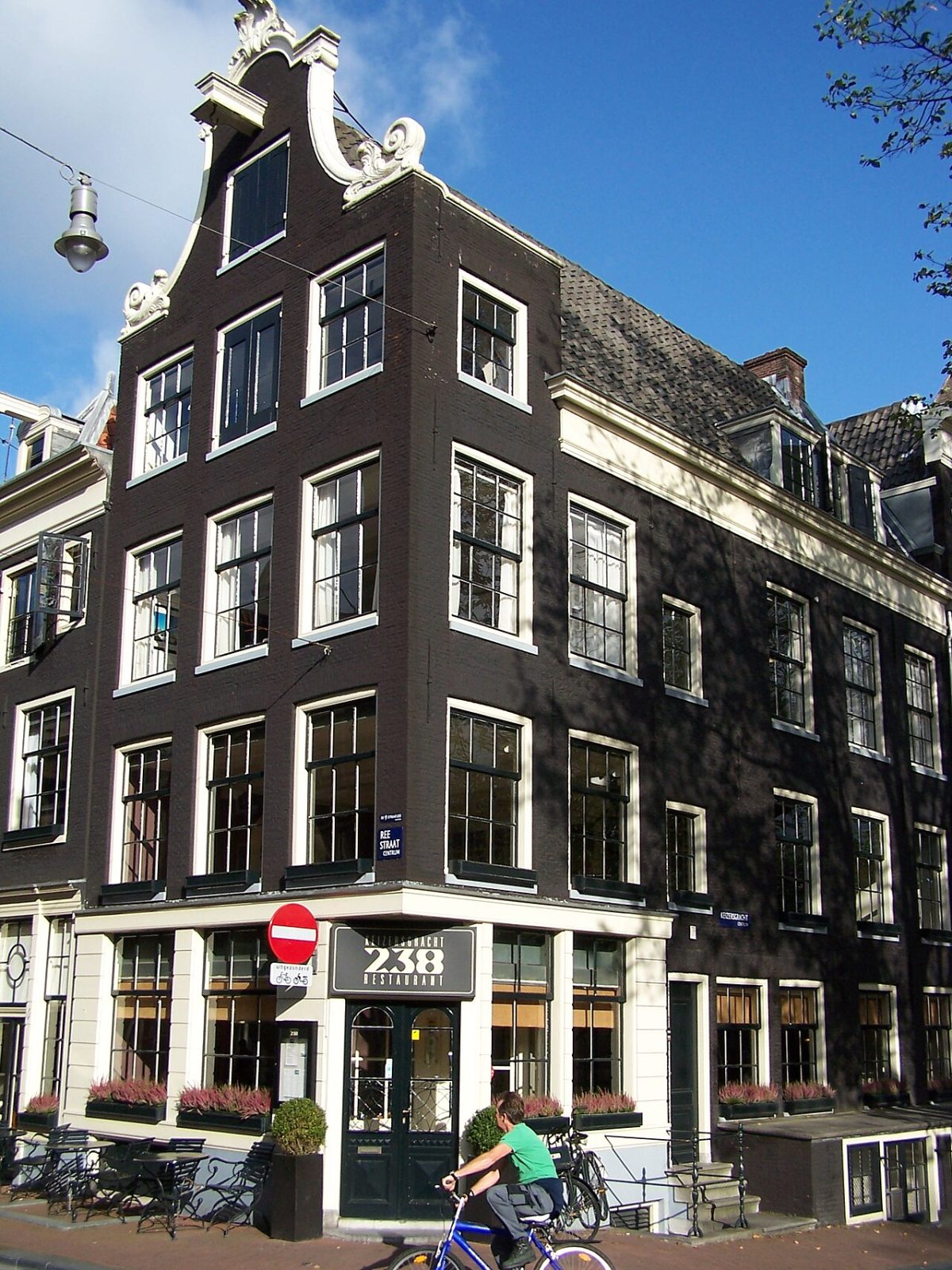
Negen Straatjes
Nine small streets crossing the main canals, full of independent shops and cafés.
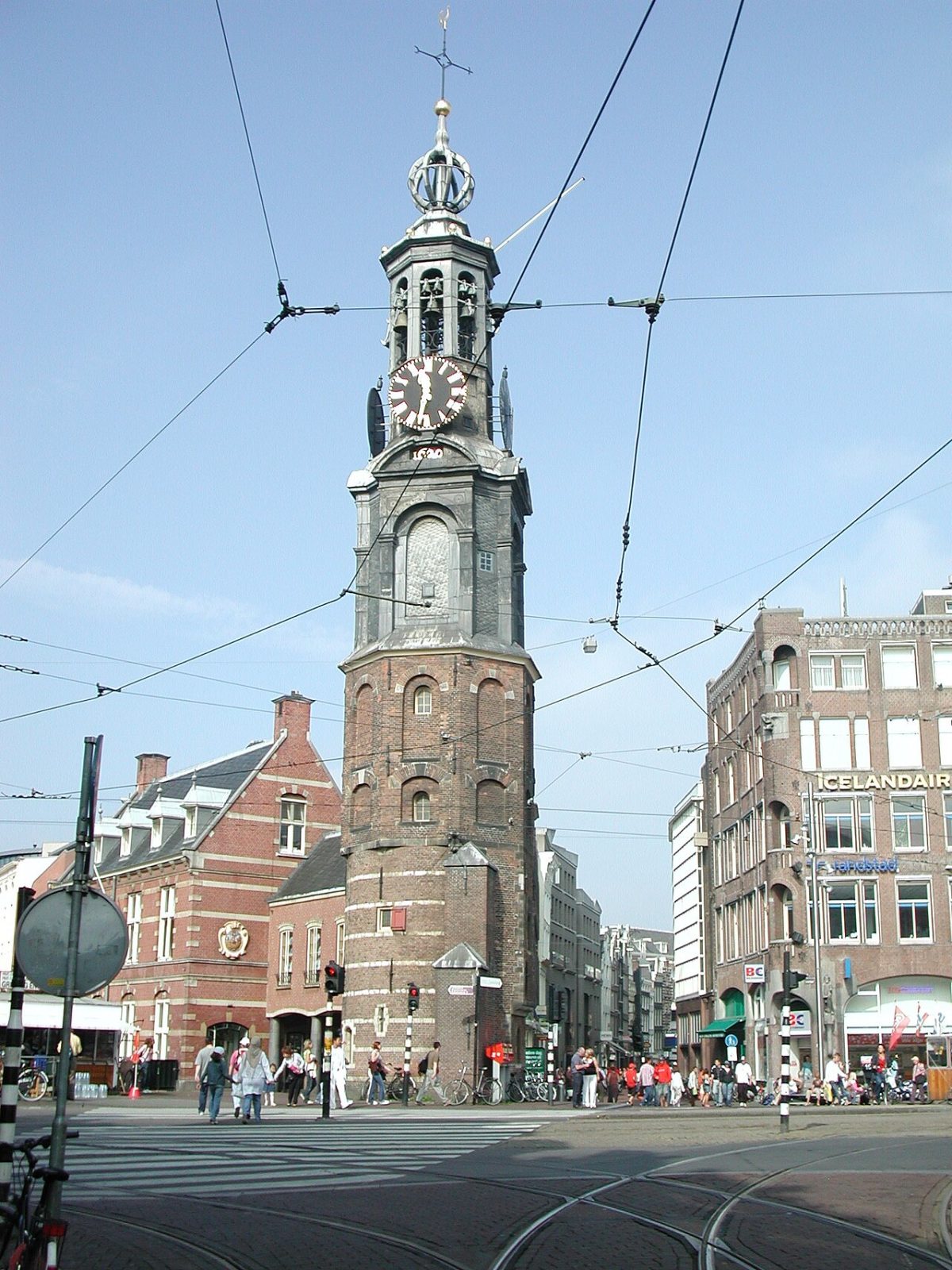
Munttoren
The tower where Amsterdam minted its own coins in 1672, by the flower market.
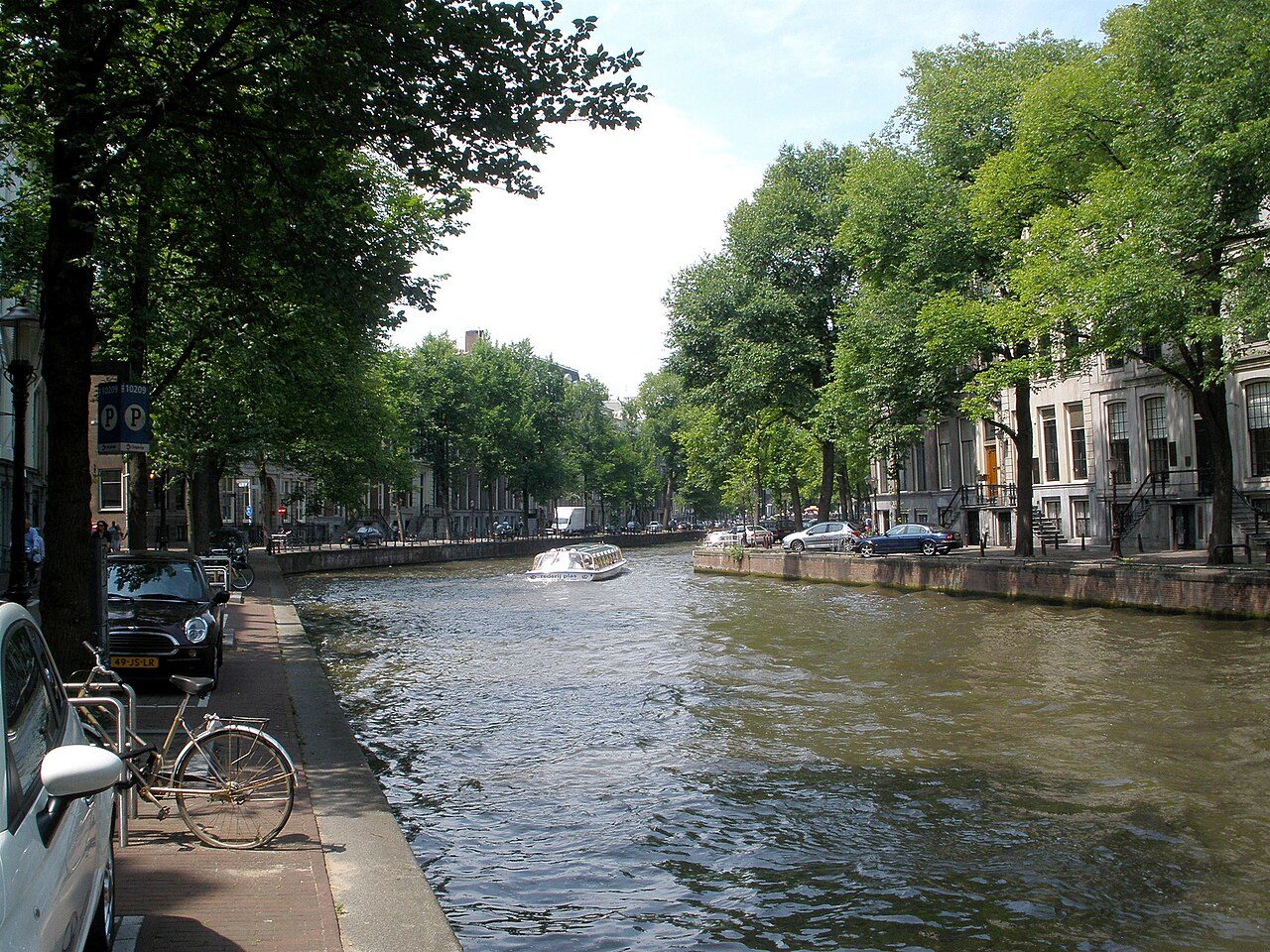
Gouden Bocht (Golden Bend)
The widest, grandest stretch of the Herengracht, where the richest merchants built double-wide mansions.
Tours and quests that pass here
These walks have a stop a few minutes from Spui & Het Lieverdje. Free, on your phone, start any time.
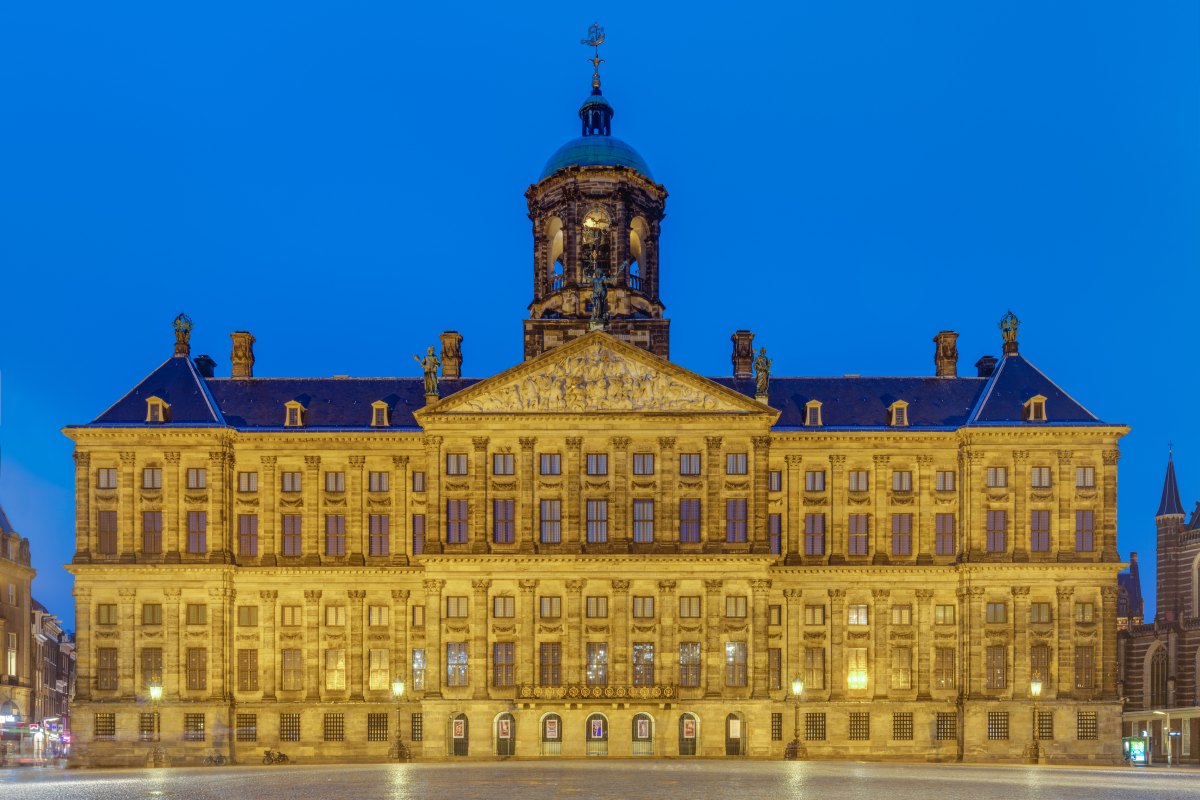 FREE AUDIO TOUR
Amsterdam in a Day: Highlights Walk
Amsterdam’s canals and grand houses tell you how a trading city grew rich, but that is only half the story. If you have one day in Amsterdam, spend it on the streets where merchants, workers and people in hiding lived within walking distance of each other.
 FREE AUDIO TOUR
Van Gogh's Amsterdam
The man who painted Sunflowers lived in Amsterdam for just over a year, before he became an artist. You can still stand at the naval yard he called home and follow his Sunday walks across the city.
 CITYQUEST
The Canal Cipher
A merchant’s missing fortune is waiting to be traced through Amsterdam’s canals in The Canal Cipher. Follow his coded will, gather clues and work out a final answer to claim the treasure.