
LANDMARK
Negen Straatjes
Nine small streets crossing the main canals, full of independent shops and cafés.
Nine streets, one recent name
The Negen Straatjes looks older than its name, and it is. Antiques dealer Djoeke Wessing coined “De Negen Straatjes” in 1996. That same year, local businesses founded their association in café De Doffer on Runstraat. What now sounds like a long-established district began with shopkeepers giving their patch of Amsterdam a shared identity.
You come here for nine short shopping streets crossing the main canals, with independent shops and cafés along the way. But give the buildings as much attention as the windows. The walk switches between narrow streets and open canal views. At each crossing, pause and look along the water before continuing. This is a place to cover slowly, rather than a single landmark to stand in front of.
Hats, rags and shop windows
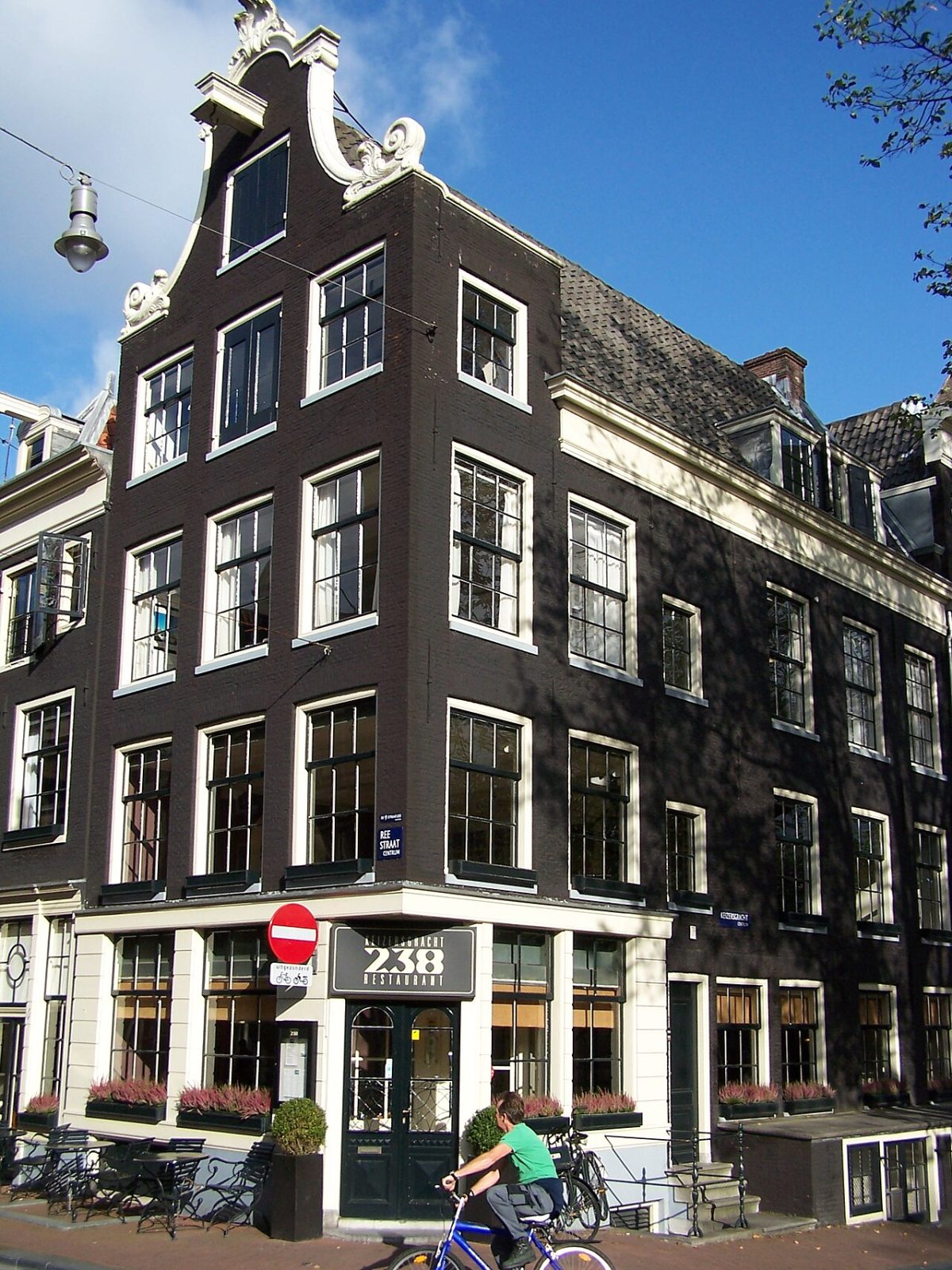
At Reestraat 7, look for the bay-shaped display windows. They survived a fire in 1905, when the hat shop De Stad Brussel burned after the woman of the house stumbled with a paraffin heater. The surviving glass-fronted bays give you something tangible to connect with that accident.
The shop had a gentler way of attracting attention around 1900: it gave away tiny doll hats at Sinterklaas. Picture those miniature hats in the same windows. They belong to the street’s history just as much as the canal houses do.
Huidenstraat has another shopkeeper’s story. In 2020, Agnes Giles of vintage shop Zipper recalled returning from her first visit to her husband’s American family with a Cadillac and two bales of rags. Their Huidenstraat shop became known for petticoats and rock ’n’ roll. It is a useful reminder that the area’s retail character was made by particular people and their tastes.
A merchant’s calling card
On Keizersgracht, look above the entrance of Huis Marseille, now a photography museum. Around 1665, merchant Isaac Fouquier added a stone depicting Marseille to the façade of his canal house. Cargo from that French port had helped make him wealthy. The stone is still there, turning a business connection into a permanent part of the building.
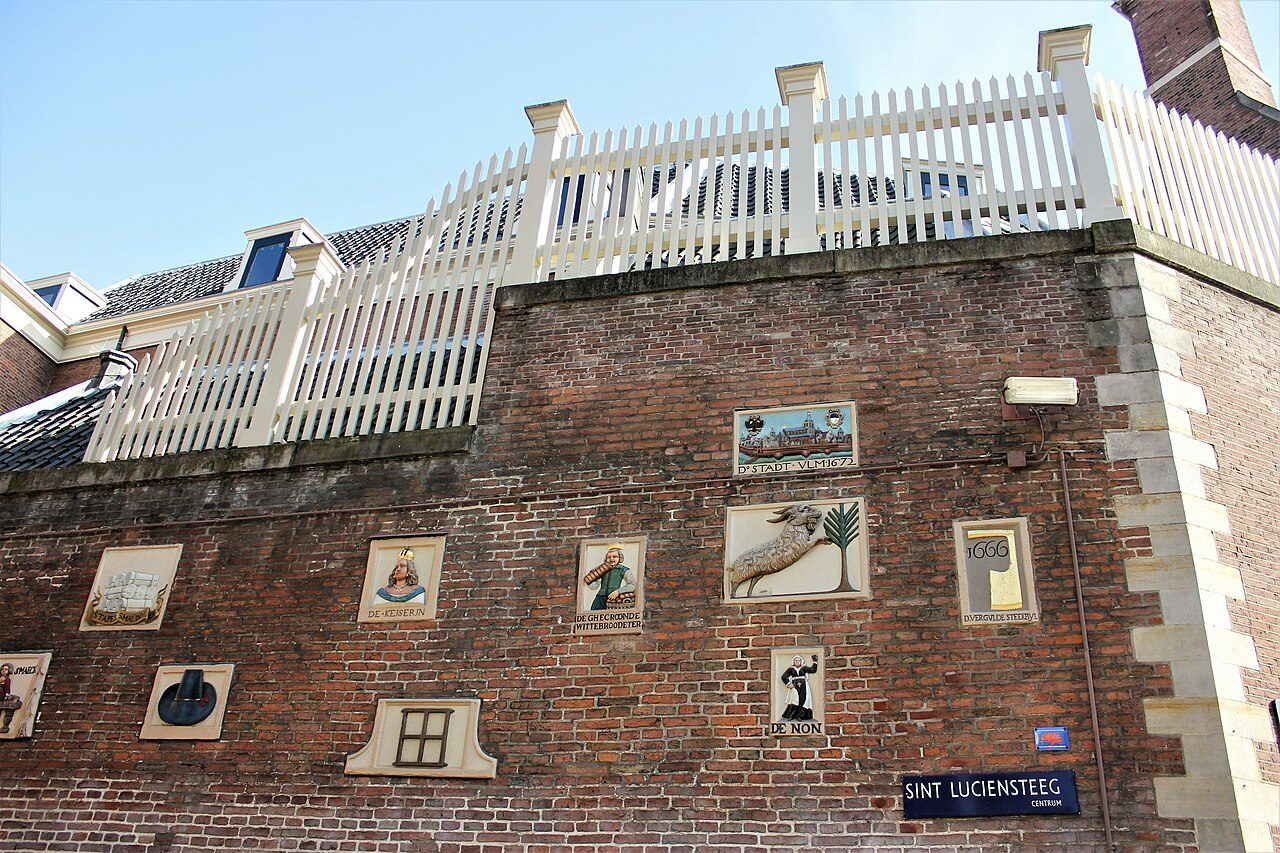
You can read it from the street without going inside. For more of this visual language, the rescued gable stones on Sint Luciënsteeg show how pictures identified houses before street numbers. Fouquier’s house also puts a personal story beside the broader merchant wealth visible along the Golden Bend of the Herengracht.
The theatre gate that survived
At Keizersgracht 384, stop at the original gateway of Amsterdam’s former theatre. On 11 May 1772, the theatre burned during a performance. Eighteen people died, including members of the Van Lennep family.
The gateway survived. Look for its inscription comparing the world to a stage. With the fire in mind, those words carry more weight than an ordinary decorative motto. Among the shopfronts and canal houses, this is a place to pause: a surviving entrance to a theatre whose story ended in disaster.
Things to know
- Walk in from Dam Square; allow roughly ten minutes.
- Allow an hour for the streets, longer for browsing.
- Wear comfortable shoes for the canal crossings.
- Keep Reestraat 7 and Keizersgracht 384 on your map.
- Look above shop-window level for façade details.
What people say
Related spots
More things to do in Amsterdam ›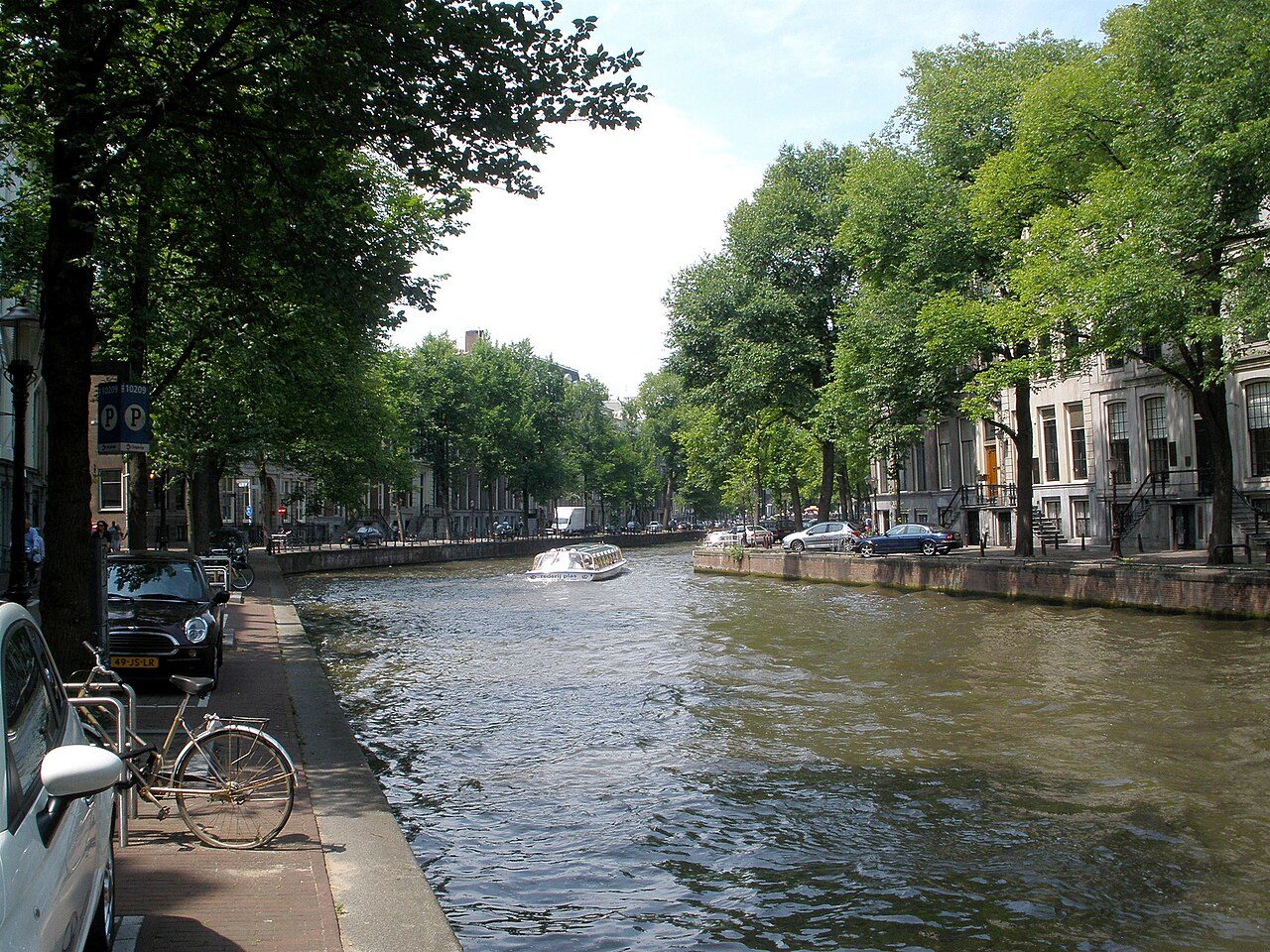
Gouden Bocht (Golden Bend)
The widest, grandest stretch of the Herengracht, where the richest merchants built double-wide mansions.
Gable stone wall (Sint Luciënsteeg)
A whole wall of rescued gable stones, the picture house numbers Amsterdam used before street numbers.
Spui & Het Lieverdje
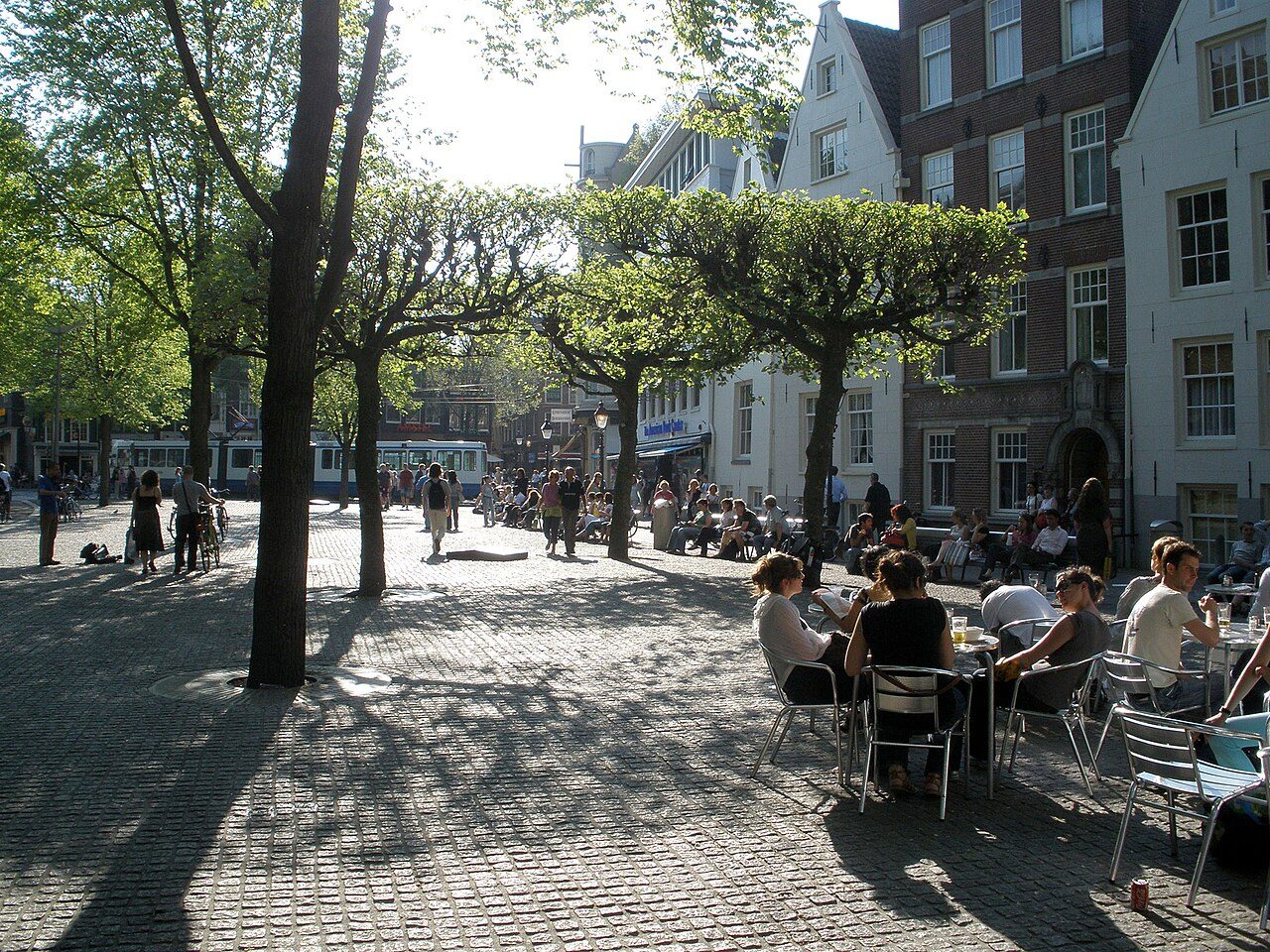
The little street-urchin statue where the 1960s Provo happenings started; book market on Fridays.
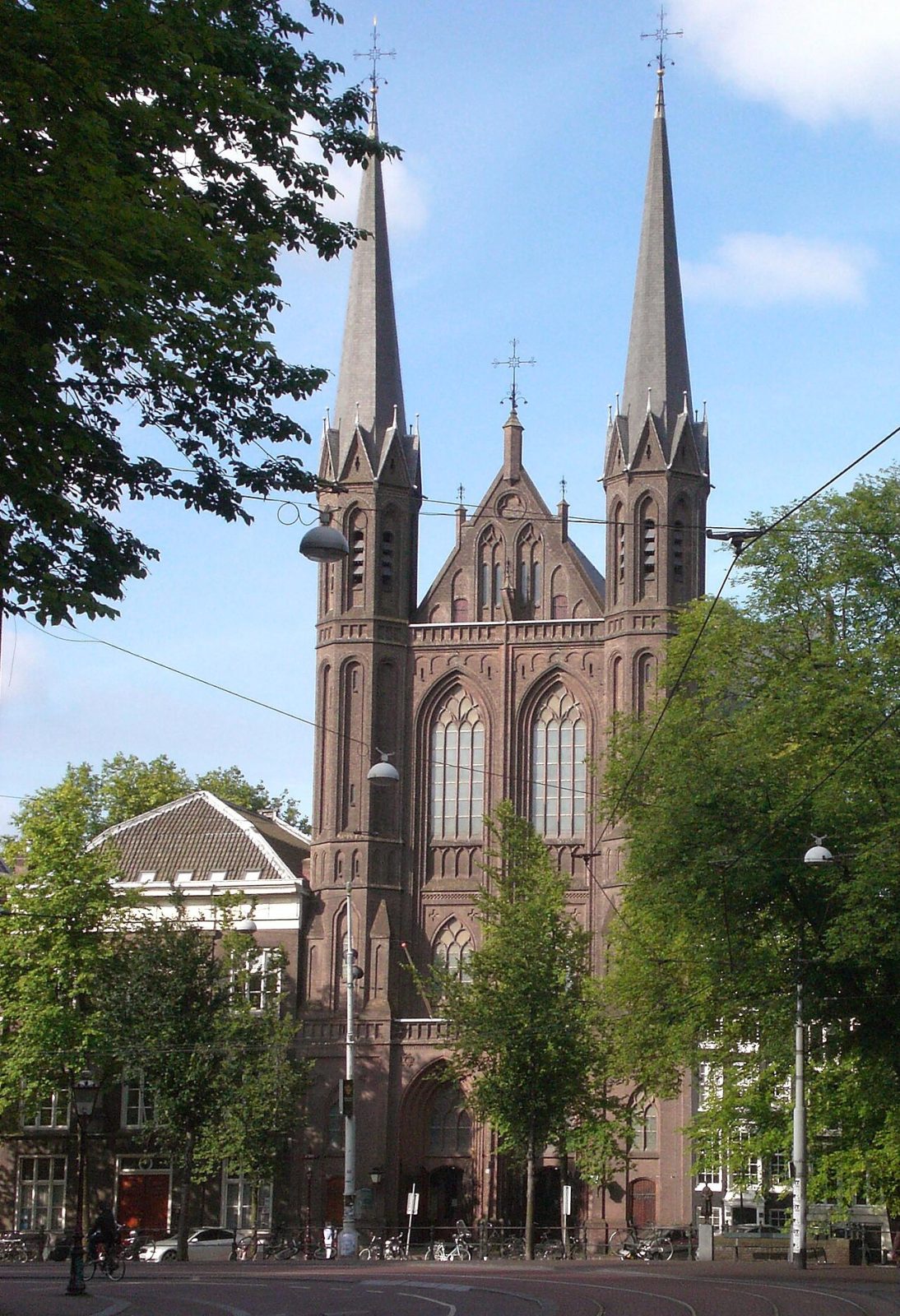
De Krijtberg
Step from the Singel into a soaring neo-Gothic church where art from an older hidden chapel still survives.
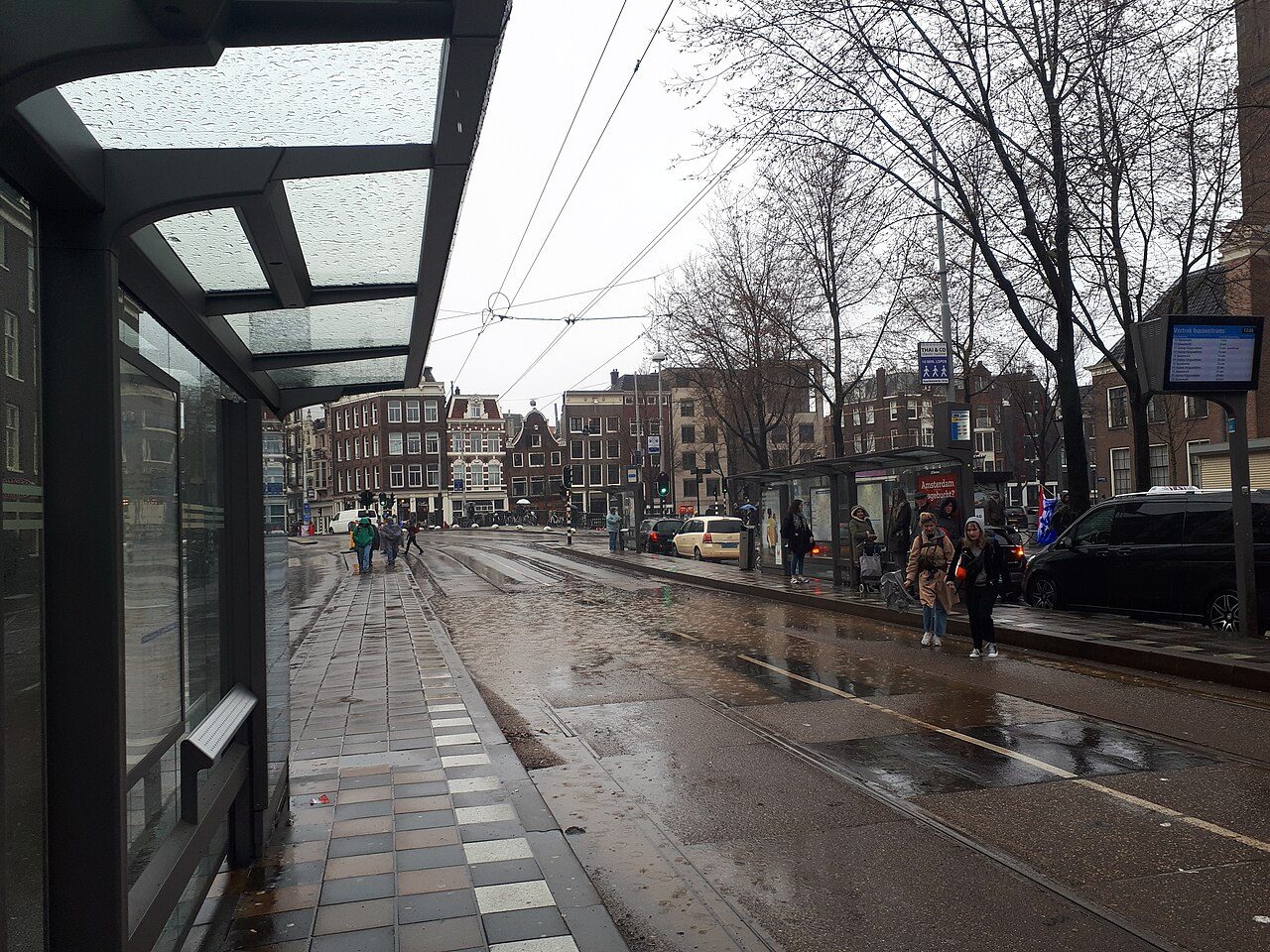
Anne Frank statue (Westermarkt)
Mari Andriessen's small statue of Anne Frank beside the Westerkerk, a few doors from the Secret Annex.
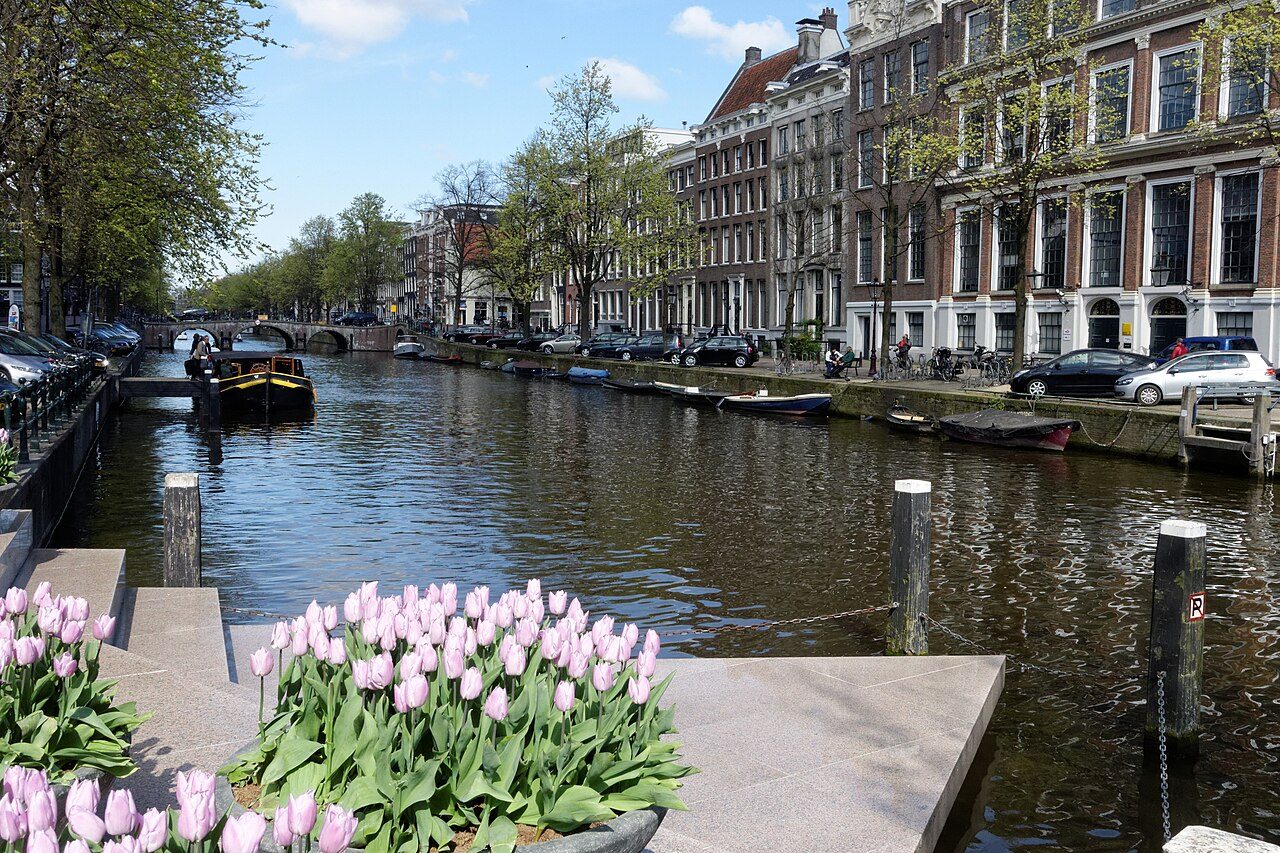
Homomonument
Three pink granite triangles by the Westerkerk, the world's first memorial to persecuted gay people.
Tours and quests that pass here
These walks have a stop a few minutes from Negen Straatjes. Free, on your phone, start any time.
 CITYQUEST
The Canal Cipher
A merchant’s missing fortune is waiting to be traced through Amsterdam’s canals in The Canal Cipher. Follow his coded will, gather clues and work out a final answer to claim the treasure.
 FREE AUDIO TOUR
Amsterdam in a Day: Highlights Walk
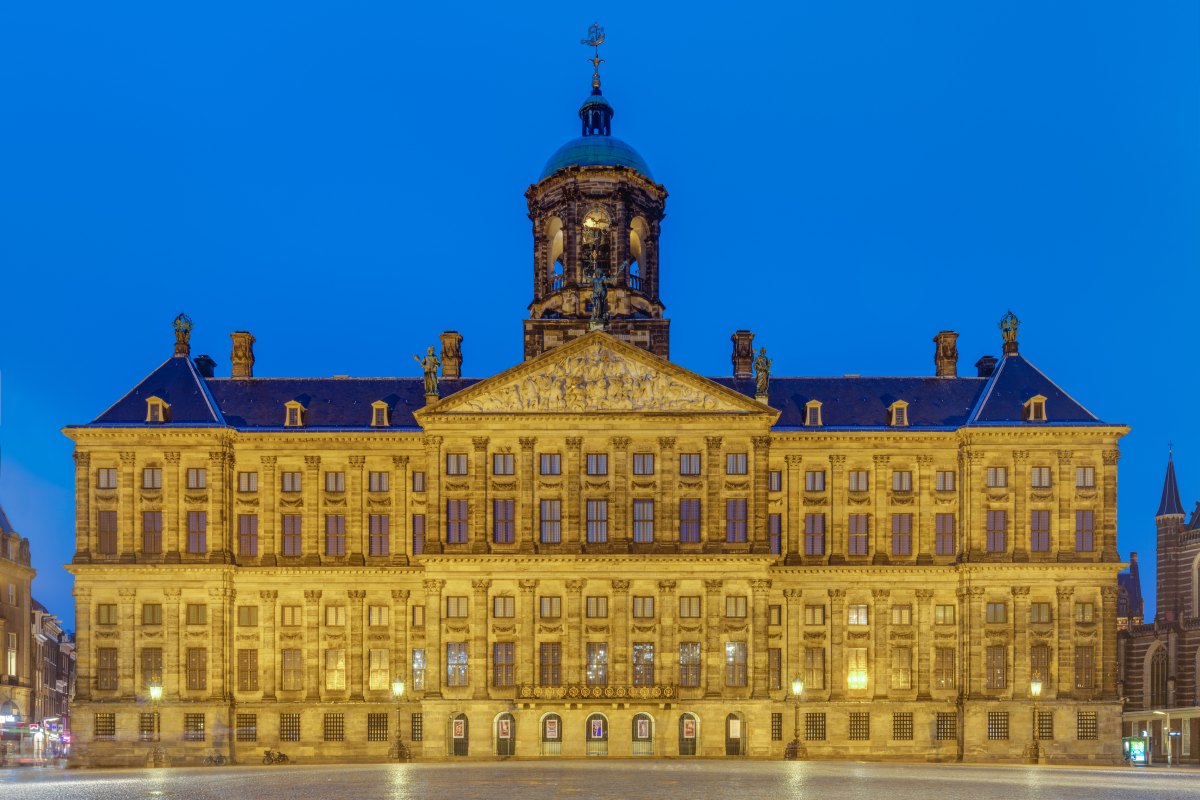
Amsterdam’s canals and grand houses tell you how a trading city grew rich, but that is only half the story. If you have one day in Amsterdam, spend it on the streets where merchants, workers and people in hiding lived within walking distance of each other.
 FREE AUDIO TOUR
Van Gogh's Amsterdam
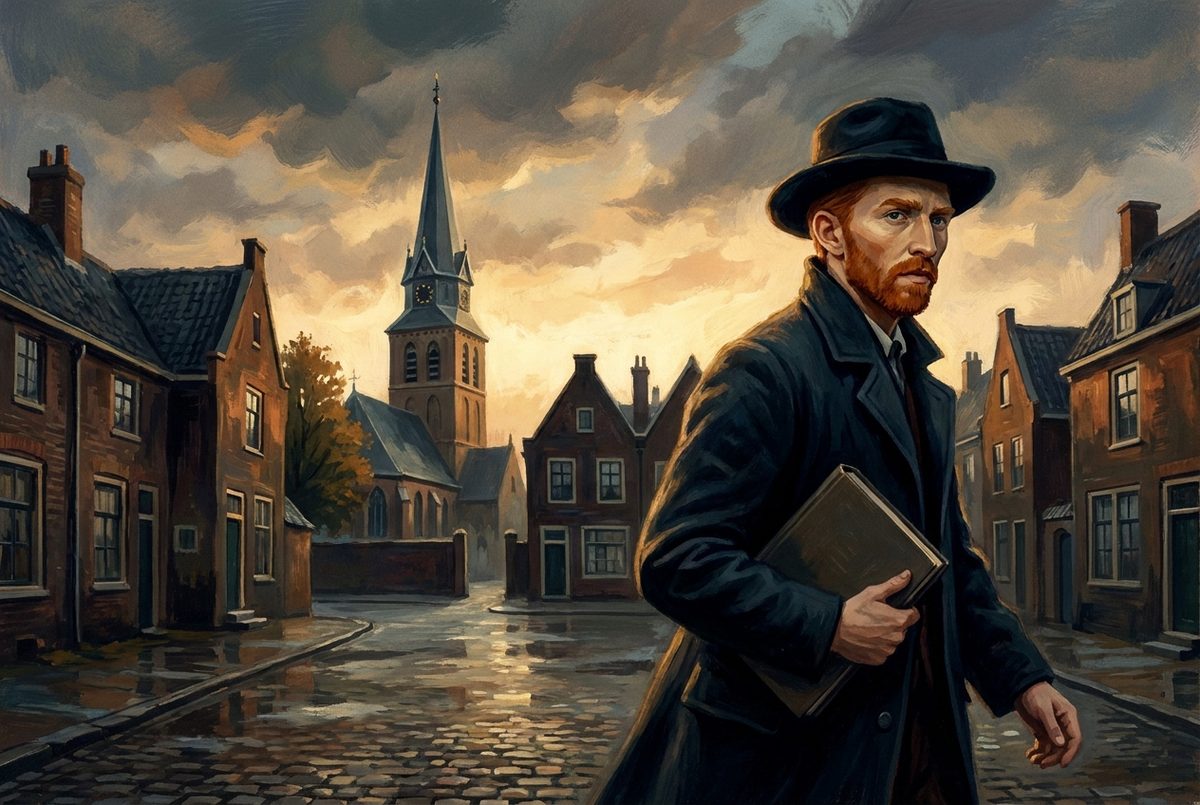
The man who painted Sunflowers lived in Amsterdam for just over a year, before he became an artist. You can still stand at the naval yard he called home and follow his Sunday walks across the city.