
LANDMARK
Riekermolen
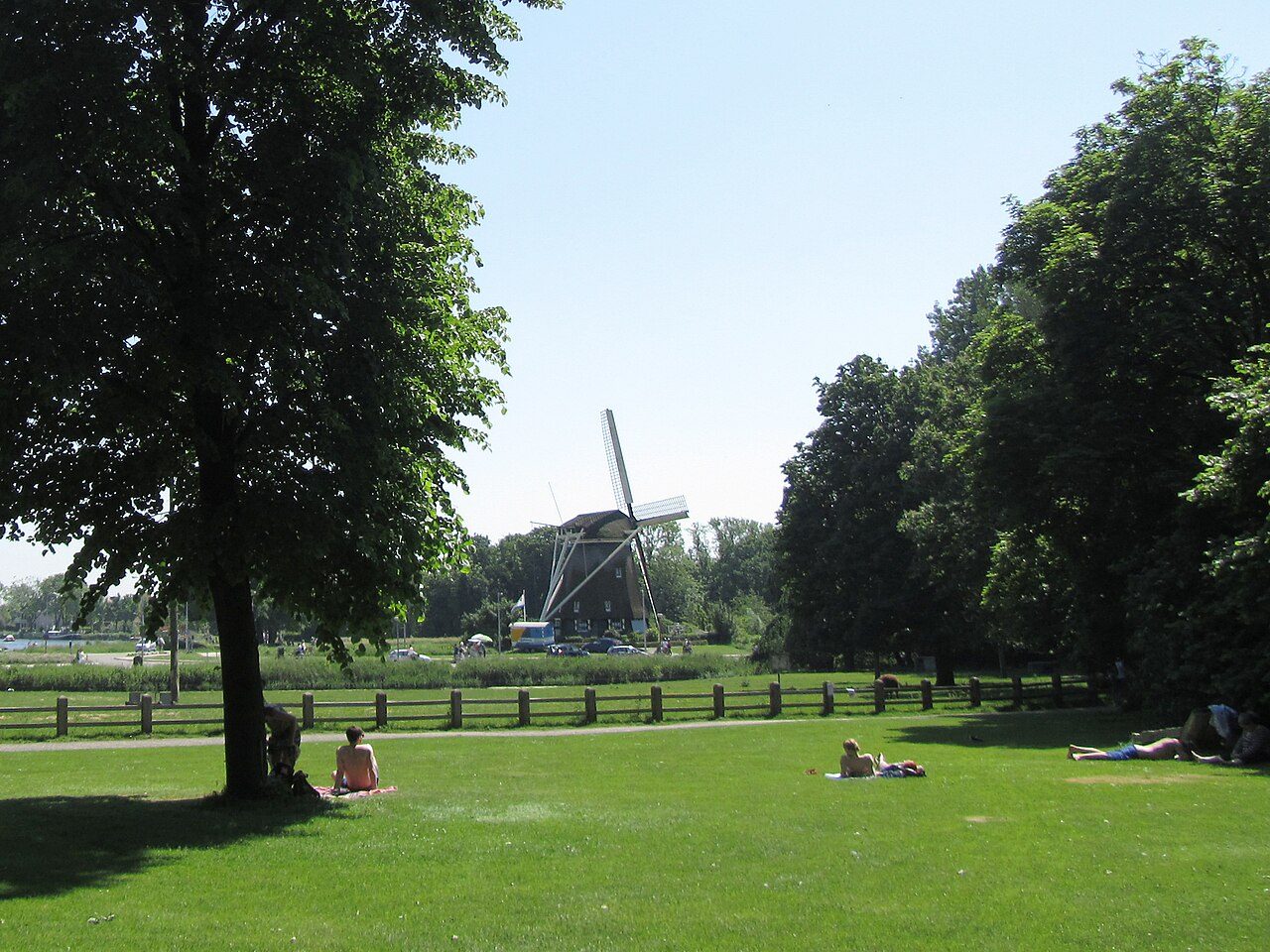
The windmill on the Amstel that Rembrandt drew, with his statue beside it.
A windmill that changed its setting
The Riekermolen stands beside the Amstel, with a statue of Rembrandt nearby. It looks like a scene the artist might have drawn, but the mill was not here in his lifetime. It came from the Riekerpolder. When it reopened at this riverside site on 11 October 1961, farmers from Schagen danced to mark the occasion.
That distinction is worth keeping in mind as you approach. Rembrandt really did draw along the Amstel; the mill’s connection to this particular view came much later. Come for the windmill and river together, but give the small figure beside it some attention too. He explains why this setting became associated with the painter.
Rembrandt with his sketchbook
Han Wezelaar’s 1969 statue shows Rembrandt kneeling, with a sketchbook resting on his left knee. The location was suggested because Rembrandt had drawn the ruined country house Kostverloren from this viewpoint. The statue therefore recalls a particular act of looking, rather than simply placing a famous artist beside a picturesque mill.
Look closely at the pose. This is Rembrandt working outdoors, not the upright public figure represented by Louis Royer’s statue on Rembrandtplein. If you know his paintings from the Rijksmuseum, the sketchbook offers another way to think about him: an artist walking out along the river and stopping to draw. The mill and statue belong to different histories, even though they now share the same view.
Rebuilding, and life inside
The move had a tragic chapter before the reopening celebrations. On 17 May 1960, millwright Matthijs Brandhorst fell to his death while rebuilding the Riekermolen at its riverside site. The firm Poland completed the work in 1961. Remembering Brandhorst gives the reconstructed mill a human history beyond its appearance in photographs.
It has also been a home. In 1978, Co Rademaker succeeded his father as miller and moved into the mill with his wife Karin. A neighbourhood account published in 2014 explained an easily overlooked detail: the home has two entrances because one provides a safe way in when the sails are turning. Look for that arrangement from outside. It is a practical answer to the problem of living in a building with moving machinery, not merely an architectural curiosity.
A stranger detail by the river
The ground between Rembrandt’s statue and Kalfjeslaan once held the inn ’t Kalfje. Its name has a surprisingly literal echo in a local newspaper report. When the inn reopened around 1950, the Amstelveens Weekblad described a real calf’s head tucked among the fruit in a decorative basket.
There is no need to imagine that scene as part of Rembrandt’s landscape. It belongs to another period in this stretch of river’s life, just as the relocated mill does. Standing here, you have several layers to separate: the viewpoint where Rembrandt drew, the former inn’s ground, and a mill rebuilt beside the Amstel. Take a last look at Wezelaar’s kneeling figure. His sketchbook is the clearest reminder of what brought the artist here: looking carefully at the river landscape.
Things to know
- Approach along the Amstel to the mill near Kalfjeslaan.
- Allow time to look at both the mill and Rembrandt’s statue.
- Bring a windproof layer for the riverside stop.
- View the entrances from outside and keep clear of turning sails.
What people say
Related spots
More things to do in Amsterdam ›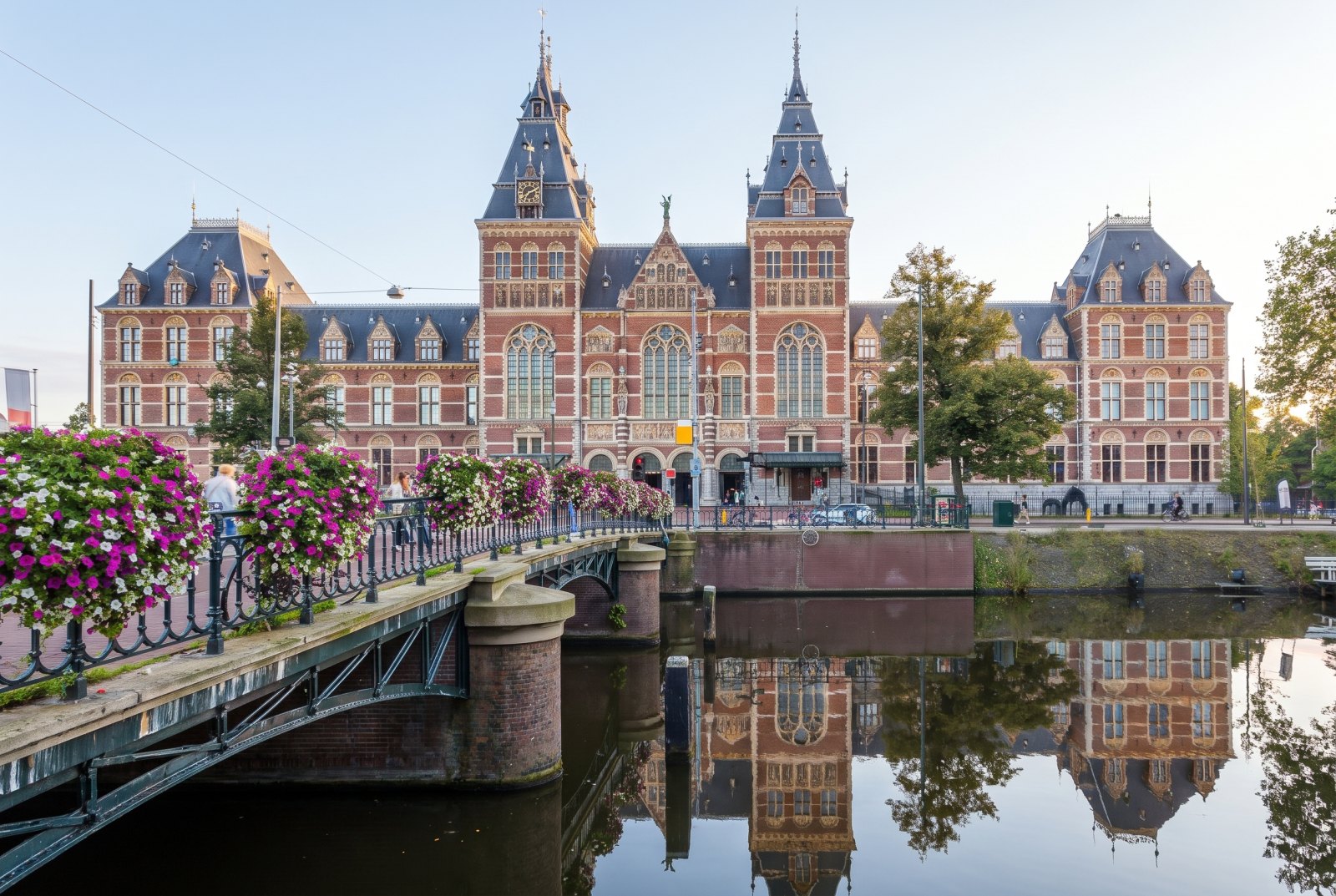
Rijksmuseum
See Rembrandt's The Night Watch and Vermeer's The Milkmaid, then follow 800 years of Dutch art through the Rijksmuseum's galleries.
Rembrandtplein
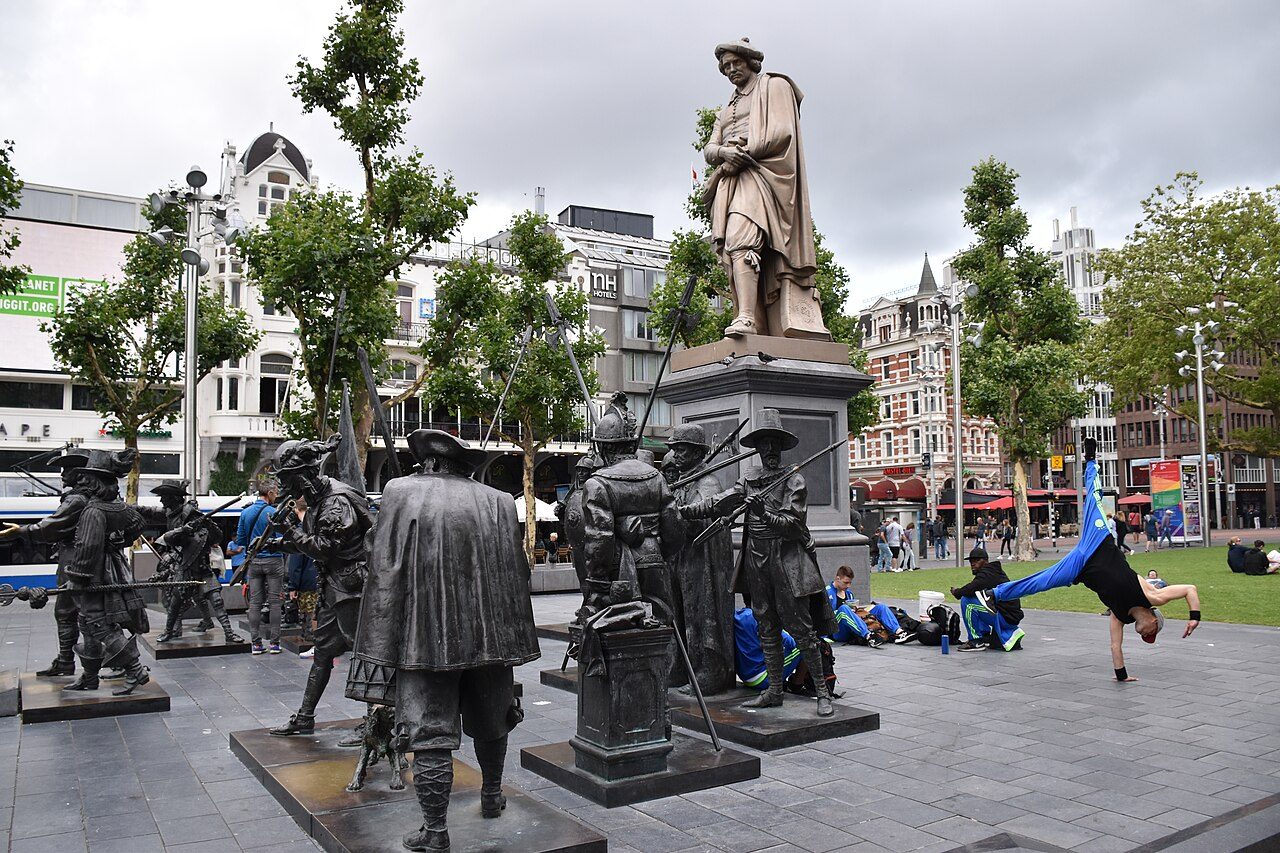
A lively Amsterdam square centred on Louis Royer’s cast-iron Rembrandt statue. The Night Watch bronzes shown in older photos were removed in 2020.
Zorgvlied
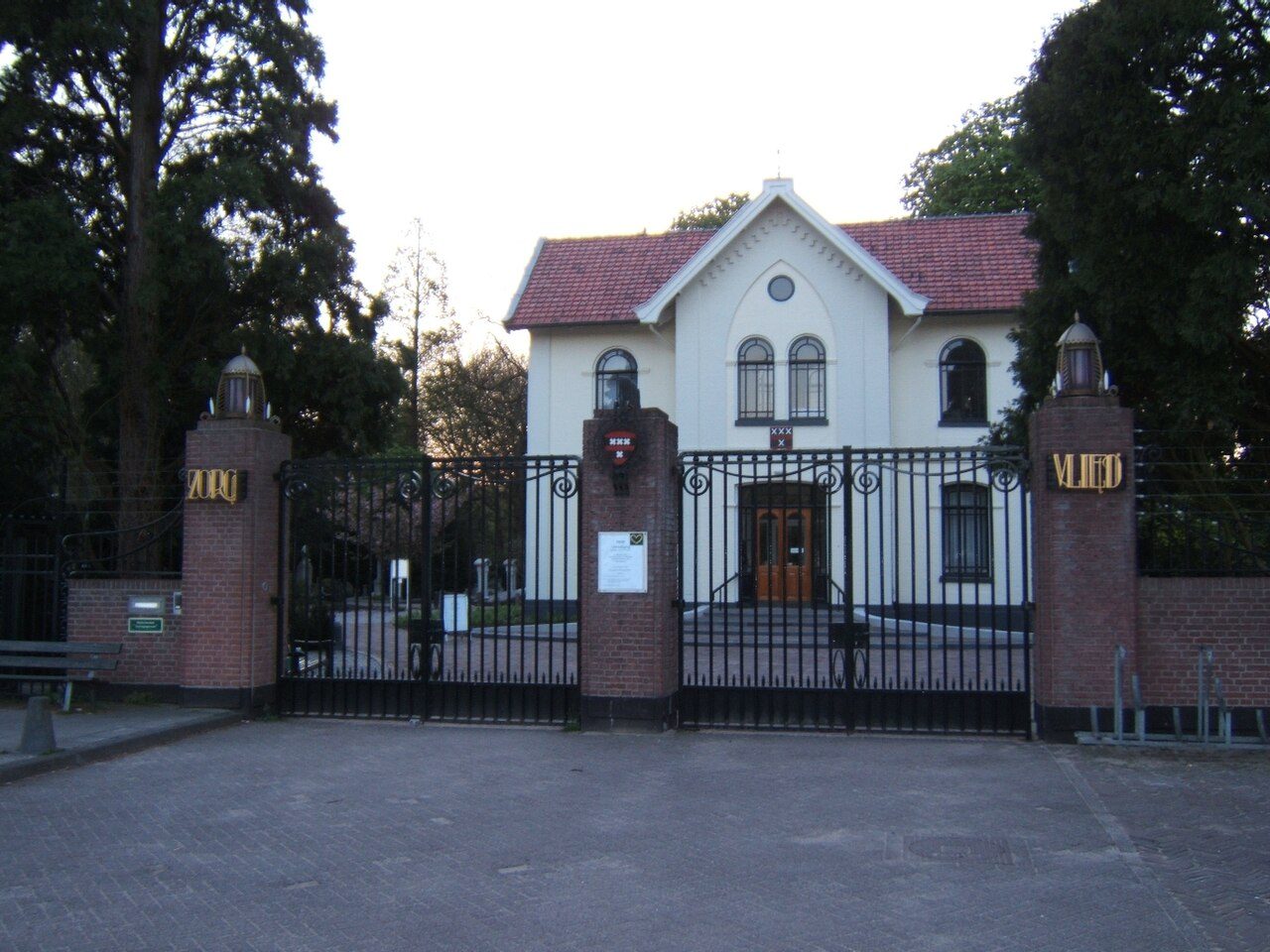
A working memorial park beside the Amstel, where winding paths lead past old trees and distinctive graves.
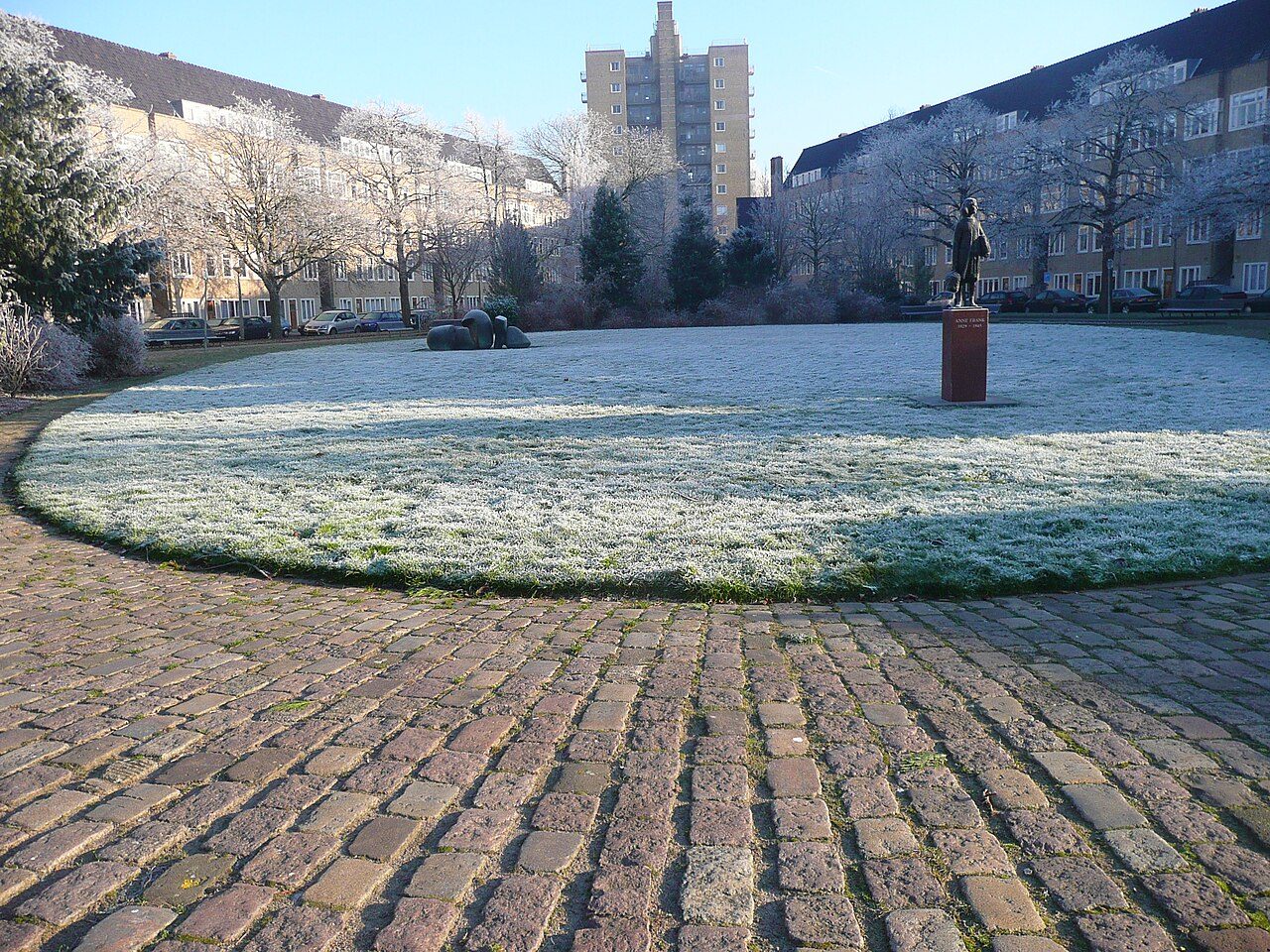
Anne Frank statue (Merwedeplein)
Anne Frank with her bag, in front of the flat where she lived before going into hiding: few visitors find it.
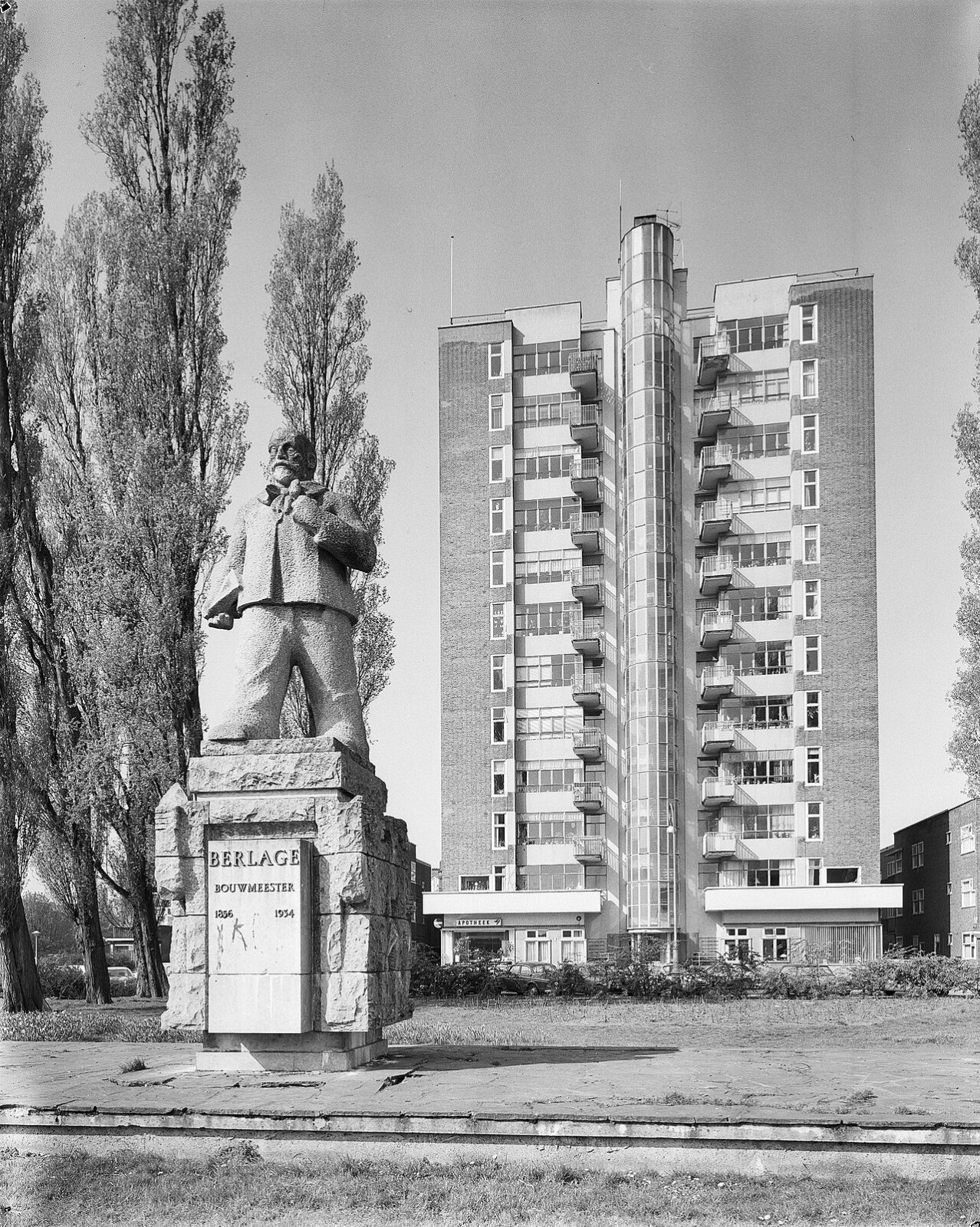
Wolkenkrabber (Twaalfhoog)
Amsterdam's first 'skyscraper', twelve floors in 1932, looking down on a Berlage statue.
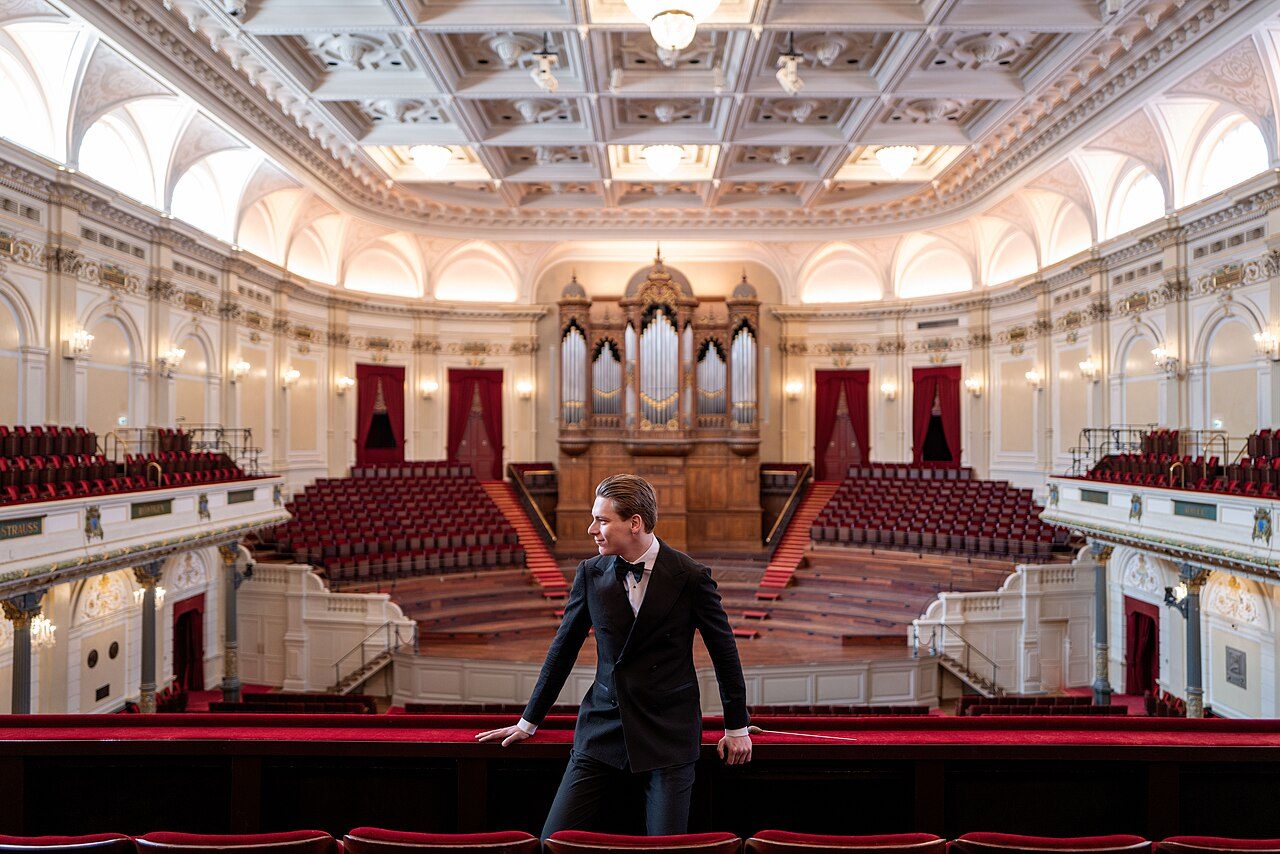
Concertgebouw free lunchtime concerts
Free 30-minute lunchtime concerts on Wednesdays from September to June, in one of the world's best halls.
Walk it with a guide or a quest
If you want a story on the way, these walks also live in Amsterdam.
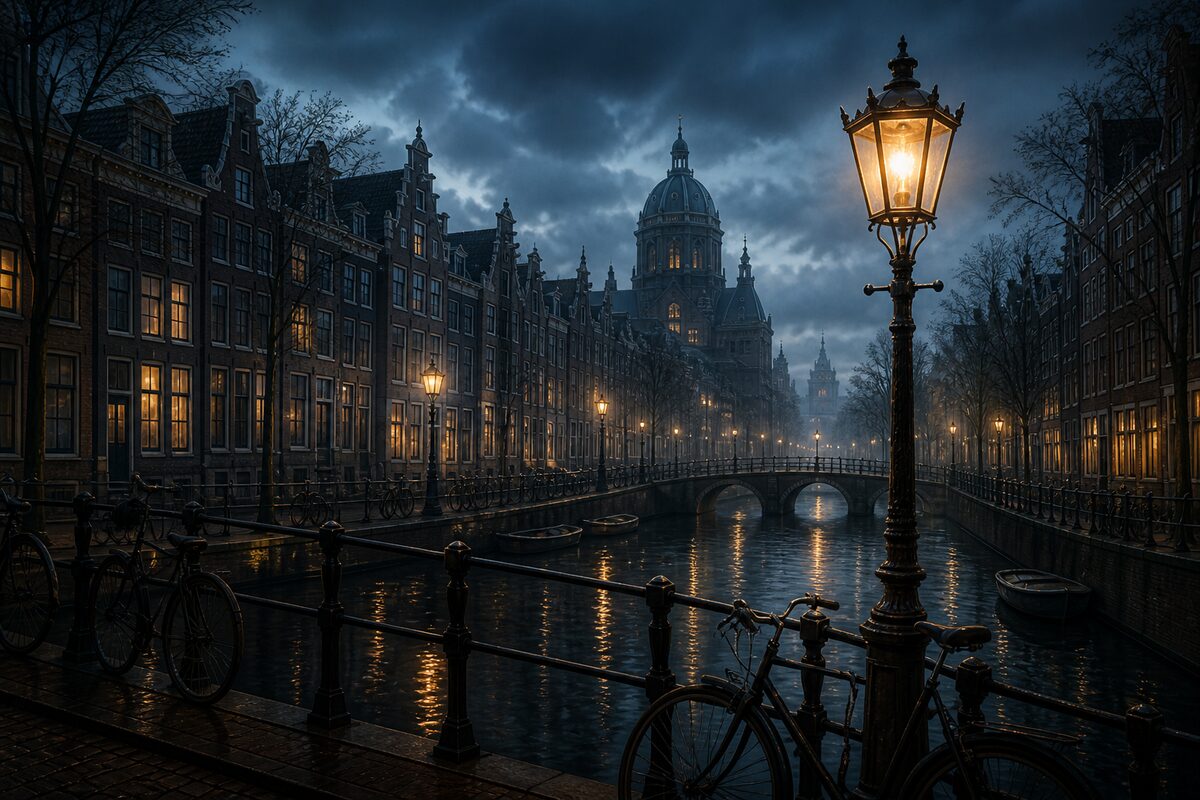 FREE AUDIO TOUR
Amsterdam Ghost Tour
Amsterdam’s ghost stories belong to real streets, where crowds waited for spirits and families went out to look at hanging bodies. You can stand in those places today, with canal water beside you and old church towers overhead.
 FREE AUDIO TOUR
Amsterdam in a Day: Highlights Walk
Amsterdam’s canals and grand houses tell you how a trading city grew rich, but that is only half the story. If you have one day in Amsterdam, spend it on the streets where merchants, workers and people in hiding lived within walking distance of each other.
 FREE AUDIO TOUR
Red Light District
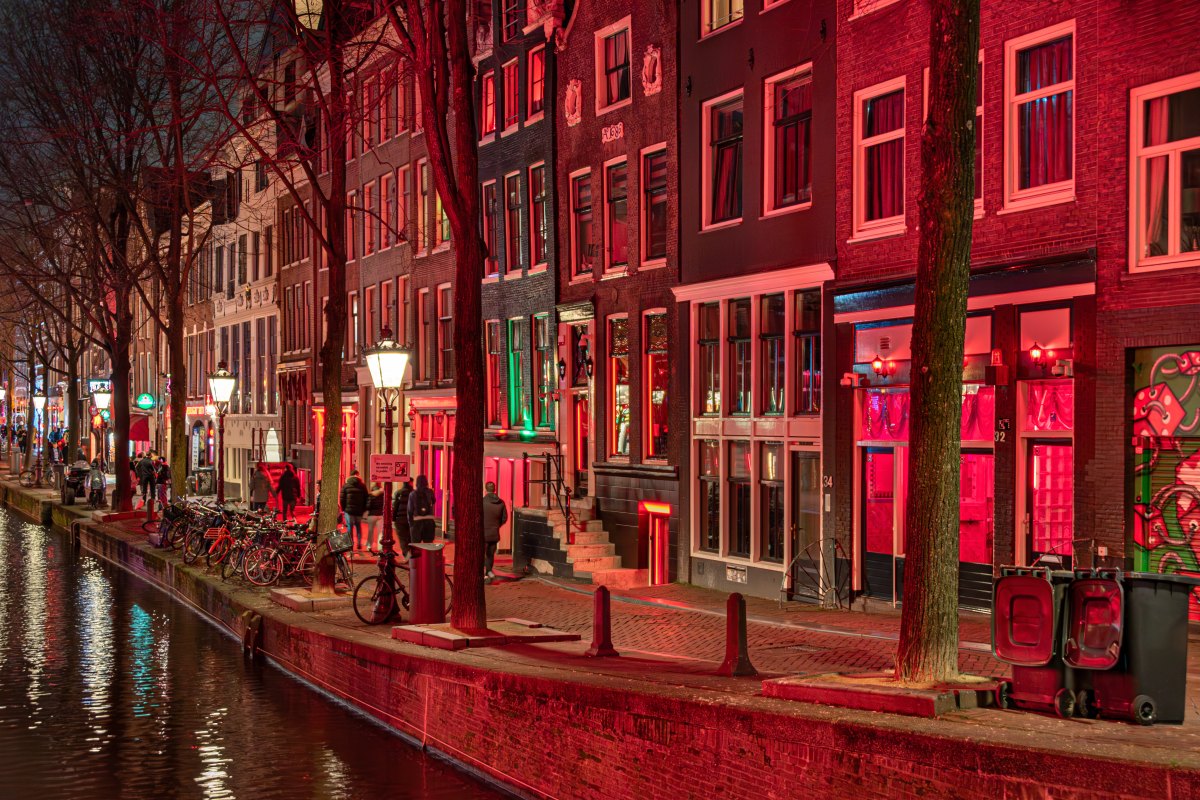
Amsterdam’s Red Light District is a neighbourhood where sex workers work behind street-level windows, right beside a church. Walk these lanes and you’ll stand where the city has made room for the sex trade while punishing people who worked in it.