
HIDDEN GEM
Zorgvlied
A romantic 19th-century cemetery on the Amstel, laid out like a park, with the graves of famous Dutch artists.
A cemetery laid out like a park
Zorgvlied is a cemetery on the Amsteldijk, on the west bank of the Amstel. It does not feel like the usual rows of stones. Paths curve, old trees stand in open lawns, and the graves sit in pockets of green. It is one of the best-known cemeteries in the Netherlands, mostly because so many writers, actors, musicians and artists are buried here. It is worth the walk for the quiet, the landscape and the stories carved into the monuments.
From country house to cemetery
The name comes from Zorgvliet, a country house on the Amstel that stood here from 1676. Hard times led to its sale, then to decay, and in the end the buildings were gone. The municipality of Nieuwer-Amstel, today Amstelveen, wanted to hold back Amsterdam's growth. It laid out a general cemetery on the old estate, and it opened on 1 November 1870.
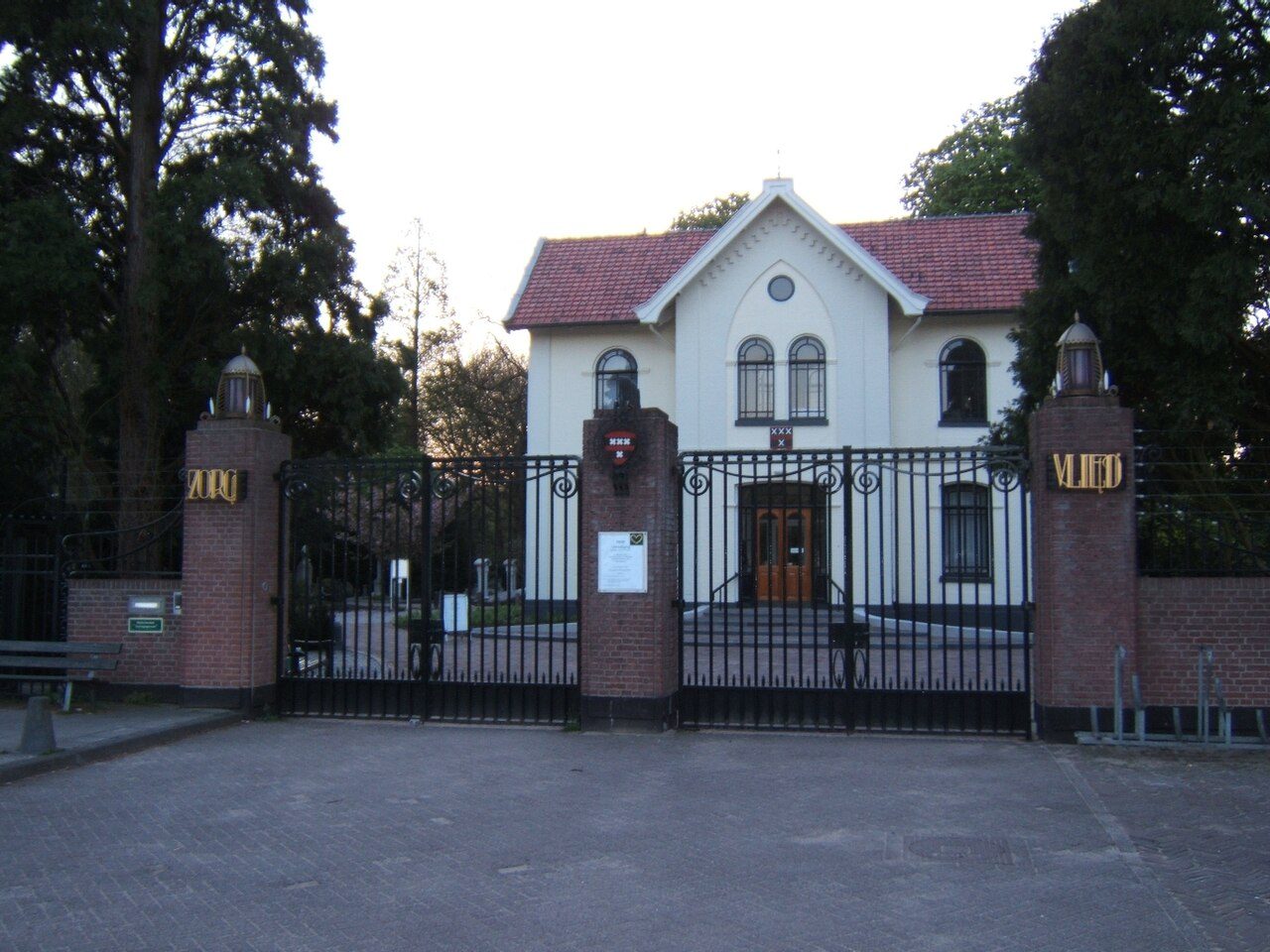
The garden architect Jan David Zocher designed it in the English landscape style. His son Louis Paul Zocher extended it in 1892, and there were further extensions in 1900, 1919 and 1926. Leo van der Bijl designed the gates of 1926, and the atrium followed around 1930. Amstelveen still owns and runs the cemetery, even though the boundary changes of 1896 put it inside Amsterdam. It soon became the place where the Amsterdam elite chose to be buried. In 2008 the park, its paths, the gates and a number of graves were listed as national monuments.
Who lies here
The list is long. The writer Harry Mulisch is here, and so are the painter Constant Nieuwenhuys of Cobra, the photographer Eva Besnyö and the designer Wim Crouwel. The actor Louis Bouwmeester, the dramatist Herman Heijermans and the economist and banker Wim Duisenberg are buried here too. So are the rock and roll painter Herman Brood and Bobby Farrell, the singer of Boney M. Jo van Gogh-Bonger, who was Vincent's sister-in-law, rests here as well, which makes a good link to the Van Gogh Museum. The founder of the beer brand, Gerard Adriaan Heineken, is also buried here. If that name makes you curious, the Heineken Experience tells the other half of the story. Janny Brandes-Brilleslijper, a Holocaust survivor who shared a camp with Anne Frank, lies here too. The Anne Frank statue at the Merwedeplein is one more way to approach that part of the city's history.
A broken column honours all the writers and poets who lie here.
What to look for
Start with the older monuments. Oscar Carré, who ran Circus Carré, has a mausoleum from 1891. The monument for Sophie de Vries dates from 1892, and the Dorrepaal family monument from 1886 carries a statue after a design by Frans Stracké.
Then notice how the newer parts differ. After Manfred Langer was buried in 1994, under a monument that shows him with a glass of beer in his hand, burials became more open and personal. A dispute over the grave of the artist Peter Giele led to a separate area called Paradiso, for monuments of unusual appearance or size. Giele's own resting place there is a capsule known as the Giele Skull.
The cemetery is divided into themed sections, and each stone has to suit the mood of its field. Look out for the small field for unborn children, with a ribbon carrying a line from a lullaby, and for the Indonesia field, which was consecrated with earth flown in from Java and the Puncak area. There is also a landing stage at the waterside, so that funeral processions can arrive by boat on the Amstel.
Walk slowly. Zorgvlied is still a place where people come to grieve, and that is part of why it feels as it does.
Before you go
- The address is Amsteldijk 273, on the west bank of the Amstel in Amsterdam-Zuid.
- Zorgvlied is still in use, so keep your voice low and keep your distance from any funeral.
- Wear flat shoes. The paths are long and can be soft after rain.
- Look up the graves you want to find before you go, because the grounds are large and winding.
- Take photos with care and never of mourners.
What people say
Related spots
More things to do in Amsterdam ›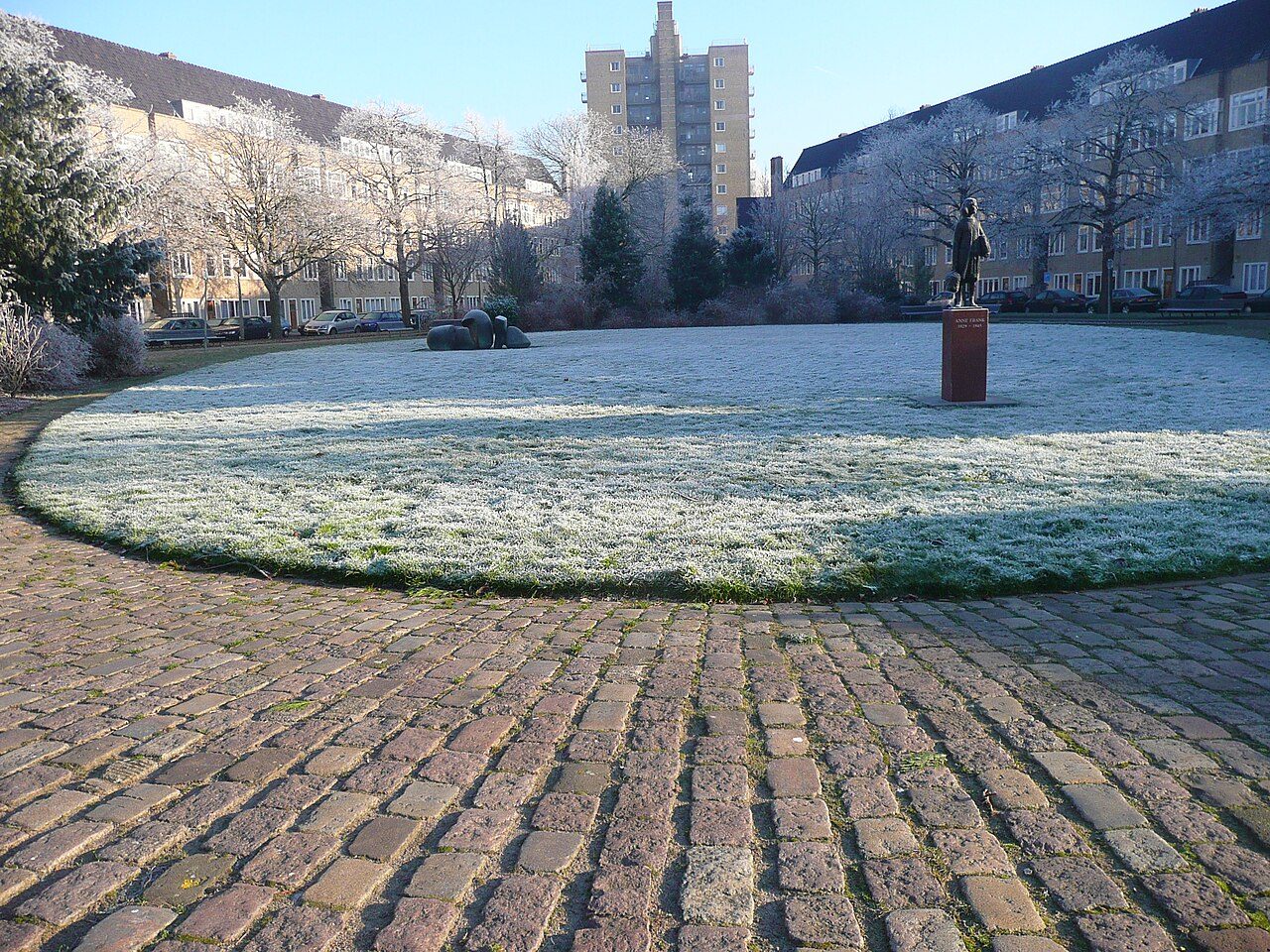 HIDDEN GEM
Anne Frank statue (Merwedeplein)
Anne Frank with her bag, in front of the flat where she lived before going into hiding: few visitors find it.
 MUSEUM
Heineken Experience
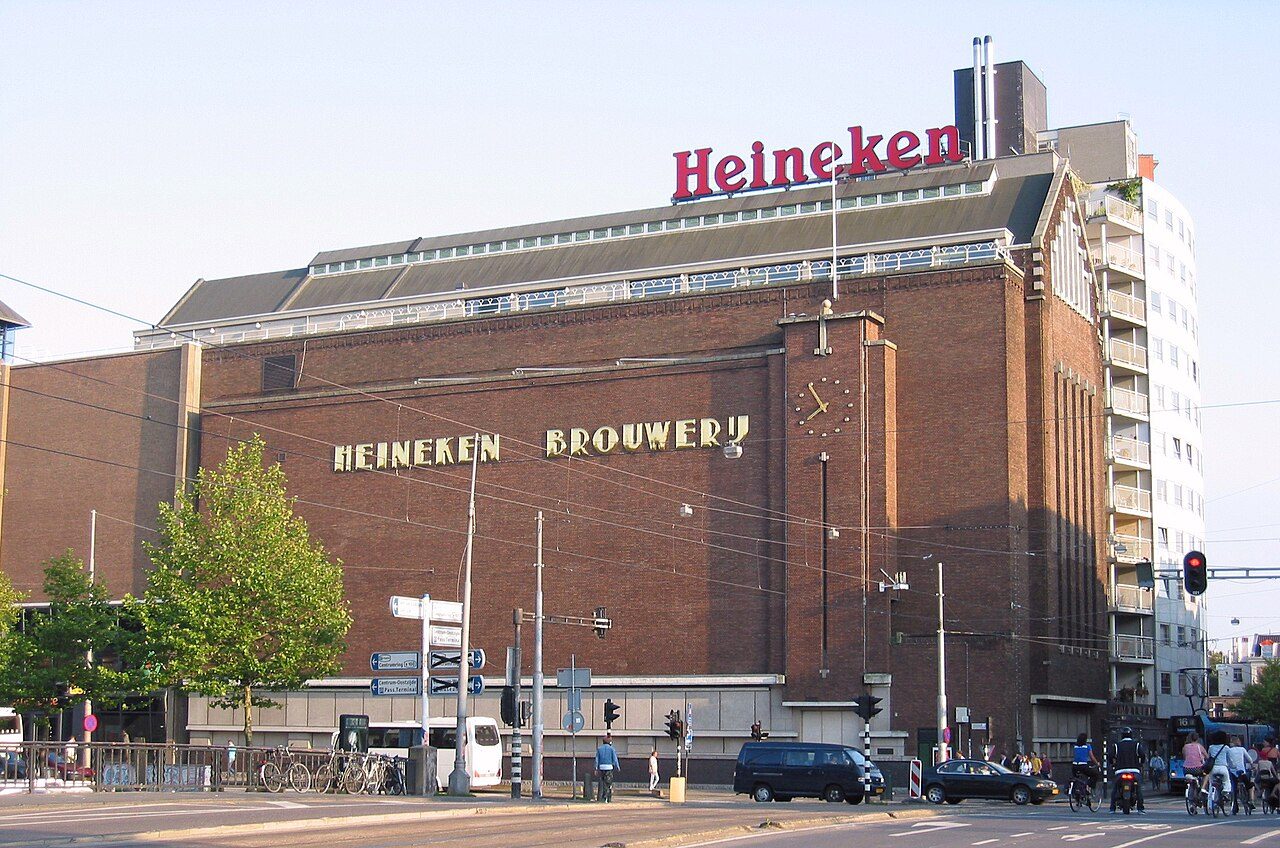
The old Heineken brewery turned into a beer experience, with a tasting at the end.
 MUSEUM
Van Gogh Museum
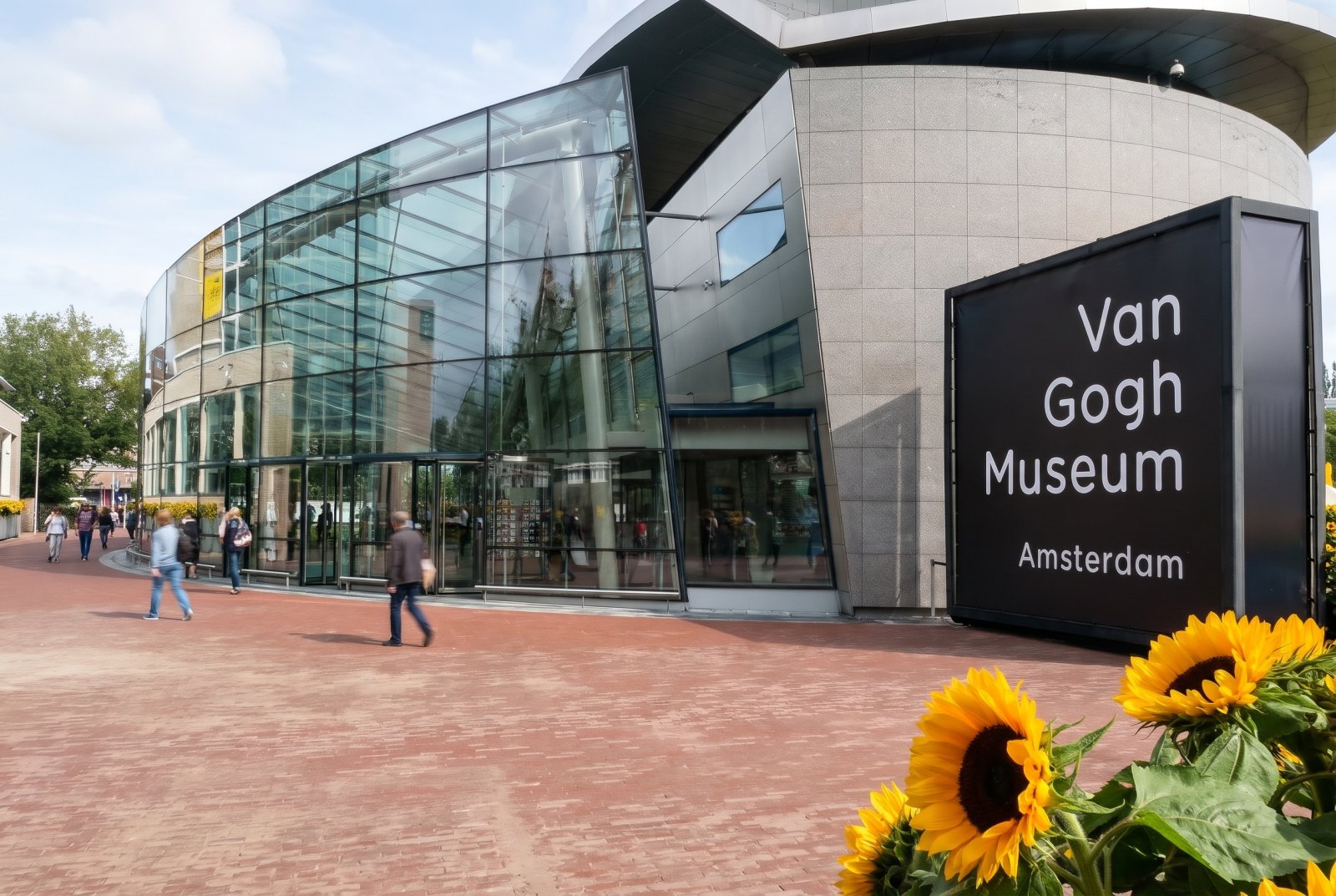
The world's largest Van Gogh collection: the Sunflowers, the bedroom and his letters.
 HIDDEN GEM
Wolkenkrabber (Twaalfhoog)
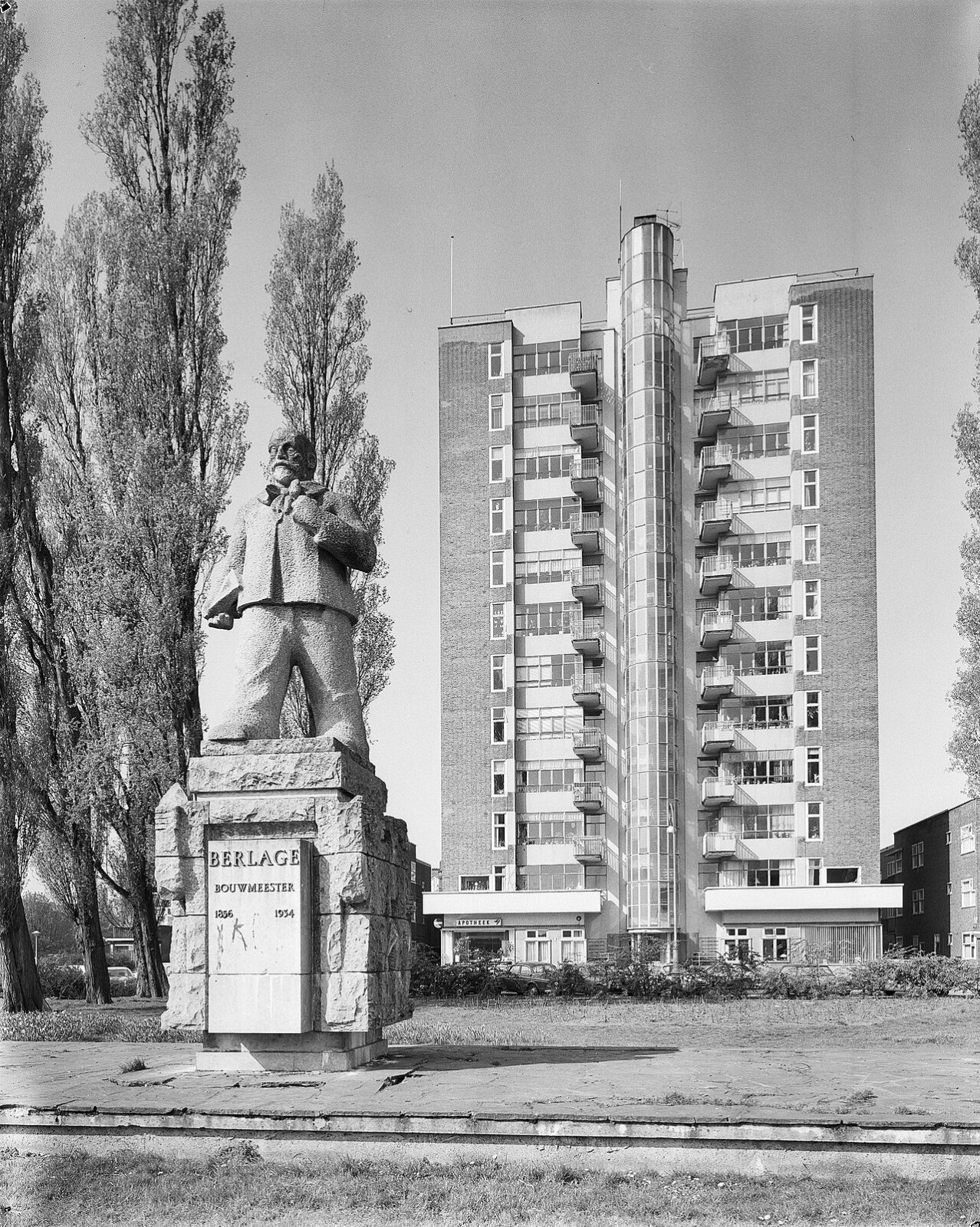
Amsterdam's first 'skyscraper', twelve floors in 1932, looking down on a Berlage statue.
 HIDDEN GEM
House of Bols
The Bols distillery's cocktail and genever experience next to the Van Gogh Museum.
 LANDMARK
Albert Cuypmarkt
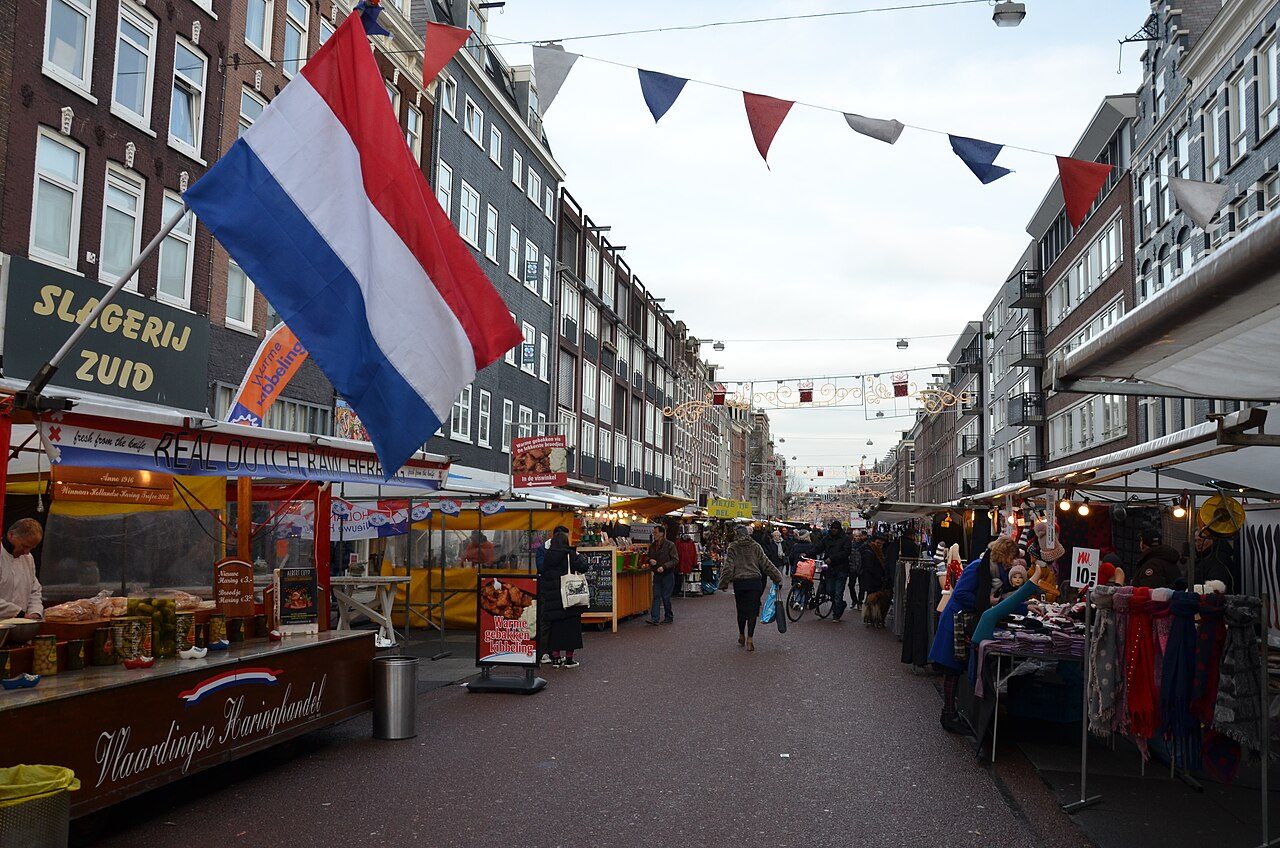
The biggest daily street market in the Netherlands, in De Pijp: stroopwafels, herring and cheese.
Walk it with a guide or a quest
If you want a story on the way, these walks also live in Amsterdam.
 AUDIO TOUR
Amsterdam Ghost Tour
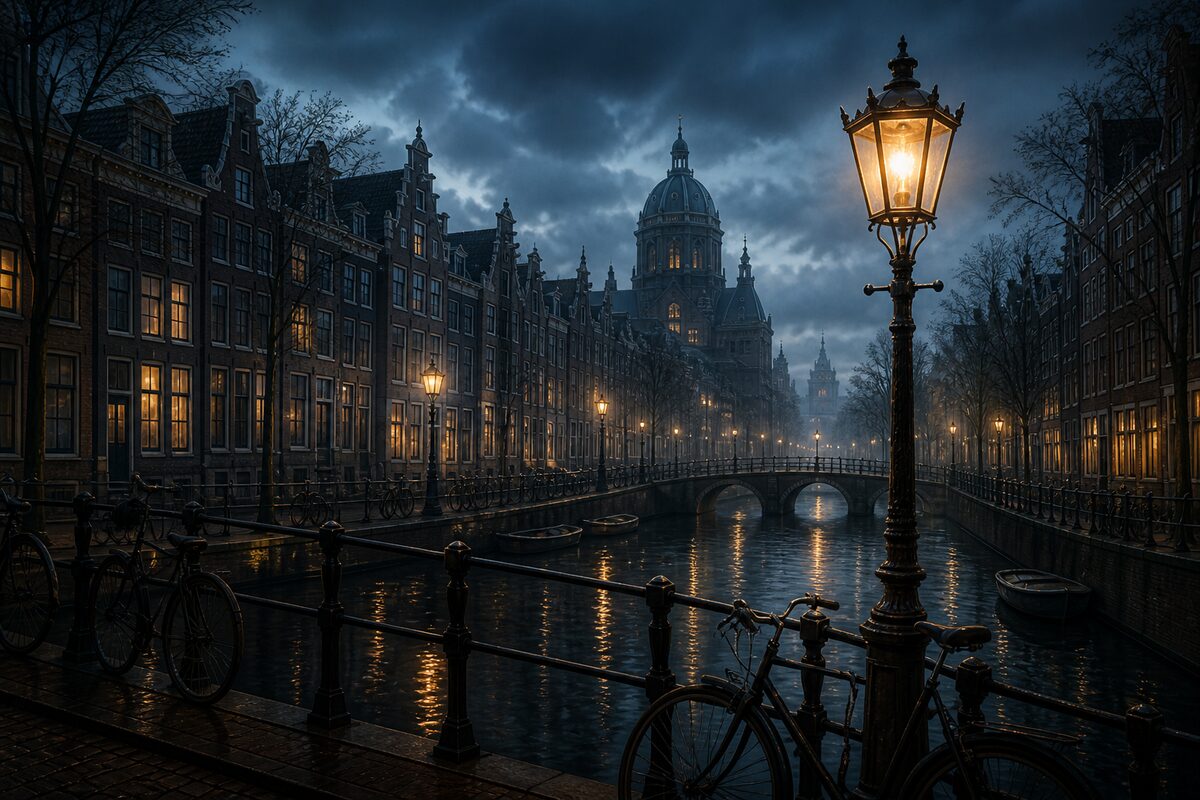
Plague pits, public executions and the canal that swallowed people. The city's grim side, told without the cheap scares.
 AUDIO TOUR
Amsterdam in a Day: Highlights Walk
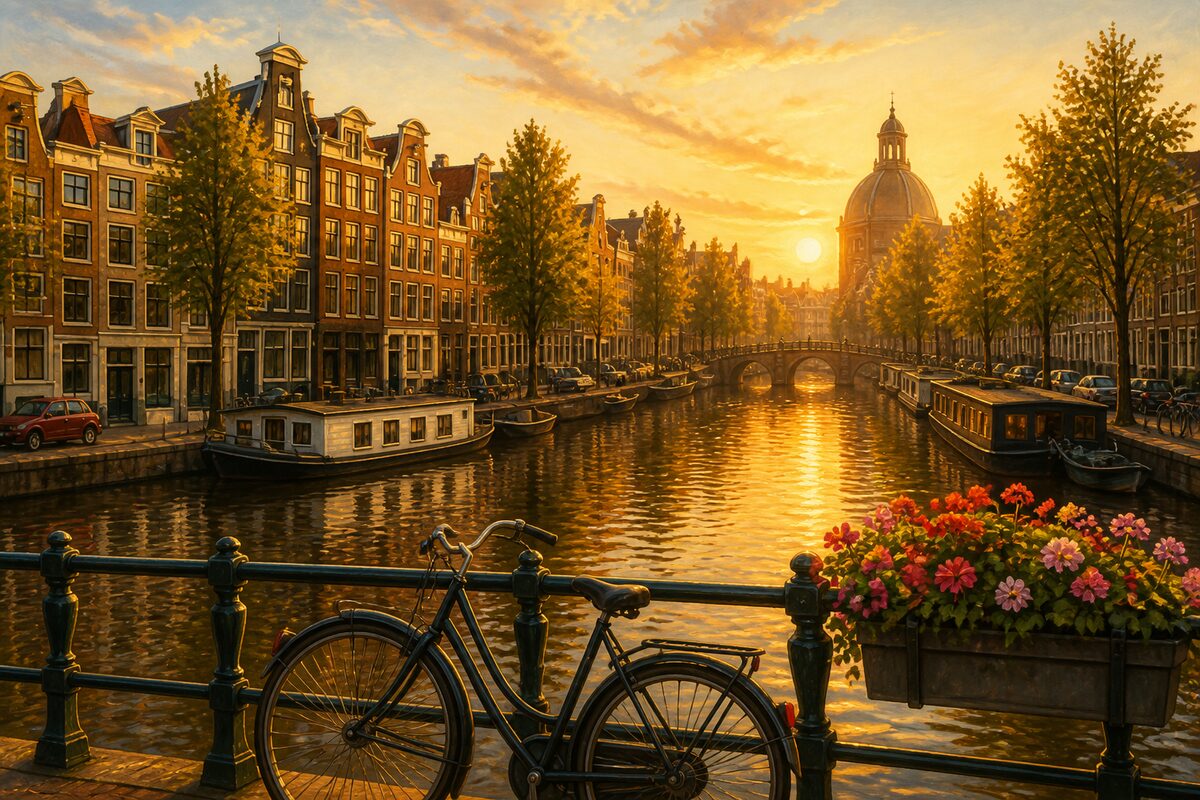
Start here if it's your first day. Why the houses lean, how the canals were dug, and what the Golden Age was actually built on.
 AUDIO TOUR
Red Light District
Seven centuries of sailors, sin and stubborn tolerance. The real history of the oldest part of town, told straight.