
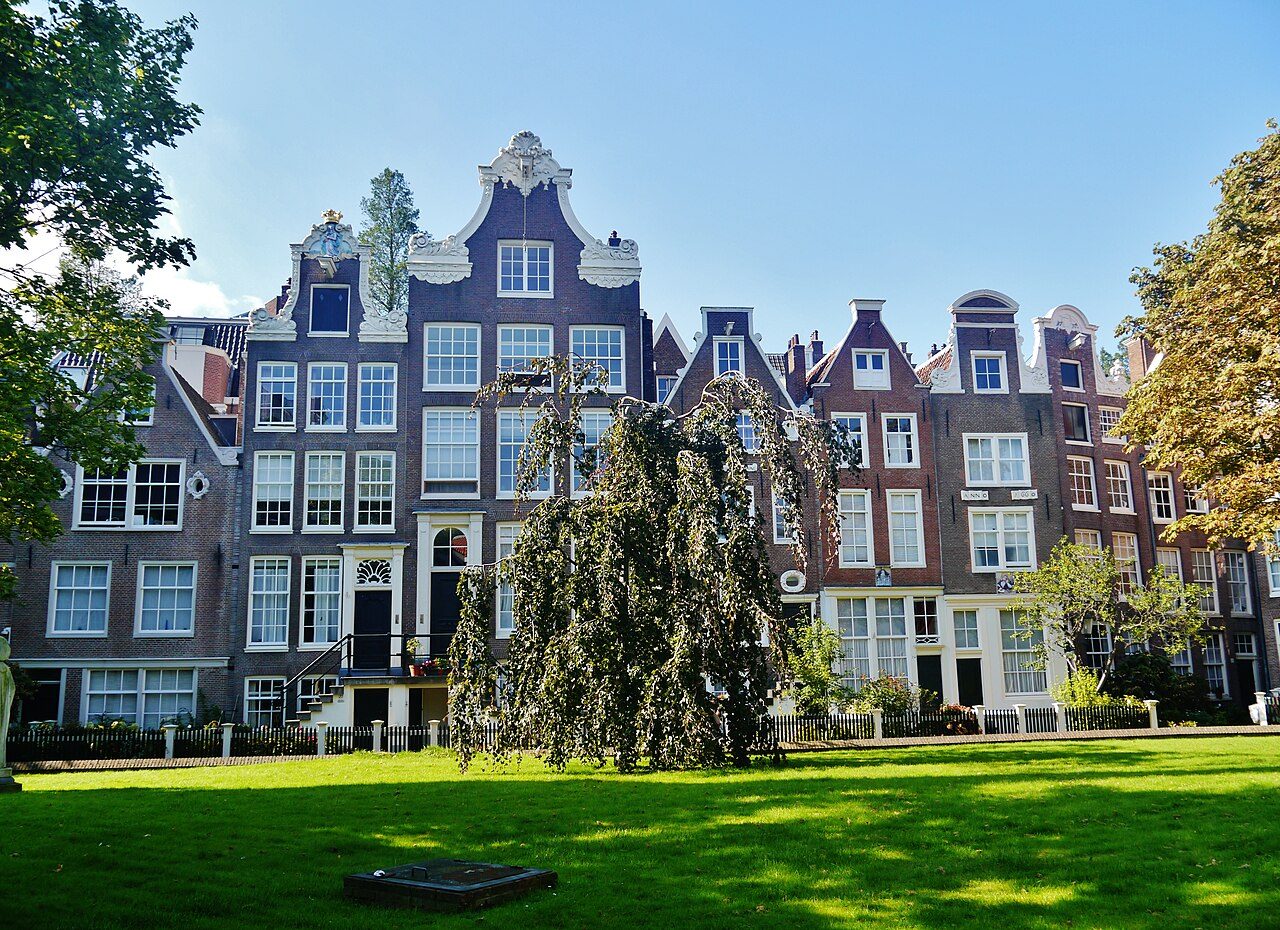
 HIDDEN COURTYARD
Behind a plain door
Begijnhof
A walled medieval courtyard in the middle of the old centre, home to single women for more than 600 years. Step through the gate on the Begijnensteeg and the city noise drops away.
Looking up places…
On DiscoverAround now
Cities and towns worldwide
Not in the list? Type the name and ask us to add it.
These are the places most visitors walk straight past: courtyards behind ordinary doors, like the Begijnhof, details on walls and odd little monuments. Nearly all are free and take ten minutes, so drop them into a walk you are already doing.
HIDDEN COURTYARDA walled medieval courtyard in the middle of the old centre, home to single women for more than 600 years. Step through the gate on the Begijnensteeg and the city noise drops away.
 HIDDEN GEM
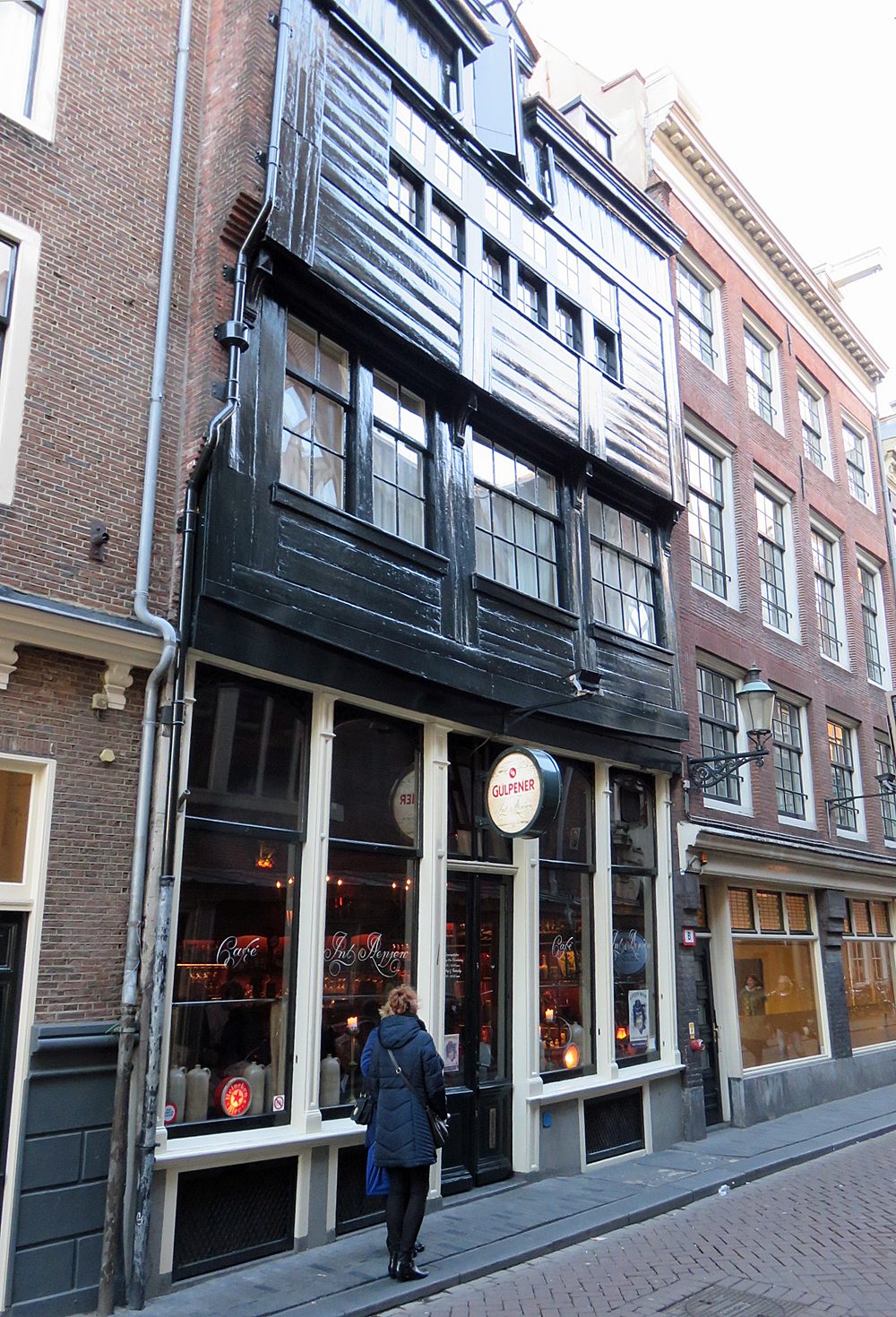
One of only two wooden houses left in the centre, where sailors are said to have paid their bills with monkeys.
 HIDDEN GEM
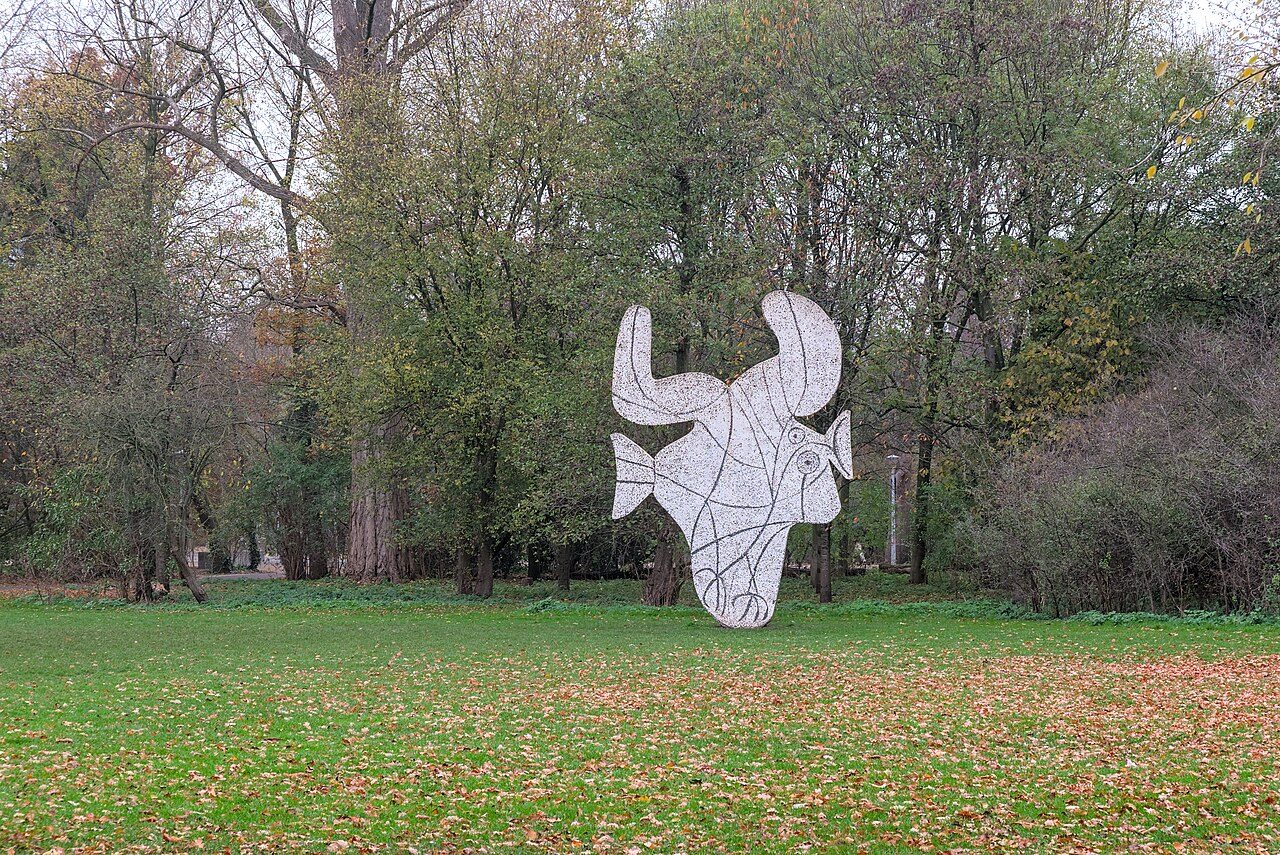
A real Picasso, 'Figure découpée' (the fish), standing on a lawn in the Vondelpark since 1965. Joggers pass it without looking.
 HIDDEN GEM
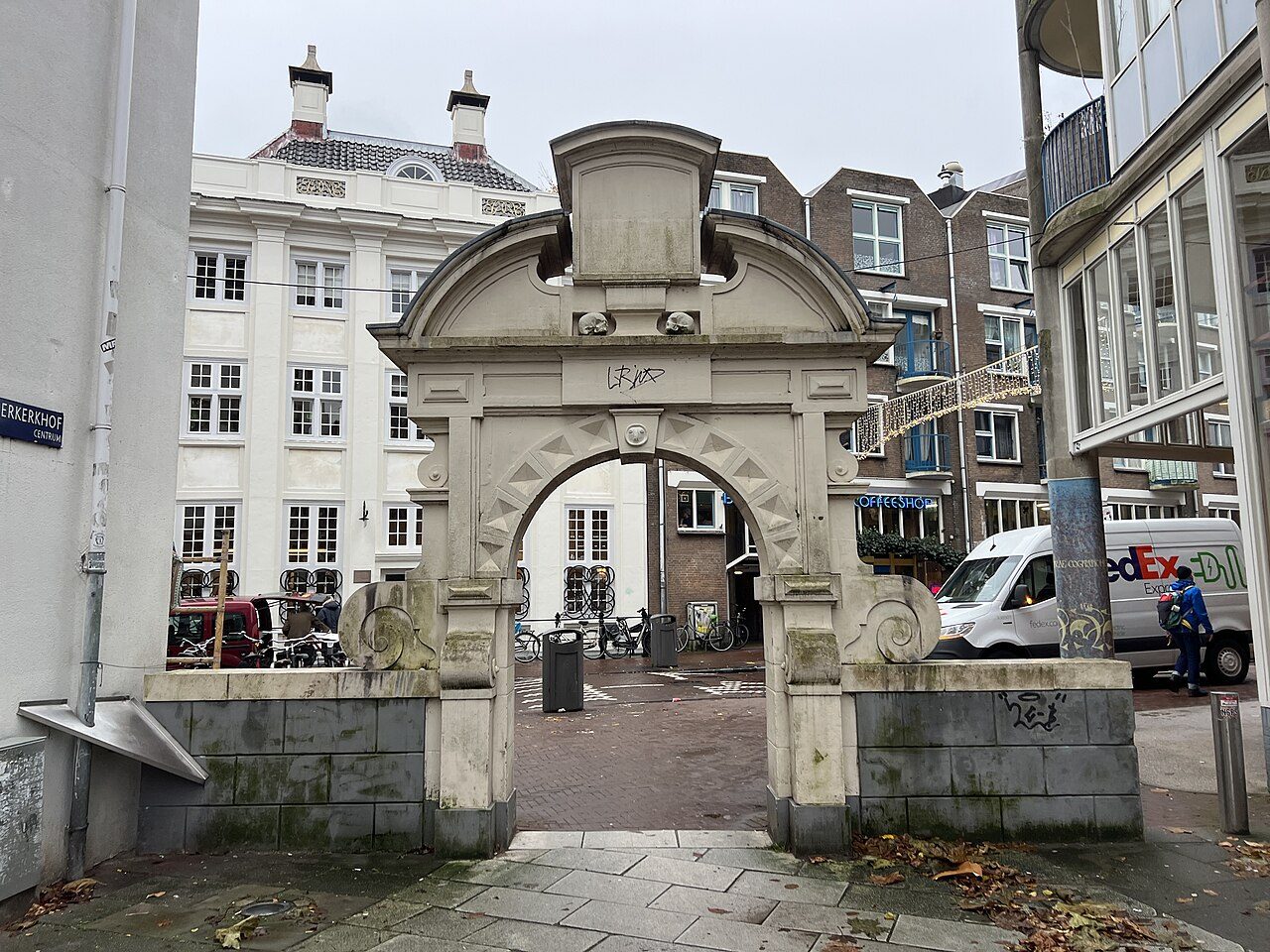
The old graveyard gate on the Sint Antoniesbreestraat, crowned with skulls.
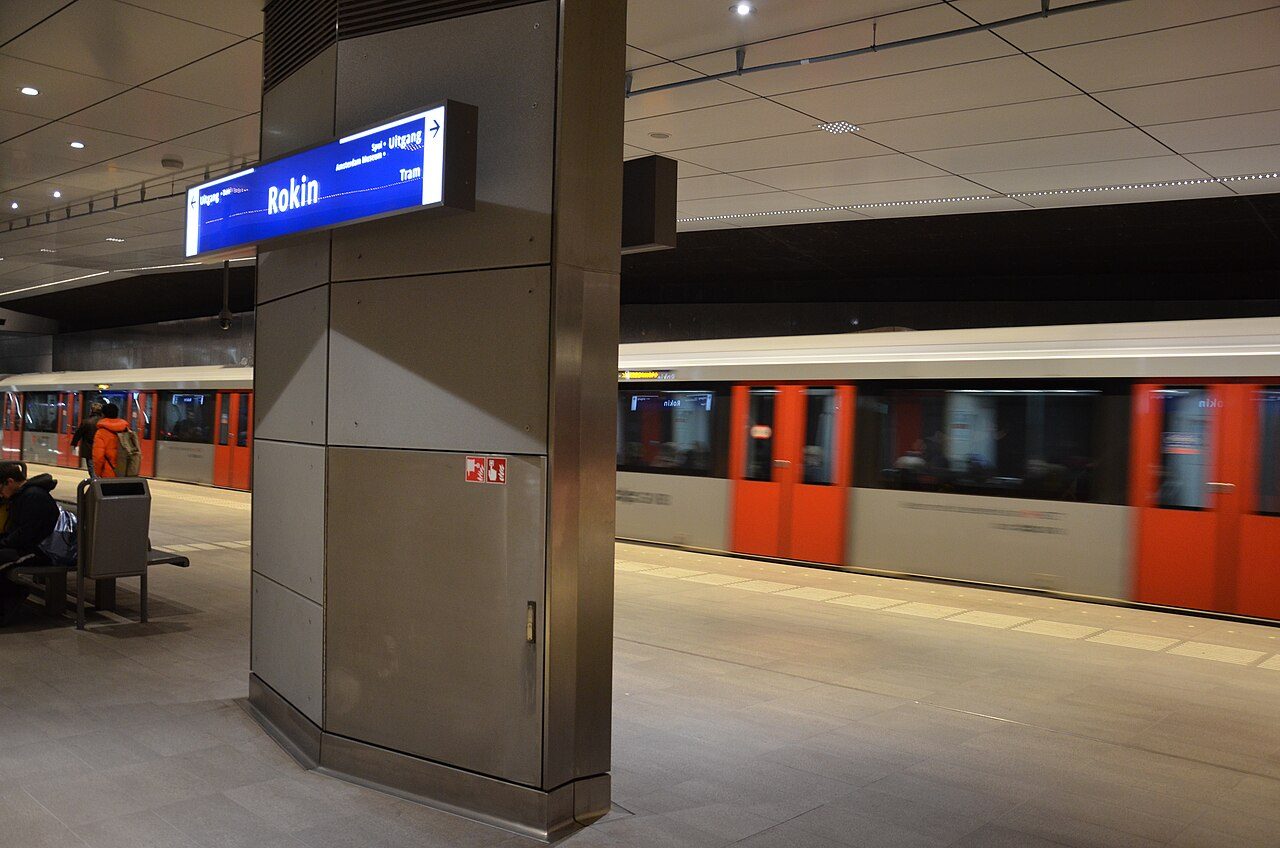 HIDDEN GEM
Display cases in Rokin metro station with finds dug up for the line: keys, coins, toys and a 17th-century trumpet.
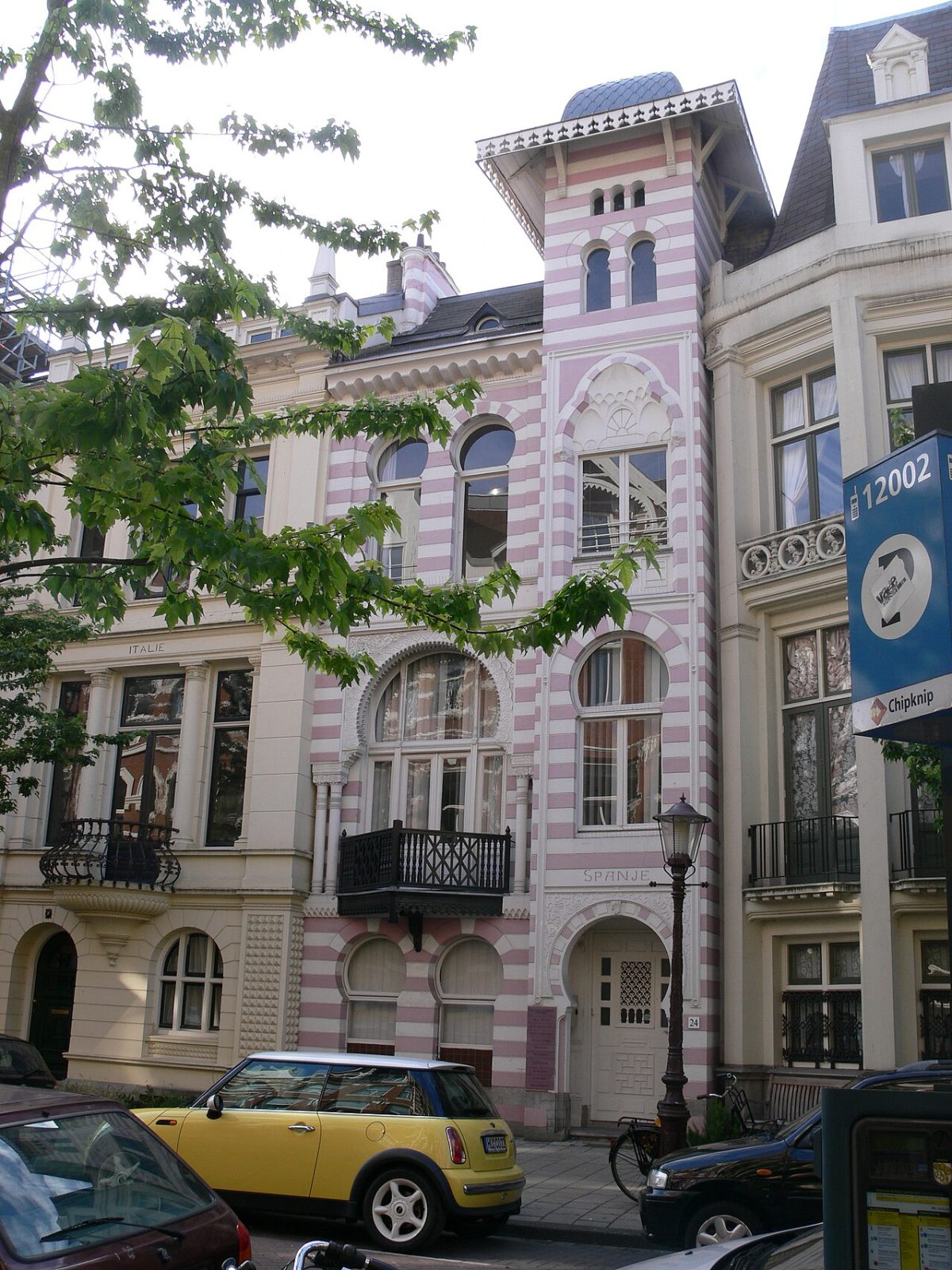 HIDDEN GEM
Seven houses in a row, each built in the style of a different country (1894), on the Roemer Visscherstraat.
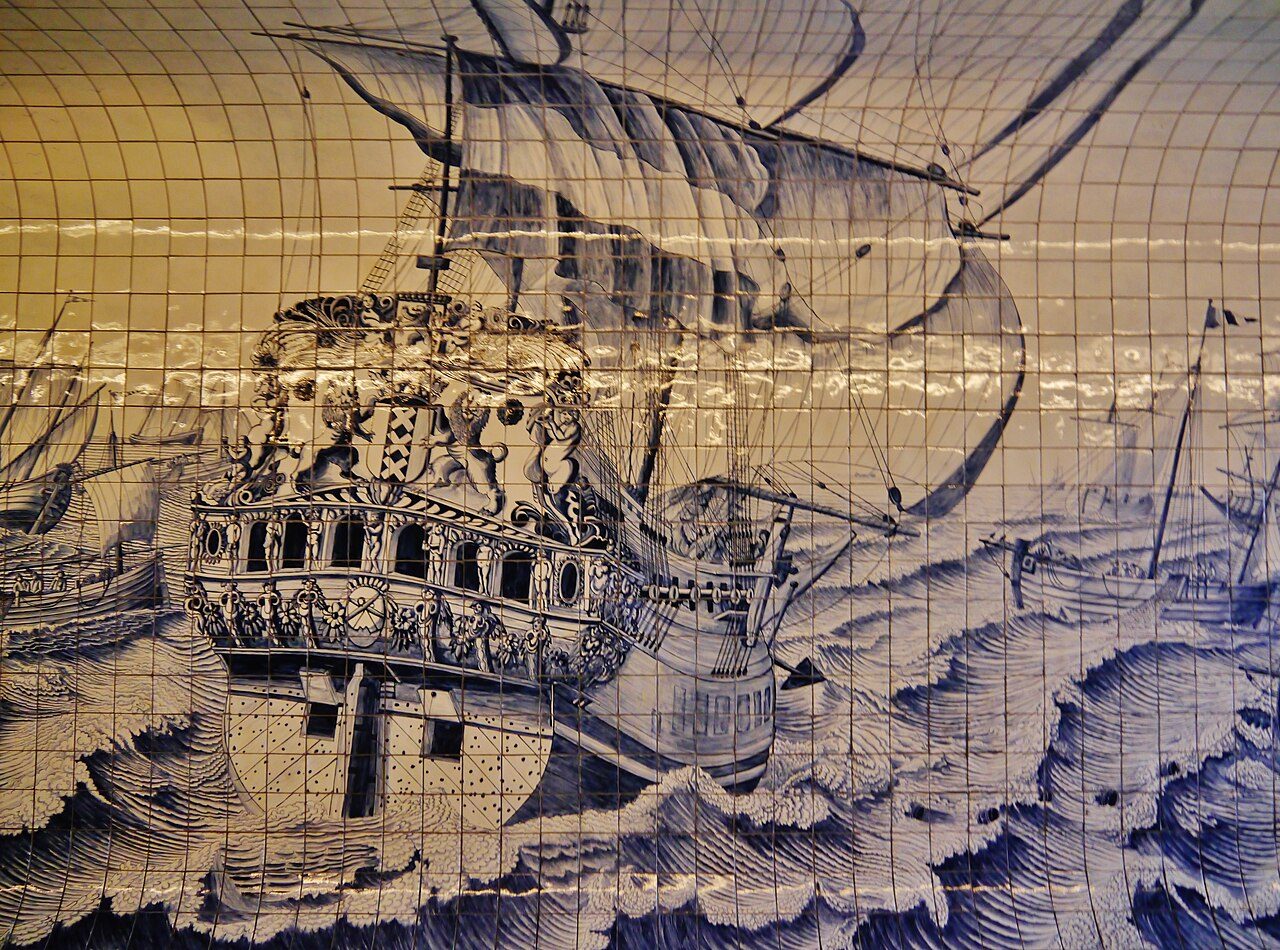 HIDDEN GEM
The tunnel under Centraal Station lined with tens of thousands of Delft-blue tiles showing a sea full of ships.
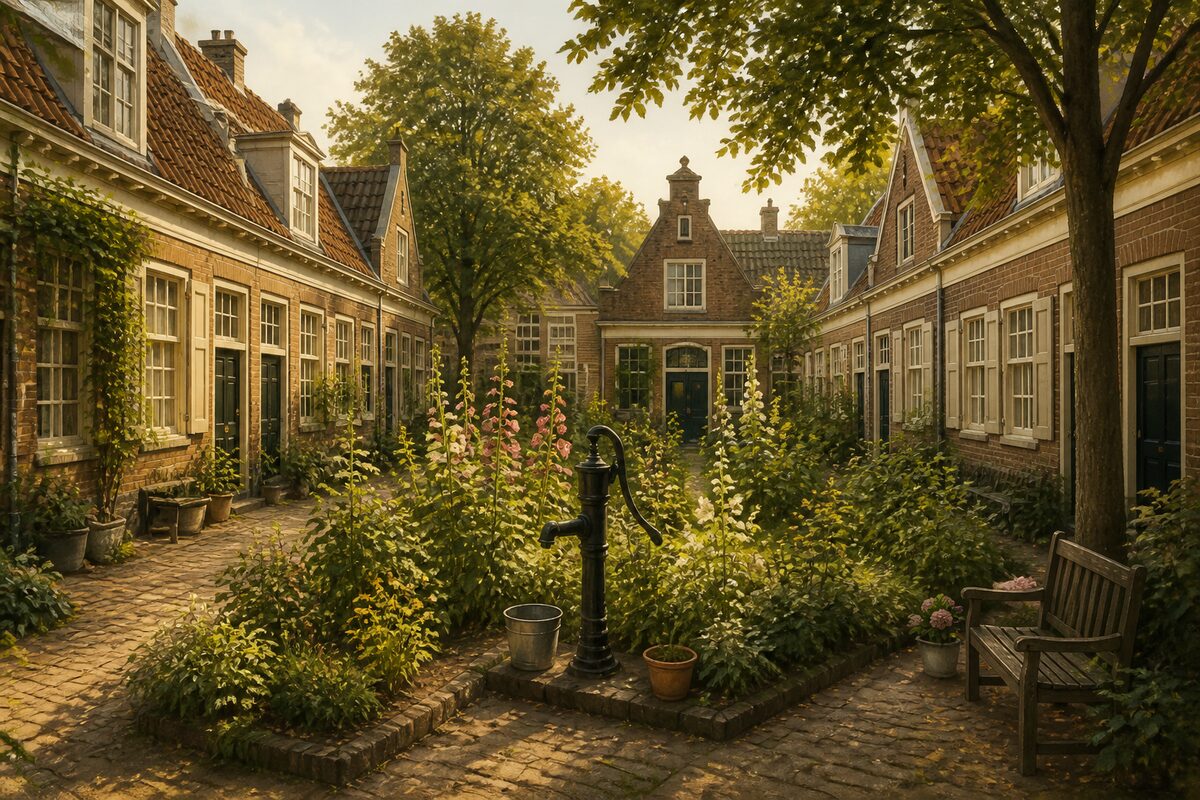 HIDDEN COURTYARD
Behind a plain door on the Egelantiersgracht, a passage lined with blue Delft tiles leads into one of Amsterdam's oldest almshouse courtyards. Only the Begijnhof is older.
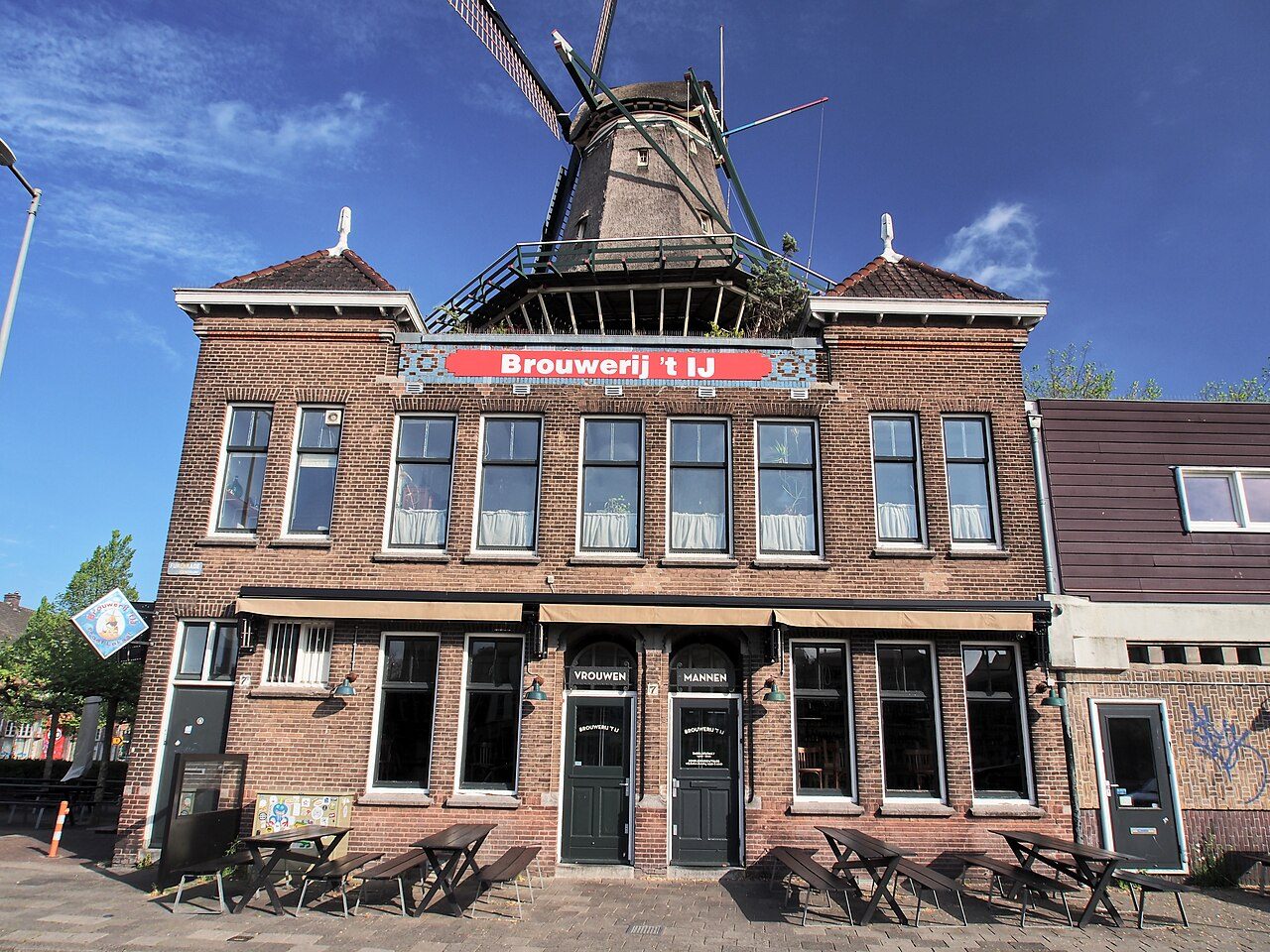 TASTE
Amsterdam's best-known craft brewery pours its beer in an old bathhouse at the foot of De Gooyer, the tall wooden windmill on the Funenkade.
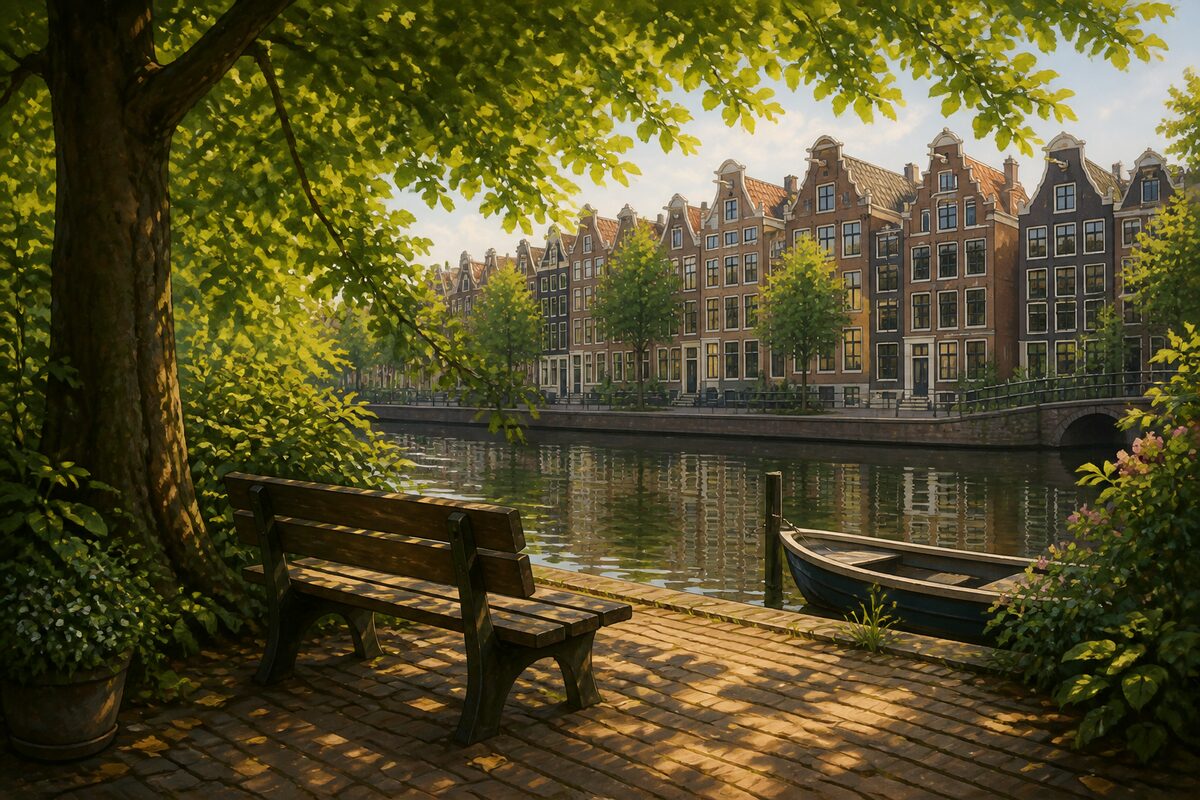 FILM SPOT
The bench on the Leidsegracht where Hazel and Augustus sit in The Fault in Our Stars (2014). Fans of the film still come from all over the world for a photo.
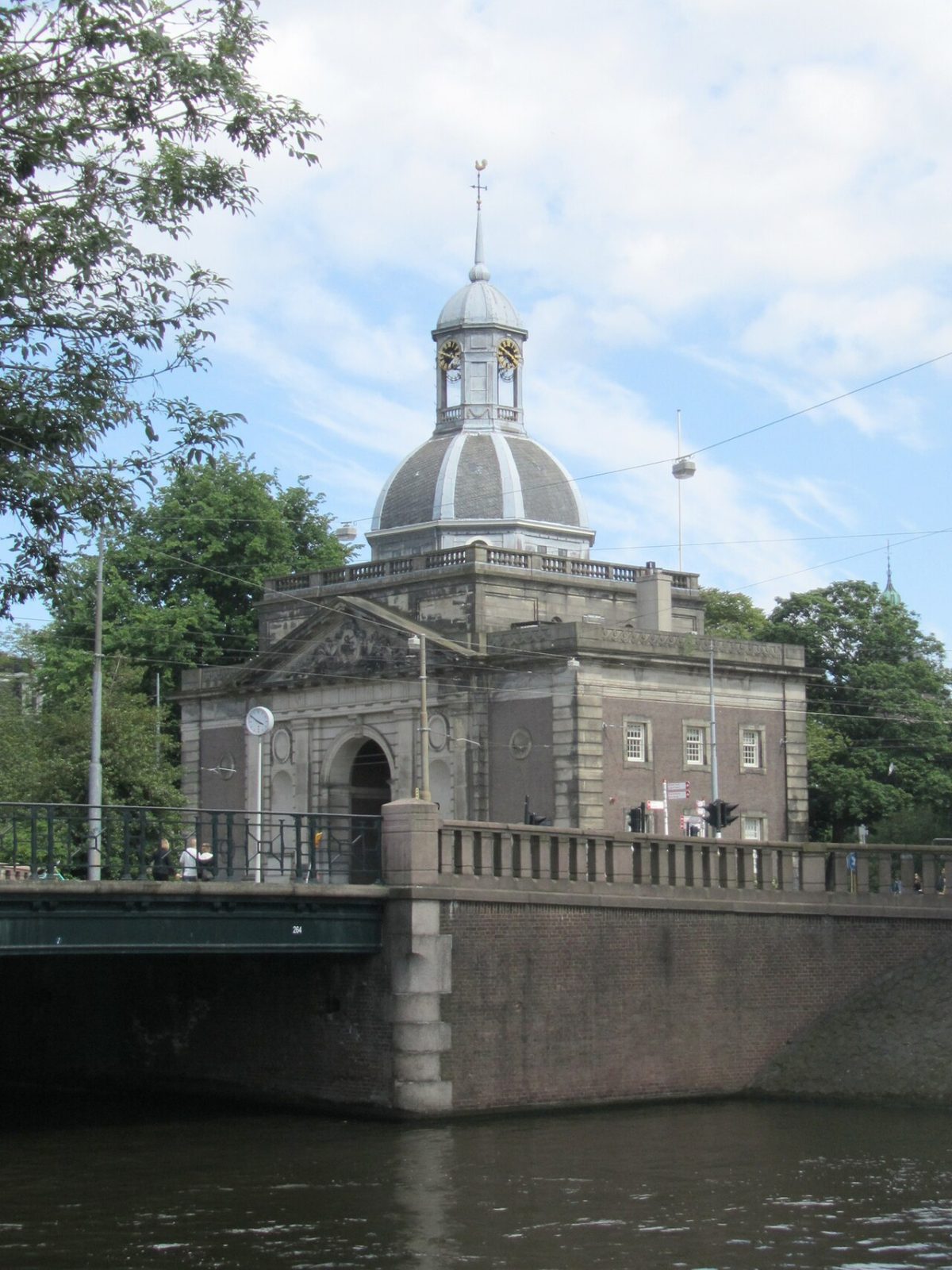 HIDDEN GEM
The 1770 city gate through which Napoleon rode into Amsterdam in 1811.
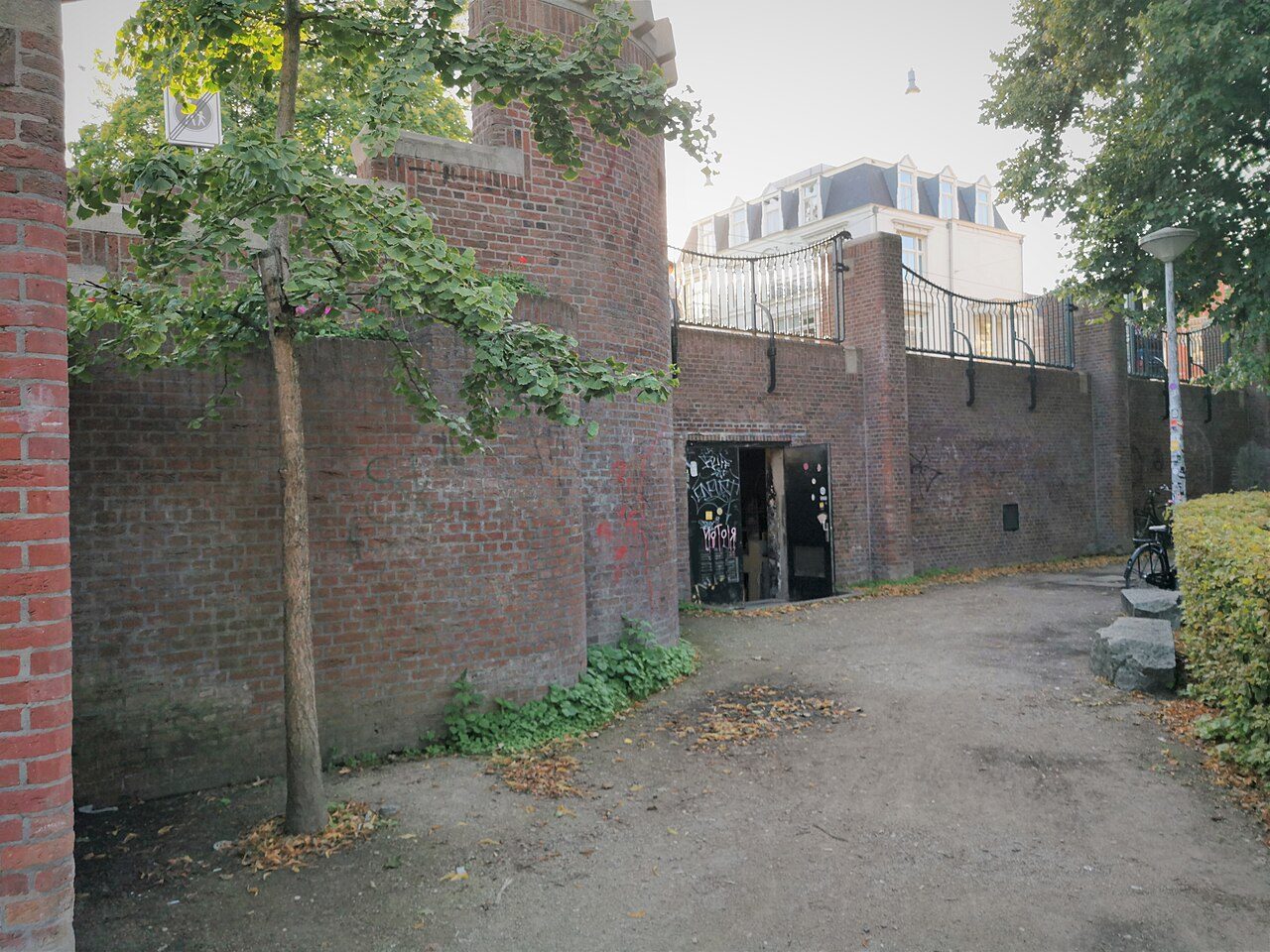 HIDDEN GEM
A Cold War nuclear shelter under a Vondelpark bridge, now an underground cultural venue.
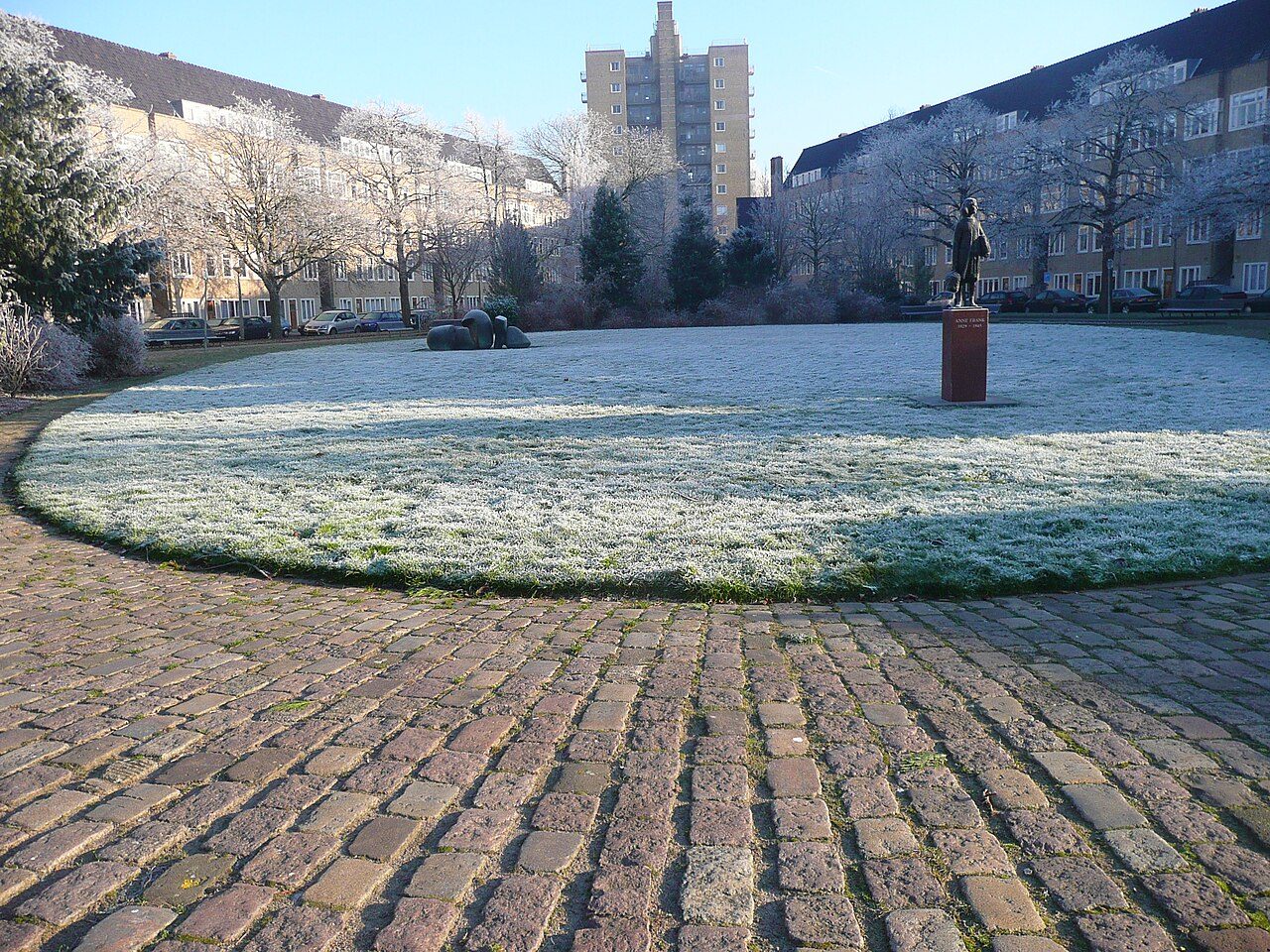 HIDDEN GEM
Anne Frank with her bag, in front of the flat where she lived before going into hiding: few visitors find it.
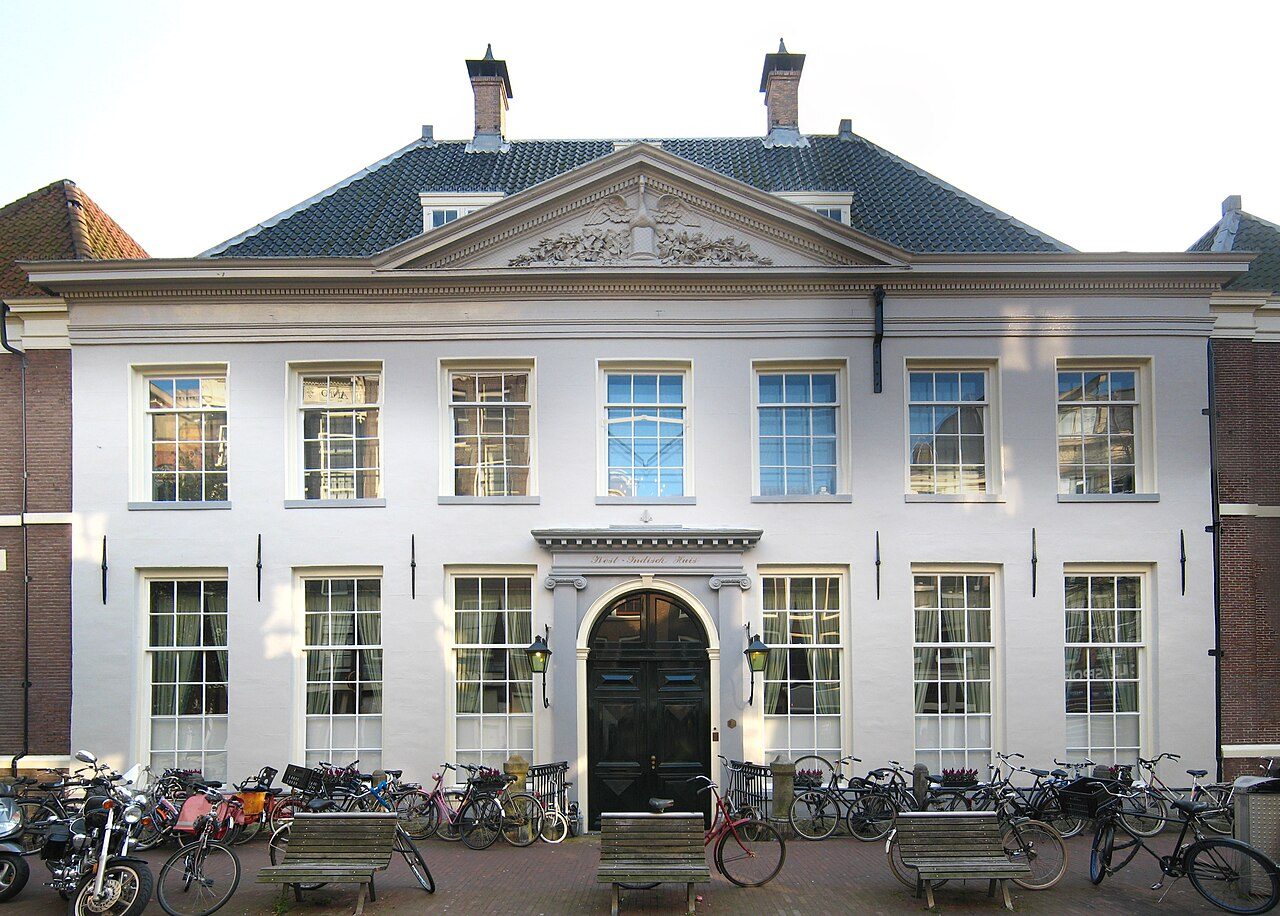 HIDDEN GEM
Where the West India Company decided to found New Amsterdam (New York); Peter Stuyvesant stands in the courtyard.
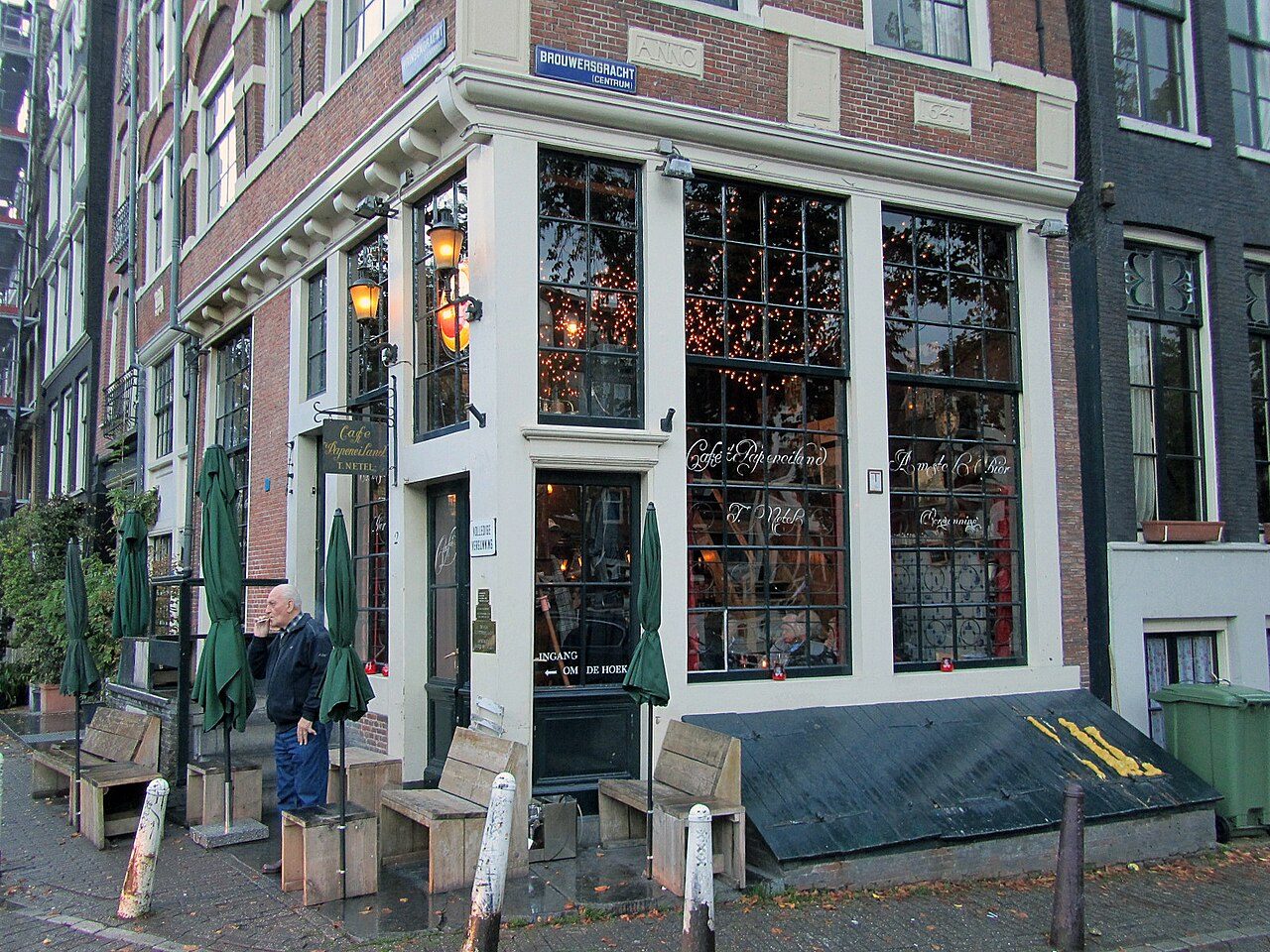 HIDDEN GEM
A 1642 brown café with the legend of a secret tunnel to a hidden church across the canal.
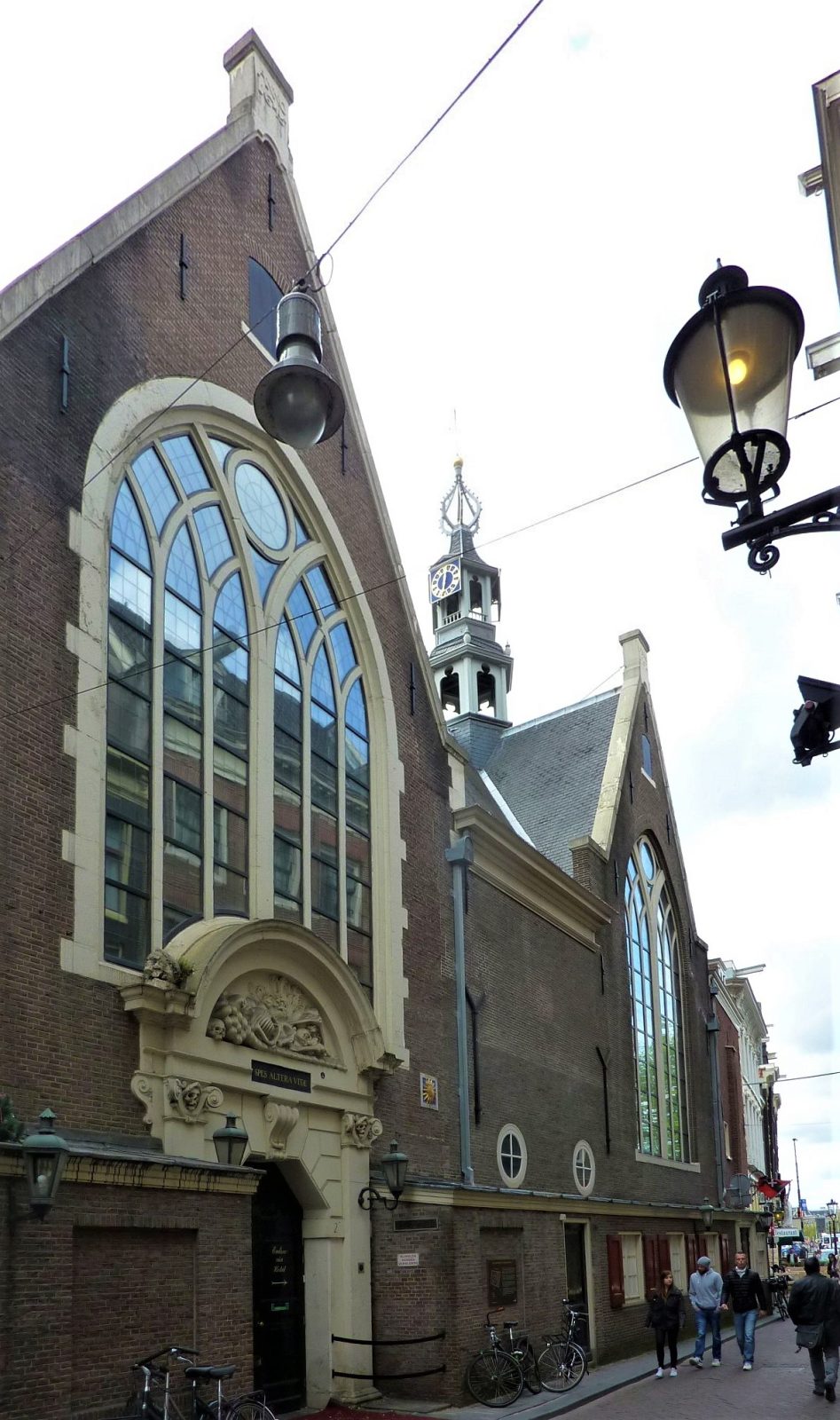 HIDDEN GEM
A 15th-century chapel swallowed by a hotel, with a skull-and-bones gable stone over the old door.
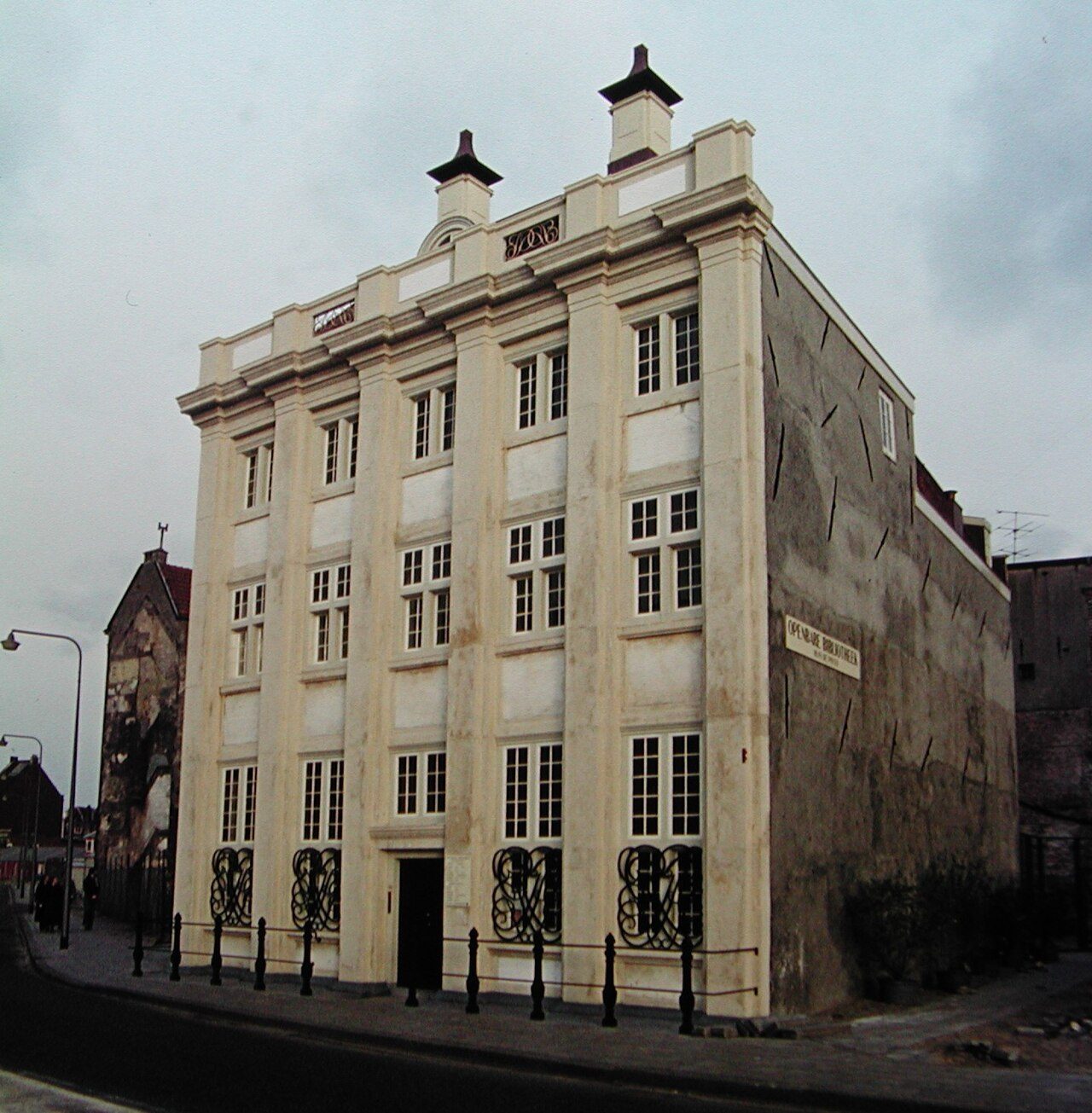 HIDDEN GEM
A 17th-century merchant's mansion with painted ceilings, now a free reading room and café.
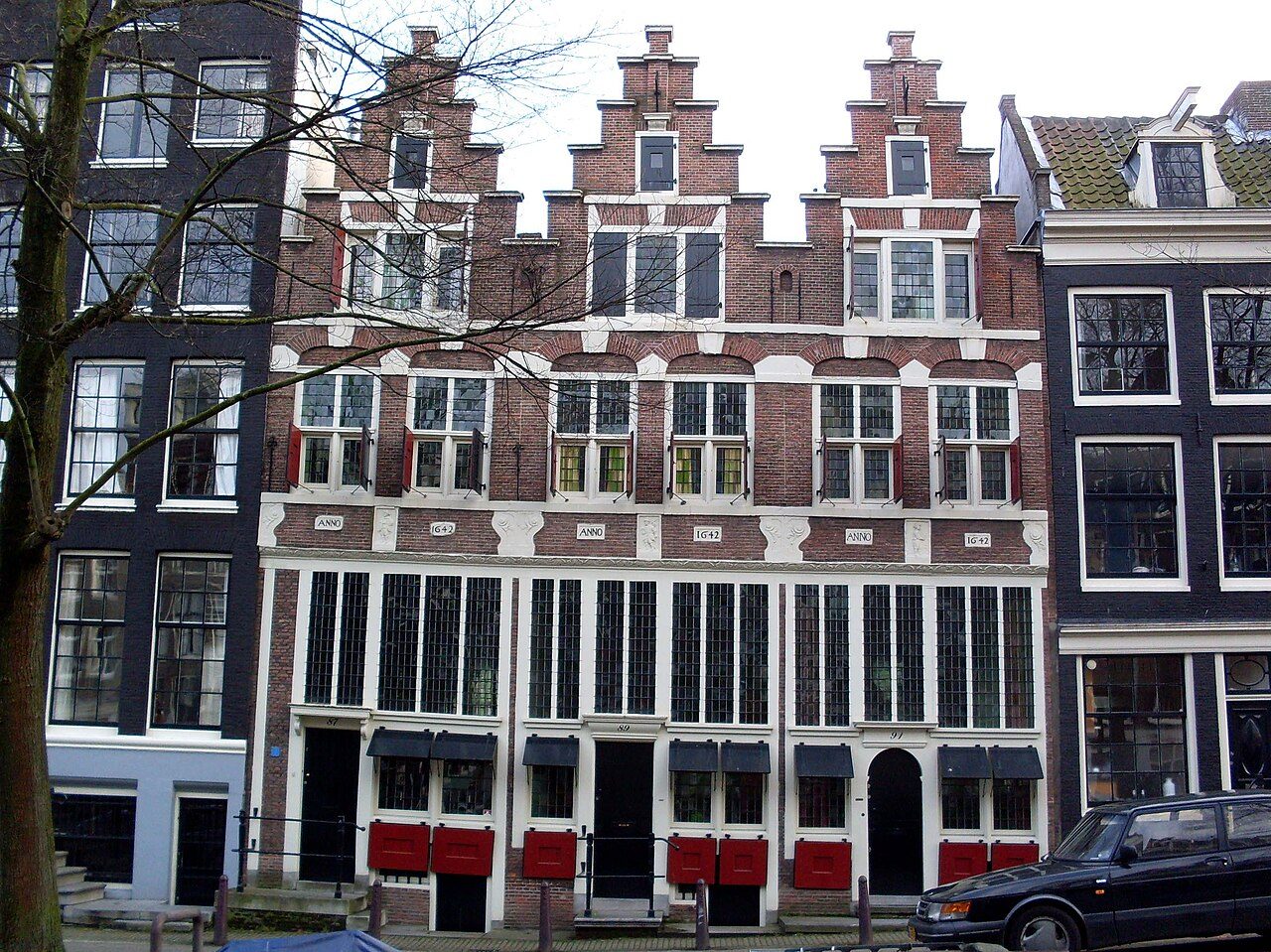 HIDDEN GEM
Three 1642 houses on the Bloemgracht with gable stones of a townsman, a farmer and a sailor.
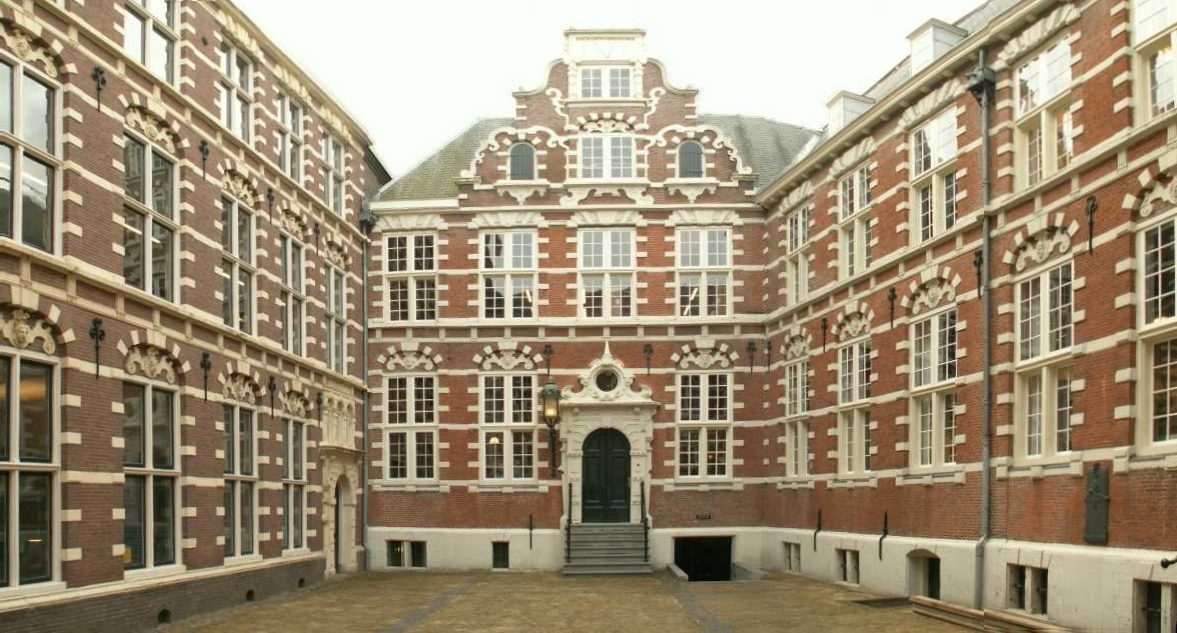 HIDDEN GEM
The headquarters of the Dutch East India Company, now university; walk into the courtyard where the world's first multinational was run.
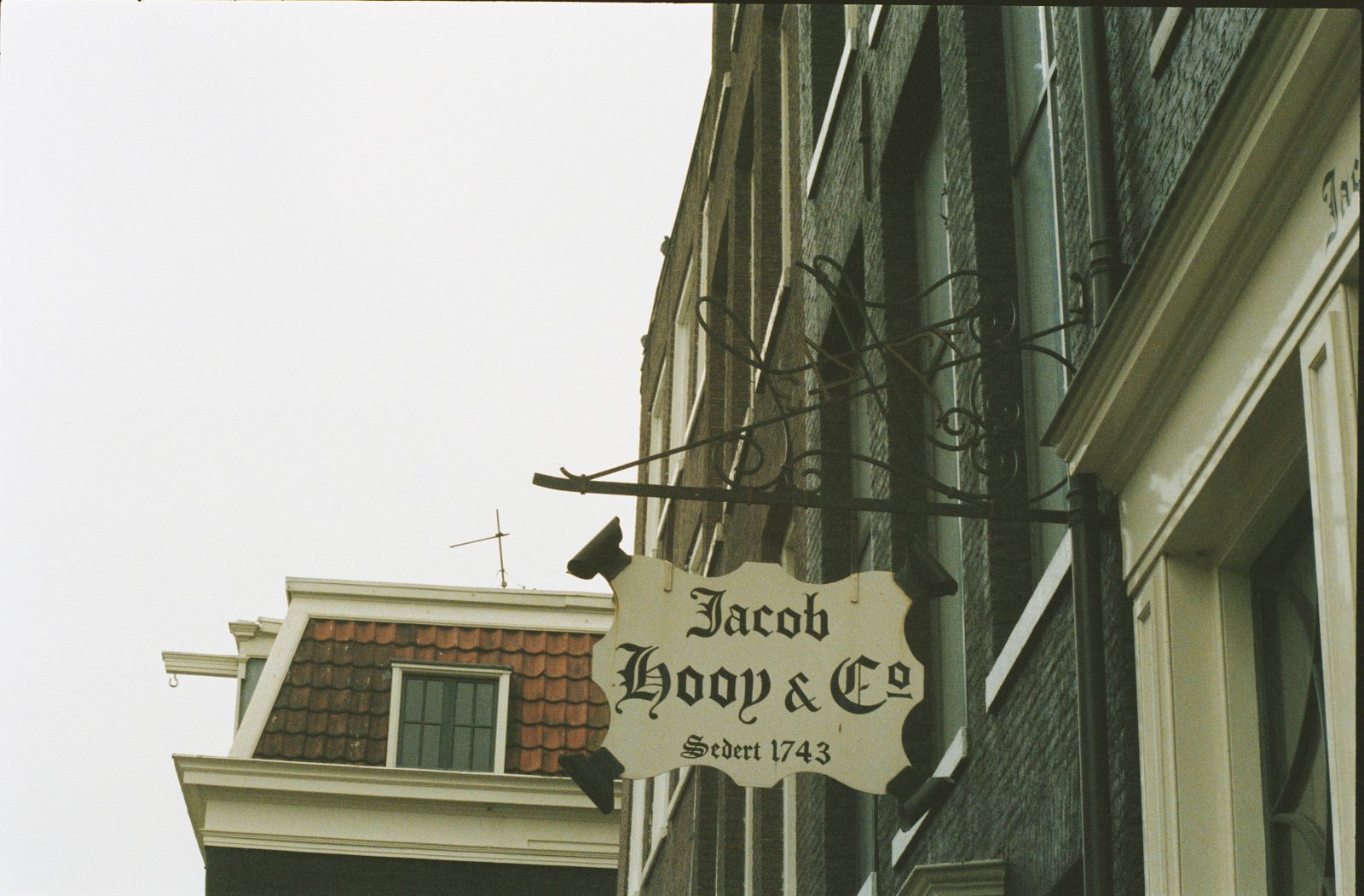 HIDDEN GEM
An apothecary shop unchanged since 1743: wooden drawers of herbs, liquorice jars and a 'gaper' head over the door.
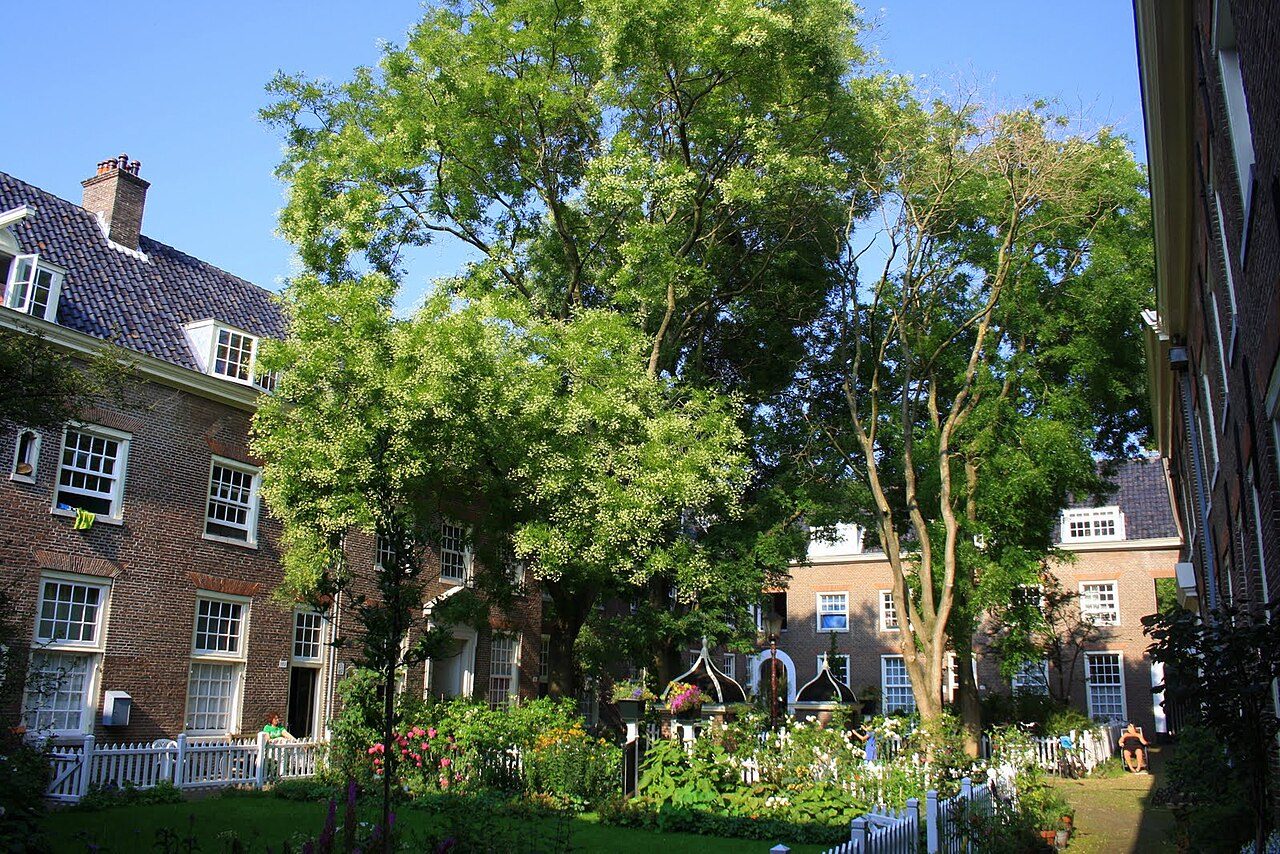 HIDDEN COURTYARD
A large 17th-century almshouse courtyard in the Jordaan, built for widows on the grounds of a vanished monastery. Most people in the street outside never notice the gate.
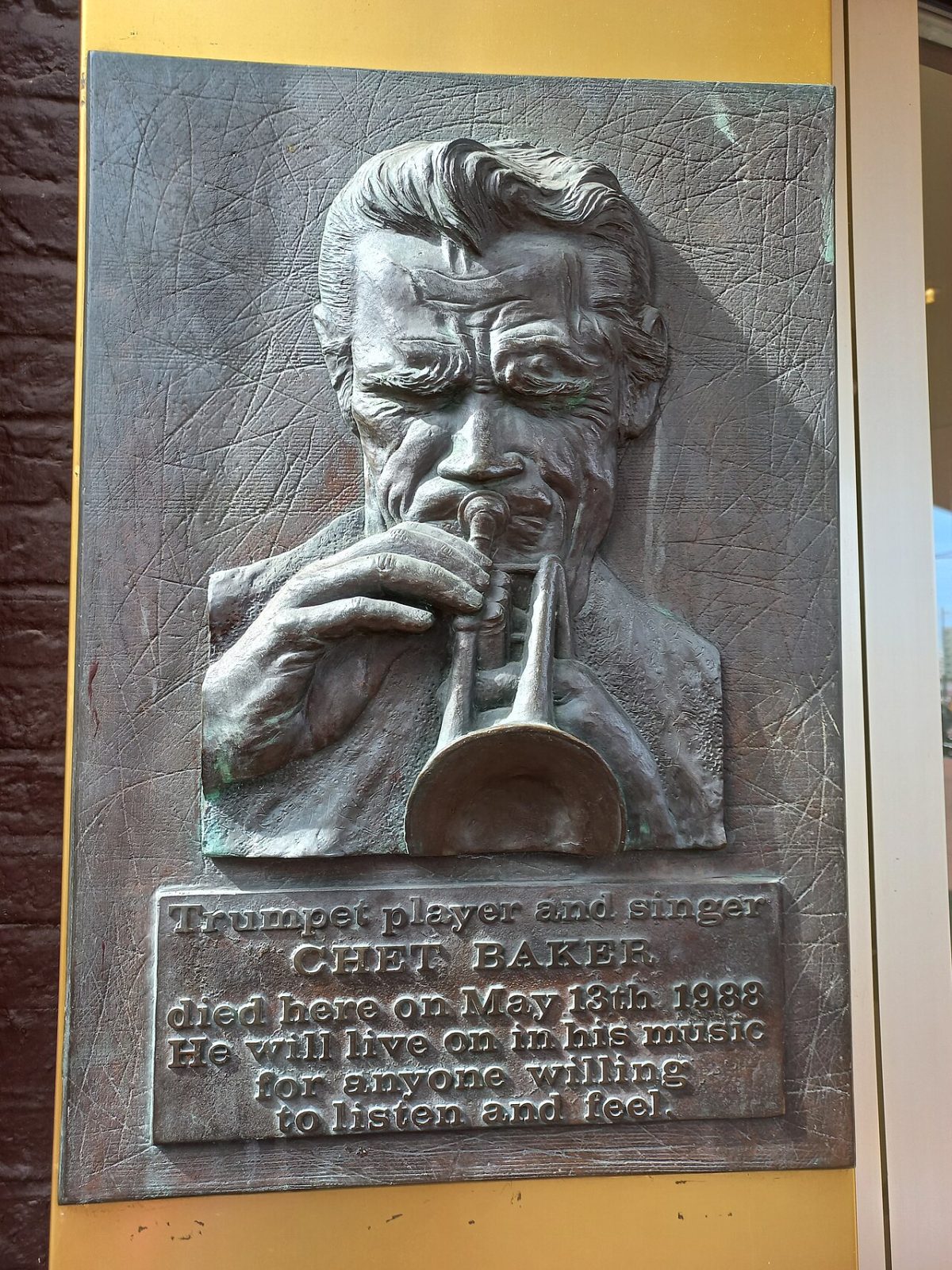 HIDDEN GEM
On the hotel where the jazz trumpeter fell from a window in 1988. 'He will live on in his music.'
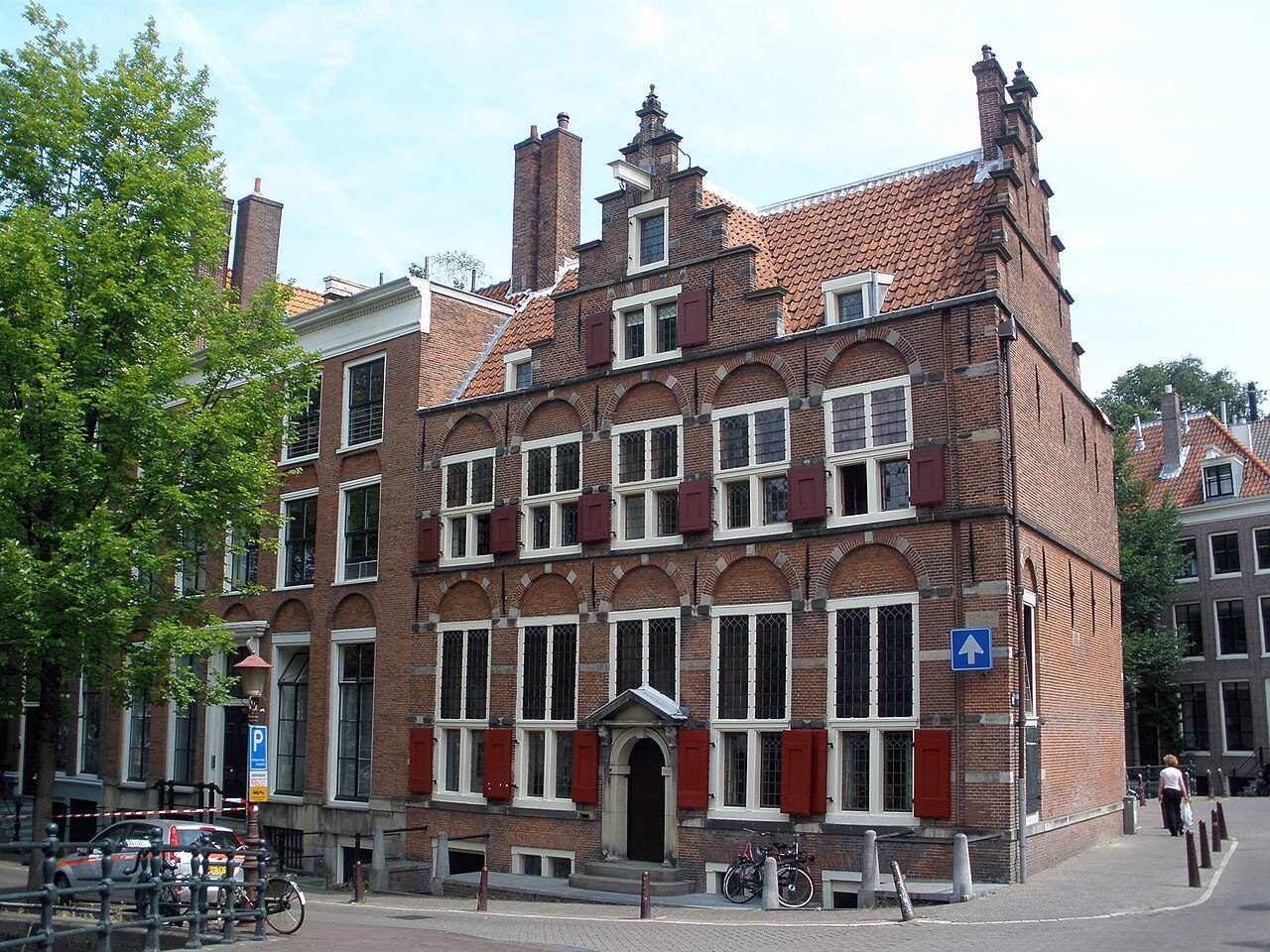 HIDDEN GEM
A 1610 house with a canal on three sides, one of the most photographed corners nobody can name.
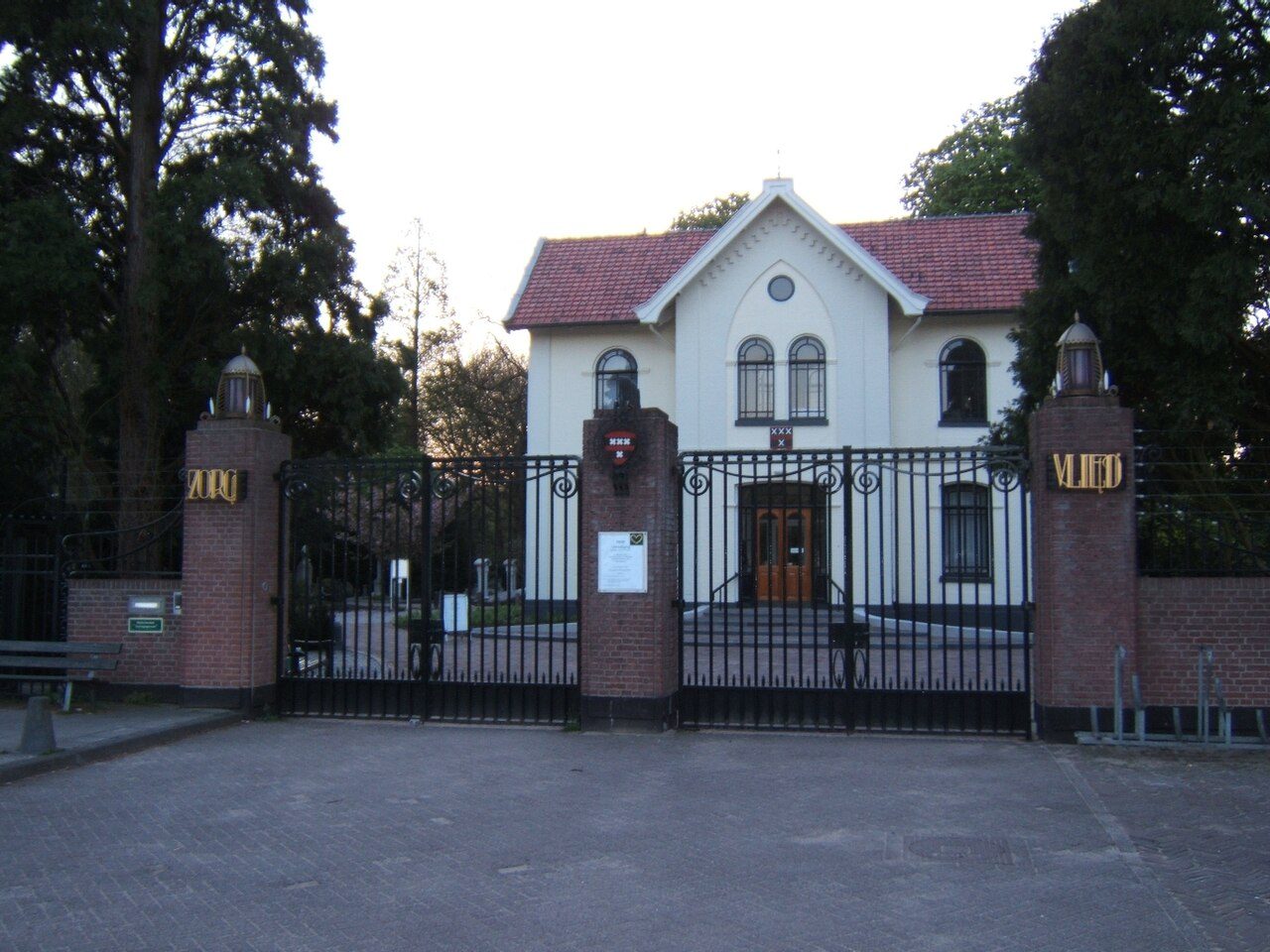 HIDDEN GEM
A romantic 19th-century cemetery on the Amstel, laid out like a park, with the graves of famous Dutch artists.
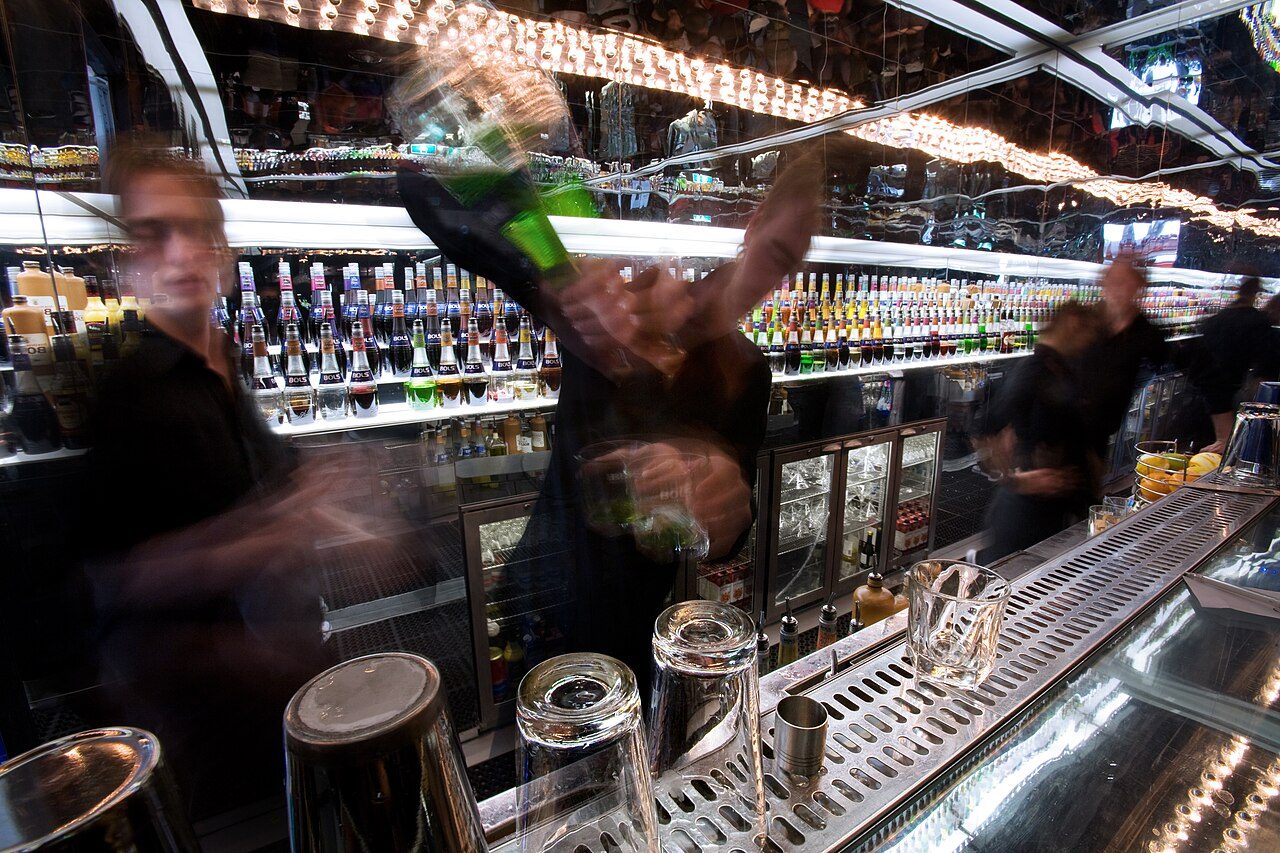 HIDDEN GEM
The Bols distillery's cocktail and genever experience next to the Van Gogh Museum.
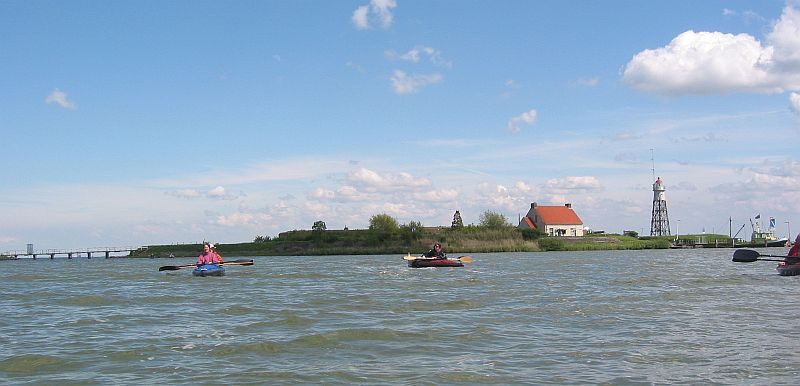 HIDDEN GEM
A small island with a lighthouse and a fort in the IJmeer, reached only by boat.
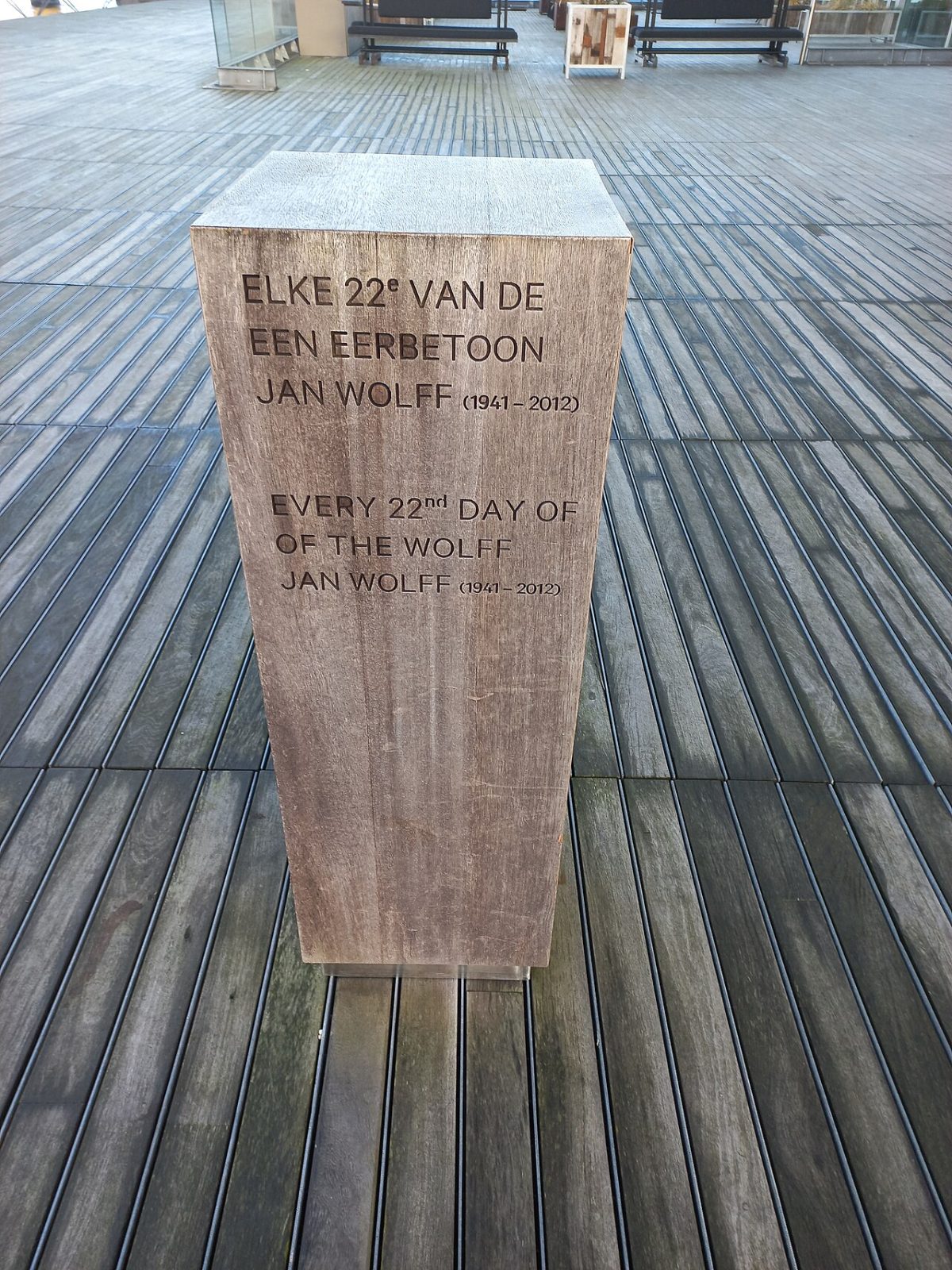 HIDDEN GEM
A sound monument under the overhang of the Muziekgebouw for horn player Jan Wolff: every 22nd of the month at 8 pm it plays wolf howls, ship horns and lapping water, shaped by the weather.
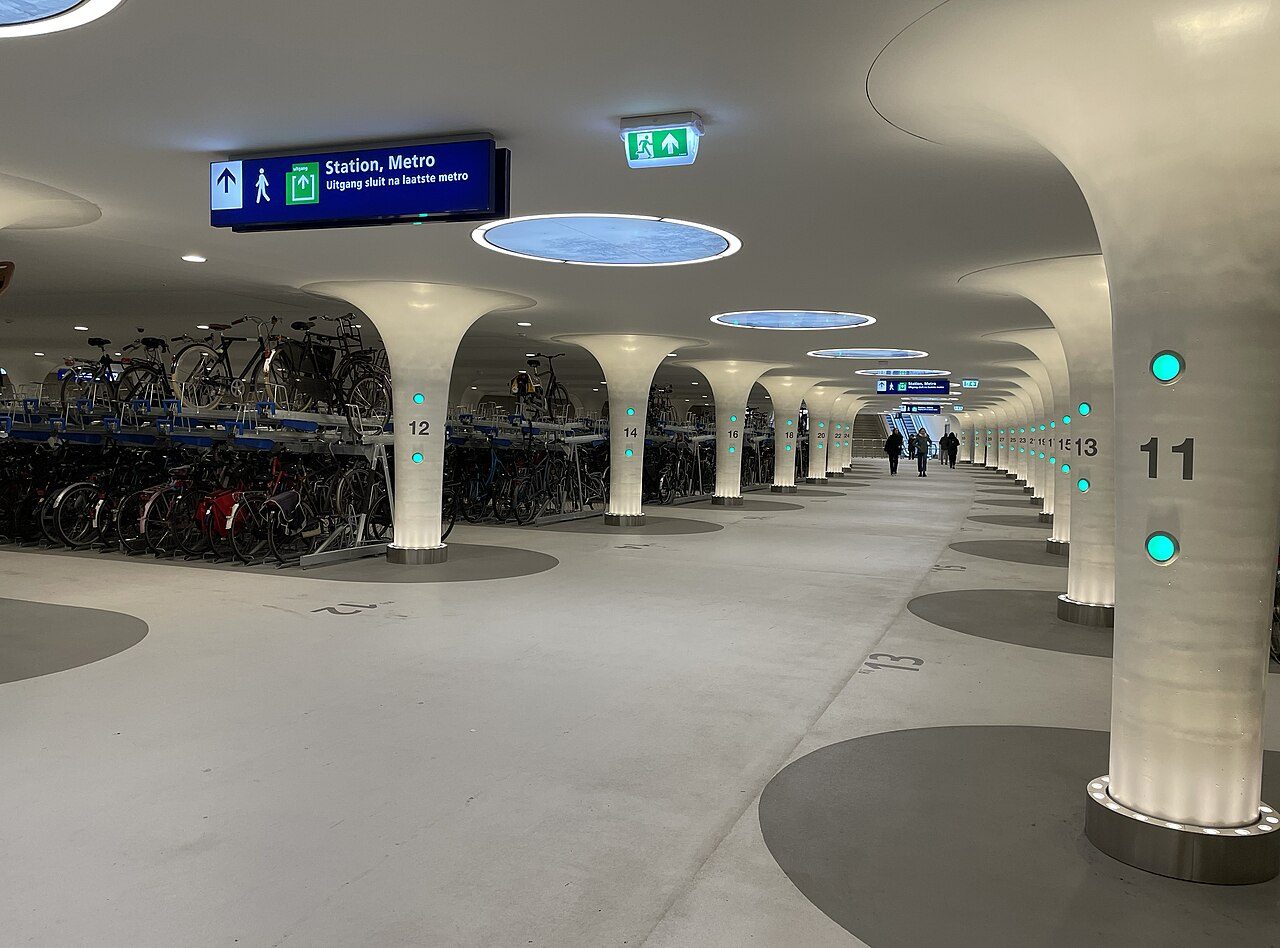 HIDDEN GEM
Thousands of bikes parked in a garage under the water in front of Centraal Station, with an aquarium-like view of the IJ.
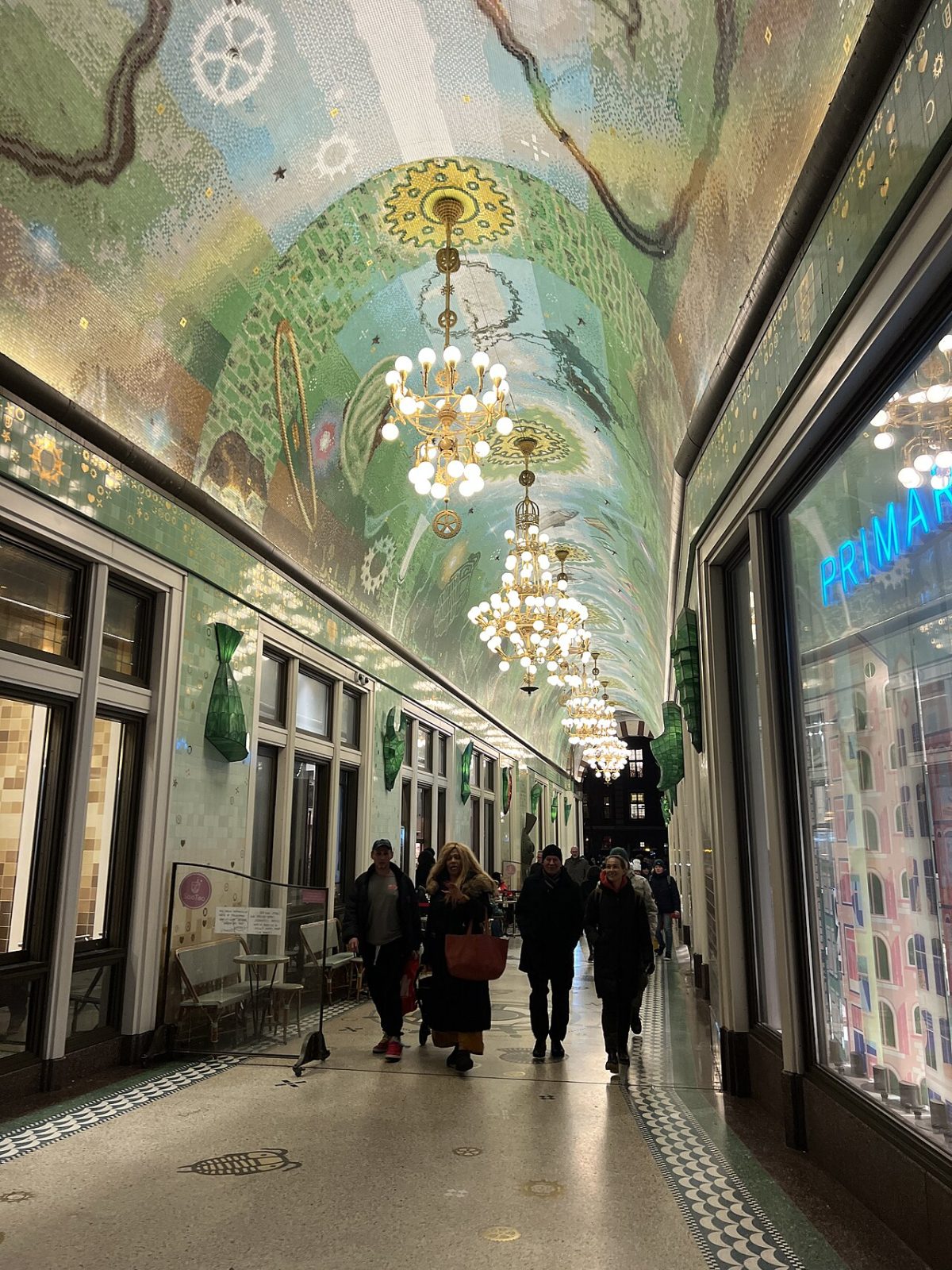 HIDDEN GEM
A shopping passage turned into a cathedral of mosaics, glass and chandeliers about the city's water: 'Amsterdamse Oersoep'.
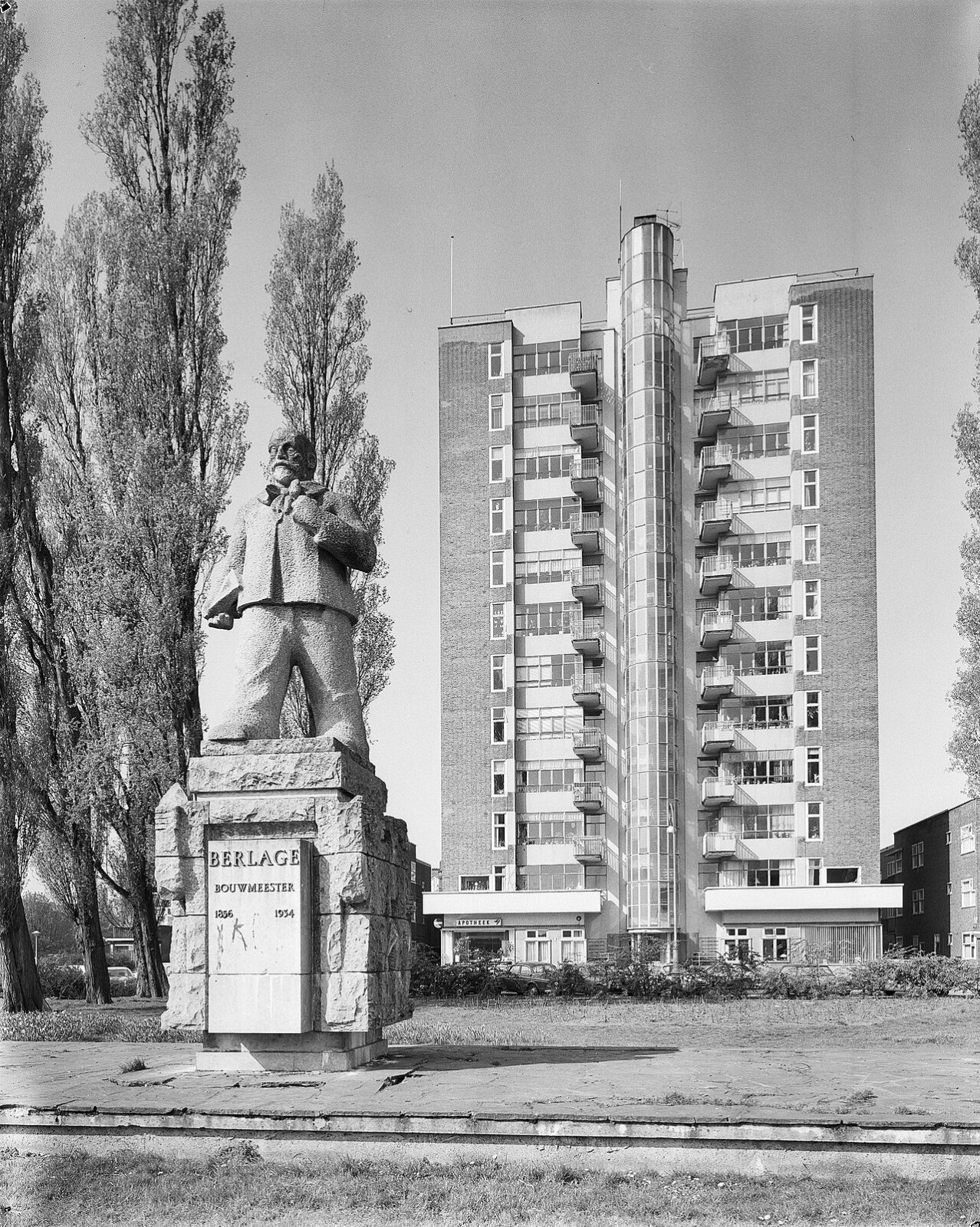 HIDDEN GEM
Amsterdam's first 'skyscraper', twelve floors in 1932, looking down on a Berlage statue.
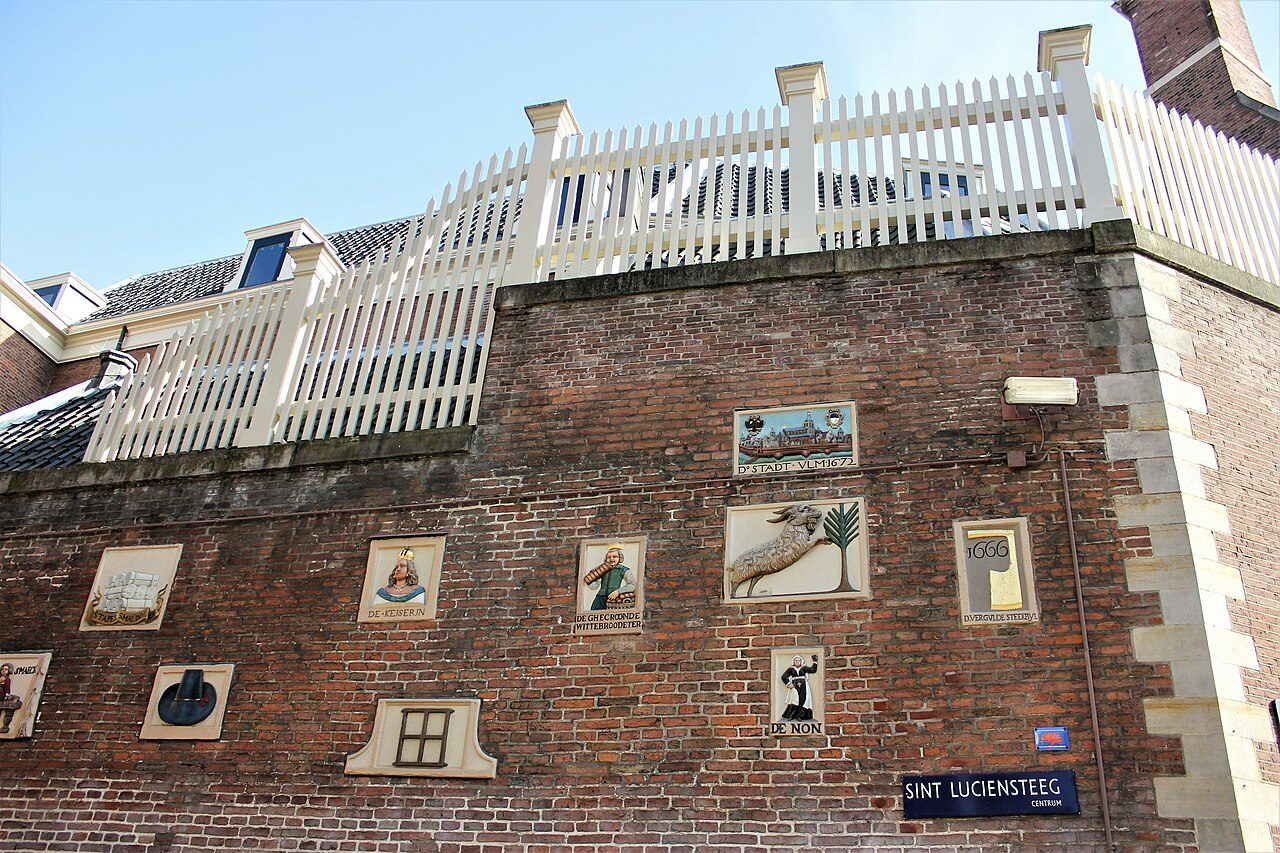 HIDDEN GEM
A whole wall of rescued gable stones, the picture house numbers Amsterdam used before street numbers.
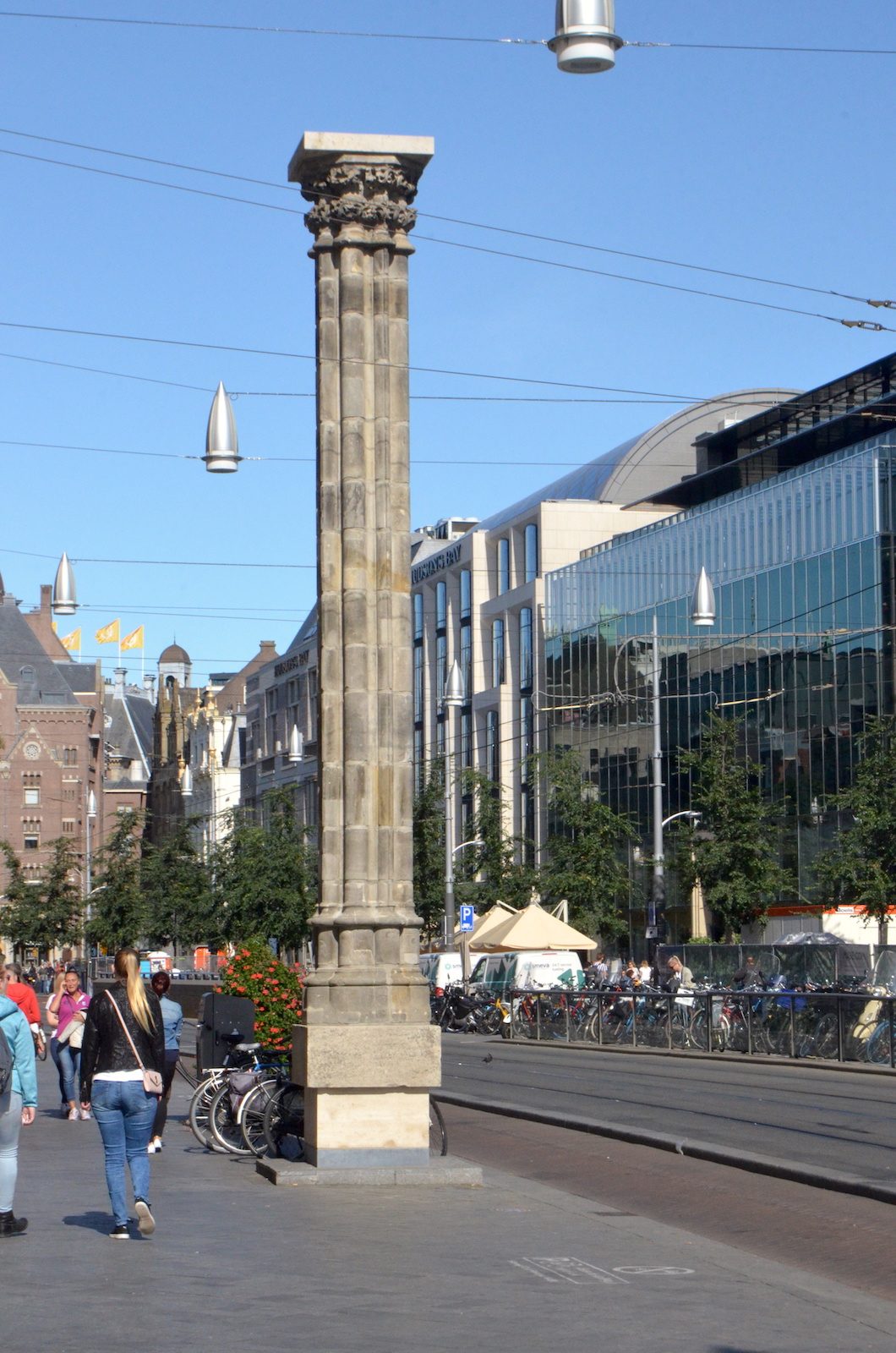 HIDDEN GEM
A column on the Rokin for the Miracle of Amsterdam (1345), when a host thrown in the fire would not burn.
No spots match these filters.
Almost everything here costs nothing to see. You pay only if you sit down at Café Papeneiland or buy something at Jacob Hooy.
People live in the hofjes. Go in quietly, during the day and not in a group. Some close in the evening and at weekends.
Many finds sit above eye level: gable stones, carved figures, skulls. In the Sint Luciënsteeg a whole wall is covered with them.
Tap the heart on the ones you like and open your list on the map. They make a walk of their own.
A hofje is a row of small almshouses around a garden, built by rich citizens for older women or the poor. From the street you see only a door. Inside it is suddenly quiet. Besides the Begijnhof, try the Karthuizerhof and the Sint-Andrieshofje in the Jordaan.
The Dutch East and West India Companies ran their business from Amsterdam, and both buildings still stand. The courtyards of the Oost-Indisch Huis and the West-Indisch Huis are open to walk into. They are quiet places now, with a long and uncomfortable history.
The Begijnhof and the other hofjes, the Picasso in the Vondelpark, the wooden house at Zeedijk 1, the finds in Rokin metro station and the seven houses on the Roemer Visscherstraat.
Several, yes: the Begijnhof, the Sint-Andrieshofje and the [[karthuizerhof|Karthuizerhof]] let visitors in during the day. People live there, so go in quietly and keep to the paths.
Nearly all of them. Only the cafés, the brewery and the shops ask for money.
On the [[anne-frank-statue-merwedeplein|Merwedeplein]] in the south, where the Frank family lived before they went into hiding. A statue of Anne stands on the square.
Picasso gave it to the city in 1965, when the park turned one hundred. Amsterdammers call it The Fish.