
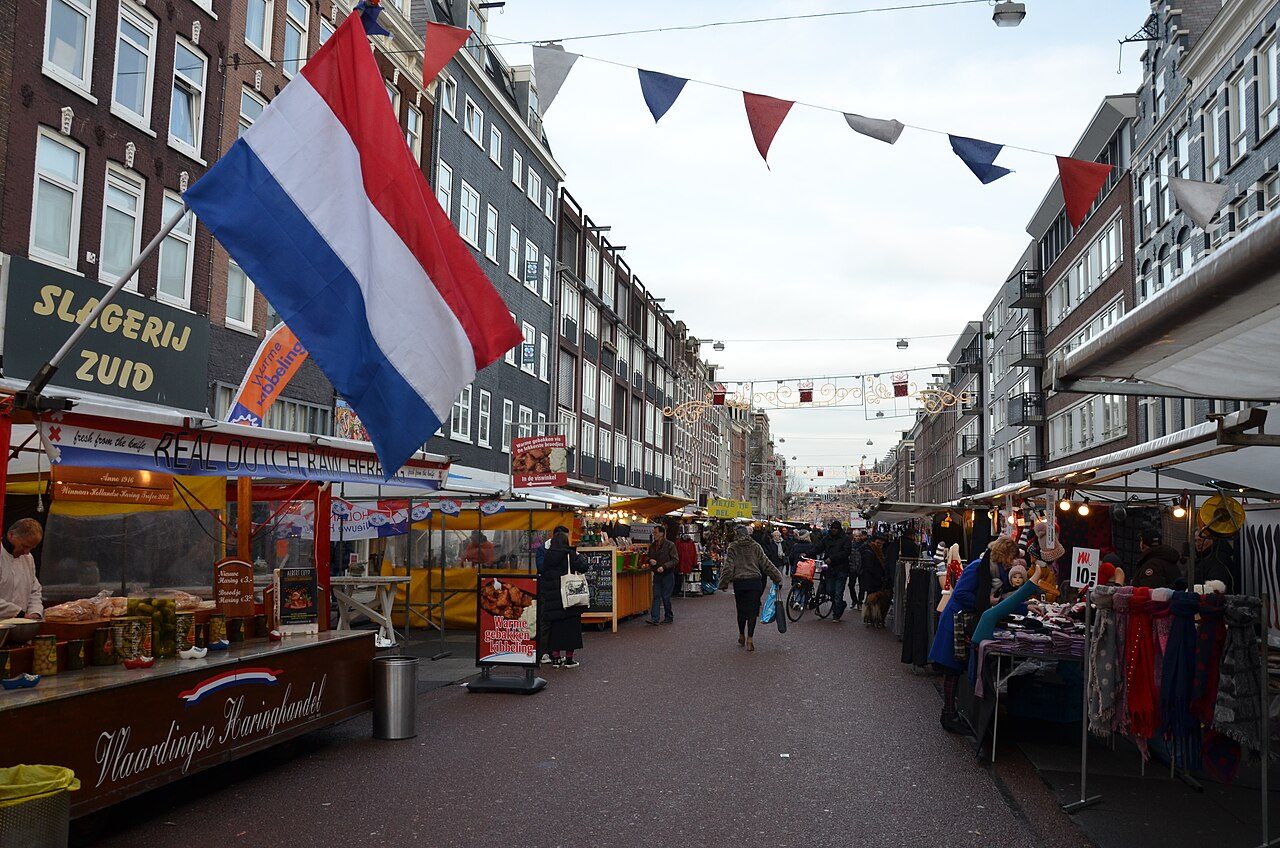
Albert Cuypmarkt
A street market through De Pijp, with warm stroopwafels, herring, produce, flowers and the everyday hum of Amsterdam.
Looking up places…
On DiscoverAround now
Cities and towns worldwide
Not in the list? Type the name and ask us to add it.
Strange art, hidden courtyards and odd details in the city that most people walk past. Like the ones you want to find and walk them as your own free tour.
A street market through De Pijp, with warm stroopwafels, herring, produce, flowers and the everyday hum of Amsterdam.
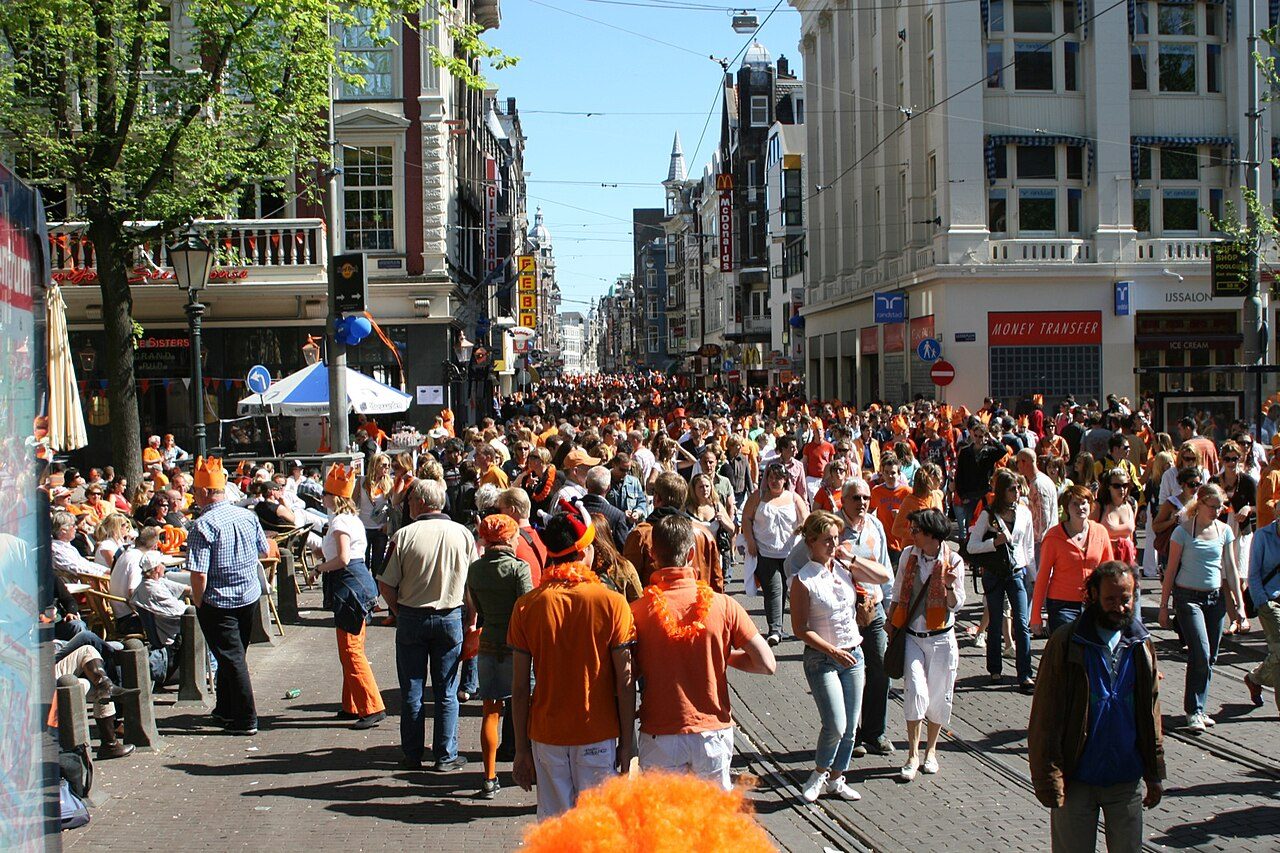
The square at the heart of Amsterdam’s theatre district, where terraces, stages and music venues bring the evening to life.
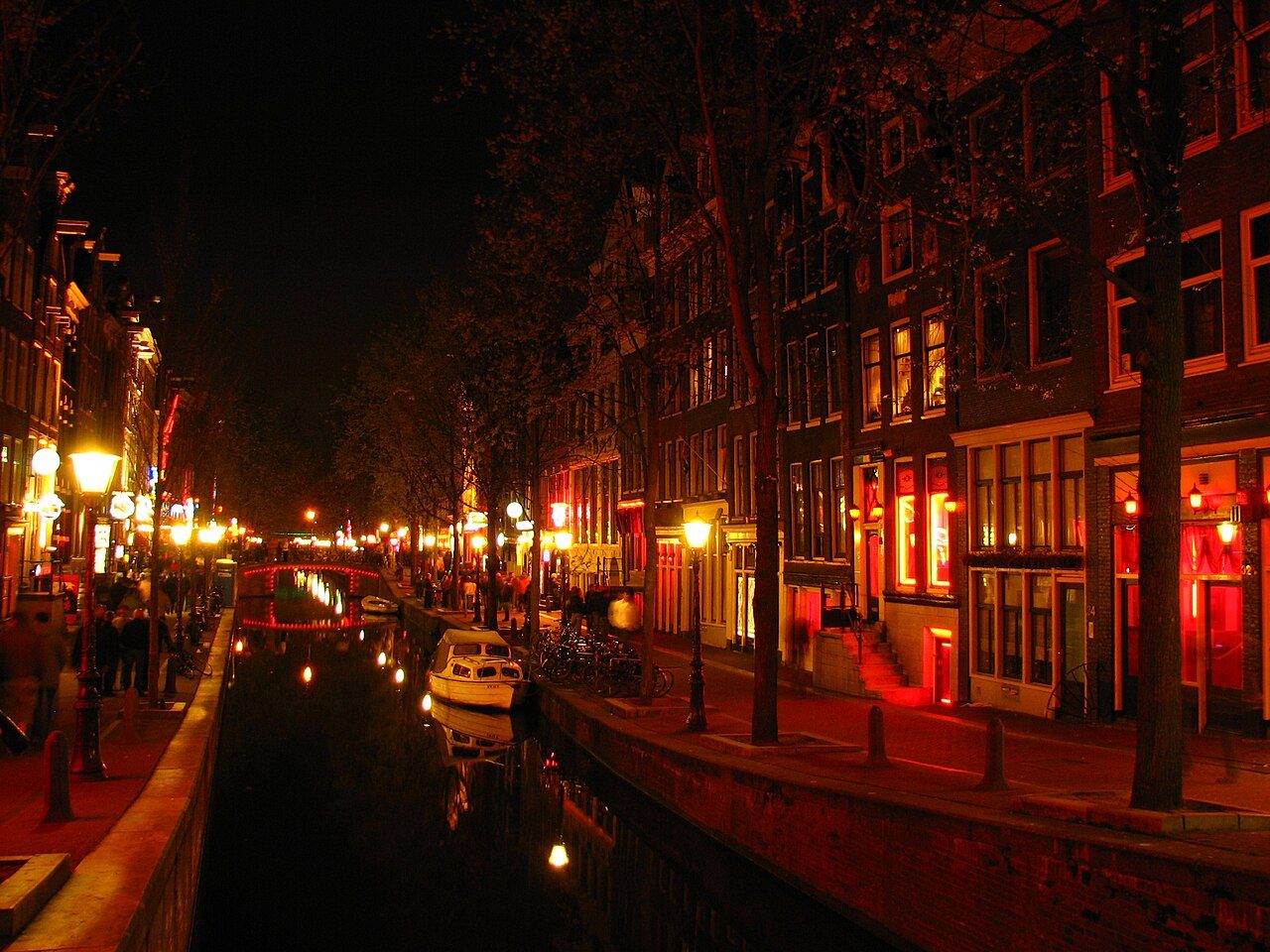
Walk De Wallen for the canals, the city's oldest building and a neighbourhood with more stories than its red windows suggest.
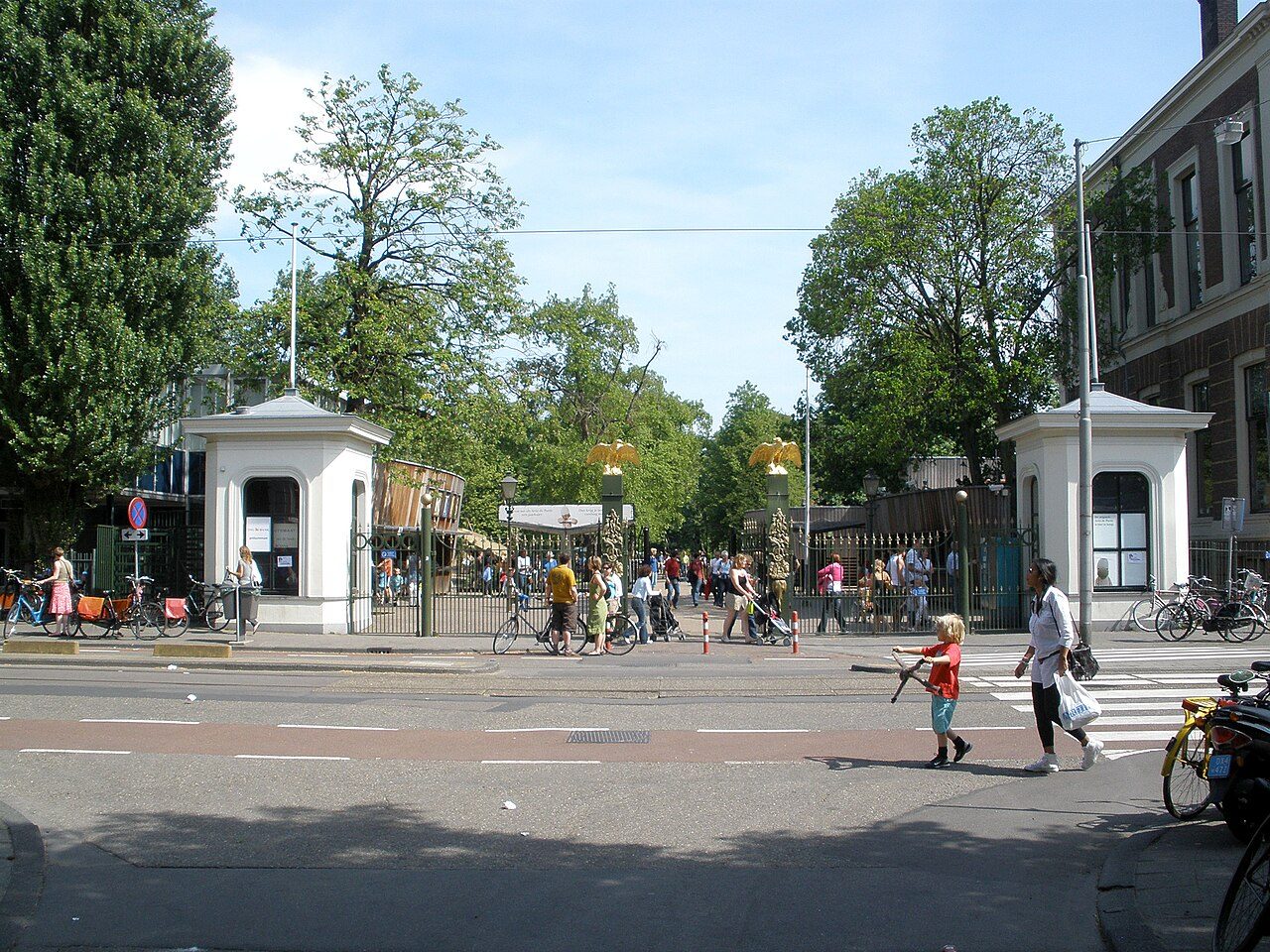
Amsterdam’s 1838 zoo combines animals, garden paths, historic buildings and a planetarium in the Plantage district.
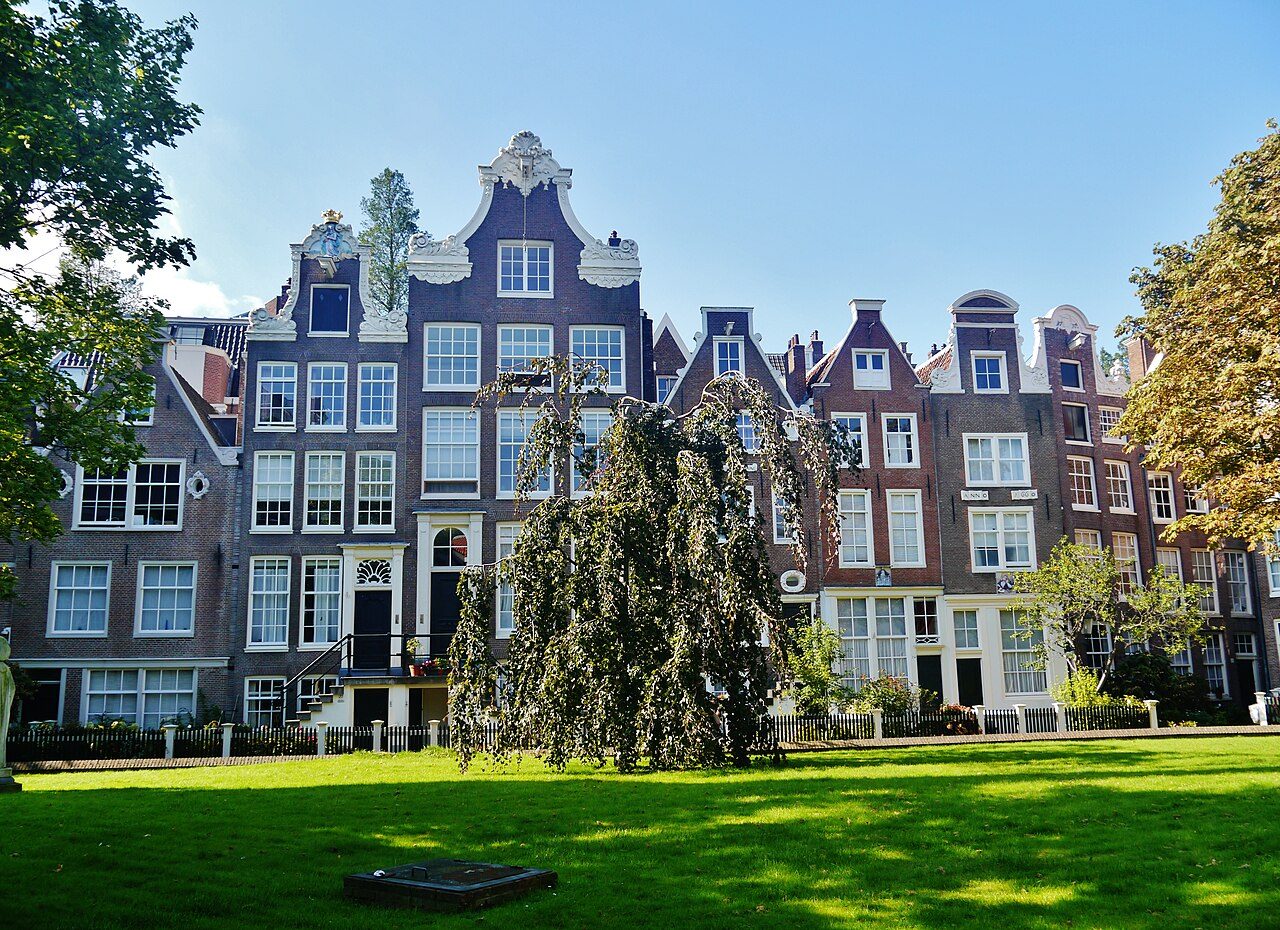
A walled medieval courtyard in the middle of the old centre, home to single women for more than 600 years. Step through the gate on the Begijnensteeg and the city noise drops away.
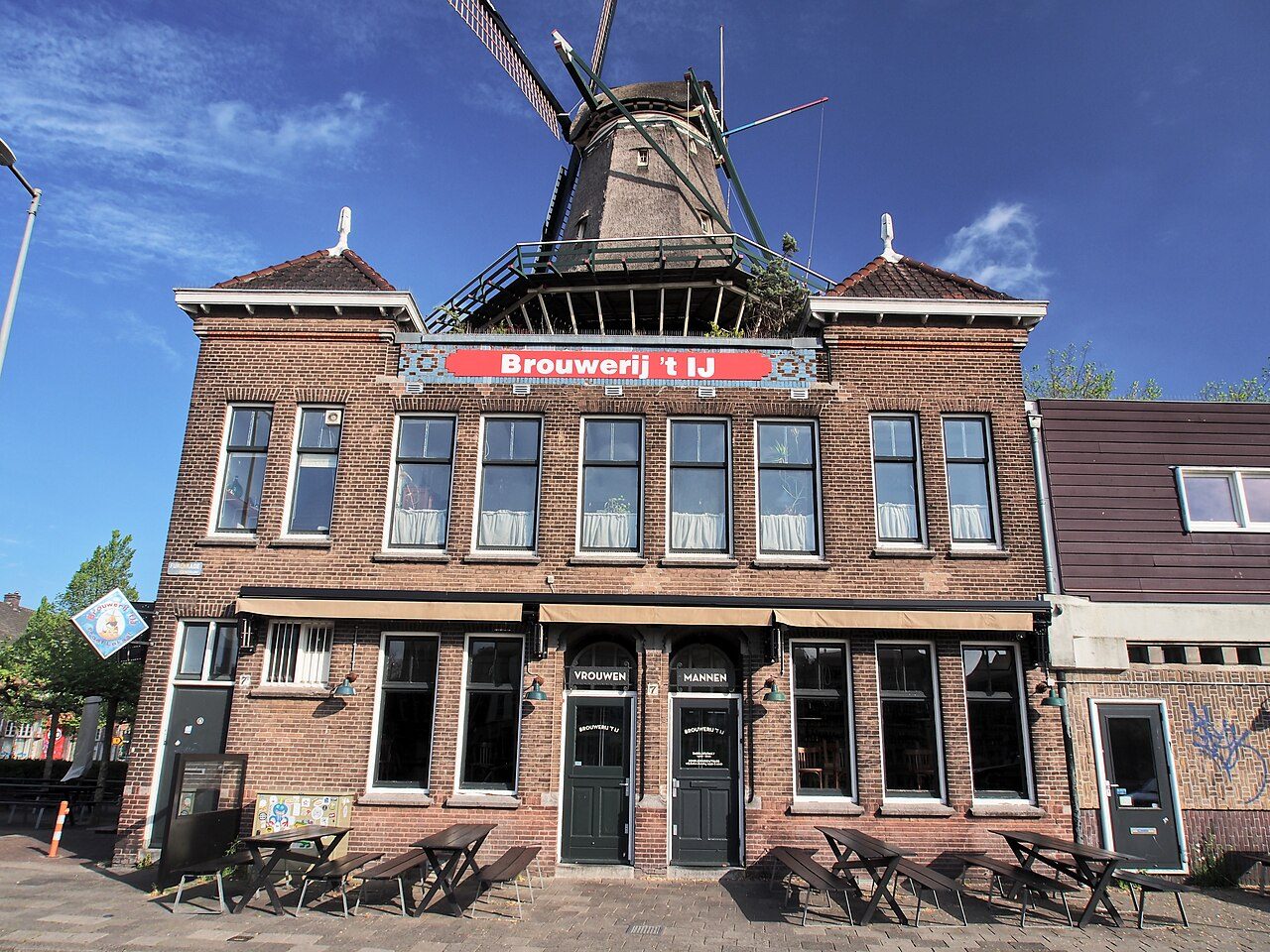
A brewery taproom in a former bathhouse beside De Gooyer windmill, with a terrace and beers brewed by Brouwerij 't IJ.
A Jordaan square with Saturday organic produce and second-hand finds, a Monday flea market and a powerful wartime memory.
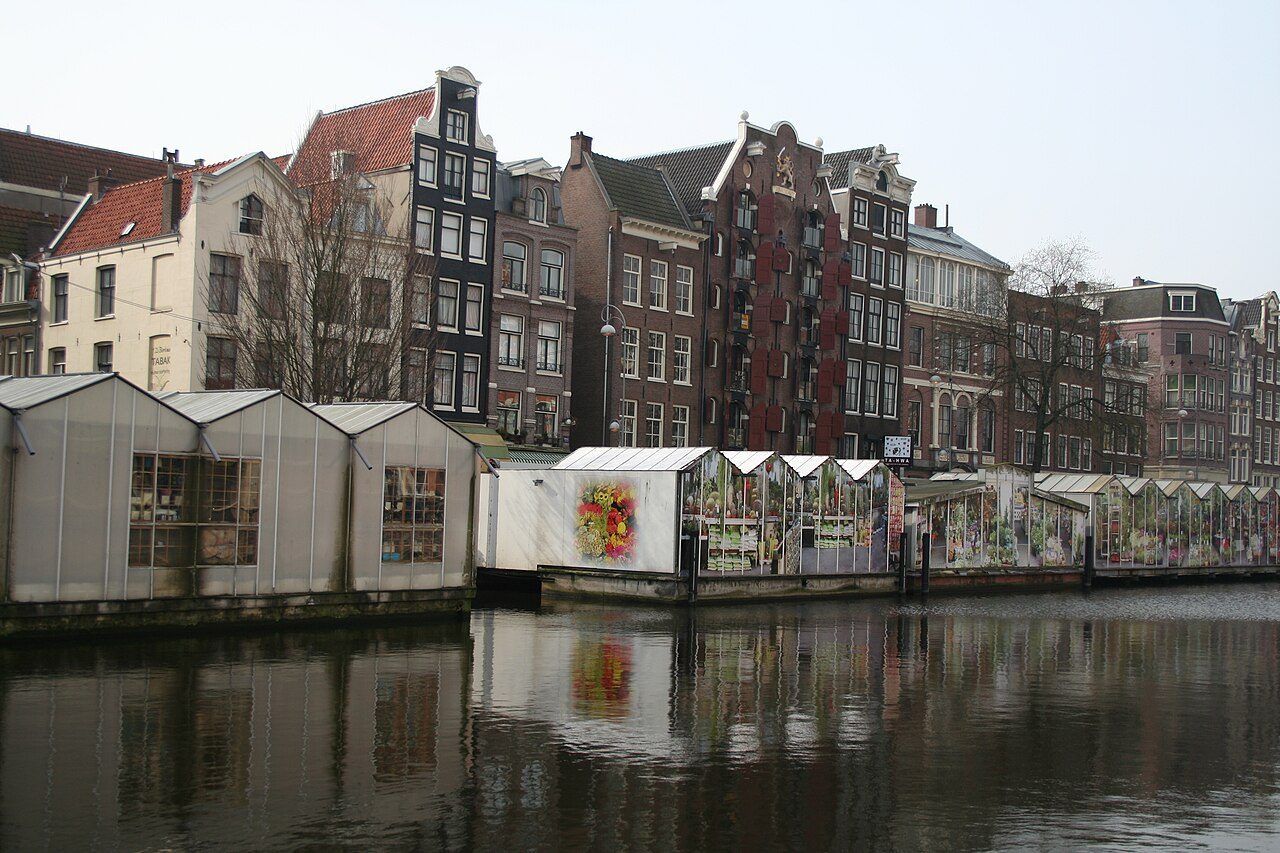
Walk the market stalls above the Singel and see how Amsterdam’s old flower trade became a visitor landmark.
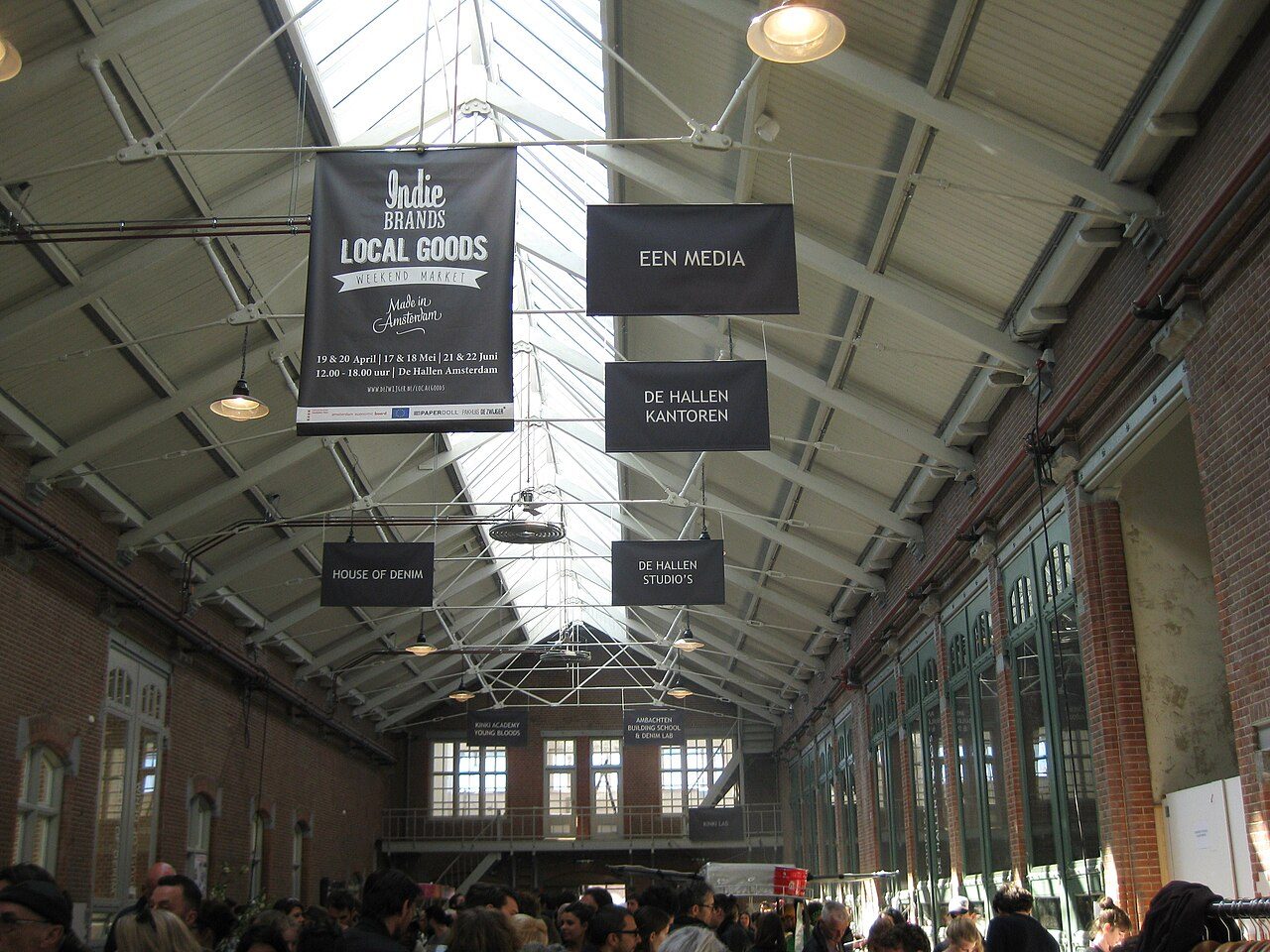
Choose from independent food stalls in a former tram depot, then explore the rails and brickwork of De Hallen.
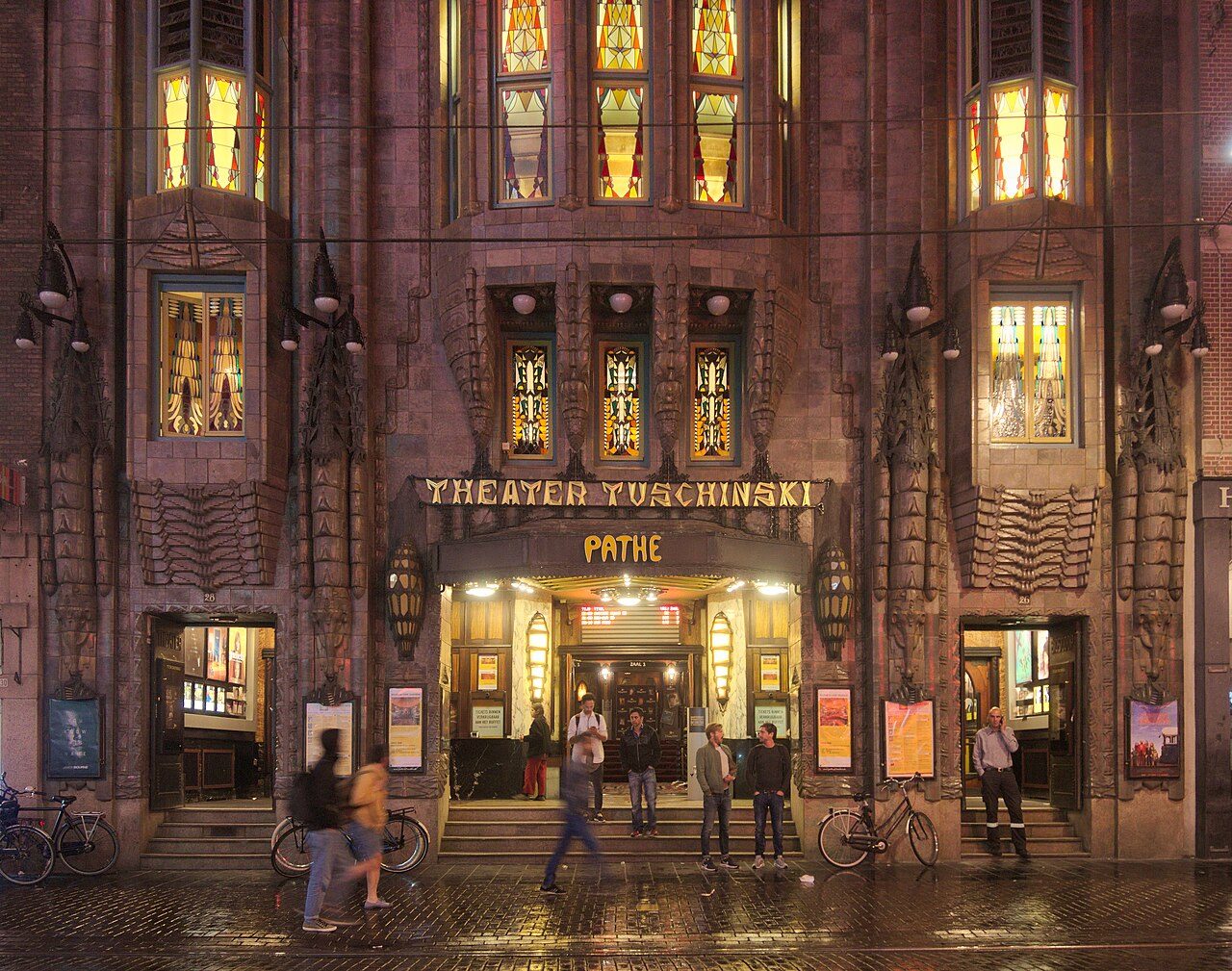
A working 1921 cinema palace where ornate design, daring balconies and Amsterdam history make the film night part of the attraction.
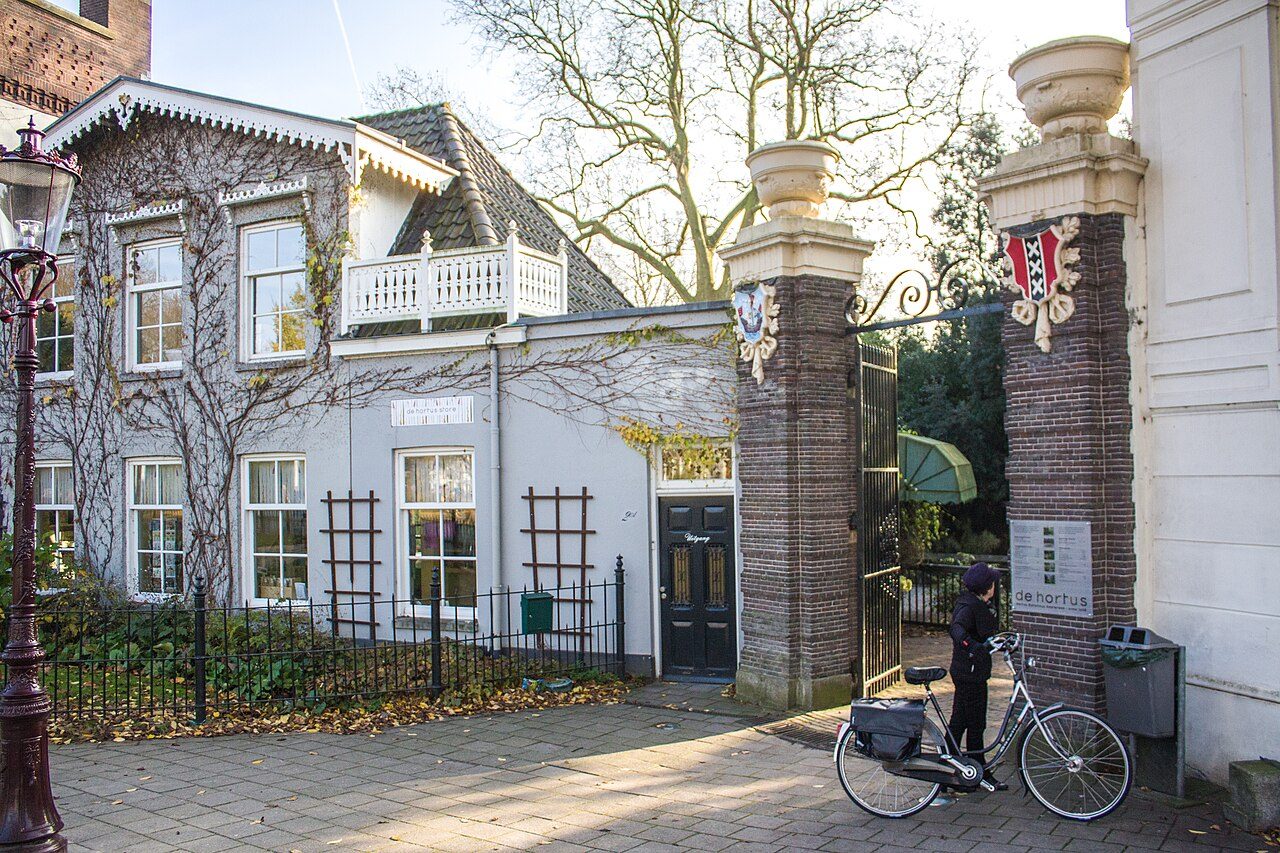
A living botanical garden where 17th-century medicinal plants meet a butterfly house and a greenhouse of jungle, desert and Cape flora.
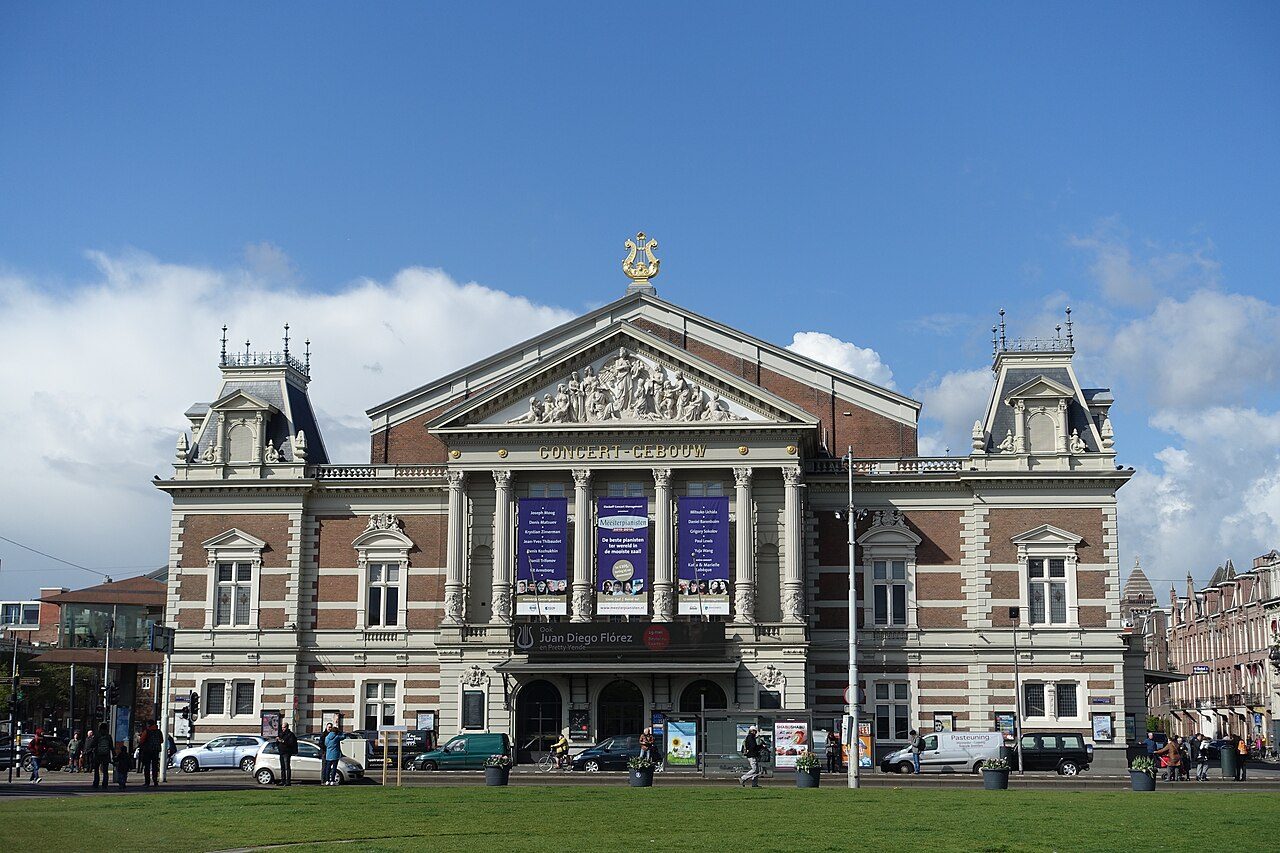
Hear Amsterdam’s historic concert hall in action, or pause for its elegant facade and gilded lyre beside Museumplein.
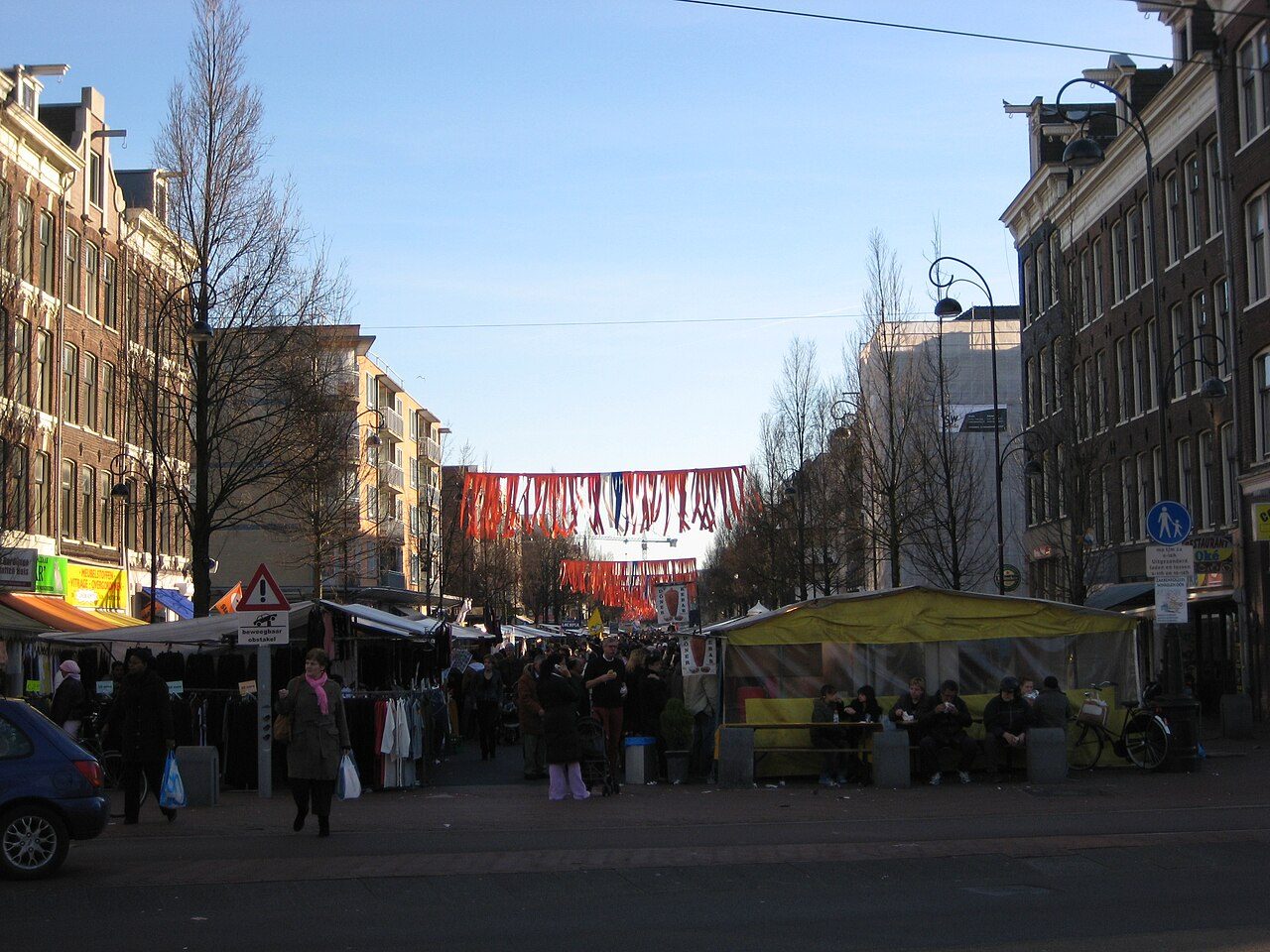
Browse a real neighbourhood market for fresh food, flowers and everyday finds; its traders have stories worth hearing.
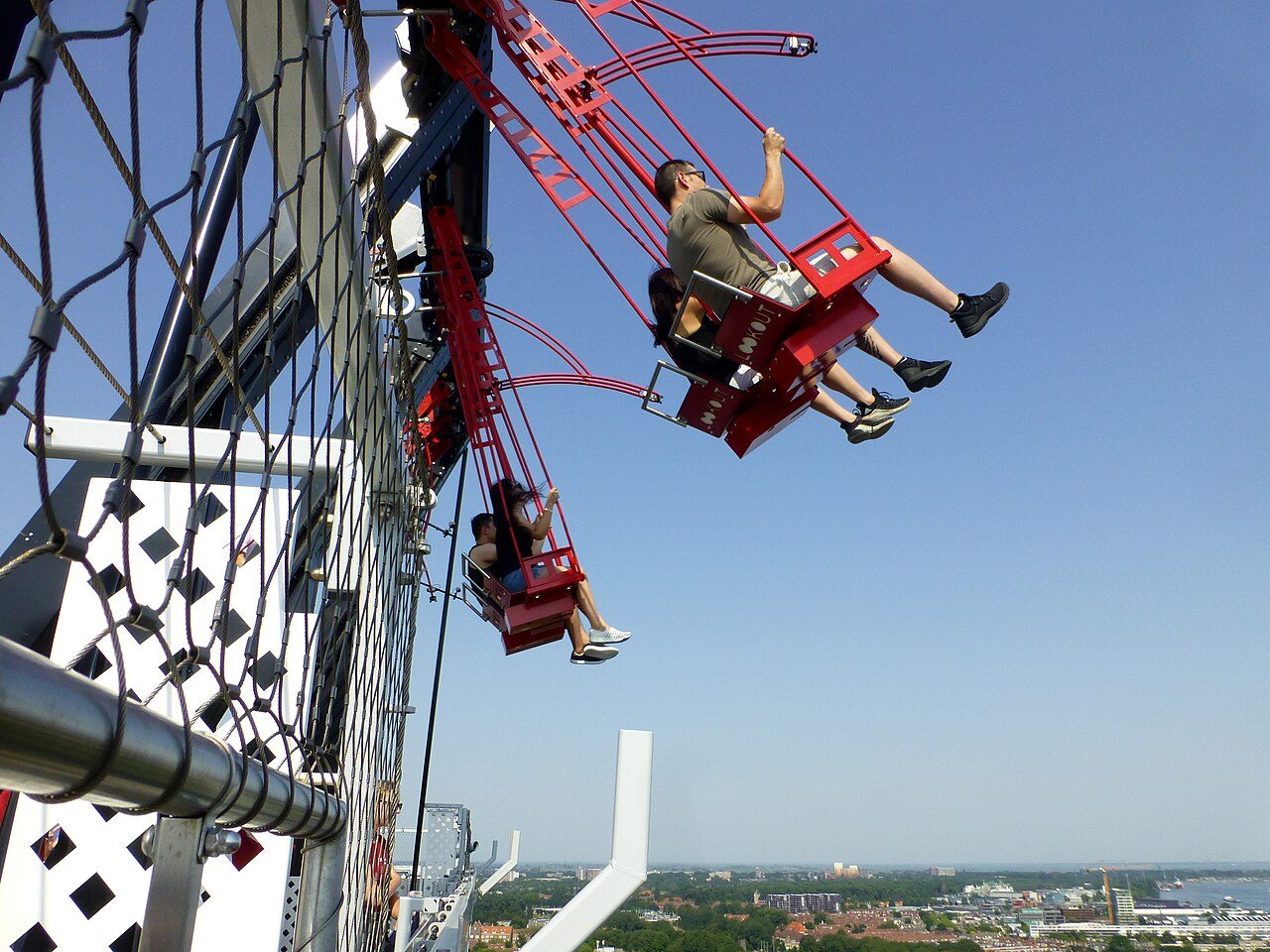
See Amsterdam from a 100-metre skydeck across the IJ, indoors or out; add the rooftop swing if you like.
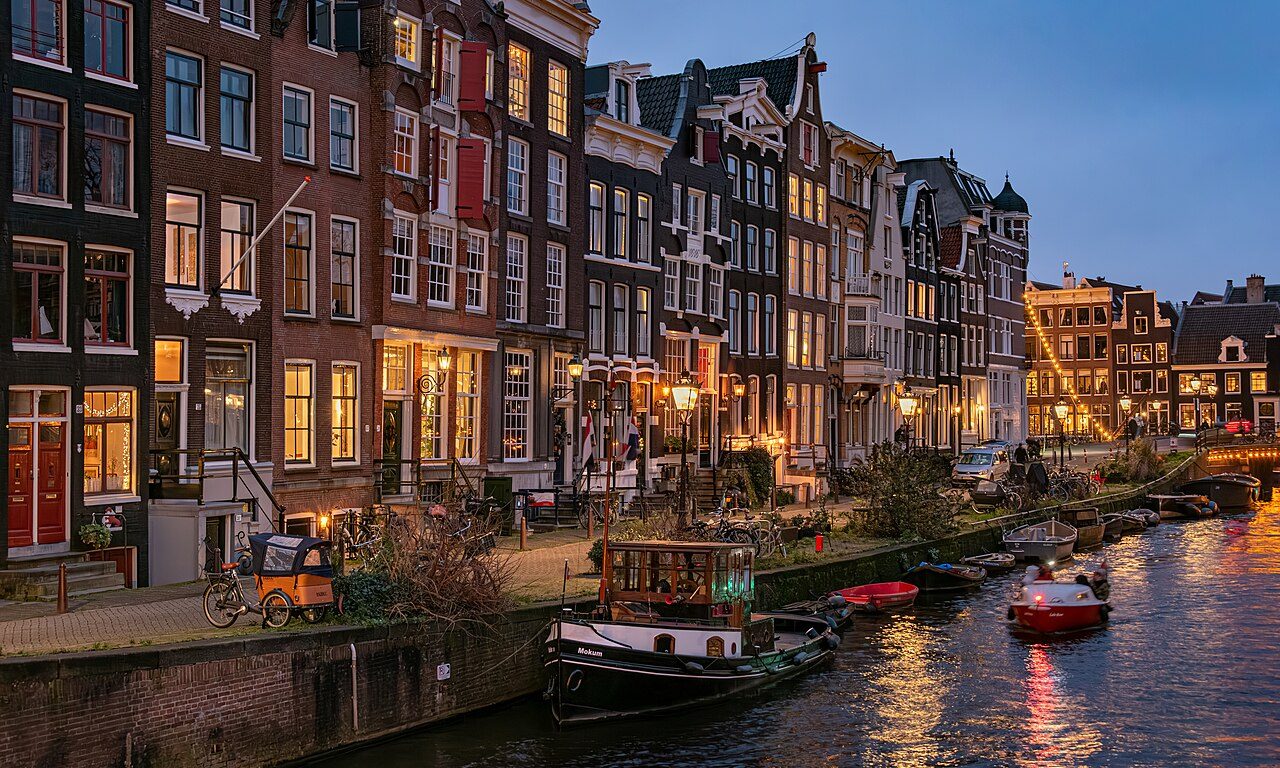
A canal of former brewery warehouses, bridges and lived-in corners, where Amsterdam’s trade history is still easy to read.
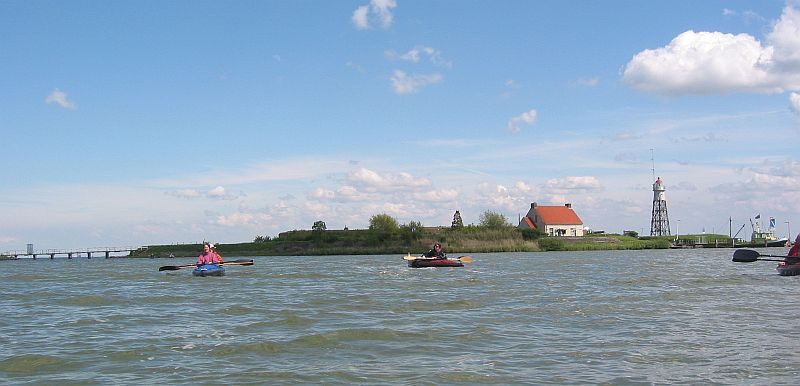
Sail to Amsterdam’s lighthouse island for a reserved dinner among the old fort, open water and seasonal restaurants.
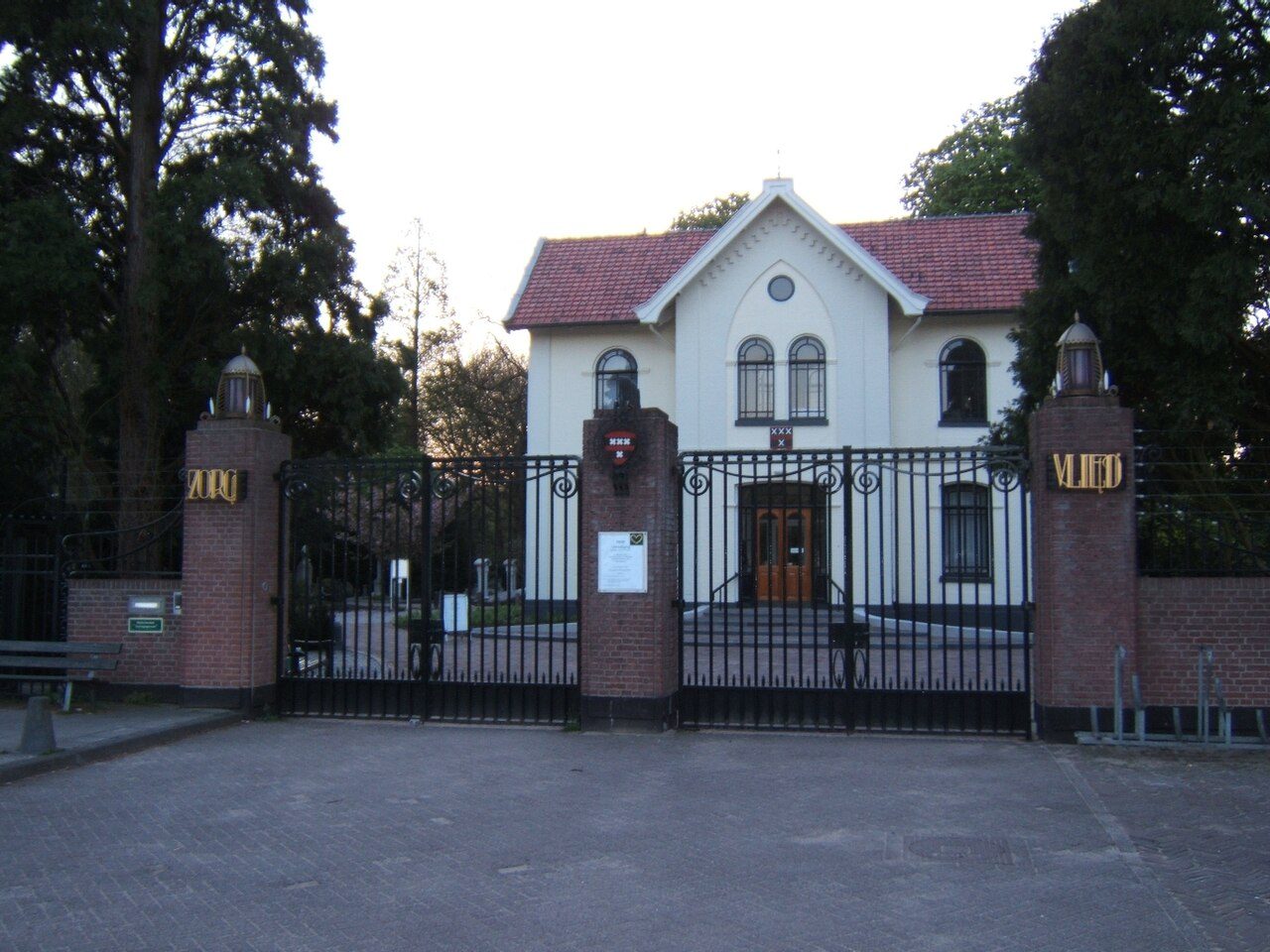
A working memorial park beside the Amstel, where winding paths lead past old trees and distinctive graves.
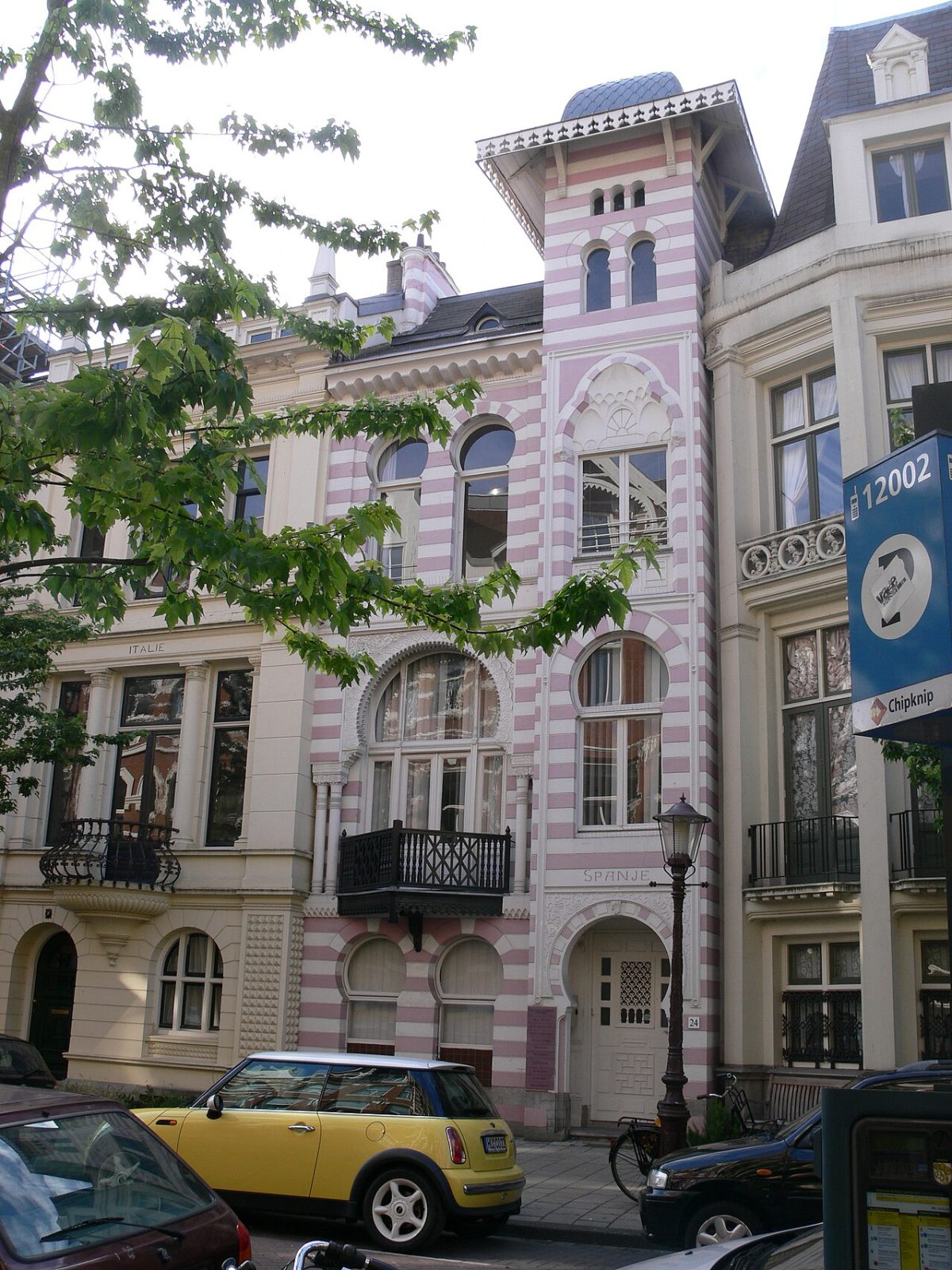
Seven adjoining houses, seven European architectural styles: a quick street-side tour from pointed arches to a Russian-inspired onion dome.
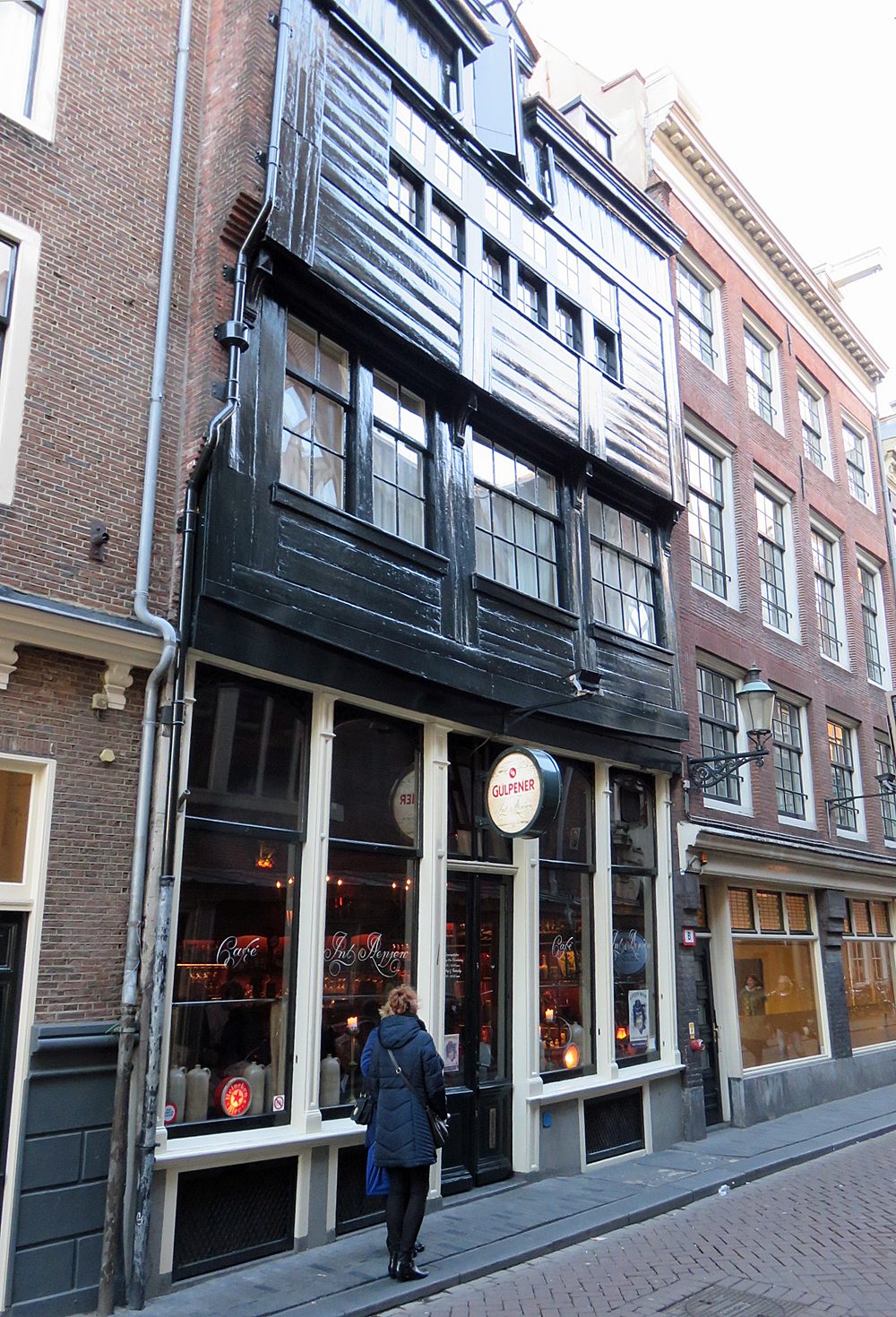
A rare timber-fronted Amsterdam house with a pile-free foundation and a monkey story its owner treats as legend.
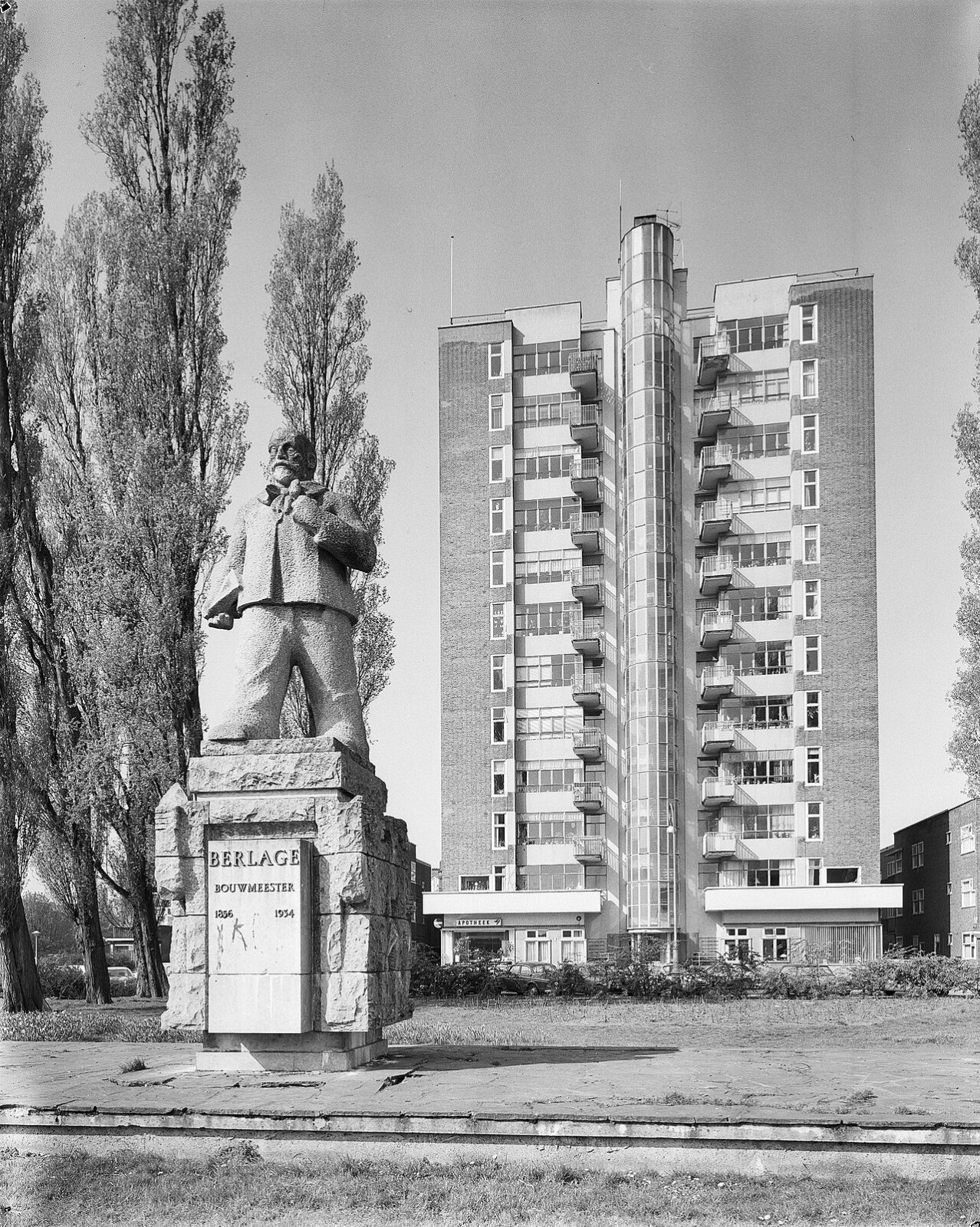
Amsterdam's first 'skyscraper', twelve floors in 1932, looking down on a Berlage statue.
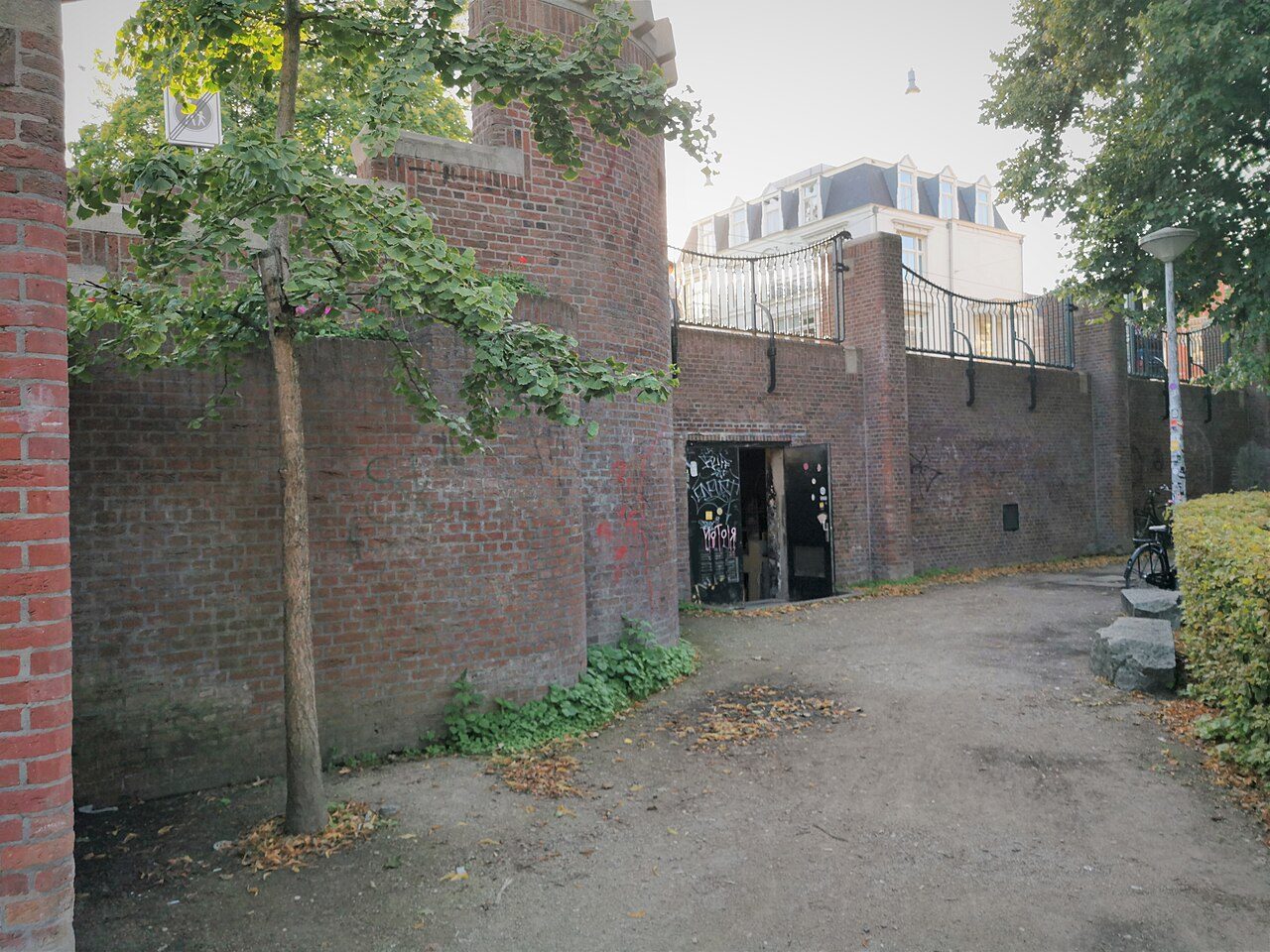
A Cold War nuclear shelter under a Vondelpark bridge, now an underground cultural venue.
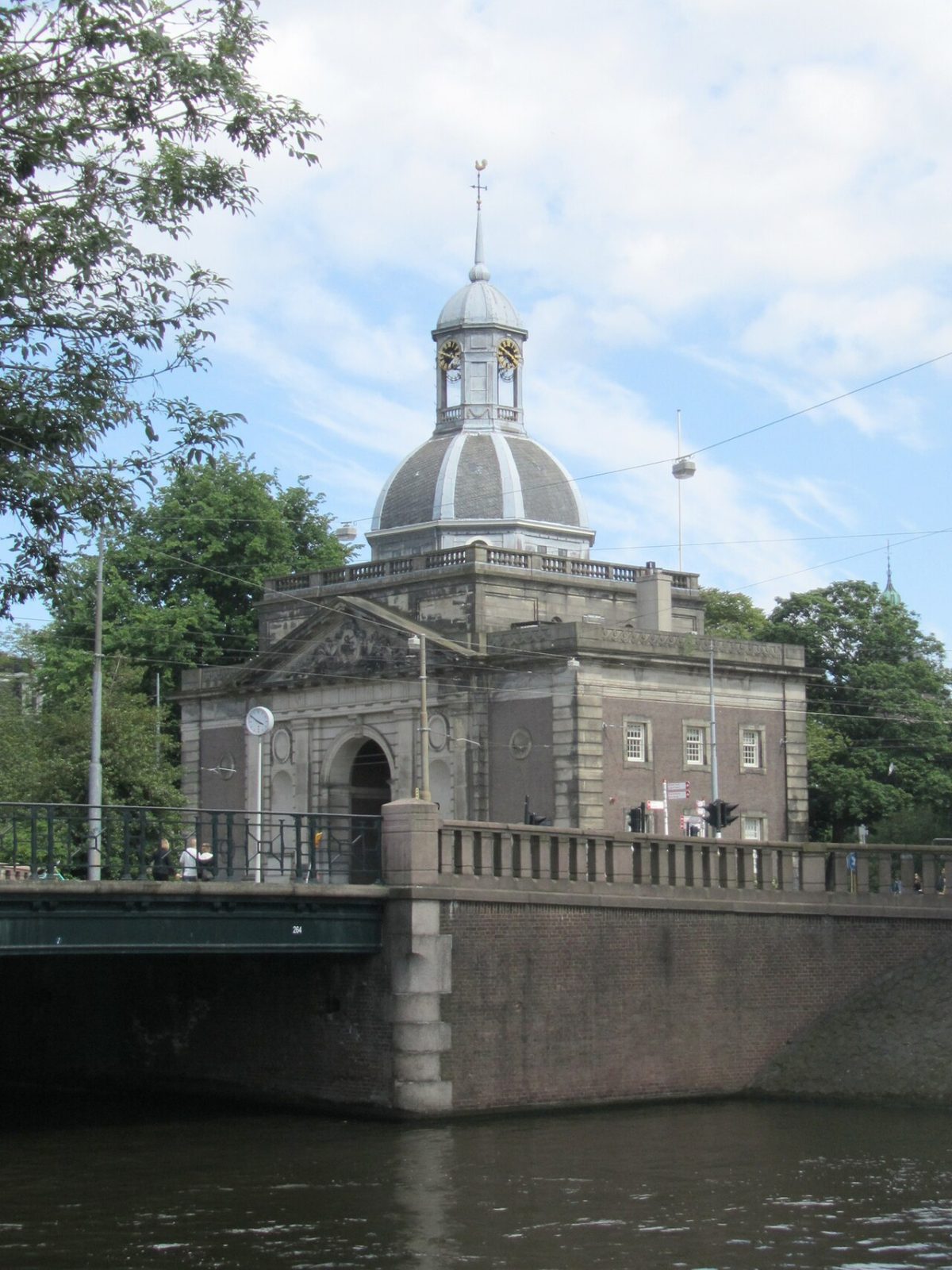
The 1770 city gate through which Napoleon rode into Amsterdam in 1811.
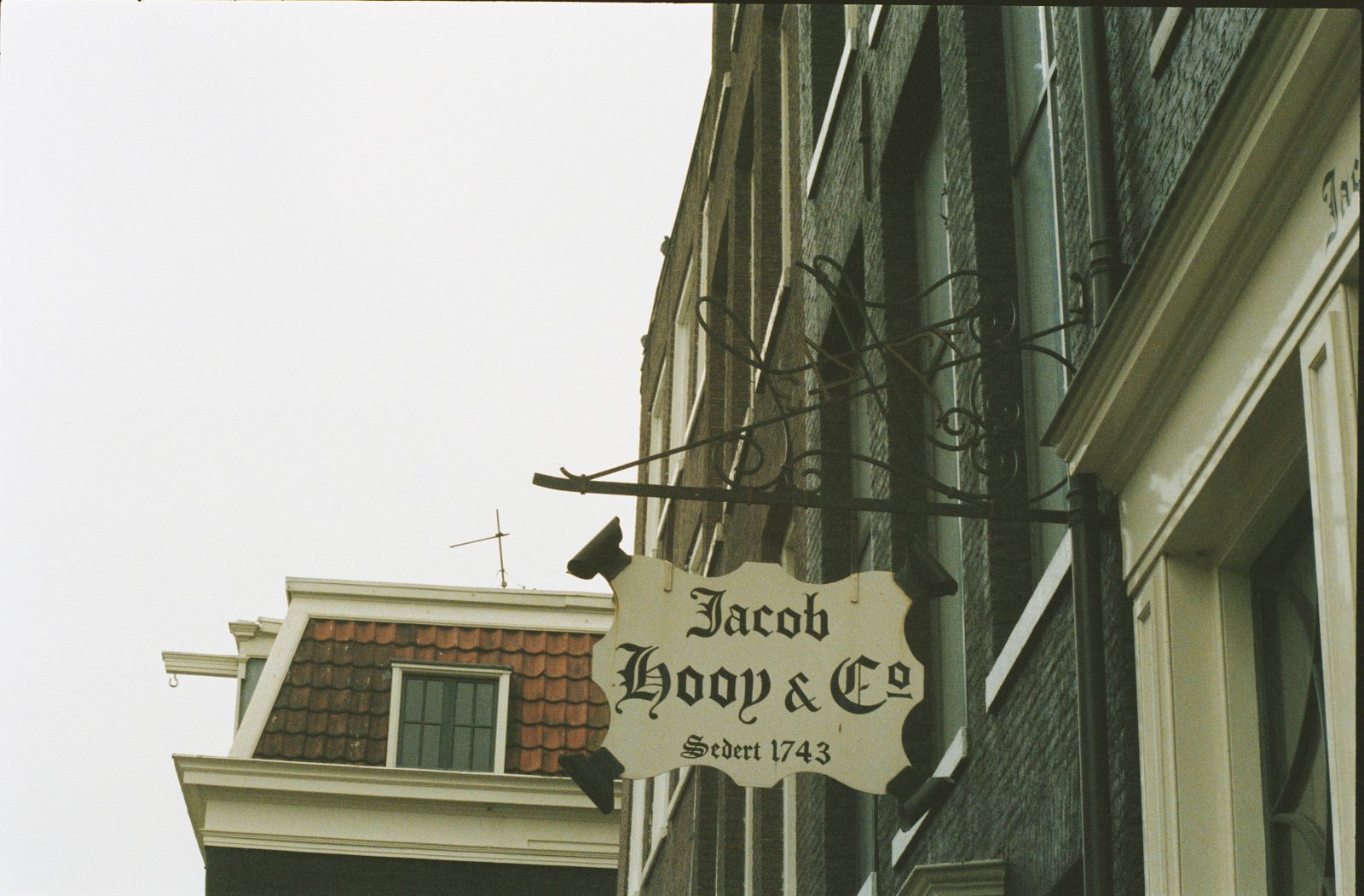
An apothecary shop unchanged since 1743: wooden drawers of herbs, liquorice jars and a 'gaper' head over the door.
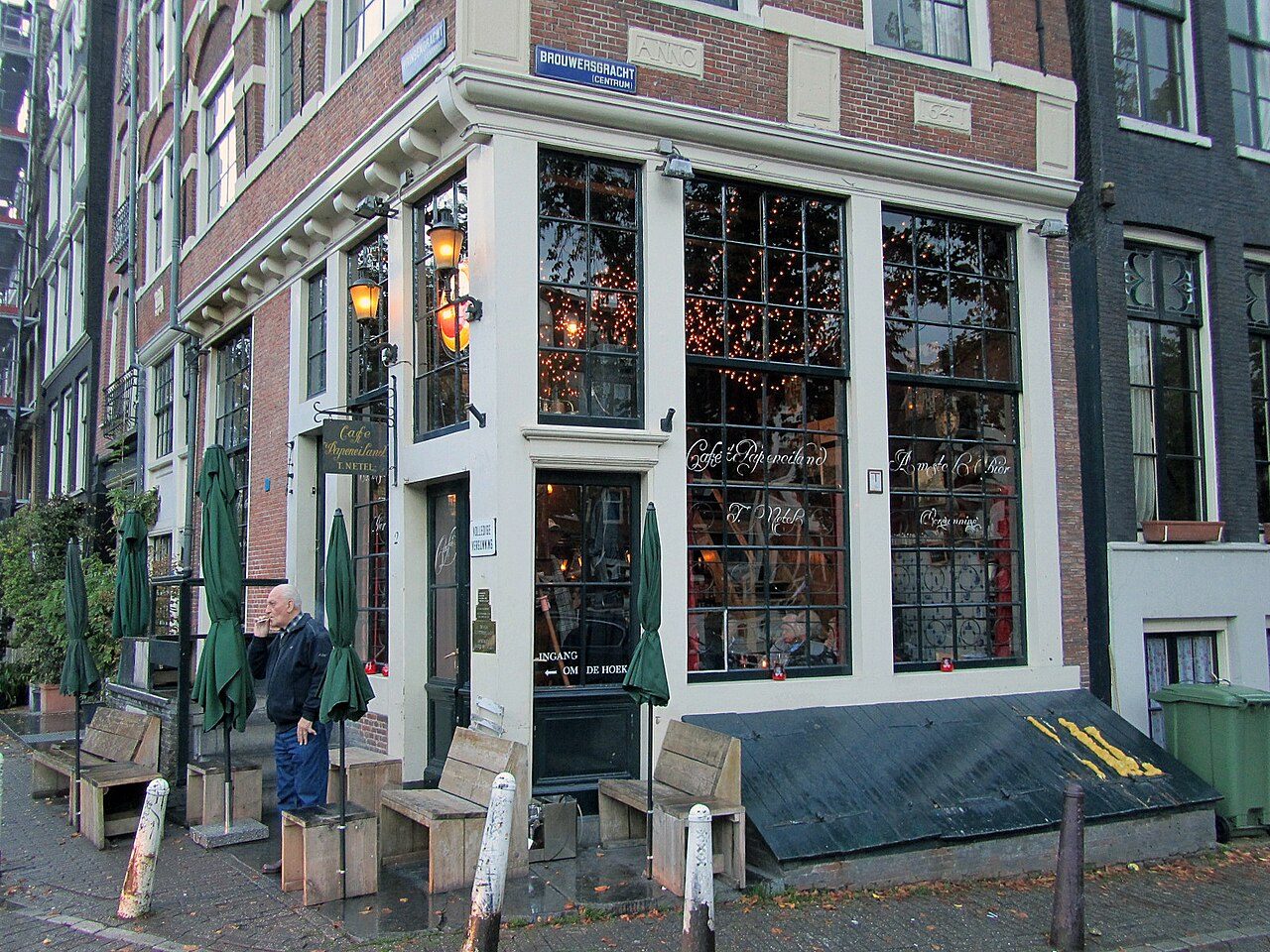
A 1642 brown café with the legend of a secret tunnel to a hidden church across the canal.
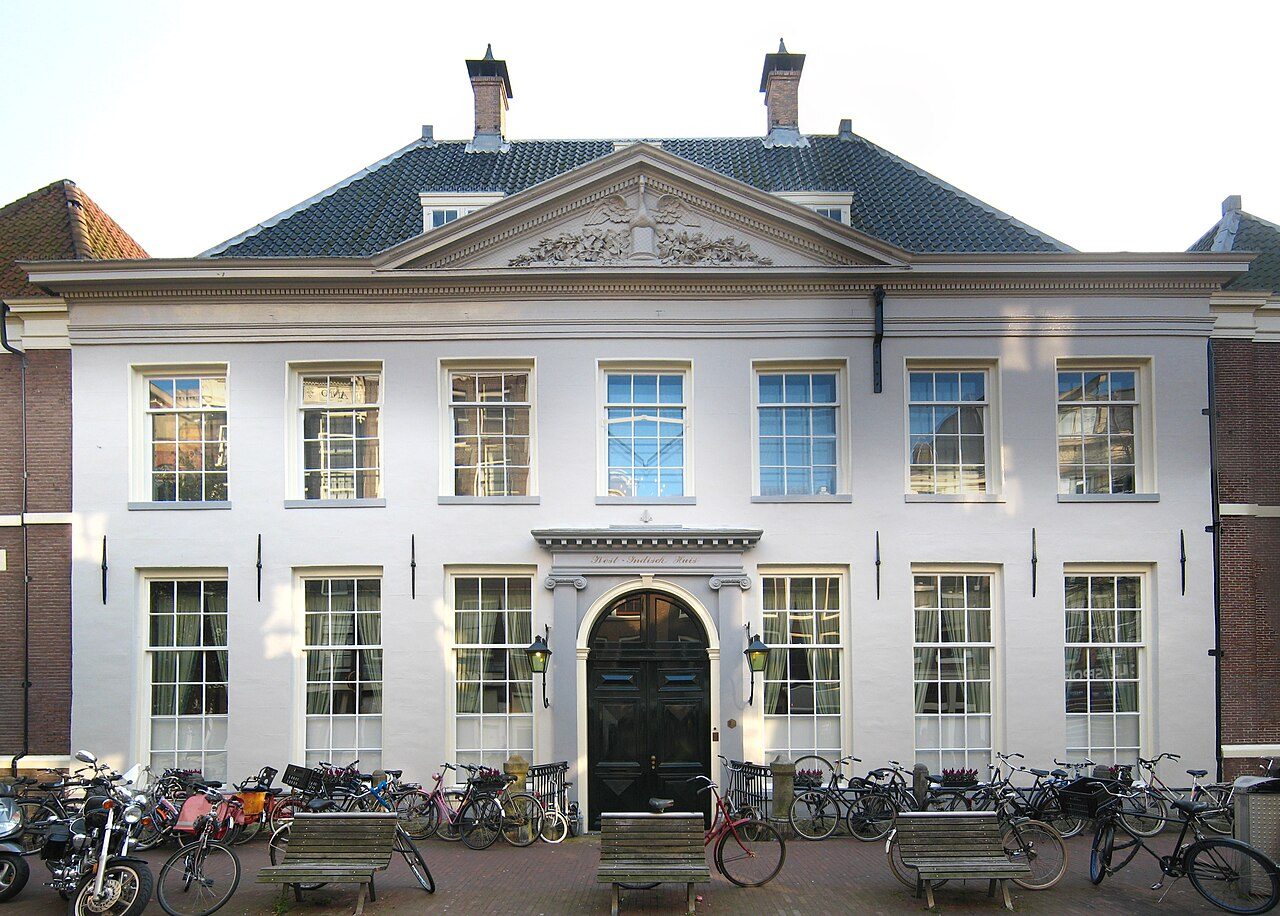
Where the West India Company decided to found New Amsterdam (New York); Peter Stuyvesant stands in the courtyard.
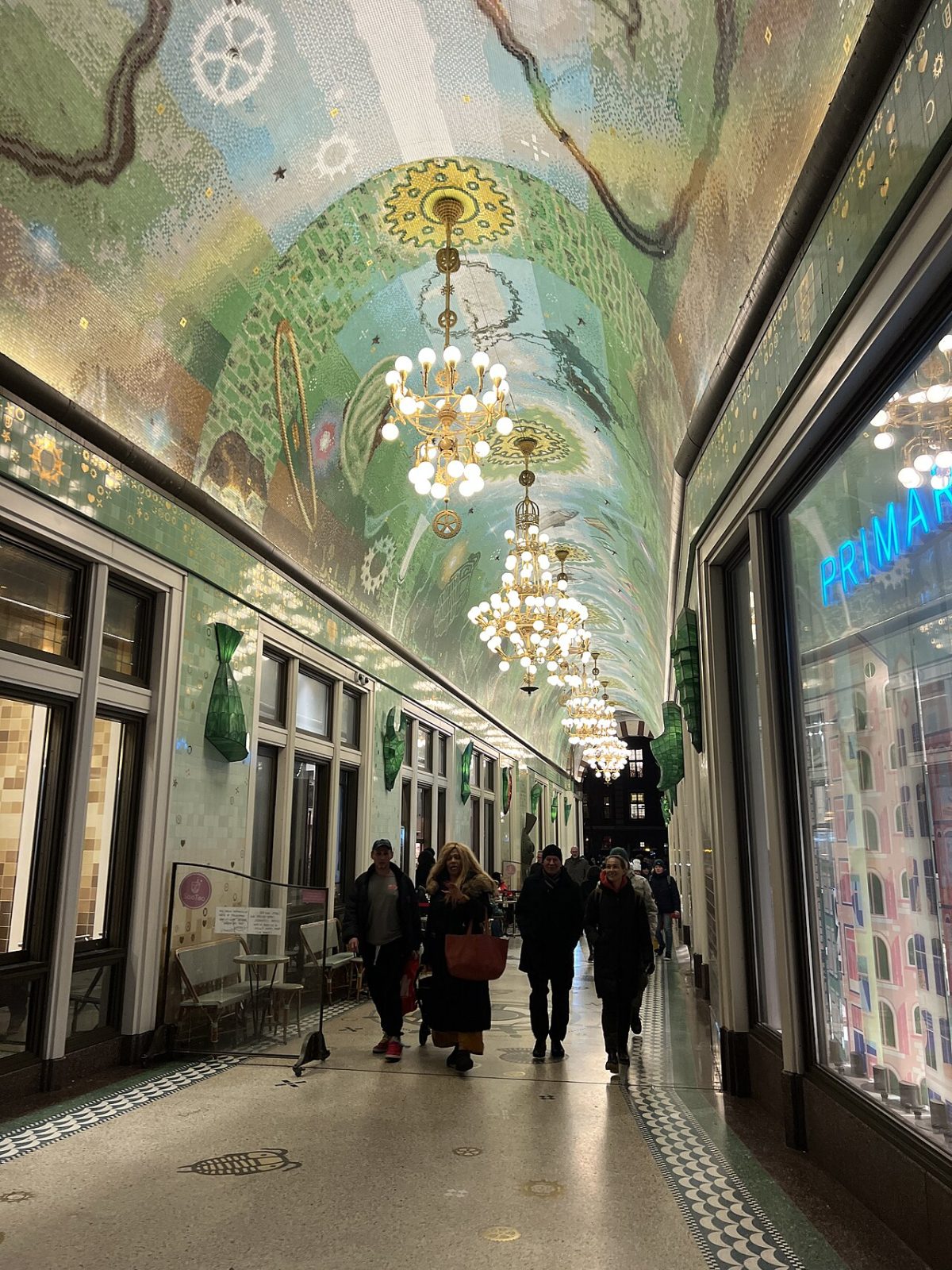
A shopping passage turned into a cathedral of mosaics, glass and chandeliers about the city's water: 'Amsterdamse Oersoep'.
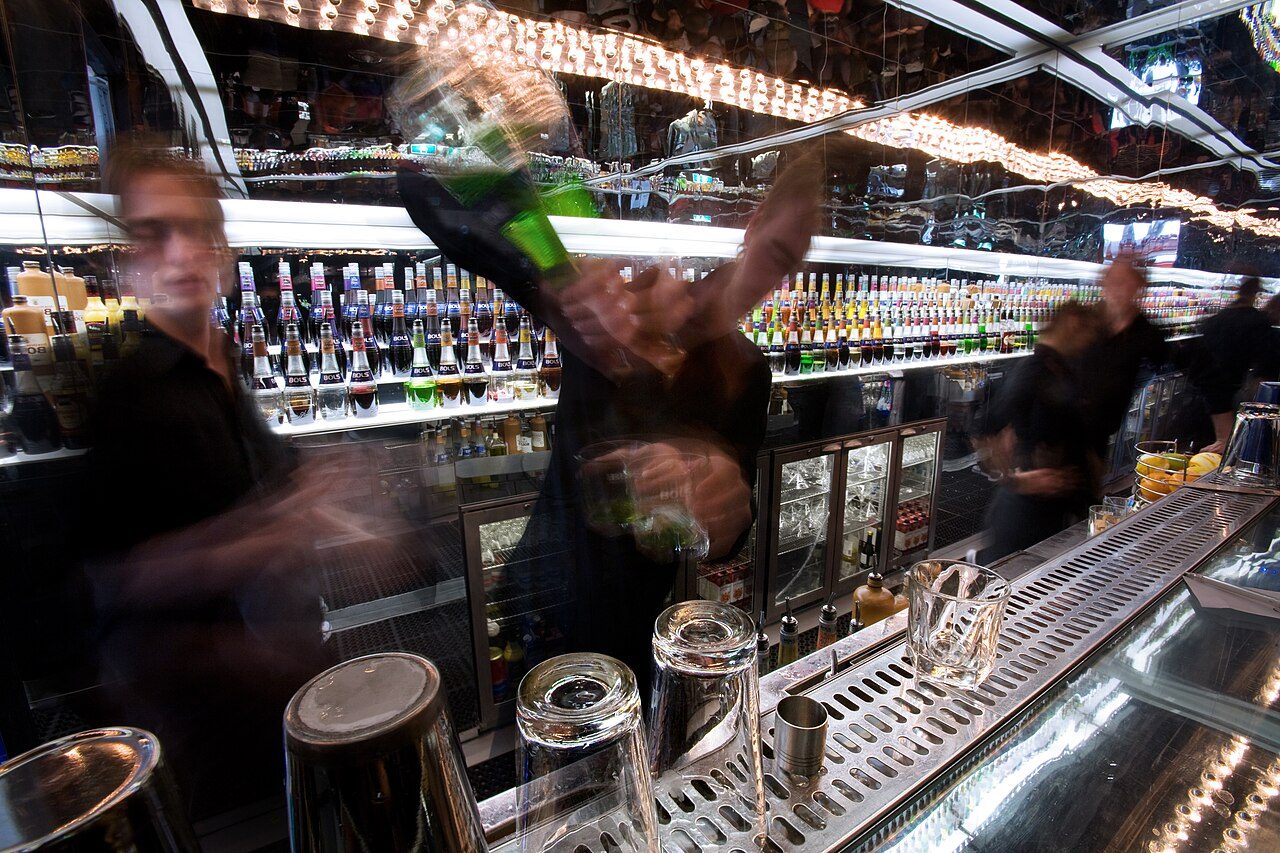
The Bols distillery's cocktail and genever experience next to the Van Gogh Museum.
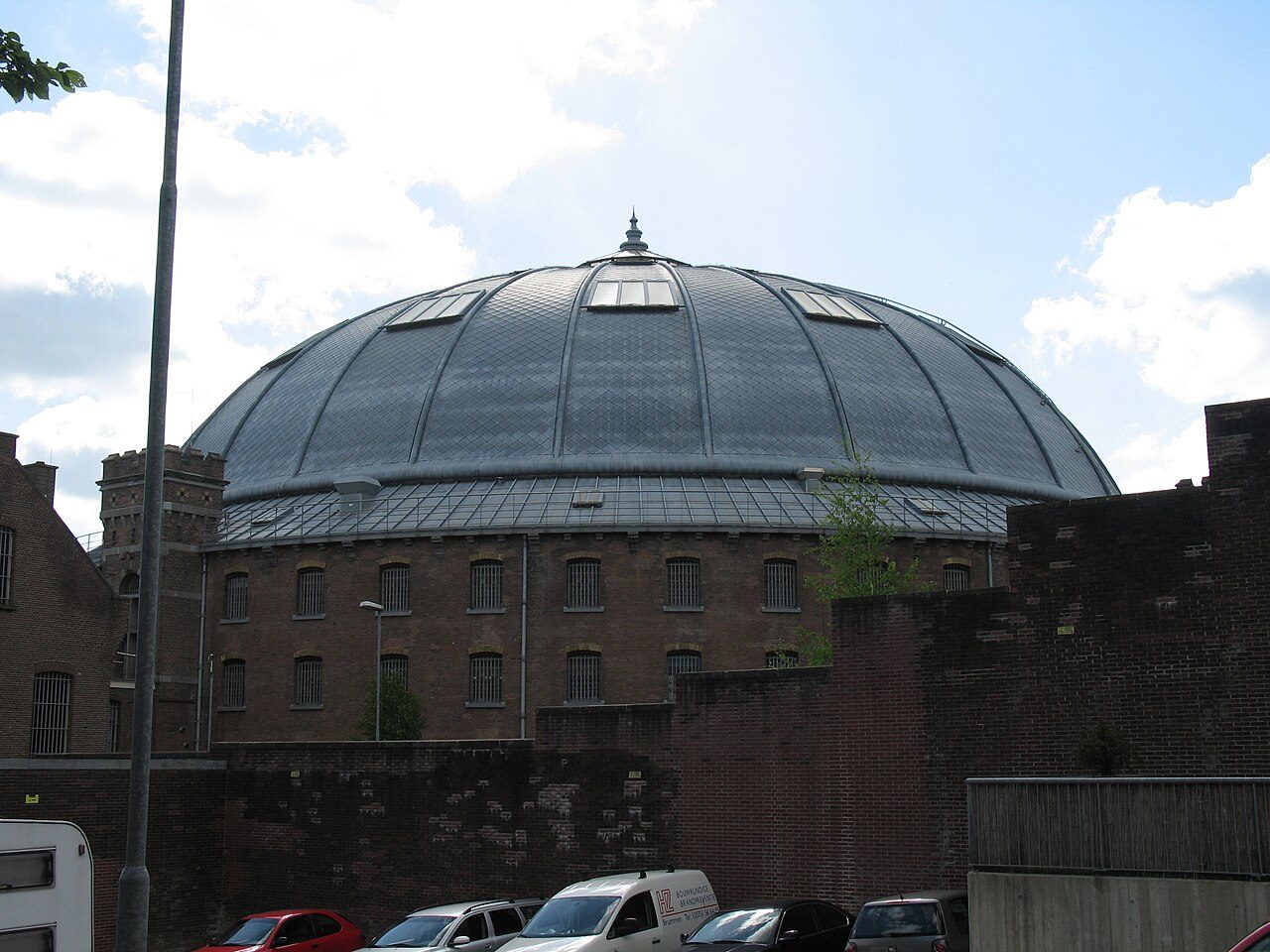
A former prison in Arnhem, where a richly detailed dome was designed to impress arriving prisoners. The great roof and enclosing prison complex can be viewed from the street.
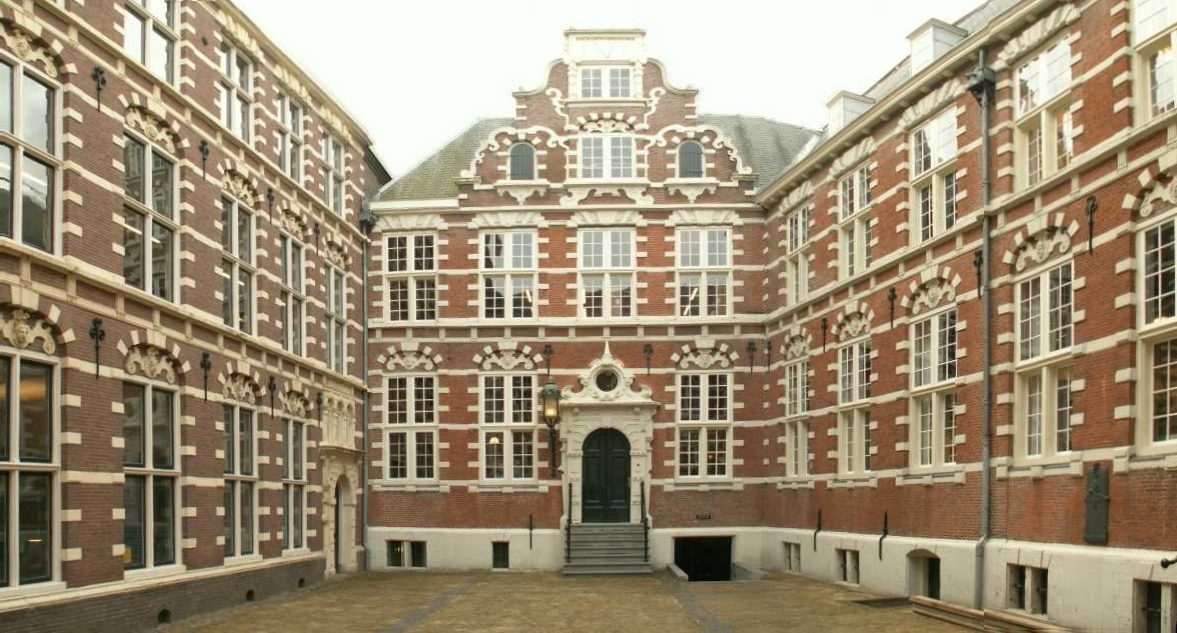
The headquarters of the Dutch East India Company, now university; walk into the courtyard where the world's first multinational was run.
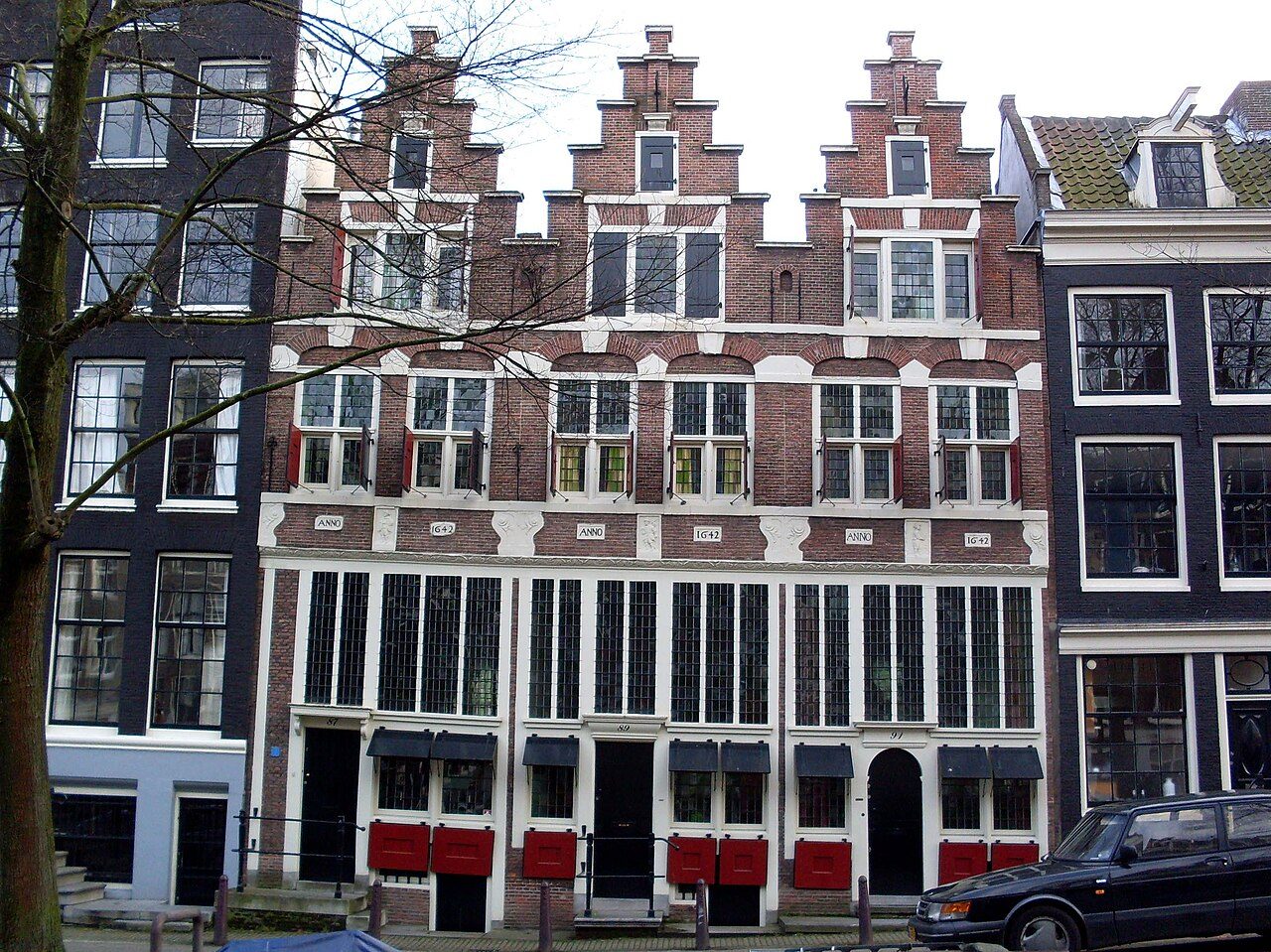
Three 1642 houses on the Bloemgracht with gable stones of a townsman, a farmer and a sailor.
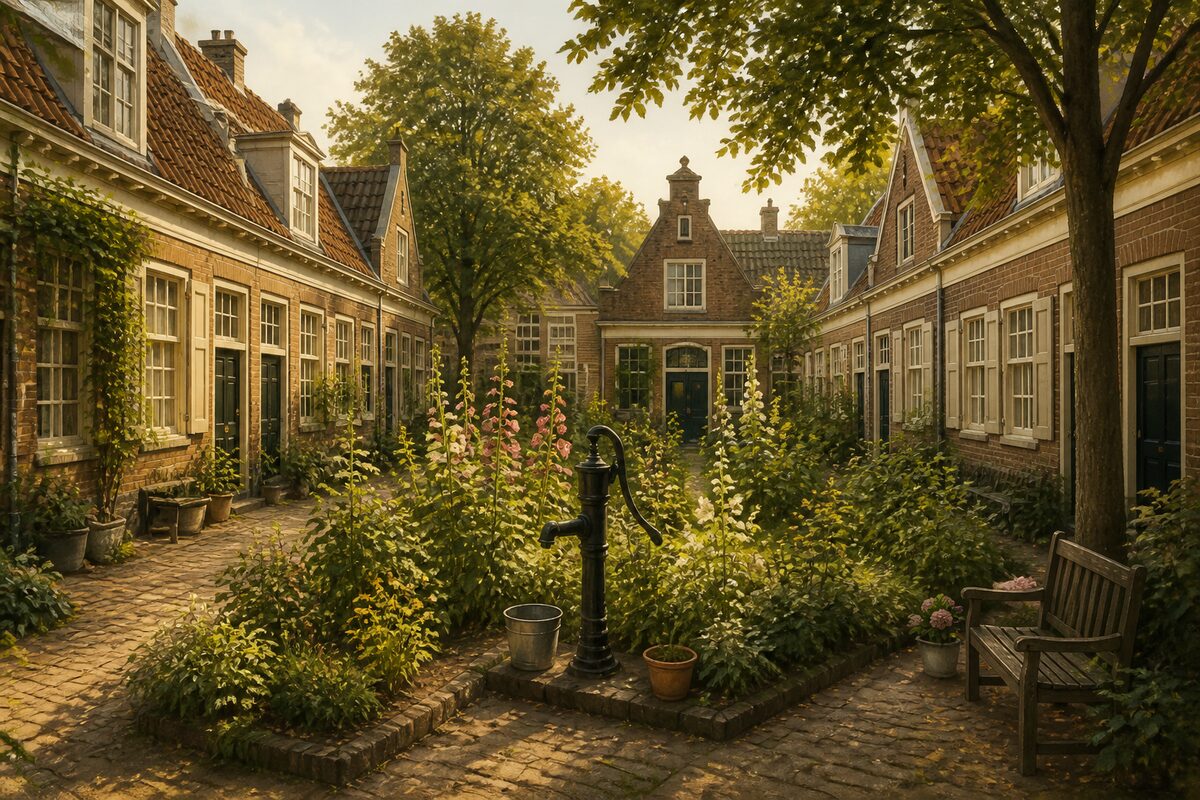
Behind a plain door on the Egelantiersgracht, a passage lined with blue Delft tiles leads into one of Amsterdam's oldest almshouse courtyards. Only the Begijnhof is older.
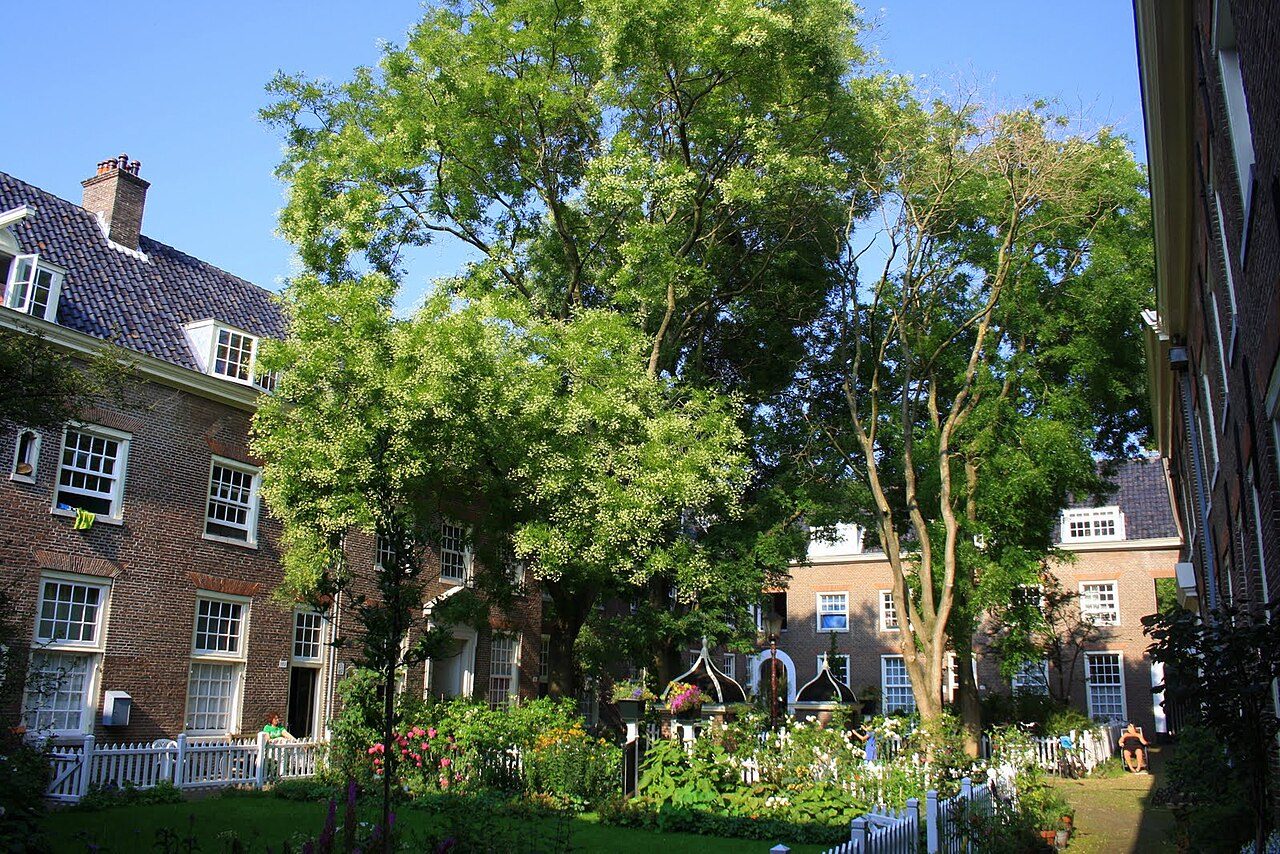
A large 17th-century almshouse courtyard in the Jordaan, built for widows on the grounds of a vanished monastery. Most people in the street outside never notice the gate.
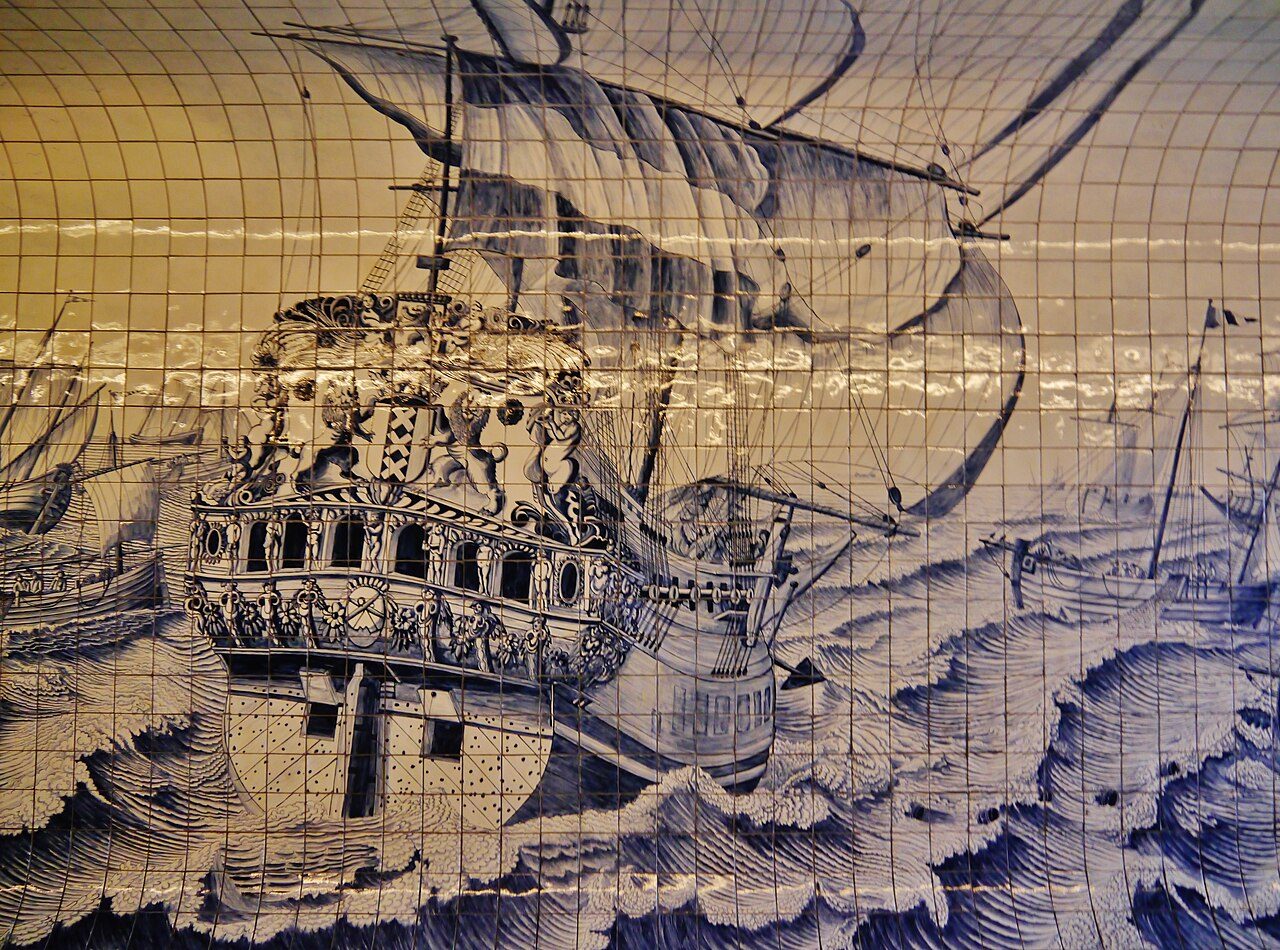
The tunnel under Centraal Station lined with tens of thousands of Delft-blue tiles showing a sea full of ships.
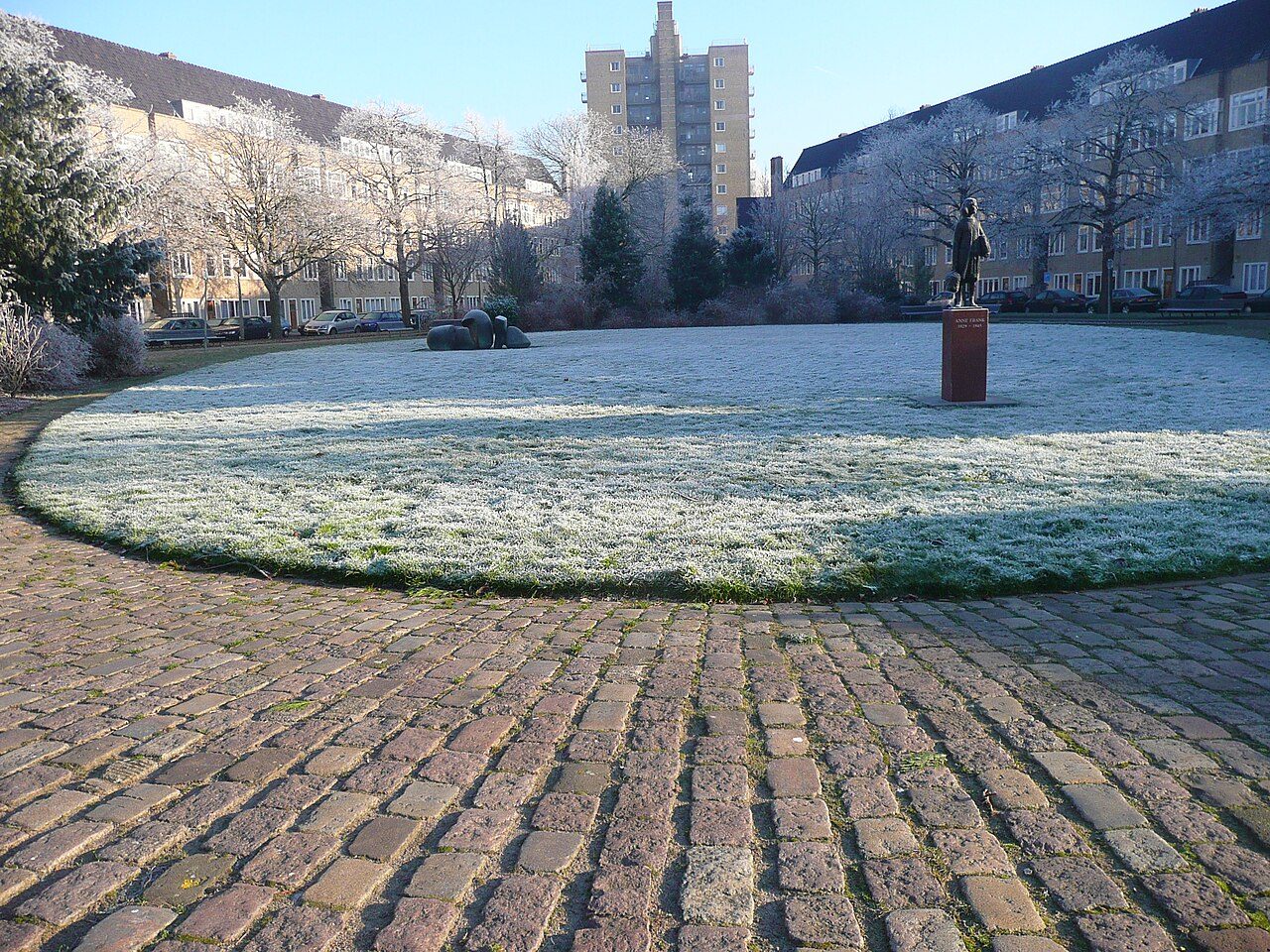
Anne Frank with her bag, in front of the flat where she lived before going into hiding: few visitors find it.
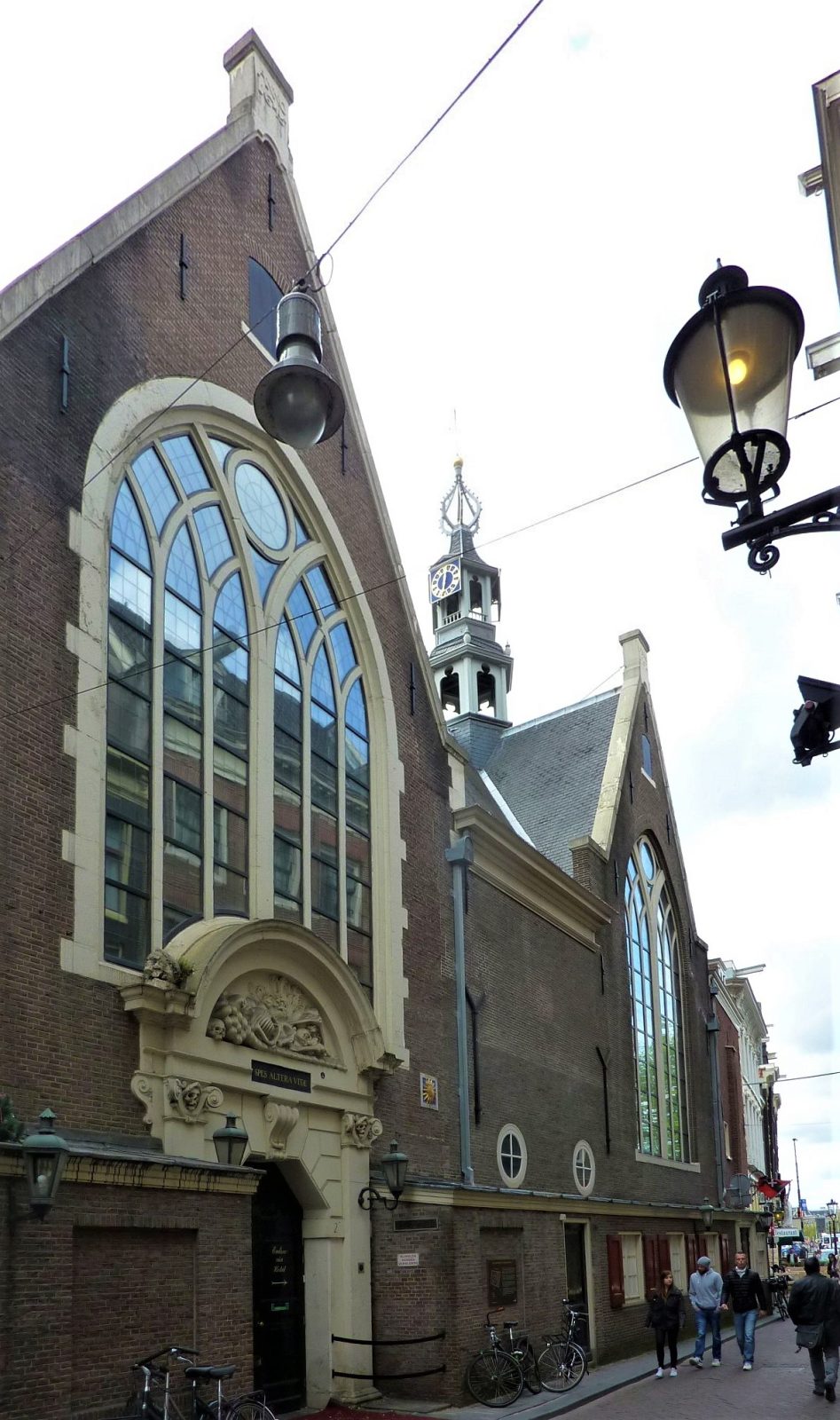
A 15th-century chapel swallowed by a hotel, with a skull-and-bones gable stone over the old door.
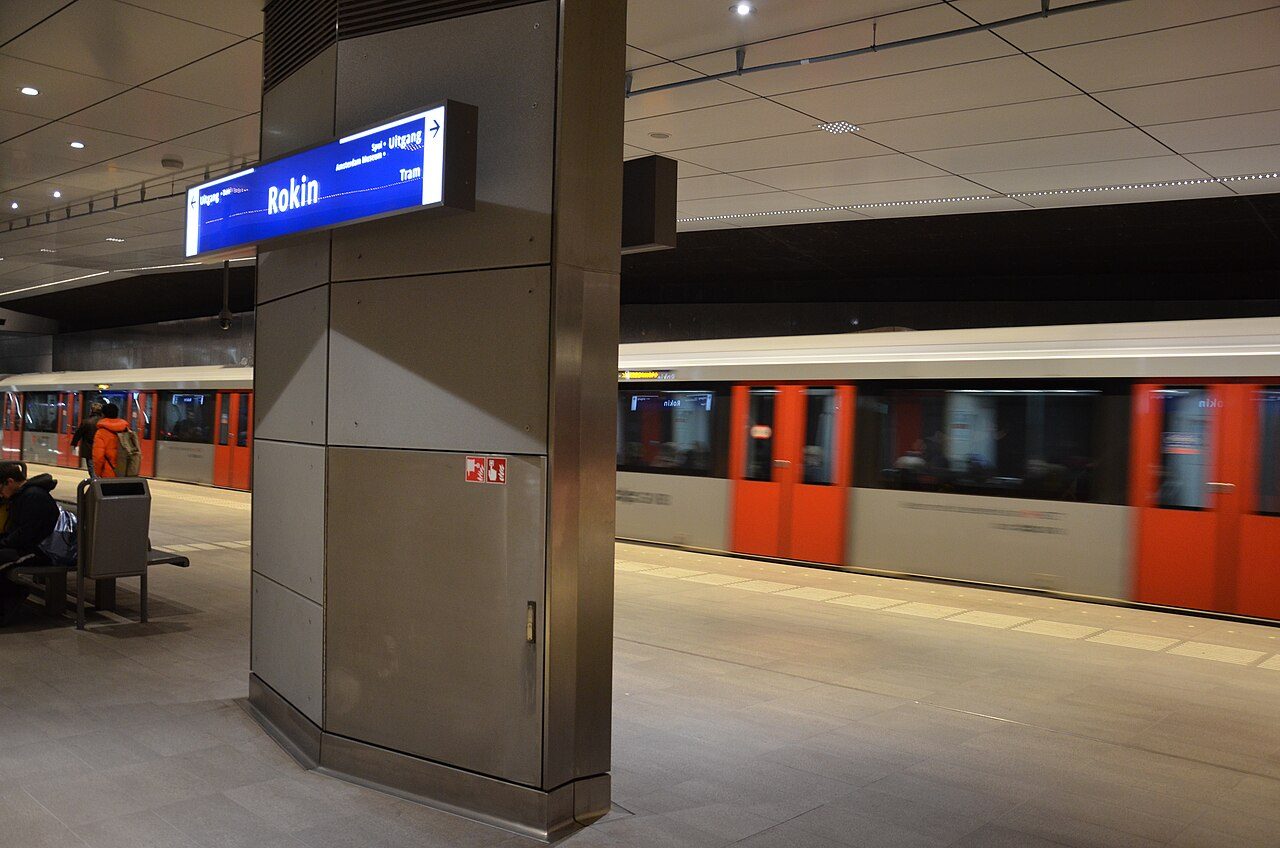
Display cases in Rokin metro station with finds dug up for the line: keys, coins, toys and a 17th-century trumpet.
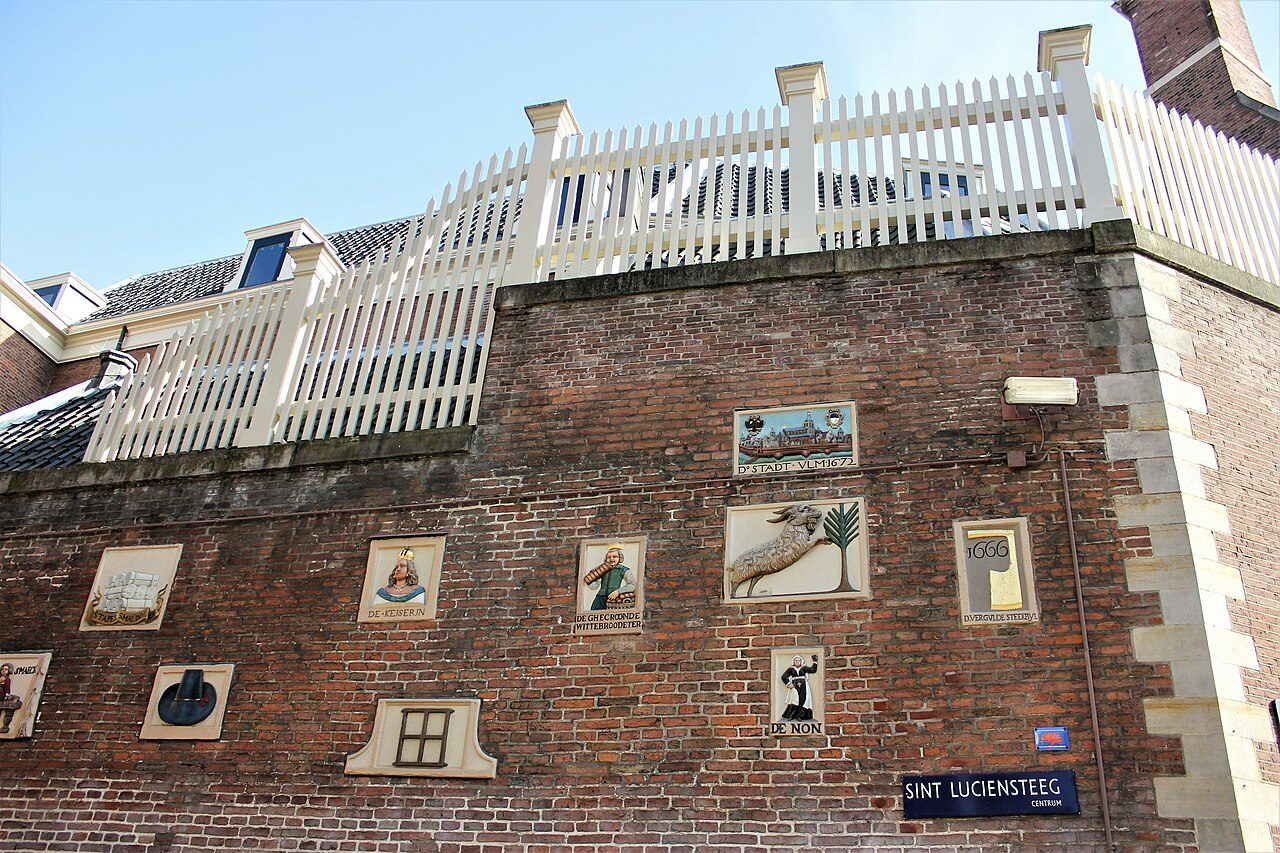
A whole wall of rescued gable stones, the picture house numbers Amsterdam used before street numbers.
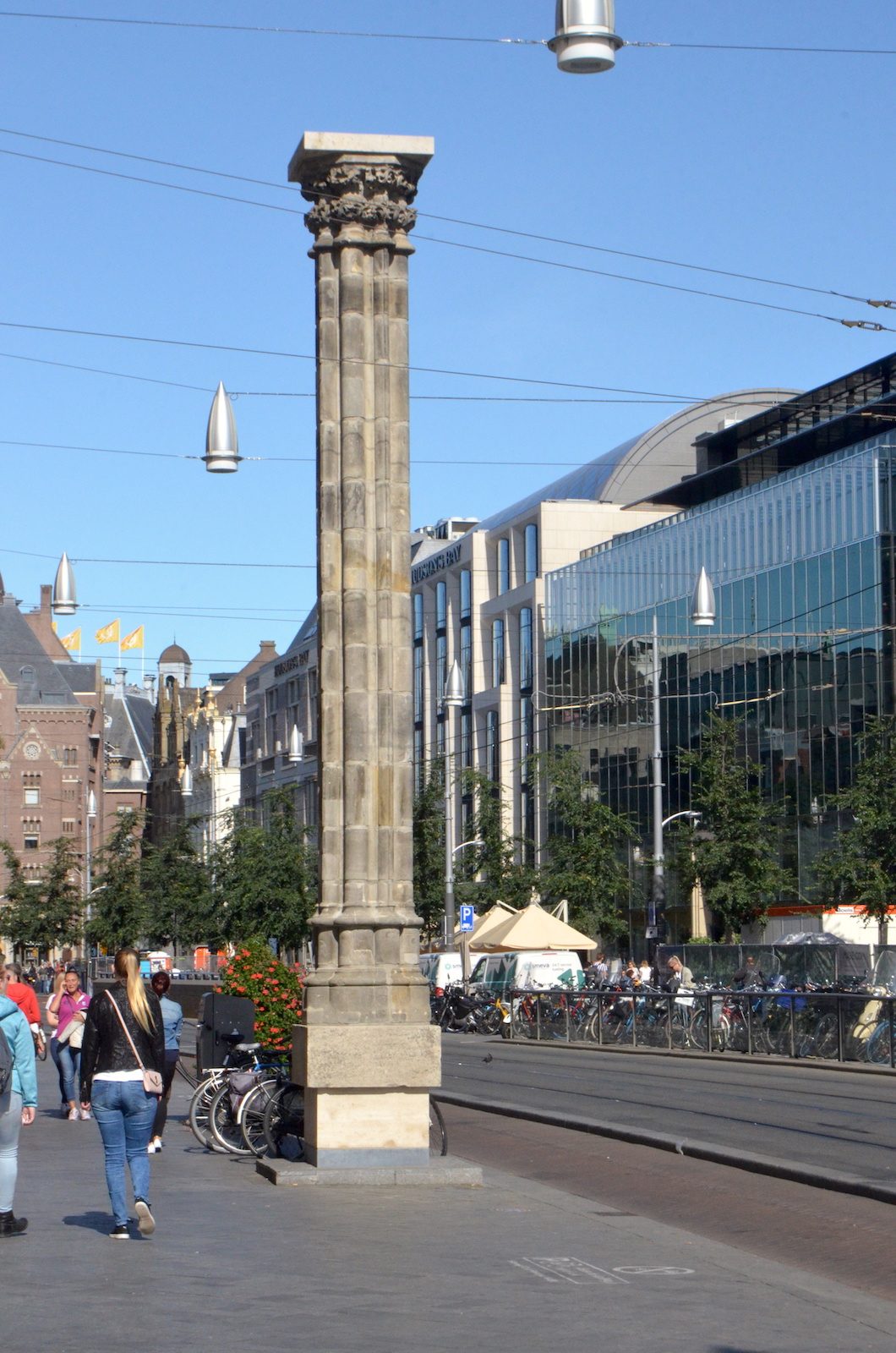
A column on the Rokin for the Miracle of Amsterdam (1345), when a host thrown in the fire would not burn.
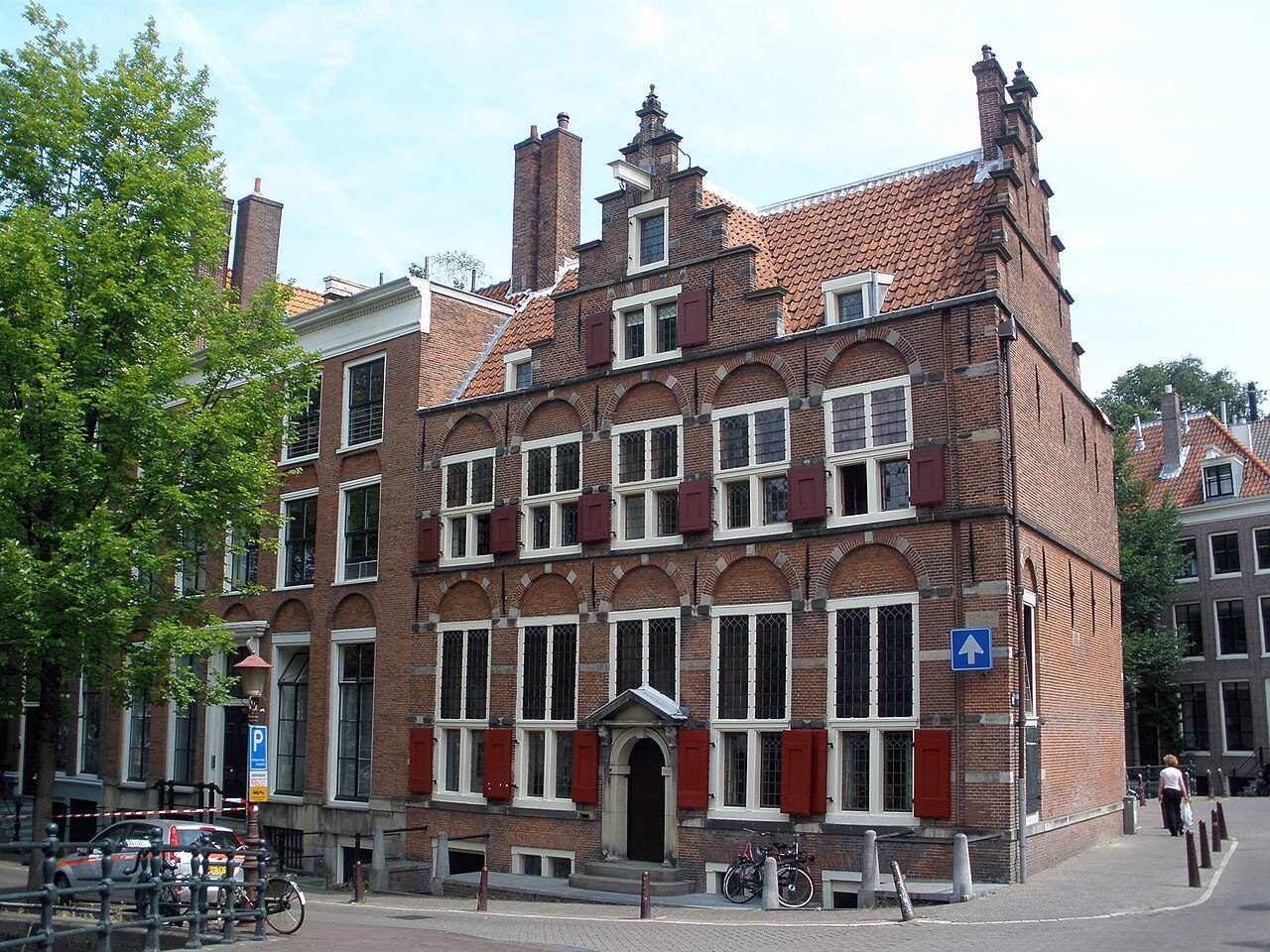
A 1610 house with a canal on three sides, one of the most photographed corners nobody can name.
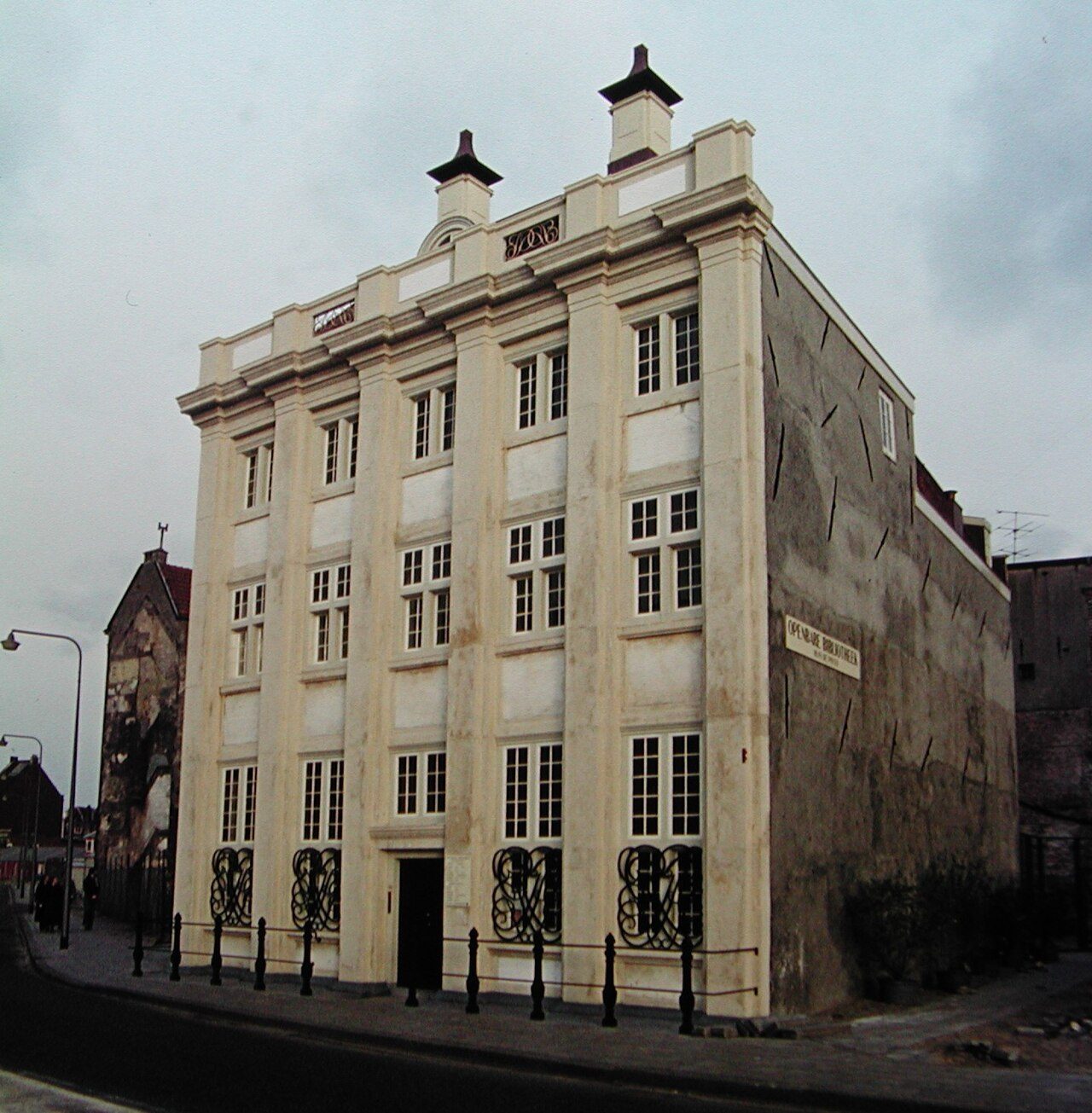
A 17th-century merchant's mansion with painted ceilings, now a free reading room and café.
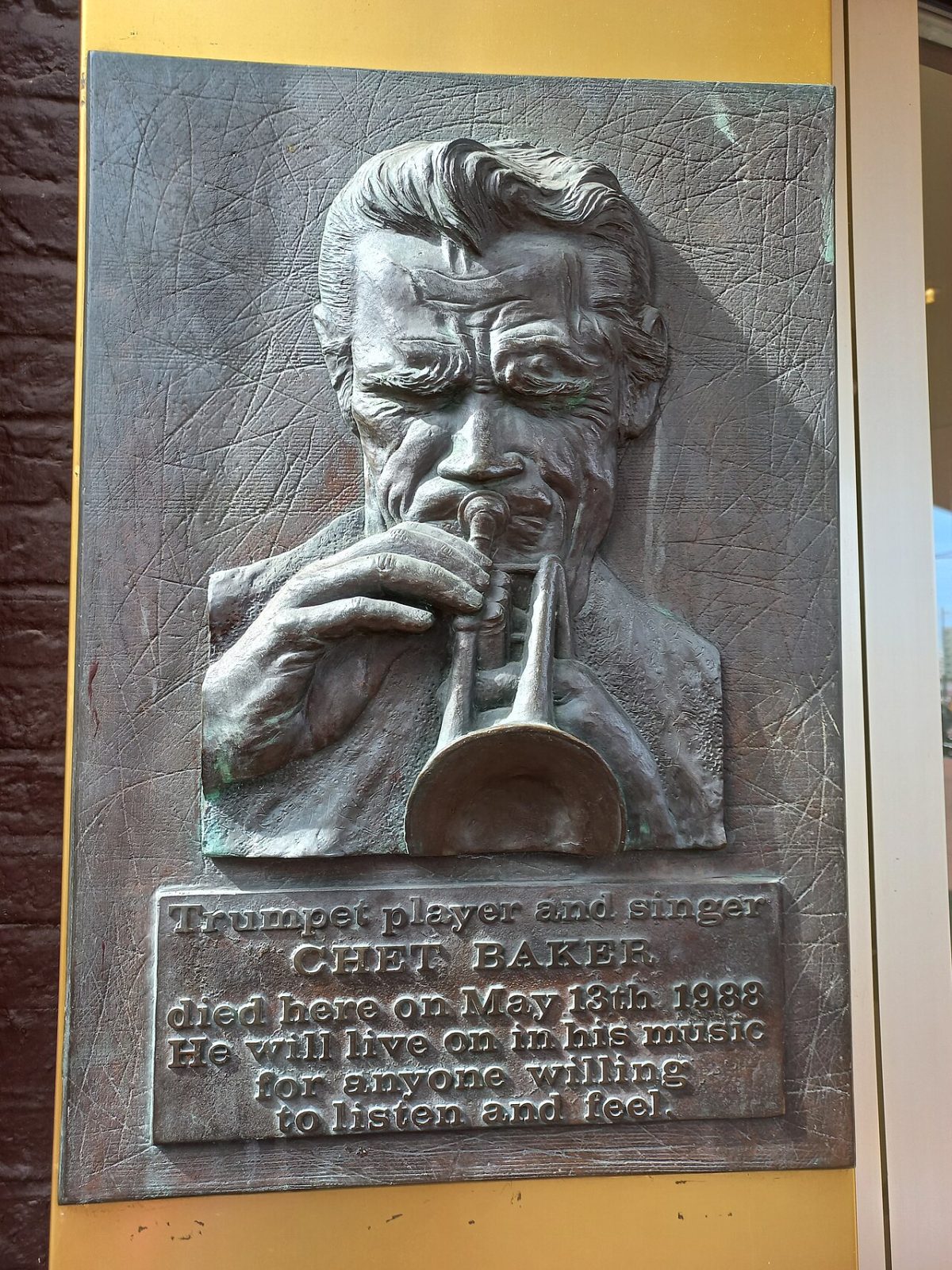
On the hotel where the jazz trumpeter fell from a window in 1988. 'He will live on in his music.'
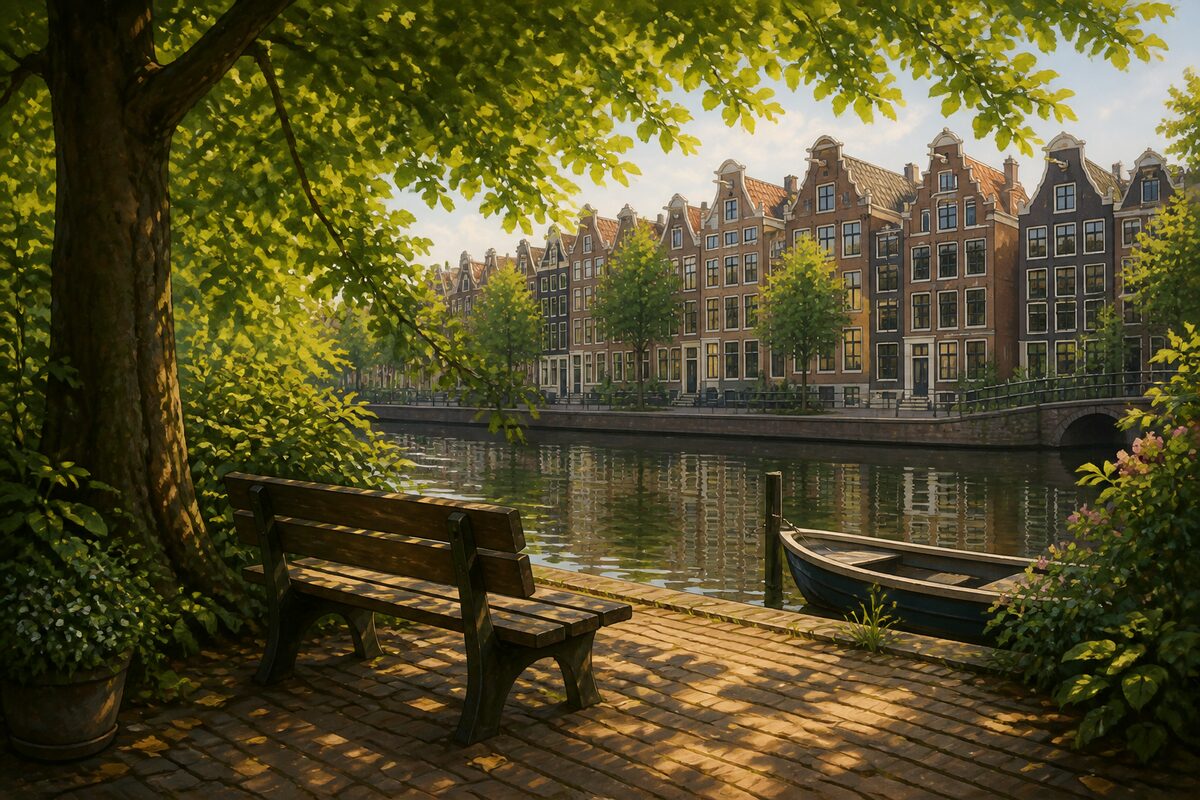
The bench on the Leidsegracht where Hazel and Augustus sit in The Fault in Our Stars (2014). Fans of the film still come from all over the world for a photo.
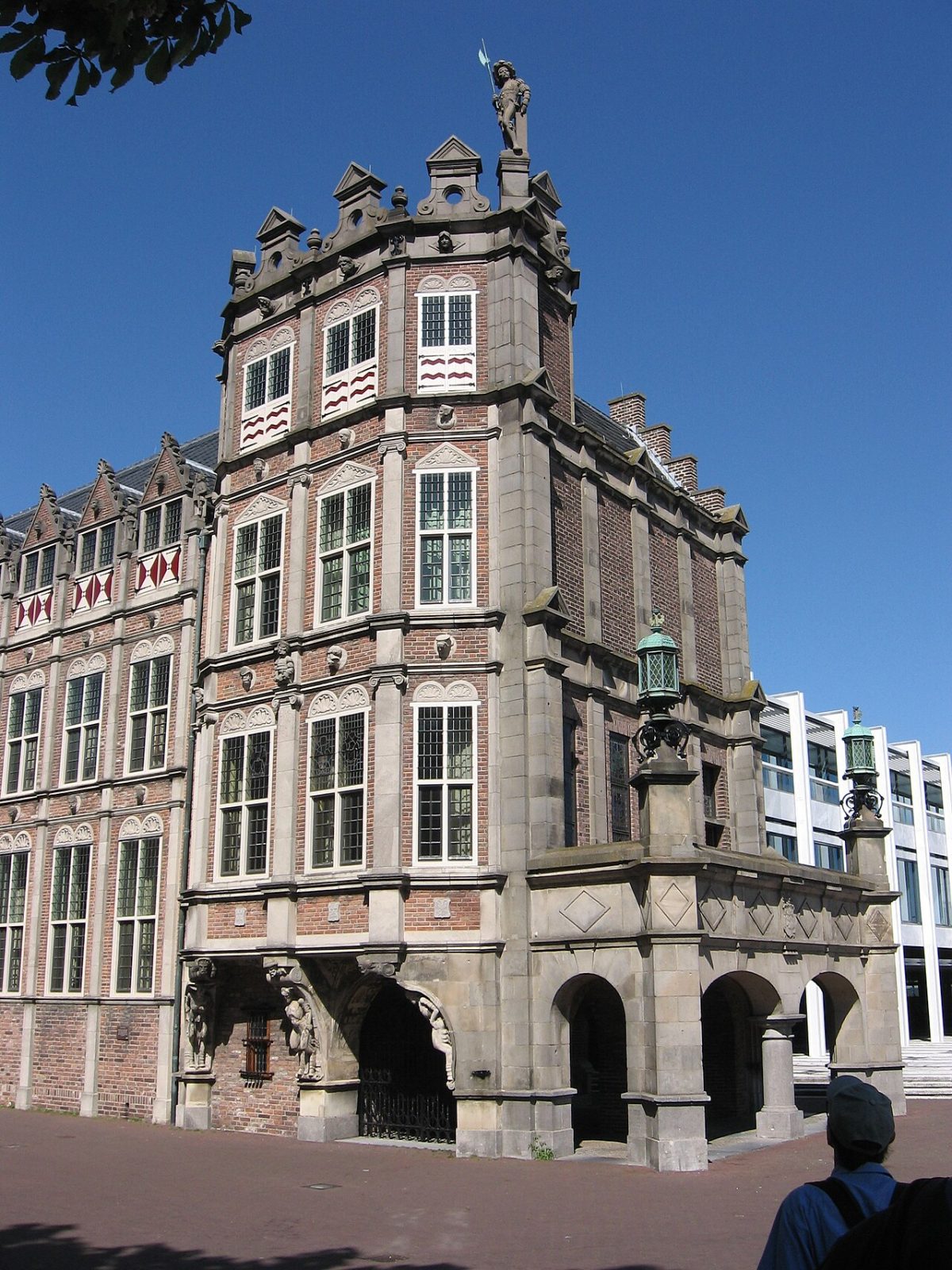
A sixteenth-century town castle on Koningstraat, with satyrs carved into its ornate façade and a row of rulers that includes its former owner, the commander Maarten van Rossum.
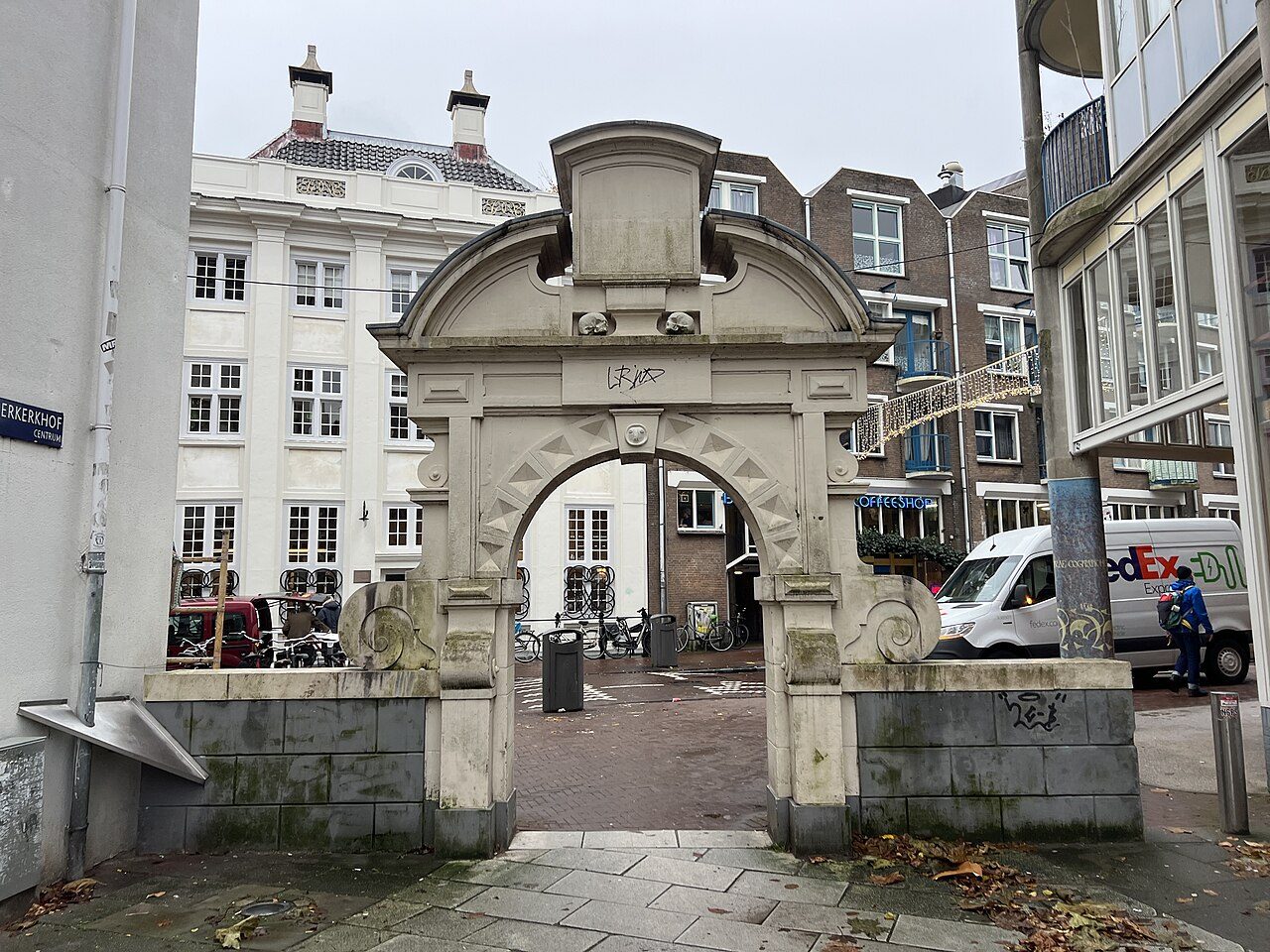
The old graveyard gate on the Sint Antoniesbreestraat, crowned with skulls.
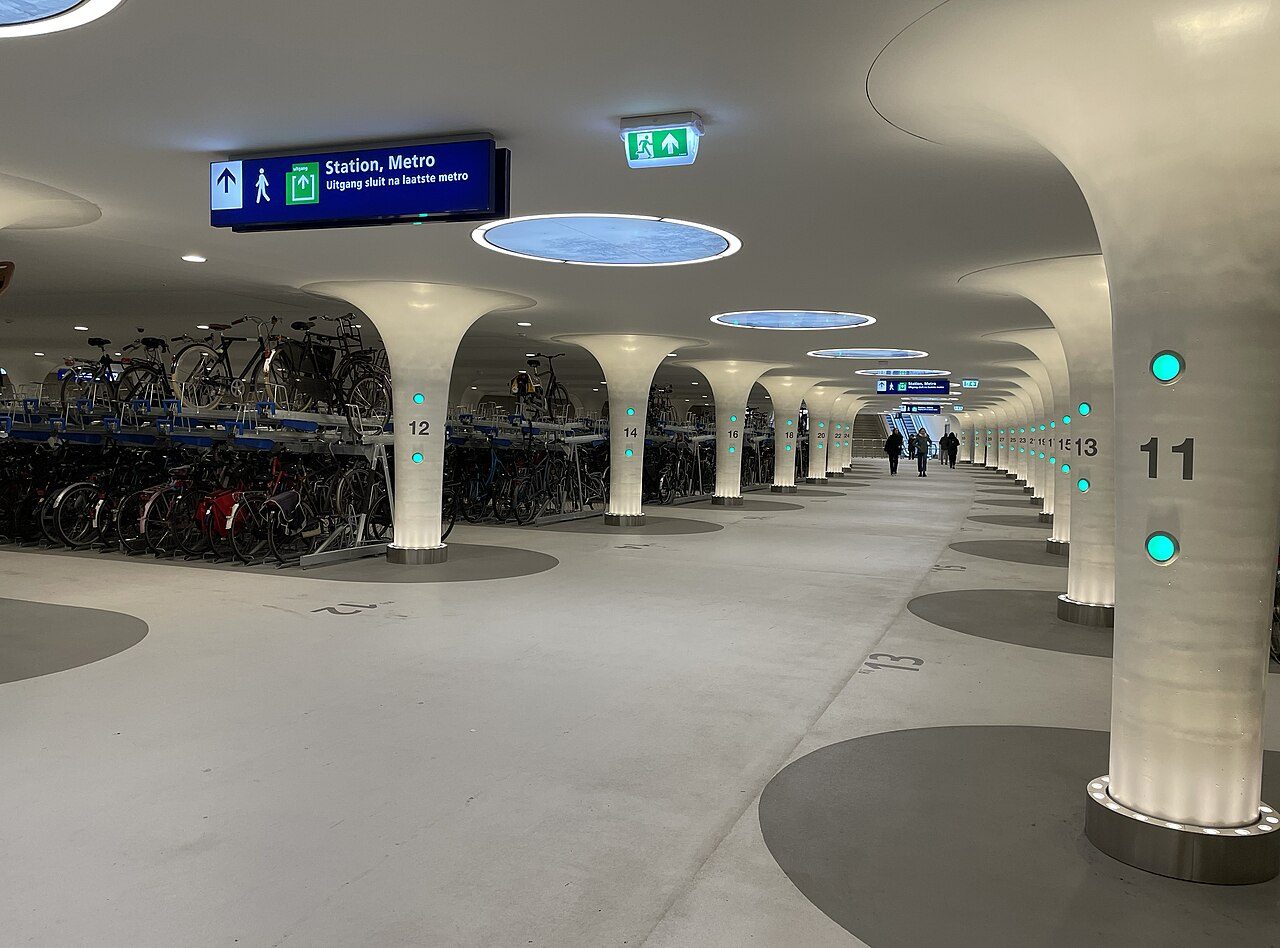
Thousands of bikes parked in a garage under the water in front of Centraal Station, with an aquarium-like view of the IJ.
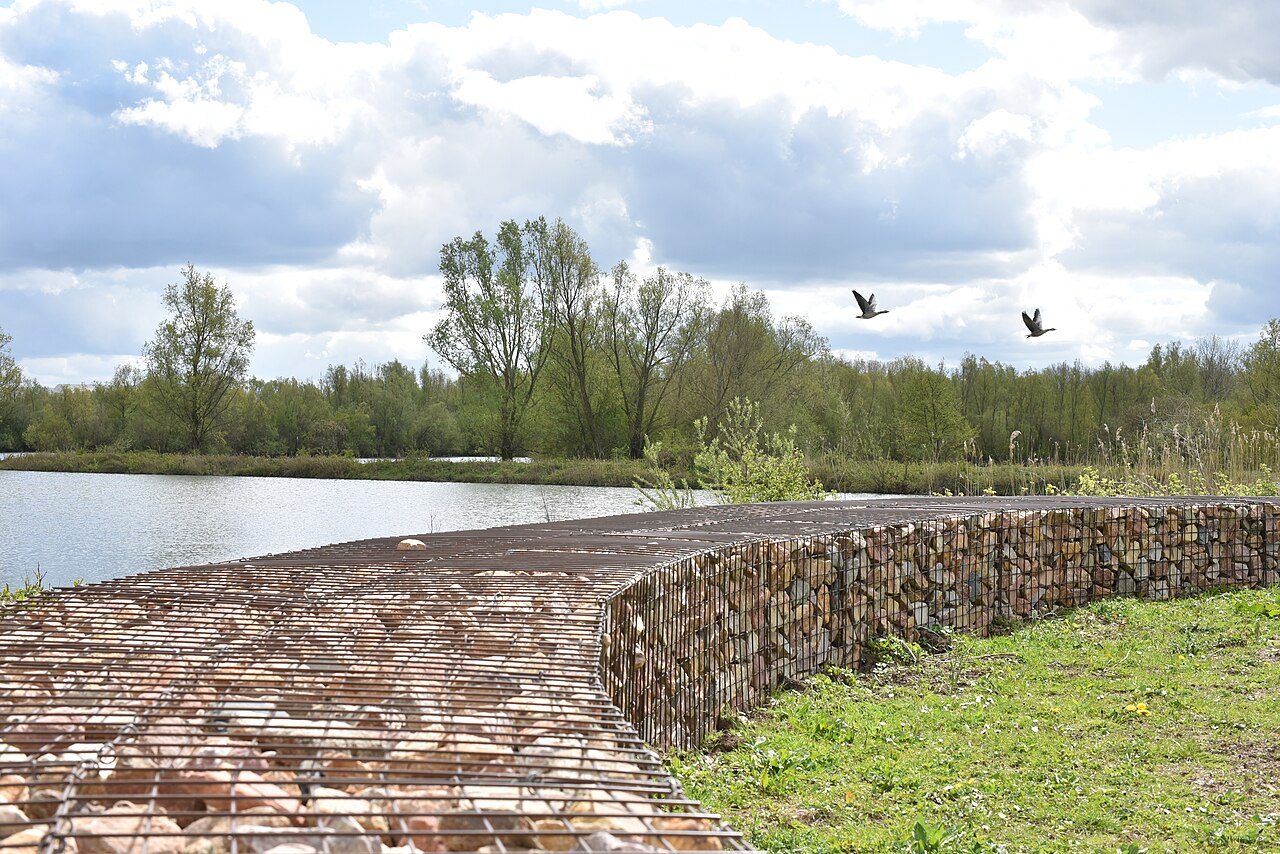
A Roman fort traced in stone outlines in Arnhem’s Rhine floodplain, where the headquarters, courtyard and rear defences show the layout of a military post on the empire’s northern frontier.
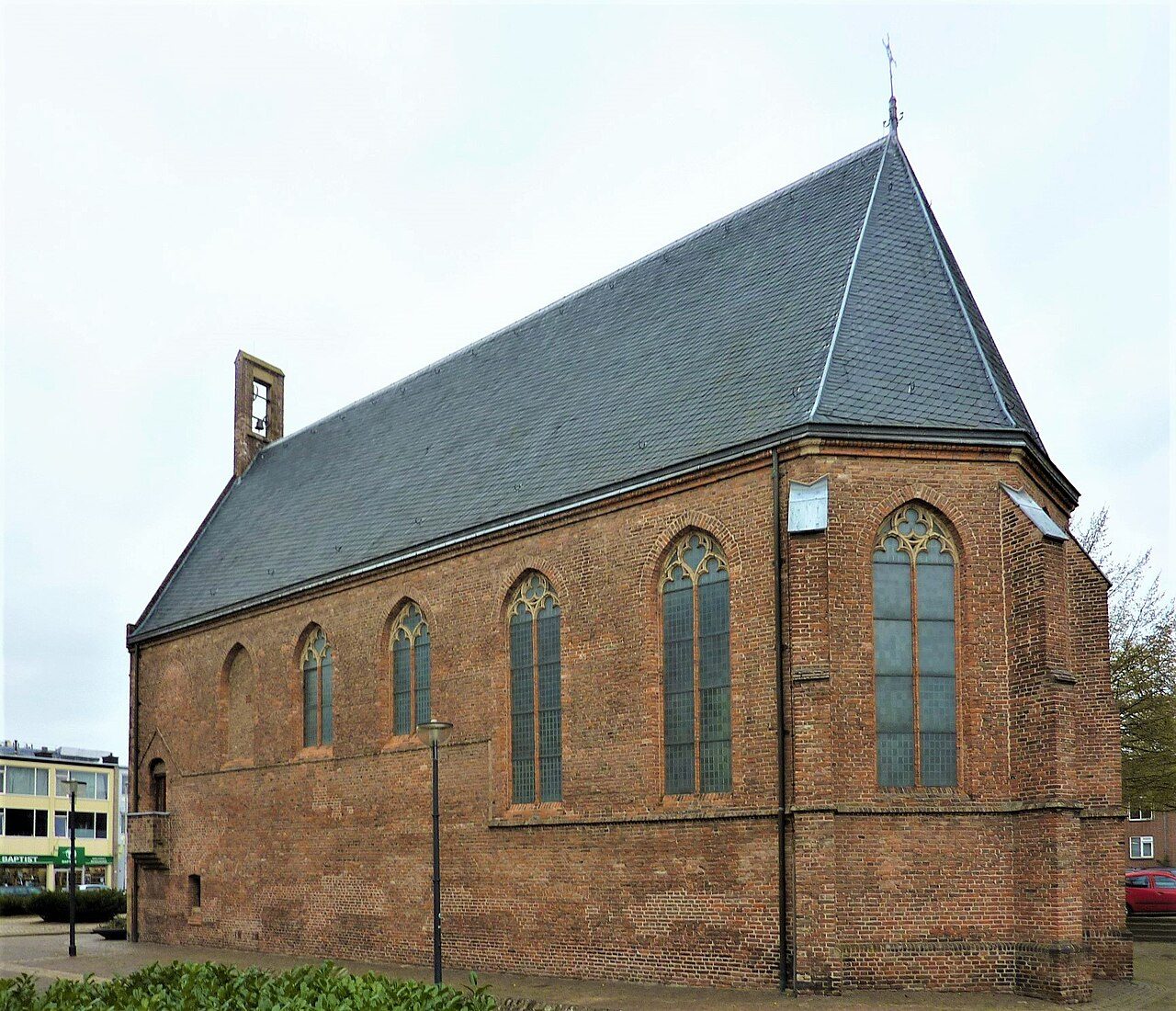
A former convent chapel near Arnhem’s centre, with a 1777 König organ brought from Nijmegen and a rescued weathercock now kept inside.
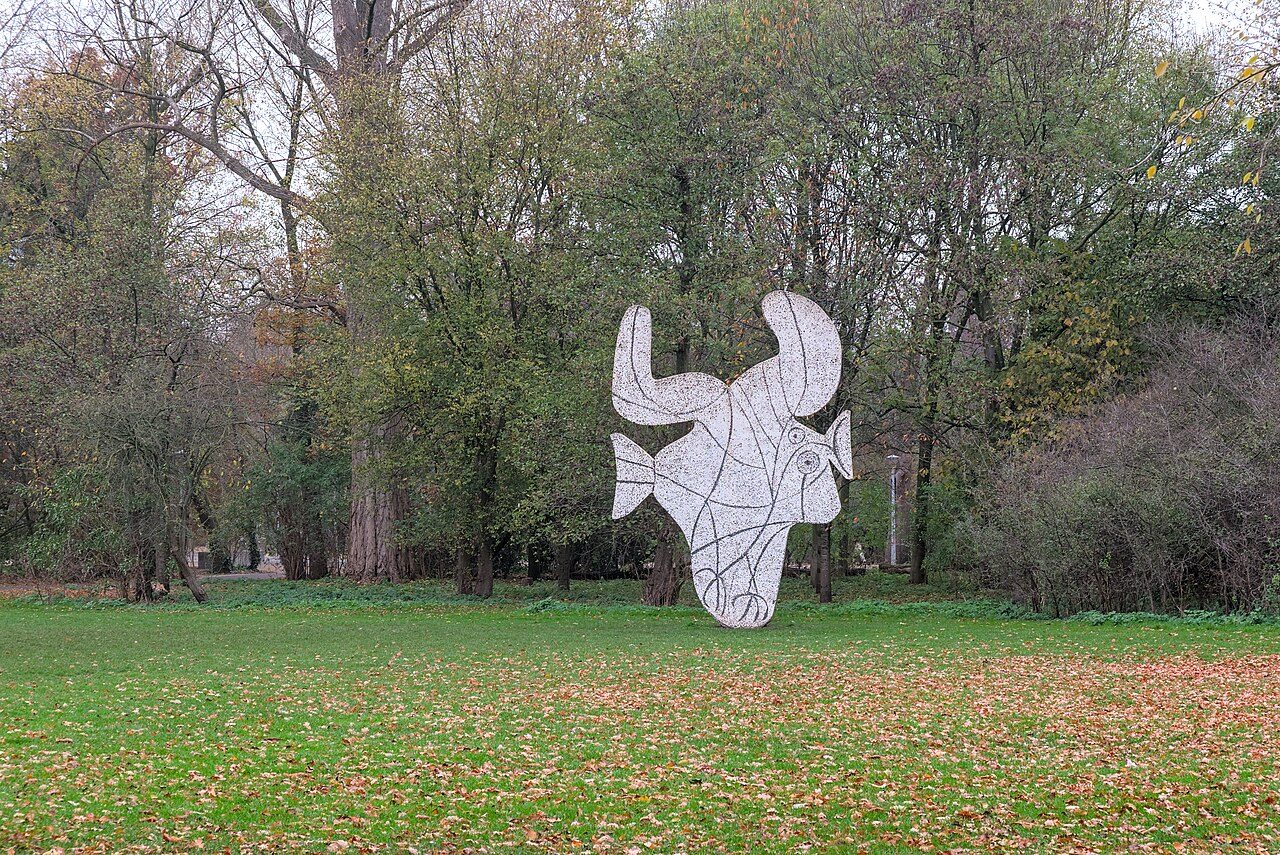
A real Picasso, 'Figure découpée' (the fish), standing on a lawn in the Vondelpark since 1965. Joggers pass it without looking.
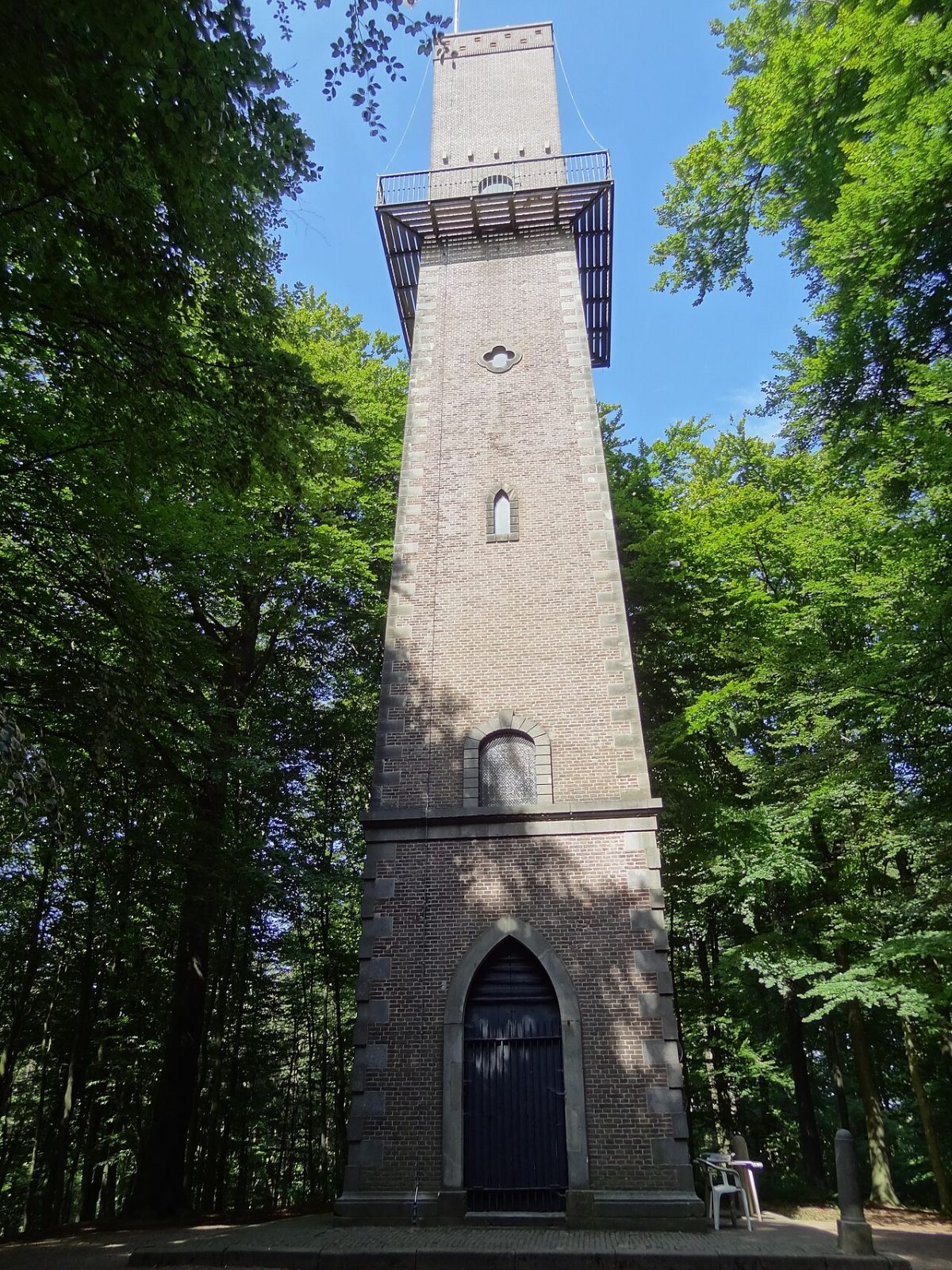
A nineteenth-century lookout tower in Sonsbeek Park, with a 140-step spiral staircase and a panorama partly screened by trees. In clear weather, views reach Tiel, Nijmegen and Emmerich.
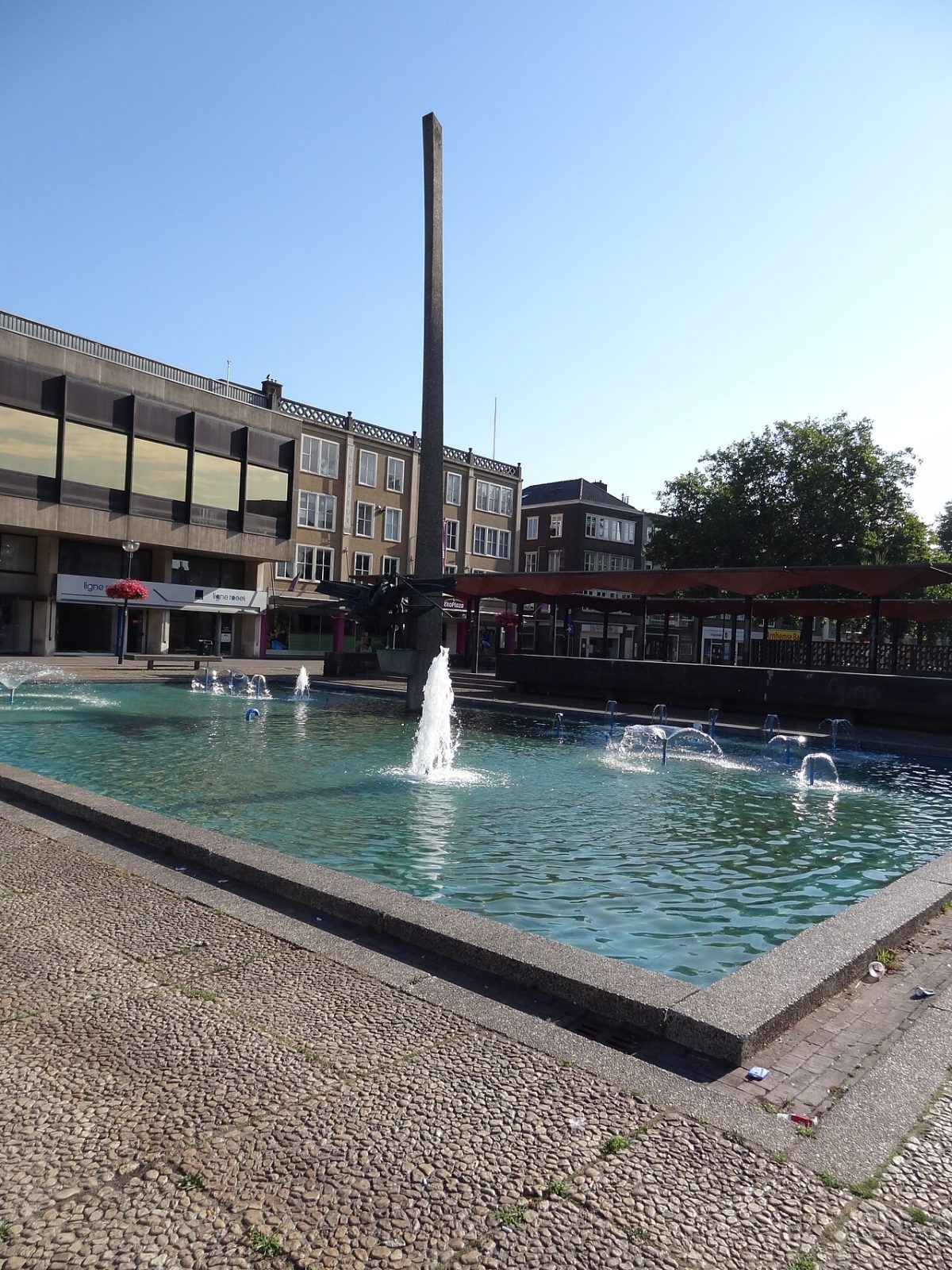
A fountain on Arnhem’s Velperplein, with Shinkichi Tajiri’s dragonfly-like sculpture hovering above the water and a pergola framing the setting.
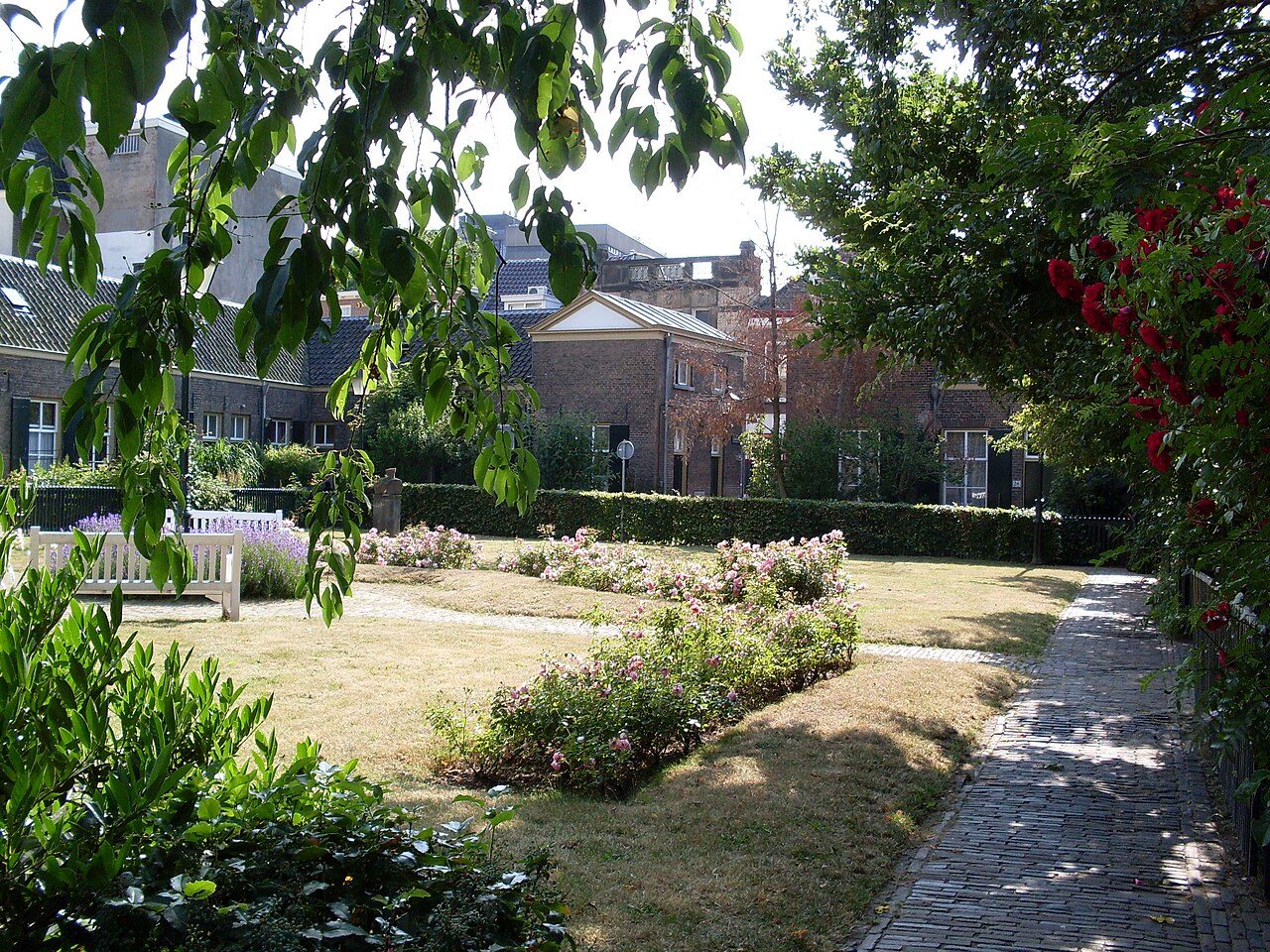
A small courtyard of former almshouses in Klarendal, built around 1860 for older people, with modest homes and an entrance plaque recalling its Lutheran history.
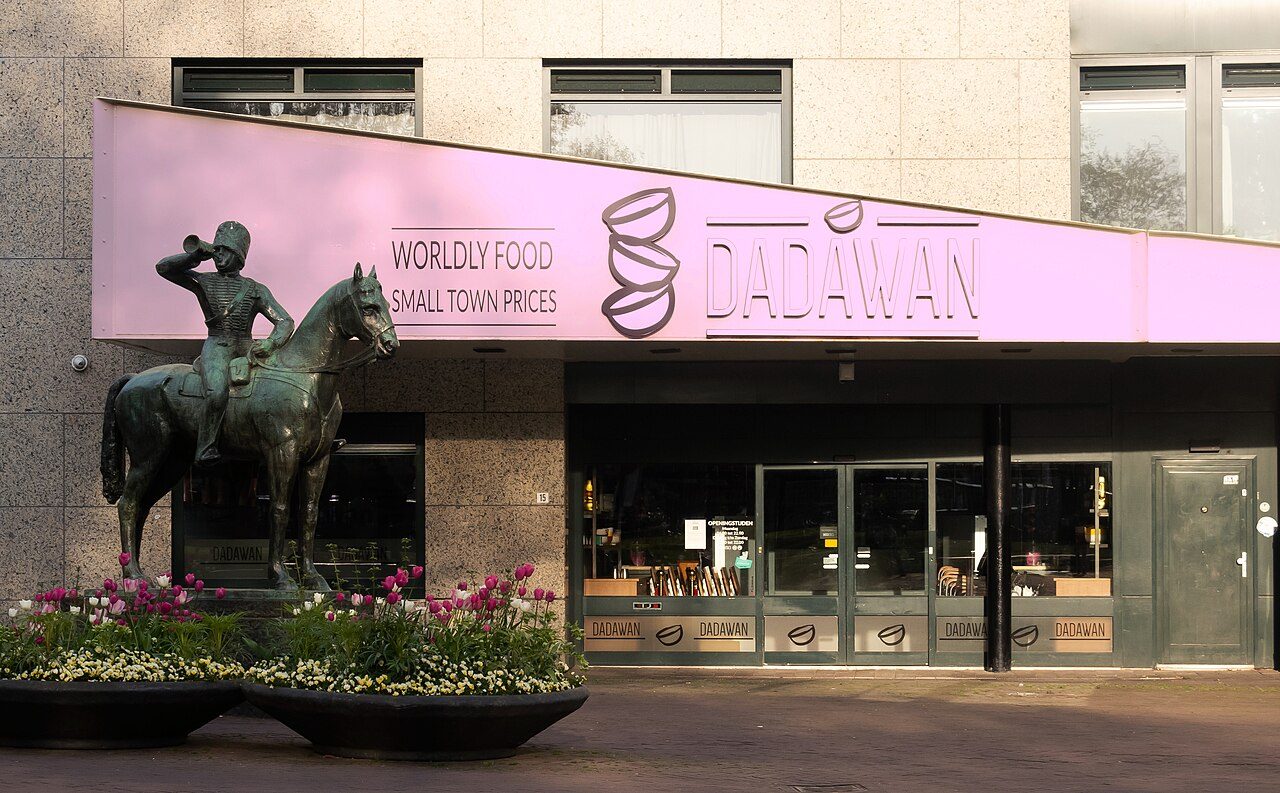
A bronze horseman by Gijs Jacobs van den Hof on Arnhem’s Gele Rijdersplein, where the Yellow Riders’ barracks once stood, with horse and rider to view from every angle.
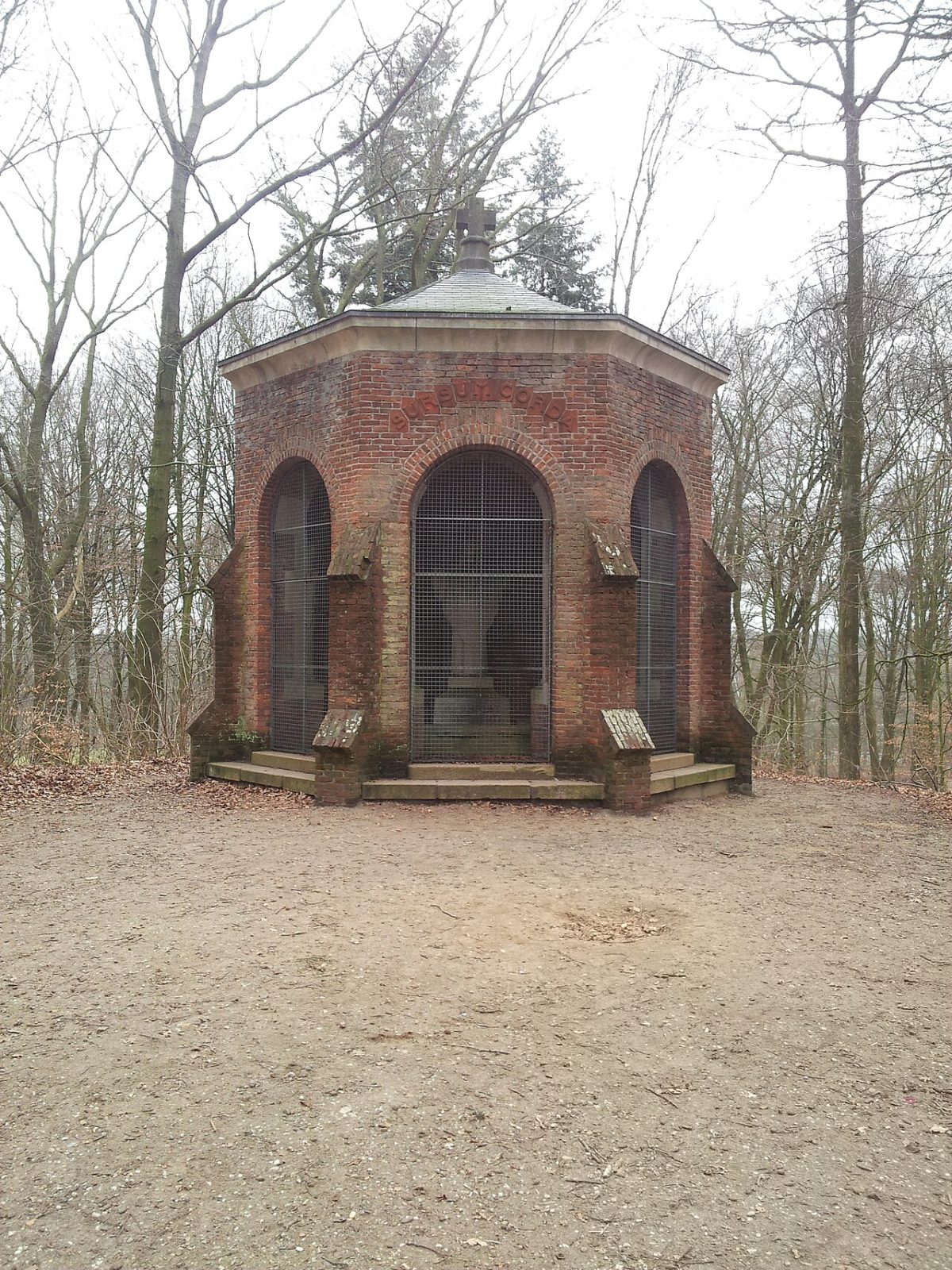
A seven-sided brick chapel on the Mariëndaal estate, with Mari Andriessen’s life-size Christ and seven figures representing the virtues, visible through iron grilles.
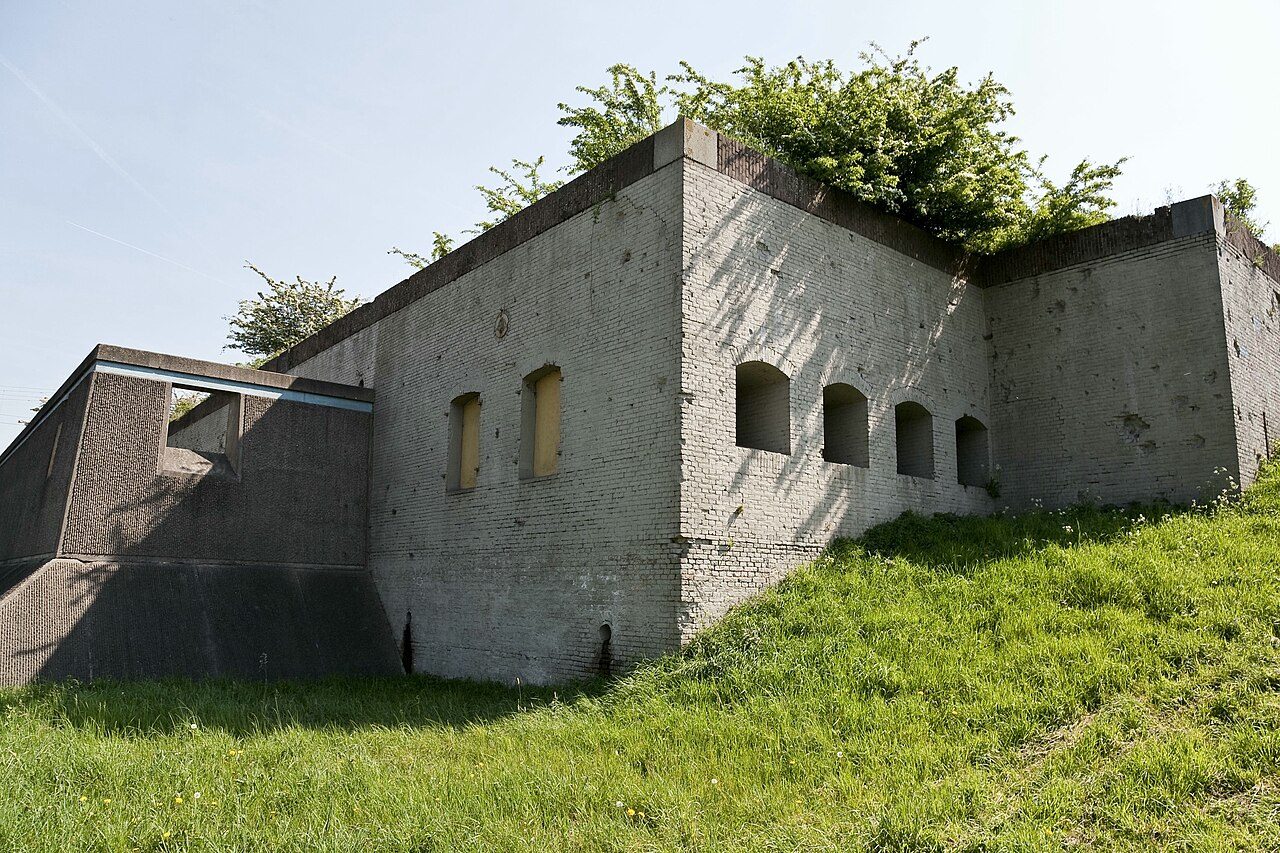
A nineteenth-century fort beside Arnhem’s IJssel railway crossing, built to block the line at the bridge. Earthworks, concrete casemates and battle-scarred buildings survive.
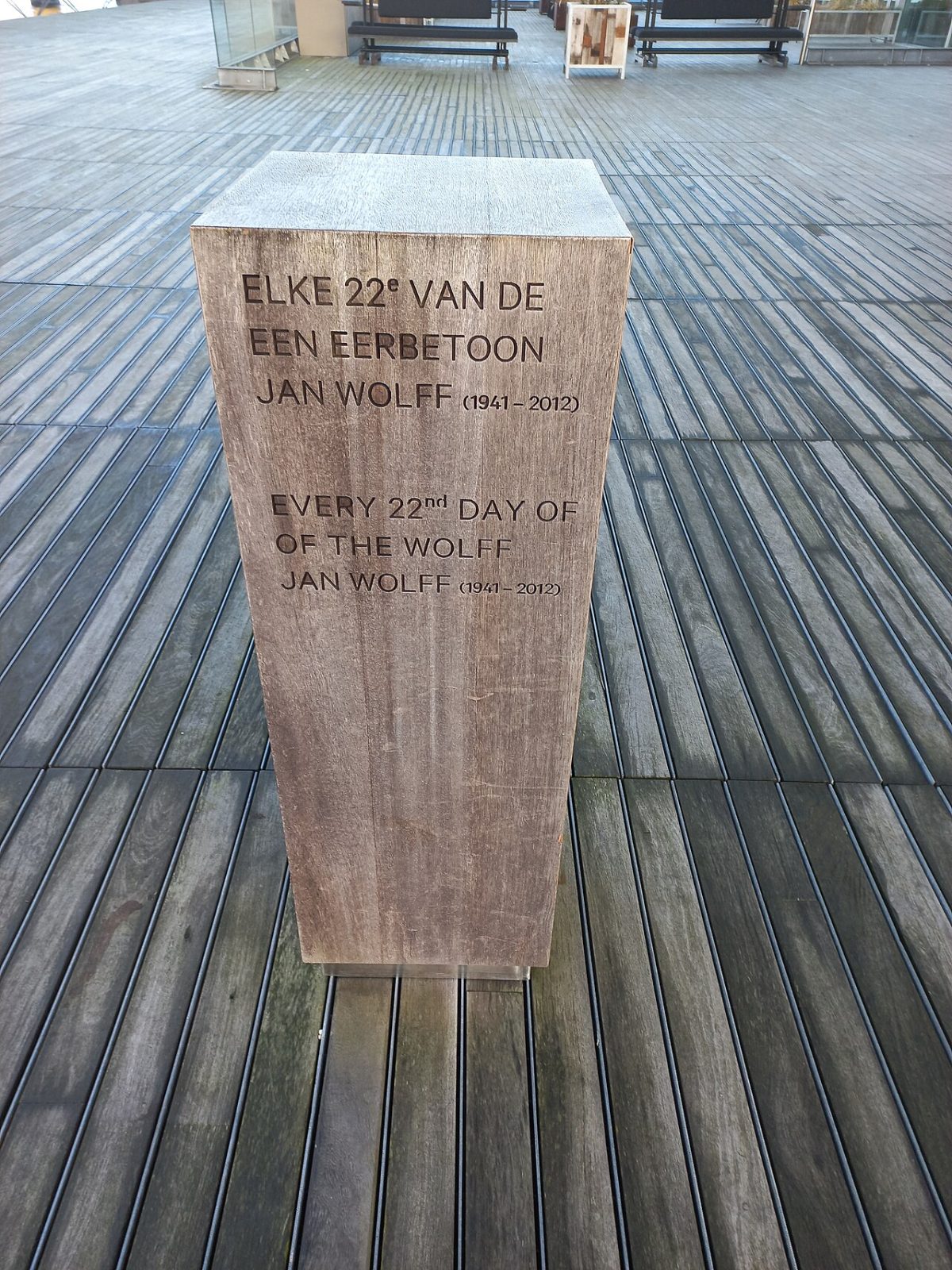
A sound monument under the overhang of the Muziekgebouw for horn player Jan Wolff: every 22nd of the month at 8 pm it plays wolf howls, ship horns and lapping water, shaped by the weather.
No spots match these filters.