
MUSEUM
Bijbels Museum
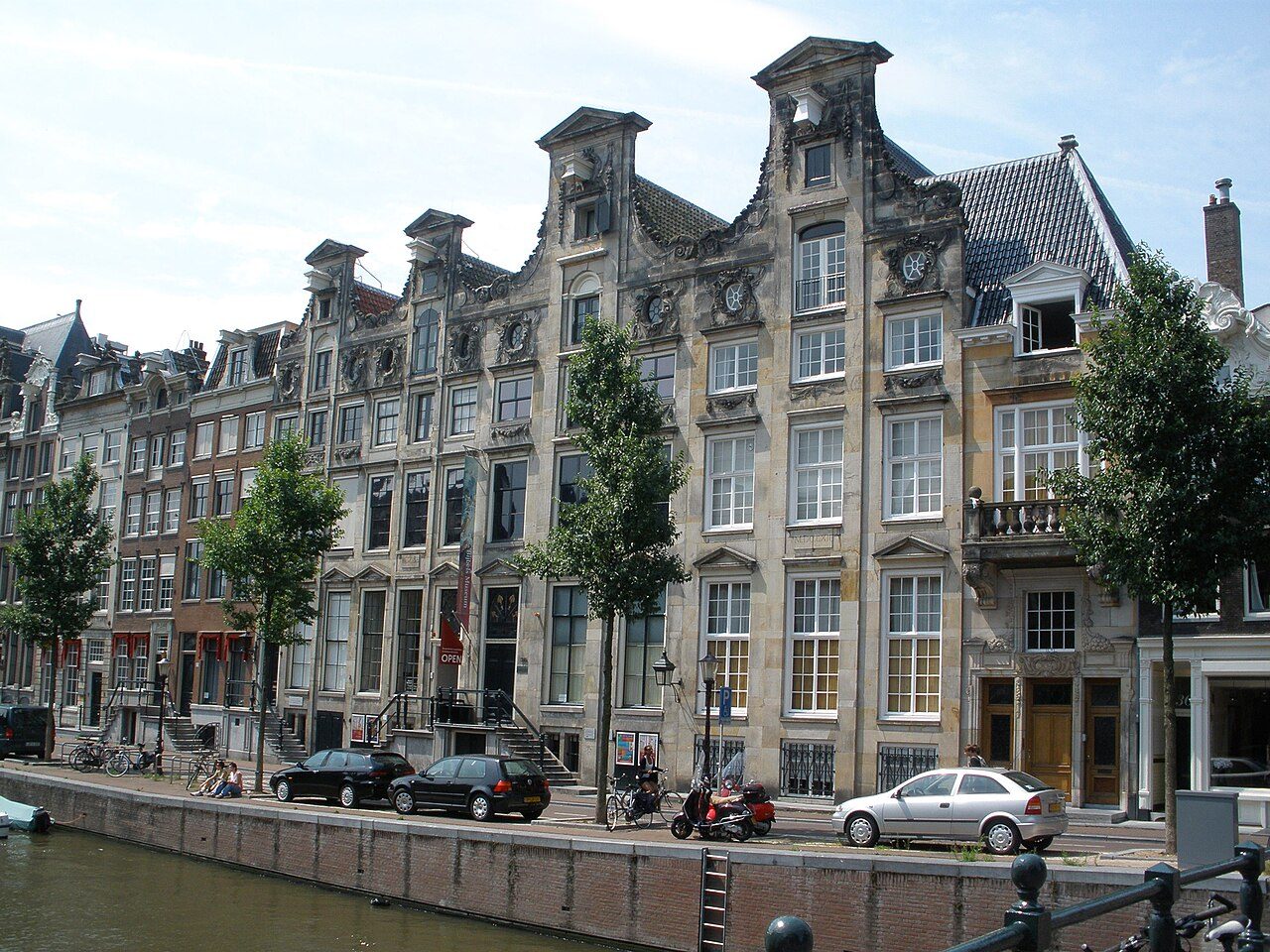
The Bible Museum in two Vingboons canal houses on the Herengracht.
A crooked piece of wood
At the Herengracht address associated with the Bijbels Museum, start by looking above the door. A stone relief shows a crooked piece of wood: a visual pun on the surname of Jacob Cromhout, who occupied the house after its completion in 1662. It is a small, personal detail on a grand canal frontage. Before you look for a museum sign, look for the owner's joke.
The Bible Museum occupied two canal houses at Herengracht 366–368, designed by Philips Vingboons. The sources describe them as its former home, so treat this as a guide to the historic buildings rather than a promise of a current Bible Museum display. Their appeal lies in the layers left by a merchant household, a Bible organisation and some remarkable ceiling paintings.
The house that would not fit
When Jacob Cromhout began building in 1660, he did not yet own all the ground he needed. Timber merchant Cornelis Kerfbijl still held the plot at No. 368. Kerfbijl eventually sold, but the agreement came too late to change the plans. His older house was incorporated into the new building, including its kitchen from 1623.
That kitchen is the detail to keep in mind as you study the frontage. What looks like a coordinated canal-house project also contains an older home that a delayed purchase preserved. The neighbouring stretch known as the Golden Bend offers a useful comparison for the scale of Amsterdam's wealthy merchants' houses. Here, the story is less orderly than the finished exterior suggests.
The crooked-wood relief belongs to another Amsterdam habit: letting pictures identify a house. The rescued stones at the Sint Luciënsteeg gable-stone wall make that visual language easier to recognise. Cromhout's version turns his own name into the picture.
Look up for Jacob de Wit
In 1718, Jacob de Wit painted ten mythological ceiling panels for Jacob Cromhout's great salon. The useful detail is an archer's quiver. De Wit placed both his signature and the year on it, making an object within the scene carry the painter's record of his work.
Another De Wit ceiling has a much more troubled history. German forces took his 1750 painting, Apollo and the Four Seasons, from another canal house during the Second World War. It was returned after the war, then spent decades in storage. In 2000, it was installed in the former Bible Museum. The two ceiling stories are separate: one was commissioned for Cromhout's salon; the other arrived centuries later after theft, return and a long wait.
The weight of the Bibles
Before the Bible Museum moved in in 1975, the Dutch Bible Society used No. 366 as its Bible House. Its many Bibles required structural support. Cast-iron columns installed to bear their weight remain in the cellar.
Those columns give the museum's name a physical meaning. Alongside painted mythology and a merchant's carved surname, the building preserves a practical trace of books: not just what they contained, but how much they weighed.
Things to know
- Find the former museum address at Herengracht 366–368.
- It is about eight minutes on foot from Dam Square.
- Look above the door for the crooked-wood relief.
- Check current venue information before planning an interior visit.
- Opening hours and prices can change. Check the official website before you go. Official website
What people say
Related spots
More things to do in Amsterdam ›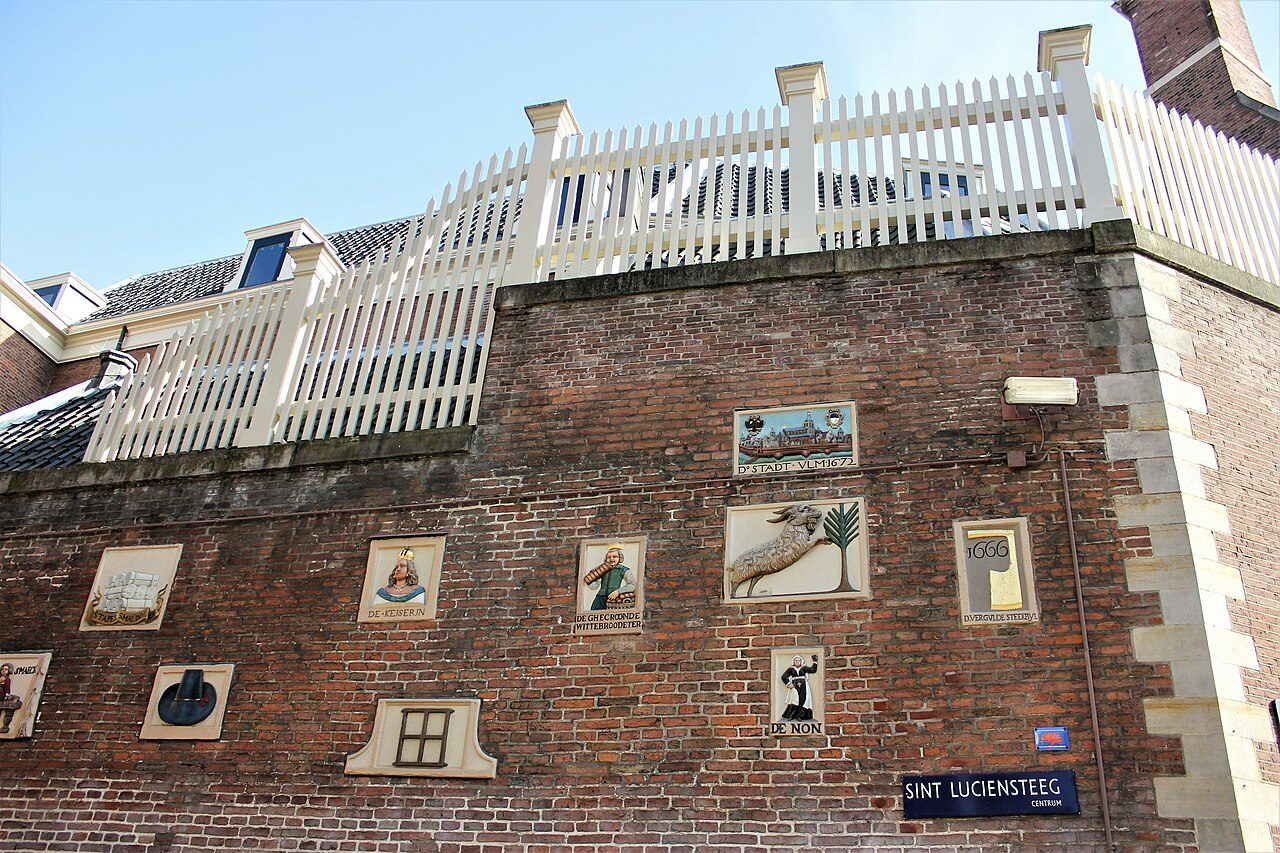
Gable stone wall (Sint Luciënsteeg)
A whole wall of rescued gable stones, the picture house numbers Amsterdam used before street numbers.
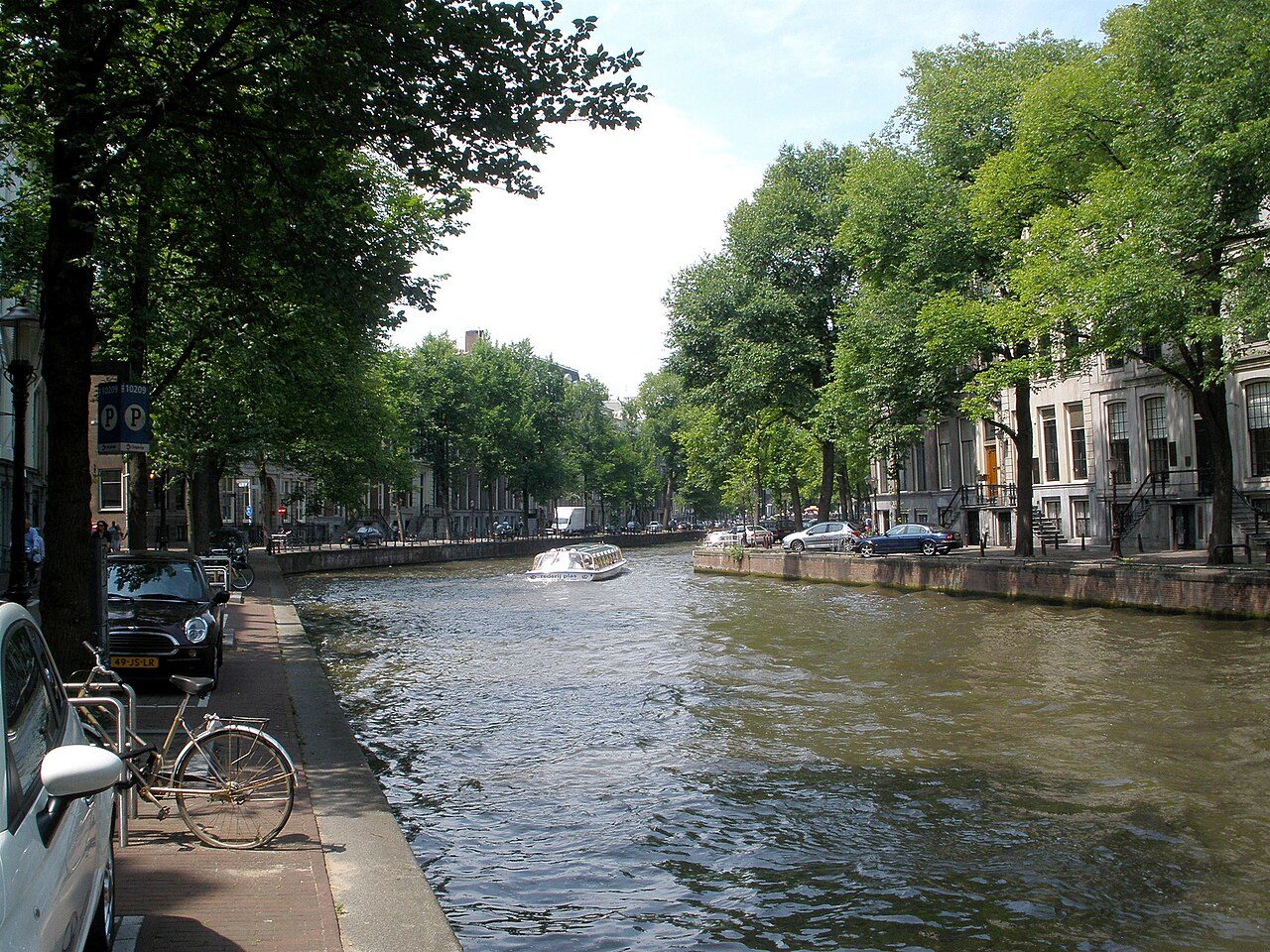
Gouden Bocht (Golden Bend)
The widest, grandest stretch of the Herengracht, where the richest merchants built double-wide mansions.
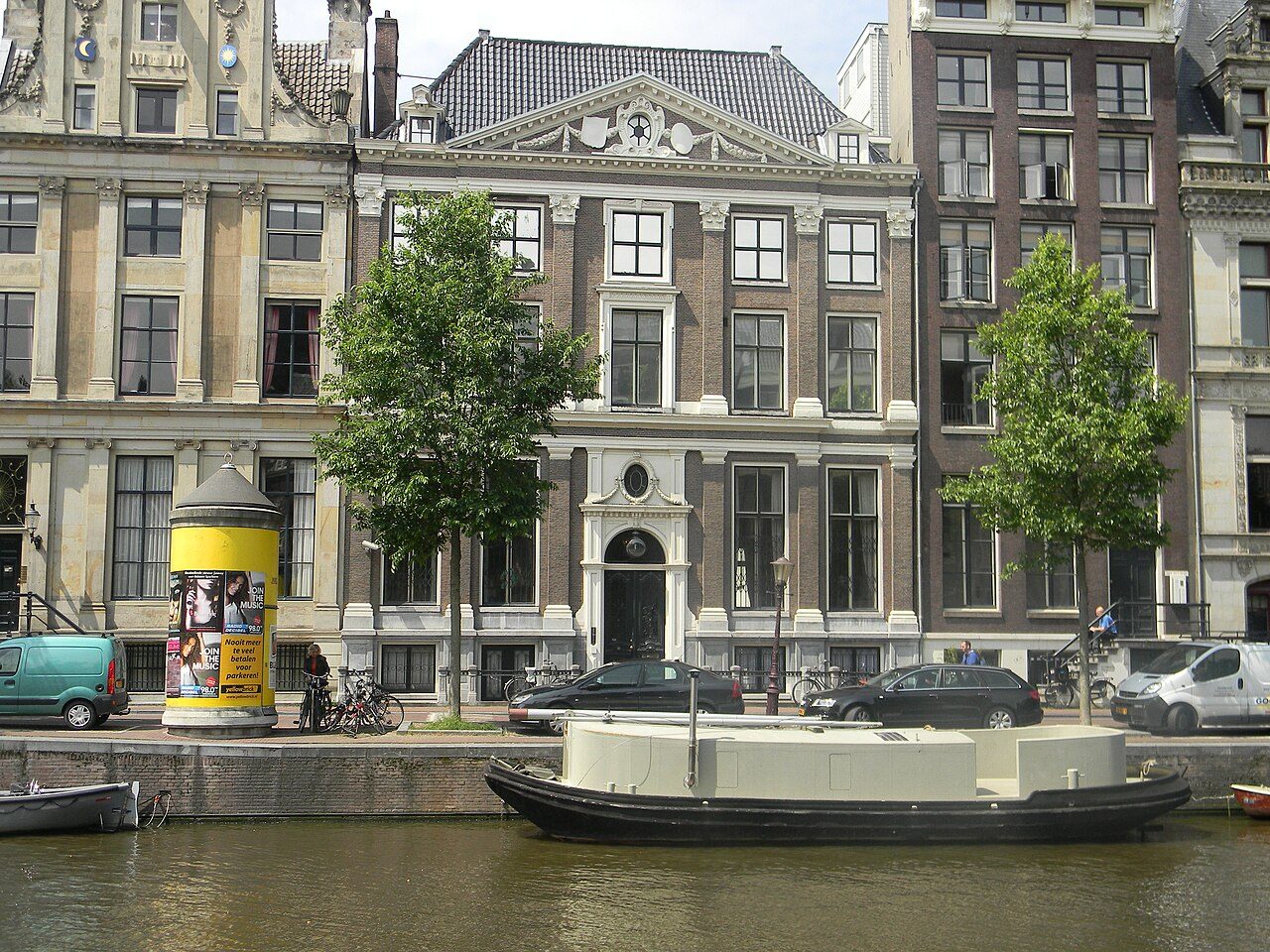
Het Grachtenhuis
The Museum of the Canals: how the canal ring was built, in a Herengracht house.
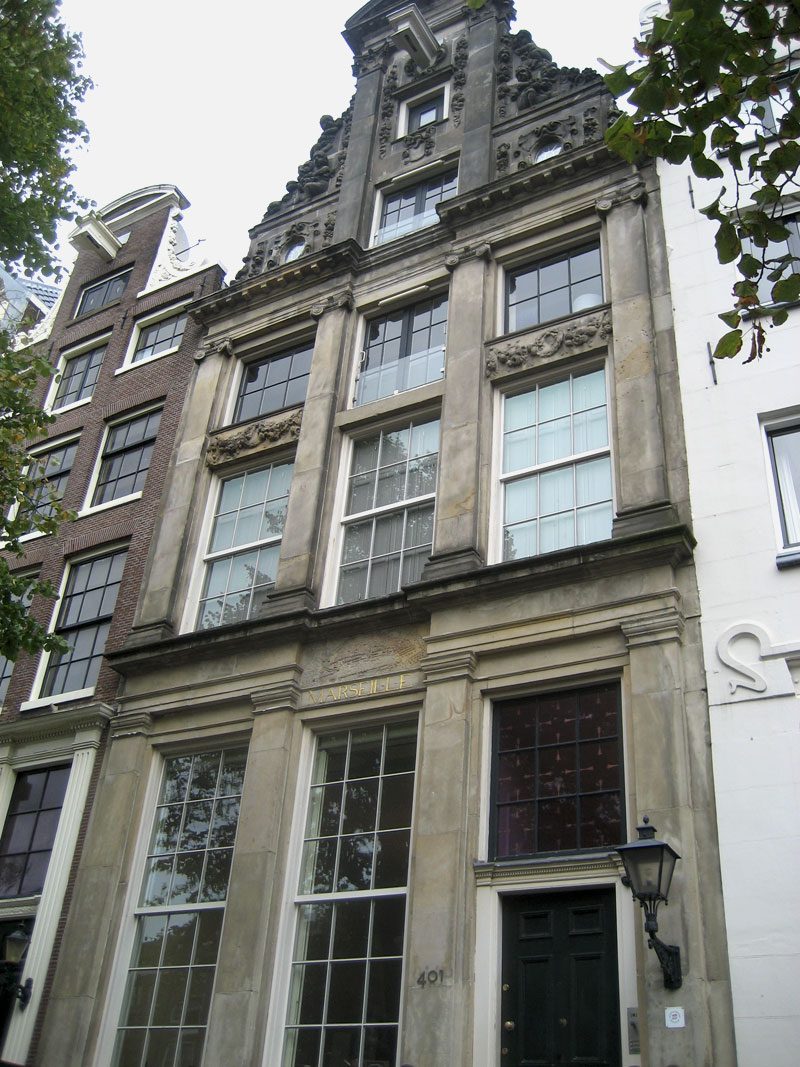
Huis Marseille
Photography in two 17th-century canal houses.
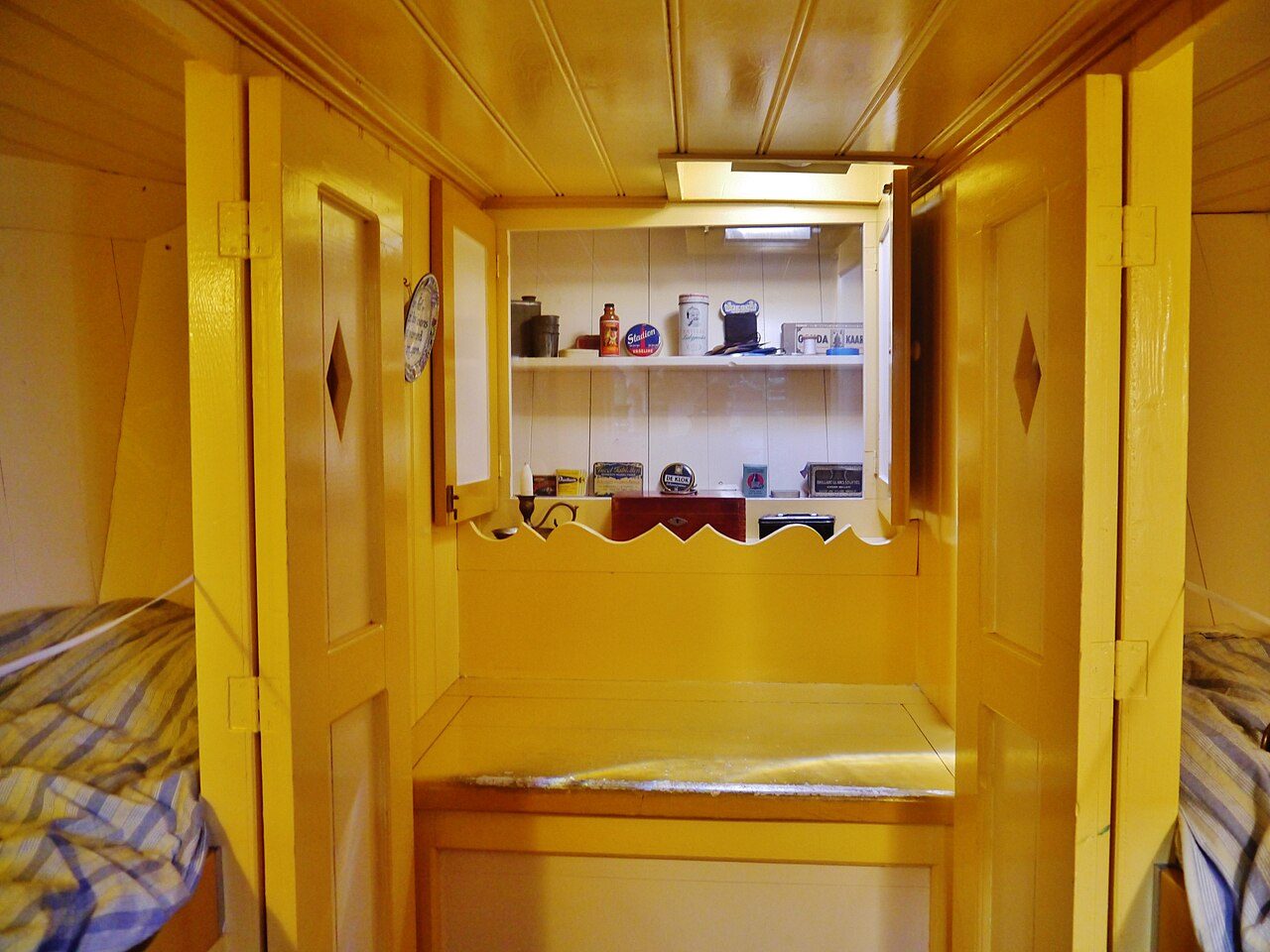
Houseboat Museum
A 1914 cargo ship turned houseboat, to see how people live on the canals.
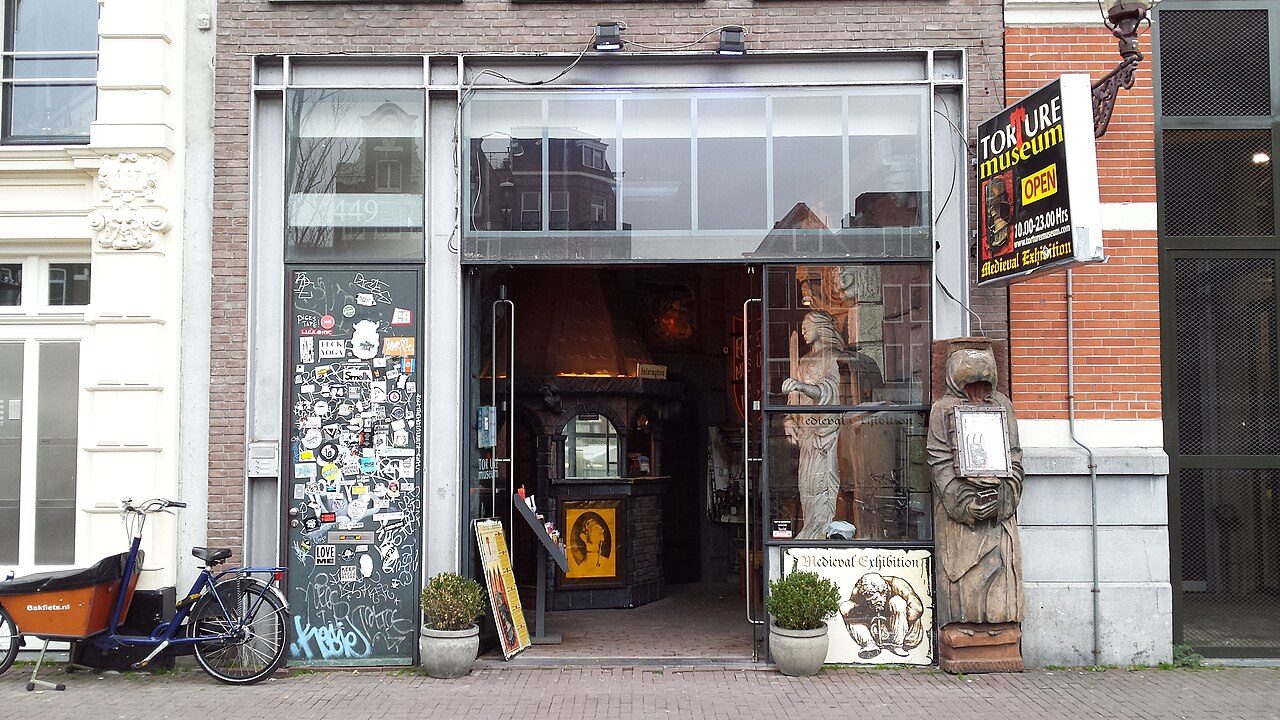
Torture Museum
More than 40 punishment devices, historical engravings and the uneasy stories behind them on Amsterdam’s Singel.
Tours and quests that pass here
These walks have a stop a few minutes from Bijbels Museum. Free, on your phone, start any time.
 CITYQUEST
The Canal Cipher
A merchant’s missing fortune is waiting to be traced through Amsterdam’s canals in The Canal Cipher. Follow his coded will, gather clues and work out a final answer to claim the treasure.
 FREE AUDIO TOUR
Amsterdam in a Day: Highlights Walk
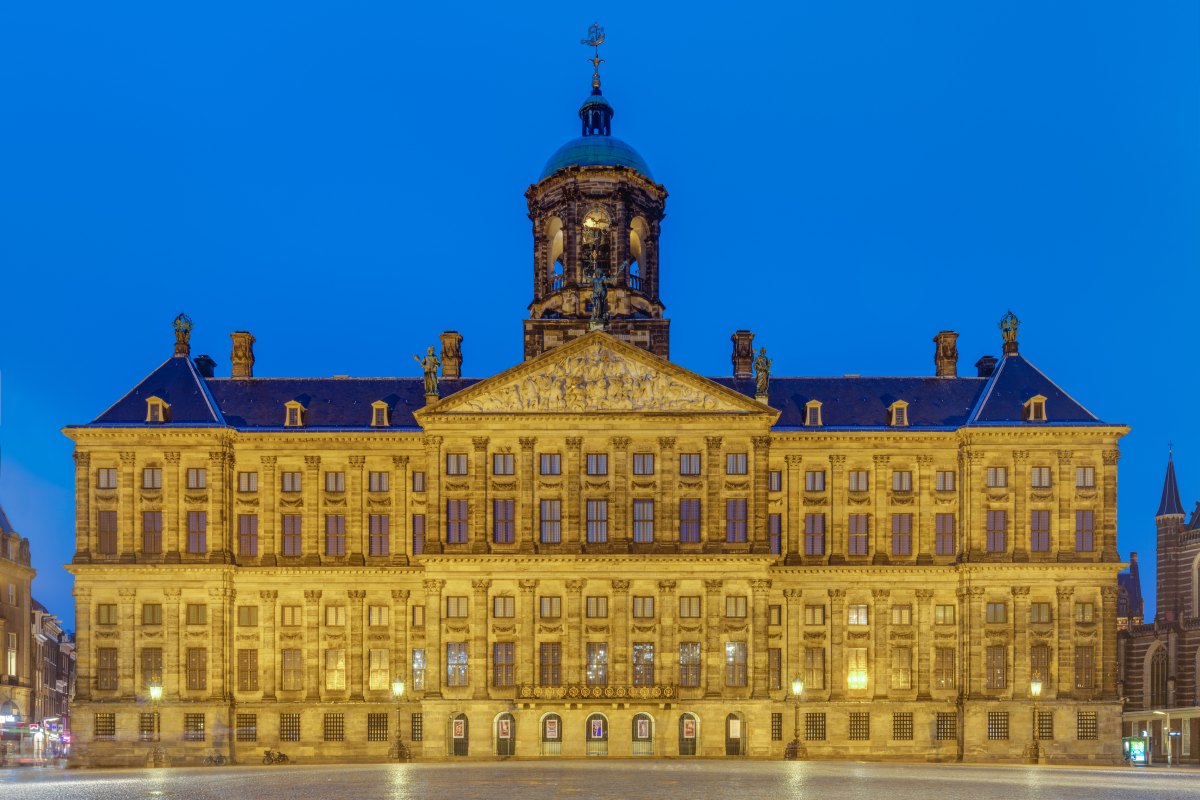
Amsterdam’s canals and grand houses tell you how a trading city grew rich, but that is only half the story. If you have one day in Amsterdam, spend it on the streets where merchants, workers and people in hiding lived within walking distance of each other.
 FREE AUDIO TOUR
Van Gogh's Amsterdam
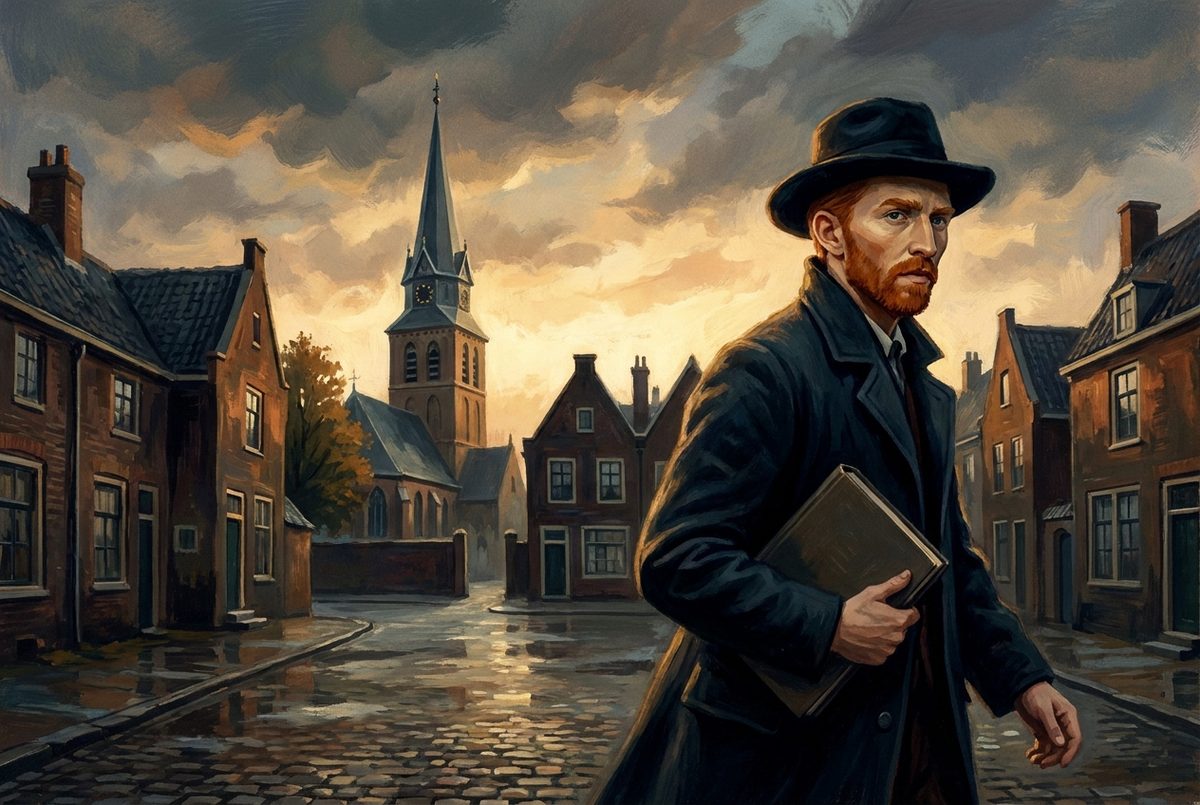
The man who painted Sunflowers lived in Amsterdam for just over a year, before he became an artist. You can still stand at the naval yard he called home and follow his Sunday walks across the city.