
MUSEUM
Huis Marseille
Photography in two 17th-century canal houses.
A port city above the canal
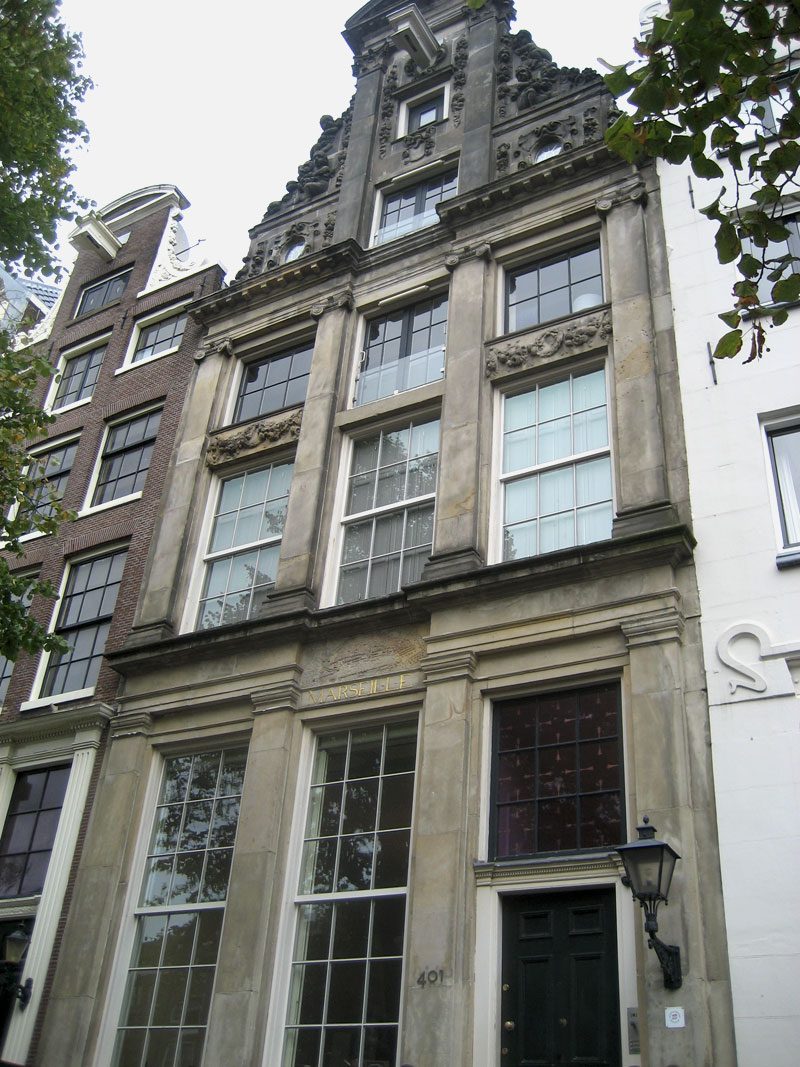
Huis Marseille puts photography inside two seventeenth-century canal houses, where the rooms deserve as much attention as the pictures. Before going in, look up at the carved map of Marseille on the façade of Keizersgracht 401. Merchant Isaac Fouquier had it placed there in 1665, complete with tiny houses, trees and sailing ships. Thirty years earlier, he had loaded the ship Neptunes in Marseille for a voyage to Amsterdam that helped make his fortune.
The museum opened in 1999, the first in the Netherlands devoted entirely to photography as an art form. It expanded into number 399 in 2013. Like the mansions along the Golden Bend, these houses express the wealth of Amsterdam’s merchant class. Here, you can follow that wealth indoors, through marble finishes, decorated ceilings and rooms looking towards the garden.
The Red Room’s family story
The Red Room is more than an elaborate period interior. After banker Paulus Heeger lost his son Mattheus and his wife Catharina, he and his surviving son rebuilt the house and created this room. Look above the mantel for the portrait of the philosopher Seneca, hung there in 1720. Then study the ceiling painting: painter Johannes Voorhout left his signature on an angel’s lute.
The room’s colour took some detective work to recover. Beneath its later cream paint, restorers found olive-green, earth-toned and scarlet pigments. The detailed wall and ceiling mouldings were restored to red in consultation with Amsterdam’s monuments specialists. Give your eyes a moment to move between the photographs and this much older painted interior.
A ceiling and a wartime table
In the Garden Room, look up at Apollo among the clouds, accompanied by Minerva and the Muses. Jacob de Wit painted this ceiling for the house in 1731. It returned in 2004 after more than a century away, including time at the Rijksmuseum. Seeing it here restores the relationship between the painting and the room it was made for.
This room also witnessed a wartime appeal. In 1944, resistance leader Wim van Norden sat at a conference table here and asked lawyer Jan de Pont to defend three people connected with the underground newspaper Het Parool. De Pont secured one person’s release. The other two were sent to Germany and survived the camps.
Elsewhere in the house, survival depended on food and concealment. During the Hunger Winter of 1944–45, Harrie de Pont hid on the upper floor of the rear house to avoid forced work in Germany. Neeltje Degenkamp kept him fed with pancakes made from sugar-beet flour, somehow heating the great kitchen stove enough to cook them.
Photographs in lived-in rooms
The original sequence of front house, courtyard, rear house and garden remains largely intact. Rather than one neutral exhibition hall, you move through fourteen different exhibition rooms across the two connected buildings. Notice how the light, wall colour and proportions change the setting for each photograph.
The programme ranges across photographic approaches; past exhibitions have included Viviane Sassen, Berenice Abbott and Dana Lixenberg. There is also a photography library, a specialist photobook shop and a canal garden with a historic garden house. Take time with the photographs, but keep looking beyond their frames: the house has its own stories on the walls and overhead.
Things to know
- Head to Keizersgracht 401; the museum also occupies number 399.
- Allow about five minutes on foot from Leidseplein.
- Look for the carved Marseille map before you enter.
- Wear comfortable shoes for moving between rooms and floors.
- Leave time for the ceiling paintings as well as the photographs.
- Opening hours and prices can change. Check the official website before you go. Official website
What people say
Related spots
More things to do in Amsterdam ›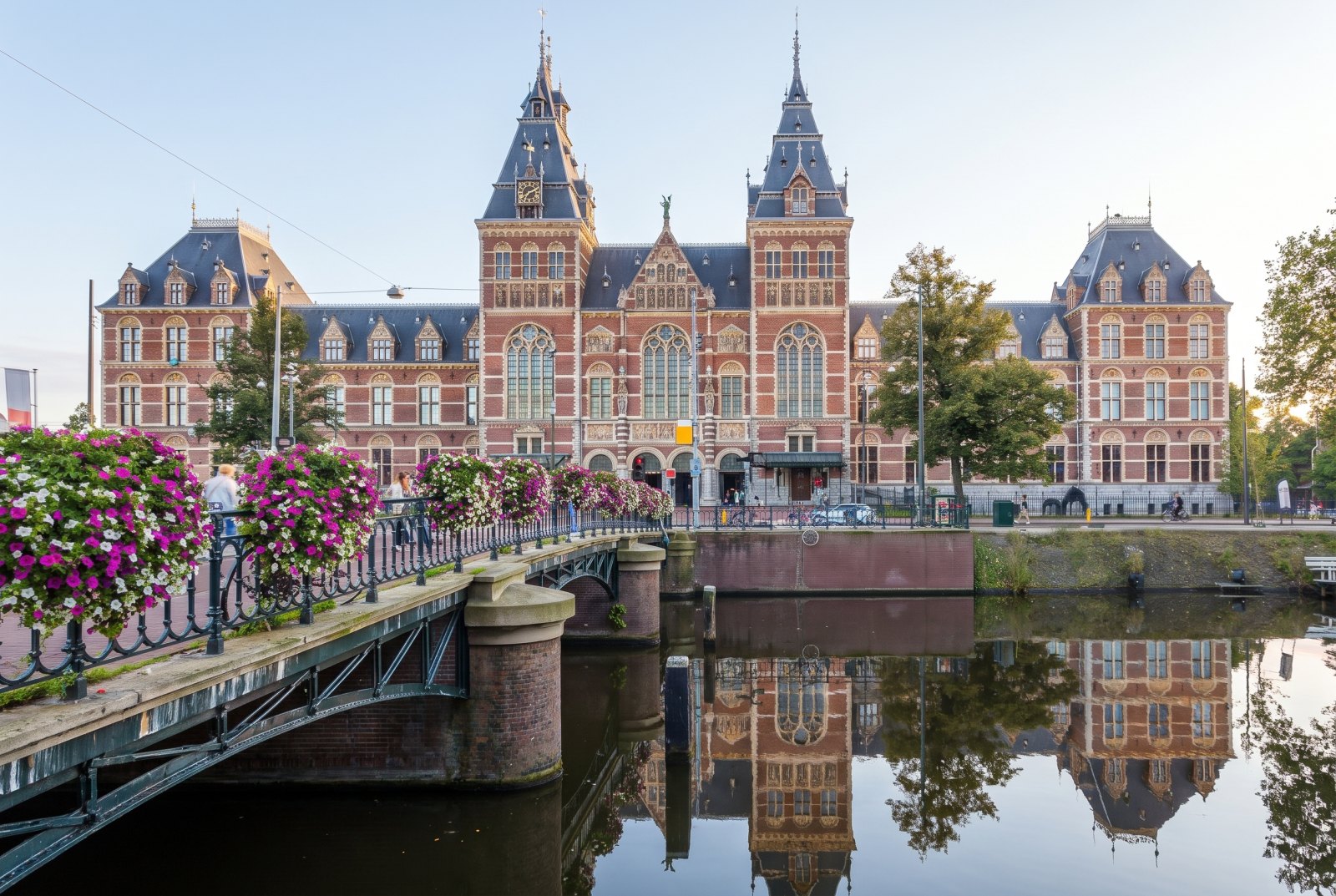
Rijksmuseum
See Rembrandt's The Night Watch and Vermeer's The Milkmaid, then follow 800 years of Dutch art through the Rijksmuseum's galleries.
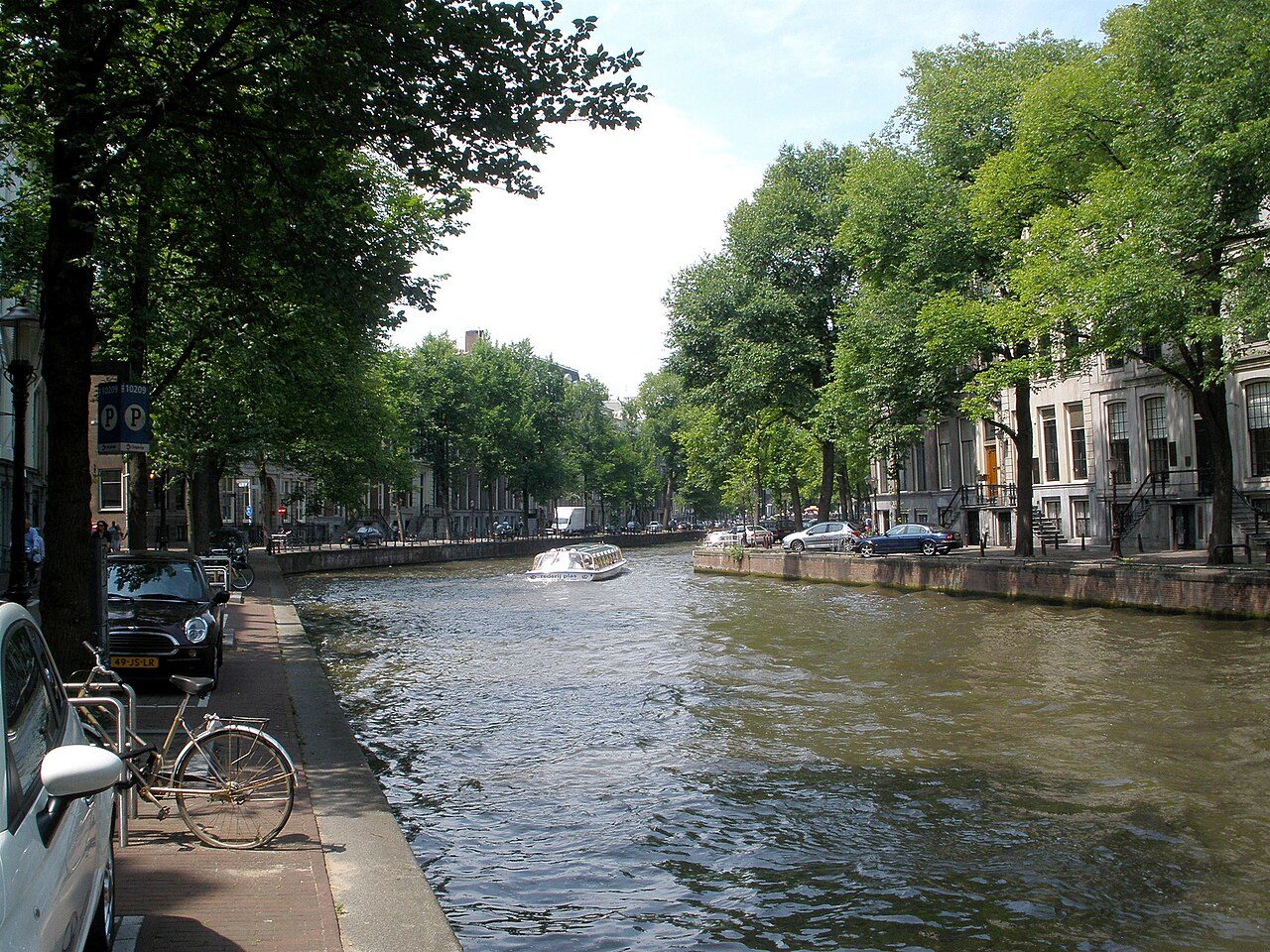
Gouden Bocht (Golden Bend)
The widest, grandest stretch of the Herengracht, where the richest merchants built double-wide mansions.
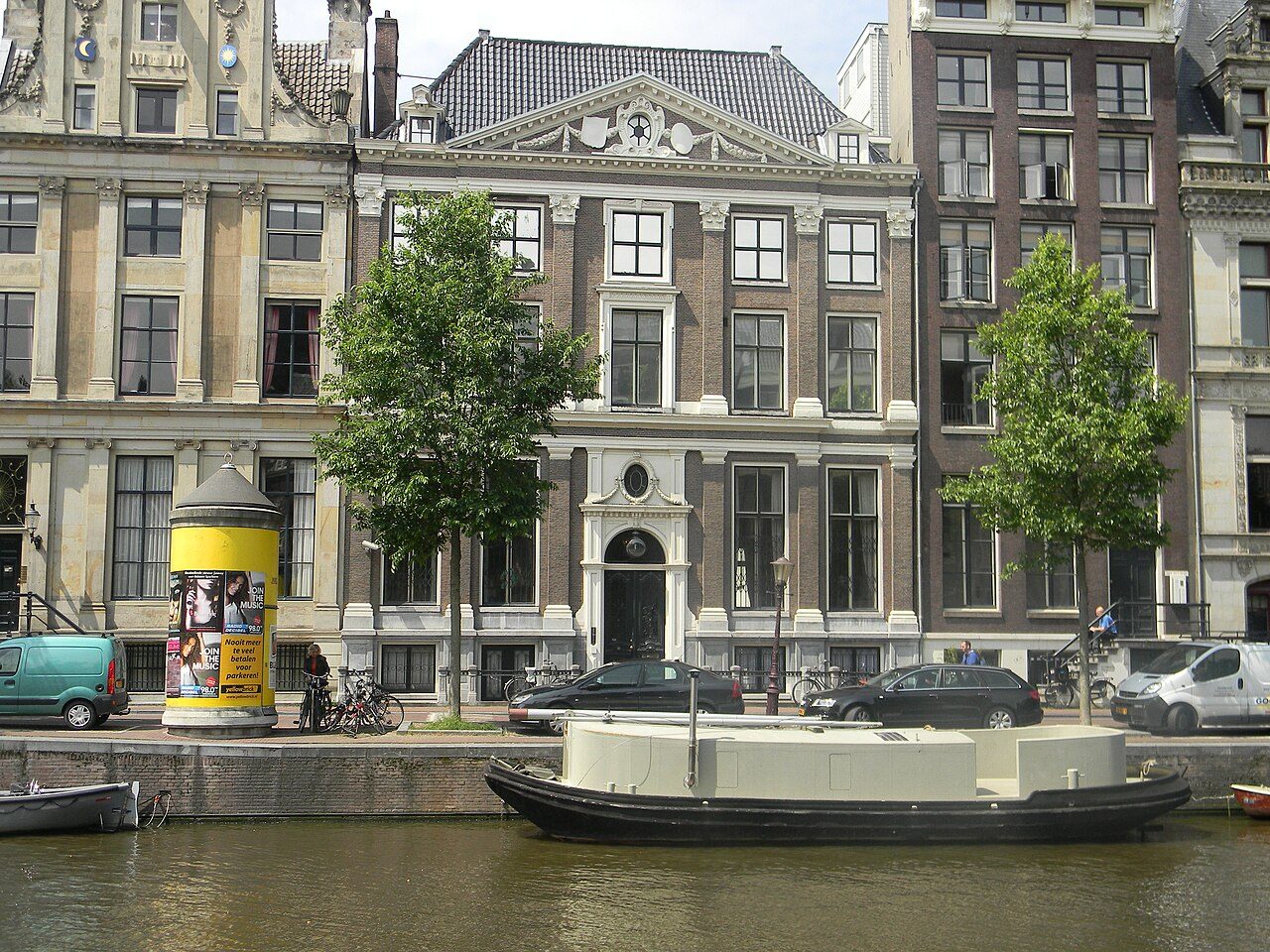
Het Grachtenhuis
The Museum of the Canals: how the canal ring was built, in a Herengracht house.
Bijbels Museum
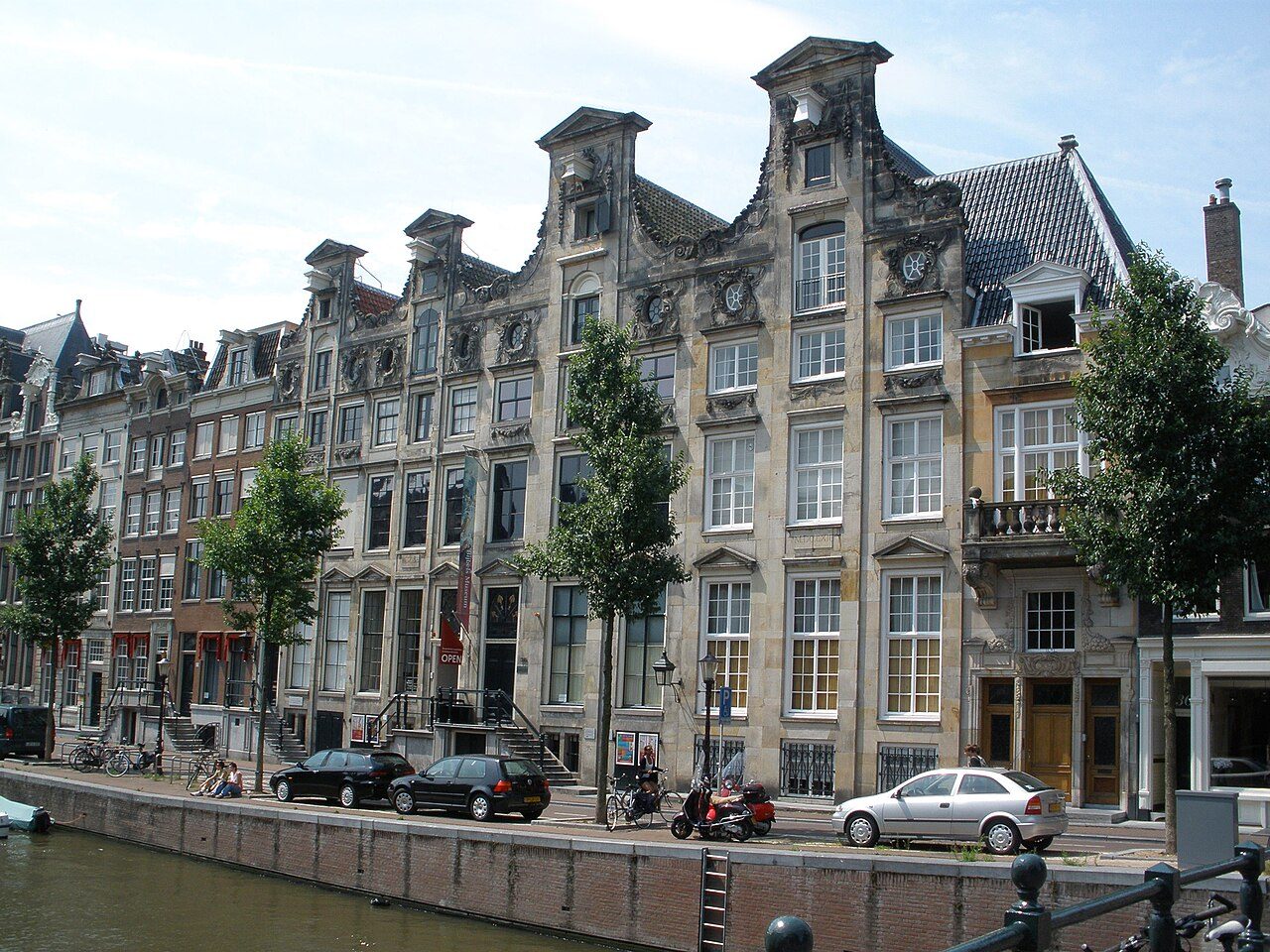
The Bible Museum in two Vingboons canal houses on the Herengracht.
Houseboat Museum
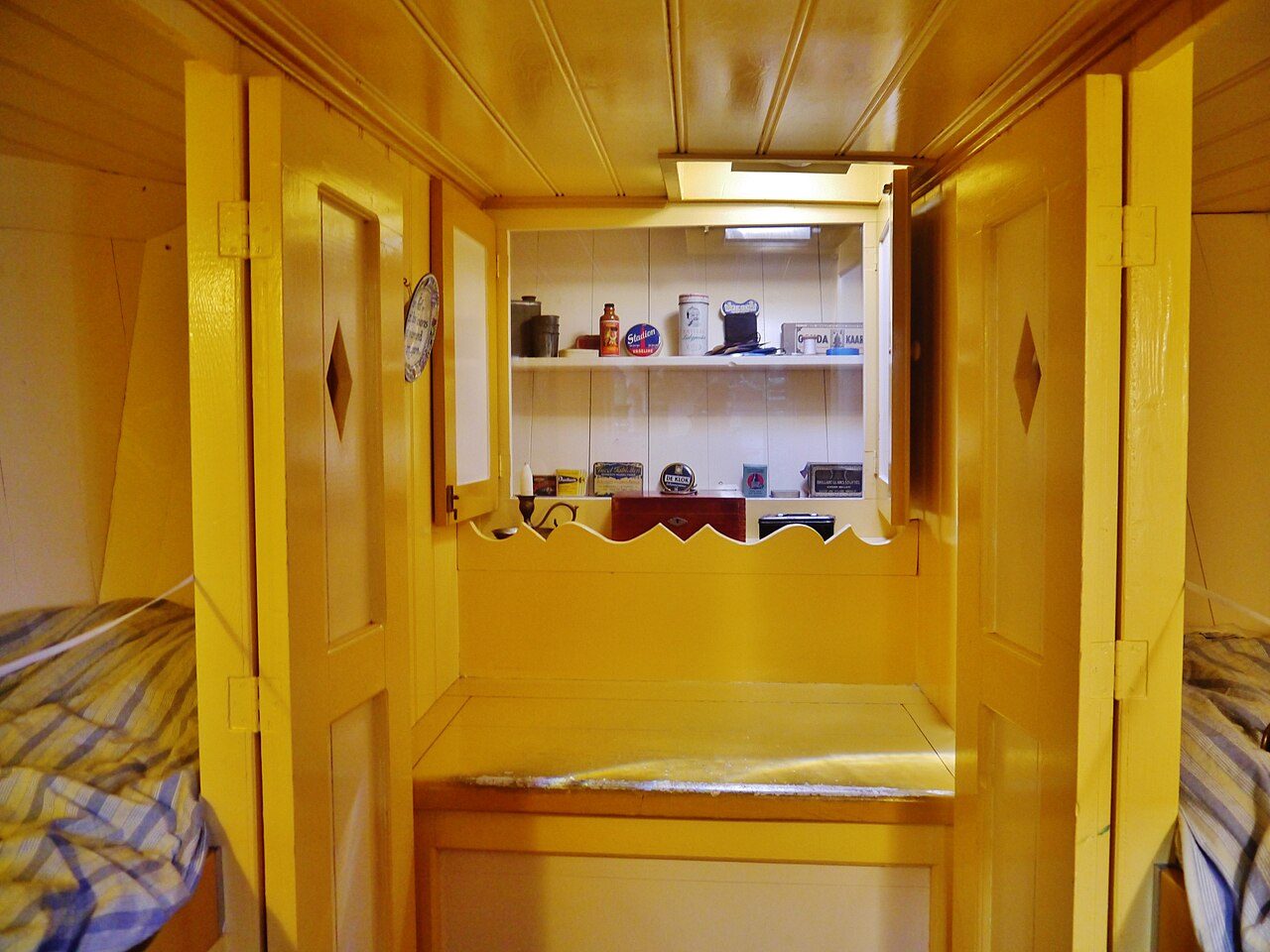
A 1914 cargo ship turned houseboat, to see how people live on the canals.
Torture Museum
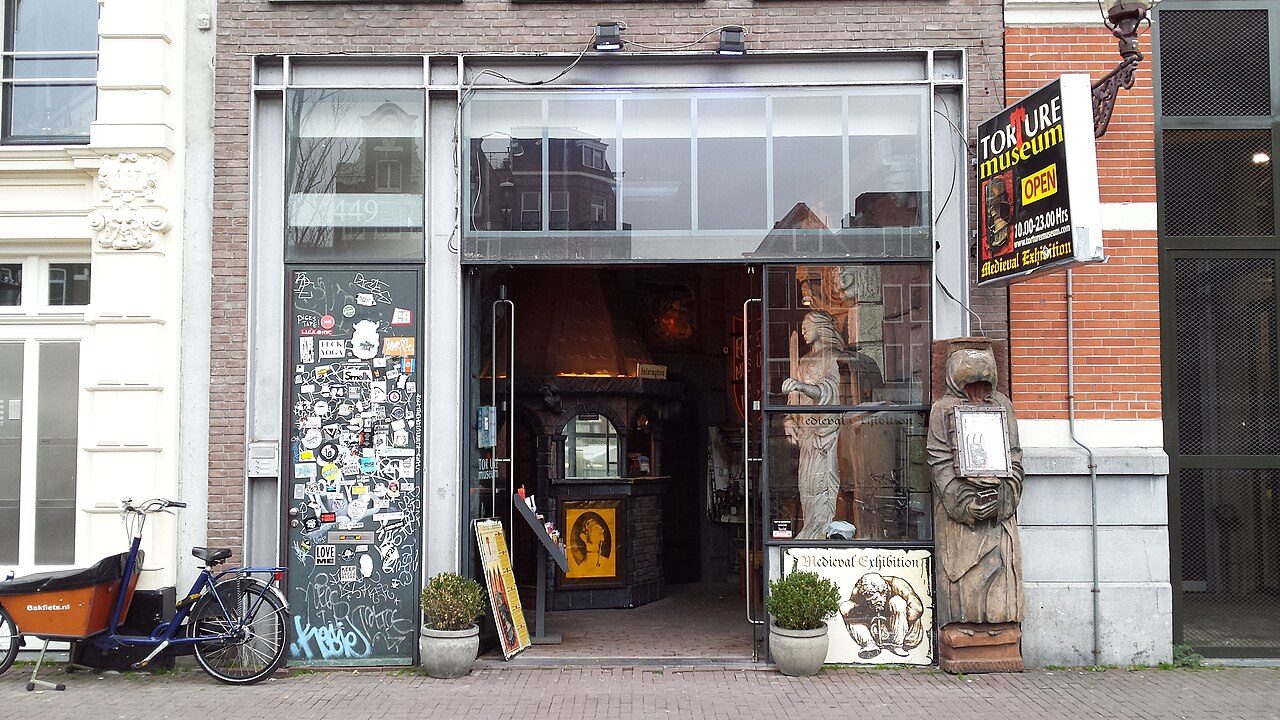
More than 40 punishment devices, historical engravings and the uneasy stories behind them on Amsterdam’s Singel.
Tours and quests that pass here
These walks have a stop a few minutes from Huis Marseille. Free, on your phone, start any time.
 CITYQUEST
The Canal Cipher
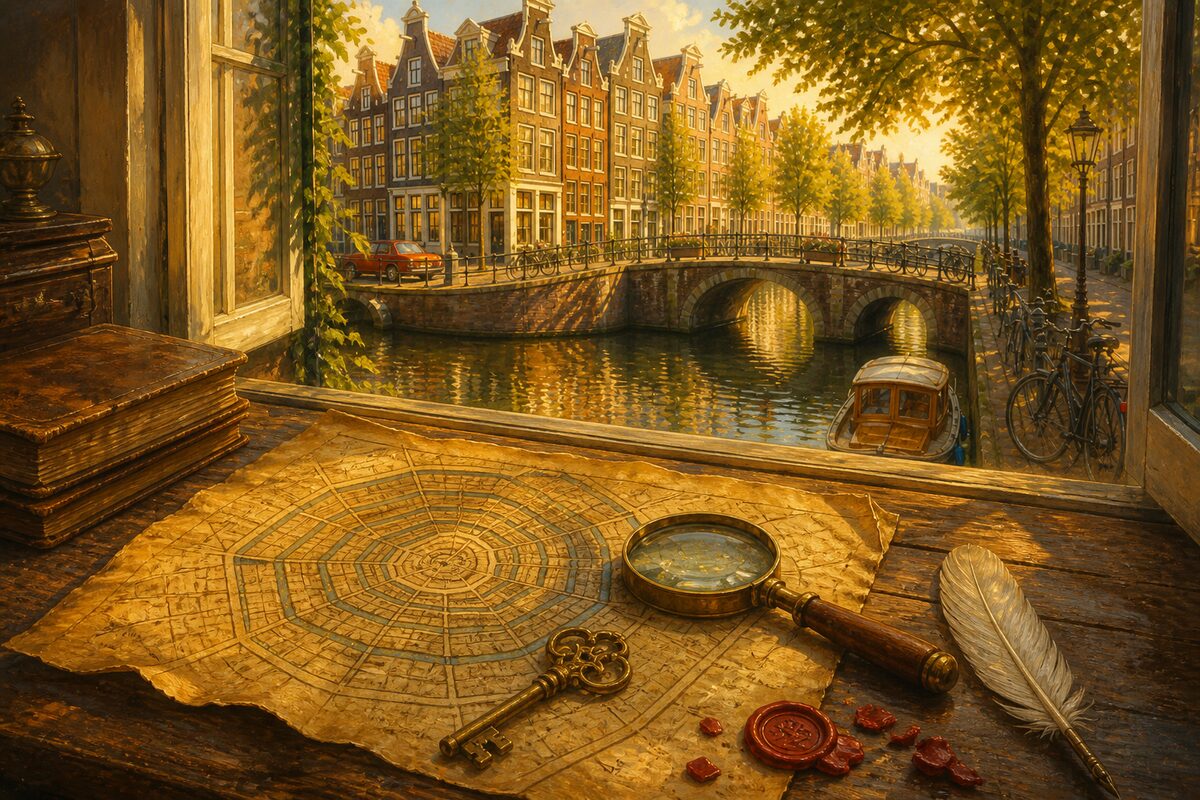
A merchant’s missing fortune is waiting to be traced through Amsterdam’s canals in The Canal Cipher. Follow his coded will, gather clues and work out a final answer to claim the treasure.
 FREE AUDIO TOUR
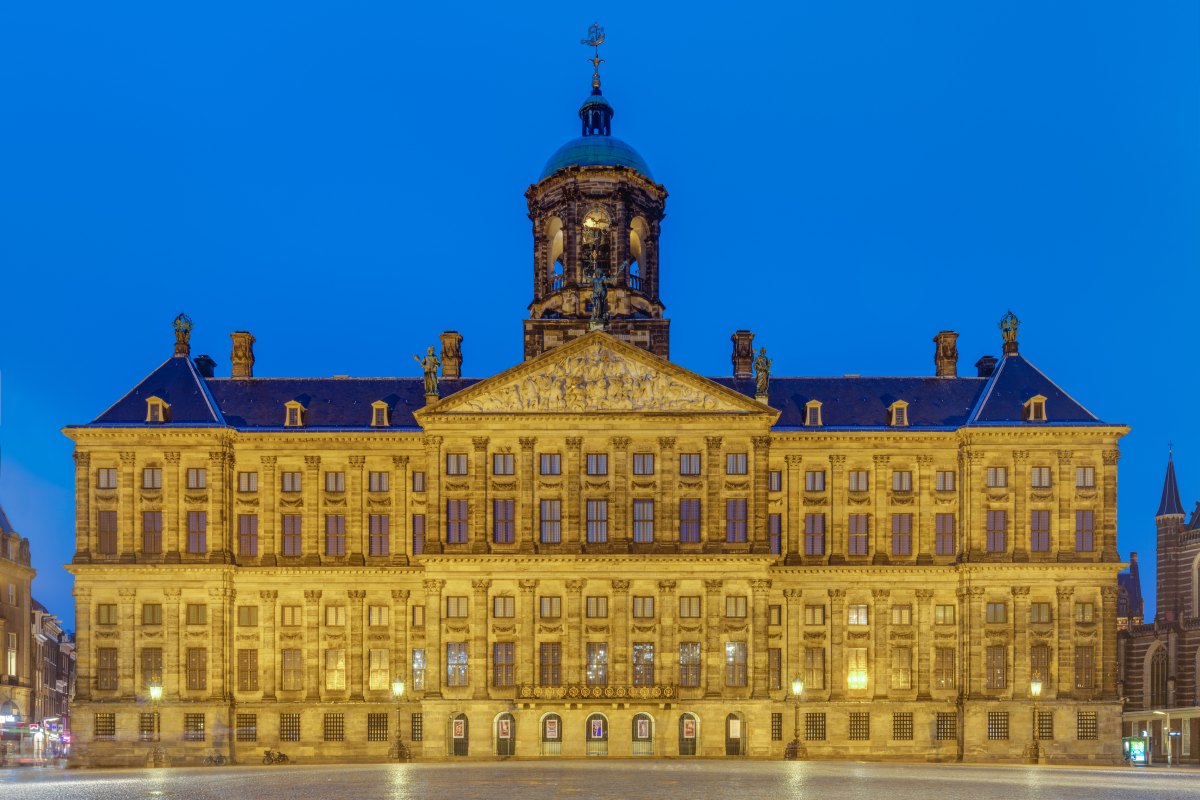
Amsterdam in a Day: Highlights Walk
Amsterdam’s canals and grand houses tell you how a trading city grew rich, but that is only half the story. If you have one day in Amsterdam, spend it on the streets where merchants, workers and people in hiding lived within walking distance of each other.
 FREE AUDIO TOUR
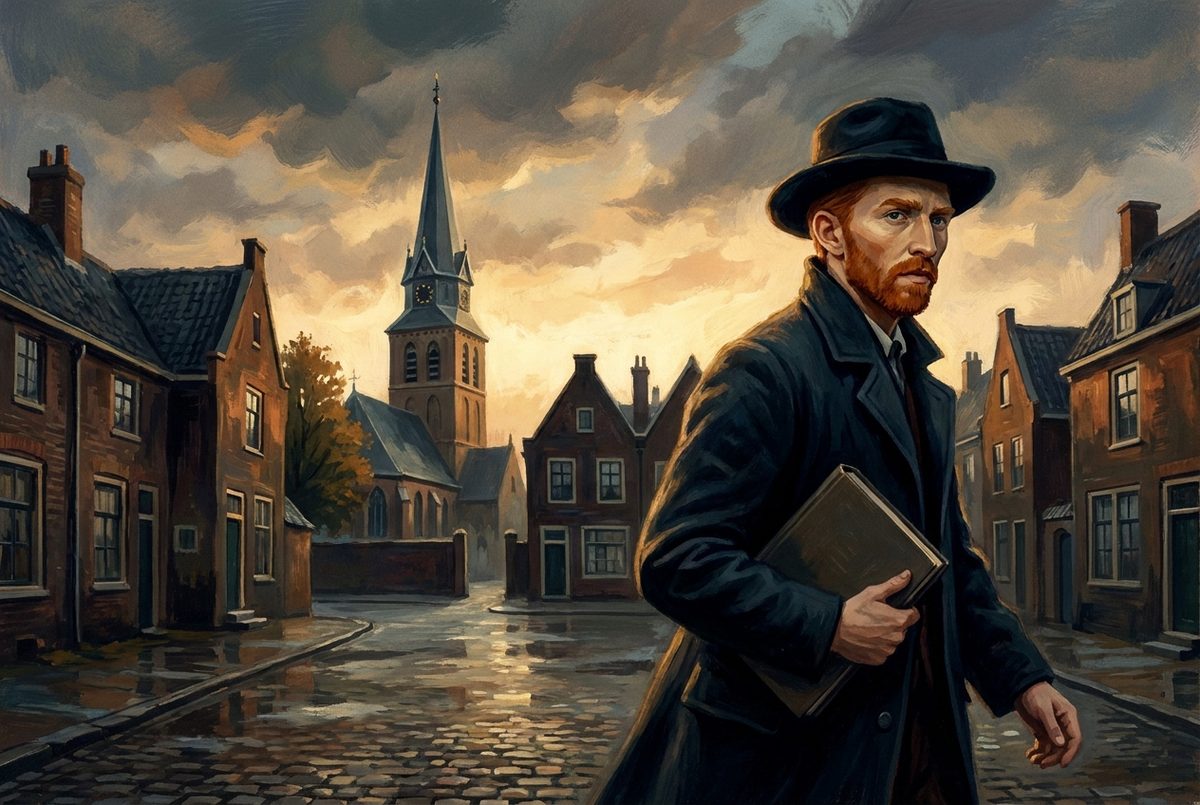
Van Gogh's Amsterdam
The man who painted Sunflowers lived in Amsterdam for just over a year, before he became an artist. You can still stand at the naval yard he called home and follow his Sunday walks across the city.