
MUSEUM
Houseboat Museum
A 1914 cargo ship turned houseboat, to see how people live on the canals.
A home people mistook for a museum
The Houseboat Museum began with visitors who had not been invited. In the mid-1990s, two tourists followed guests into Hilda’s birthday party aboard the houseboat she shared with Vincent van Loon. They thought it was a public attraction. Rather than simply an awkward interruption, their mistake gave Van Loon the idea for a museum.
Today, you can step aboard the Hendrika Maria, a 1914 cargo ship turned canal home, to answer the question those tourists were asking: what is it like inside? From the quay, a houseboat gives little away. Here, the point is to cross that boundary and look at the space as somewhere people have actually lived. Unlike an open boat cruise, this visit keeps your attention on one vessel and the lives contained within it.
Timber, bricks and a wartime sinking
Before it became a home, the Hendrika Maria carried materials for other people’s buildings. A 2022 account in Binnenkrant describes its work around 1914: taking timber from Amsterdam to customers near Rheden, then bringing bricks back for the growing city. Think of it as part of the working infrastructure behind the canal streets, rather than simply a picturesque boat.
There is a surviving clue to that trade on land. A large tile panel on the façade at Prinsengracht 469 marks a former timber merchant. It gives the boat’s cargo story a concrete connection to the street around you. The contrast with the grand merchant houses of the Golden Bend is useful: this vessel belonged to the world that moved building materials, not the world that displayed wealth.
Its history also includes a deliberate attempt to send it underwater. In 1944, brothers Ties and Bernard de Beijer tried to sink the Hendrika Maria to keep it out of German hands. The boat was raised after the war. The vessel you enter survived both that intervention and its later change of purpose.
A family in one small cabin
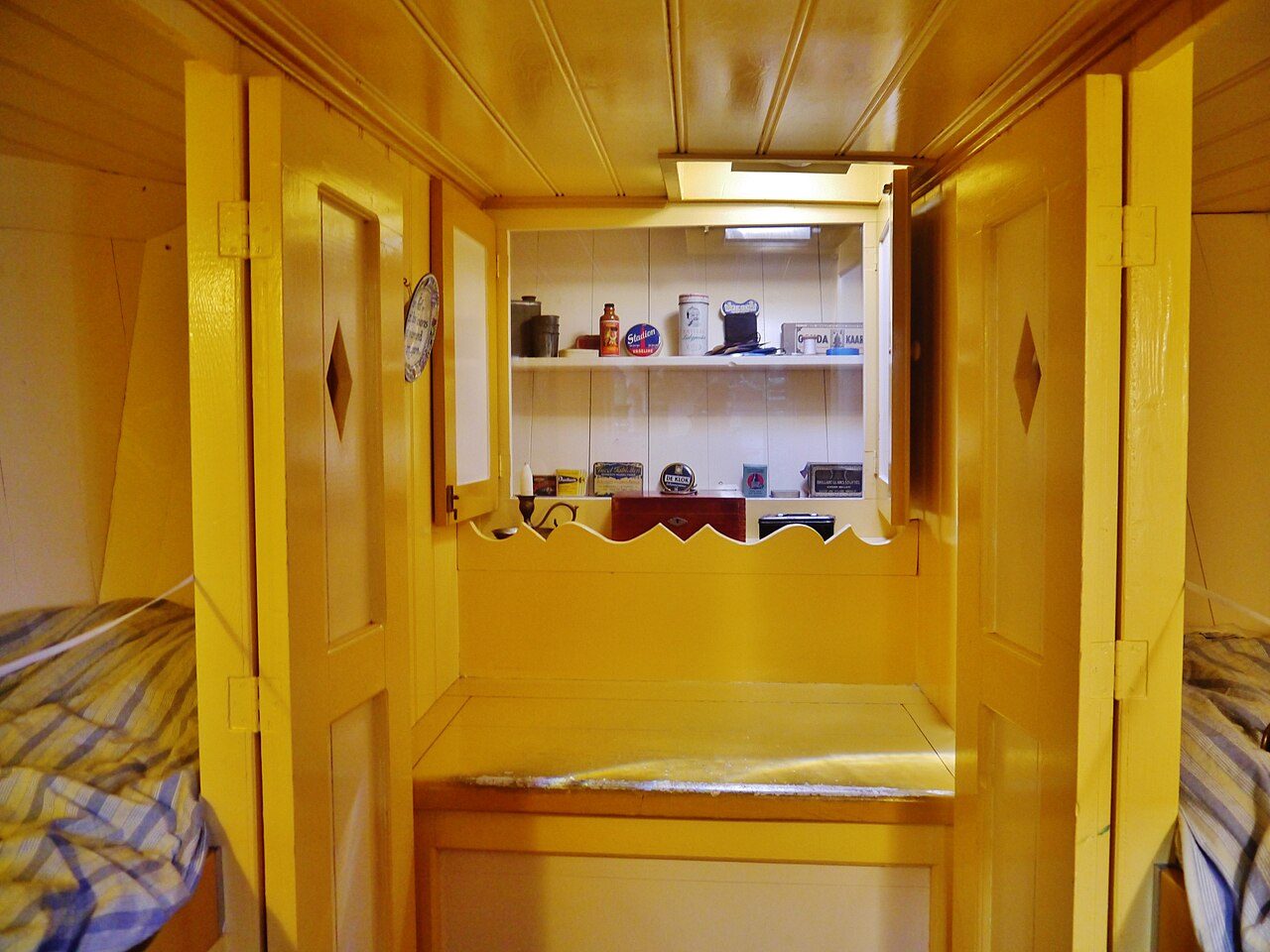
Give the tiny skipper’s cabin your attention. It was preserved as a tribute to the boat’s working past. In 1999, De Telegraaf described a box bed shared by the skipper, spouse and children, a little gas stove that served as the kitchen, and space for just one chair.
Those details make the scale understandable. Try to picture preparing food, getting children into bed and finding somewhere to sit within that limited room. This was not simply a workplace with sleeping quarters attached. It held a family’s domestic life alongside the business of carrying cargo.
A painter above and below deck
The boat’s later residents left another kind of history. In 2021, Vincent van Loon recounted a discovery about the painter Herman Stoel, who had lived aboard: Stoel had worked both on the deck and in the hold, and had painted the Hendrika Maria itself.
Keep that double view in mind as you look around. The boat was both his working space and his subject. Cargo carrier, cramped family quarters, painter’s home and museum are not separate places here. They are successive lives of the same hull.
Things to know
- The museum is on the Prinsengracht, about six minutes on foot from Westerkerk.
- Allow around half an hour to look around without rushing.
- Wear comfortable shoes for boarding and moving around the boat.
- Give the skipper’s cabin a close look; its small domestic details tell much of the story.
- Opening hours and prices can change. Check the official website before you go. Official website
What people say
Related spots
More things to do in Amsterdam ›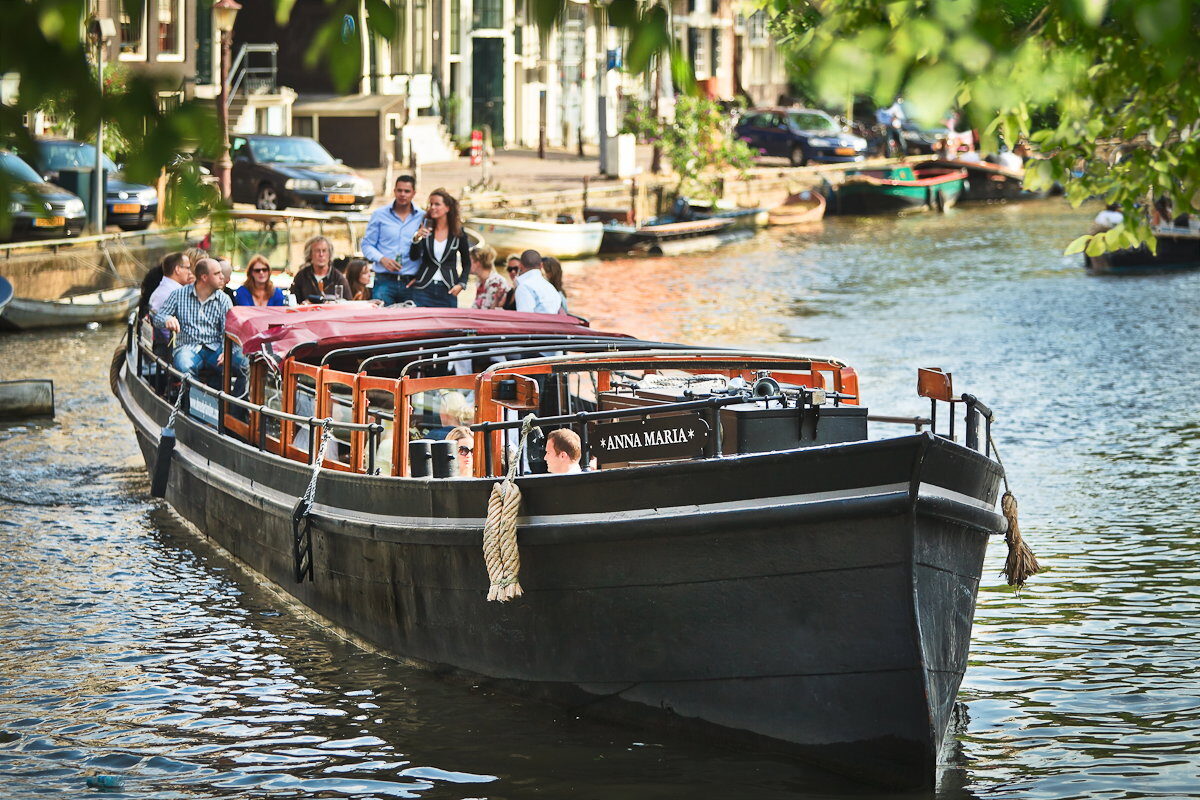
Open boat cruise with a guide
A small open boat with a live guide, slipping into canals the big boats cannot reach.
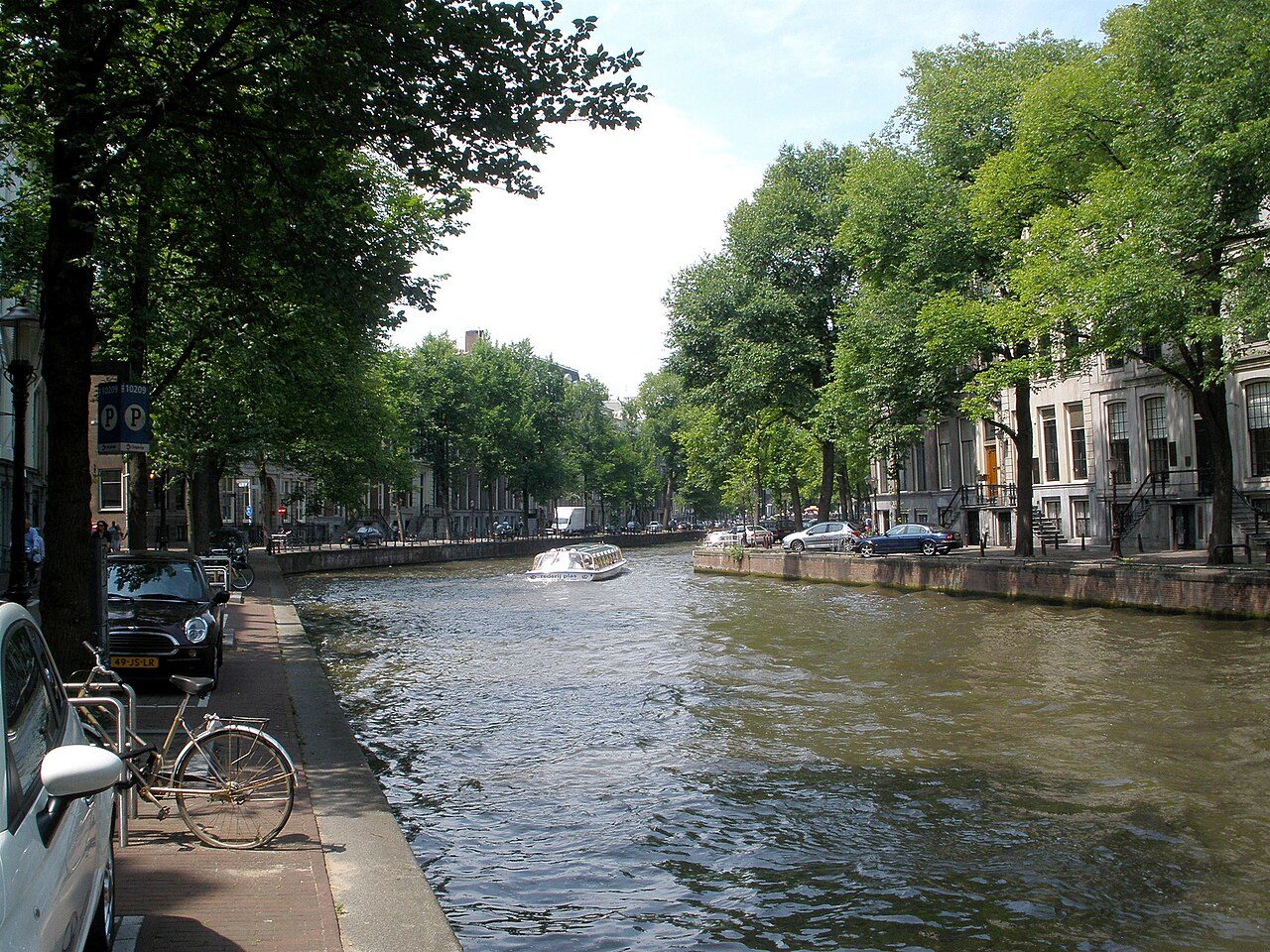
Gouden Bocht (Golden Bend)
The widest, grandest stretch of the Herengracht, where the richest merchants built double-wide mansions.
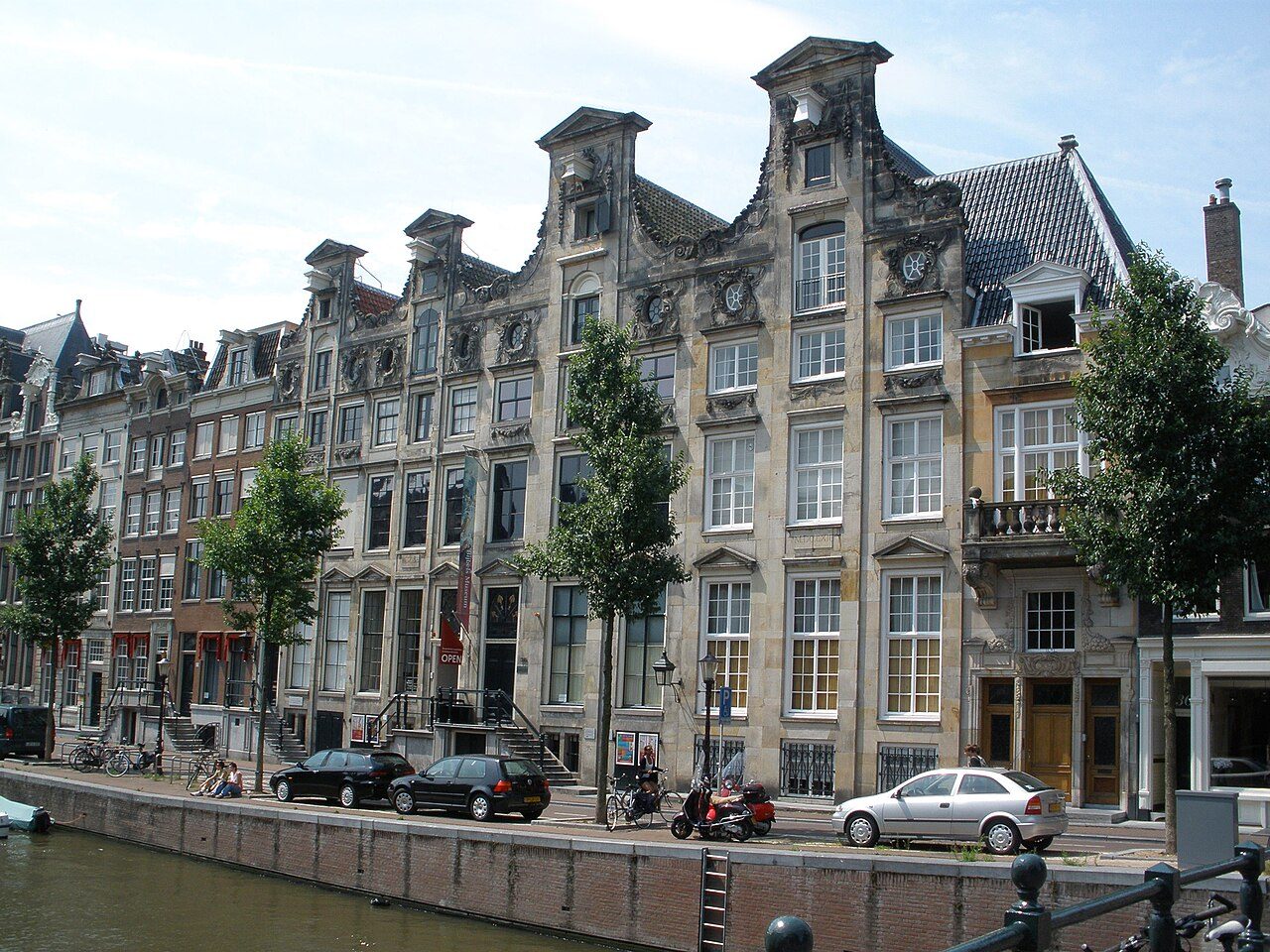
Bijbels Museum
The Bible Museum in two Vingboons canal houses on the Herengracht.
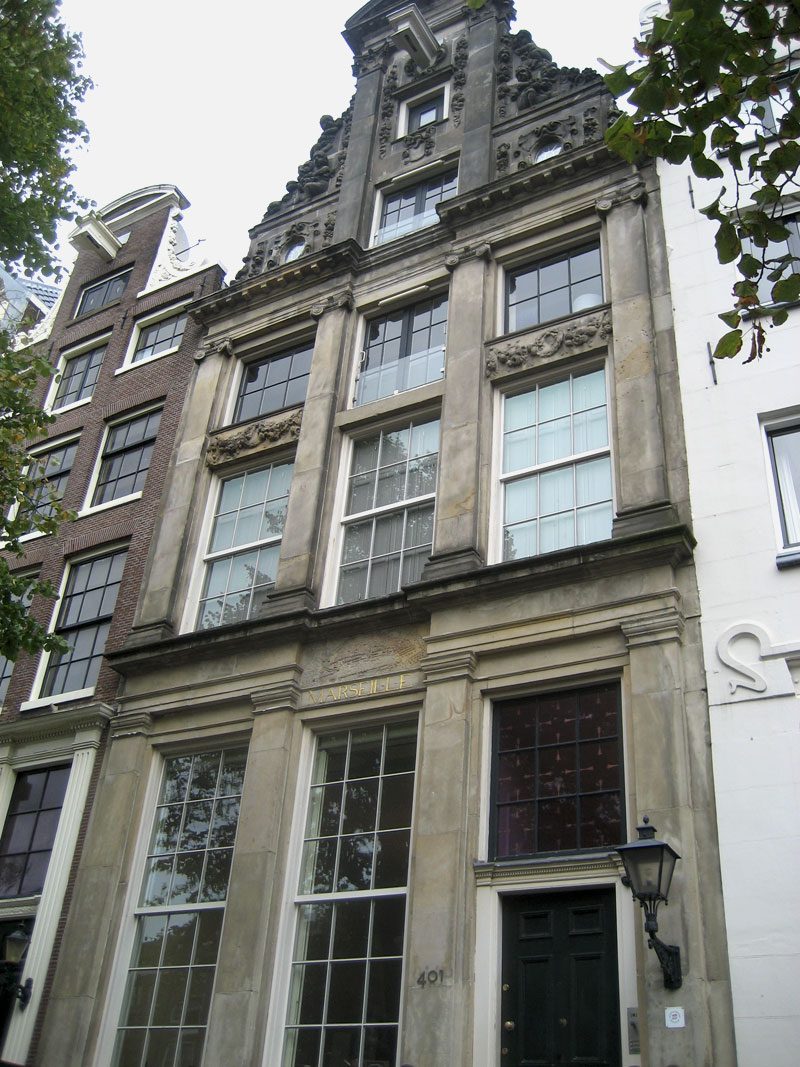
Huis Marseille
Photography in two 17th-century canal houses.
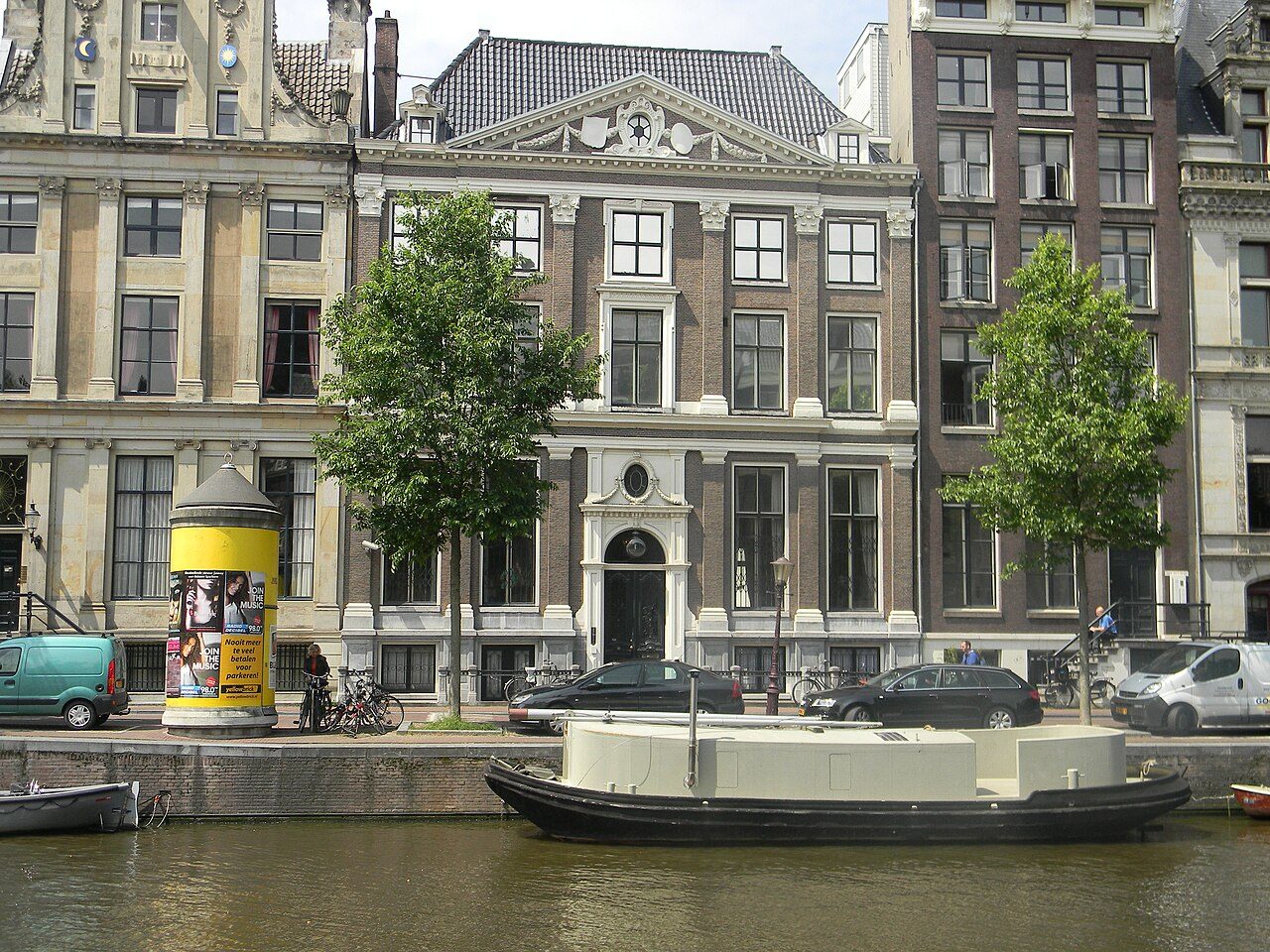
Het Grachtenhuis
The Museum of the Canals: how the canal ring was built, in a Herengracht house.
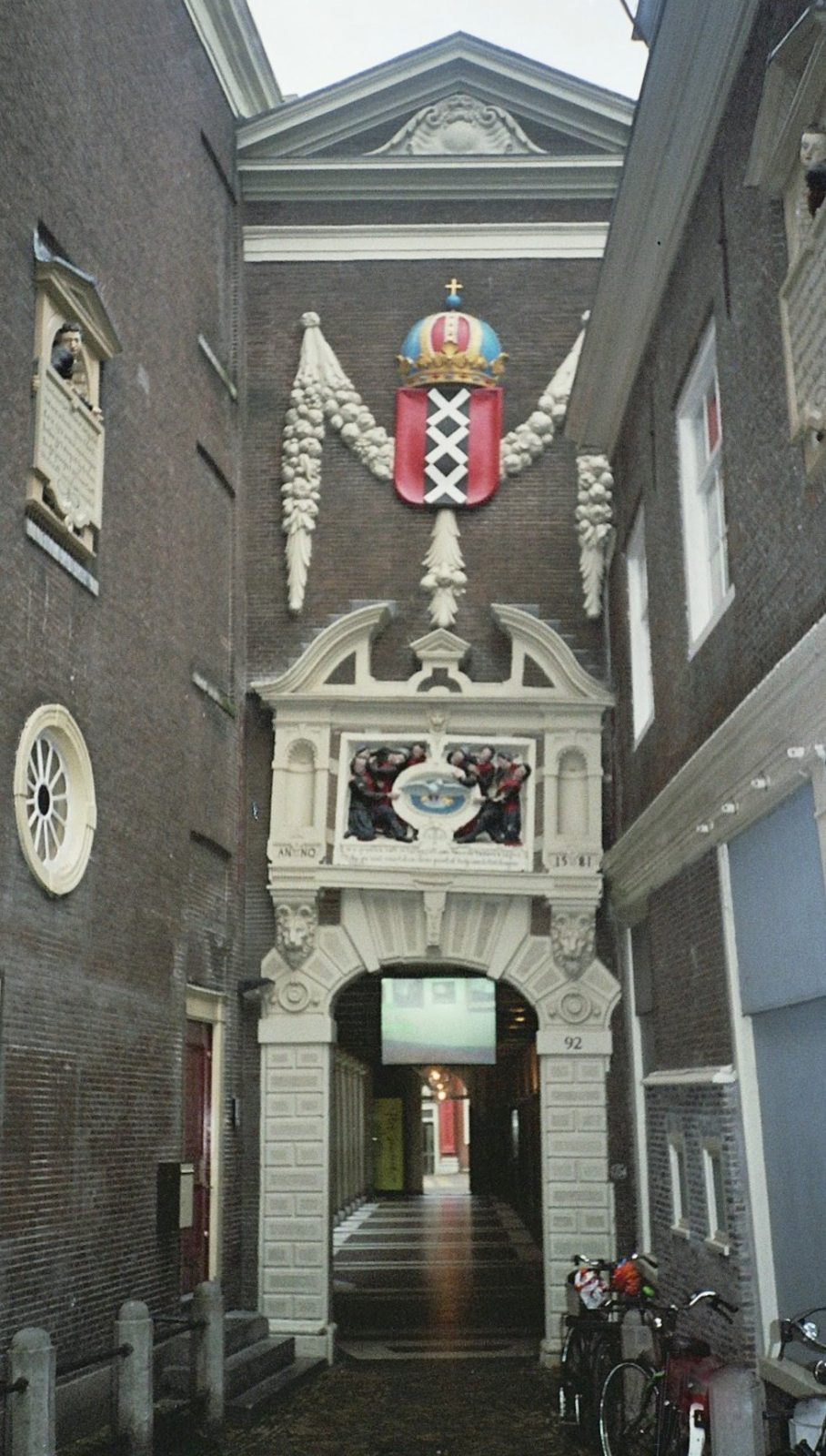
Amsterdam Museum
The city's own story, from fishing village to today.
Tours and quests that pass here
These walks have a stop a few minutes from Houseboat Museum. Free, on your phone, start any time.
 CITYQUEST
The Canal Cipher
A merchant’s missing fortune is waiting to be traced through Amsterdam’s canals in The Canal Cipher. Follow his coded will, gather clues and work out a final answer to claim the treasure.
 FREE AUDIO TOUR
Amsterdam in a Day: Highlights Walk
Amsterdam’s canals and grand houses tell you how a trading city grew rich, but that is only half the story. If you have one day in Amsterdam, spend it on the streets where merchants, workers and people in hiding lived within walking distance of each other.
 FREE AUDIO TOUR
Amsterdam Ghost Tour
Amsterdam’s ghost stories belong to real streets, where crowds waited for spirits and families went out to look at hanging bodies. You can stand in those places today, with canal water beside you and old church towers overhead.