
MUSEUM
Amsterdam Museum
The city's own story, from fishing village to today.
A city museum in several places
Amsterdam Museum tells the story of the city, from its beginnings to life today. For Amsterdam’s 750th anniversary in 2025, the museum and entrepreneur Duncan Stutterheim created Amsterdam in Motion at Westergas. Its model contains 30,500 individually placed buildings. Projections take visitors through the city’s past and future, showing how a settlement around the Amstel became the city outside.
Before walking to the familiar Kalverstraat address, know that the former orphanage is undergoing renovation. The museum now works through presentations with partners across Amsterdam. Its stay at H’ART Museum ended in late 2025. At the end of that year, a return to Kalverstraat was expected in 2029. Check which location holds the presentation you want to see.
How Amsterdam kept its past
The museum opened in the Waag in 1926 and moved into the former Burgerweeshuis in 1975. Its collection has much older roots. Historical objects were already being kept in the city hall in the 16th century. After objects survived the old town hall fire of 1652, poet Joost van den Vondel wrote in 1655 that the city’s very soul had been preserved.
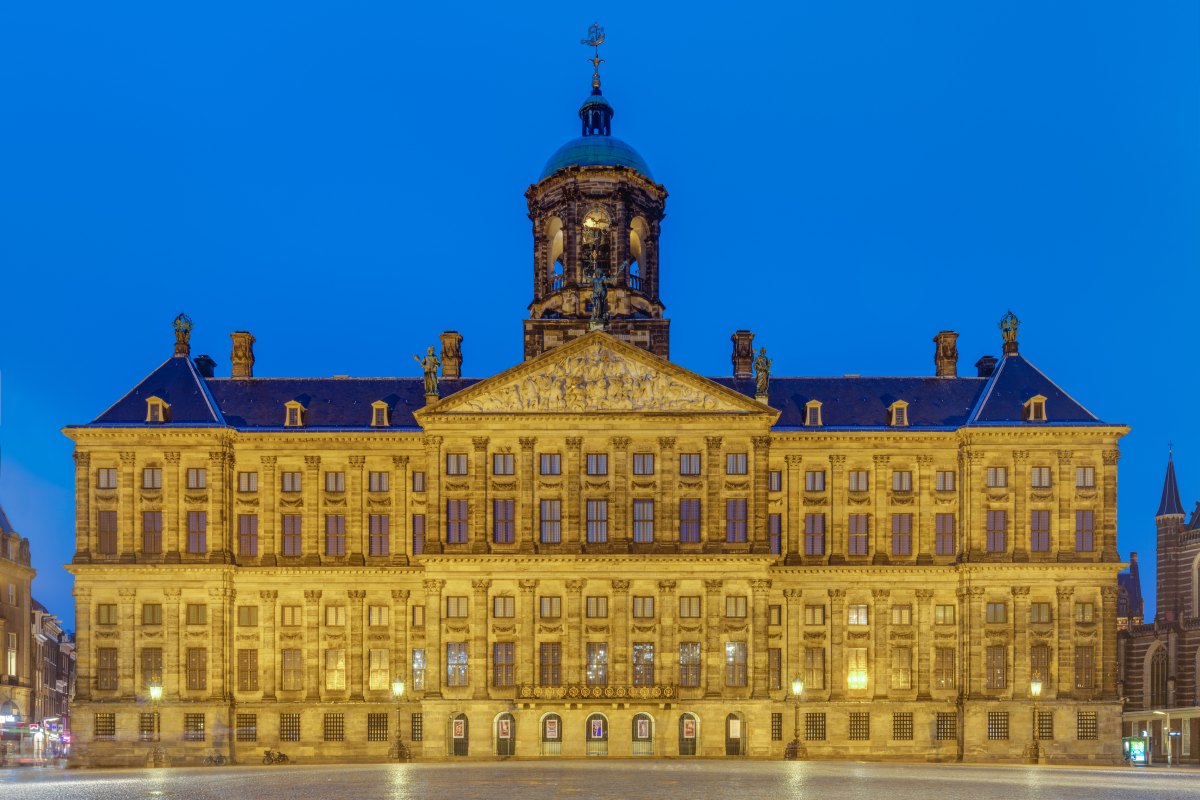
The later town hall, now the Royal Palace on Dam Square, also housed municipal collections. Paintings and objects moved between institutions before Amsterdam gained a separate history museum.
This is not simply a celebration of wealthy merchants. In 2019, the museum stopped using “Golden Age” as its label for the 17th century. It argued that the phrase obscured poverty, war, forced labour and human trafficking. That decision helps explain its approach: ask whose version of Amsterdam you are looking at.
The children behind the walls
The Kalverstraat complex was once the Sint-Luciënklooster. The Burgerweeshuis moved here in 1579 and remained until 1960. It admitted orphans whose parents had held Amsterdam citizenship. Boys learned trades; girls were taught needlework.
One unsettling story predates that move. In 1566, children at the orphanage screamed, spoke strangely and rolled on the ground, foaming at the mouth. Some witnesses thought they were possessed. The cause remains uncertain, so treat confident explanations with caution.
Daily discipline left clearer memories. In a recollection published by Ons Amsterdam in 2015, former resident Jaap Brinkman described children sitting before their bread until permission came to eat. He secretly picked out the lower slice, leaving its crust in place to disguise what he had done.
Paulina Sophia Roos never left the institution. She lived out her life in a room overlooking Nieuwezijds Voorburgwal. When she died in 1958, aged 76, her death notice proudly described her as the Burgerweeshuis’s last official orphan.
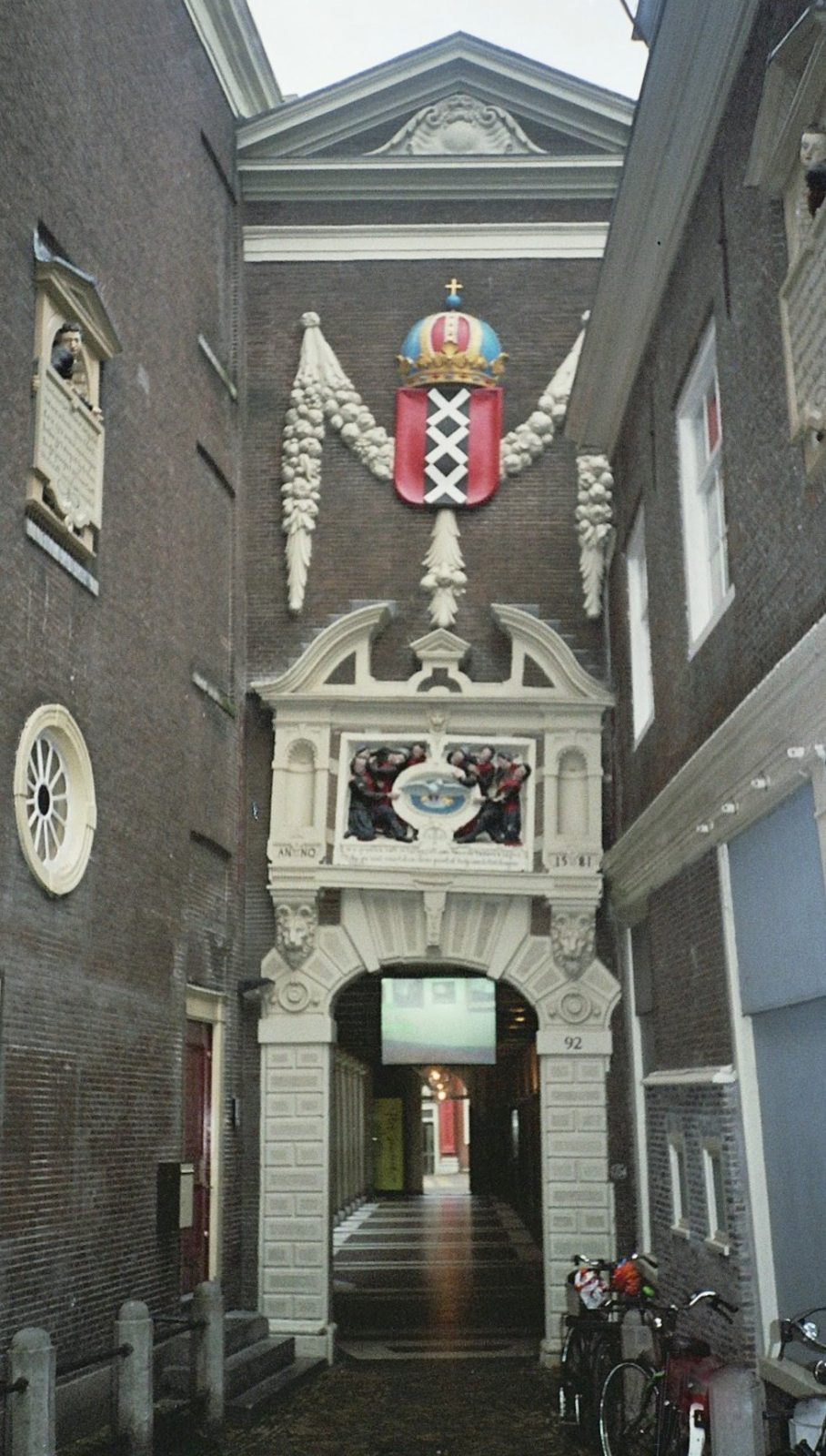
Look above the Kalverstraat gate
At the historic site, look up rather than expecting the old museum displays. Above the Kalverstraat gate is a relief attributed to Joost Jansz Bilhamer. Its 1581 design shows eight orphans gathered around a dove. A verse by Vondel was added later, asking people passing the gate to help support the children.
Like the rescued house signs on the gable-stone wall on Sint Luciënsteeg, this is an image made to communicate from a building to the street. Here the message is an appeal for care. After the stories of bread, discipline and lifelong residence, those small carved children deserve a long look.
Things to know
- For the historic building, walk from Dam Square to Kalverstraat.
- Check the museum’s current presentation locations before setting out.
- Amsterdam in Motion is at Westergas, not Kalverstraat.
- At the Kalverstraat gate, look above the entrance for the orphan relief.
- Opening hours and prices can change. Check the official website before you go. Official website
What people say
Related spots
More things to do in Amsterdam ›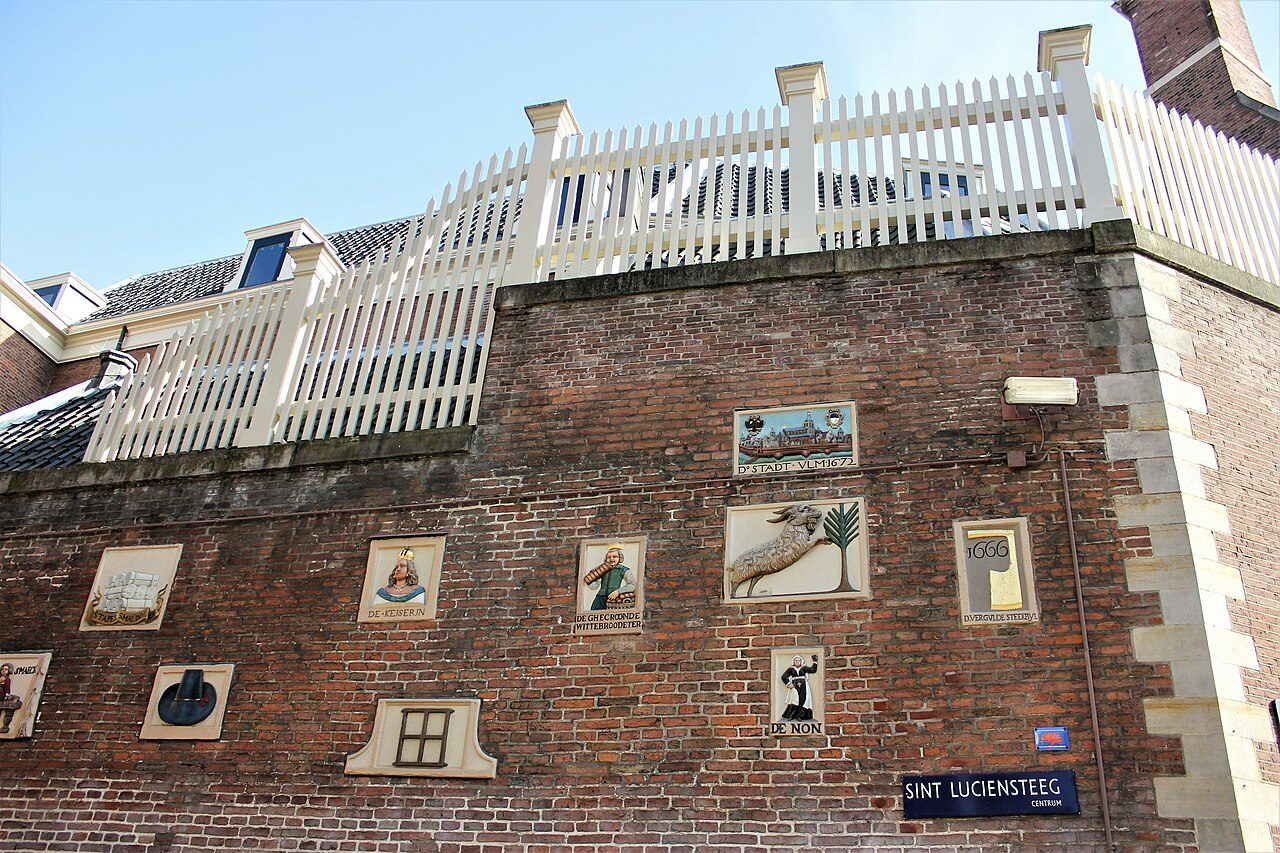
Gable stone wall (Sint Luciënsteeg)
A whole wall of rescued gable stones, the picture house numbers Amsterdam used before street numbers.
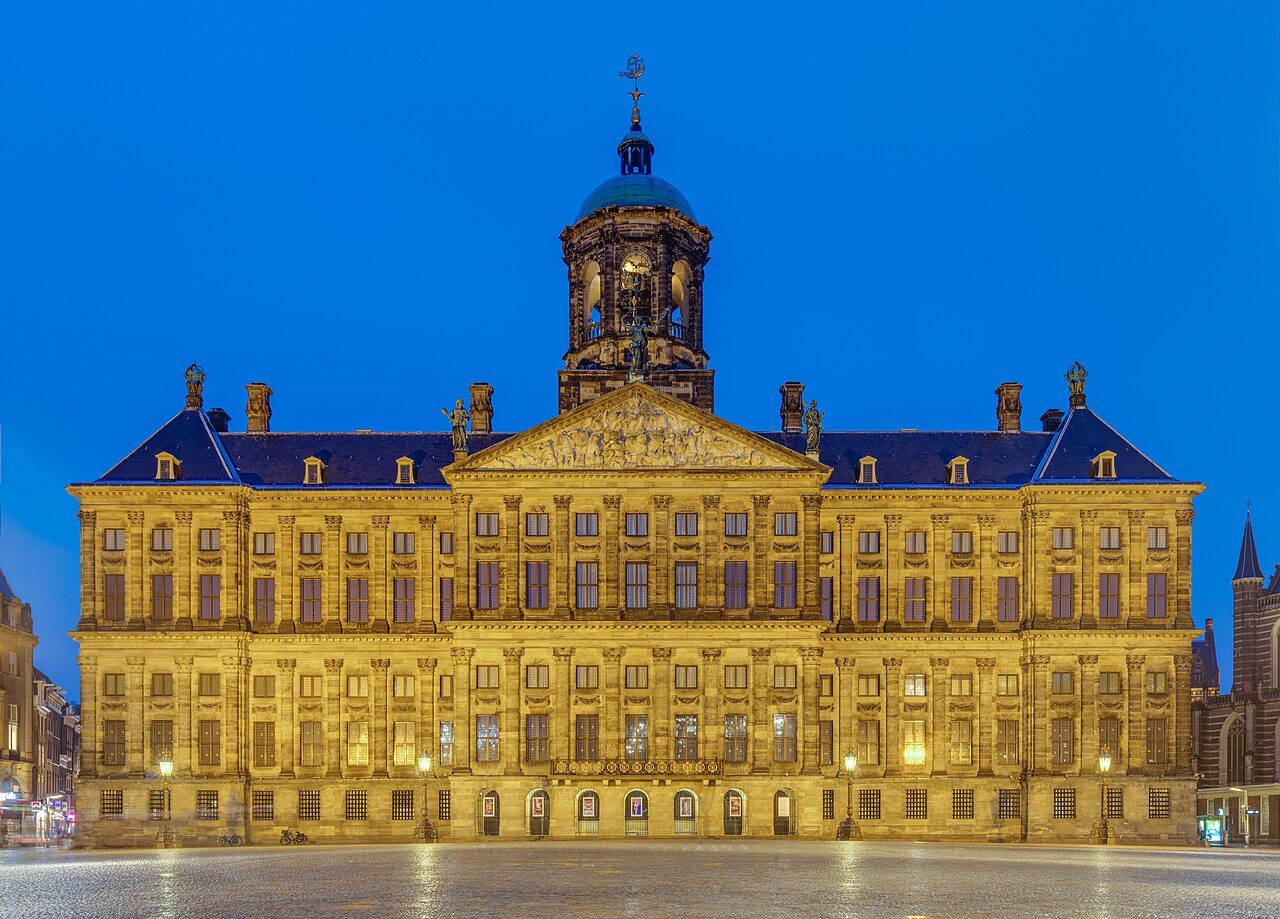
Royal Palace Amsterdam
The 17th-century city hall on Dam Square that became a royal palace; the citizens' hall inside is open to visit.
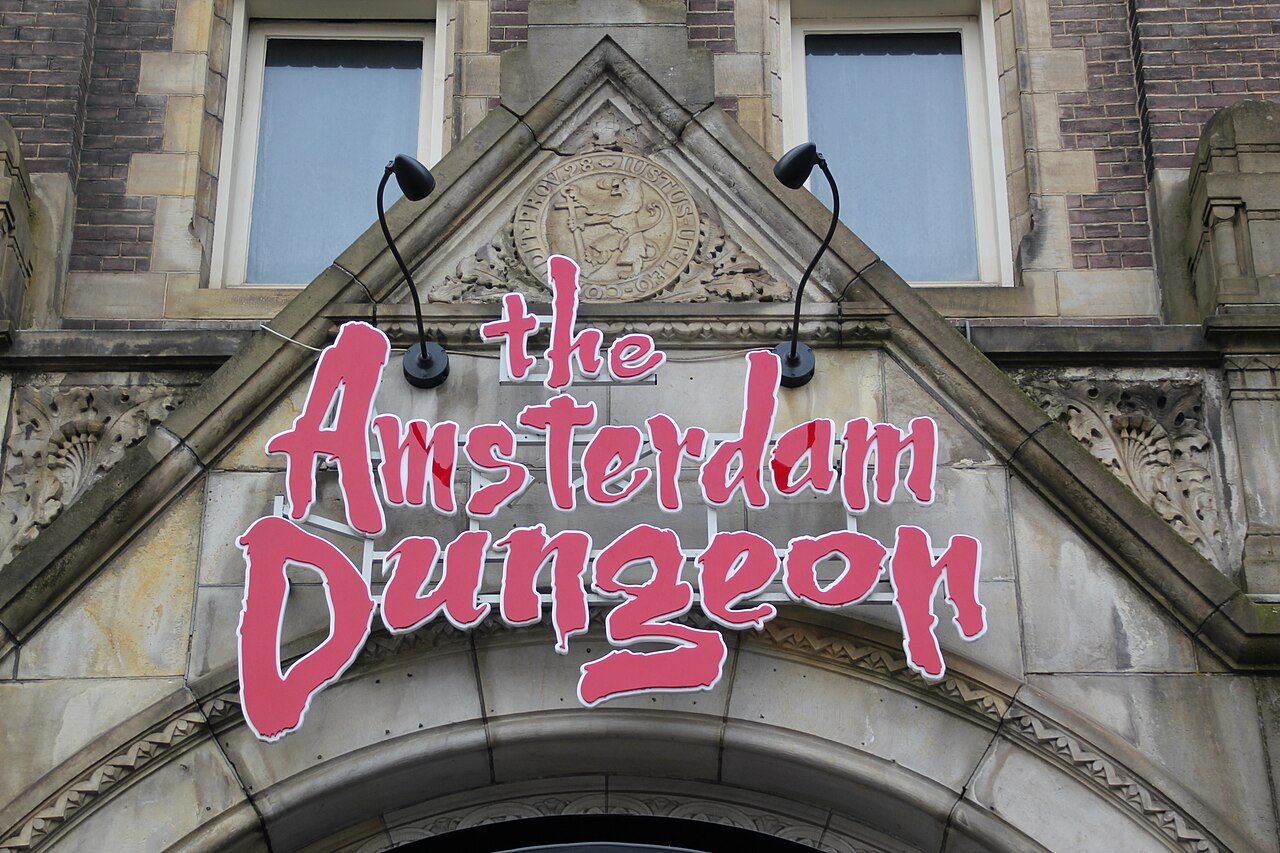
The Amsterdam Dungeon
Live actors and darkly funny scenes bring Amsterdam tales to life inside a former chapel on the Rokin.
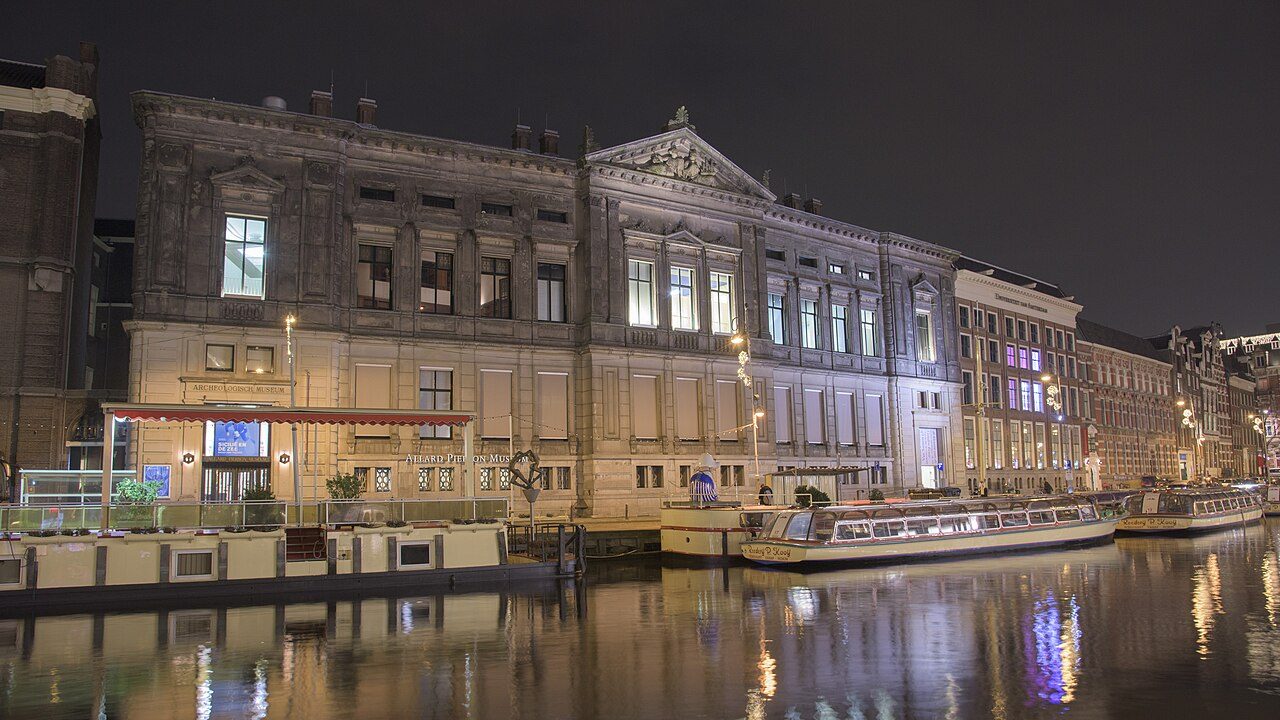
Allard Pierson
The University of Amsterdam's museum of antiquity, maps and books.
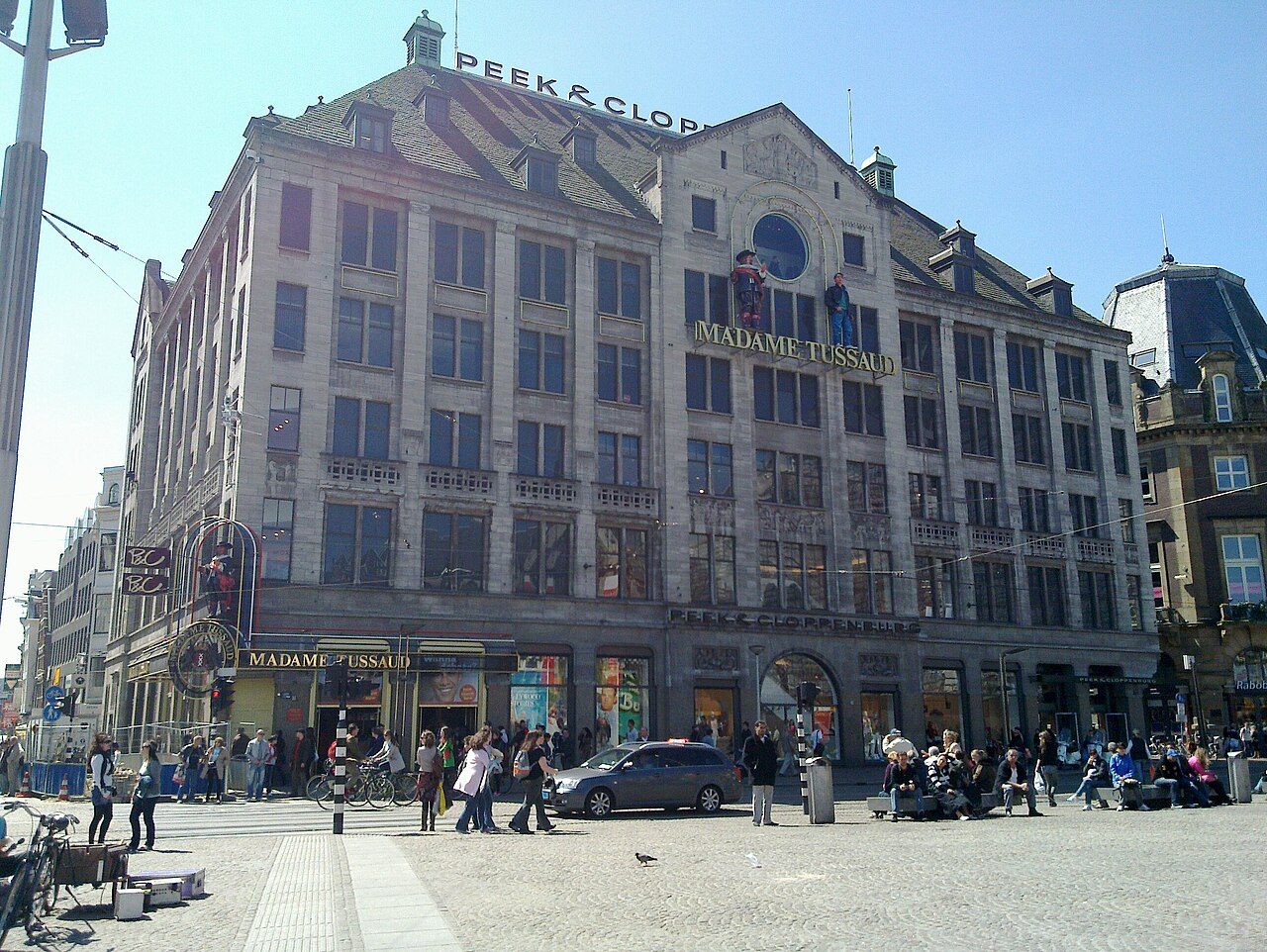
Madame Tussauds Amsterdam
Pose with lifelike stars on Dam Square, then look closer at the craft behind their wax faces.
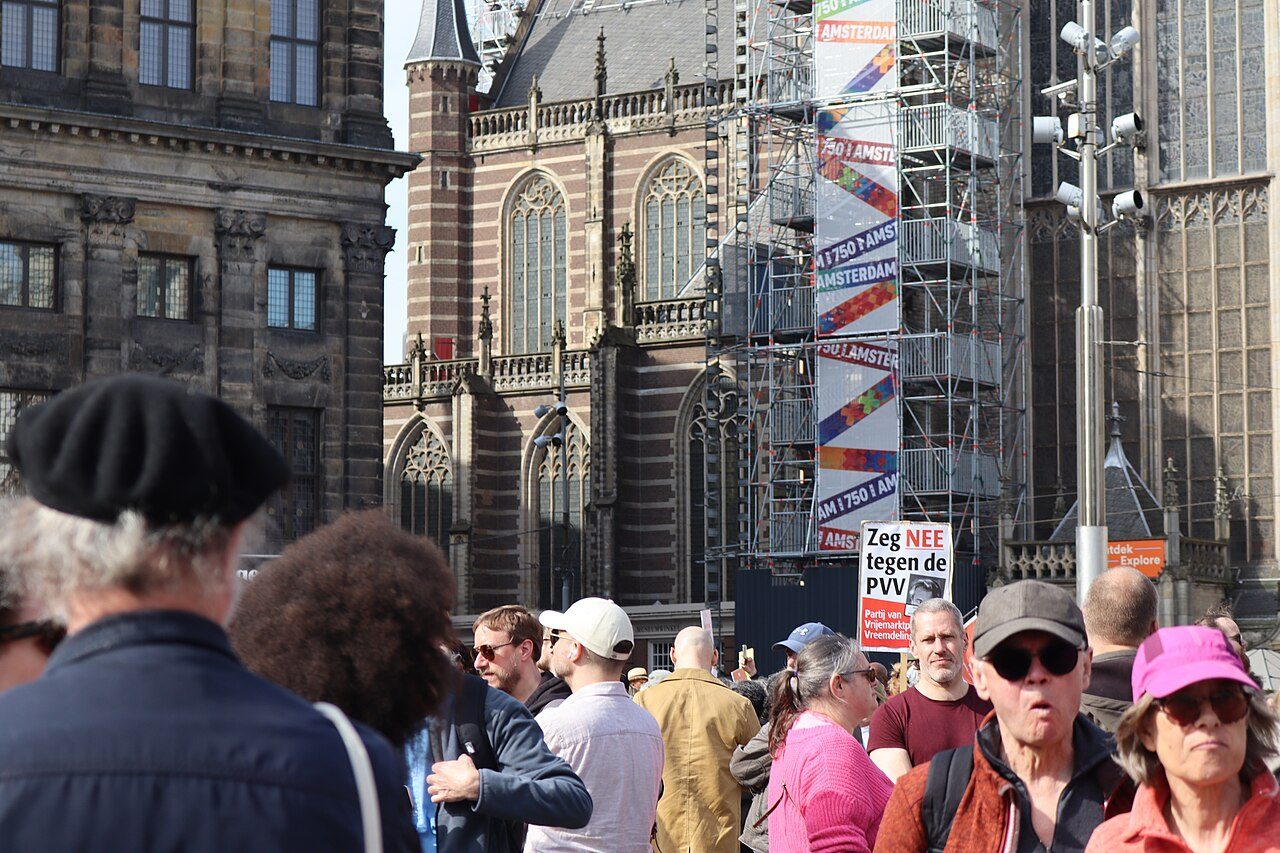
Ripley's Believe It or Not Amsterdam
Oddities and illusions on Dam Square.
Tours and quests that pass here
These walks have a stop a few minutes from Amsterdam Museum. Free, on your phone, start any time.
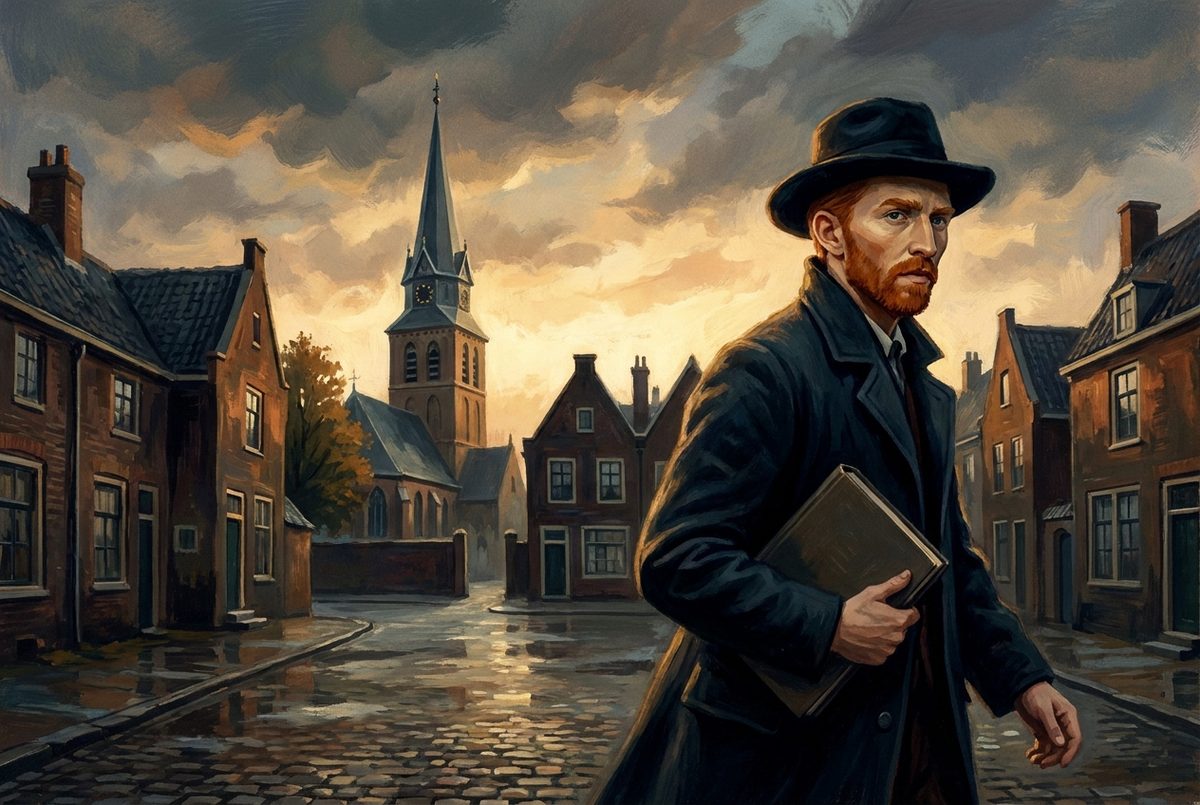 FREE AUDIO TOUR
Van Gogh's Amsterdam
The man who painted Sunflowers lived in Amsterdam for just over a year, before he became an artist. You can still stand at the naval yard he called home and follow his Sunday walks across the city.
 FREE AUDIO TOUR
Amsterdam in a Day: Highlights Walk
Amsterdam’s canals and grand houses tell you how a trading city grew rich, but that is only half the story. If you have one day in Amsterdam, spend it on the streets where merchants, workers and people in hiding lived within walking distance of each other.
 FREE AUDIO TOUR
Amsterdam Ghost Tour
Amsterdam’s ghost stories belong to real streets, where crowds waited for spirits and families went out to look at hanging bodies. You can stand in those places today, with canal water beside you and old church towers overhead.