
MUSEUM
Allard Pierson
The University of Amsterdam's museum of antiquity, maps and books.
Follow the money rail
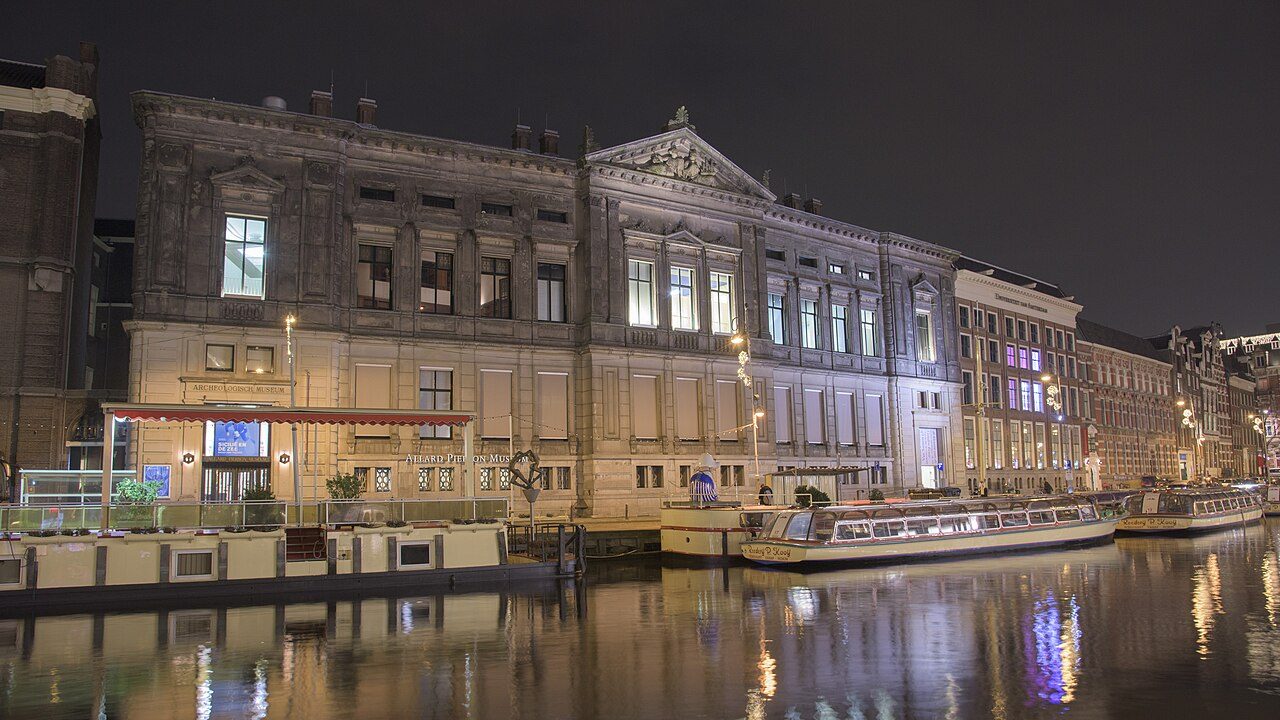
At the Allard Pierson, a rail still runs from the quay into the entrance hall. It once carried carts of money into the Dutch central bank. Today, this building on Oude Turfmarkt holds the University of Amsterdam’s collections, from Egyptian antiquities to maps and books. Architect W.A. Froger designed the bank, which opened in 1869. Before looking at the objects, look down: the building has its own story to tell.
The museum moved here in 1976, with Princess Beatrix attending the reopening on 6 October. But the site’s history goes much further back. The Nieuwe Nonnenklooster was founded here in 1402, beside a bend in the Amstel. That old river course determined the angle of a rear wall. Letters cut into the floor mark it. Like the excavated objects at Rokin’s Below the Surface display, these traces make Amsterdam’s past something you can inspect at close range.
From the Nile to the Amstel
The museum takes its name from Allard Pierson, the university professor who assembled plaster casts of ancient sculpture between 1877 and 1895. The archaeological museum opened in 1934. In 2019, it merged with the university’s Special Collections, bringing book history, cartography, theatre and graphic design into the same institution.
The permanent presentation, “From the Nile to the Amstel”, connects these collections through objects and their stories. Expect material from ancient Egypt, the Near East, Greece, Etruria and Rome, alongside the university’s wider cultural collections. The books have an academic home here, a connection also visible at the nearby Oudemanhuispoort book market.
Give the Greek pottery time. Black-figure and red-figure vessels from the sixth and fifth centuries BC reward a closer look at how figures stand out against their backgrounds. The collection also includes Egyptian mummies and sarcophagi, everyday utensils and models of ancient buildings.
When a loan became a dispute
In February 2014, the museum opened “Crimea – Gold and Secrets of the Black Sea”, with loans from five Ukrainian museums, four of them in Crimea. The following month, Russia annexed Crimea. Objects borrowed for an exhibition suddenly became the subject of an international ownership dispute.
The disputed Crimean objects remained in storage in the Netherlands until 2023. Following a Dutch Supreme Court ruling, they were sent to Ukraine. The Allard Pierson announced completion of the transfer on 27 November 2023. Director Els van der Plas described a case in which cultural heritage had become a victim of geopolitical developments. These were loans, not permanent acquisitions: their long stay here shows how events outside a museum can transform its responsibilities.
Copies that preserve what is lost
Some of the most revealing objects are copies. In 1975–76, director Jaap Hemelrijk brought plaster casts from an art academy in The Hague to Amsterdam. Among the collection is a cast of the Parthenon frieze preserving a rider’s head now missing from the original in London. A teaching copy can retain evidence that the ancient stone no longer carries.
Another record of antiquity is Gerard Hofsted van Essen’s broad panorama of Palmyra. He sketched the ruins during a visit in 1691, then worked those drawings into the painting. In 2019, conservators restored it here in front of visitors. Both painting and cast invite the same kind of looking: not just at an ancient place, but at how later people recorded and preserved it.
Things to know
- Head to Oude Turfmarkt 127; Rokin is a short walk away.
- Allow 1½ to 2 hours for the varied collections.
- Look down in the entrance hall for the former bank’s money rail.
- Ask about access to the plaster-cast gallery; the source specifies a guided tour.
- Opening hours and prices can change. Check the official website before you go. Official website
What people say
Related spots
More things to do in Amsterdam ›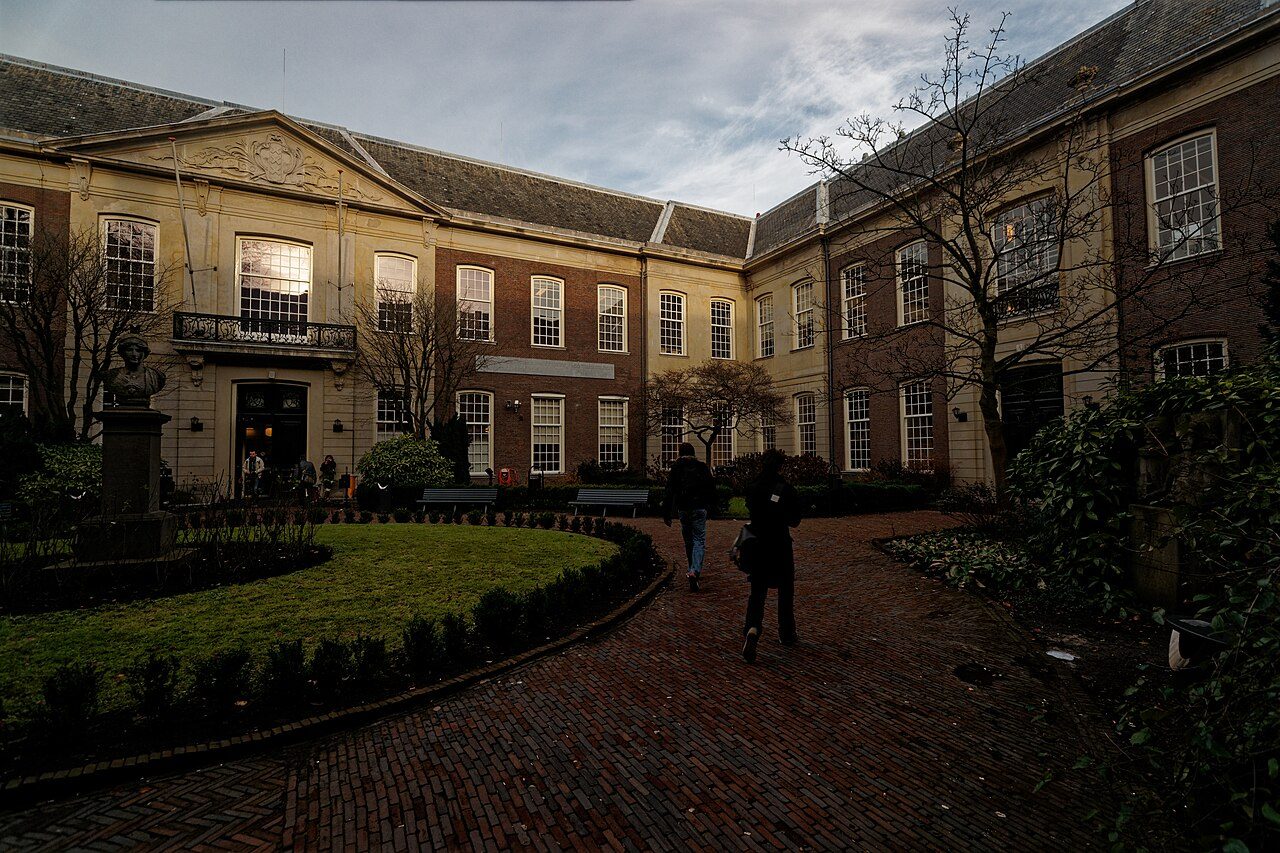
Oudemanhuispoort book market
Browse second-hand books in a covered university passage whose stalls became a book market in the 1870s.
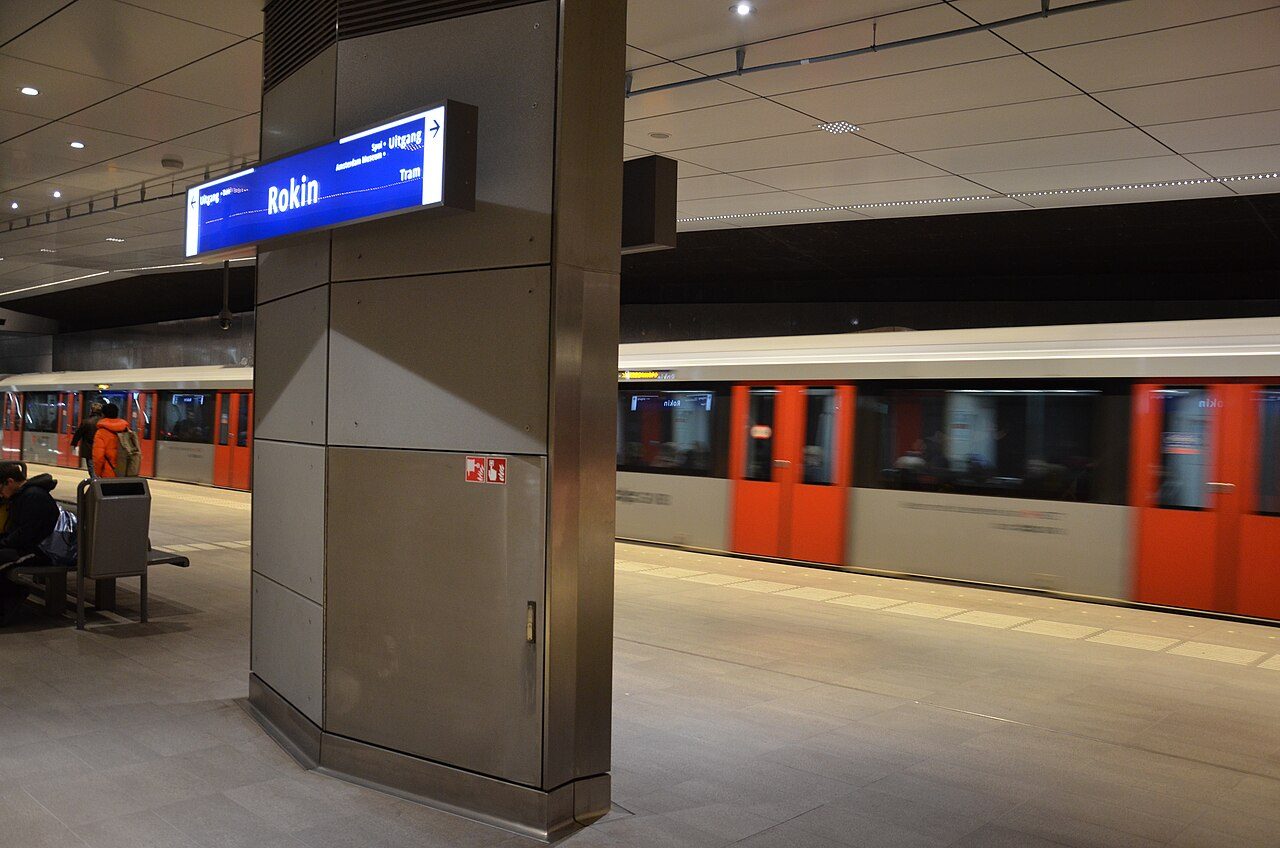
Below the Surface (Rokin metro)
Display cases in Rokin metro station with finds dug up for the line: keys, coins, toys and a 17th-century trumpet.
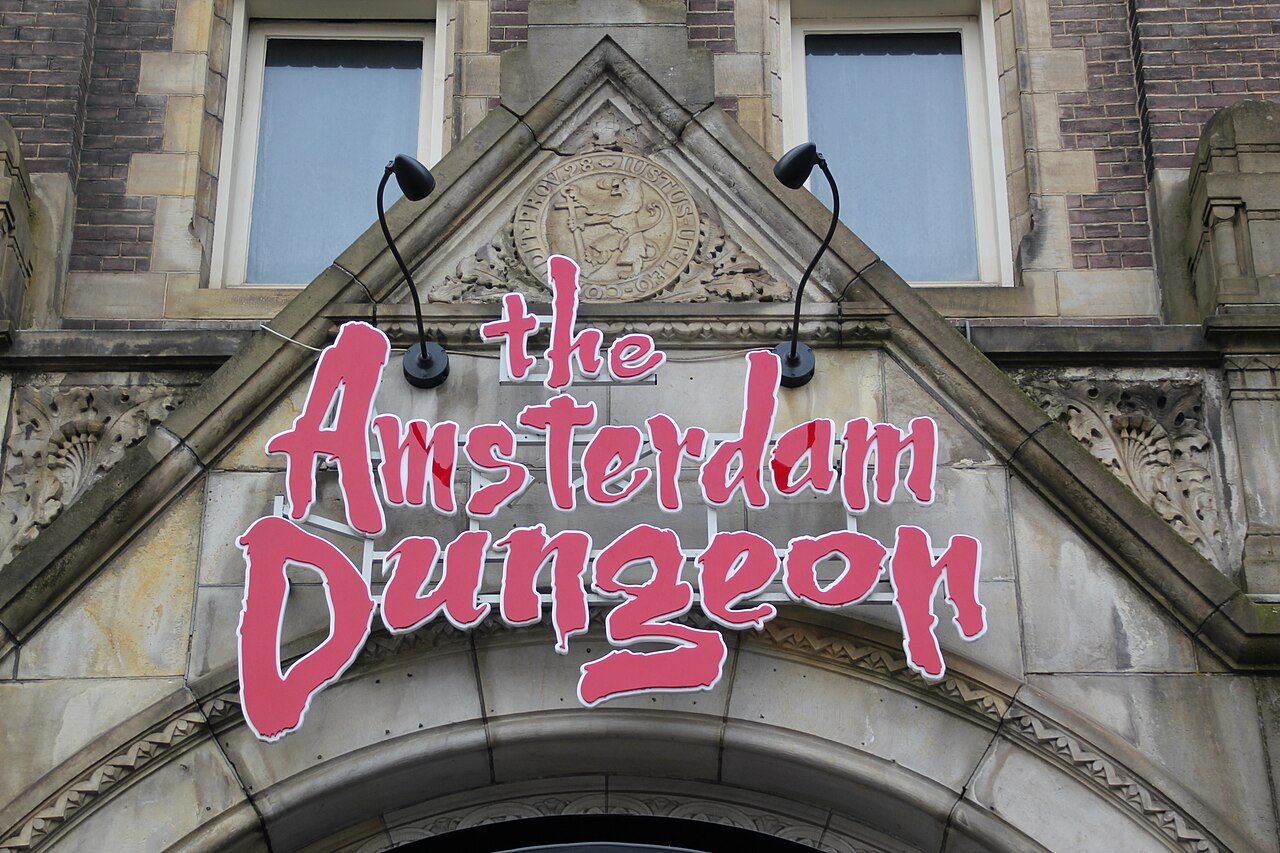
The Amsterdam Dungeon
Live actors and darkly funny scenes bring Amsterdam tales to life inside a former chapel on the Rokin.
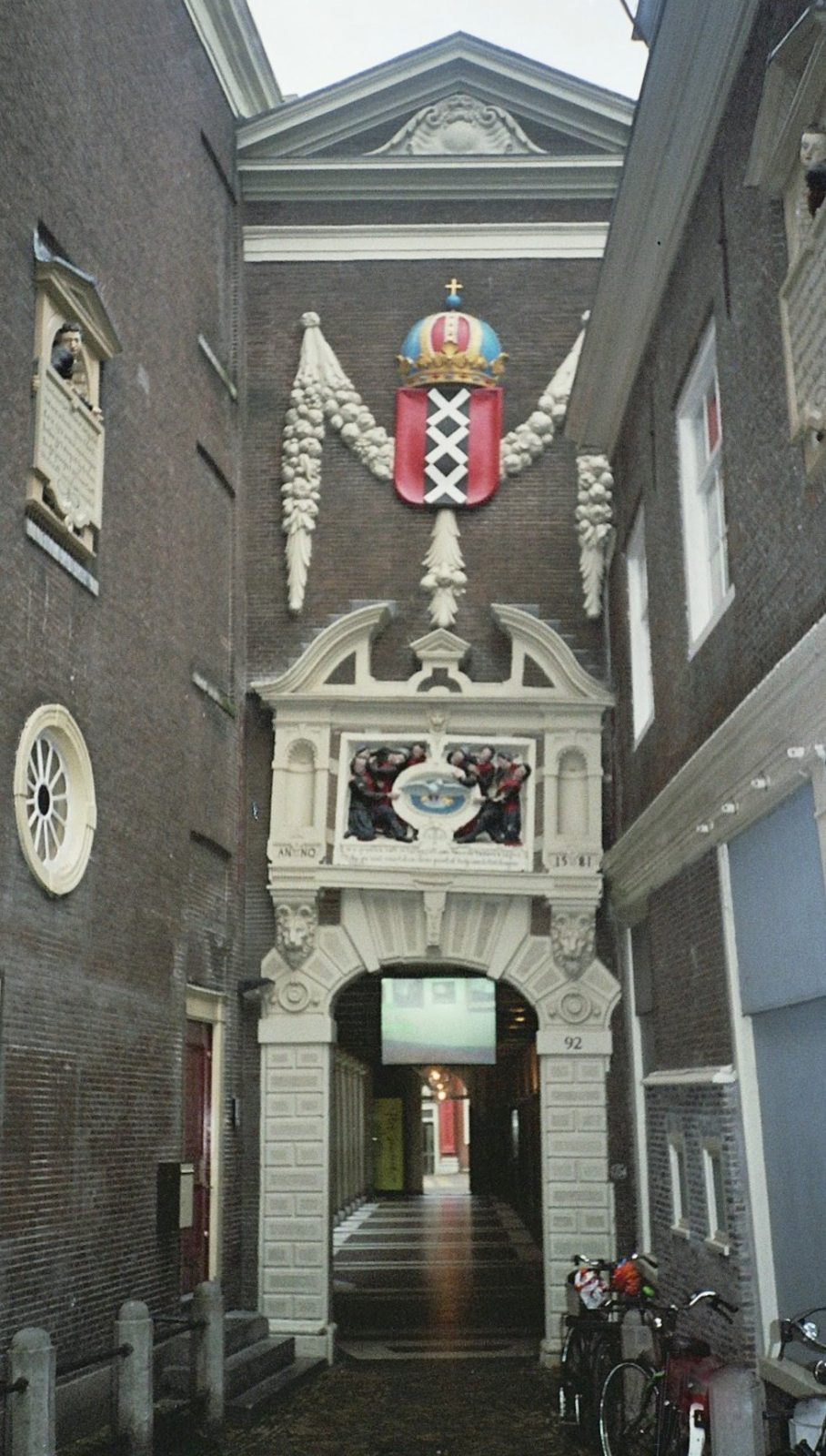
Amsterdam Museum
The city's own story, from fishing village to today.
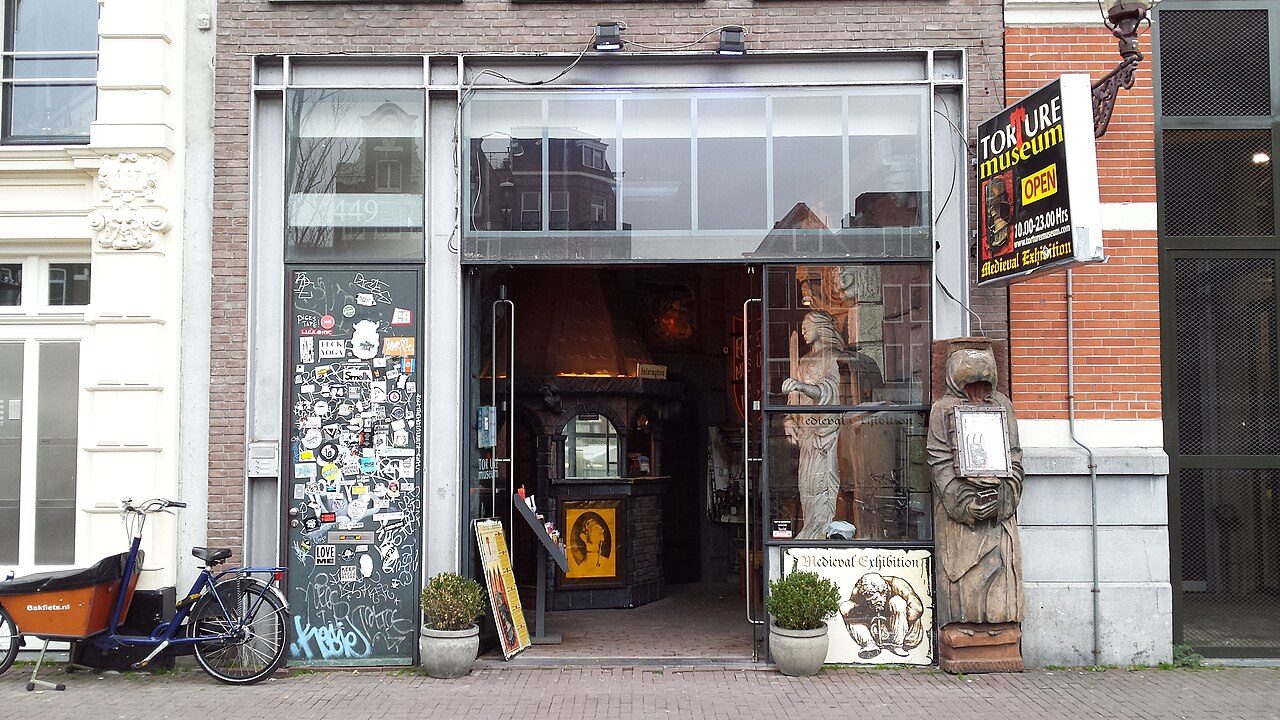
Torture Museum
More than 40 punishment devices, historical engravings and the uneasy stories behind them on Amsterdam’s Singel.
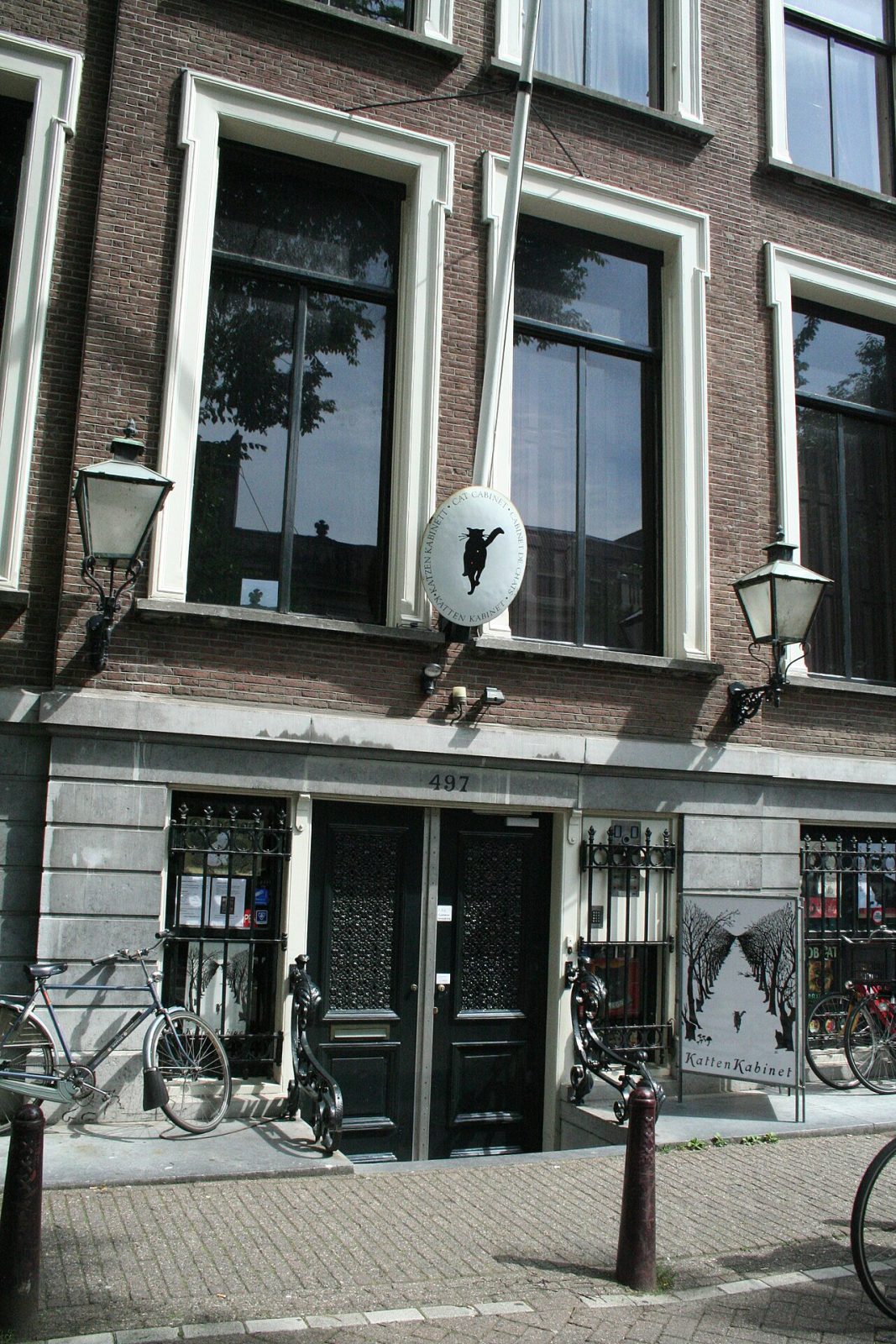
Cat Cabinet
Art about cats in a canal-side mansion, with resident cats walking the rooms.
Tours and quests that pass here
These walks have a stop a few minutes from Allard Pierson. Free, on your phone, start any time.
 CITYQUEST
The Canal Cipher
A merchant’s missing fortune is waiting to be traced through Amsterdam’s canals in The Canal Cipher. Follow his coded will, gather clues and work out a final answer to claim the treasure.
 FREE AUDIO TOUR
In Rembrandt's Footsteps
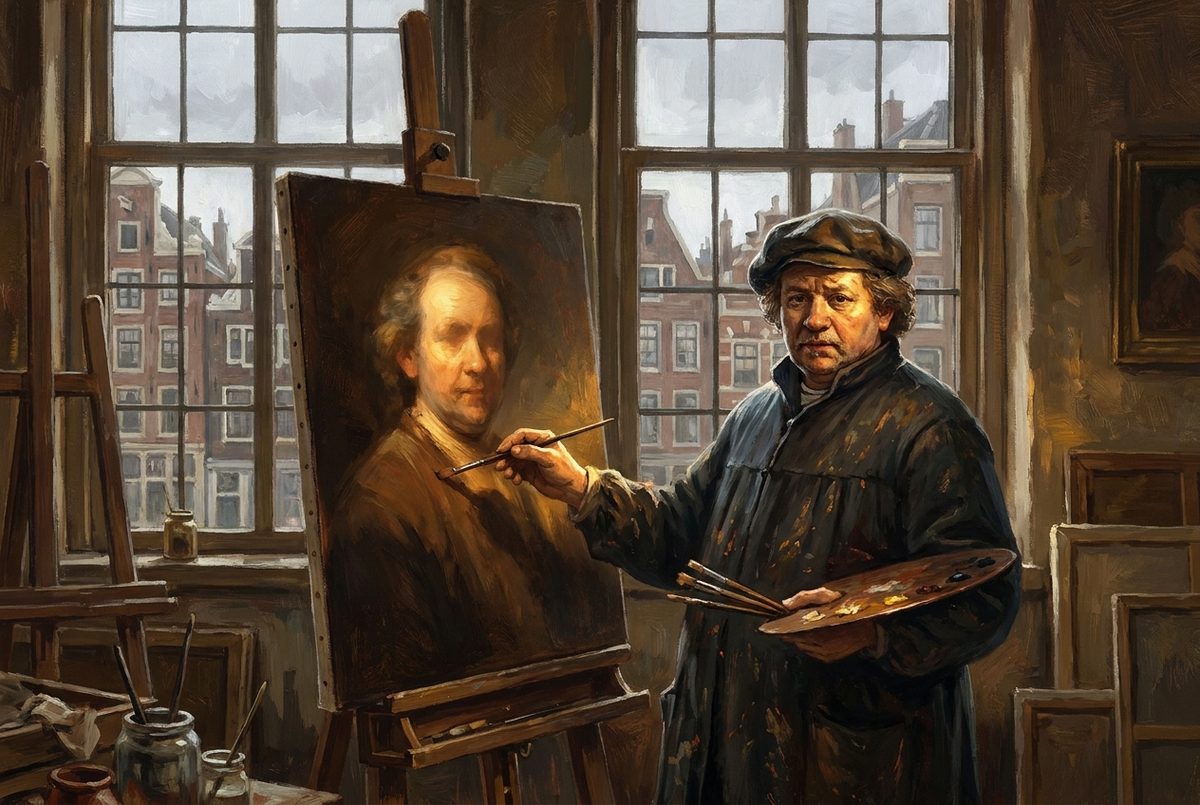
The painter of The Night Watch lived and worked in Amsterdam, and his house is still standing. From the early 1630s until his death in 1669, Rembrandt made his life in streets you can walk today.
 CITYQUEST
Rembrandt's Missing Panel
Your Rembrandt puzzle is missing a panel, and the hunt for its missing letters takes you into Amsterdam. You’ll piece it together among the real buildings and river views connected to his pictures.