
MUSEUM
Het Grachtenhuis
The Museum of the Canals: how the canal ring was built, in a Herengracht house.
A canal house that explains the canals
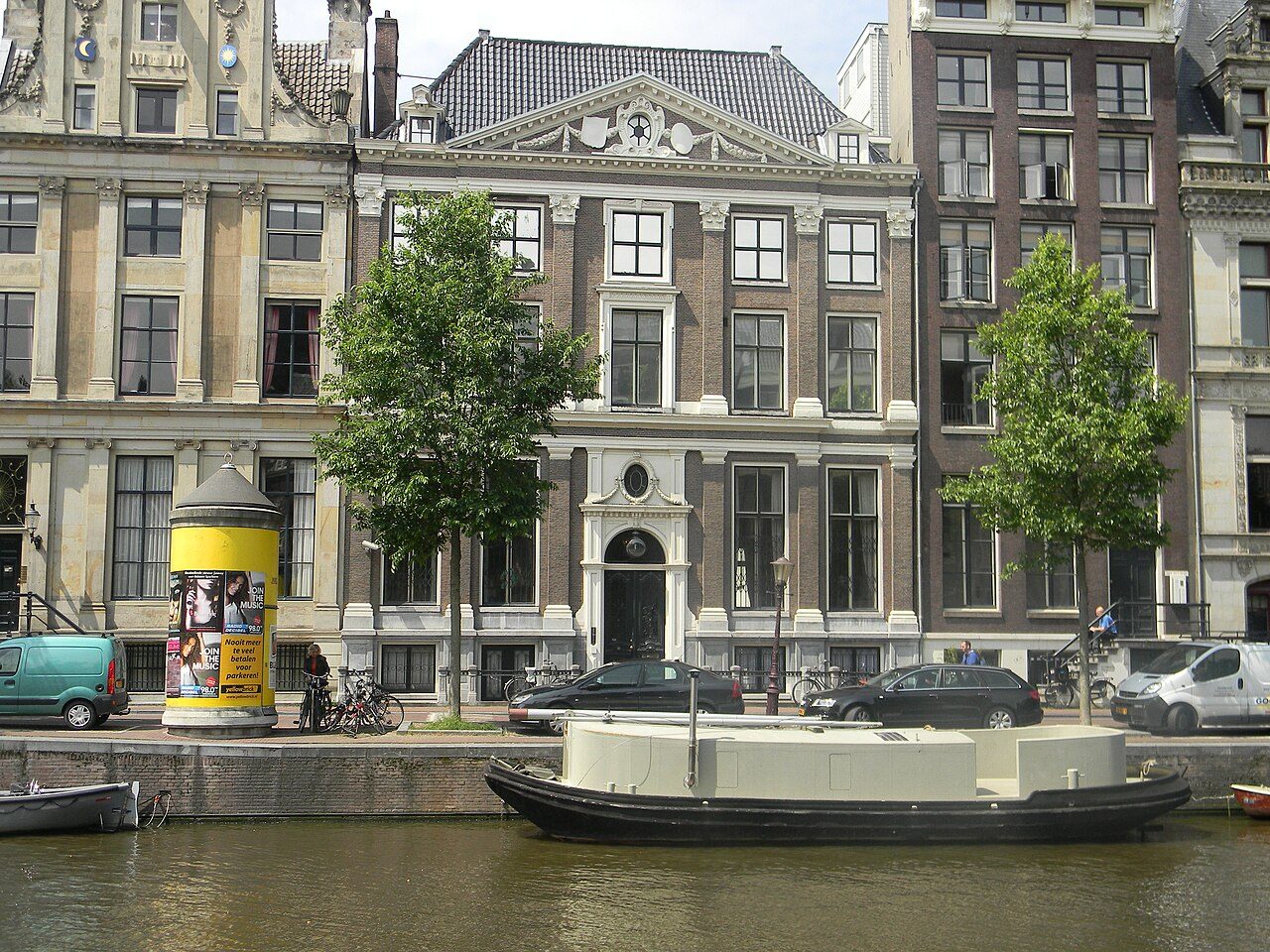
Het Grachtenhuis tells the story of how Amsterdam’s canal ring was built, inside a house on the Herengracht. It also brings that history down to the scale of individual people. In 2011, the museum’s miniature canal house showed John Adams and banker Jan Willink shuffling stacks of banknotes. Willink lived in this house in the late eighteenth century and helped finance the American struggle for independence.
That little scene connects a canalside address with events across the Atlantic. It is a useful way to approach the museum: the canals were not just an exercise in digging waterways and building handsome façades. They were also places where people lived, conducted business and moved money. Here, you can consider the city’s construction from inside one of its houses, rather than only from the pavement opposite.
From the canal to the rooms
Come for the account of the canal ring, but give the building itself some attention. The house is part of the story it tells. Outside, the Herengracht presents a long sequence of separate façades. Inside, the focus shifts to rooms and the choices made by their occupants.
The nearby Golden Bend, with its grand, double-wide merchants’ houses, gives a useful street-level comparison. Here at Het Grachtenhuis, look at the relationship between the city outside and the decoration within. If you know Museum Van Loon, the distinction is helpful: this visit puts the making of the canal ring at the centre, while still giving you painted interiors to examine closely.
The landscape with missing treetops
In the garden room, slow down in front of the landscape painted by Jurriaan Andriessen in 1776. Do not look only at the middle of the scene. Follow the paintings towards their edges and look for details that seem to have been cut short, especially the missing treetops.
The museum identifies these interruptions as clues that the paintings were probably moved here from another room. That qualification matters: this is a likely explanation, not a certainty. Once you notice the cropped details, the room becomes more than a decorative setting. The paintings also offer evidence of an earlier arrangement, before they occupied their present walls.
An old-looking ceiling from 2022
The Andriessen Room has another surprise overhead. Its ceiling looks centuries old, but French artist Pascal Amblard painted it in 2022. A 2025 account of the room explains the key to its scene: a dreaming young man. The other figures appear within his dream.
Find him first, then let your eye move through the surrounding figures. Knowing who is dreaming gives the composition a thread to follow, rather than leaving you with a collection of painted people above your head. Between Andriessen’s eighteenth-century landscape and Amblard’s recent ceiling, this room rewards a second look. What appears old is not always old, and what appears made for the room may have started somewhere else.
Things to know
- Approach on foot along the Herengracht.
- Allow about an hour for the canal story and painted rooms.
- In the garden room, inspect the edges of the landscapes.
- Look up in the Andriessen Room and find the dreaming young man.
- Opening hours and prices can change. Check the official website before you go. Official website
What people say
Related spots
More things to do in Amsterdam ›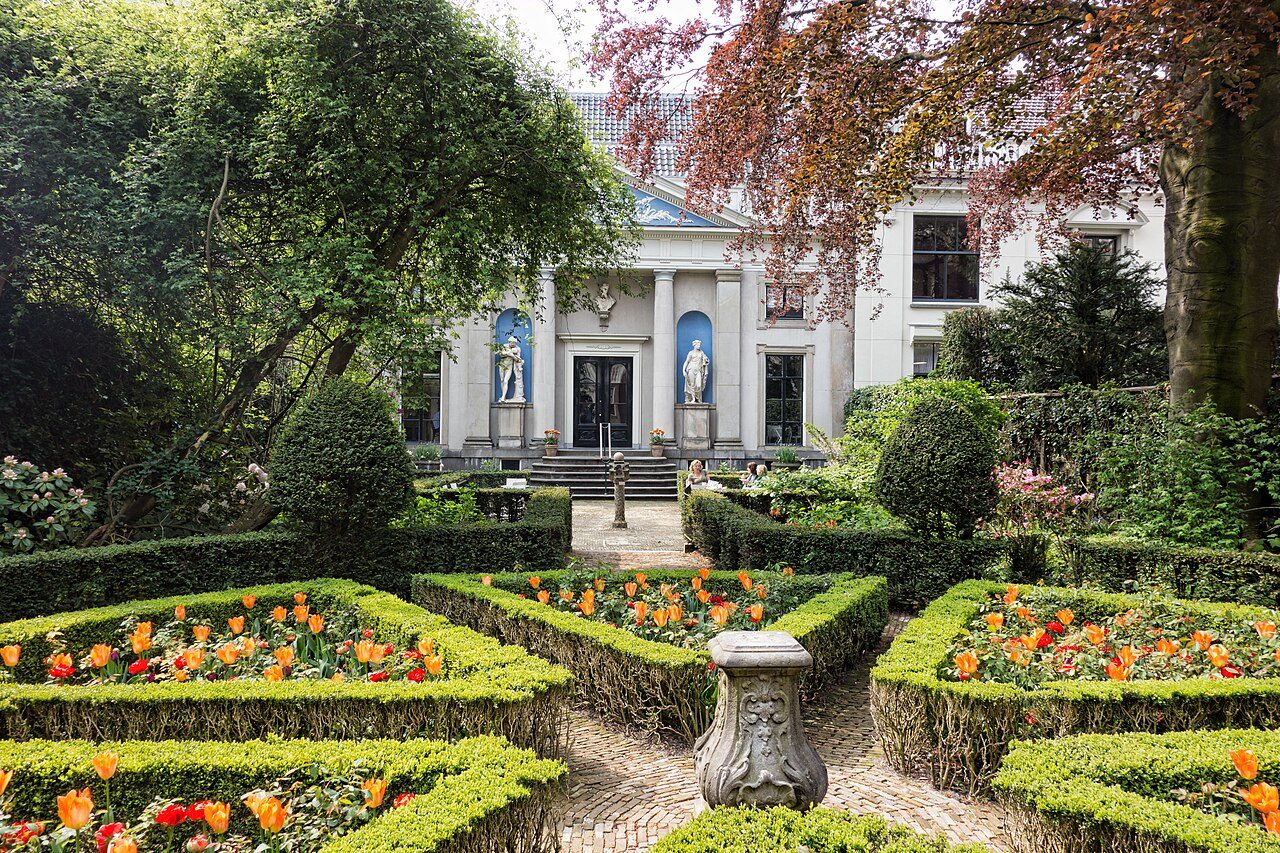
Museum Van Loon
Step inside a seventeenth-century canal house with family rooms, a garden and a coach house hiding two painted false windows.
Gouden Bocht (Golden Bend)
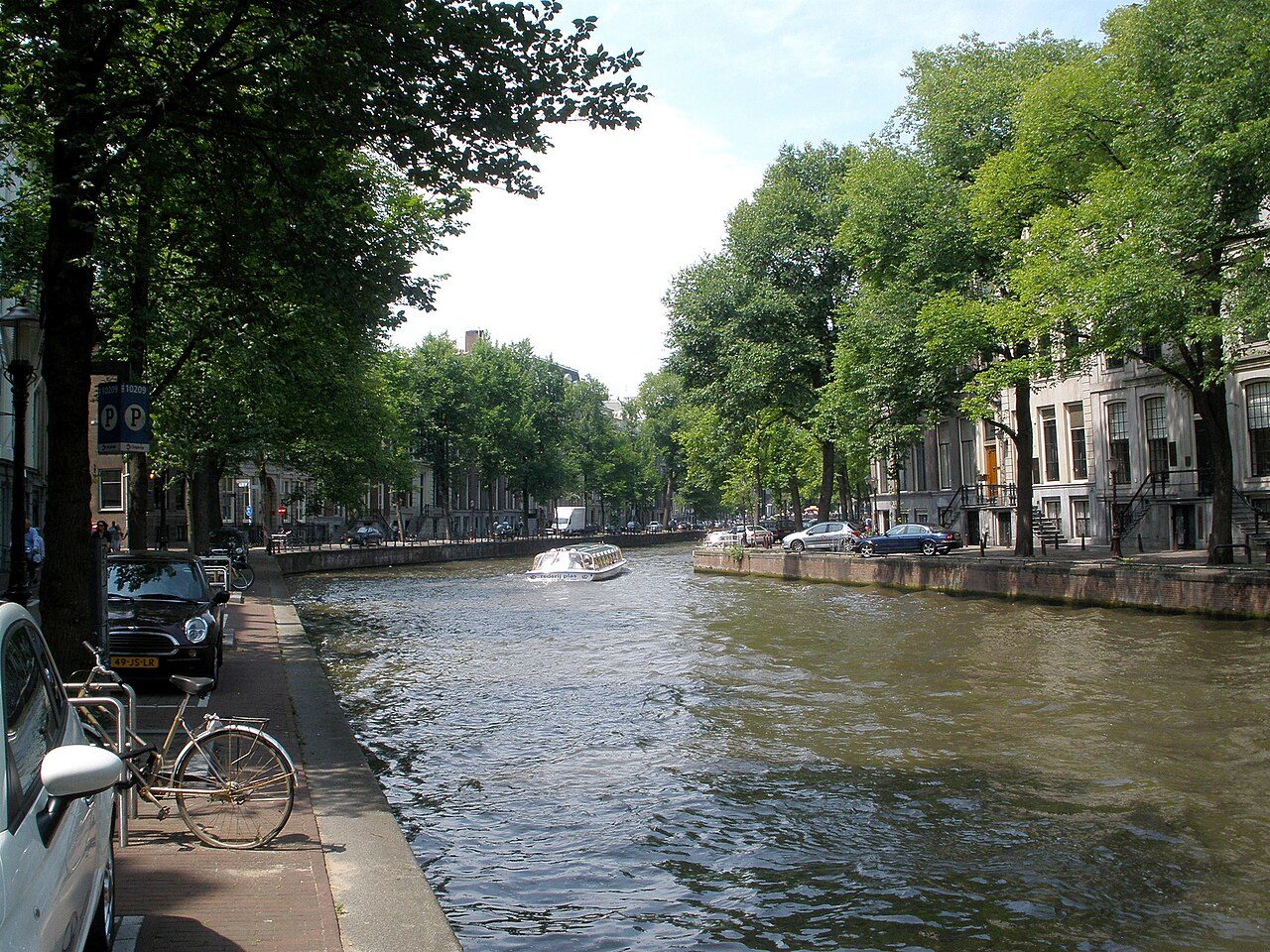
The widest, grandest stretch of the Herengracht, where the richest merchants built double-wide mansions.
Bijbels Museum
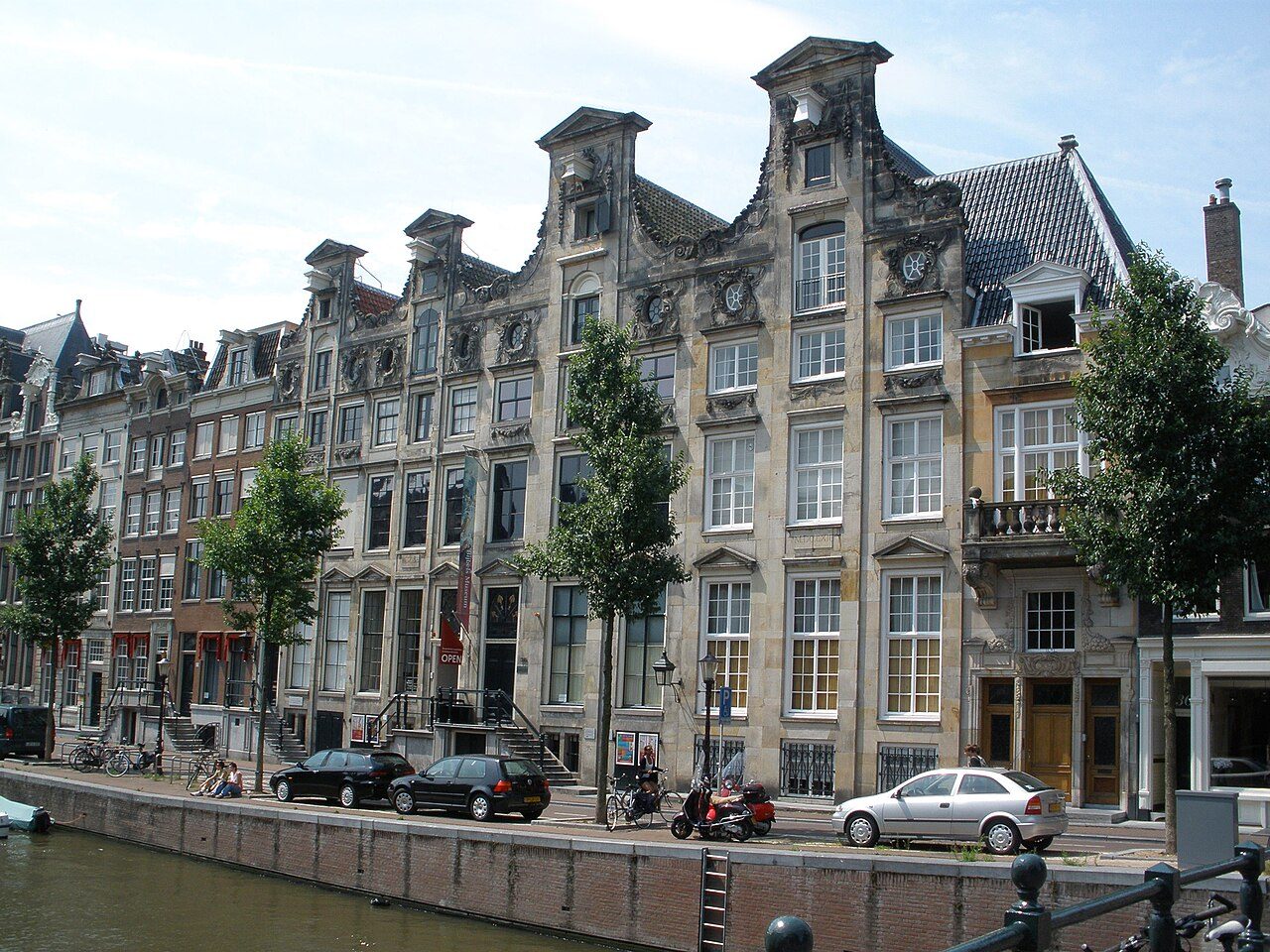
The Bible Museum in two Vingboons canal houses on the Herengracht.
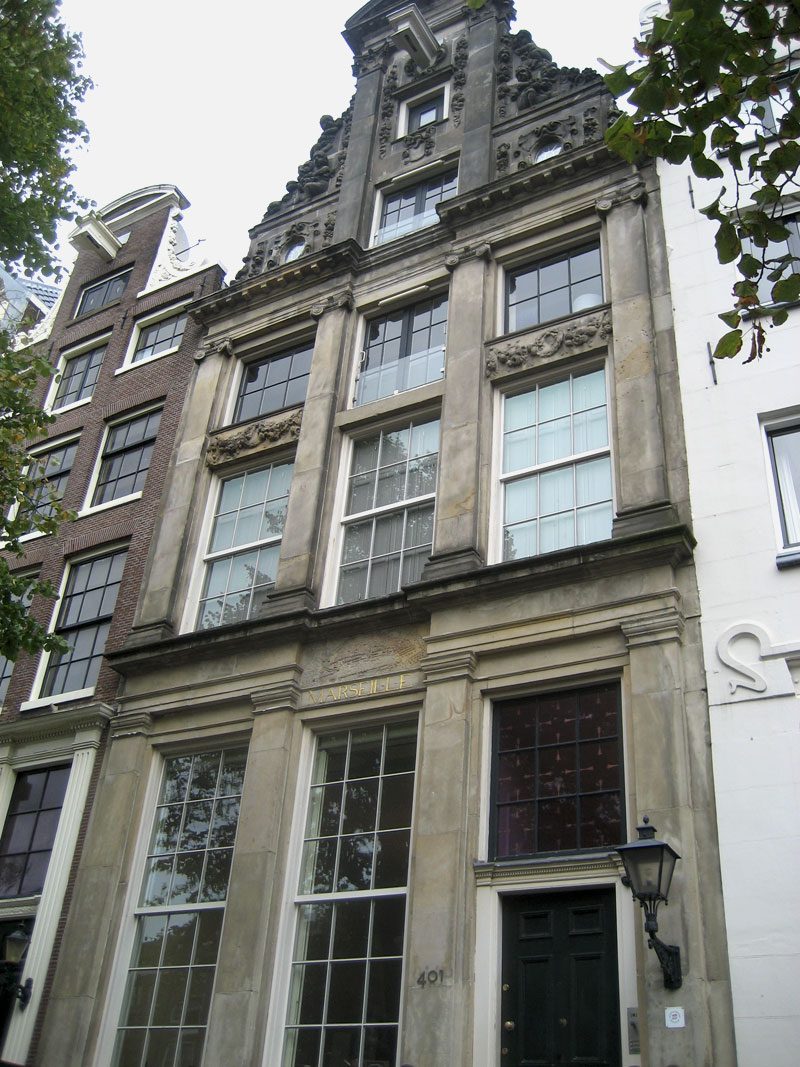
Huis Marseille
Photography in two 17th-century canal houses.
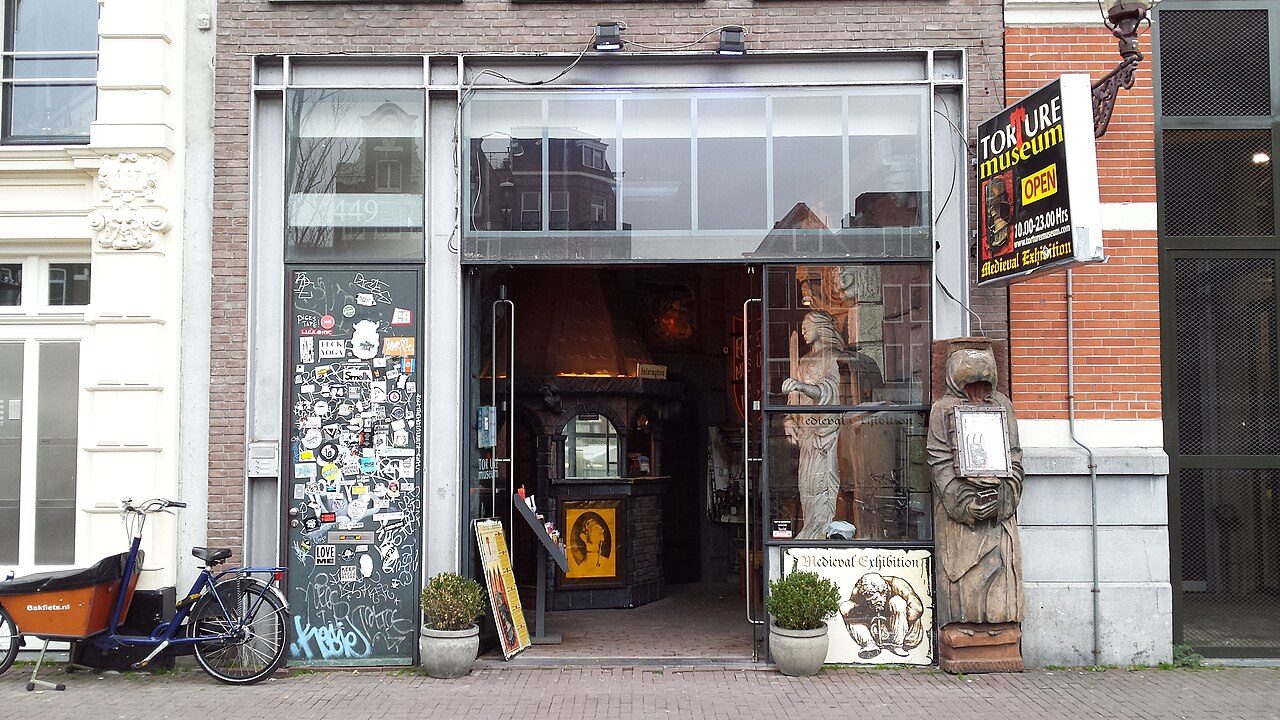
Torture Museum
More than 40 punishment devices, historical engravings and the uneasy stories behind them on Amsterdam’s Singel.
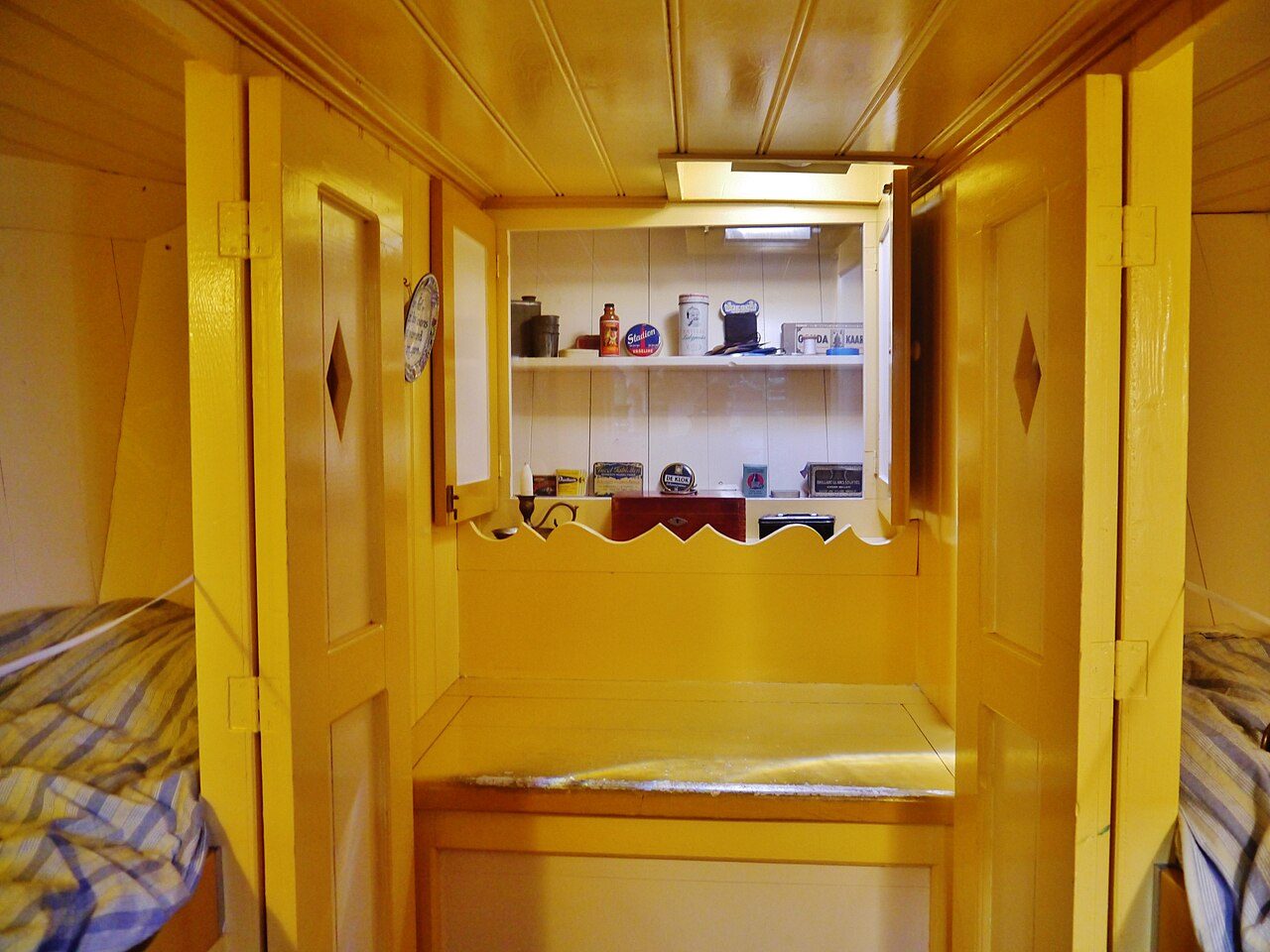
Houseboat Museum
A 1914 cargo ship turned houseboat, to see how people live on the canals.
Tours and quests that pass here
These walks have a stop a few minutes from Het Grachtenhuis. Free, on your phone, start any time.
 CITYQUEST
The Canal Cipher
A merchant’s missing fortune is waiting to be traced through Amsterdam’s canals in The Canal Cipher. Follow his coded will, gather clues and work out a final answer to claim the treasure.
 FREE AUDIO TOUR
Amsterdam in a Day: Highlights Walk
Amsterdam’s canals and grand houses tell you how a trading city grew rich, but that is only half the story. If you have one day in Amsterdam, spend it on the streets where merchants, workers and people in hiding lived within walking distance of each other.
 FREE AUDIO TOUR
Van Gogh's Amsterdam
The man who painted Sunflowers lived in Amsterdam for just over a year, before he became an artist. You can still stand at the naval yard he called home and follow his Sunday walks across the city.