
TINY MUSEUM
Pianola Museum
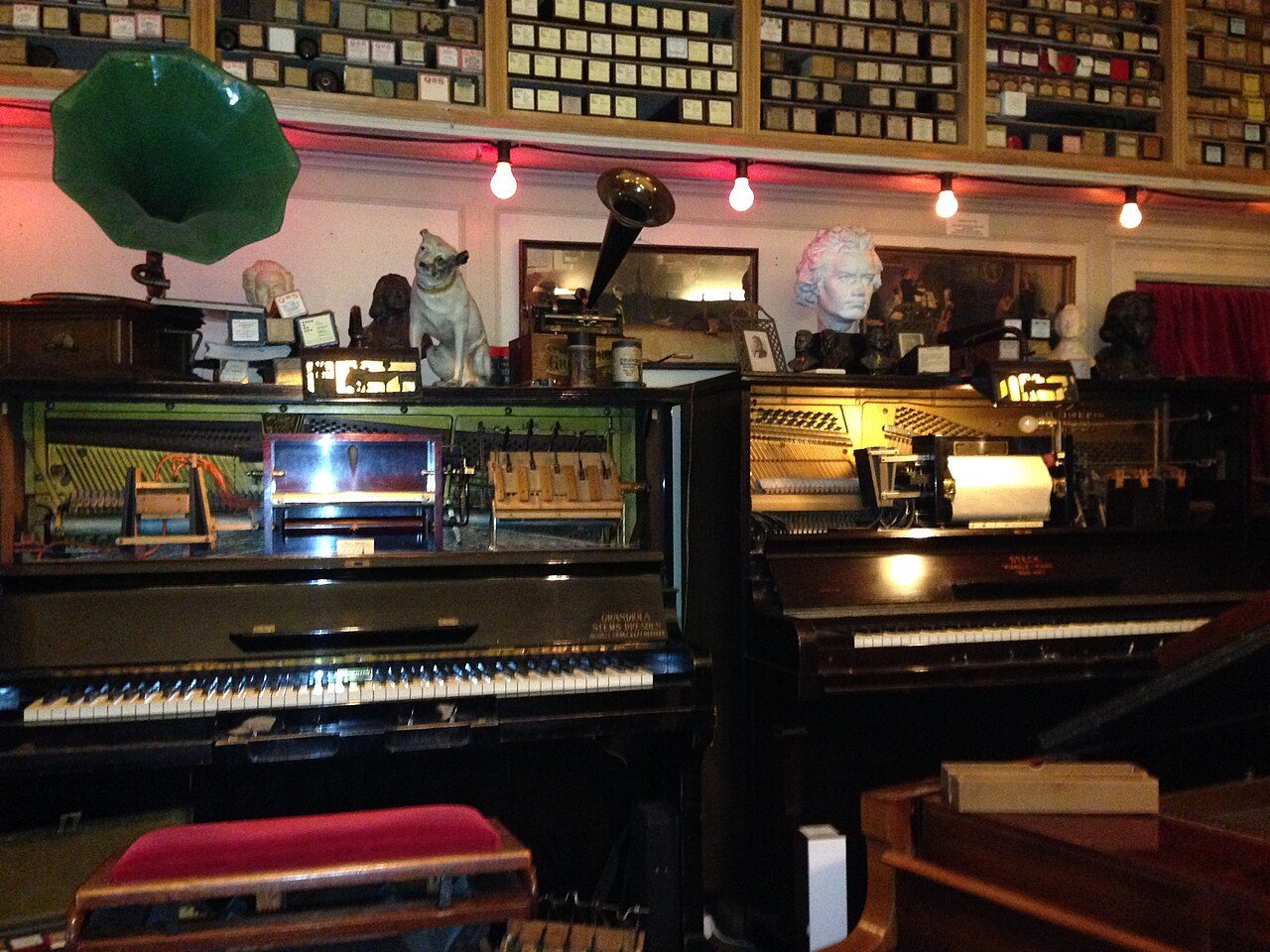
A small museum in the Jordaan full of pianos that play themselves. Every opening afternoon a guide sets the instruments going, so you hear the 1920s instead of only looking at them.
Hear the piano play itself
At the Pianola Museum on Westerstraat, the keys move without anyone sitting at the keyboard. These are working instruments, not just furniture behind a barrier. In 2016, curator Kasper Janse explained that the collection included rolls on which Claude Debussy and Sergei Prokofiev had recorded their own music. Playing those rolls lets you hear the composers’ own performances, rather than another pianist’s interpretation.
This small Jordaan museum is about a three-minute walk from Noordermarkt. Around fifteen pianolas and reproducing pianos are displayed, from a collection of more than a hundred instruments. Most date from the period between 1900 and about 1935. The guided demonstrations make the walk worthwhile: you hear what the machines do and see how paper, air and piano action work together.
Paper rolls made in the Jordaan
Amsterdam was an important centre of the pianola trade in the early twentieth century. Dealers included Duwaer en Naessens, Goldschmeding, Bender and Kettner. Their customers were mostly private households, though instruments also supplied entertainment venues around the city.
The rolls have a local history too. After a fire at a Jordaan music-roll factory in 1928, Carl Hubert started another roll business at Prinsengracht 263, the address now occupied by the Anne Frank House. The museum owns a Popper electric piano adapted by a music shop at that address to play Hubert’s rolls. It connects the instrument in front of you to a very particular Amsterdam trade.
After the museum opened in 1994, former factory worker N. Meurs visited and told the staff about making rolls in the Jordaan. Nearly seventy years after working there as a teenager, she could still draw the factory’s floor plan. That remembered workplace sits behind the neat perforations you see passing through the instruments.
A different use for a police station
Theo de Boer and Kasper Janse established the foundation behind the collection in 1981. In 1994, the museum opened on the ground floor of a former police station at Westerstraat 106. It has worked closely with the Geelvinck Muziek Museum since 2017.
Before the pianos arrived, drunks sobered up here and street boys wrote punishment lines. A 2018 local history account recalled an especially odd report from 1919: two right-footed men’s boots and an electrical switch, suspected stolen, had been brought to the station’s attention. The discovery even reached the newspaper. Pause outside before entering and consider that change of purpose, from police reports to music rolls.
Watch the roll, then listen
The archive holds more than 35,000 rolls, covering classical music, ragtime, operetta, marches and dance music. Watch the perforated paper travel through a machine, then shift your attention to the moving keys. Ask how a pianola differs from a reproducing piano: the latter was designed to preserve a pianist’s performance, not simply the sequence of notes.
In 2022, guide Karin Reitzig said visitors on her tours could try pedalling an early pianola themselves. The pedals supply the air that makes the mechanism work. Ask whether you can try it during your visit. It is a useful way to understand why a supposedly self-playing piano still has a role for a human being.
Things to know
- Find the museum at Westerstraat 106, in the Jordaan.
- Allow about three minutes on foot from Noordermarkt.
- Join a guided demonstration to hear the instruments working.
- Ask whether you can try pedalling an early pianola.
- Ask to hear the difference between a pianola and a reproducing piano.
- Opening hours and prices can change. Check the official website before you go. Official website
What people say
Related spots
More things to do in Amsterdam ›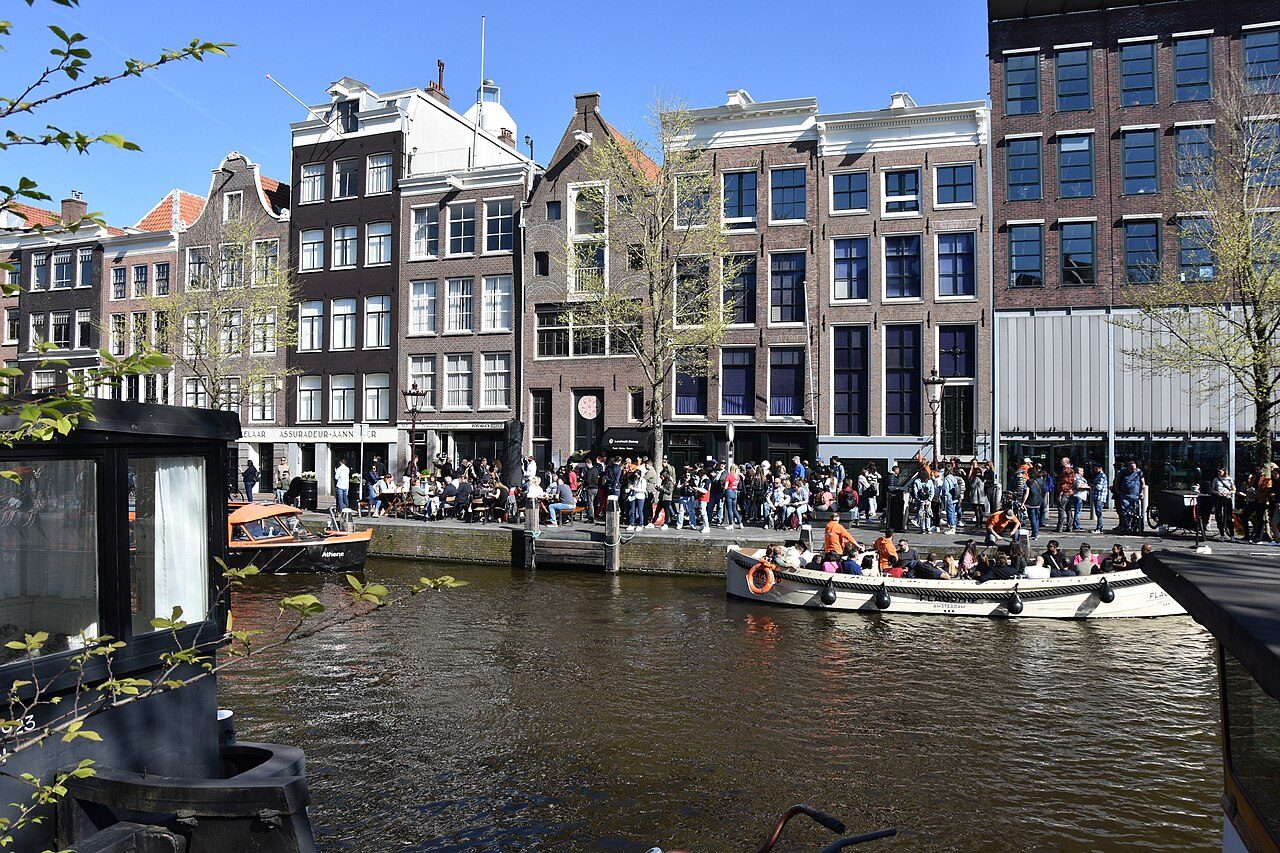
Anne Frank House
Walk through the Secret Annex and see Anne Frank's diary, picture walls and the traces her family left behind.
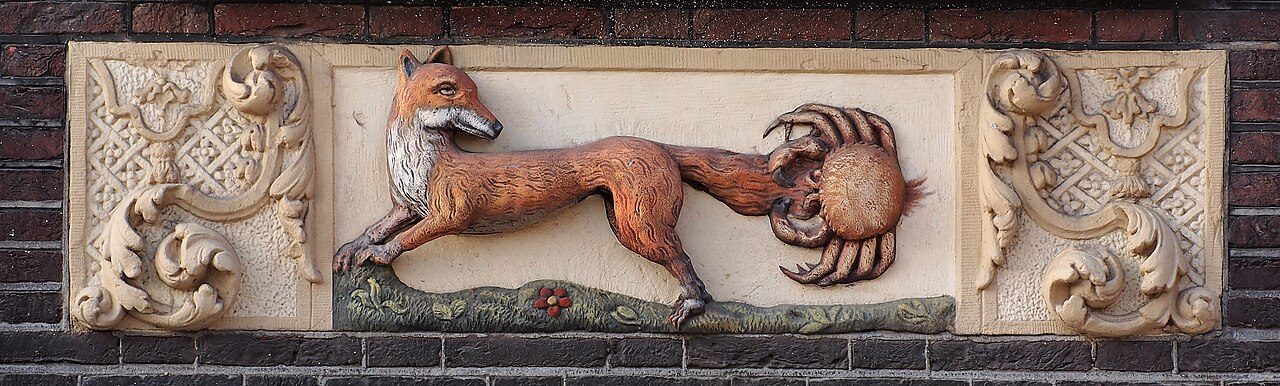
Noordermarkt
A Jordaan square with Saturday organic produce and second-hand finds, a Monday flea market and a powerful wartime memory.
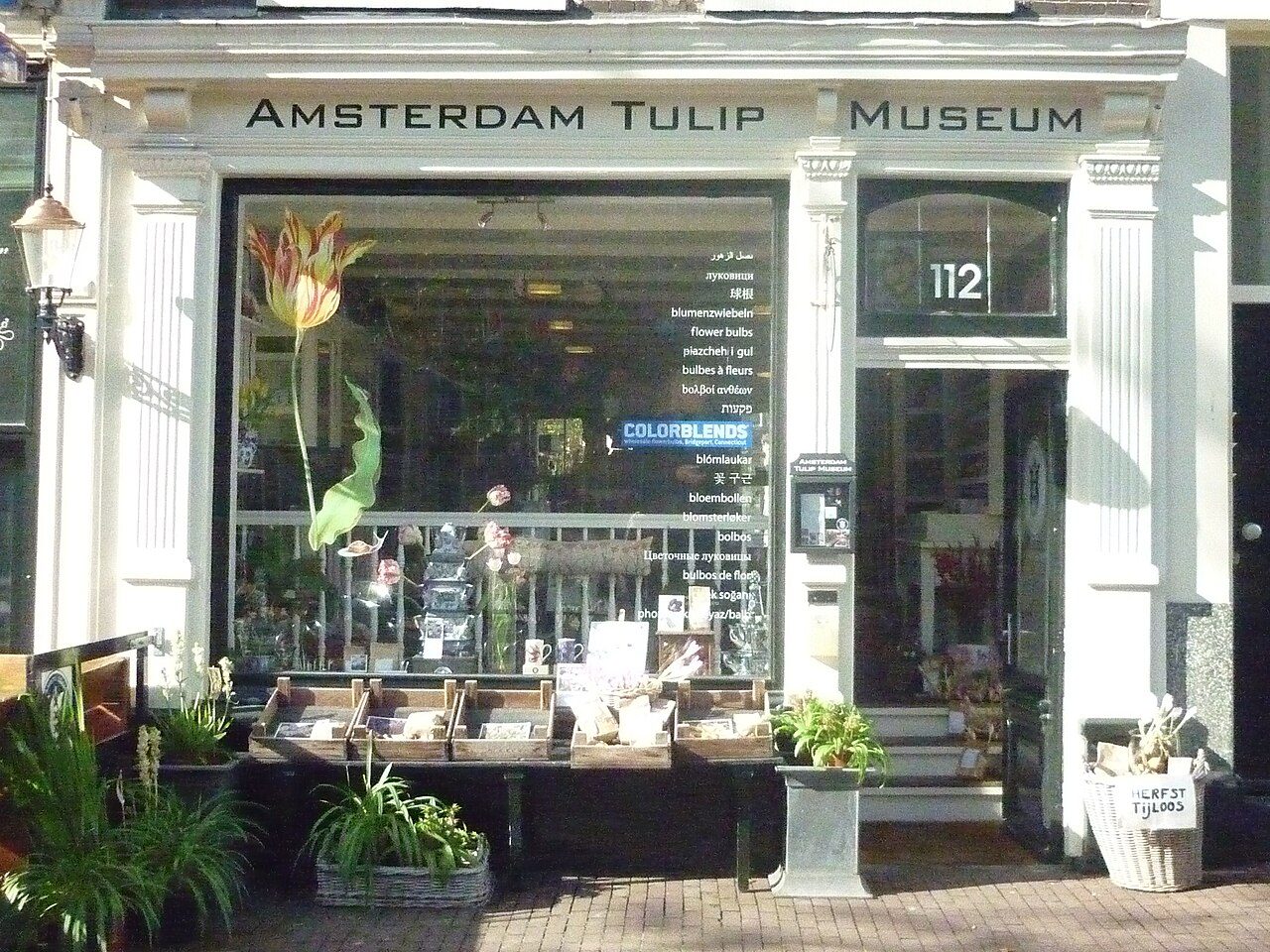
Amsterdam Tulip Museum
A small museum on the history of the tulip, in the Jordaan.
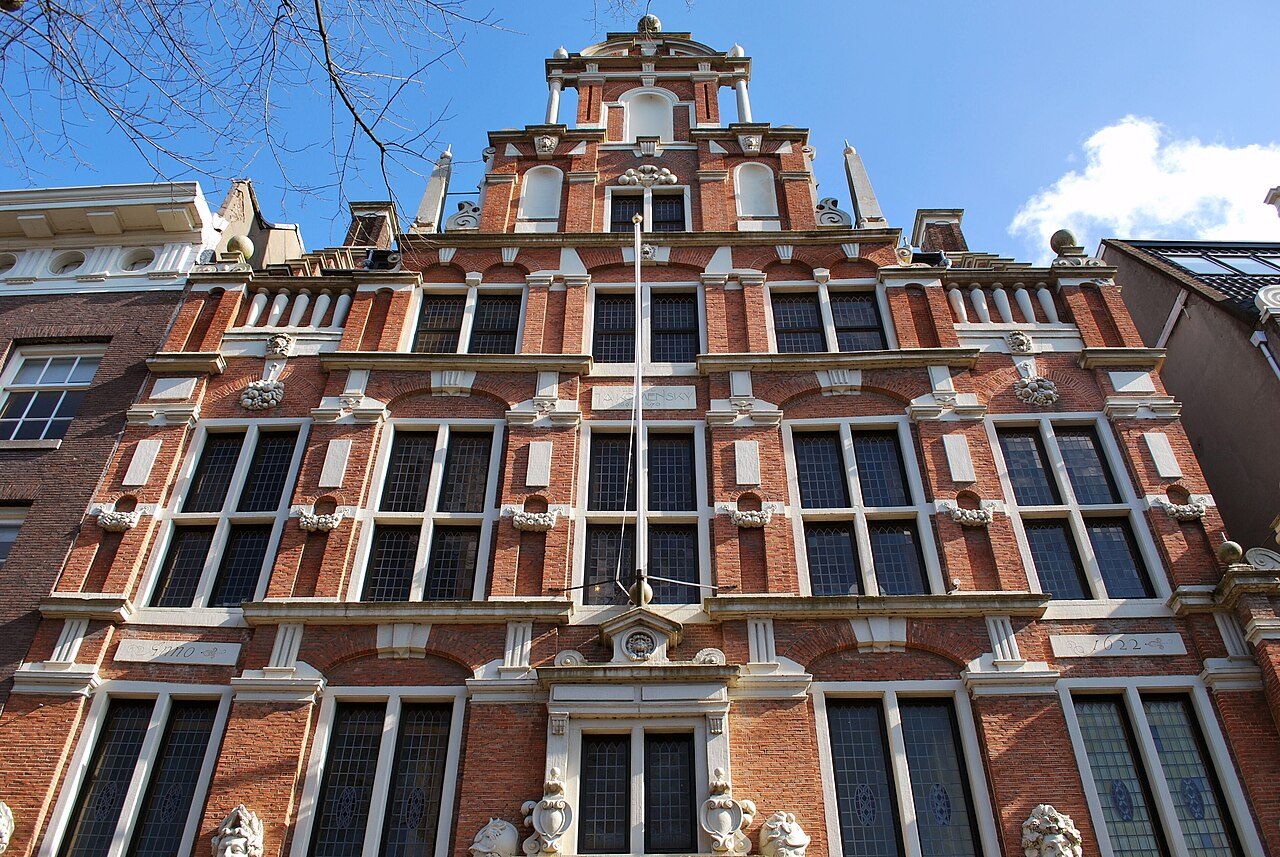
Embassy of the Free Mind
The Ritman library of hermetic philosophy in the House with the Heads.
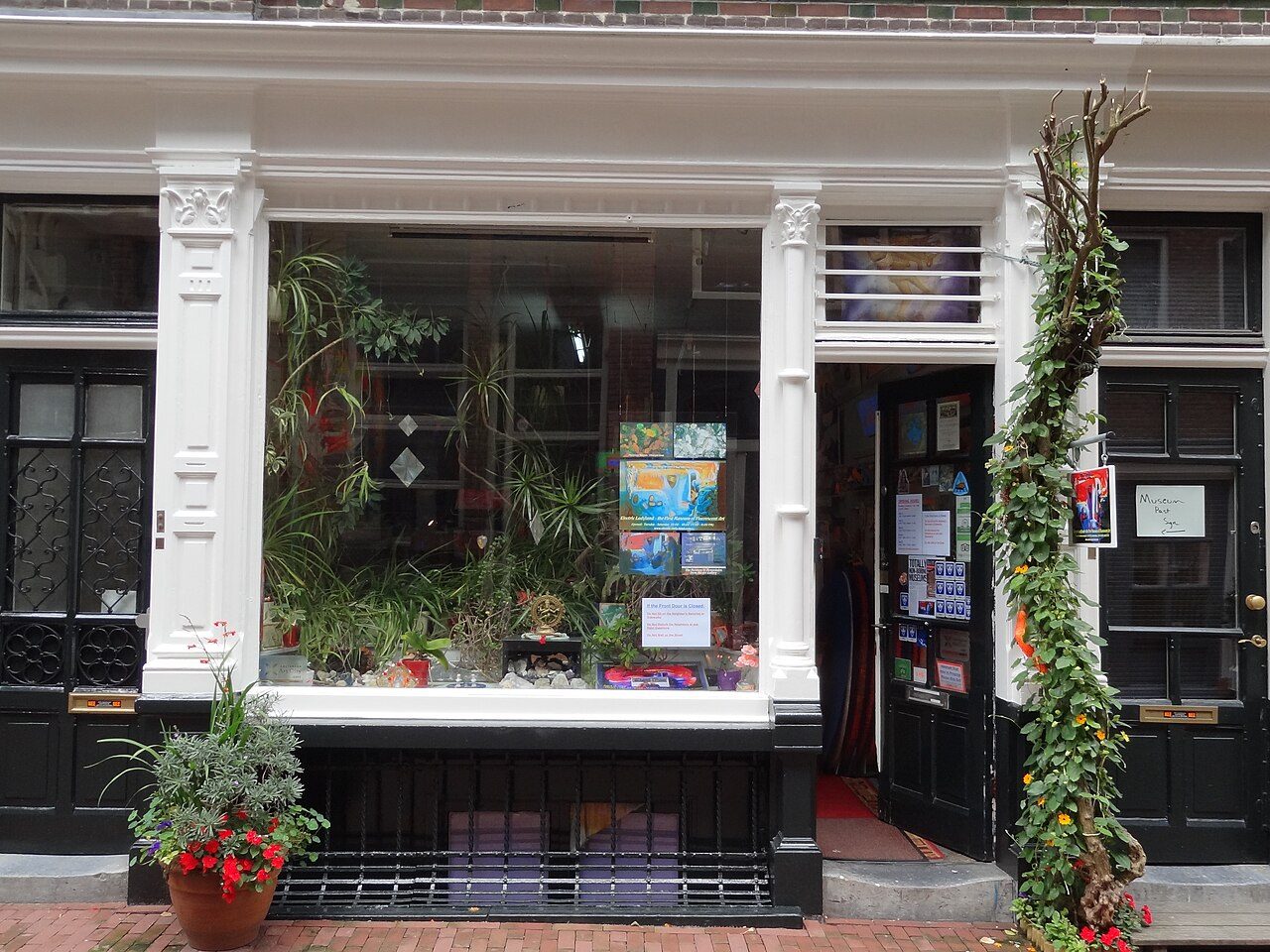
Electric Ladyland
The world's first museum of fluorescent art, in a Jordaan basement.
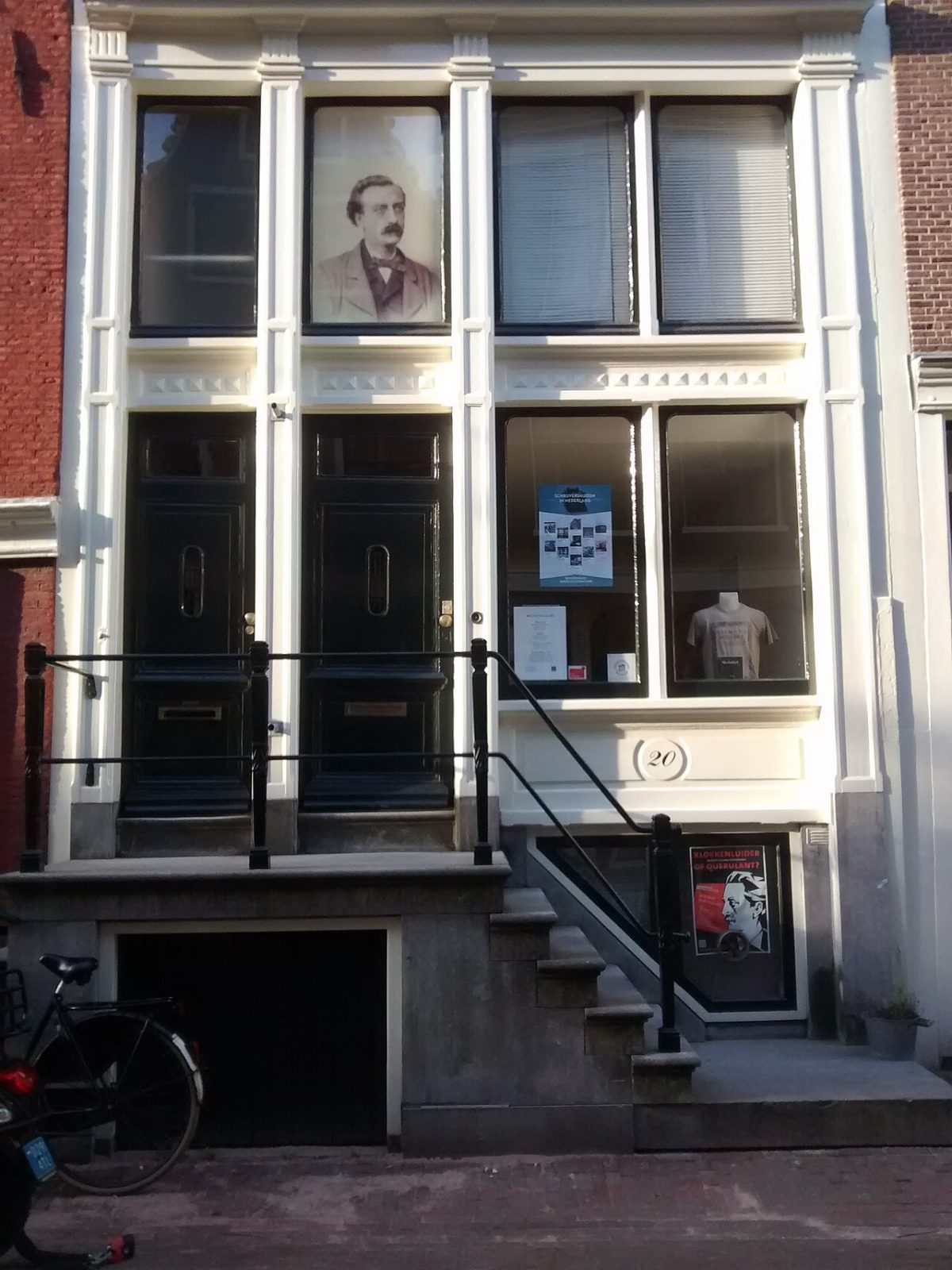
Multatuli Museum
The birthplace of the writer Multatuli.
Tours and quests that pass here
These walks have a stop a few minutes from Pianola Museum. Free, on your phone, start any time.
 FREE AUDIO TOUR
Amsterdam in a Day: Highlights Walk
Amsterdam’s canals and grand houses tell you how a trading city grew rich, but that is only half the story. If you have one day in Amsterdam, spend it on the streets where merchants, workers and people in hiding lived within walking distance of each other.
 CITYQUEST
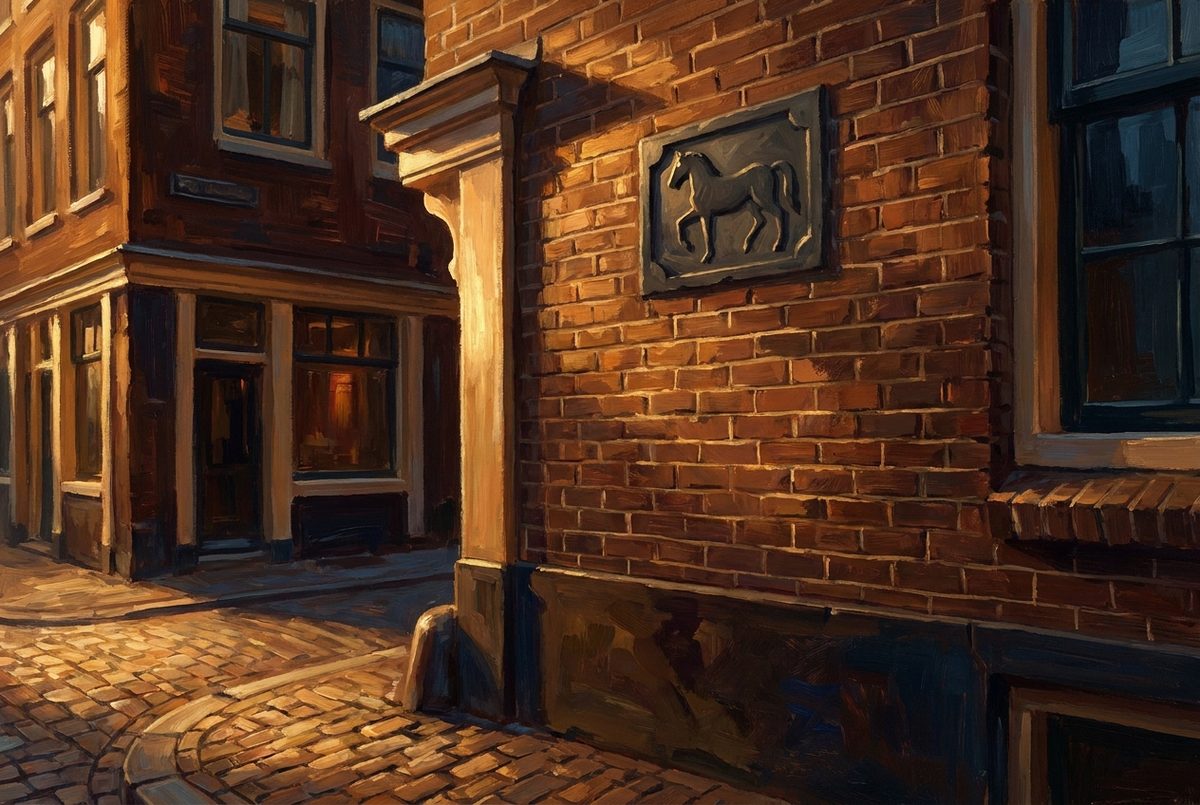
The Jordaan Stone Menagerie
Build your own menagerie in Amsterdam’s Jordaan by hunting for animals carved into real house fronts. Ten stops take you to a stone freight horse, monkeys working with thread, and a swan that outlived its house.
 FREE AUDIO TOUR
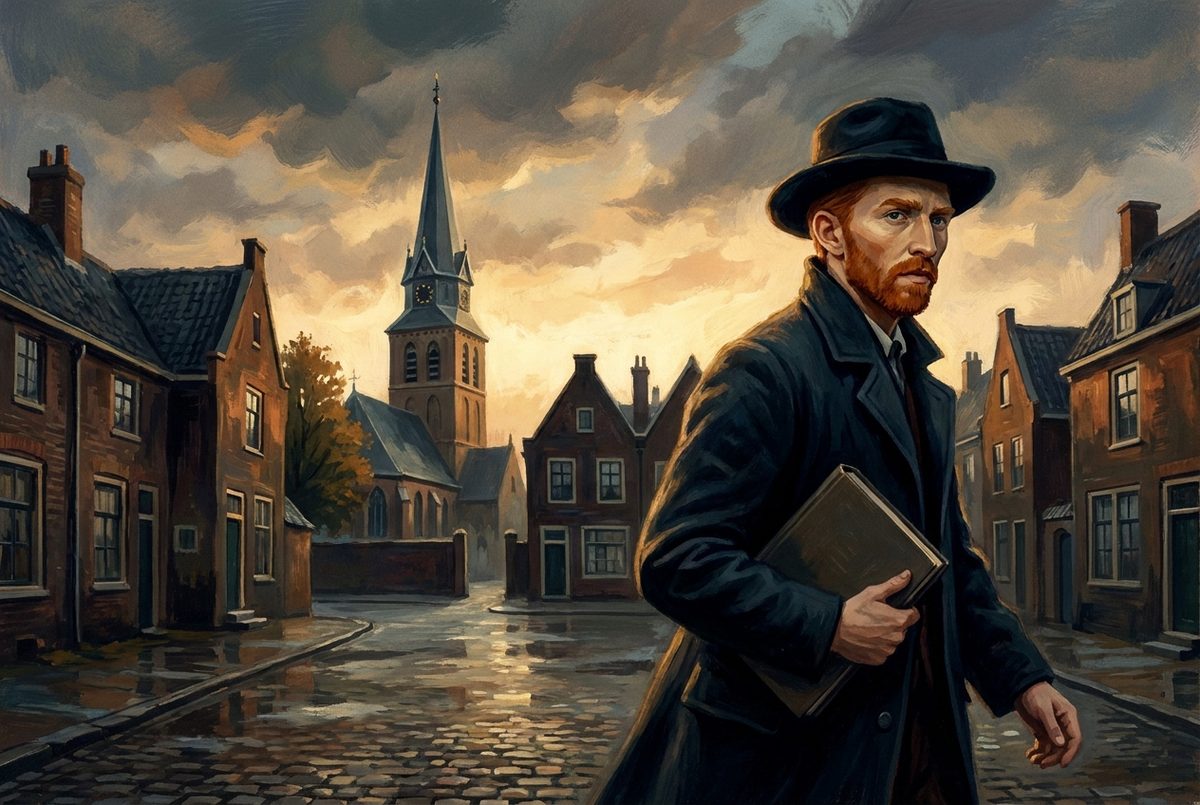
Van Gogh's Amsterdam
The man who painted Sunflowers lived in Amsterdam for just over a year, before he became an artist. You can still stand at the naval yard he called home and follow his Sunday walks across the city.