
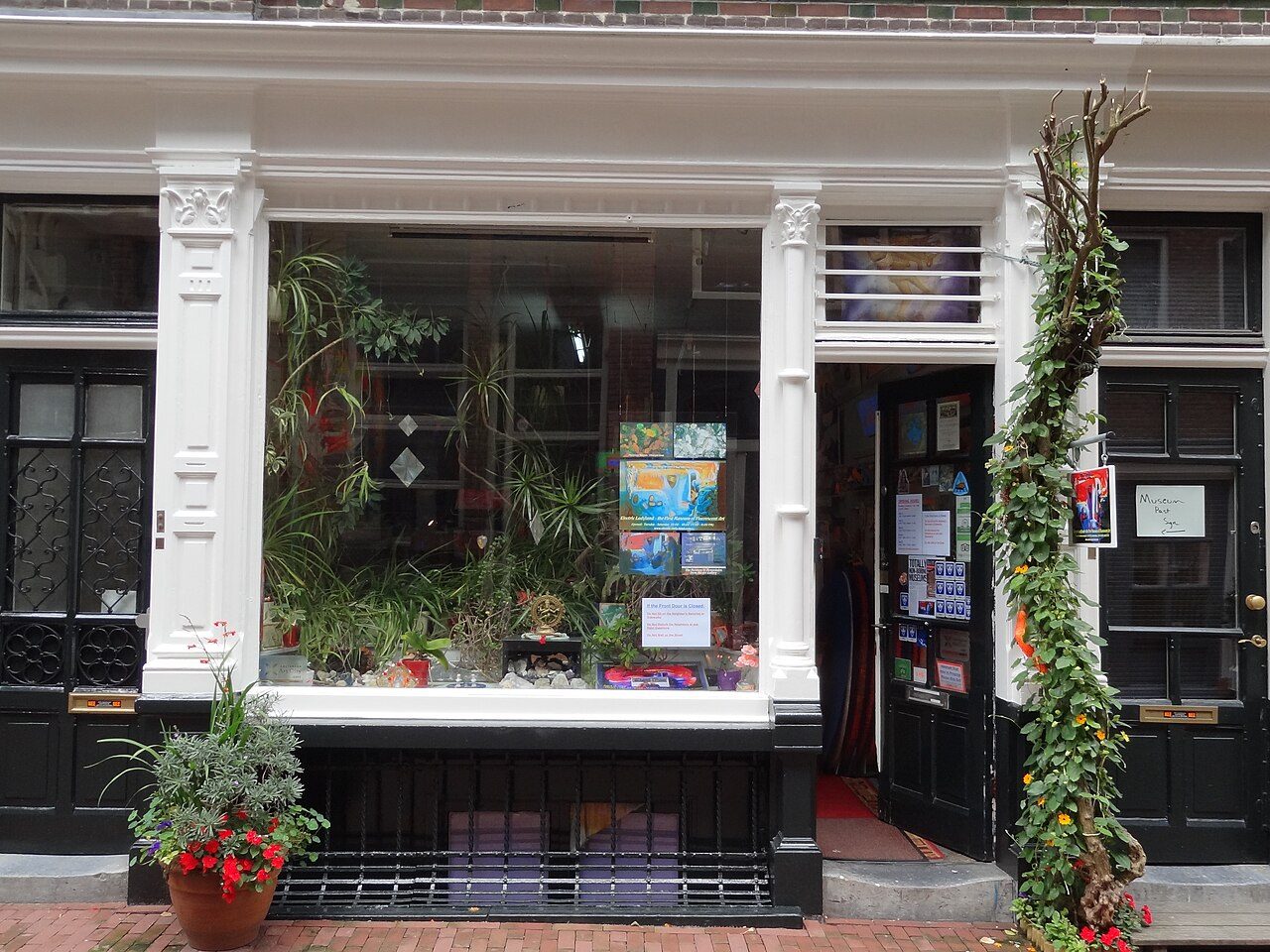
MUSEUM
Electric Ladyland
The world's first museum of fluorescent art, in a Jordaan basement.
A glowing cave beneath the Jordaan
Electric Ladyland is the world's first museum of fluorescent art, set in a Jordaan basement. Its centrepiece is artist Nick Padalino’s glowing cave. In a 2014 interview with Nieuw Amsterdams Peil, Padalino said he had spent seven years building it. He described often taking LSD in the morning and painting until late at night. That is his own account of how this unusual environment took shape, not simply a colourful nickname for the room.
The museum is a short walk from Westerkerk, close to the courtyard entrance of Sint-Andrieshofje. Down here, the subject changes from canal houses and brickwork to what light can make visible. Come for an artist-built environment as much as a collection of stones. The fluorescent materials are part of the artwork, rather than objects separated from it.
Stones carried from the Himalayas
Some of the minerals have a journey behind them. In 1998, Padalino made a pilgrimage to the Gaumukh glacier in the Himalayas. According to his museum account, he carried back more than 30 pounds of fluorescent minerals. He says specimens from that trip are displayed at Electric Ladyland.
Among them are stones that change from red to blue under different ultraviolet lights. That is a useful detail to keep in mind while looking: the colour is not necessarily a single, fixed property of the display. Ask which specimens came from the Himalayan trip, and watch what happens when the light changes. The journey gives these small pieces of rock a specific origin, rather than leaving them as anonymous glowing objects.
A glacier in miniature
The Himalayan connection continues inside the installation. In his museum guide, copyrighted 1999–2004, Padalino described a miniature version of the Gaumukh glacier with a Shiva statue hidden inside it. The statue is only one centimetre tall. It was made to order by Dr. S. Shilipi of Bheraghat, India.
This is a detail worth asking to have pointed out. The large impression is a glowing cave, but this tiny commissioned figure rewards a much closer look. It also links the installation directly to the place Padalino visited. Look for the miniature glacier, then concentrate on its small interior details rather than only taking in the surrounding colour.
Light, music and fluorescent fingers
Participation has been part of the museum’s story. In 2016, the neighbourhood paper Jordaan & Gouden Reael reported that visitors could enter Padalino’s installation and sit at its control panel. Some buttons illuminated minerals; others played music. The visitor was not simply standing outside and looking in.
Padalino’s guide, copyrighted 1999–2004, describes another hands-on demonstration: a 70-pound piece of willemite and calcite from Franklin, New Jersey. Visitors could rub it, after which their fingers fluoresced. Ask which demonstrations are offered during your visit, rather than assuming every older interaction is still available. Then watch both the minerals and the changing light. Here, even a fingertip can become part of the display.
Things to know
- It is about three minutes on foot from Westerkerk.
- Expect a basement setting; ask about access if stairs are a concern.
- Ask which light and mineral demonstrations are available.
- Check before touching specimens or using the controls.
- Opening hours and prices can change. Check the official website before you go. Official website
What people say
Related spots
More things to do in Amsterdam ›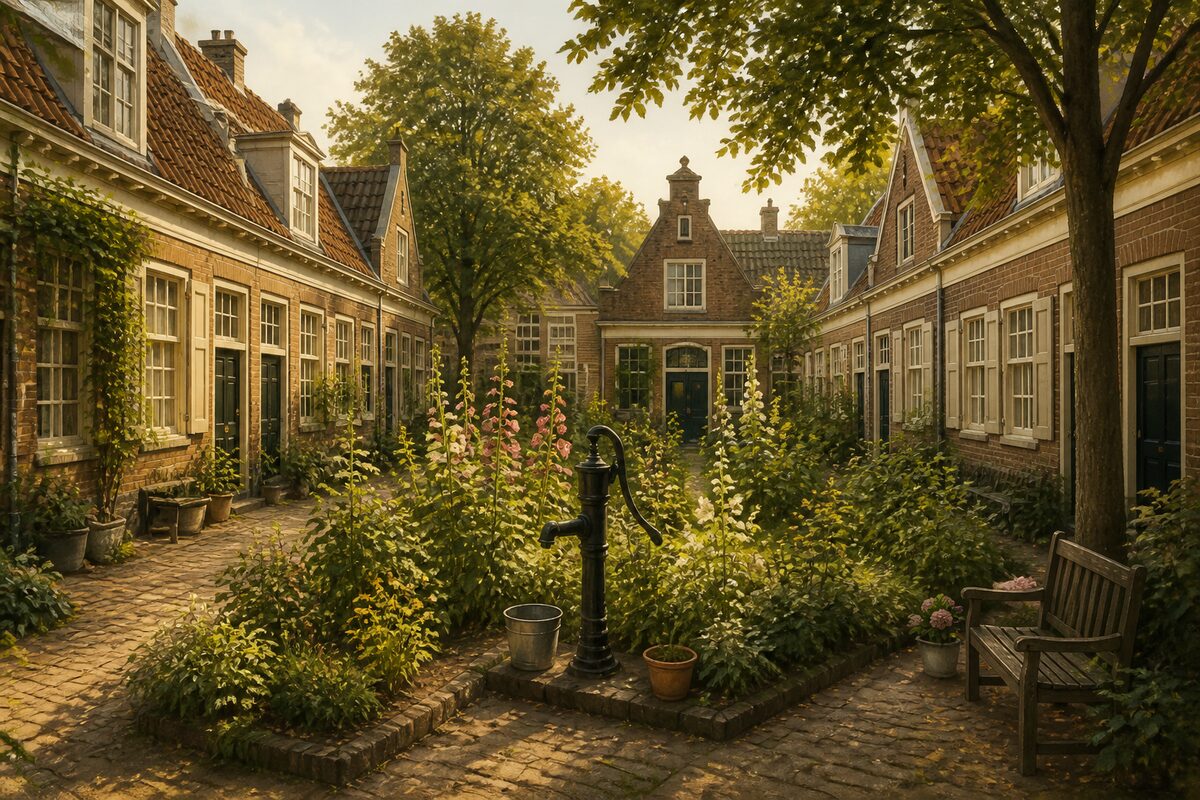
Sint-Andrieshofje
Behind a plain door on the Egelantiersgracht, a passage lined with blue Delft tiles leads into one of Amsterdam's oldest almshouse courtyards. Only the Begijnhof is older.
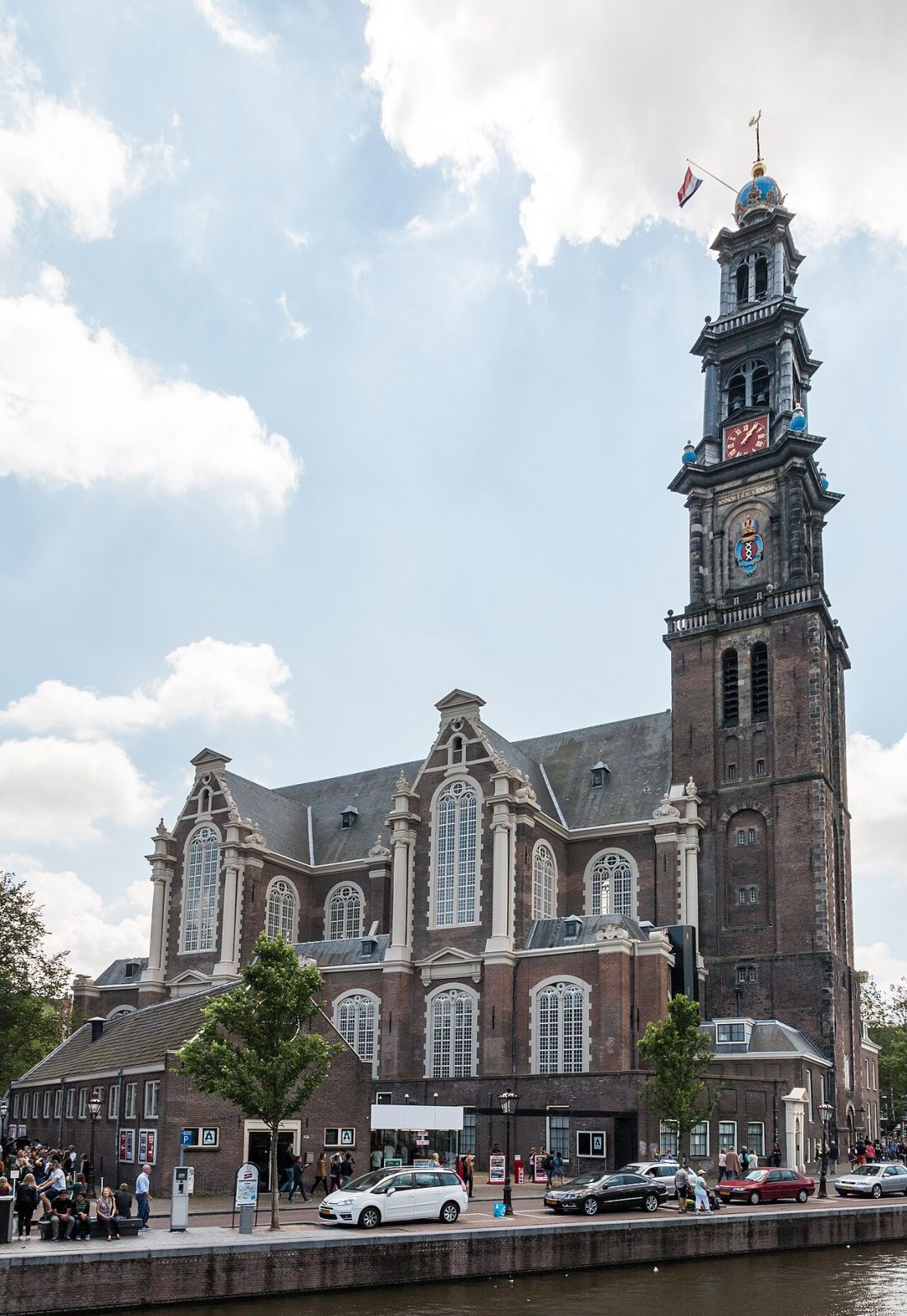
Westerkerk
A living 17th-century church beneath Amsterdam’s tallest church tower, with Rembrandt’s memorial and bells that shaped Anne Frank’s days.
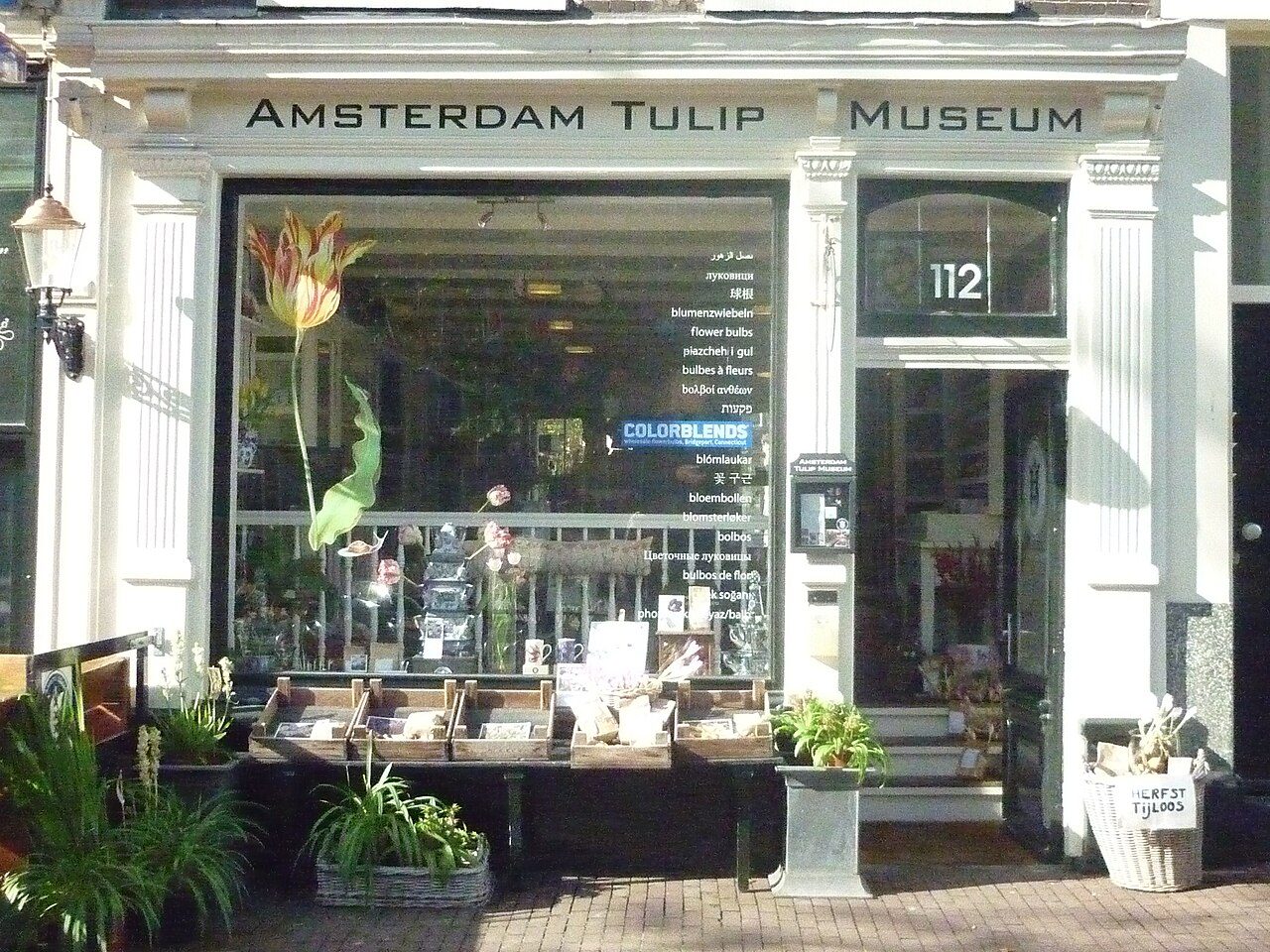
Amsterdam Tulip Museum
A small museum on the history of the tulip, in the Jordaan.
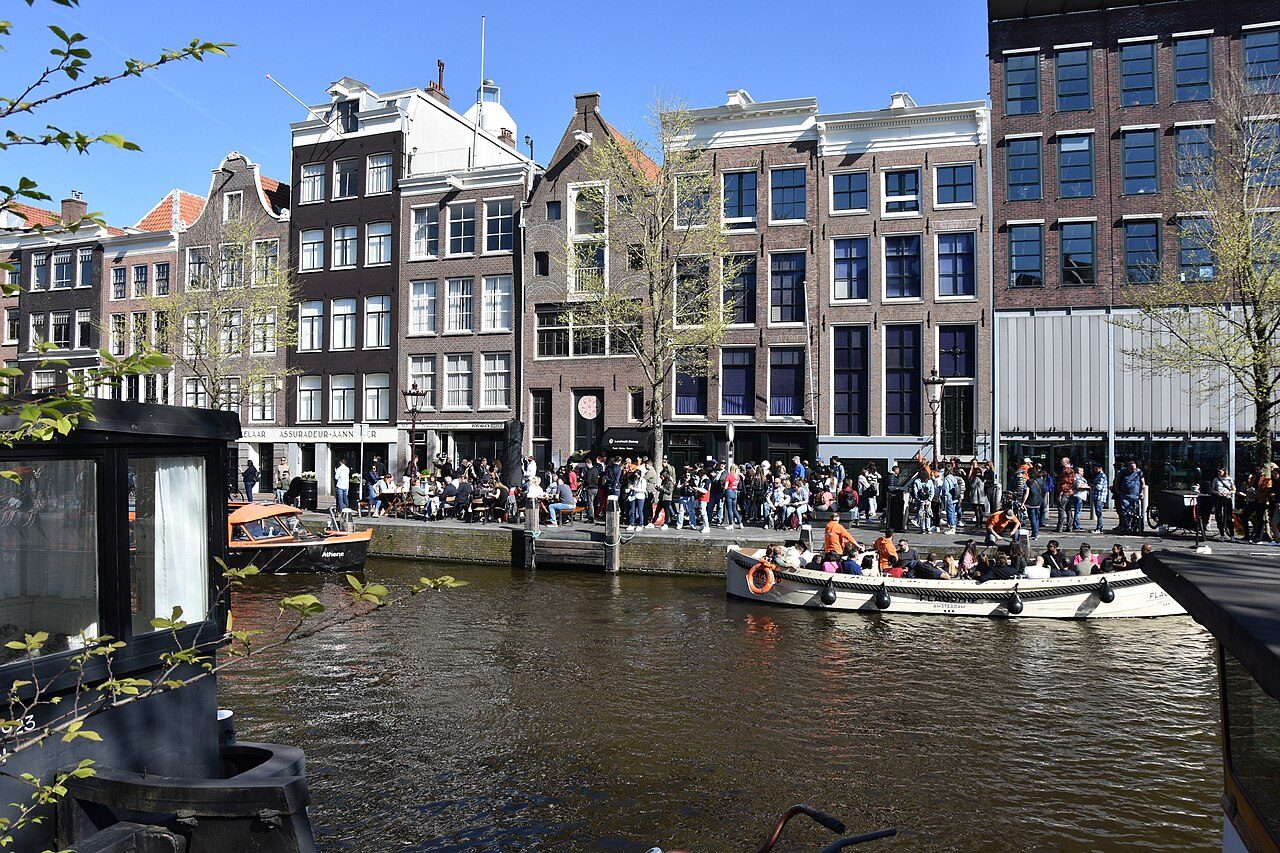
Anne Frank House
Walk through the Secret Annex and see Anne Frank's diary, picture walls and the traces her family left behind.
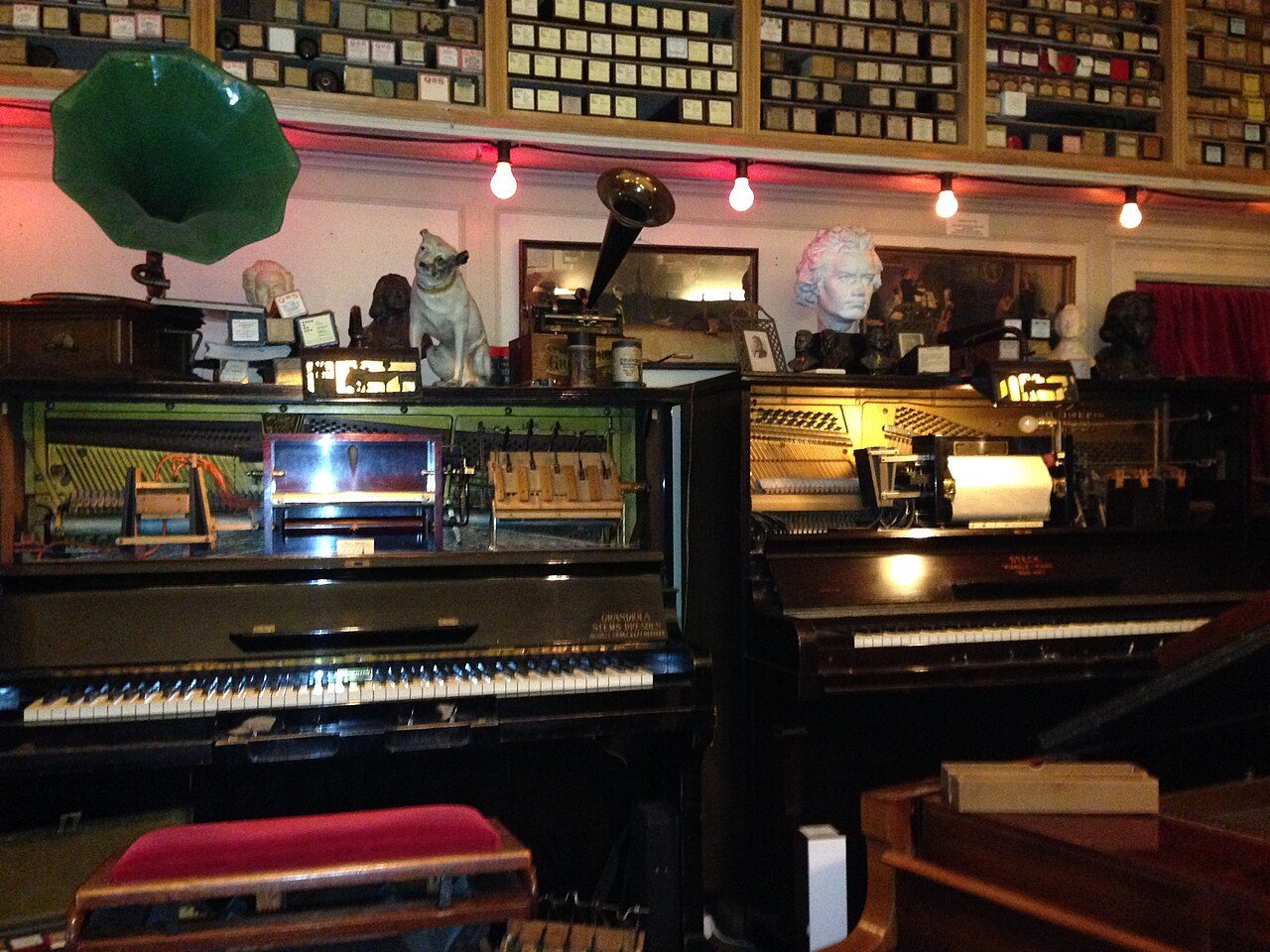
Pianola Museum
A small museum in the Jordaan full of pianos that play themselves. Every opening afternoon a guide sets the instruments going, so you hear the 1920s instead of only looking at them.
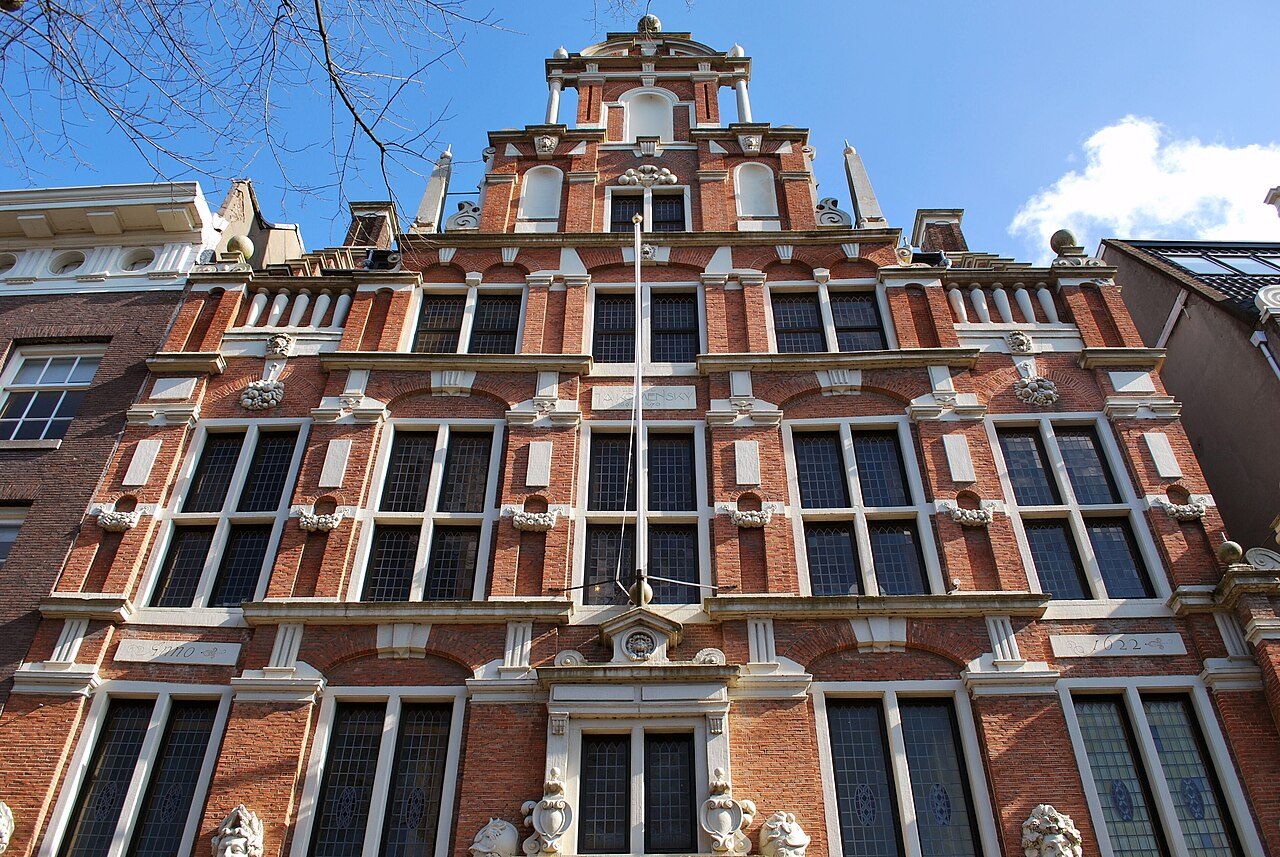
Embassy of the Free Mind
The Ritman library of hermetic philosophy in the House with the Heads.
Tours and quests that pass here
These walks have a stop a few minutes from Electric Ladyland. Free, on your phone, start any time.
 FREE AUDIO TOUR
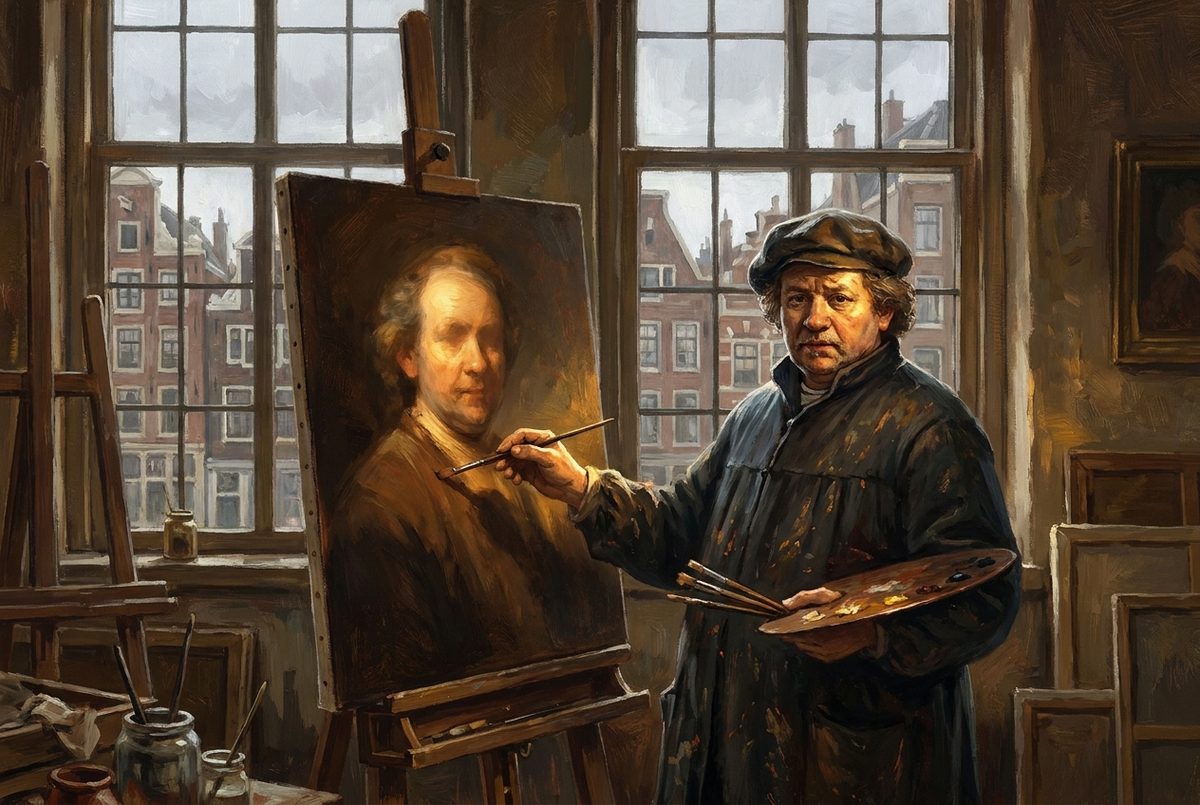
In Rembrandt's Footsteps
The painter of The Night Watch lived and worked in Amsterdam, and his house is still standing. From the early 1630s until his death in 1669, Rembrandt made his life in streets you can walk today.
 CITYQUEST
The Canal Cipher
A merchant’s missing fortune is waiting to be traced through Amsterdam’s canals in The Canal Cipher. Follow his coded will, gather clues and work out a final answer to claim the treasure.
 FREE AUDIO TOUR
Amsterdam in a Day: Highlights Walk
Amsterdam’s canals and grand houses tell you how a trading city grew rich, but that is only half the story. If you have one day in Amsterdam, spend it on the streets where merchants, workers and people in hiding lived within walking distance of each other.