
MUSEUM
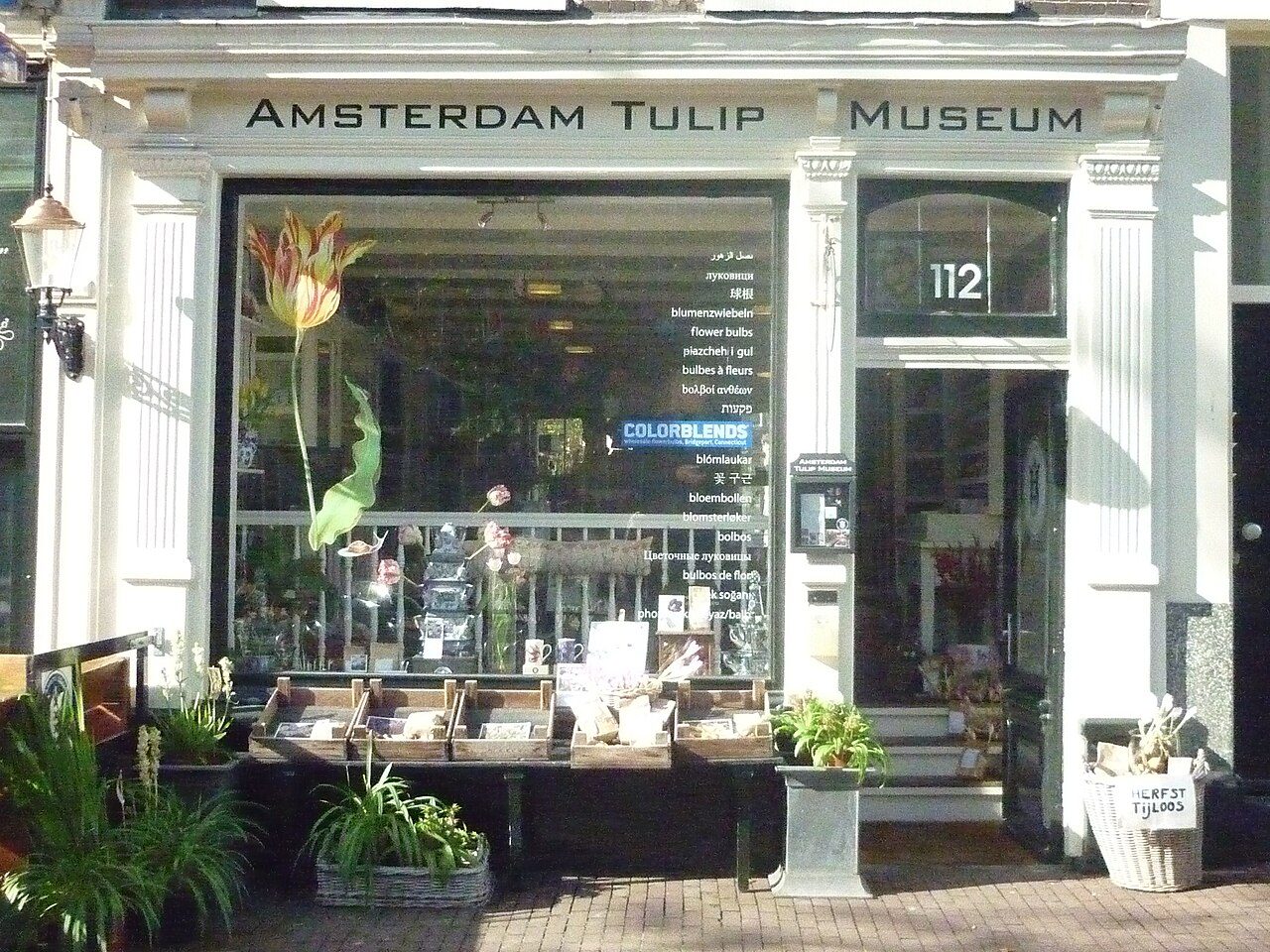
Amsterdam Tulip Museum
A small museum on the history of the tulip, in the Jordaan.
More than a flower shop
At the Amsterdam Tulip Museum, even a question at the shop counter has a story. In 2012, bulb grower Jeroen van den Hoek told Reformatorisch Dagblad that customers often asked for packets of tulip seeds. Those questions helped inspire a separate attraction, Tulpenland, to explain the flower’s story to tourists. Here on the Prinsengracht, that same curiosity is a good reason to step inside.
This small museum occupies a canal house at number 116, across the bridge from the Anne Frank House. The shop is on the ground floor, with the historical displays downstairs. Come for the books, pictures and objects that explain how a flower became a traded commodity, rather than expecting a garden of flowering tulips.
A long journey to Amsterdam
Three Dutch bulbsmen established the museum in 2004. Its founders included the American wholesale bulb distributor Colorblends and the European supplier Fluwel. It moved to number 116 at the end of 2011, giving the museum displays more room.
The exhibition follows tulips from their origins in Central Asia and the Himalayas to the court of Ottoman Sultan Suleiman the Magnificent, then on to cultivation in the Netherlands. Look for Ottoman-style tulip art and ceramics alongside tools and other objects from the bulb industry. Films and screen presentations help connect these different stages.
The Dutch part of the story includes tulip mania in the 1630s, when speculation in bulbs ended in a notorious market crash. But the older books show that the flower had attracted careful study and commercial attention well before that frenzy.
Two books worth slowing down for
In the Tulipmania room, look for Carolus Clusius’s Rariorum Plantarum Historia, published in 1601. Its 15 pages on tulips formed the first Western monograph devoted to the flower. You can leaf through it digitally, so give the screen some time rather than treating the book as another object behind glass.
The same room holds a 1641 edition of Emmanuel Sweert’s illustrated sales catalogue. Sweert first introduced the catalogue at the Frankfurt fair in 1612. His trade extended beyond tulip bulbs and seeds to seashells and stuffed birds. That mixture makes the catalogue particularly interesting: flowers belonged to a wider market for things people wanted to collect, examine and display.
A tulip in a name
There is a connection to Rembrandt, too. In 2019, neighbourhood newspaper Jordaan & GoudenReael reported on a detail the museum shared with visitors: Dr Nicolaes Tulp, the physician in Rembrandt’s The Anatomy Lesson, was originally called Claes Pieterszoon. He adopted the name Tulp himself. If you know Rembrandt’s memorial at the nearby Westerkerk, this is a different link between the painter and this stretch of the canals.
Before leaving, look again at the shop’s bulbs with the exhibition in mind. The selection changes with the season. After the catalogues, ceramics and speculative trading, those ordinary-looking bulbs are the living objects behind the whole story.
Things to know
- Find the museum at Prinsengracht 116, across the bridge from the Anne Frank House.
- Allow 30 to 45 minutes to read and use the digital displays.
- The historical exhibition is downstairs; the shop is on the ground floor.
- If buying bulbs, ask about the seasonal selection and check your destination’s import rules.
- Opening hours and prices can change. Check the official website before you go. Official website
What people say
Related spots
More things to do in Amsterdam ›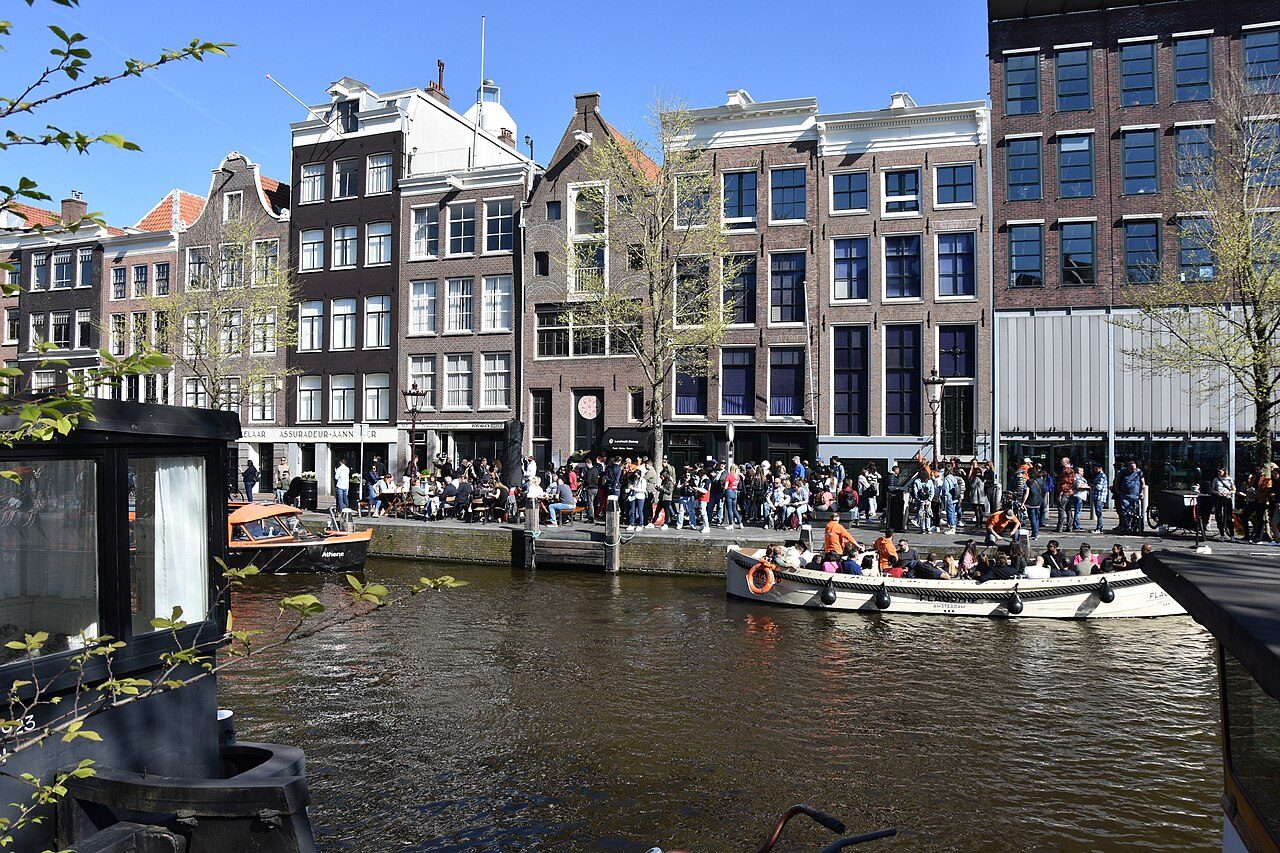
Anne Frank House
Walk through the Secret Annex and see Anne Frank's diary, picture walls and the traces her family left behind.
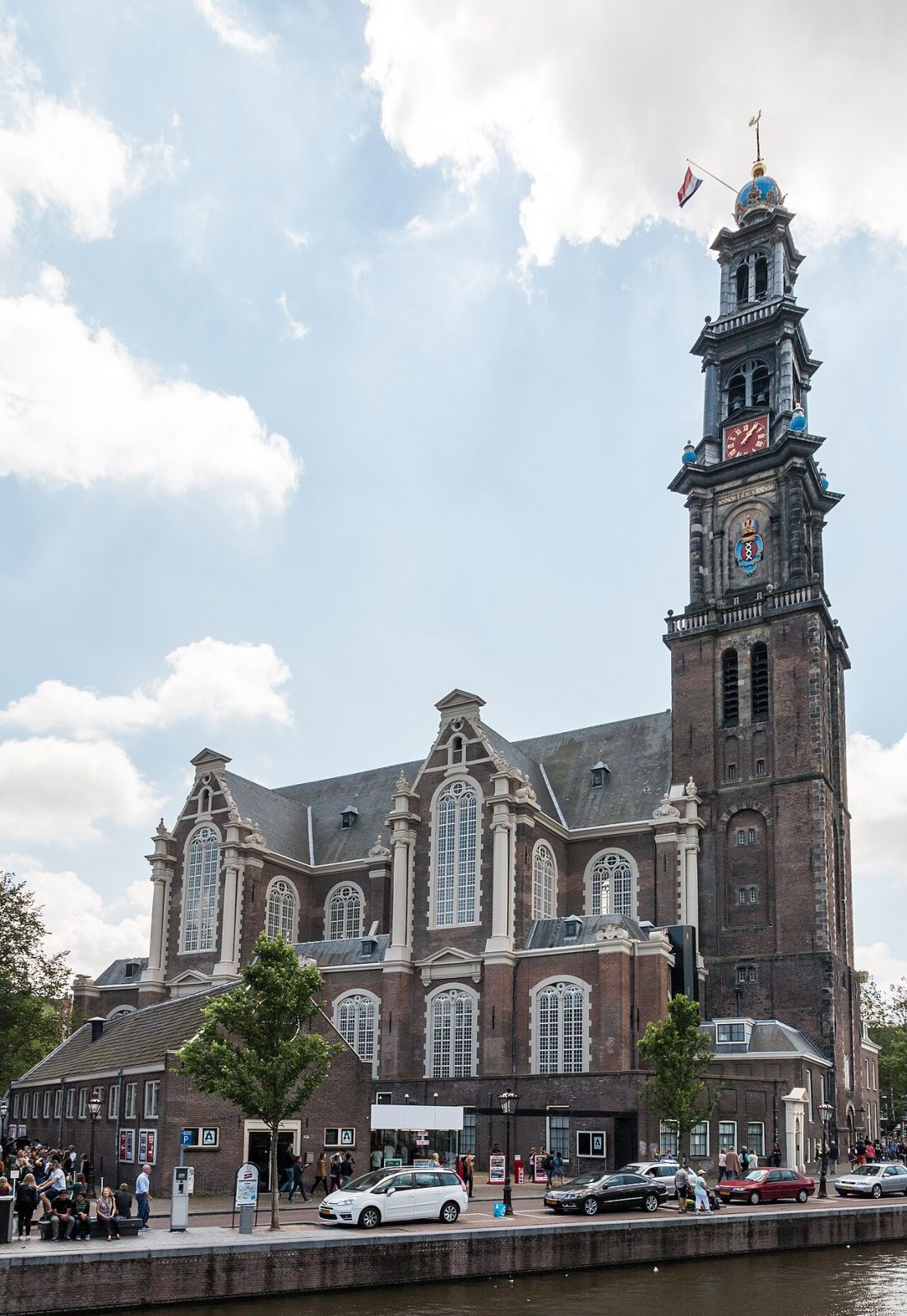
Westerkerk
A living 17th-century church beneath Amsterdam’s tallest church tower, with Rembrandt’s memorial and bells that shaped Anne Frank’s days.
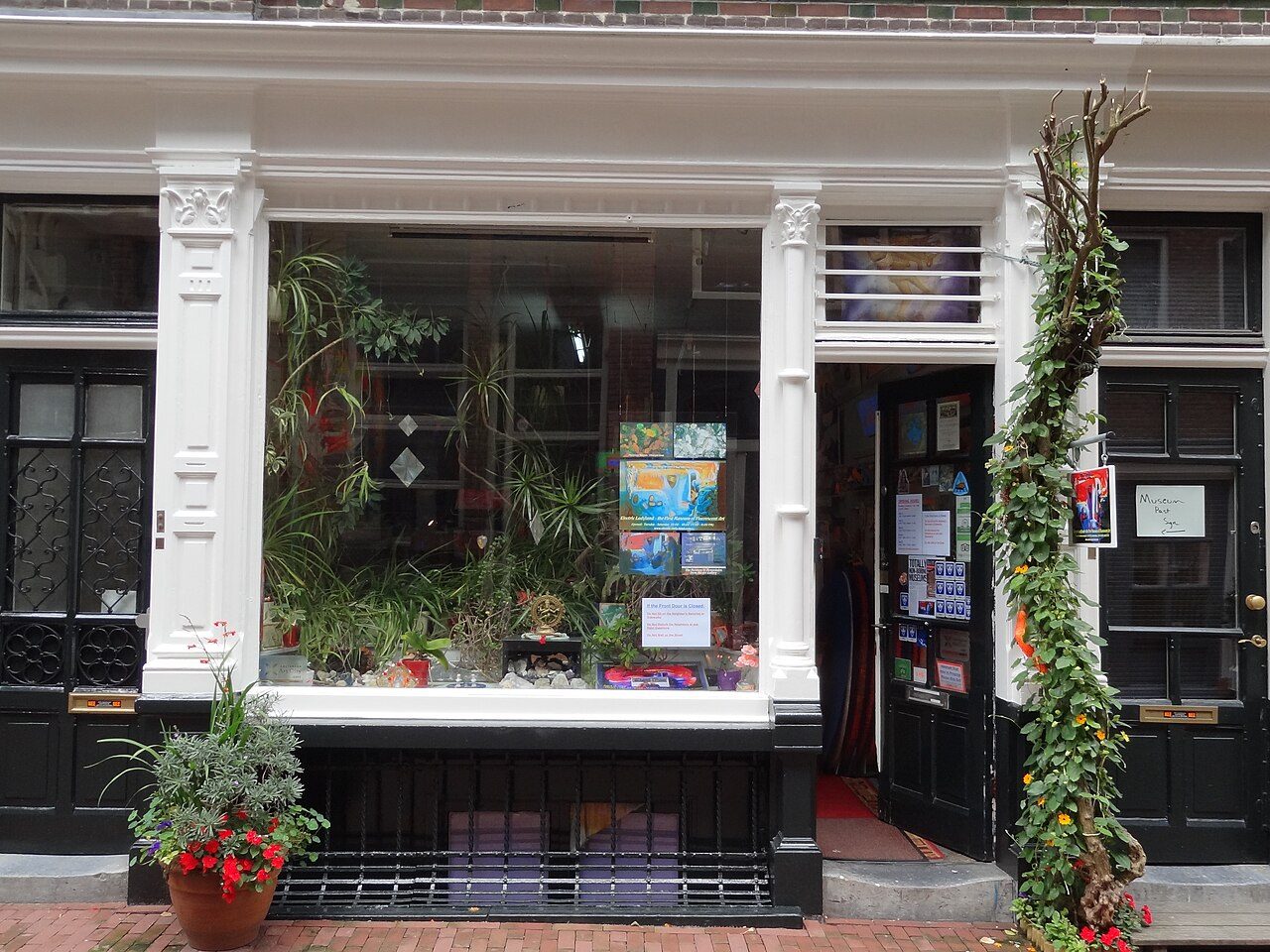
Electric Ladyland
The world's first museum of fluorescent art, in a Jordaan basement.
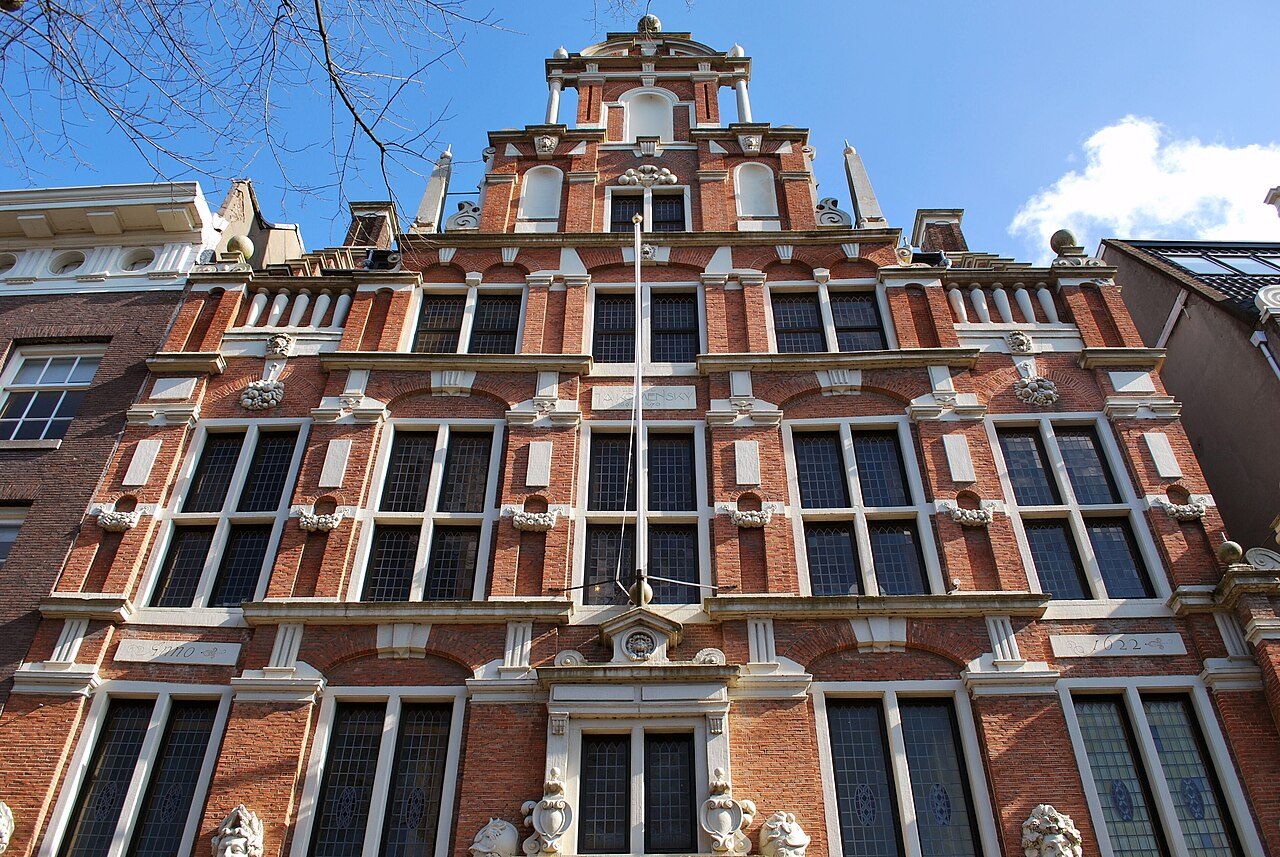
Embassy of the Free Mind
The Ritman library of hermetic philosophy in the House with the Heads.
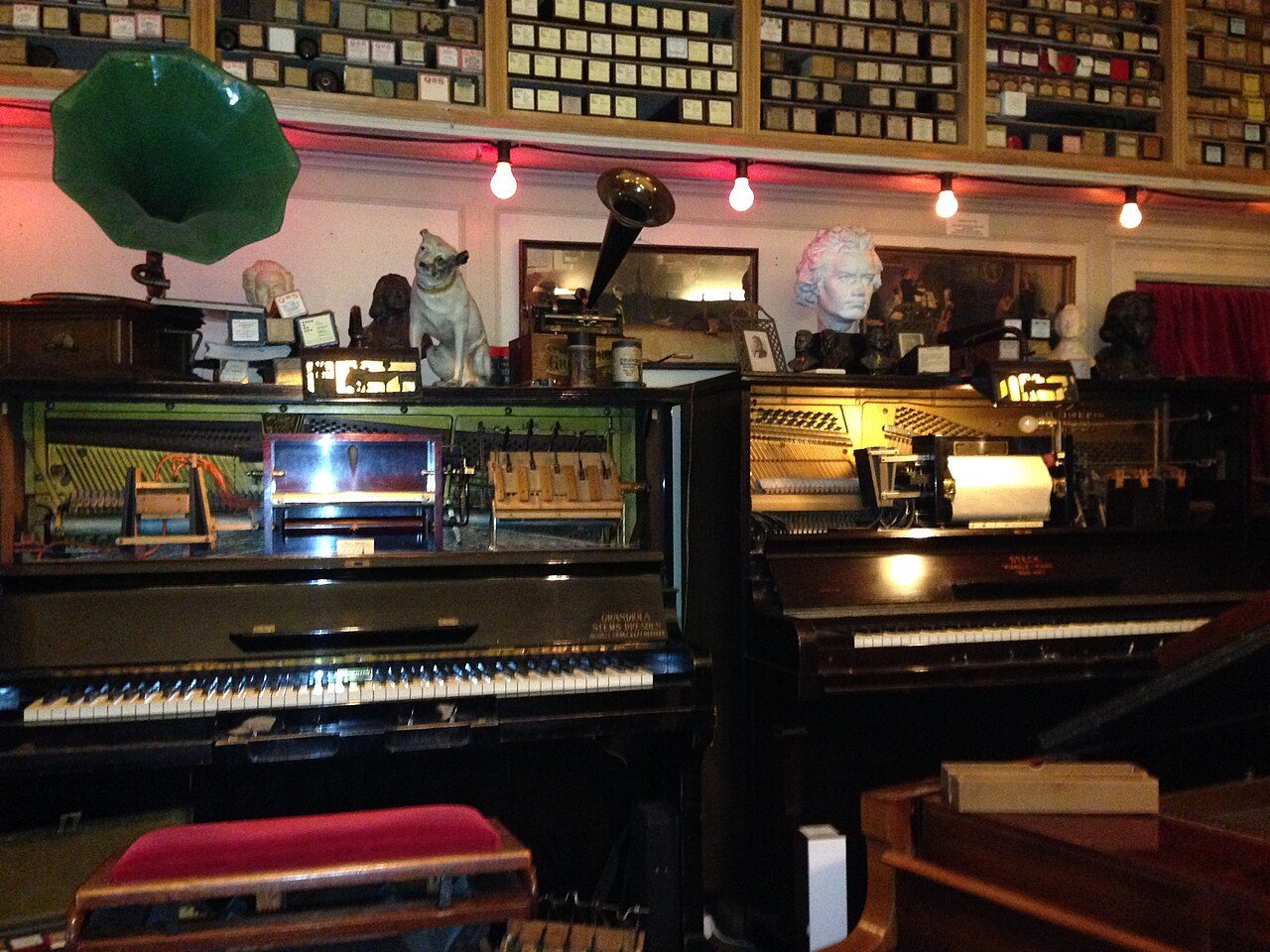
Pianola Museum
A small museum in the Jordaan full of pianos that play themselves. Every opening afternoon a guide sets the instruments going, so you hear the 1920s instead of only looking at them.
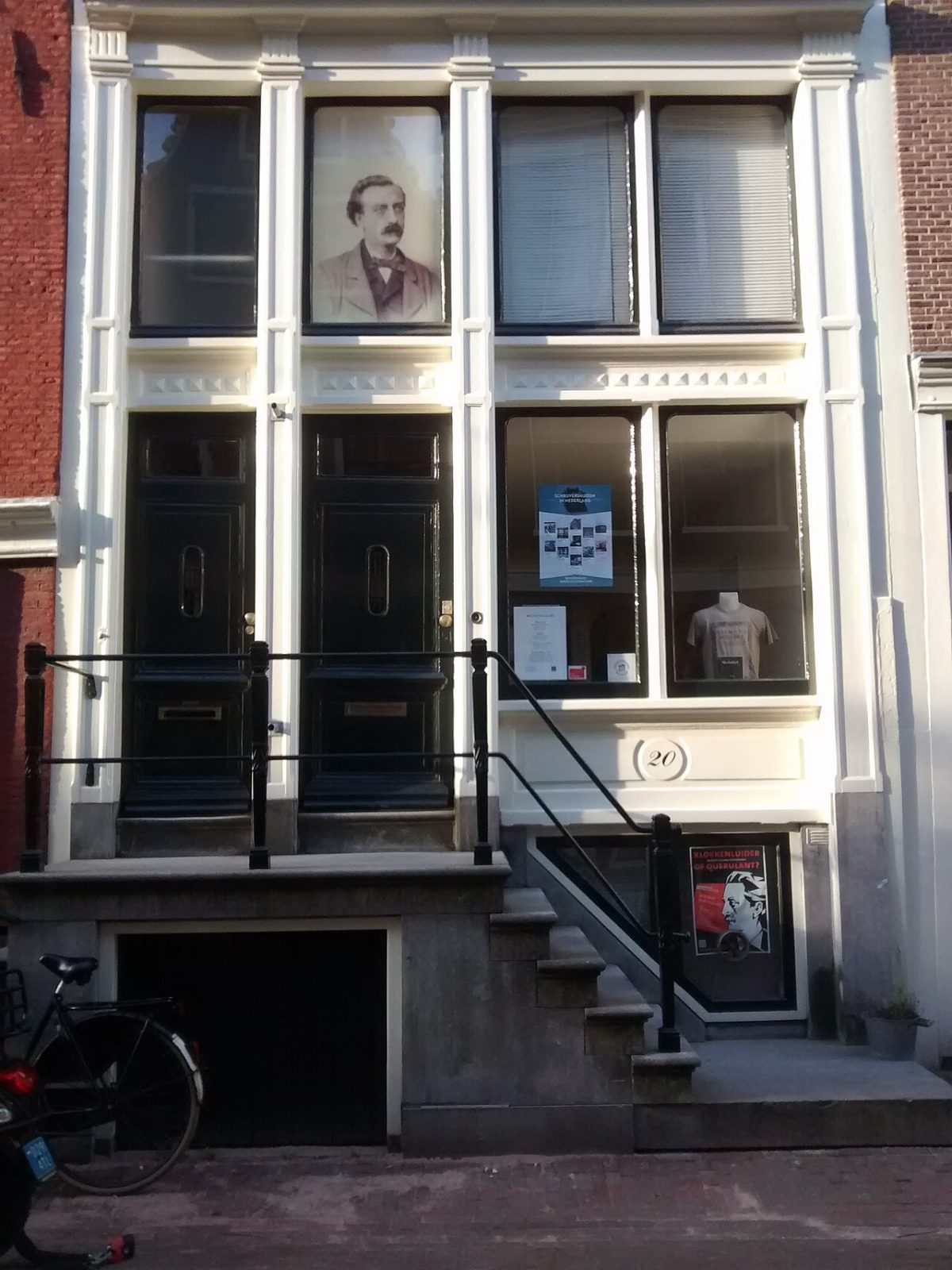
Multatuli Museum
The birthplace of the writer Multatuli.
Tours and quests that pass here
These walks have a stop a few minutes from Amsterdam Tulip Museum. Free, on your phone, start any time.
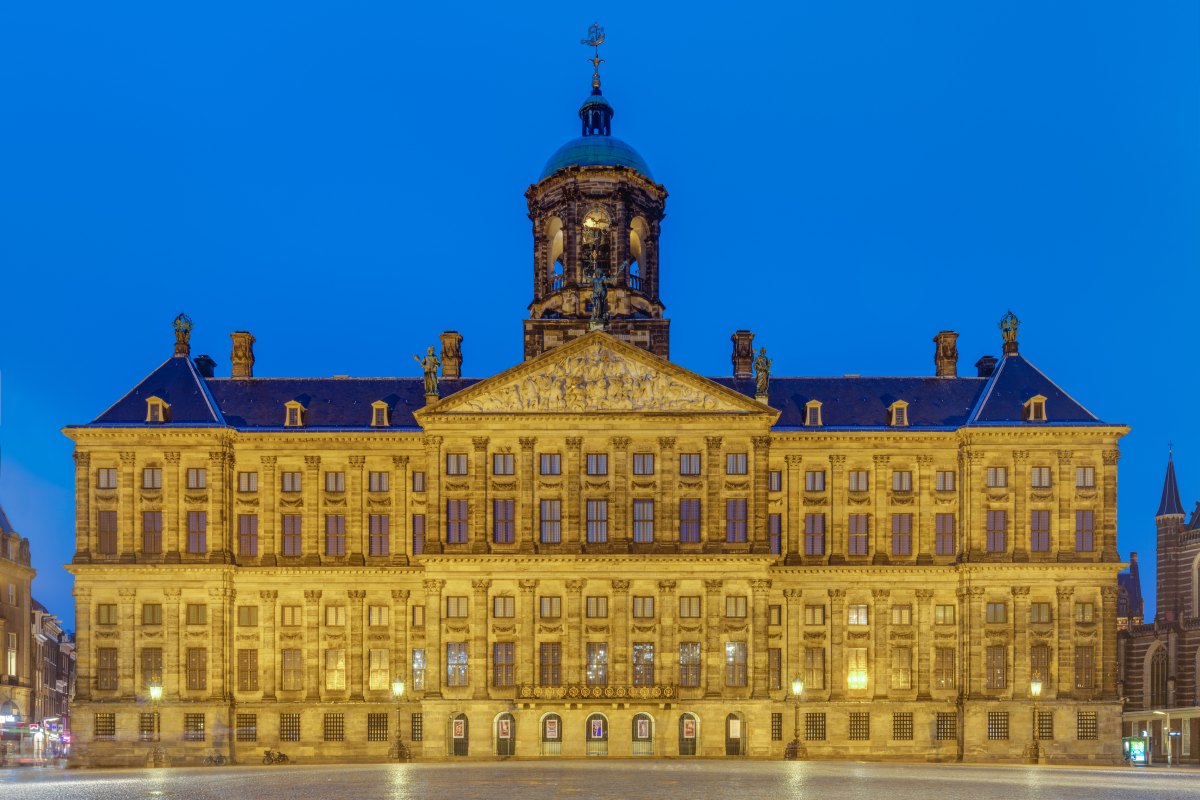 FREE AUDIO TOUR
Amsterdam in a Day: Highlights Walk
Amsterdam’s canals and grand houses tell you how a trading city grew rich, but that is only half the story. If you have one day in Amsterdam, spend it on the streets where merchants, workers and people in hiding lived within walking distance of each other.
 FREE AUDIO TOUR
In Rembrandt's Footsteps
The painter of The Night Watch lived and worked in Amsterdam, and his house is still standing. From the early 1630s until his death in 1669, Rembrandt made his life in streets you can walk today.
 FREE AUDIO TOUR
Amsterdam Ghost Tour
Amsterdam’s ghost stories belong to real streets, where crowds waited for spirits and families went out to look at hanging bodies. You can stand in those places today, with canal water beside you and old church towers overhead.