
MUSEUM
Multatuli Museum
The birthplace of the writer Multatuli.
A birthplace he did not want
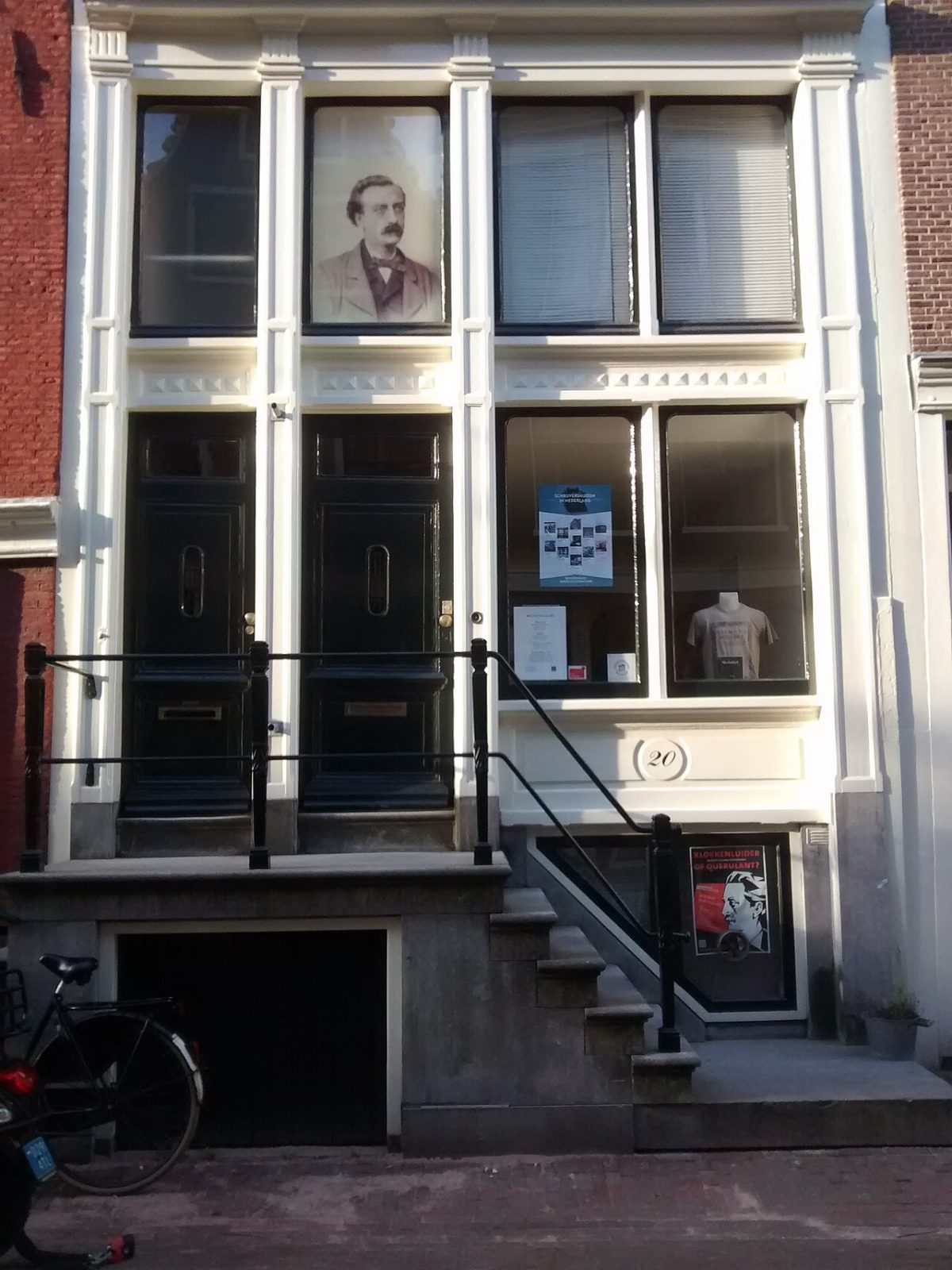
Multatuli thought he had been born on the more respectable Haarlemmerdijk. Late in his life, his admirer Jan Zürcher told him otherwise: his birthplace was the narrow Korsjespoortsteeg. The writer was not pleased. That house is now the Multatuli Museum, a place to meet the man through his possessions as well as his reputation.
Multatuli was the pen name of Eduard Douwes Dekker, born in 1820. His novel *Max Havelaar*, published in 1860, challenged Dutch colonial abuses in the East Indies. You do not need to have read it to find something here. The house brings a major literary figure down to the scale of a room, a bookcase and a piece of furniture someone once allowed visitors to sit on.
Read the house first
Before going inside, pause in Korsjespoortsteeg and look up. The building has an extra storey inserted after the period when Multatuli’s family lived here. What you see is not an untouched version of his birthplace.
In 1819, the house accommodated his parents and their children, a seamstress, and a porter and his wife in the cellar. Keep that crowded household in mind. This was shared domestic space, not a house occupied by one writer’s family alone.
If you approach from Brouwersgracht, about four minutes away on foot, the narrow street gives you a different scale from the canal frontage. Unlike the Anne Frank House, where a concealed living space is central to the visit, this house tells much of its story through the personal objects preserved within it.
The chair and the travelling urn
Look for the chaise longue on which Multatuli died in 1887. Its later museum life has a surprisingly informal chapter. Until she retired in 1988, guide Jacqueline Roelfsema allowed attentive, well-behaved visitors to sit on it. That is a story about past museum practice, not an invitation to try it today. It also tells you how directly a guide once connected visitors with the writer.
The ornamental urn has an equally personal history. Multatuli’s widow, Mimi, took his ashes with her whenever she moved. In 1920 she surrendered the urn for an exhibition. The ashes were transferred to a memorial in 1948, before the empty urn reached this house. When you look at it, remember that it is the container that travelled with Mimi, not the present resting place of the writer’s remains.
A reader’s bookcase
Multatuli’s own bookcase was donated by Mimi in 1930. A 1997 account described it on display in the museum, with roughly 400 books. Only seven were known for certain not to have been leafed through by Multatuli himself.
That is a good detail to carry into the rooms. These were not simply books gathered to illustrate an author’s period. Almost all belonged to the reading world he had handled himself. Ask about the bookcase and take time over it if it is on display. Alongside the chaise longue and the empty urn, it makes this birthplace a place about the life that followed: reading, writing, death, and the people who decided what to keep.
Things to know
- Find the museum on Korsjespoortsteeg.
- Allow about four minutes on foot from Brouwersgracht.
- Pause outside to look at the later-added storey.
- Ask about Multatuli’s bookcase and its display.
- Opening hours and prices can change. Check the official website before you go. Official website
What people say
Related spots
More things to do in Amsterdam ›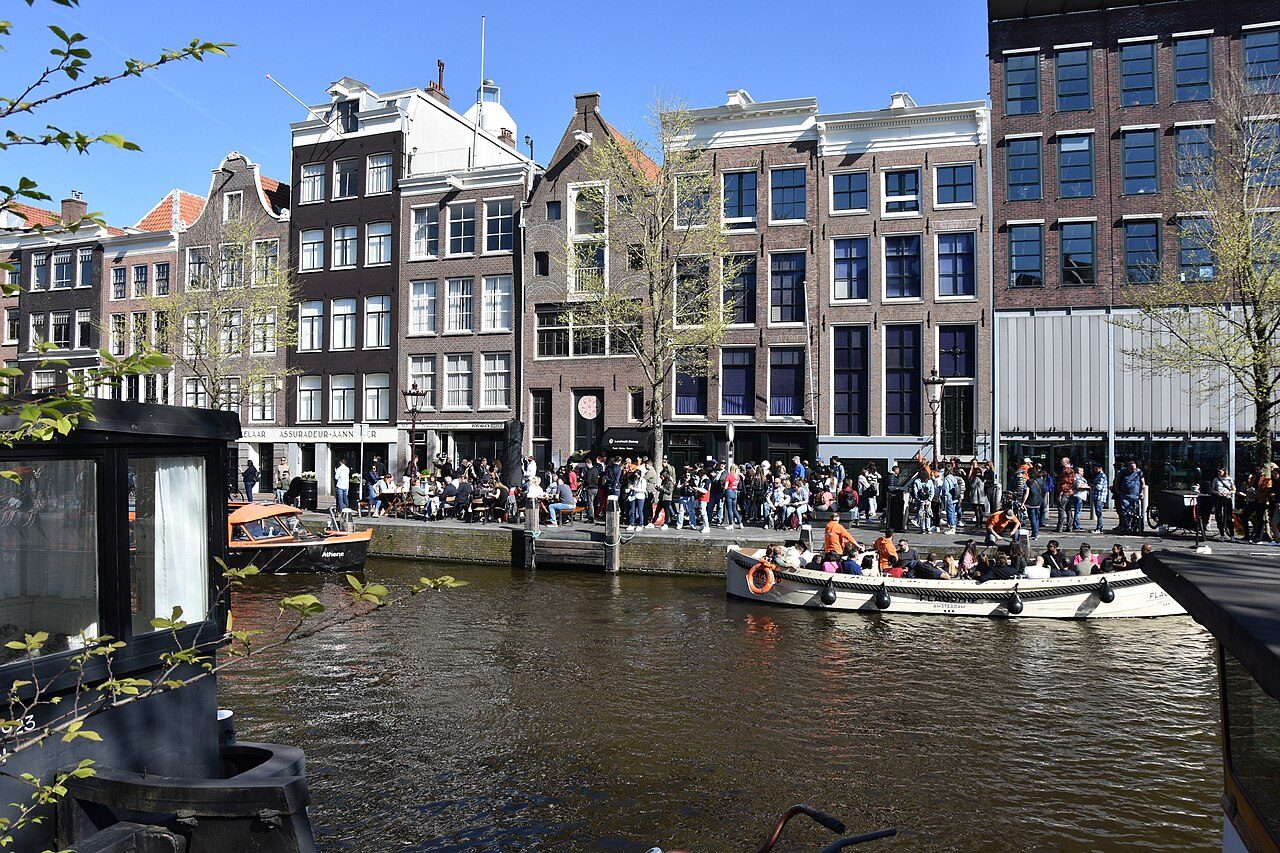
Anne Frank House
Walk through the Secret Annex and see Anne Frank's diary, picture walls and the traces her family left behind.
Brouwersgracht
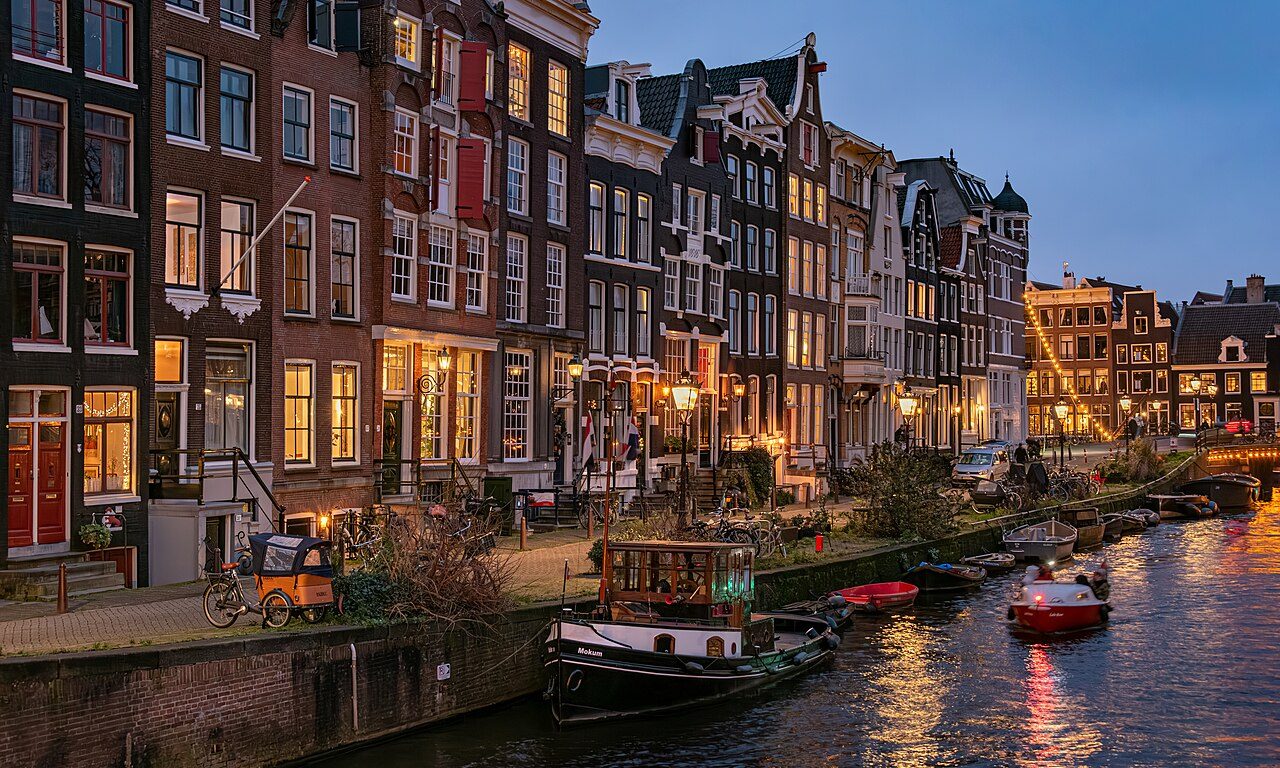
A canal of former brewery warehouses, bridges and lived-in corners, where Amsterdam’s trade history is still easy to read.
Embassy of the Free Mind
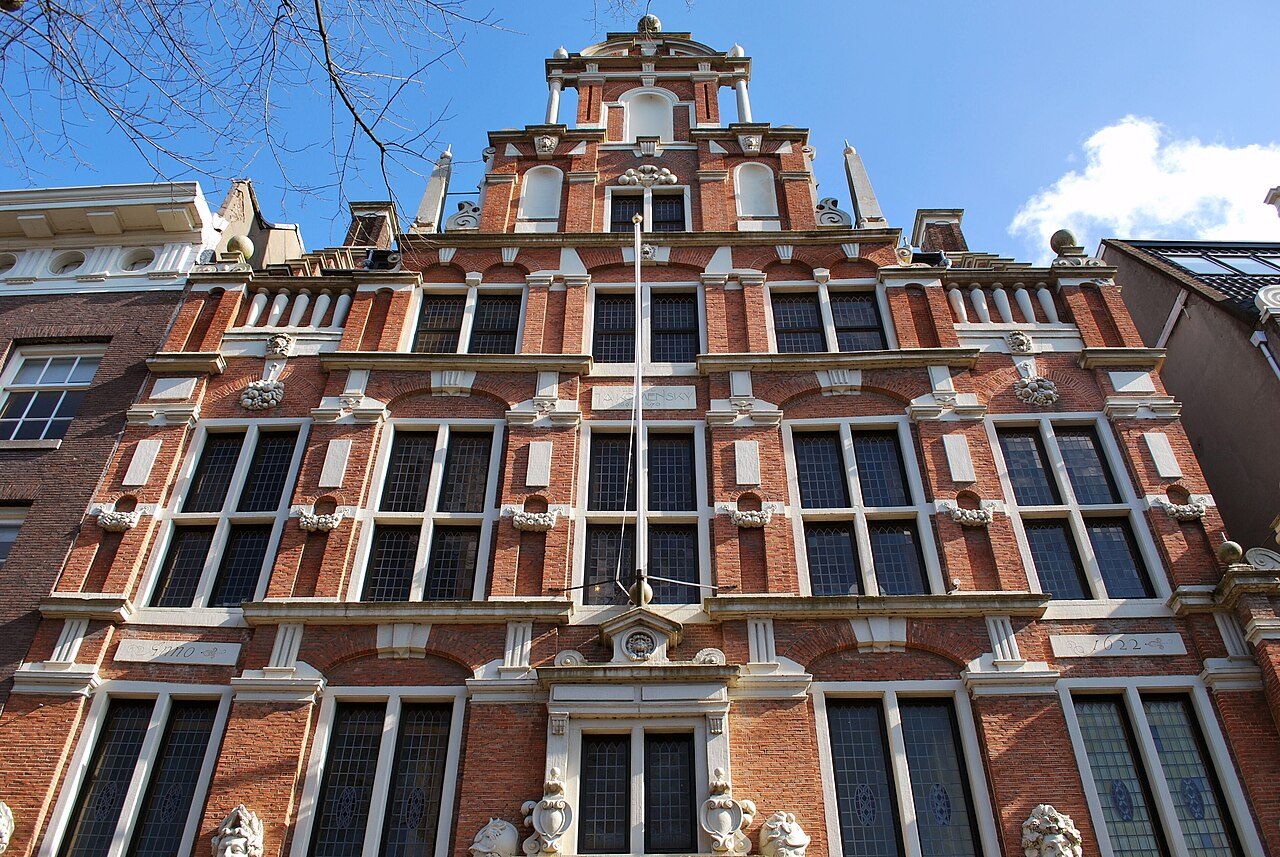
The Ritman library of hermetic philosophy in the House with the Heads.
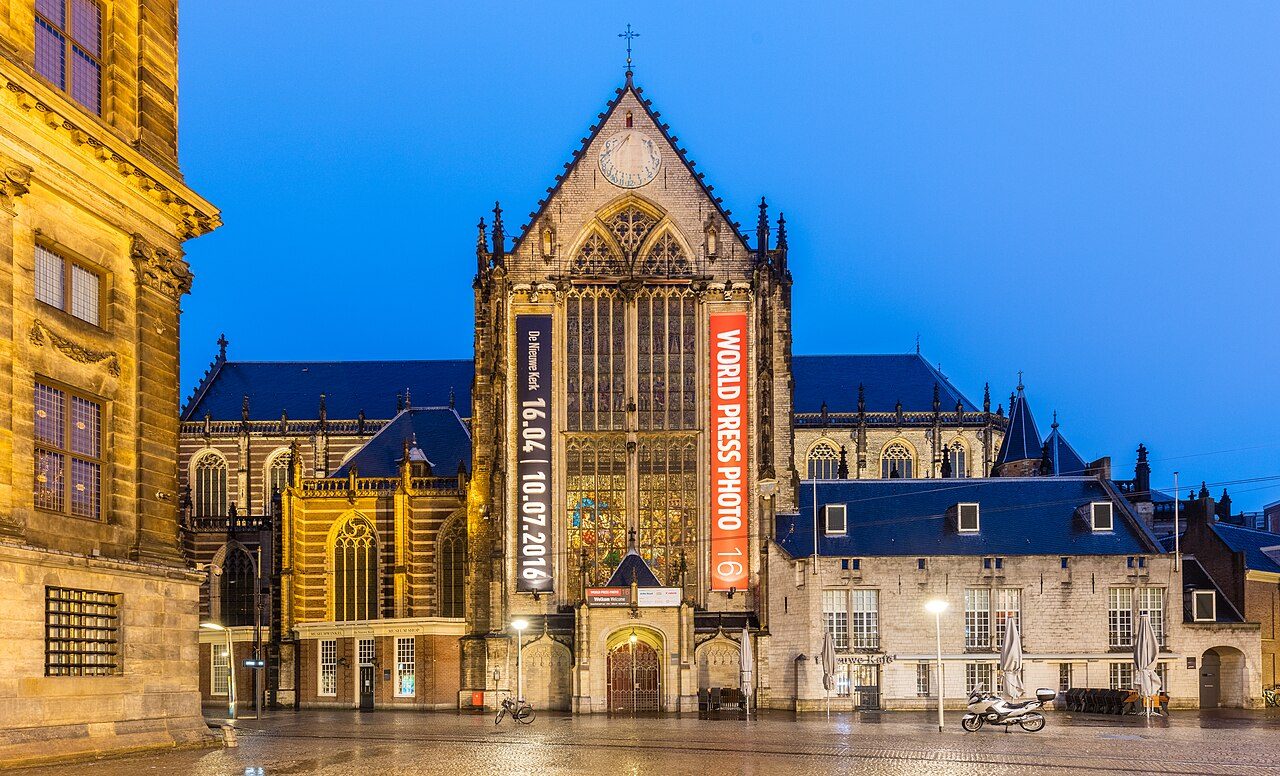
Nieuwe Kerk
A medieval church on Dam Square, now an exhibition venue and setting for royal inaugurations.
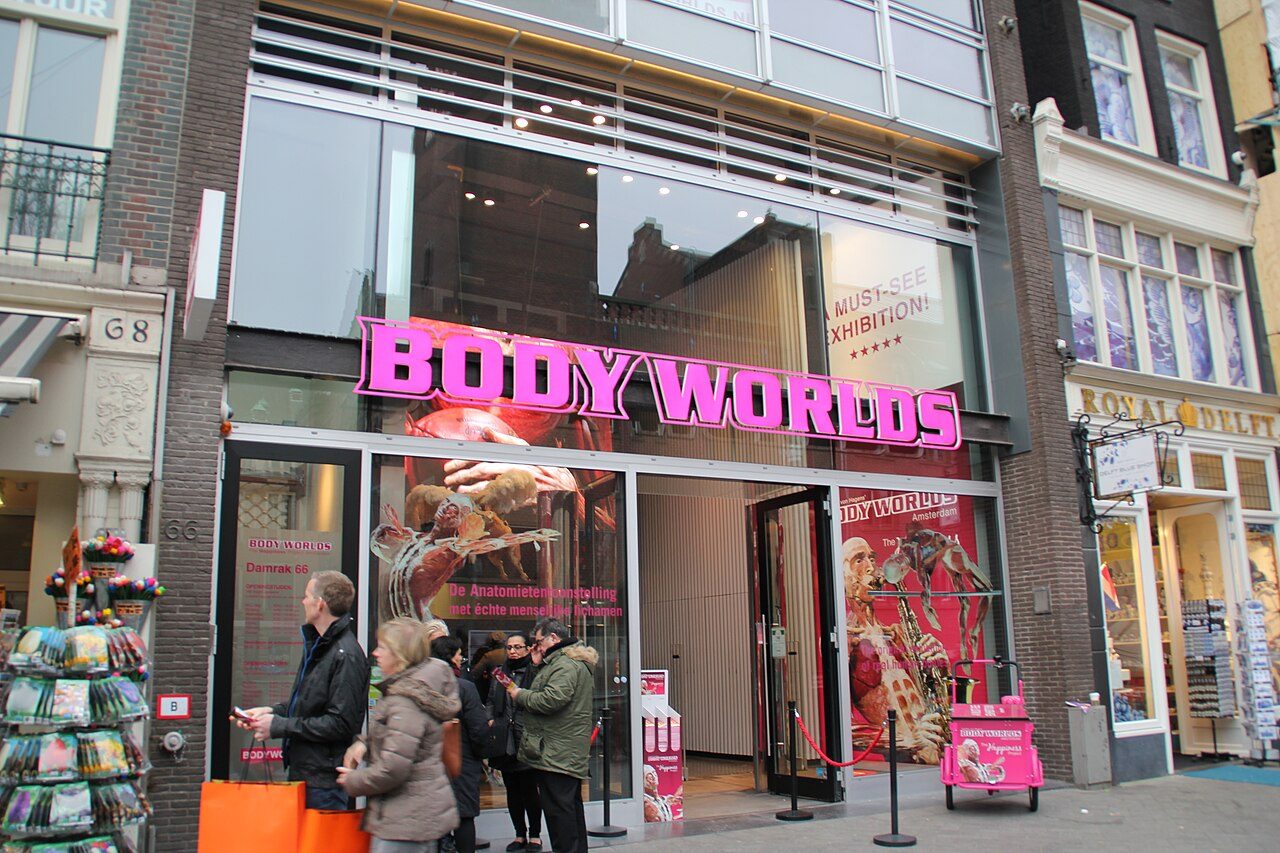
Body Worlds Amsterdam
See the human body from the inside at a seven-level exhibition of real, plastinated specimens.
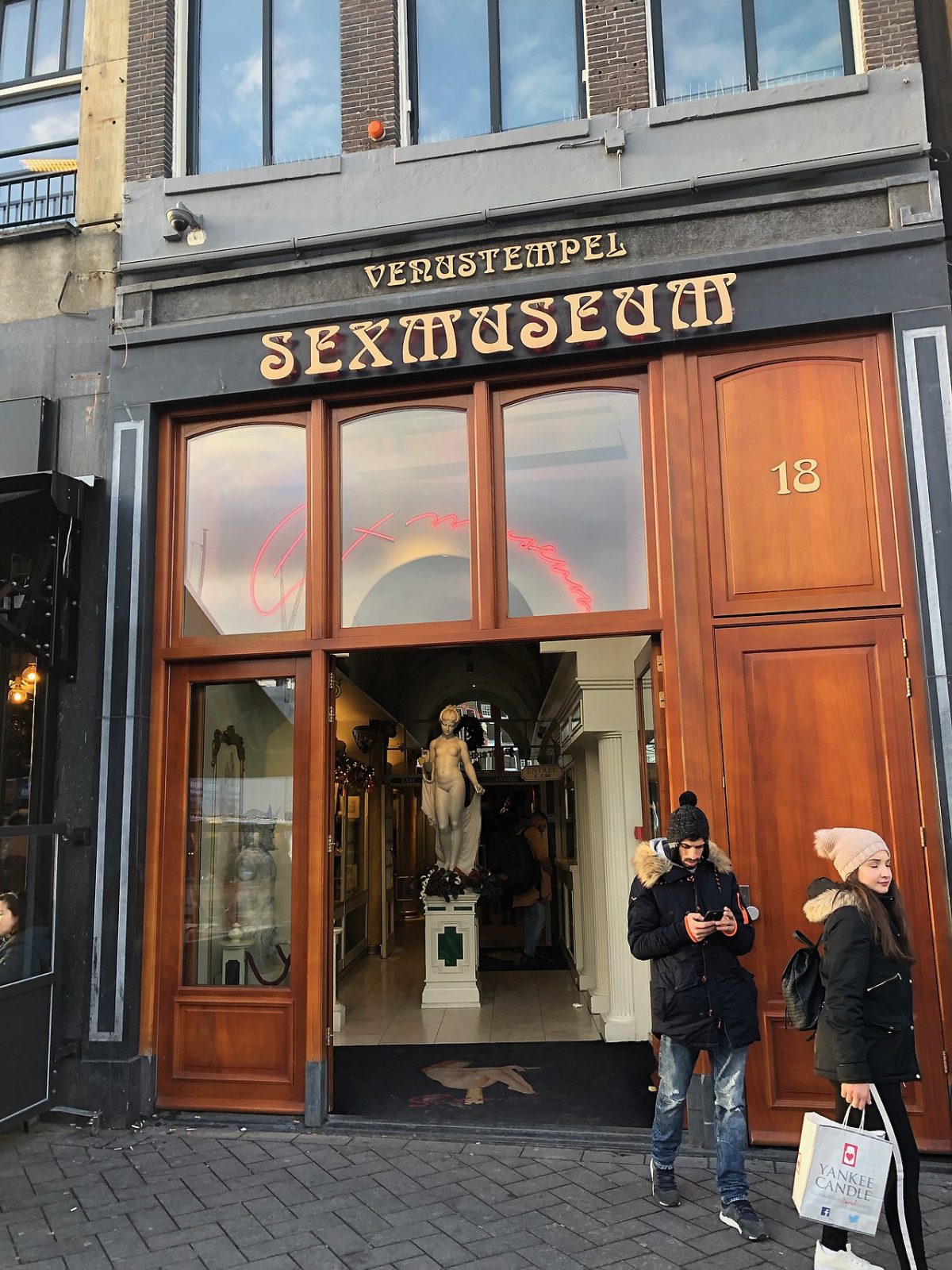
Sexmuseum Amsterdam
The world's oldest sex museum, on the Damrak since 1985.
Tours and quests that pass here
These walks have a stop a few minutes from Multatuli Museum. Free, on your phone, start any time.
 FREE AUDIO TOUR
Amsterdam in a Day: Highlights Walk
Amsterdam’s canals and grand houses tell you how a trading city grew rich, but that is only half the story. If you have one day in Amsterdam, spend it on the streets where merchants, workers and people in hiding lived within walking distance of each other.
 CITYQUEST
The Canal Cipher
A merchant’s missing fortune is waiting to be traced through Amsterdam’s canals in The Canal Cipher. Follow his coded will, gather clues and work out a final answer to claim the treasure.
 FREE AUDIO TOUR
Amsterdam Ghost Tour
Amsterdam’s ghost stories belong to real streets, where crowds waited for spirits and families went out to look at hanging bodies. You can stand in those places today, with canal water beside you and old church towers overhead.