
MUSEUM
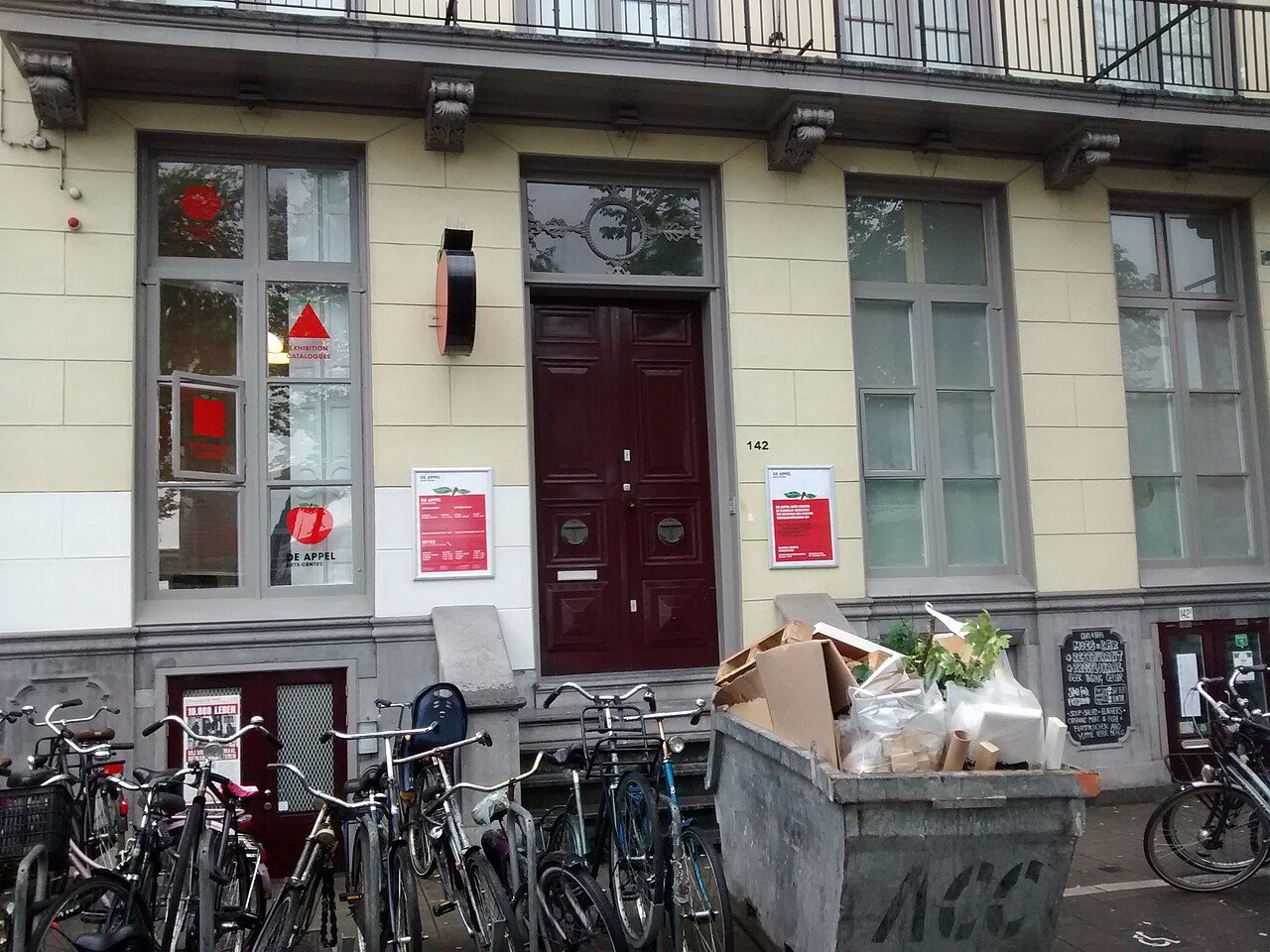
De Appel
A centre for contemporary art since 1975.
Art that changes the situation
In 1976, Marina Abramović exchanged roles with a sex worker named Suze. Abramović sat in Suze’s window while Suze went to the artist’s exhibition opening at De Appel. The performance belonged to De Appel’s former Brouwersgracht address, not the building you are visiting now. It is a good introduction to a contemporary art centre that has been active in Amsterdam since 1975: the artwork need not be an object hanging on a wall.
Come with that distinction in mind. Unlike the broader museum setting of the Stedelijk Museum, De Appel is a place to approach through its current programme. Check what is being presented before setting out, rather than expecting a fixed selection of familiar works.
Photographs that disappeared
Another event from 1976 makes that approach clearer. For Fototot I, Ulay hung unfixed photographs of Marina Abramović in a dim room at De Appel. When the lights came on, the images turned black within seconds. The audience had arrived to look at photographs; the act of illuminating them made them disappear.
The surprise was part of what happened, not a technical fault. Keep that story in mind when looking at the current work. Ask what the room, the lighting or your own presence contributes to it. These two early performances explain something important about De Appel’s history: an encounter here could depend on an action, an exchange or a brief moment, rather than an object that would remain unchanged.
A temple, then a synagogue
The present building has a separate history. Architects J. Brinkman and L. C. van der Vlugt designed it in 1926–1927 as a Theosophical temple. Its unusual plan forms a quarter circle. As you move through it, try to read that shape in the relationship between the rooms, rather than assuming a conventional rectangular layout.
From 1937, the building served as a synagogue. Otto Frank, Anne Frank’s father, helped establish it, and Heinrich Stern attended its dedication. That gives the building a connection to the family remembered at the Anne Frank House, but through an earlier chapter of religious and community life. Hold that history alongside the original temple: this was a place of gathering long before contemporary art arrived.
Cinema into the early hours
The building also housed CinéTol. In 1961, Cor Koppies took over the cinema and turned it into an art-house venue. From 1966, its late-night screenings drew queues of film students and critics. Discussions sometimes continued until daylight. Imagine those audiences leaving a screening with enough to argue about for the rest of the night.
You do not need to find surviving cinema fittings to appreciate that chapter. Look instead at the building as a succession of spaces for shared attention: temple, synagogue, cinema and art centre. As you stand inside, give both the current work and the room around it a little time.
Things to know
- Check the current programme before making the walk.
- Use De Appel’s current visitor address, not its former Brouwersgracht location.
- Allow time to look at the building as well as the art.
- Keep the quarter-circle floor plan in mind as you move through.
- Opening hours and prices can change. Check the official website before you go. Official website
What people say
Related spots
More things to do in Amsterdam ›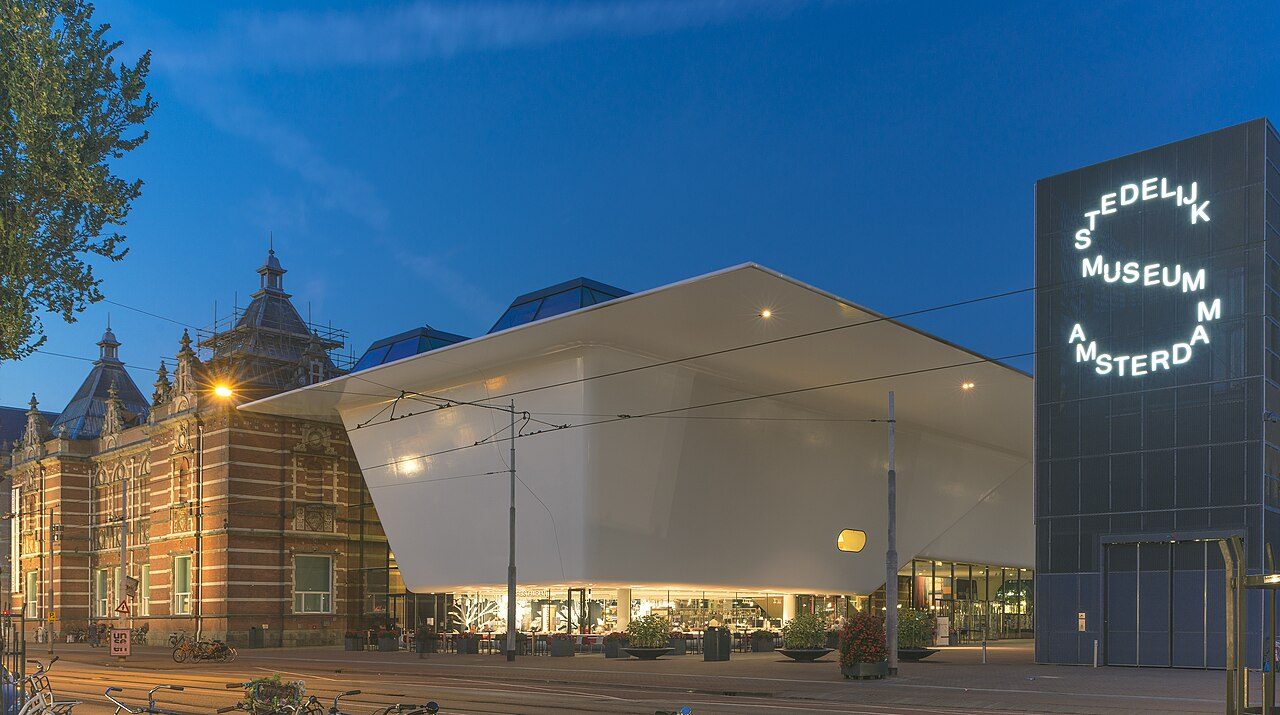
Stedelijk Museum
Modern and contemporary art and design fill a red-brick museum and its white extension on Museumplein.
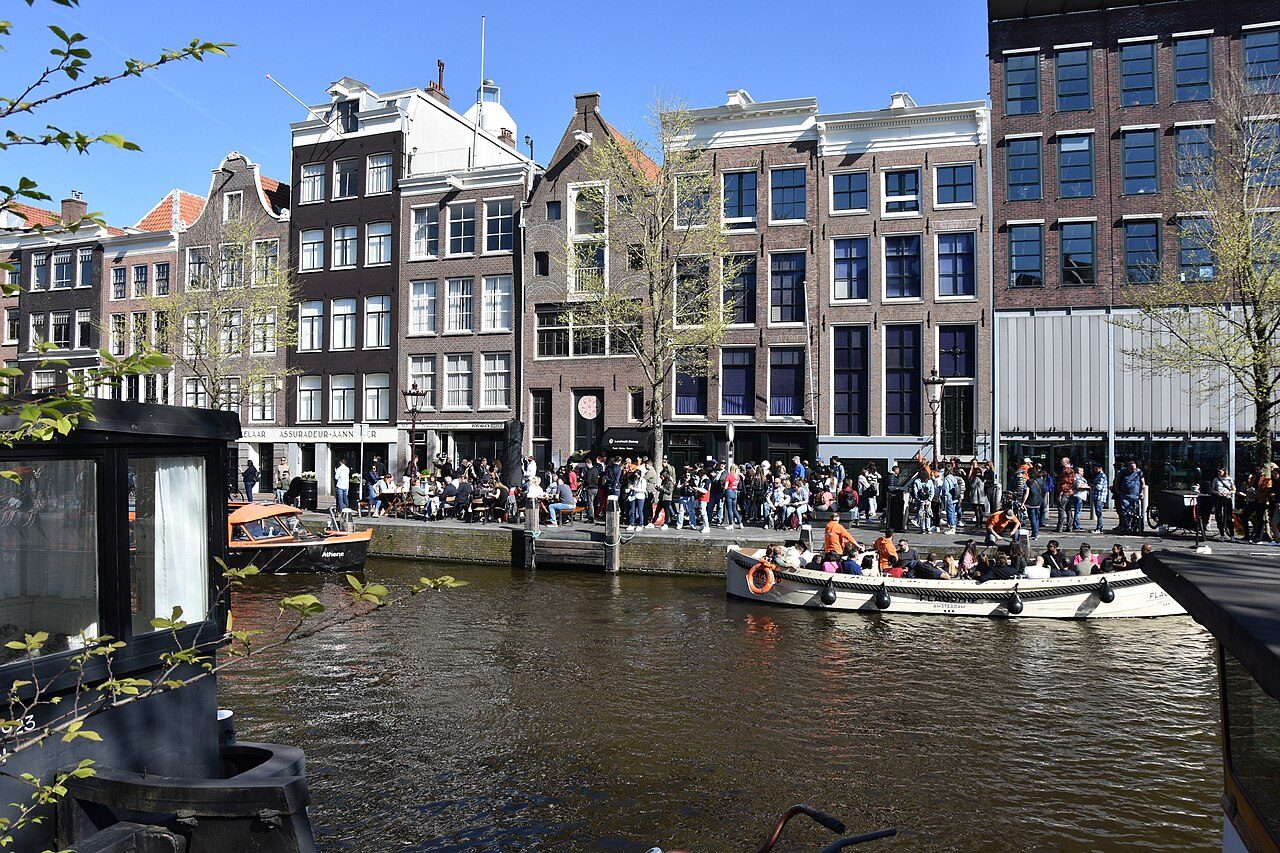
Anne Frank House
Walk through the Secret Annex and see Anne Frank's diary, picture walls and the traces her family left behind.
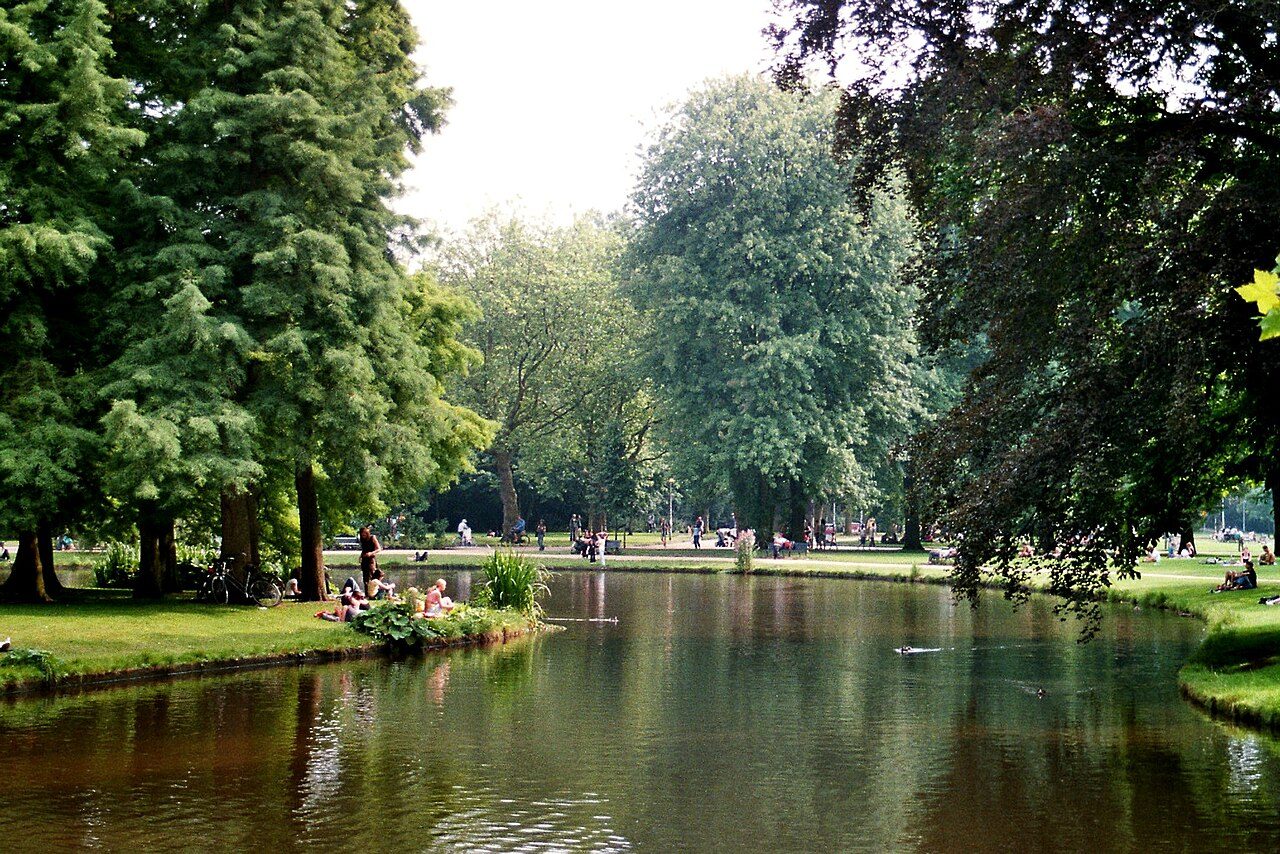
Vondelpark
Amsterdam's green stretch for a slow walk, with ponds, a rose garden, outdoor art and summer performances.
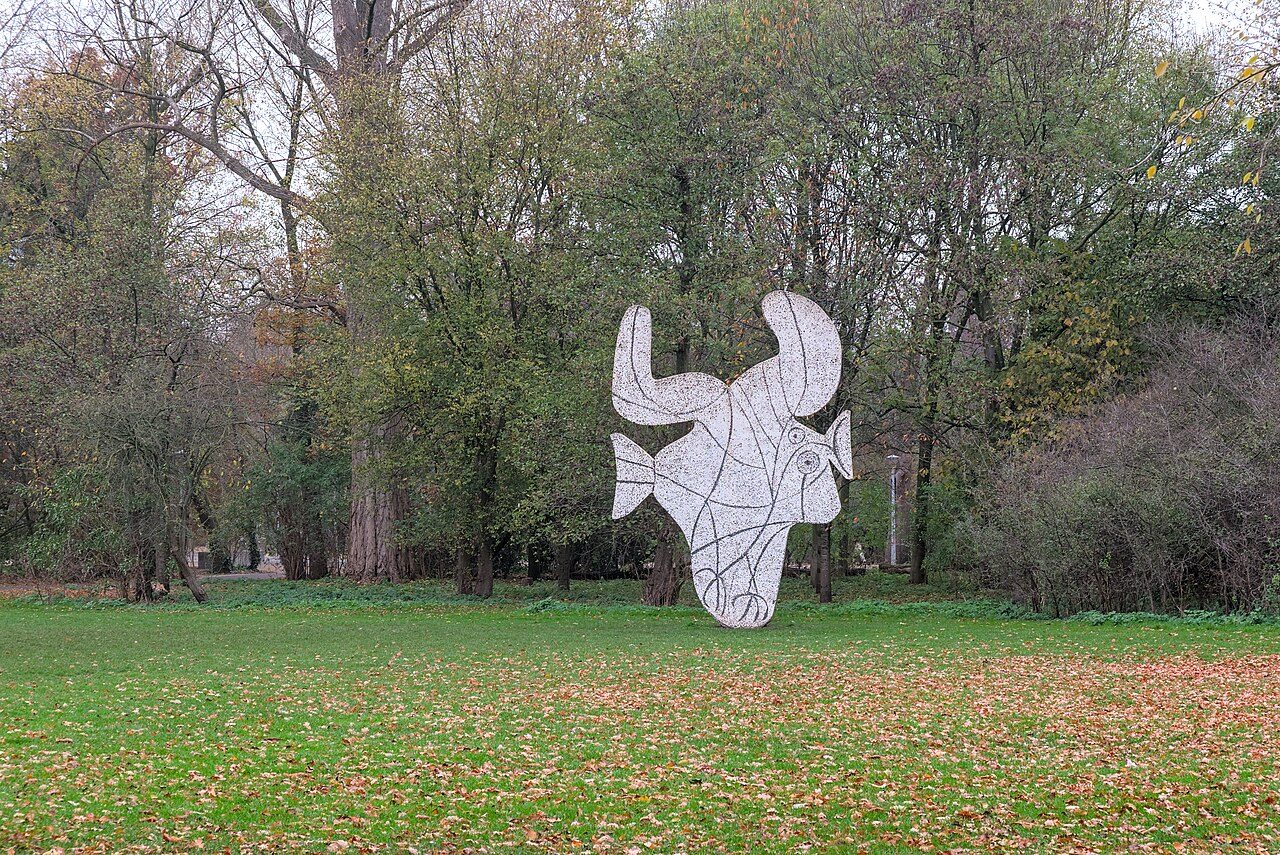
Picasso in the Vondelpark
A real Picasso, 'Figure découpée' (the fish), standing on a lawn in the Vondelpark since 1965. Joggers pass it without looking.
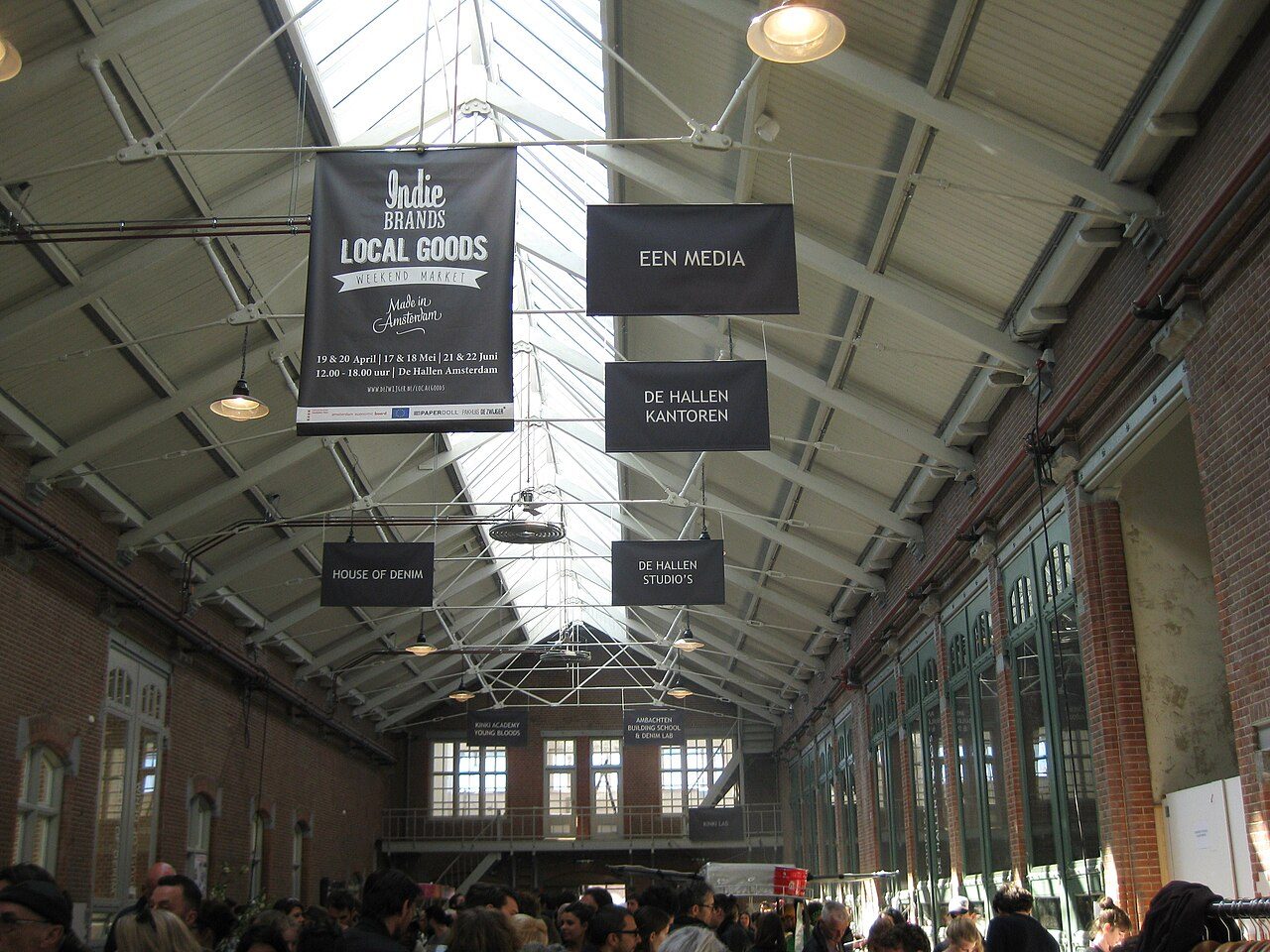
Foodhallen (De Hallen)
Choose from independent food stalls in a former tram depot, then explore the rails and brickwork of De Hallen.
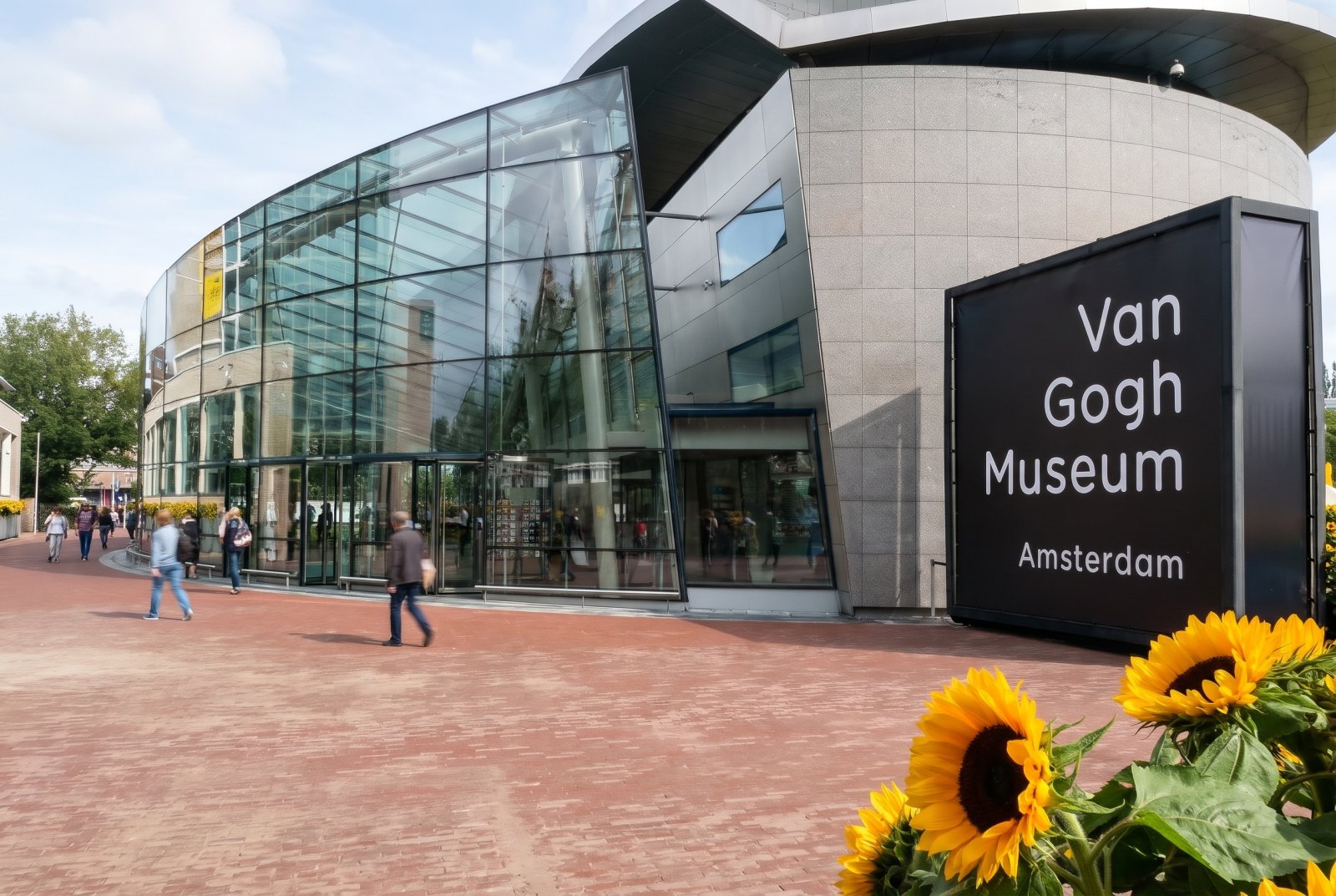
Van Gogh Museum
See Sunflowers, The Bedroom and The Potato Eaters, then follow Van Gogh's search for colour through his paintings and letters.
Walk it with a guide or a quest
If you want a story on the way, these walks also live in Amsterdam.
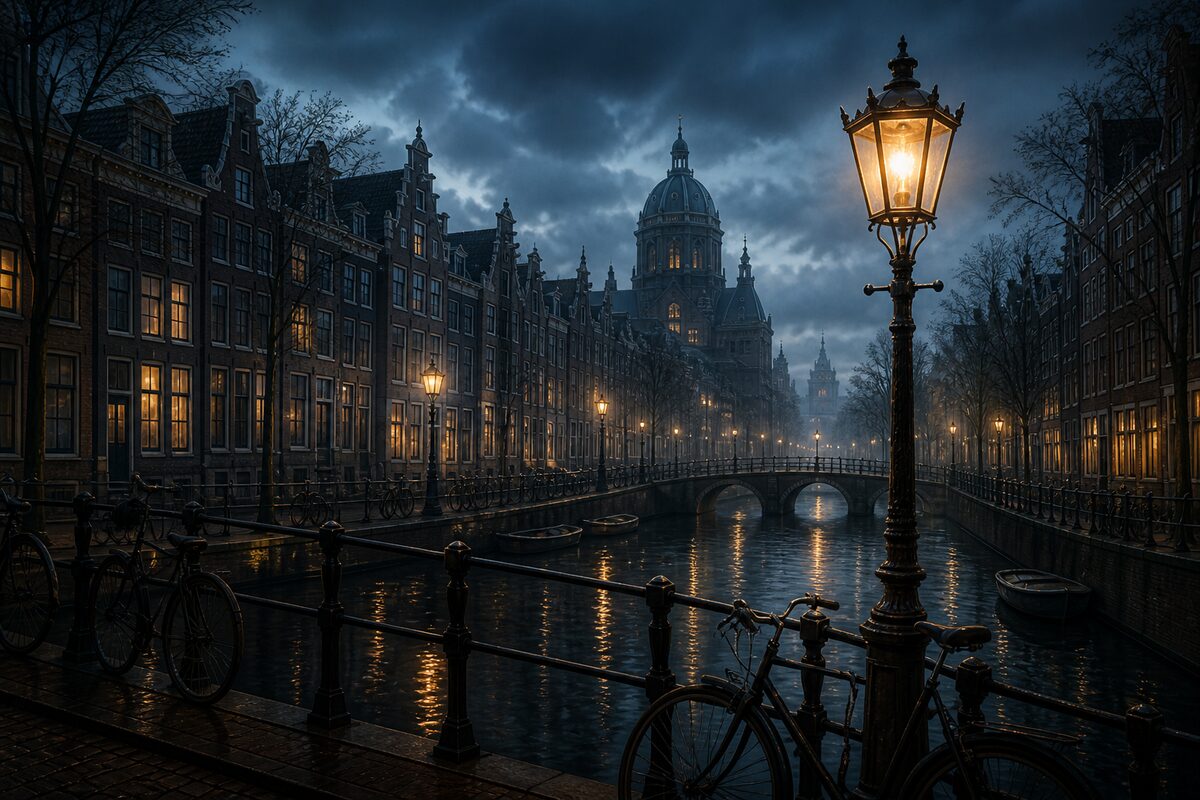 FREE AUDIO TOUR
Amsterdam Ghost Tour
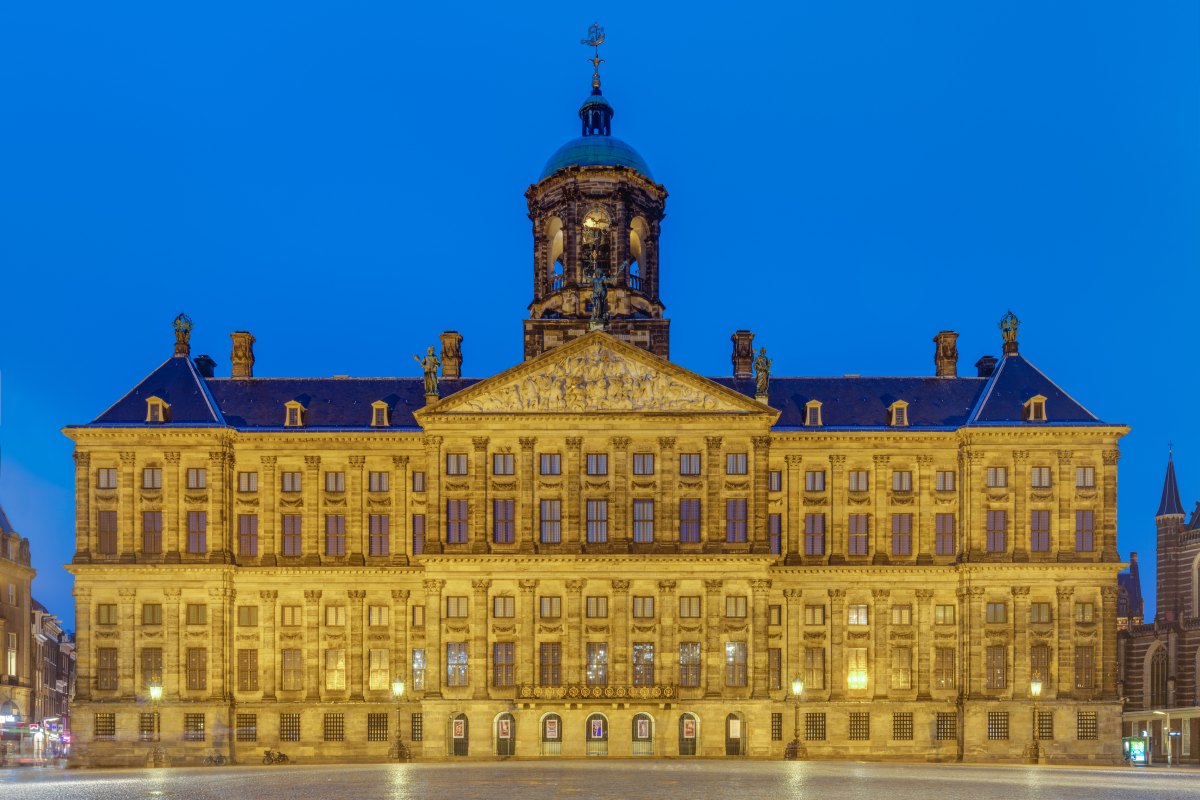
Amsterdam’s ghost stories belong to real streets, where crowds waited for spirits and families went out to look at hanging bodies. You can stand in those places today, with canal water beside you and old church towers overhead.
 FREE AUDIO TOUR
Amsterdam in a Day: Highlights Walk
Amsterdam’s canals and grand houses tell you how a trading city grew rich, but that is only half the story. If you have one day in Amsterdam, spend it on the streets where merchants, workers and people in hiding lived within walking distance of each other.
 FREE AUDIO TOUR
Red Light District
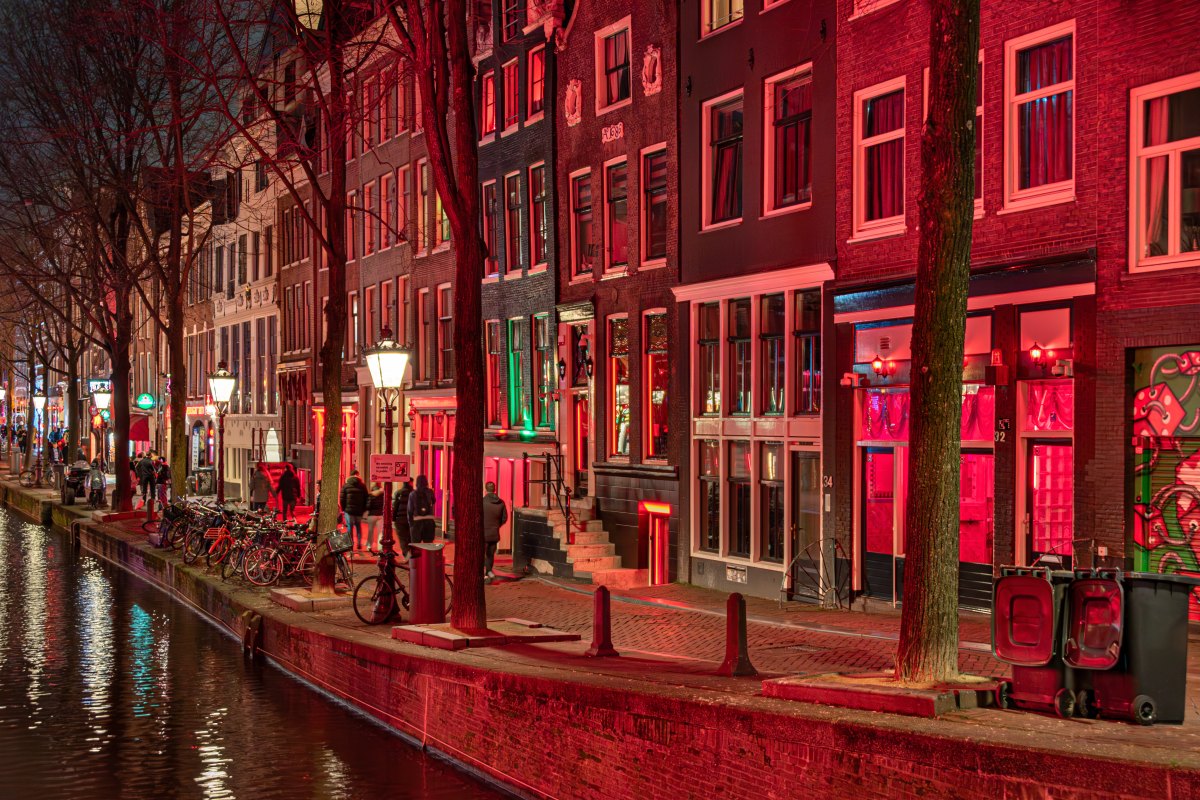
Amsterdam’s Red Light District is a neighbourhood where sex workers work behind street-level windows, right beside a church. Walk these lanes and you’ll stand where the city has made room for the sex trade while punishing people who worked in it.