
MUSEUM
Museum Jan
Modern art and glass in Amstelveen.
A museum in a sculptor’s garden
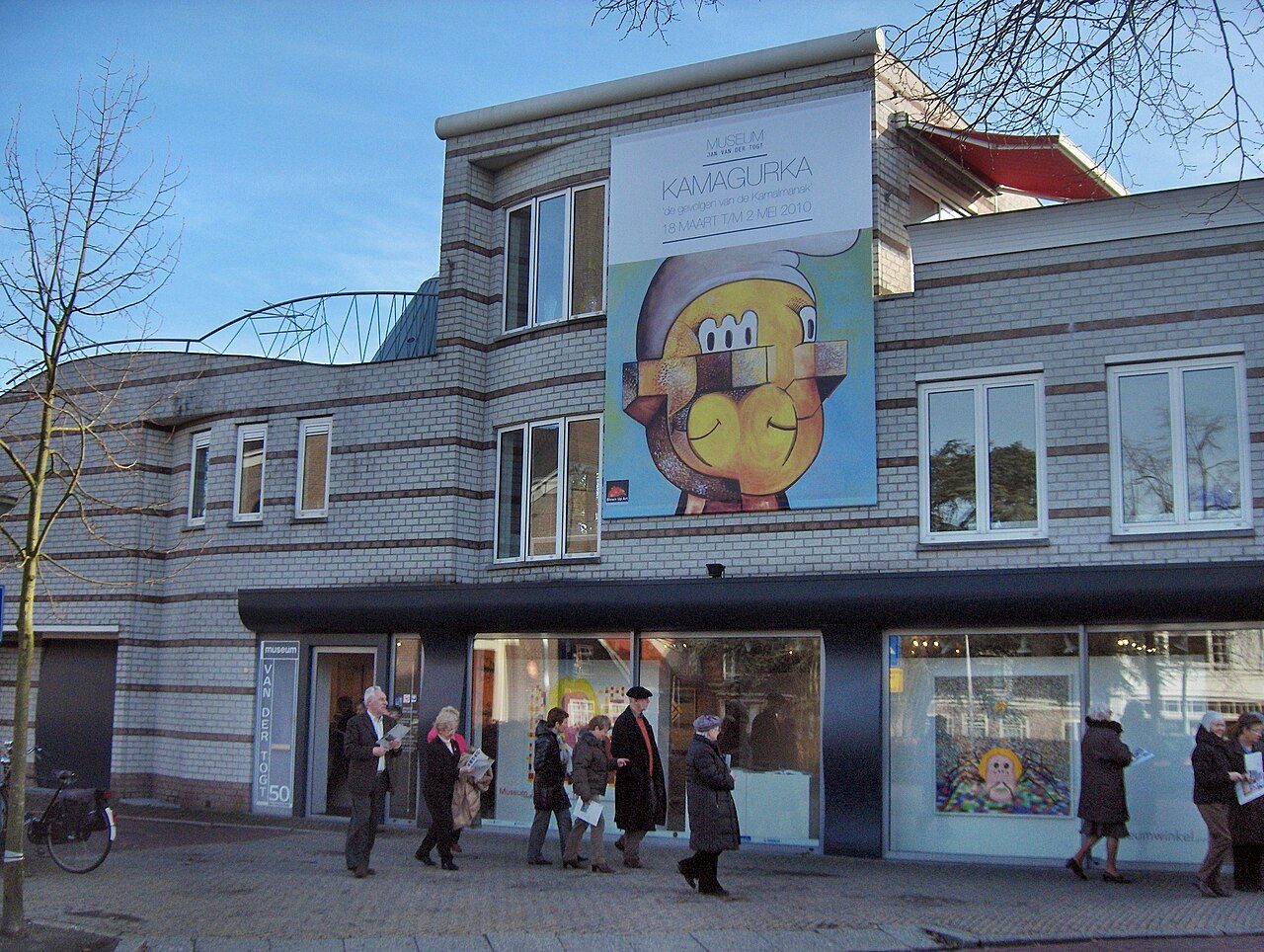
Museum Jan began in an unusually personal setting. In 1991, it rose in sculptor Jan Verschoor’s back garden in Amstelveen’s old village centre. His home connects directly to the museum, and its door sometimes opens to visitors. That connection between a working artist, a collector and the art around them is a useful way to approach the place.
This is a museum of modern visual art, with paintings, sculpture and a substantial collection of modern glass. It is in Amstelveen, not central Amsterdam, so make sure your map is taking you to the right town. Compared with the broader modern-art collections at the Stedelijk Museum, the story here centres on one collector’s wish to keep his works together.
The collector and the colour
The founder was Jan van der Togt, the industrialist behind the household-goods company Tomado. He collected contemporary art and glass, then set up a foundation so that his collection could remain intact in a public museum. Verschoor helped with the museum’s foundation and construction. It opened in 1991 and was called Museum Jan van der Togt until January 2020.
One encounter explains why paintings matter here as much as glass. In 1991, Verschoor took Van der Togt to see paintings by Sam Francis. He expected the collector to dismiss them as blobs. Instead, Van der Togt fell for their colour. Francis’s canvases became striking companions to the glass collection. Keep that unexpected response in mind as you look: this was a collection shaped by looking and changing one’s mind, not simply by following an established taste.
Give the glass some time
Look for the Czech avant-garde artists represented in the collection, including Václav Cigler, Stanislav Libenský and Aleš Vašíček. Libenský and Jaroslava Brychtová are among the important names associated with its glass holdings, alongside Maria Lugosi and Bruno Pedrosa. Parts of the permanent collection are shown alongside changing exhibitions, so do not assume every named artist will be on display.
With glass, give yourself more than a single frontal view. Where the display allows, move a little to either side and notice how the light changes what you see. It asks for a different kind of attention from an outdoor sculpture such as Picasso’s Figure découpée in the Vondelpark: the material is part of the subject, not merely its support.
An artist’s words, and a lasting gift
The museum’s glass collection also carries stories of direct encounters with its makers. At the opening of his exhibition in 2008, Spanish glass sculptor Javier Gómez spoke to visitors about his work. Gallerist Mario Remmers translated for him. Gómez’s sculpture Espacio Abierto VIII was donated to the museum.
That is a good work to ask about, rather than assuming it will be on view. The changing exhibitions are another part of the museum’s character. Past subjects have included Karel Appel, Eugène Brands, Ans Wortel and Hugo Claus. Whatever is showing when you visit, leave time for the glass: it is central to the collection Van der Togt wanted to preserve.
Things to know
- Set your map for Amstelveen’s old village centre, not central Amsterdam.
- Check the current exhibition programme before making the journey.
- Ask whether Jan Verschoor’s connected home is accessible during your visit.
- Ask staff which works from the glass collection are currently on display.
- Opening hours and prices can change. Check the official website before you go. Official website
What people say
Related spots
More things to do in Amsterdam ›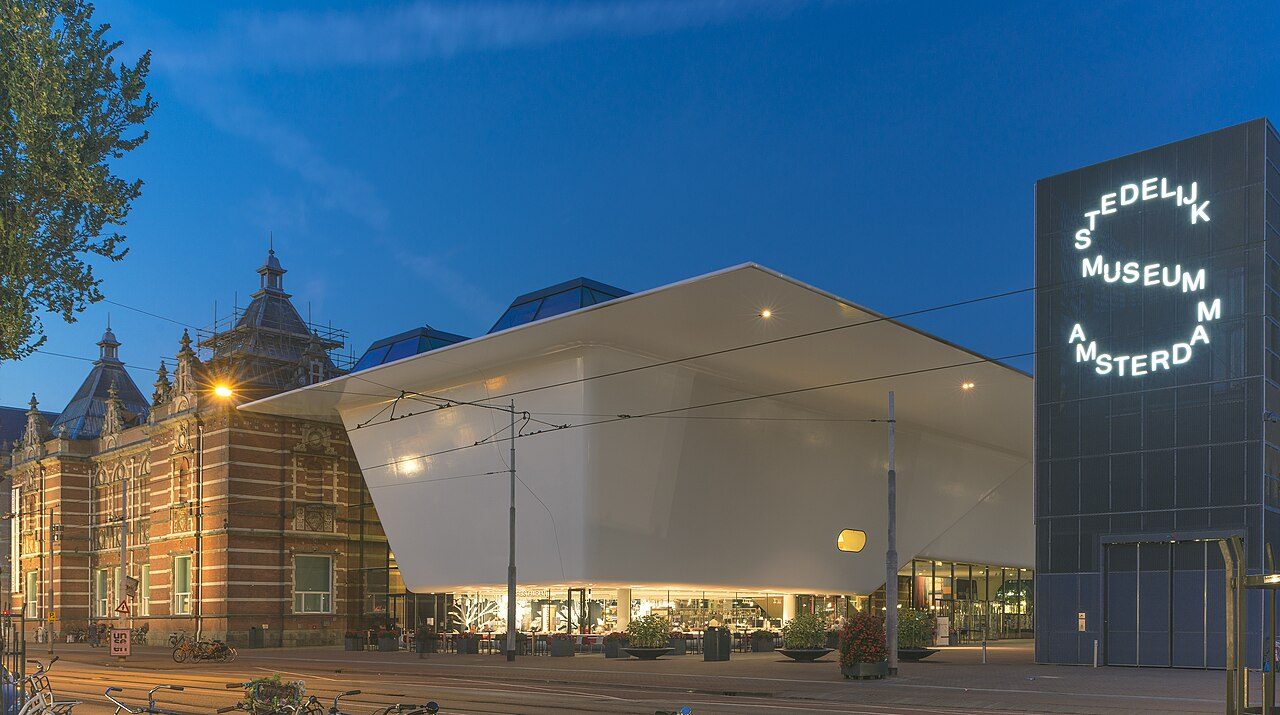
Stedelijk Museum
Modern and contemporary art and design fill a red-brick museum and its white extension on Museumplein.
Picasso in the Vondelpark
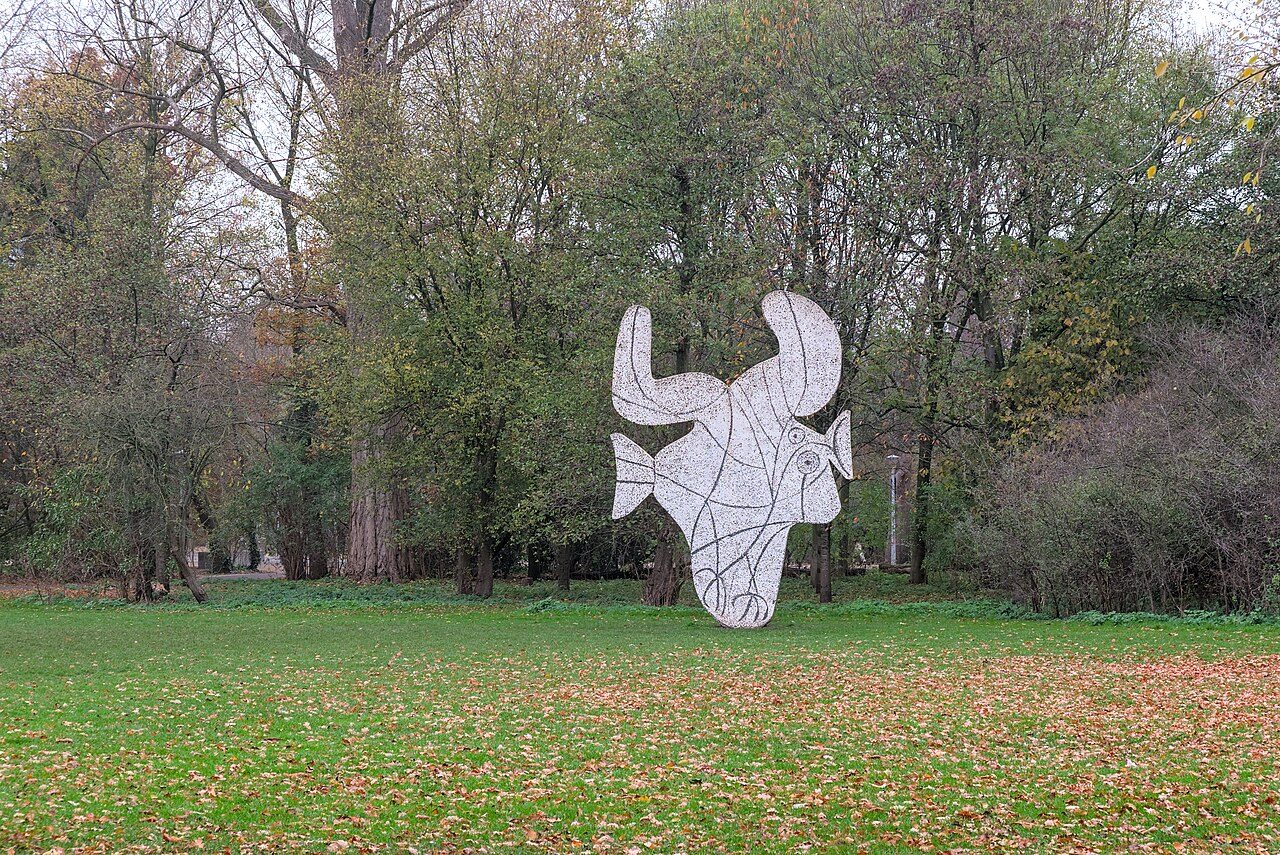
A real Picasso, 'Figure découpée' (the fish), standing on a lawn in the Vondelpark since 1965. Joggers pass it without looking.
Cobra Museum
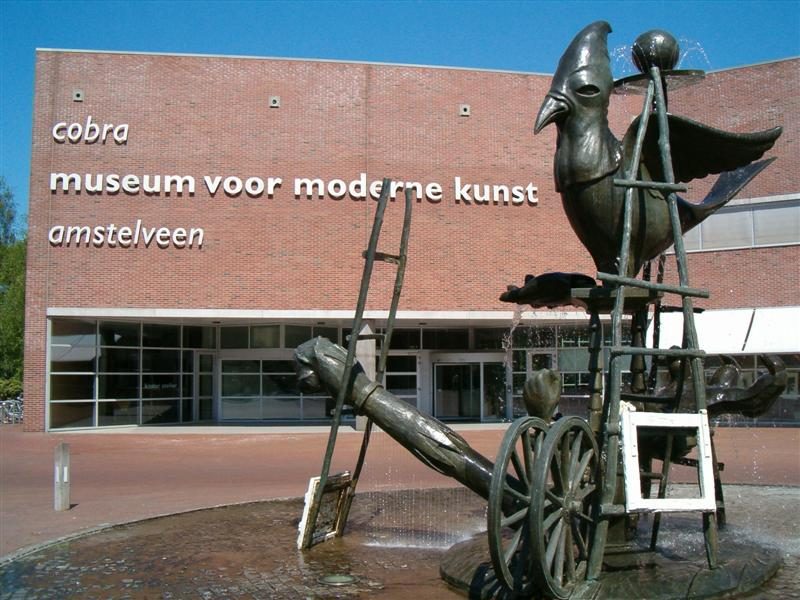
The museum of the post-war Cobra art movement, in Amstelveen.
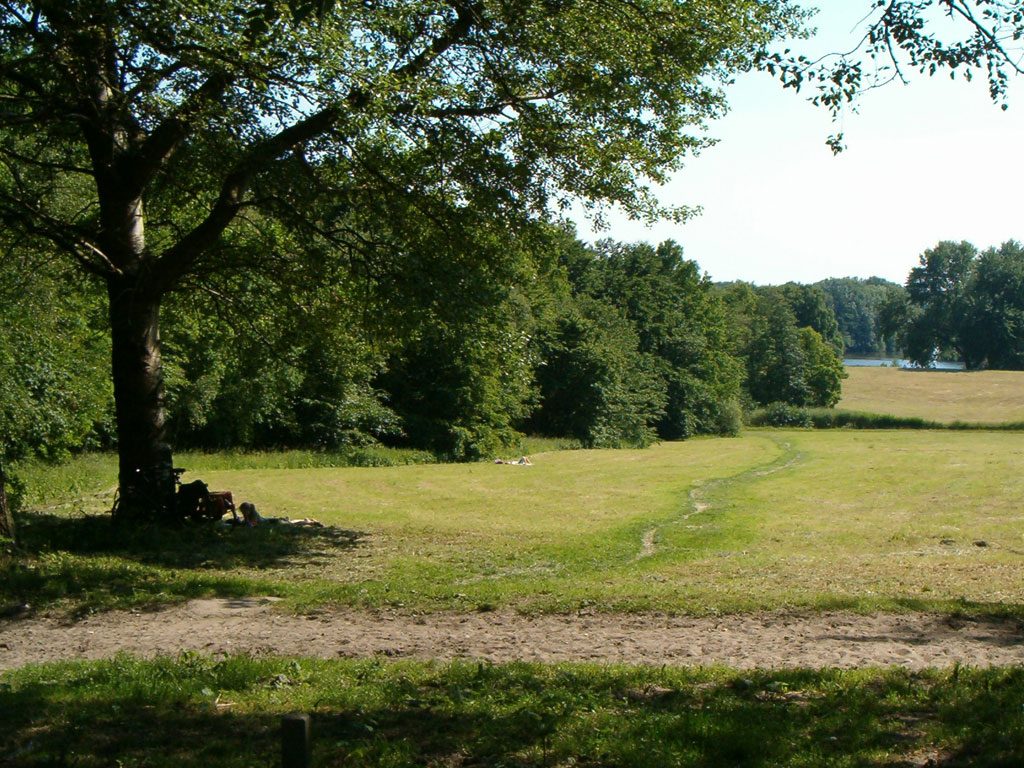
Amsterdamse Bos
A vast designed forest for walks, cycling and rowing, with a cherry grove that briefly blooms each spring.
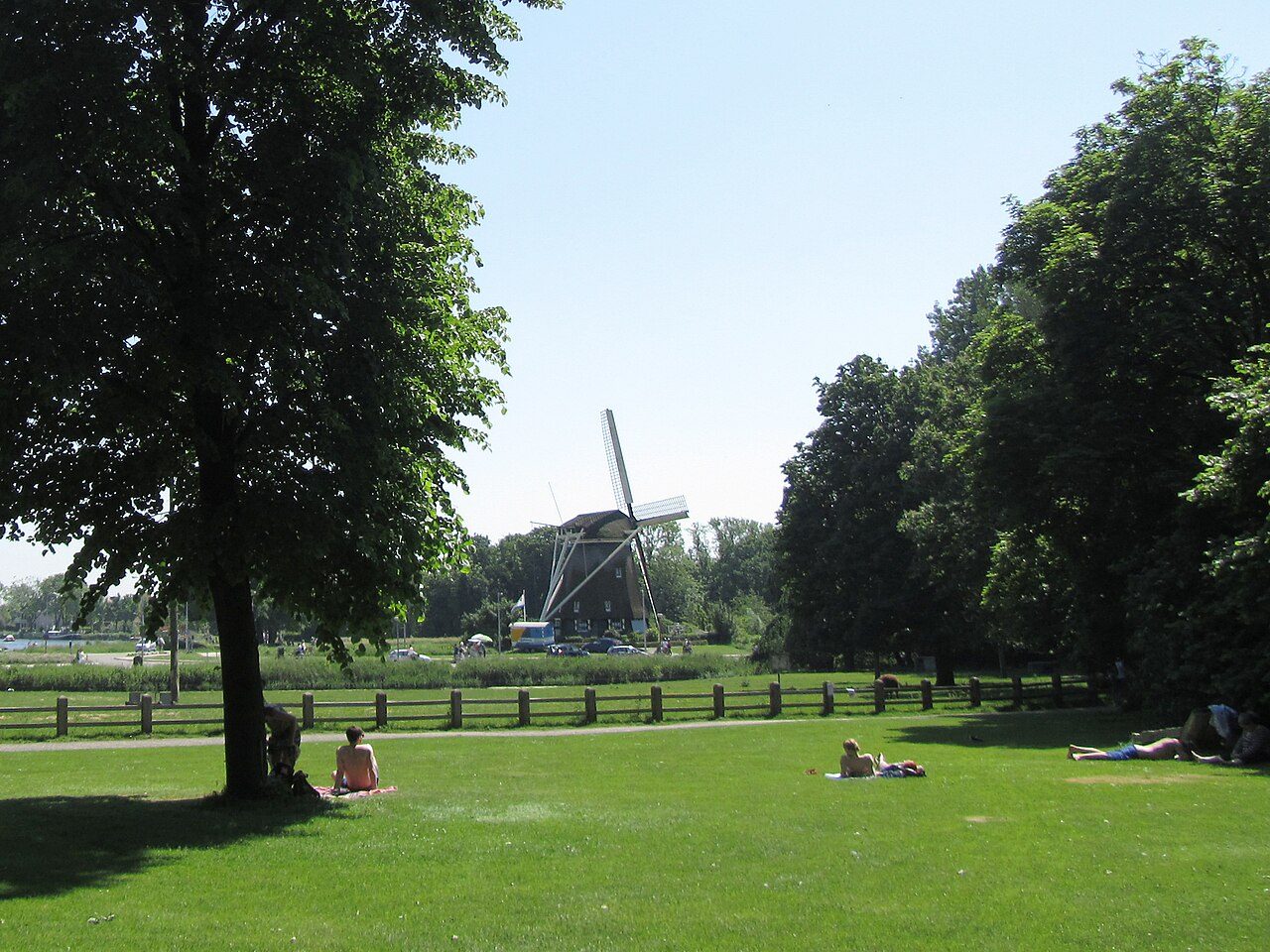
Riekermolen
The windmill on the Amstel that Rembrandt drew, with his statue beside it.
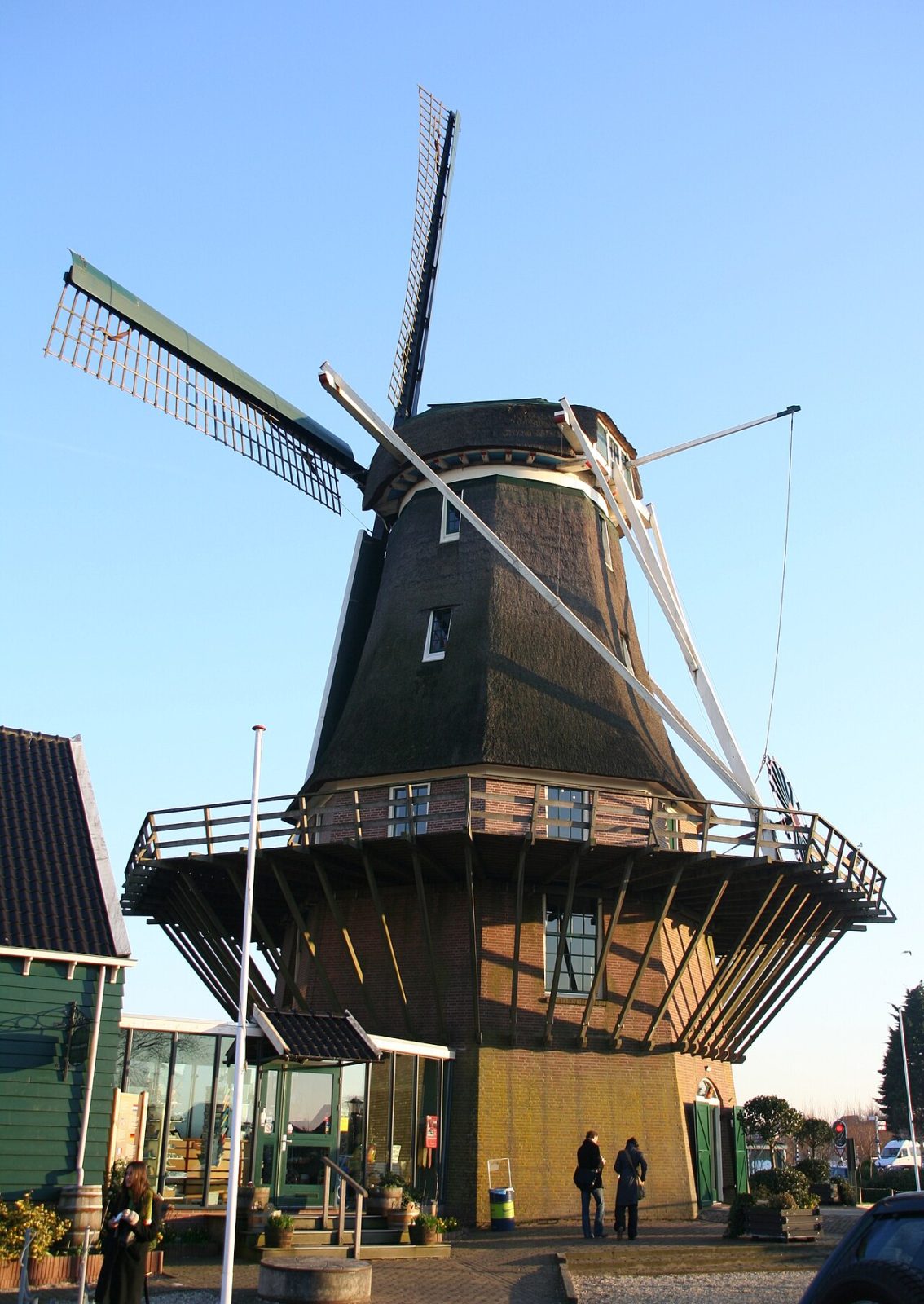
Molen van Sloten
A working windmill you can climb, with a small Rembrandt exhibition.
Walk it with a guide or a quest
If you want a story on the way, these walks also live in Amsterdam.
 FREE AUDIO TOUR
Amsterdam Ghost Tour
Amsterdam’s ghost stories belong to real streets, where crowds waited for spirits and families went out to look at hanging bodies. You can stand in those places today, with canal water beside you and old church towers overhead.
 FREE AUDIO TOUR
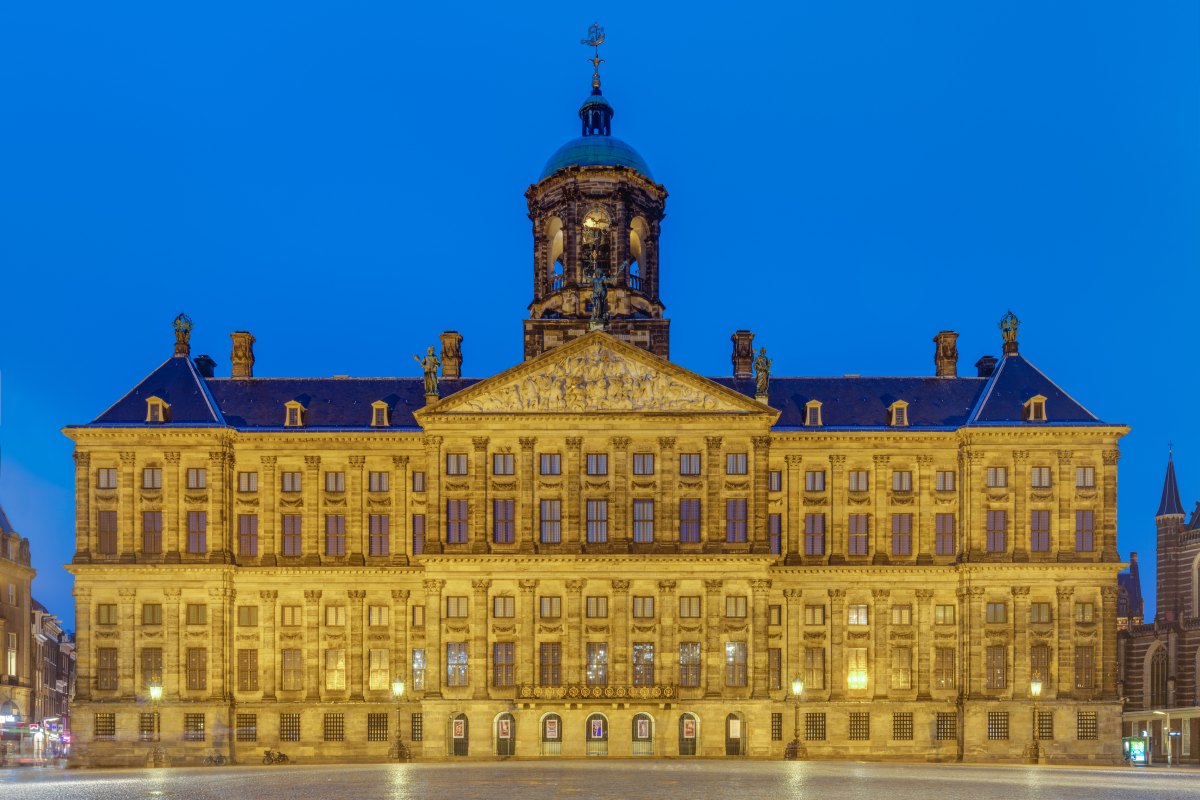
Amsterdam in a Day: Highlights Walk
Amsterdam’s canals and grand houses tell you how a trading city grew rich, but that is only half the story. If you have one day in Amsterdam, spend it on the streets where merchants, workers and people in hiding lived within walking distance of each other.
 FREE AUDIO TOUR
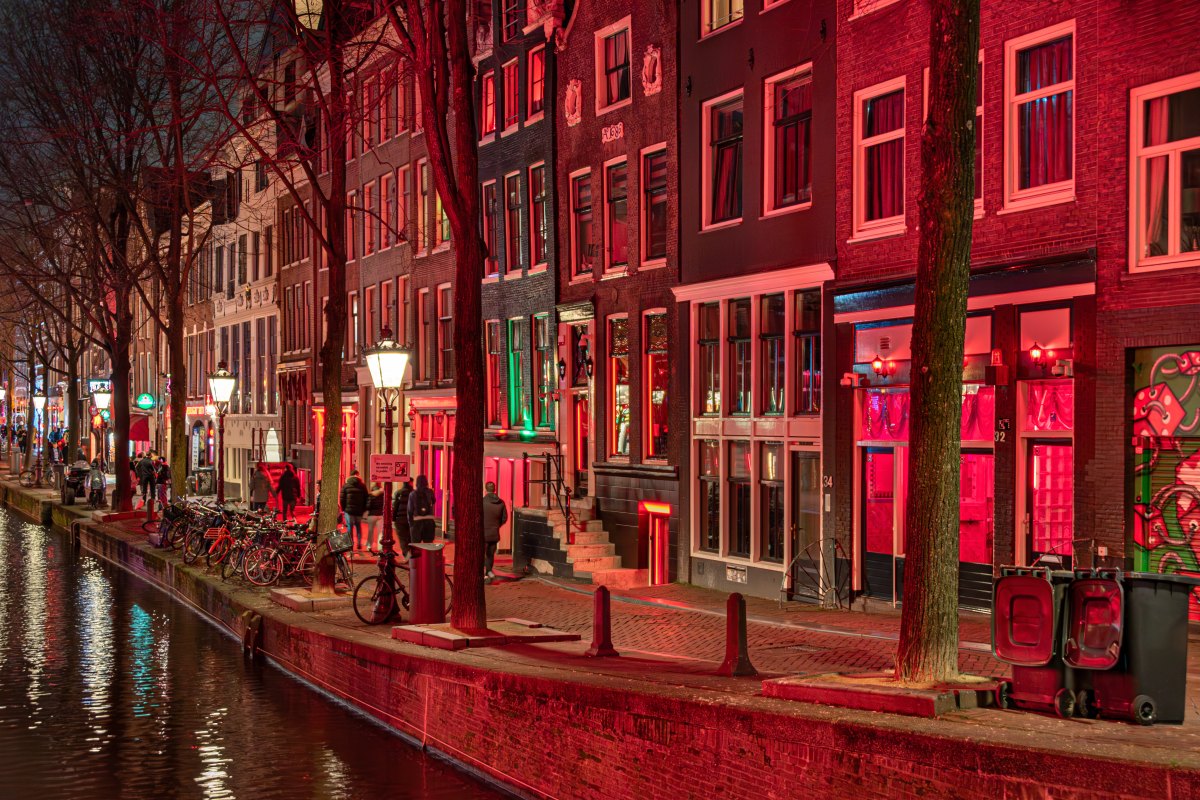
Red Light District
Amsterdam’s Red Light District is a neighbourhood where sex workers work behind street-level windows, right beside a church. Walk these lanes and you’ll stand where the city has made room for the sex trade while punishing people who worked in it.