MUSEUM
Max Euwe Centrum
A chess museum named after the Dutch world champion, near Leidseplein.
Chess with a human voice
At the Max Euwe Centrum, chess history includes a note from Bobby Fischer asking not to be disturbed. The centre holds his original resignation note from a 1962 game against Hein Donner. Fischer ended it with: “Please don’t wake me.” It is a wonderfully human document in a museum devoted to a game often reduced to moves and results.
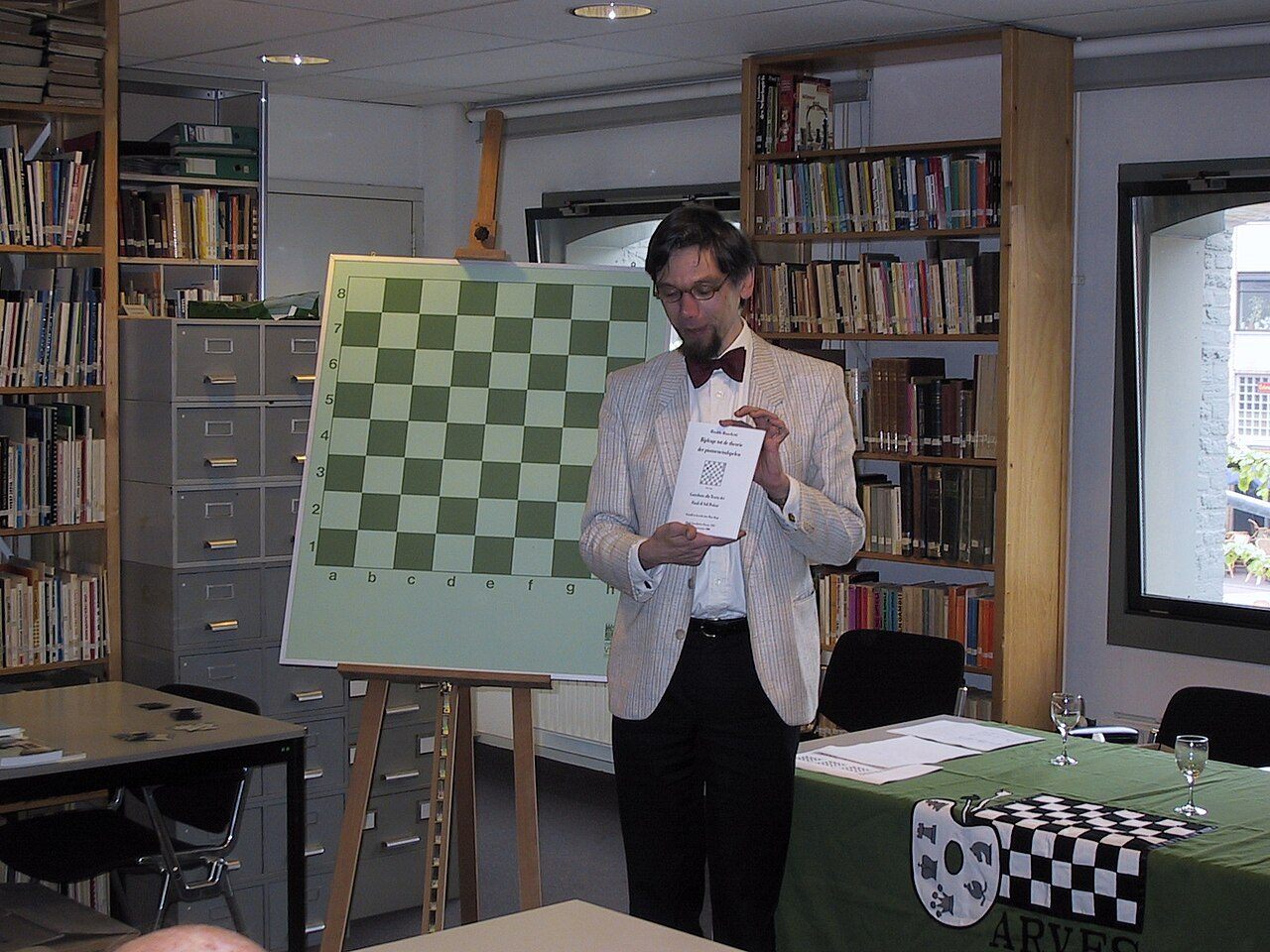
Named after the Dutch world champion Max Euwe, this chess museum is near Leidseplein, about two minutes away on foot. Come for the people behind the positions: champions, amateur opponents and families who kept playing on a board that might have witnessed chess history. Unlike the broad sweep of the nearby Rijksmuseum, the focus here is one game and the lives it touches. You do not need to calculate variations to appreciate these stories.
A championship board, perhaps
In 2015, Arthur Bröker gave the museum a chessboard with a remarkable family history. His father had said that Max Euwe used it to become world champion in 1935. The Bröker children later learned chess on the same board. To help them find their way around the squares, they added a strip of tape bearing coordinates.
That tape is worth looking for if the board is on display. It connects the grand claim to the ordinary business of teaching children a game. There is an important qualification, too: the museum says it cannot be certain that this was the board used for the final game. Keep that distinction in mind. The family’s account and the museum’s caution are both part of the object’s story.
Forty hours to reach the board
For the centre’s Euwe celebrations in 2010, world champion Viswanathan Anand had a journey rather longer than planned. Snow cancelled his flight. Instead of abandoning the visit, he travelled for 40 hours by train, taxi and tram.
After arriving, Anand gave a simultaneous exhibition, playing several opponents at once. Only one beat him: Henk Strating, a 75-year-old amateur. The centre’s 2011 newsletter recorded the episode. Remember Strating’s name alongside the champions’ names; his result is part of the centre’s history too.
Read the square as well
The outdoor chessboard associated with the centre began with a child’s suggestion. Nine-year-old David van Zeggeren wrote a letter after seeing outdoor chess in Salzburg. A giant board was installed outside the centre in 1996. In 2026, when it reopened at Frederiksplein, within walking distance, David played the answering move. Older photographs of chess outside the museum therefore need that update.
Before heading indoors, look above the entrance to Max Euweplein. During the square’s redevelopment, architects Zaanen and Spanjers placed a mock-Latin inscription there meaning: “A wise man does not urinate into the wind.” In 2022, the city explained that it was Spanjers’s response to the trials of construction. The supposed Latin verb was invented. It is a fitting introduction to a place where serious thought and a dry sense of humour sit comfortably together.
Things to know
- Walk from Leidseplein; allow about two minutes.
- Allow 30 to 45 minutes for a focused visit.
- Ask about Fischer’s note and the Bröker family board.
- Look above the square’s entrance for the mock-Latin inscription.
- Do not rely on older photos to locate the outdoor chessboard.
- Opening hours and prices can change. Check the official website before you go. Official website
What people say
Related spots
More things to do in Amsterdam ›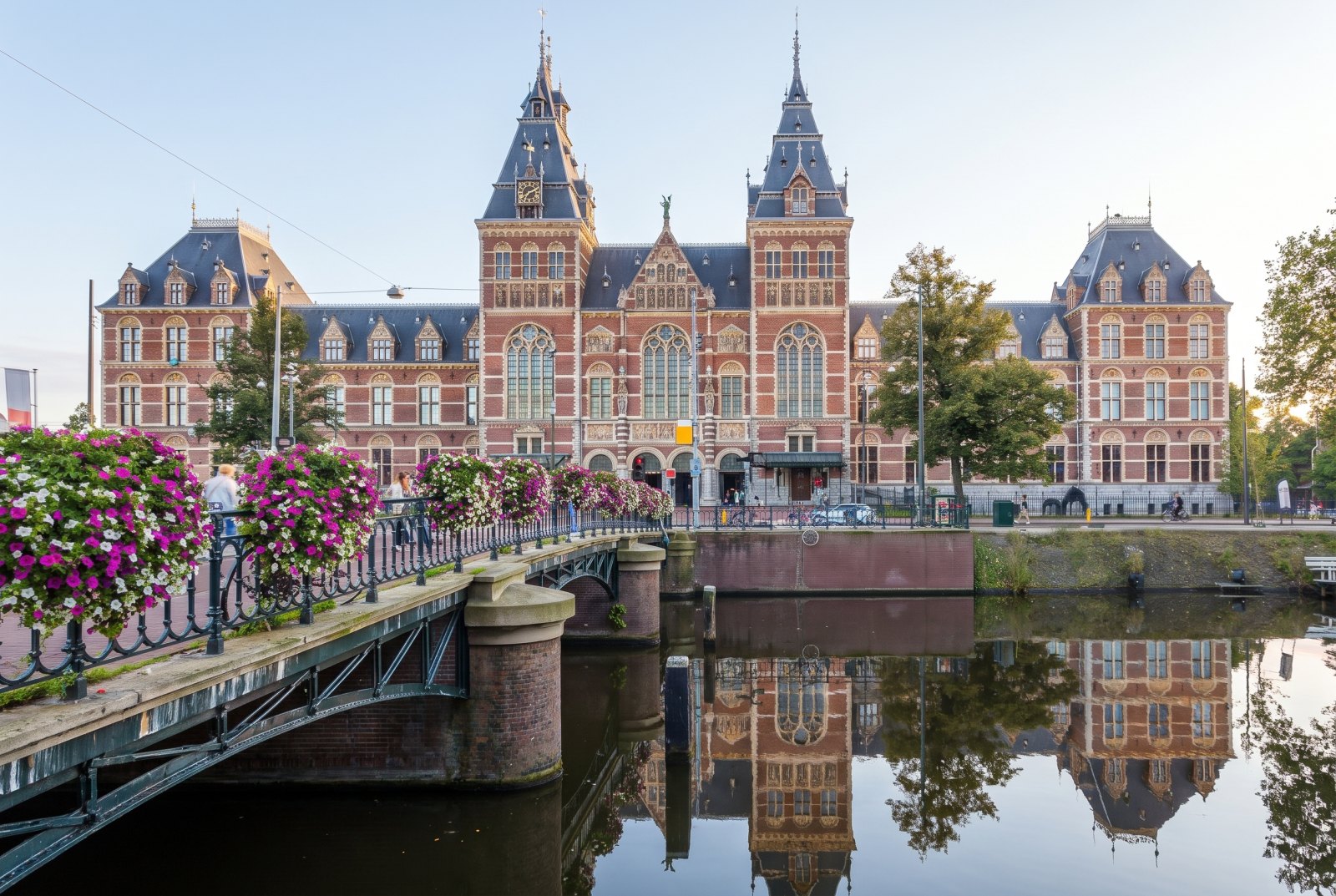
Rijksmuseum
See Rembrandt's The Night Watch and Vermeer's The Milkmaid, then follow 800 years of Dutch art through the Rijksmuseum's galleries.
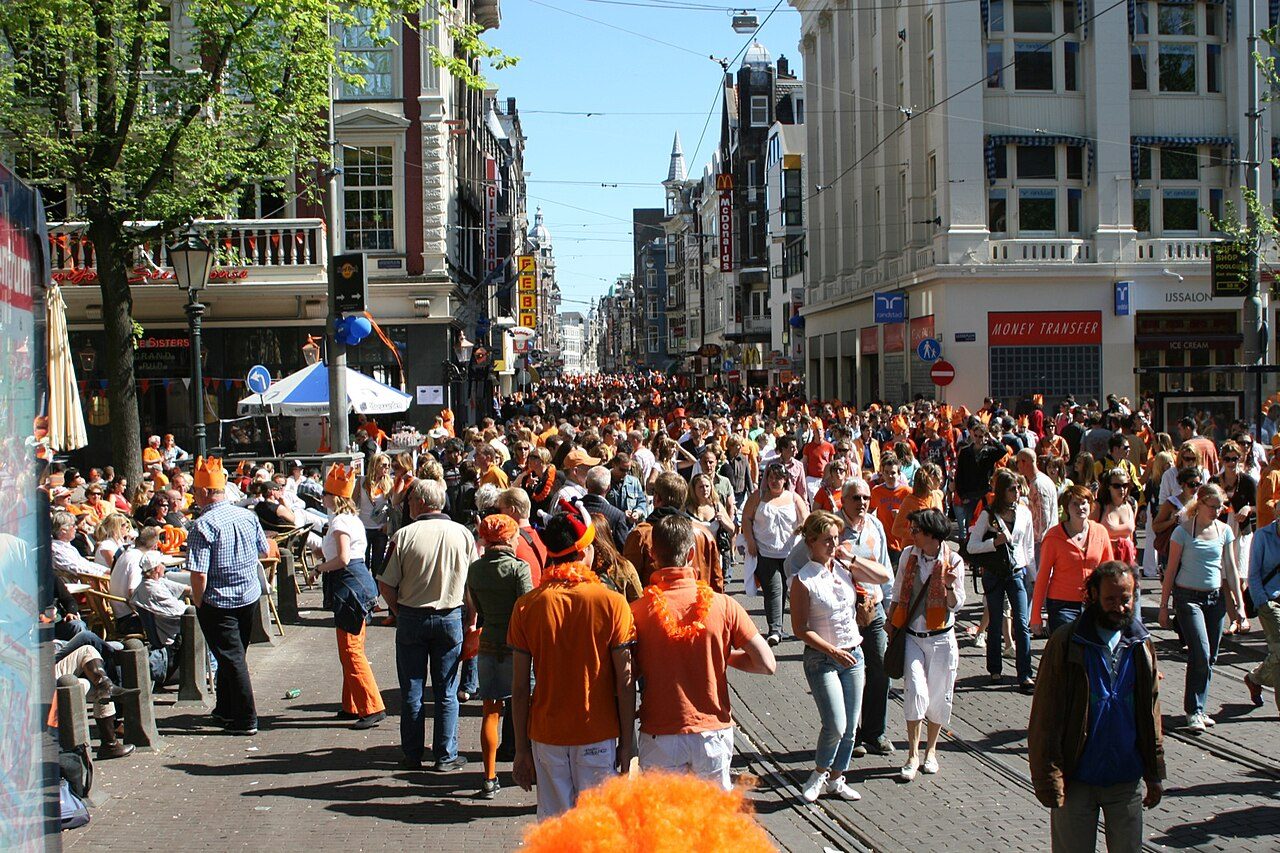
Leidseplein
The square at the heart of Amsterdam’s theatre district, where terraces, stages and music venues bring the evening to life.
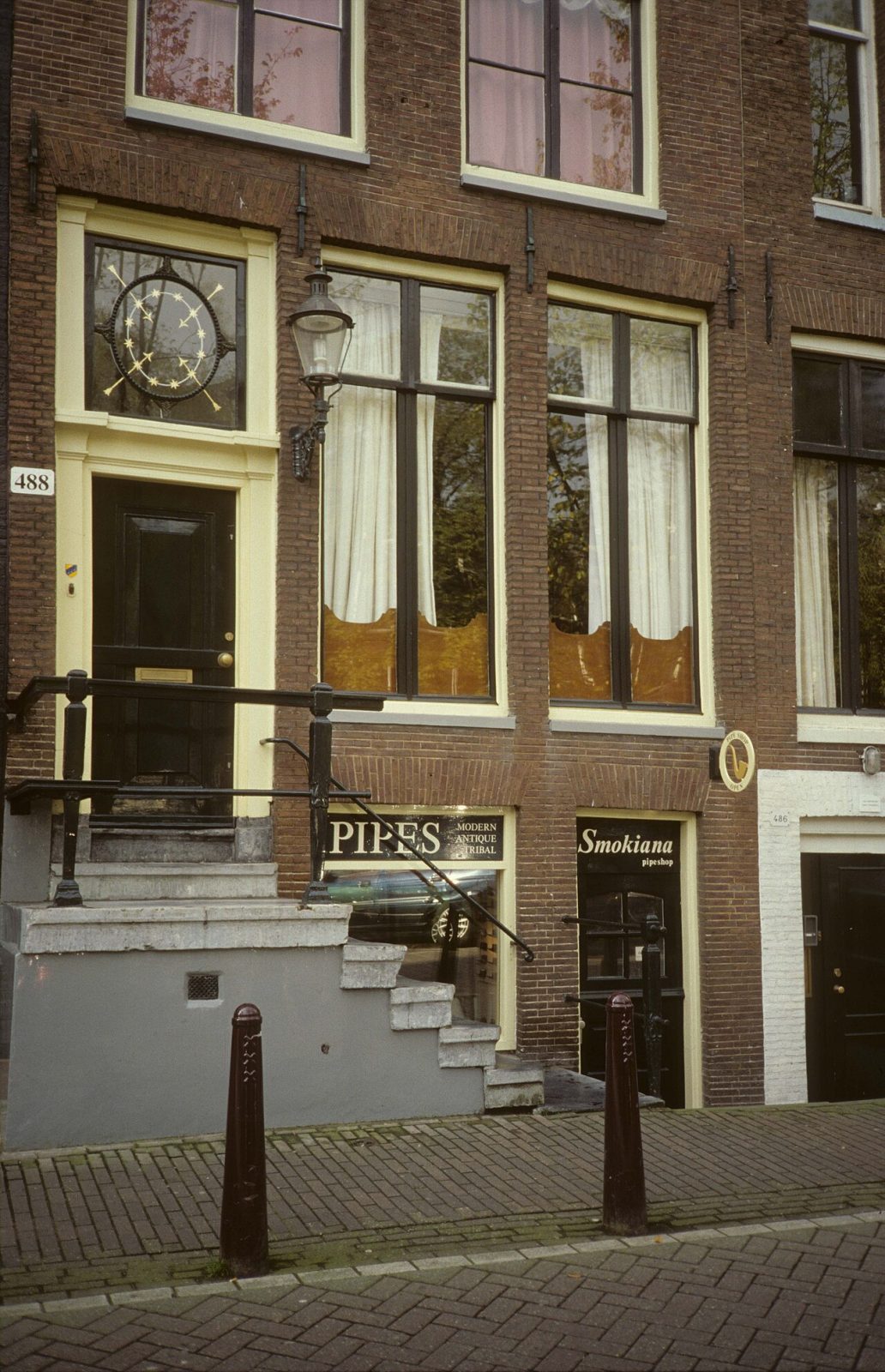
Amsterdam Pipe Museum
Tobacco pipes from around the world in a canal house.
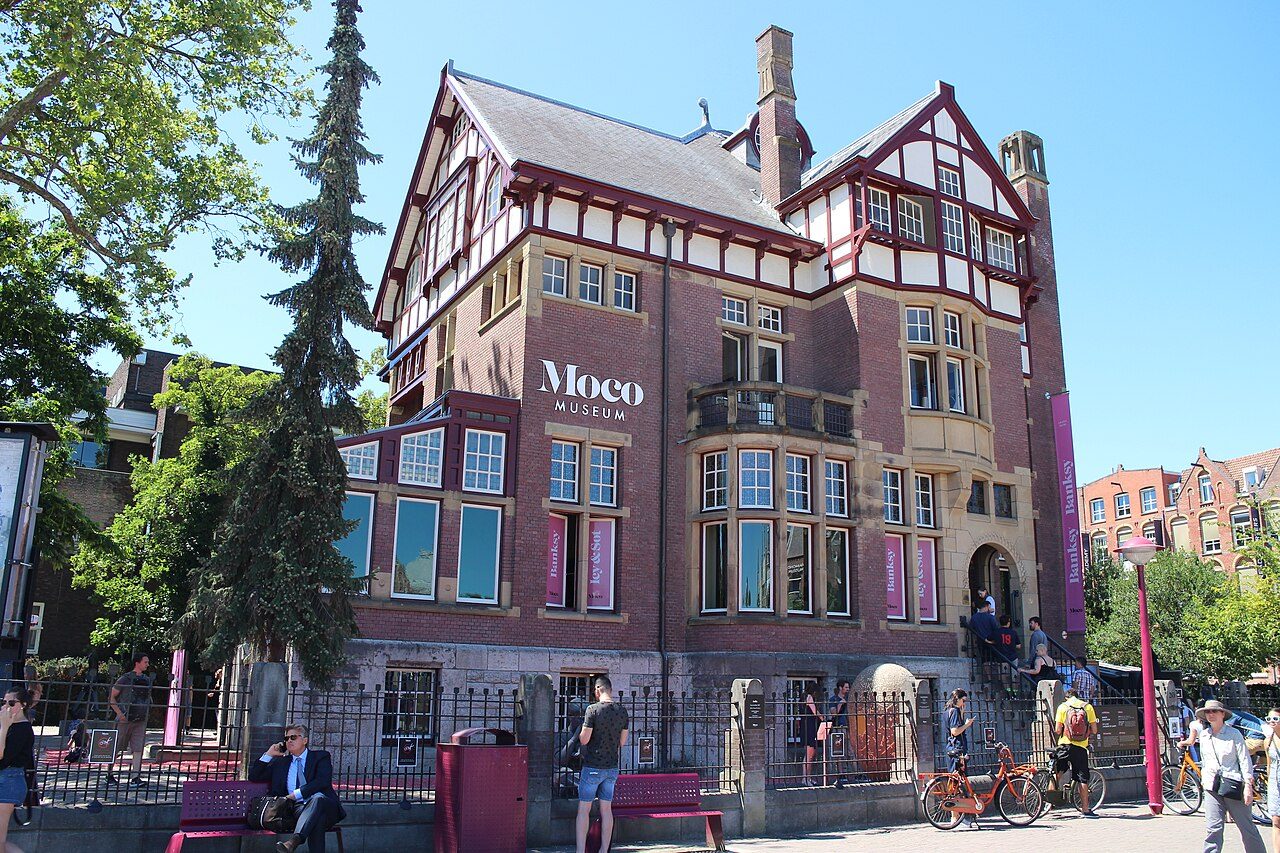
Moco Museum
Street art, modern icons and immersive rooms meet inside a historic Museumplein villa.
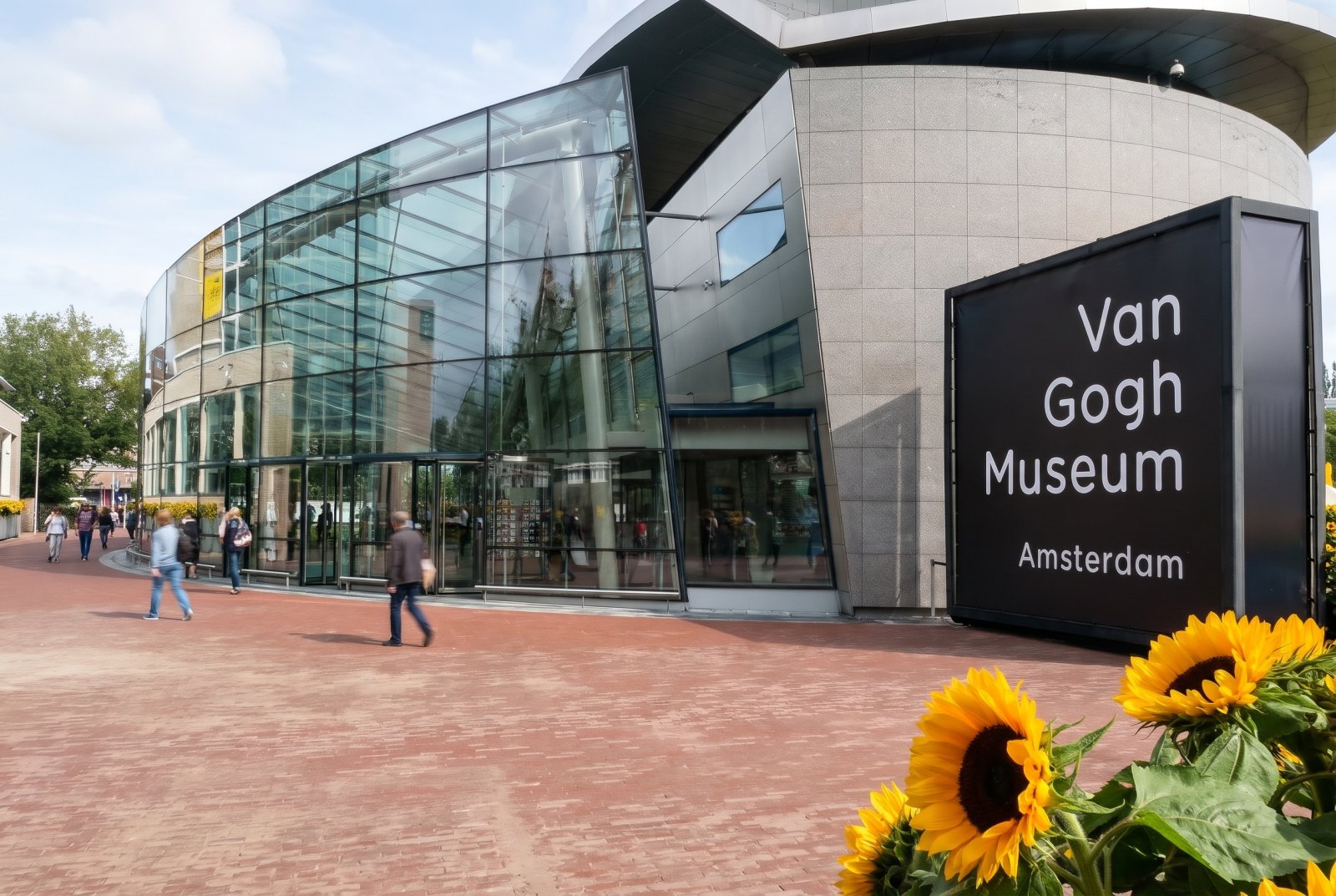
Van Gogh Museum
See Sunflowers, The Bedroom and The Potato Eaters, then follow Van Gogh's search for colour through his paintings and letters.
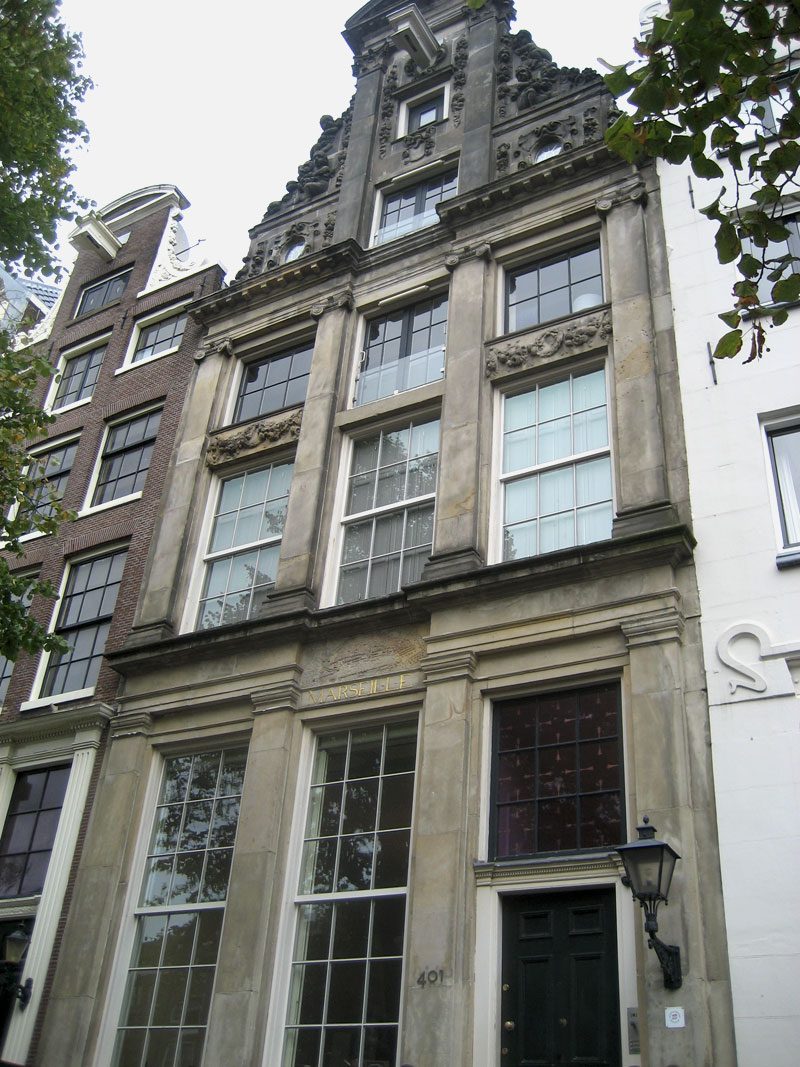
Huis Marseille
Photography in two 17th-century canal houses.
Tours and quests that pass here
These walks have a stop a few minutes from Max Euwe Centrum. Free, on your phone, start any time.