MUSEUM
Amsterdam Pipe Museum
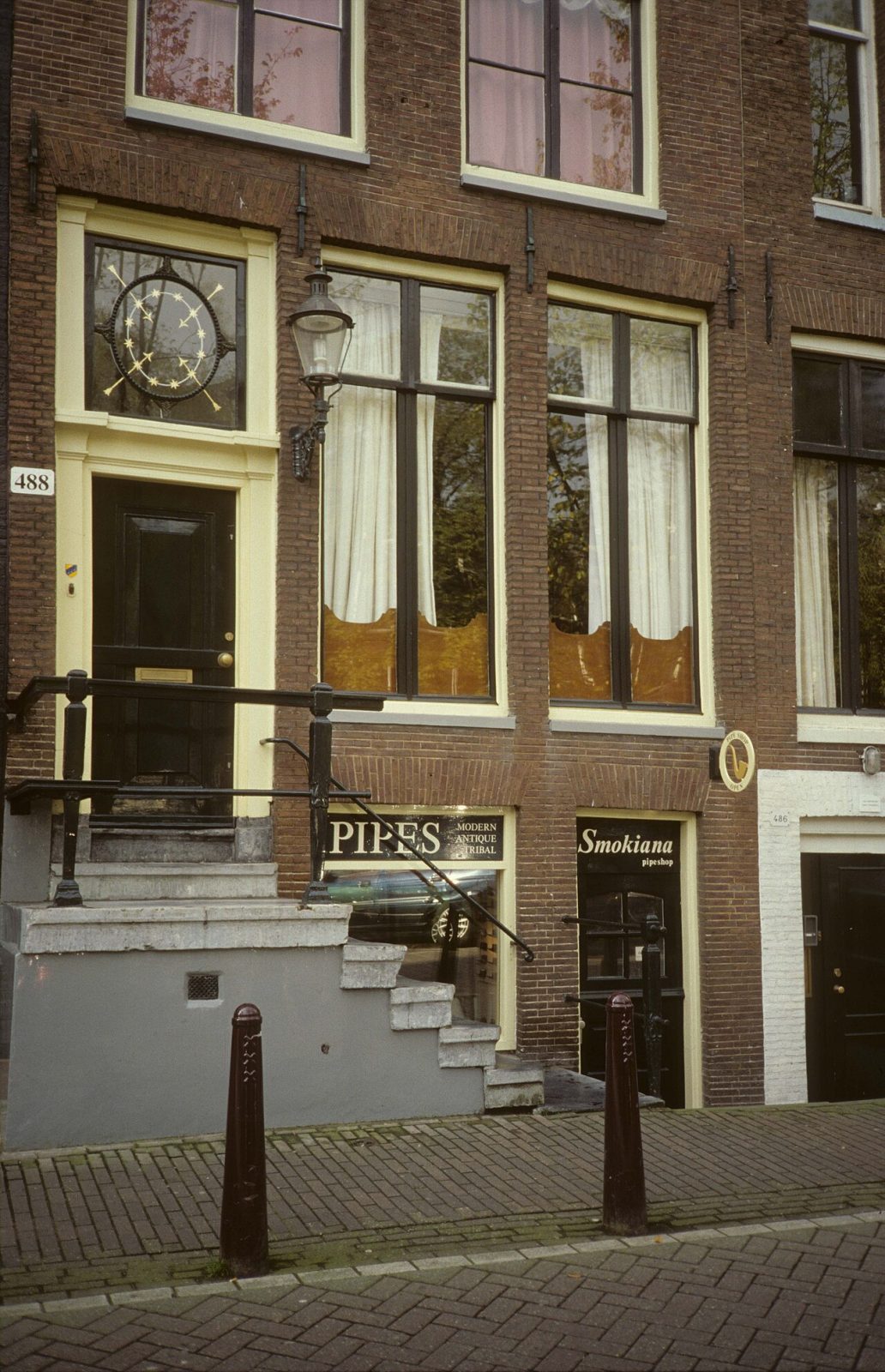
Tobacco pipes from around the world in a canal house.
A collection pulled from the earth
The Amsterdam Pipe Museum holds tobacco pipes from around the world in a canal house, a short walk from Leidseplein. Its beginnings were much muddier. In 1969, founder Don Duco followed soil trucks by bicycle from the Keizersgracht to a dumping ground. There, he picked clay pipes out of the black earth of an old cesspit. Those finds helped start the collection.
That is a useful thought to carry inside. A pipe can be an everyday object, thrown away and forgotten, or something carefully kept for generations. Like the excavated objects at Below the Surface in Rokin metro station, these pieces turn small personal possessions into evidence of how people lived. Here, look for the difference between an object made to be smoked and one made to be remembered.
Clay made for a royal visit
In 1897, Queen Regent Emma and Princess Wilhelmina watched Gouda pipe makers producing long clay pipes. During their visit, a dozen pipes were braided together into an artwork. That piece is now in the museum’s main room.
Look at how the long stems become part of a single composition. The material you might expect to see as a straight, slender smoking pipe has been worked into something quite different. It records both the royal visit and the makers’ skill. Rather than simply showing the visitors a finished product, the pipe makers created an object during the occasion itself. The museum preserves that moment in clay.
One smoked hard, one never smoked
Prince Bernhard’s Dunhill pipe tells its story through wear and repair. It was a family jubilee gift in 1992, engraved with his coat of arms. He smoked it so much that a repairer added a silver band to stop the bowl bursting. Bernhard later gave the pipe to the museum. Look for the band as well as the engraving: one marks its royal owner, the other its working life.
Then consider the long clay pipe made by Jan Woerlee. Leiden poorhouse regents wrote their names on it between 1748 and 1893. Despite that long history, its bowl remains white inside. It was never smoked. The names and the clean bowl make a striking contrast with Bernhard’s heavily used Dunhill. Age alone does not tell you how an object was used.
Drawings reunited with their pipes
The collection’s stories have continued to arrive through the door. In 2017, Jill Mills travelled from New Jersey carrying an envelope of drawings by her ancestor, the pipe carver Stanley Jarka. They turned out to be the original designs for pipes already in the museum. She donated them, bringing the designs and the finished objects back together.
Keep that connection in mind as you look at the carved pipes. Their shapes began as decisions on paper, not just work with a carving tool. Alongside the braided clay, the regents’ signatures and Bernhard’s repair, Jarka’s drawings offer another way to read the collection: through the hands that designed, made, used and kept each object.
Things to know
- Walk from Leidseplein; allow about three minutes.
- Allow around 45 minutes to look closely.
- In the main room, look for the braided clay pipes.
- Pay attention to inscriptions, repairs and the insides of bowls.
- Opening hours and prices can change. Check the official website before you go. Official website
What people say
Related spots
More things to do in Amsterdam ›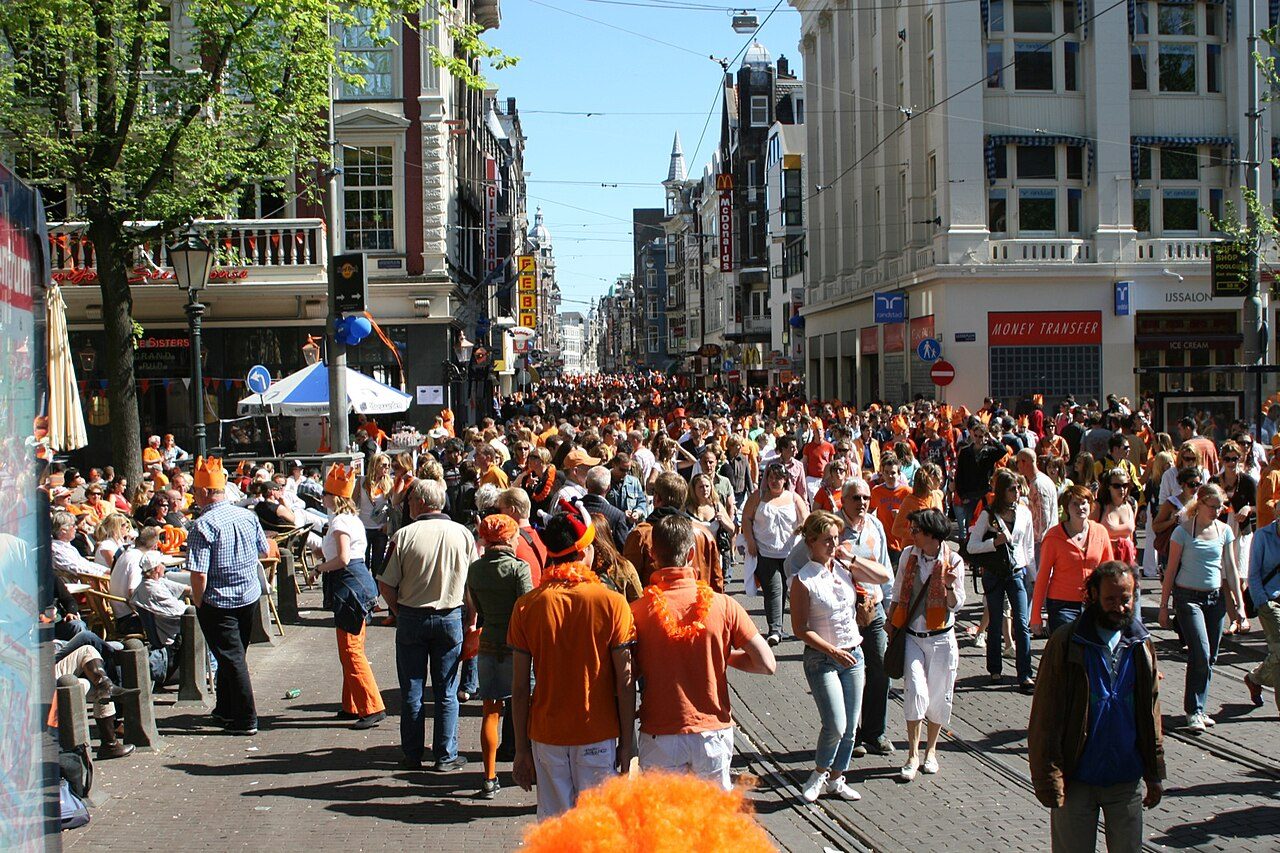
Leidseplein
The square at the heart of Amsterdam’s theatre district, where terraces, stages and music venues bring the evening to life.
Below the Surface (Rokin metro)
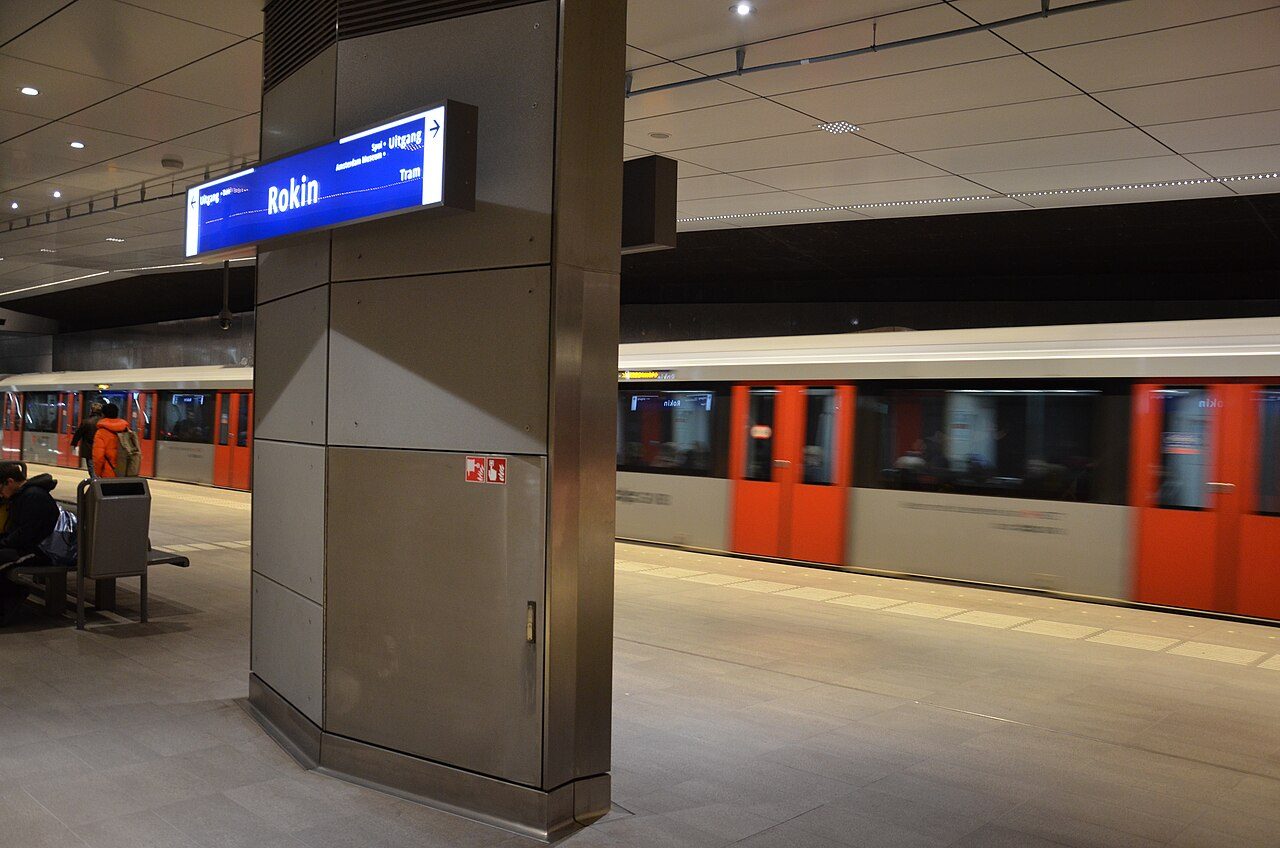
Display cases in Rokin metro station with finds dug up for the line: keys, coins, toys and a 17th-century trumpet.
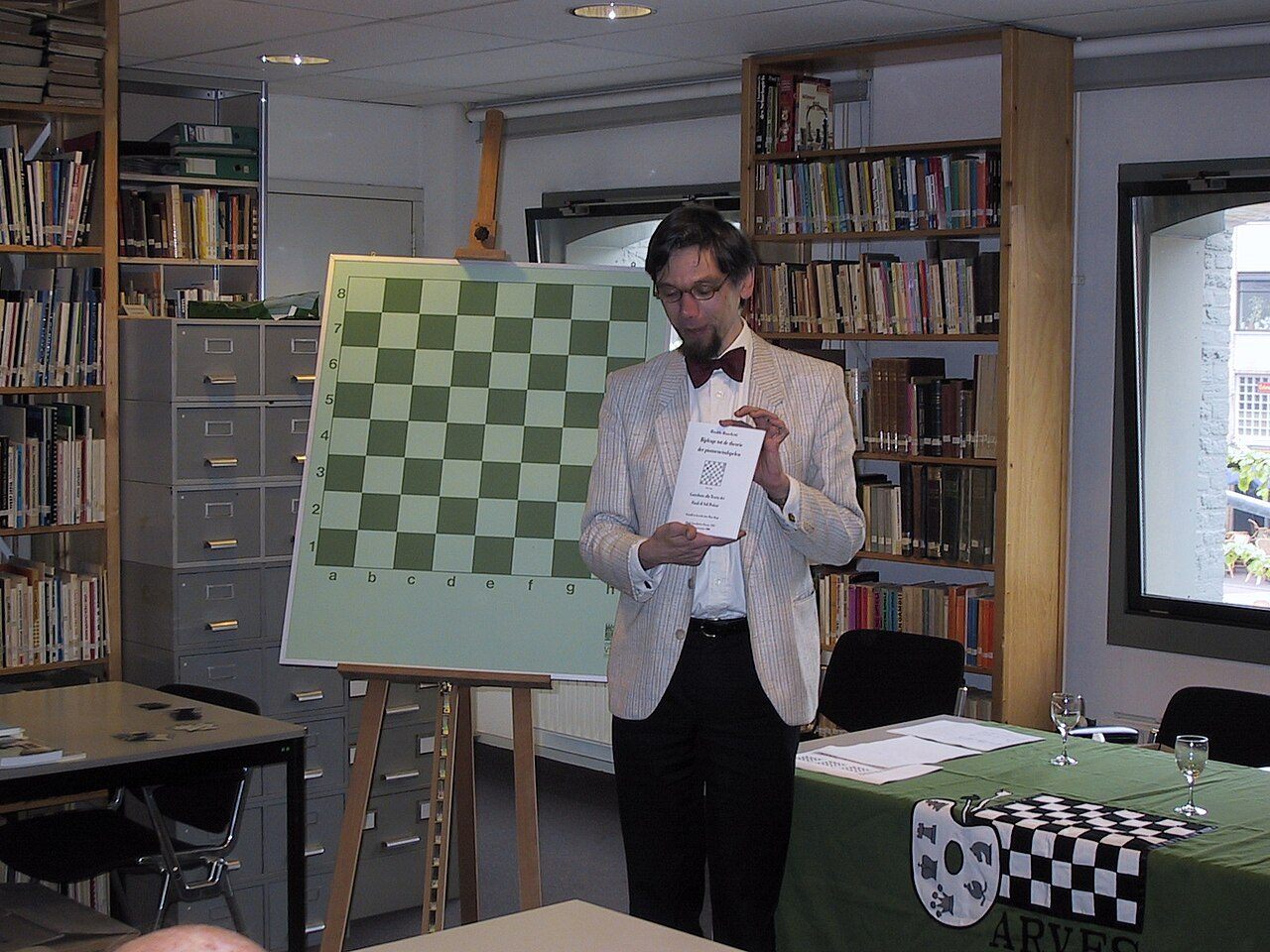
Max Euwe Centrum
A chess museum named after the Dutch world champion, near Leidseplein.
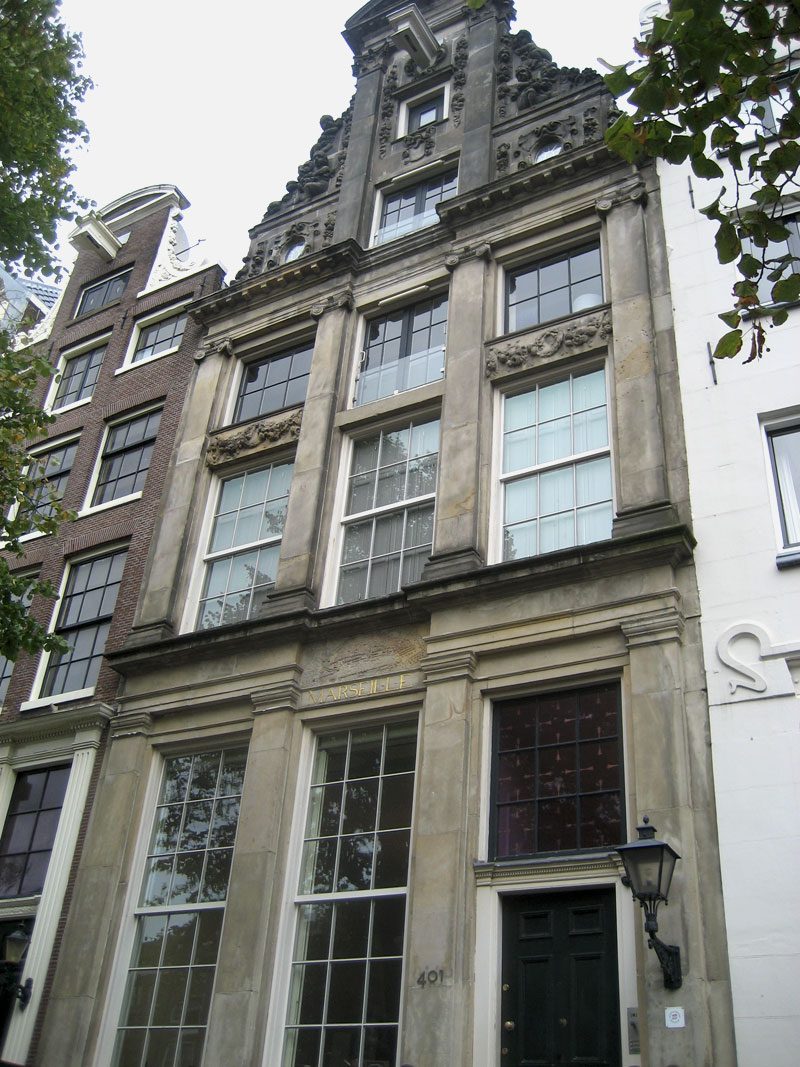
Huis Marseille
Photography in two 17th-century canal houses.
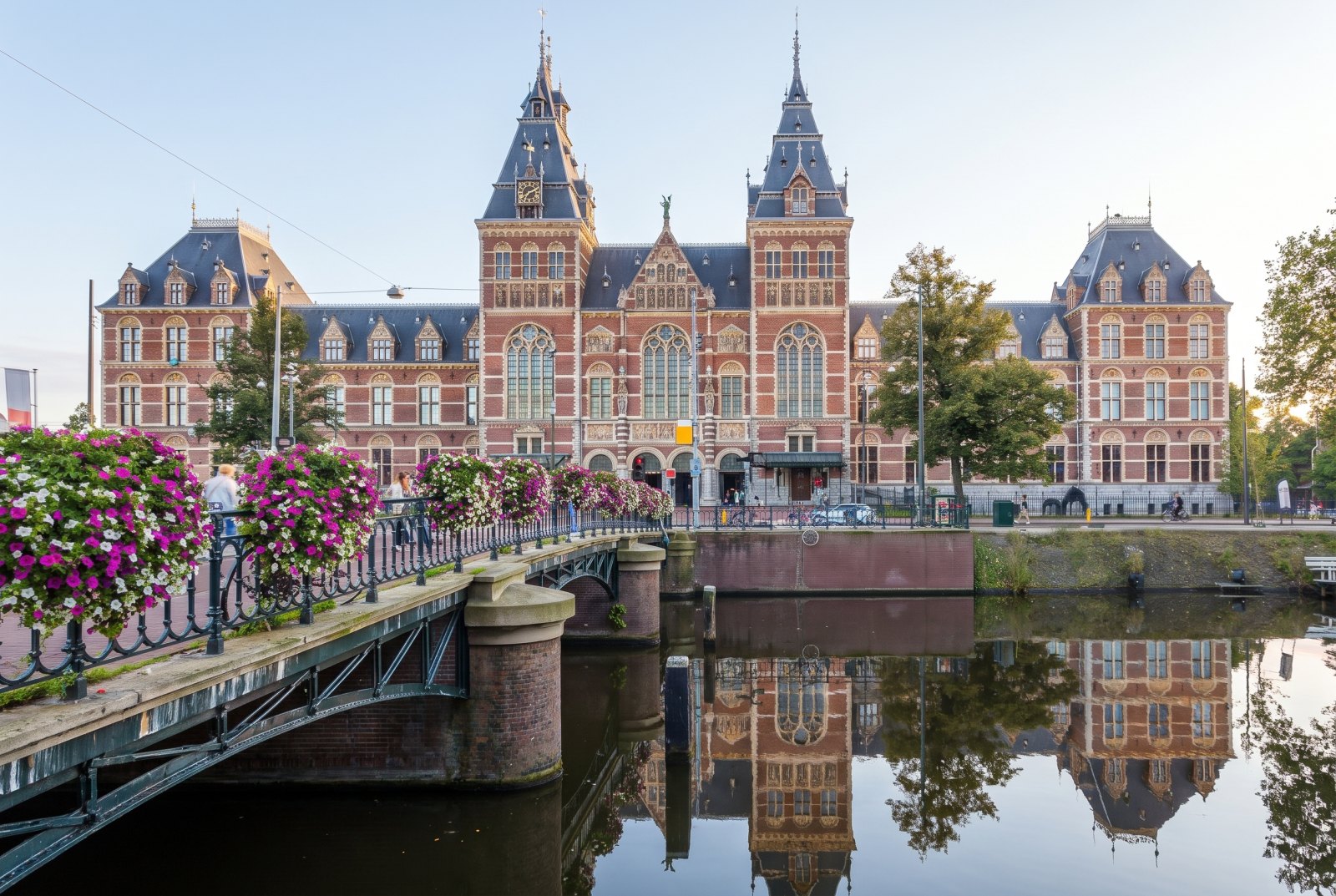
Rijksmuseum
See Rembrandt's The Night Watch and Vermeer's The Milkmaid, then follow 800 years of Dutch art through the Rijksmuseum's galleries.
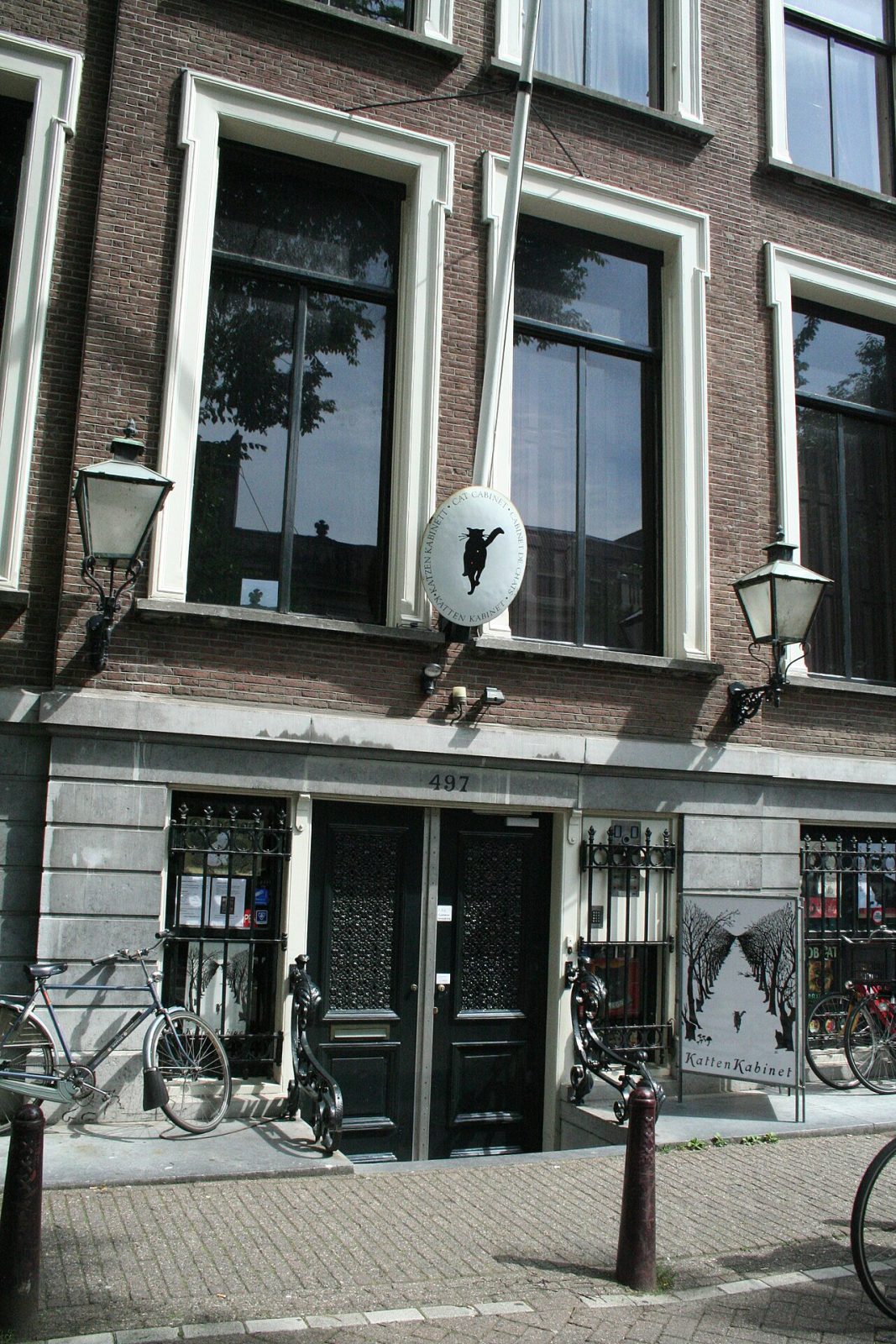
Cat Cabinet
Art about cats in a canal-side mansion, with resident cats walking the rooms.
Tours and quests that pass here
These walks have a stop a few minutes from Amsterdam Pipe Museum. Free, on your phone, start any time.