
MUSEUM
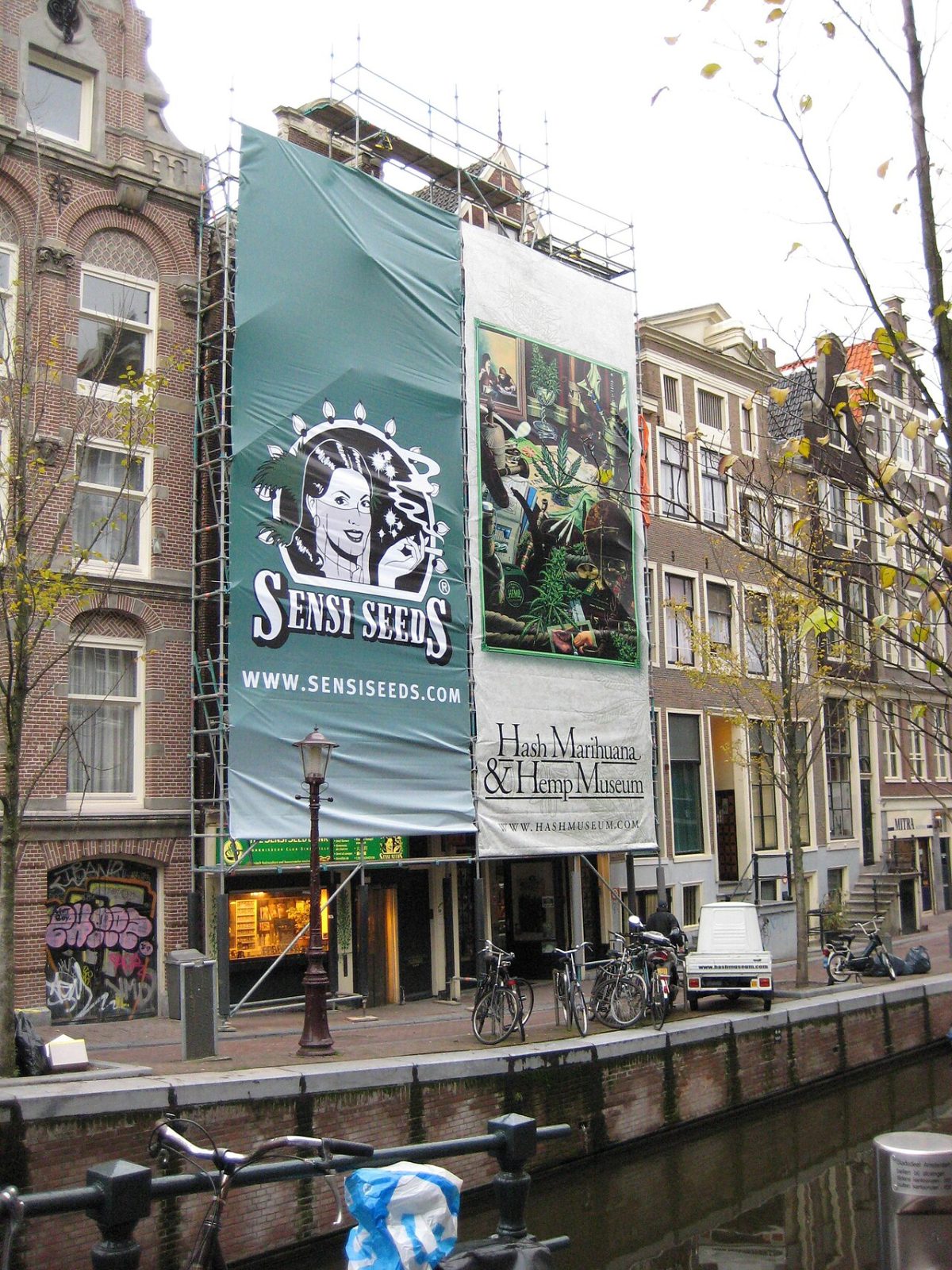
Hash Marihuana & Hemp Museum
The history of cannabis and hemp, in the Red Light District.
A museum that was closed on day two
In 1987, the Hash Marihuana & Hemp Museum was closed by the authorities the day after its official opening. They accused it of promoting illegal activity. Co-founder Ben Dronkers challenged the closure and reopened it the next day. A notice explained that exhibits had been confiscated, then signed off with “Long live democracy!” That confrontation is a useful introduction to a museum where the history of a plant is also a history of arguments over its use.
You are in De Wallen, but the subject goes beyond Amsterdam’s coffeeshops. Come for the history of cannabis and hemp, and give the individual objects time to tell their stories.
One plant, different purposes
Keep the museum’s full name in mind as you look around. Cannabis is not only a recreational drug. Hemp has long supplied fibre for rope and cloth, while cannabis also has a history of medicinal use. Those different purposes help explain why a museum devoted to it has more ground to cover than its neighbourhood might suggest.
The nearby herb shop Jacob Hooy & Co offers another reminder that plants belong to the history of medicine as well as commerce. Here, though, the focus stays on cannabis. Notice when the story shifts from the plant itself to the people who have defended, regulated or prohibited it.
Eagle Bill’s vaporizer
In 1993, the museum added an interactive vaporizing exhibit. Cannabis activist Eagle Bill Amato originally demonstrated it, making the method something visitors could encounter rather than simply read about. Vaporizing heats cannabis without burning it, a distinction worth understanding before looking at the apparatus.
The exhibit continued after Amato’s death, partly as a tribute to him, and is now in the Hemp Gallery. Look for it there. Its story gives a name and a person to what might otherwise seem like a technical display. It also shows how the museum’s collection has grown through the involvement of campaigners, not just through the gathering of historical objects.
A prison ID and a private jet
Look for Howard “Mr Nice” Marks’s donated prison ID beside his portrait. Musician and artist Goldie painted the portrait in 2010. Together, these are unusually personal objects through which to consider the life of a cannabis smuggler.
Marks also supplied the museum with a story that sounds suited to his nickname. In 2014, he missed his flight to Amsterdam for an event at the museum. A private jet brought him over instead. Remember that arrival when you stand before the prison ID: the contrast between the two is sharper than a general account of smuggling could be.
Things to know
- About four minutes on foot from Oude Kerk.
- Allow around an hour to read the displays.
- Look for the vaporizing exhibit in the Hemp Gallery.
- Find Marks’s prison ID beside Goldie’s portrait.
- Opening hours and prices can change. Check the official website before you go. Official website
What people say
Related spots
More things to do in Amsterdam ›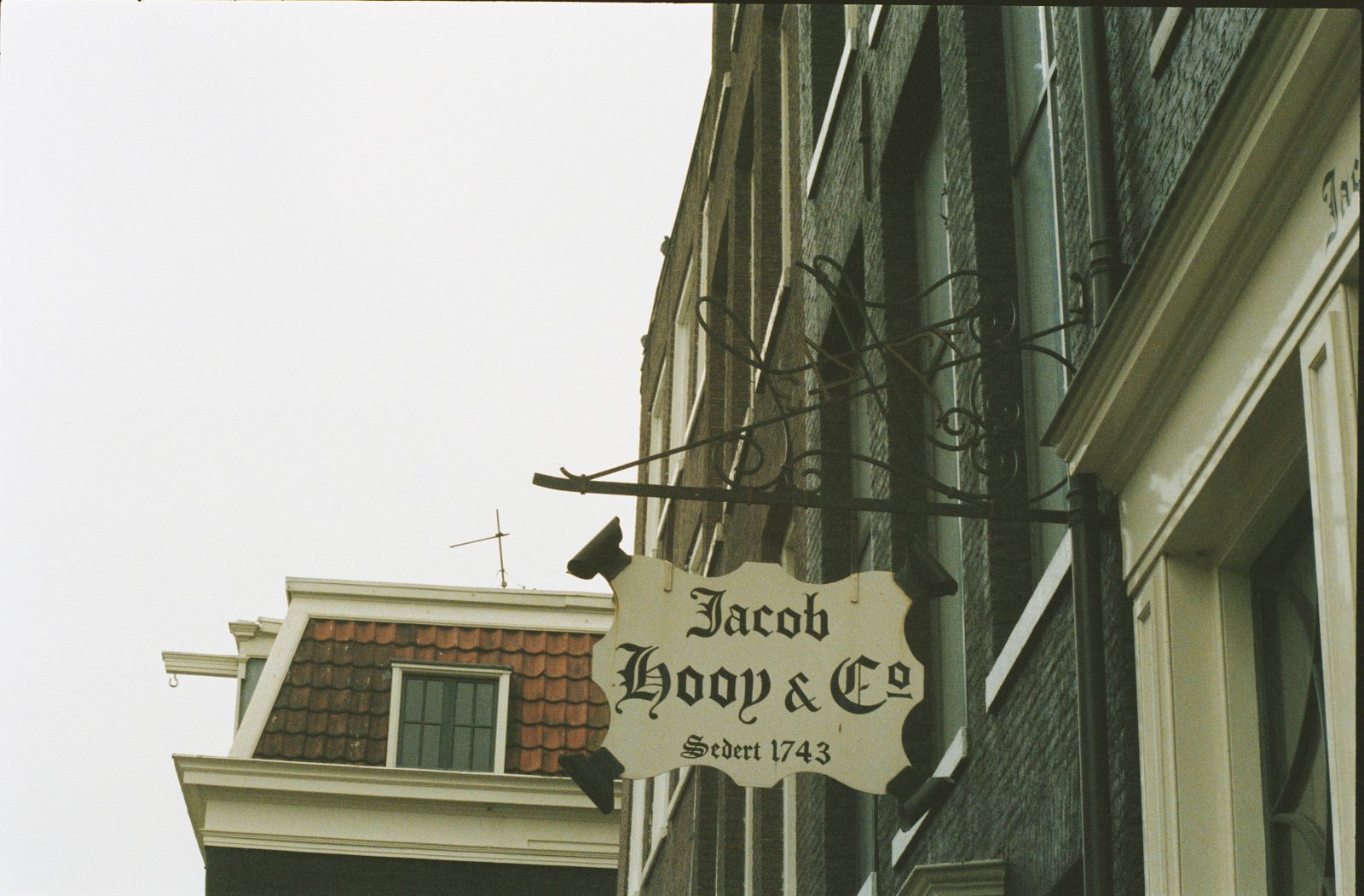
Jacob Hooy & Co
An apothecary shop unchanged since 1743: wooden drawers of herbs, liquorice jars and a 'gaper' head over the door.
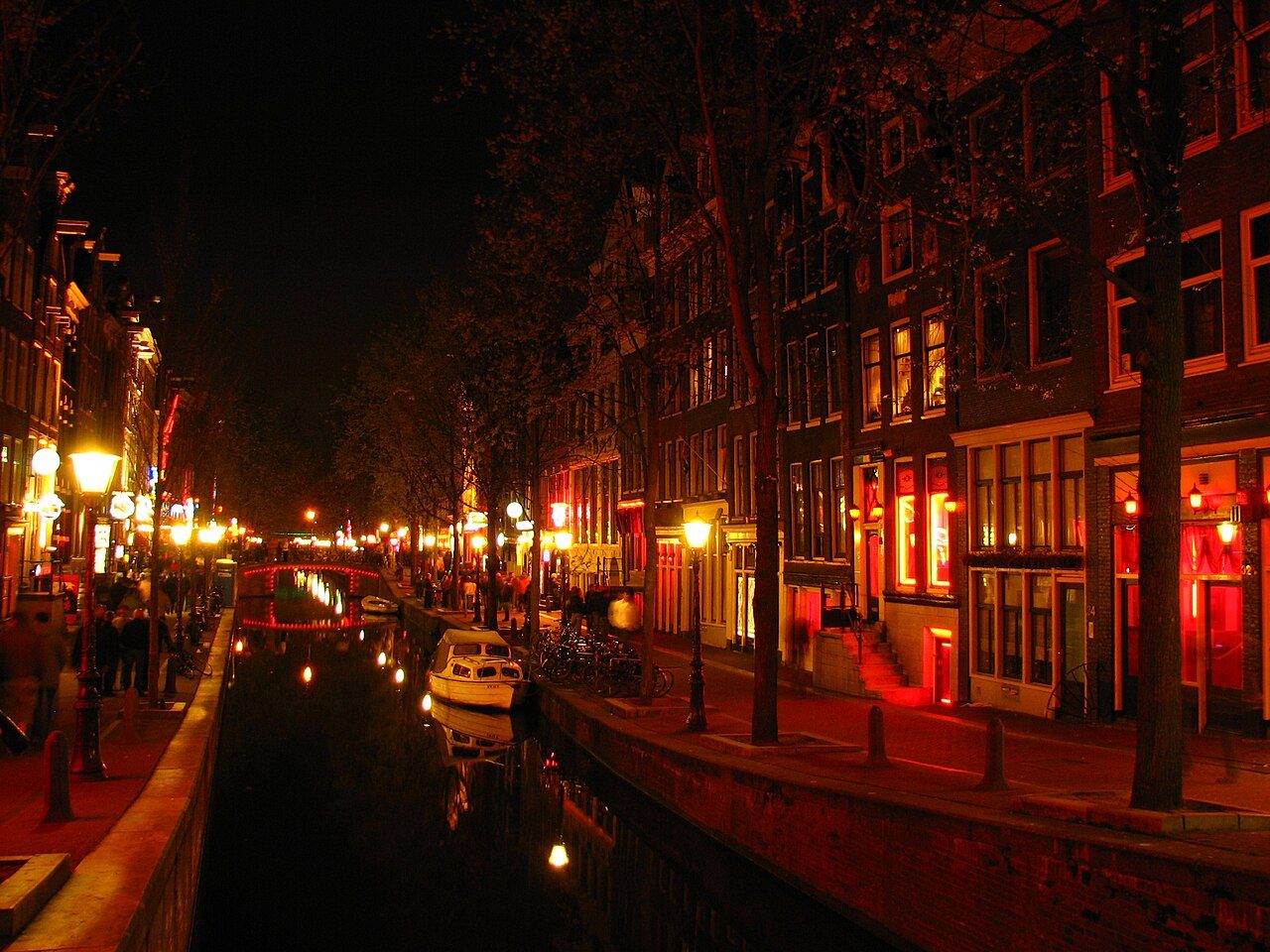
Red Light District (De Wallen)
Walk De Wallen for the canals, the city's oldest building and a neighbourhood with more stories than its red windows suggest.
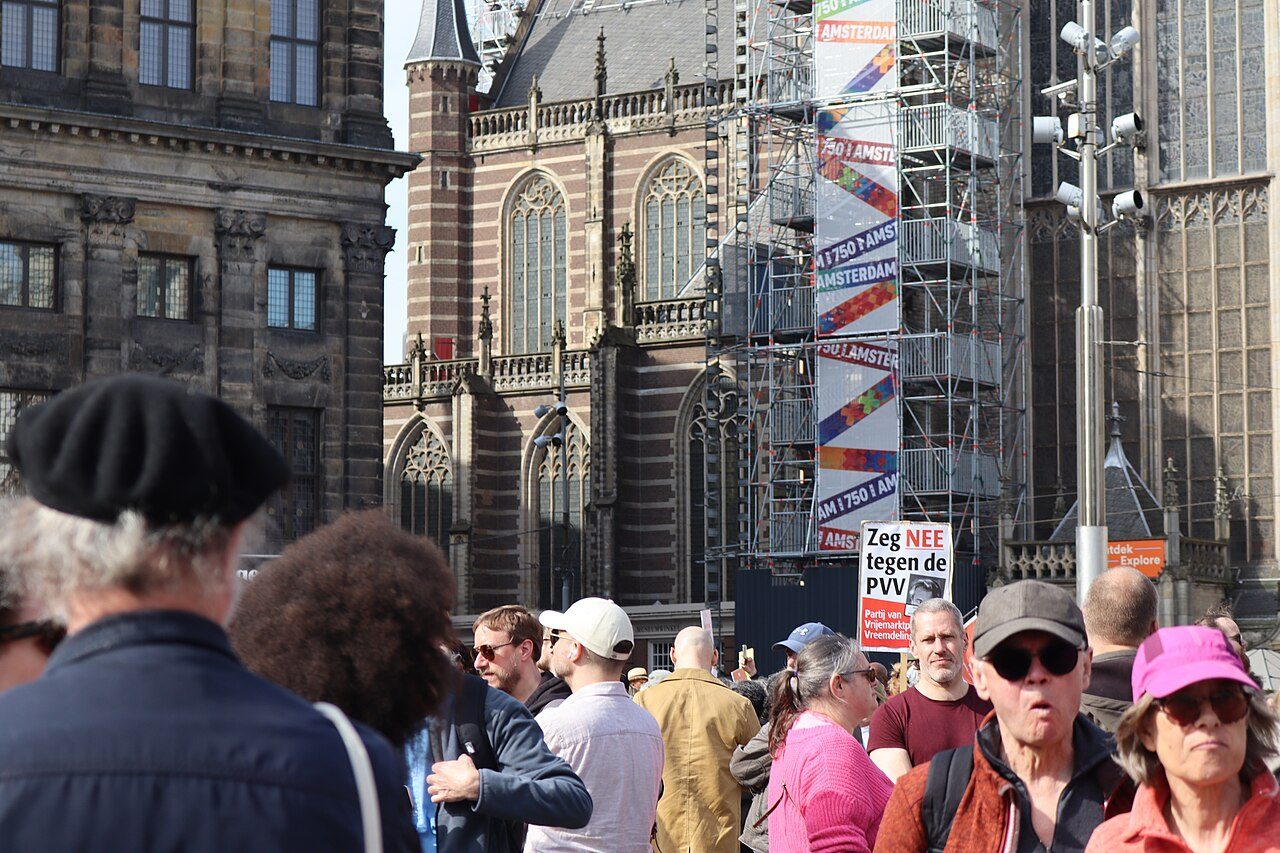
Ripley's Believe It or Not Amsterdam
Oddities and illusions on Dam Square.
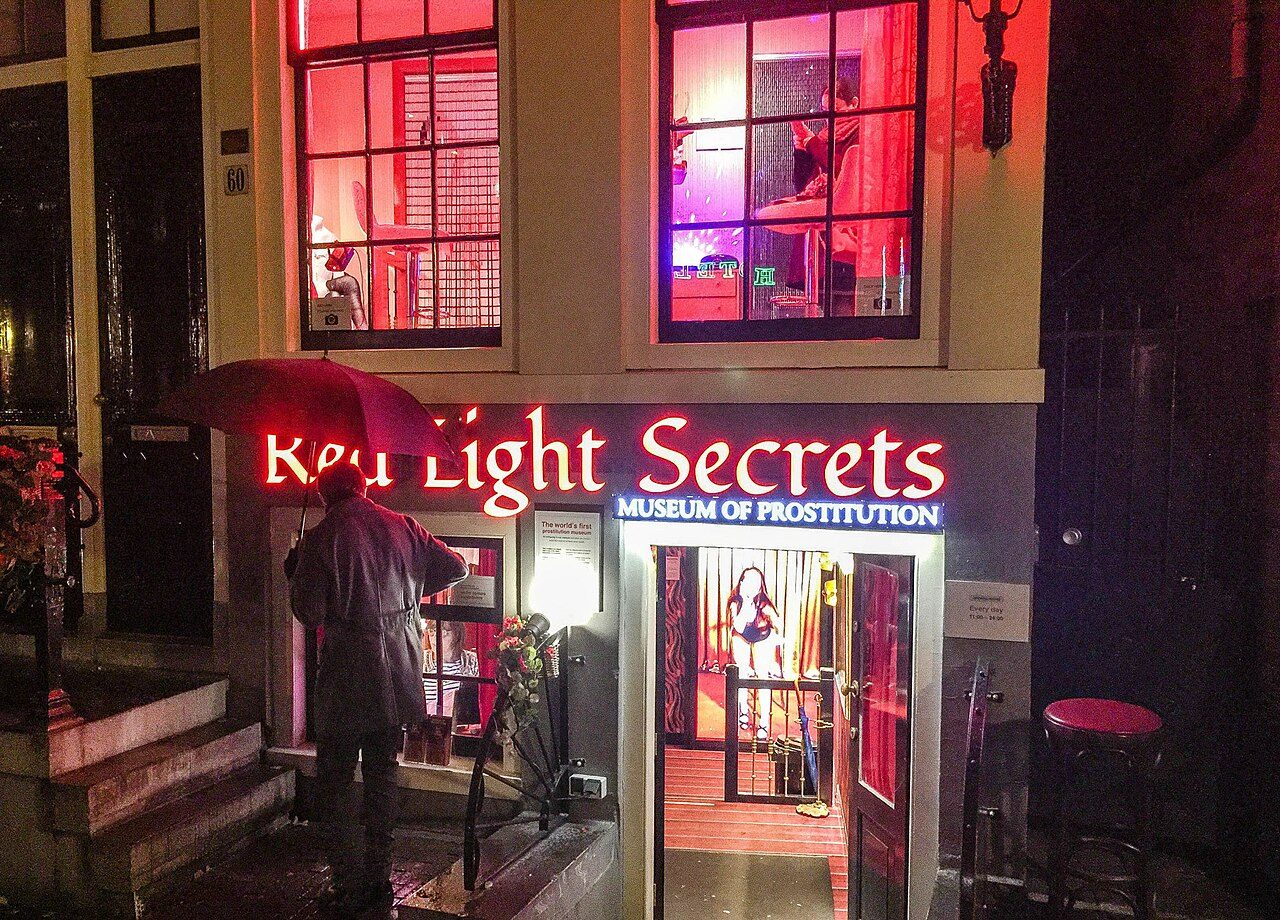
Red Light Secrets
Inside a former De Wallen brothel, audio stories and working rooms put human voices behind the famous windows.
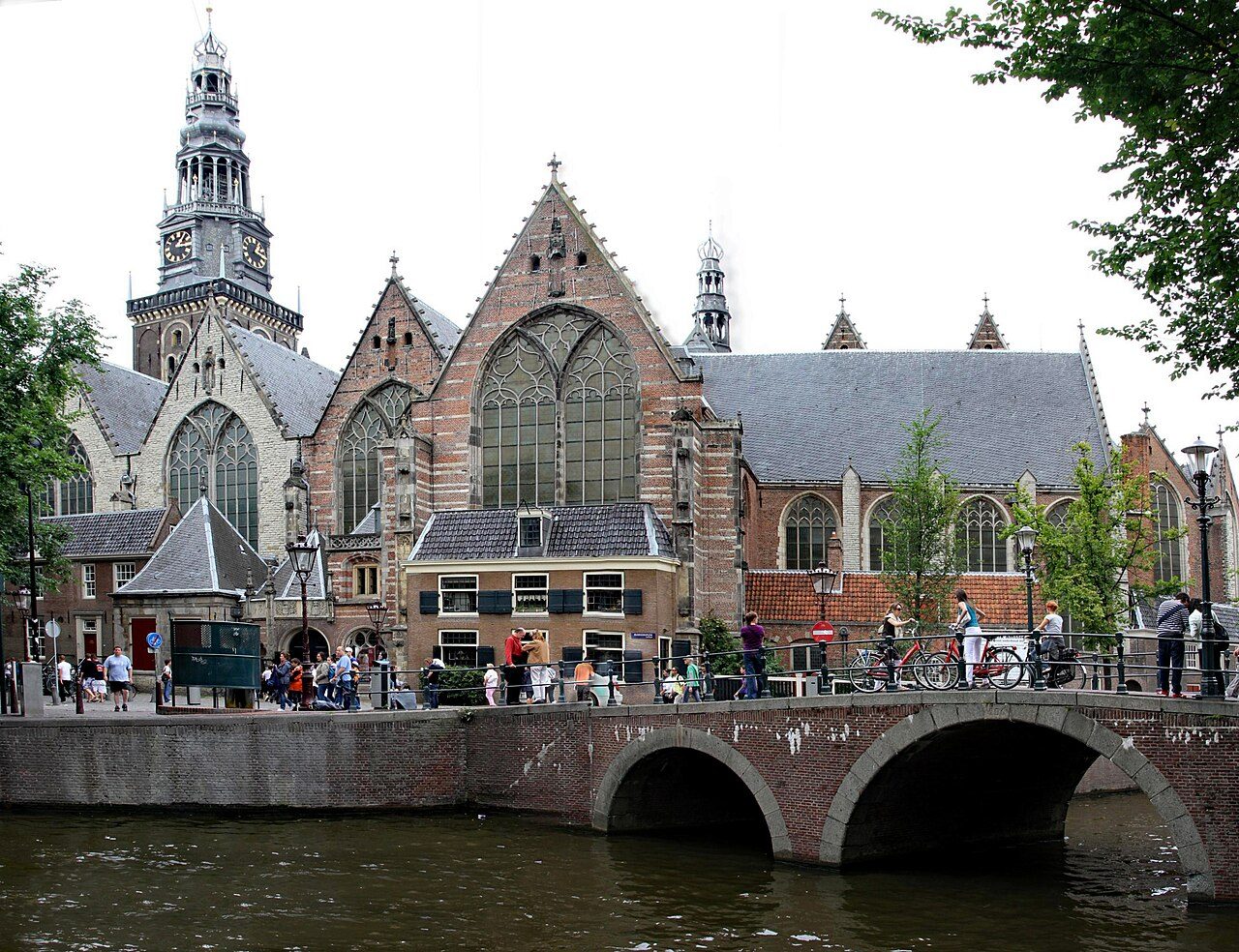
Oude Kerk
Amsterdam’s oldest building holds centuries of graves, stained glass and art made for its vast interior.
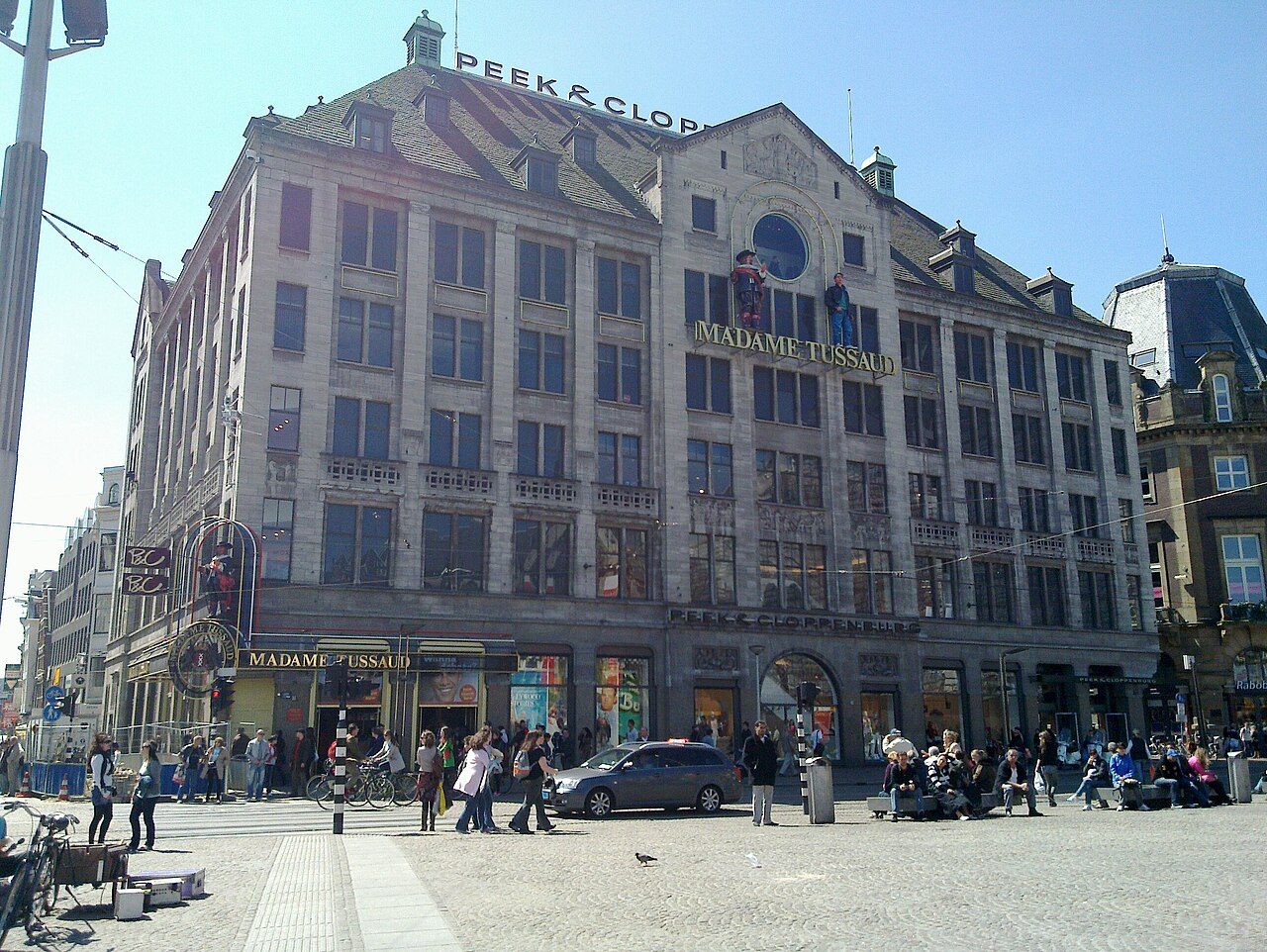
Madame Tussauds Amsterdam
Pose with lifelike stars on Dam Square, then look closer at the craft behind their wax faces.
Tours and quests that pass here
These walks have a stop a few minutes from Hash Marihuana & Hemp Museum. Free, on your phone, start any time.
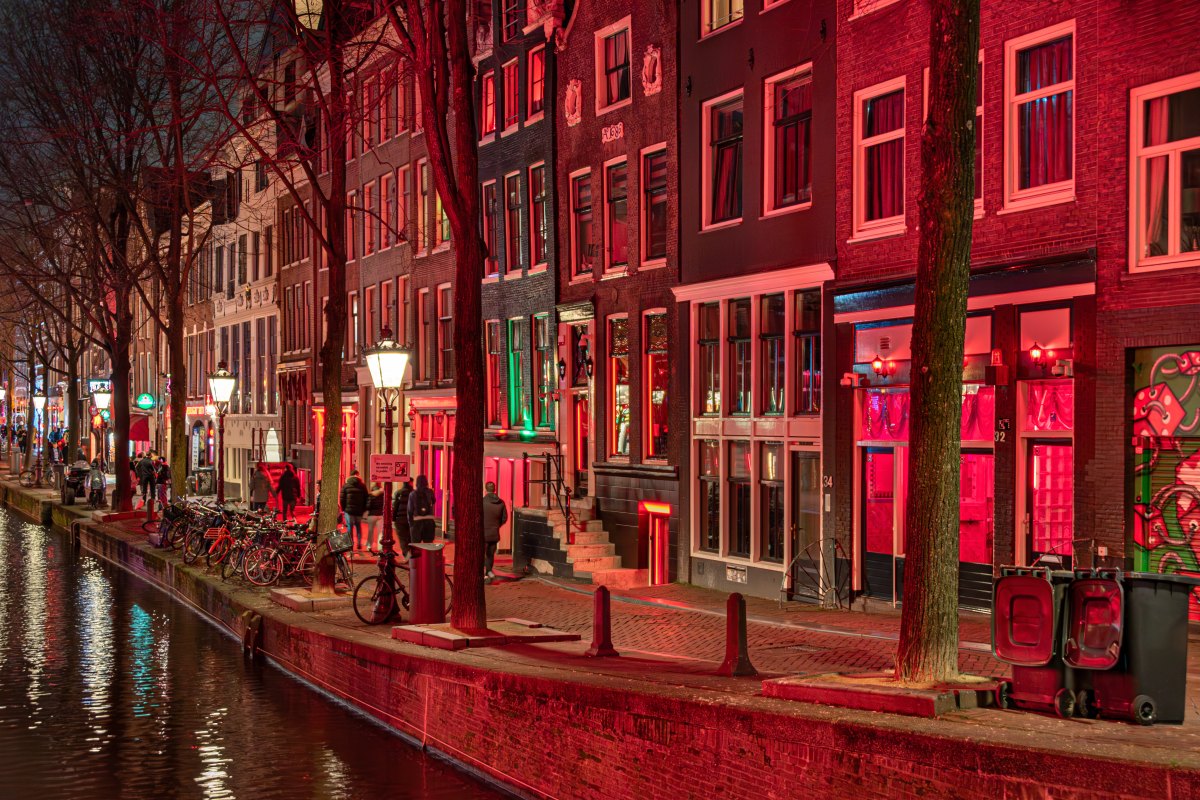 FREE AUDIO TOUR
Red Light District
Amsterdam’s Red Light District is a neighbourhood where sex workers work behind street-level windows, right beside a church. Walk these lanes and you’ll stand where the city has made room for the sex trade while punishing people who worked in it.
 FREE AUDIO TOUR
Amsterdam in a Day: Highlights Walk
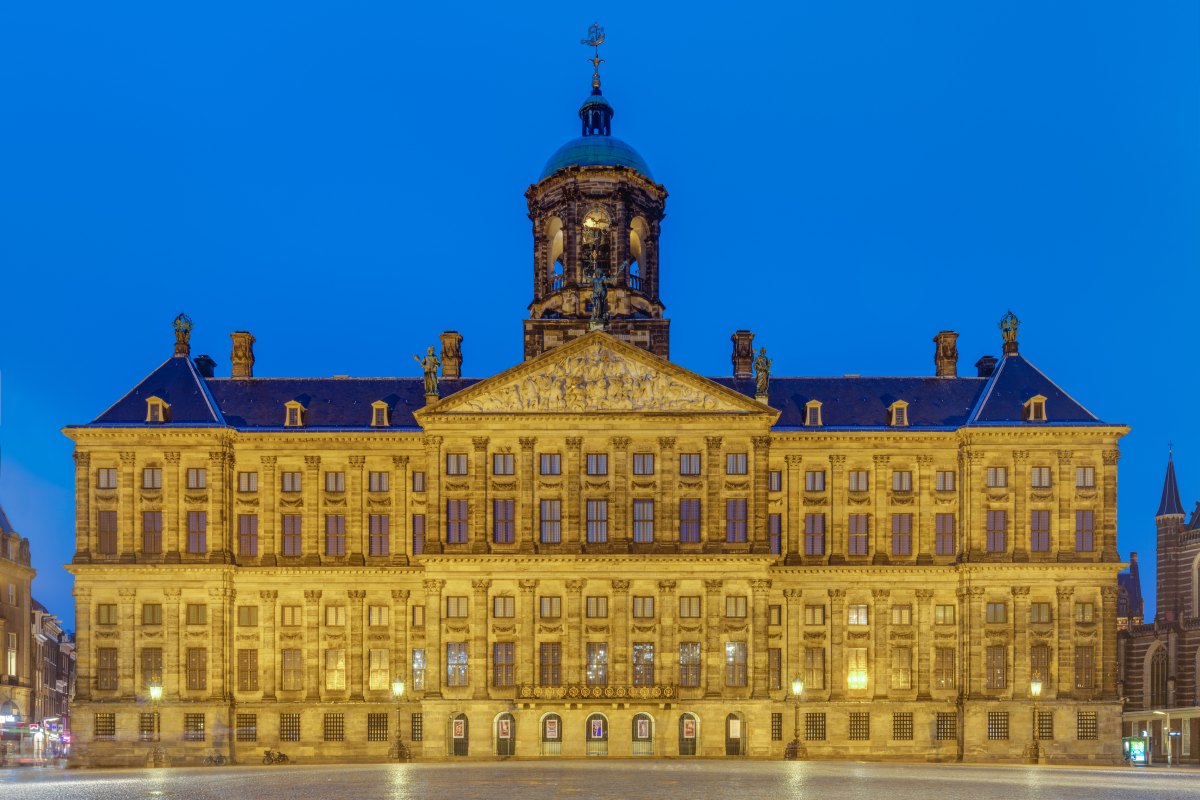
Amsterdam’s canals and grand houses tell you how a trading city grew rich, but that is only half the story. If you have one day in Amsterdam, spend it on the streets where merchants, workers and people in hiding lived within walking distance of each other.
 FREE AUDIO TOUR
Van Gogh's Amsterdam
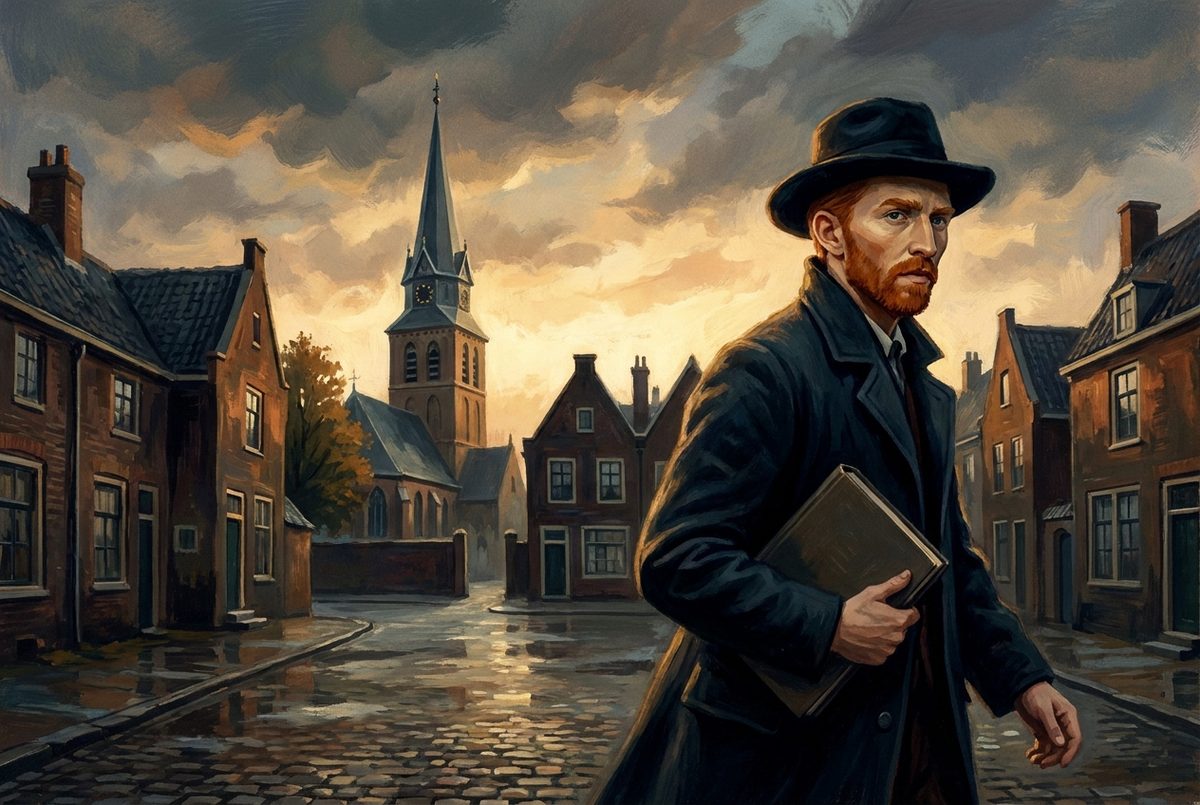
The man who painted Sunflowers lived in Amsterdam for just over a year, before he became an artist. You can still stand at the naval yard he called home and follow his Sunday walks across the city.